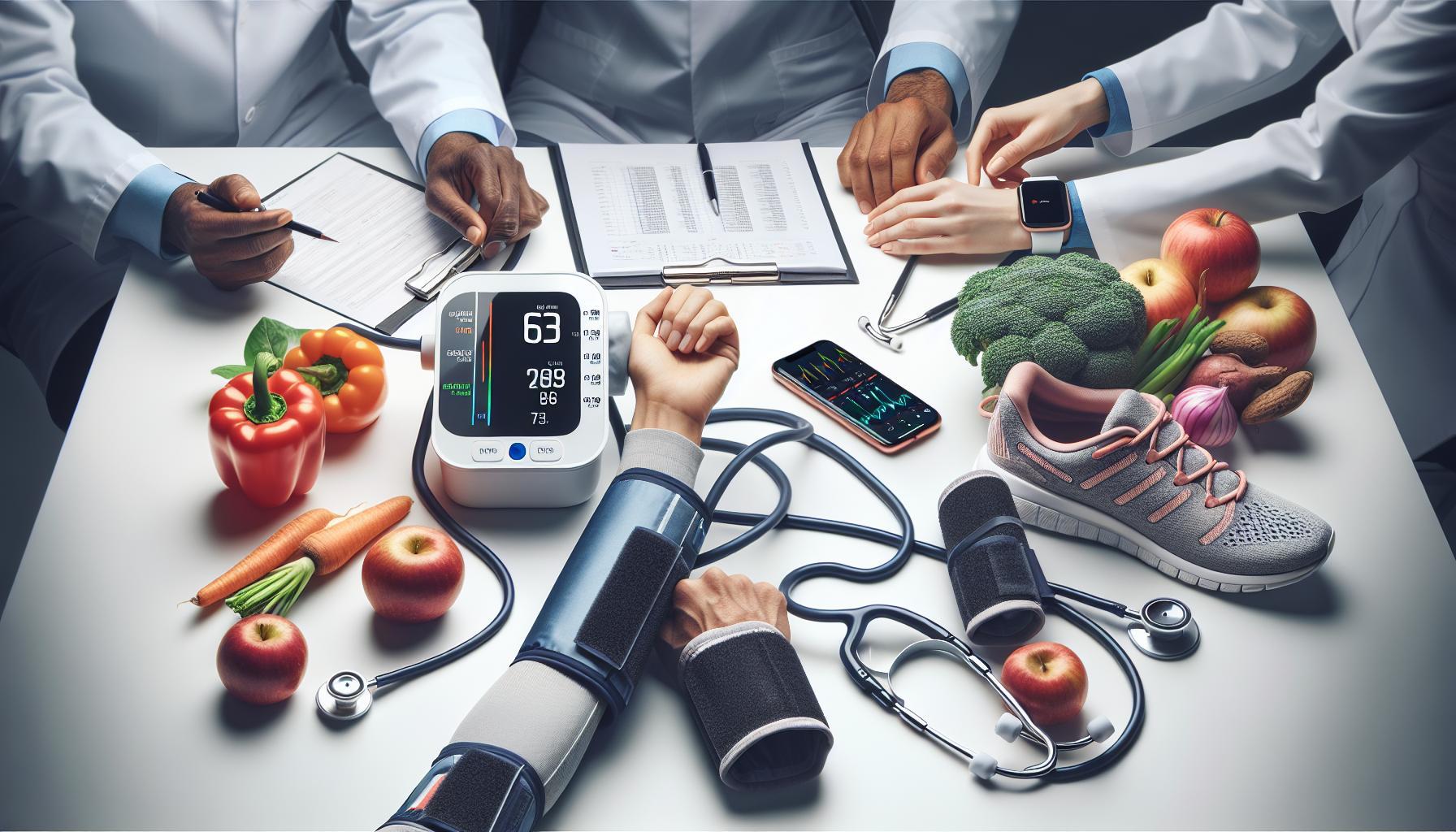

Monitoring blood pressure is a vital skill, particularly in community health initiatives. But if you’re volunteering, you might wonder: are you allowed to take blood pressure readings? Understanding the rules and guidelines surrounding this practice is crucial not only for your safety but also for those you aim to help. By equipping yourself with the right knowledge, you can empower yourself and others to manage health proactively.
Whether you’re volunteering at a health fair, supporting individuals with chronic conditions, or simply wanting to contribute to community wellness, knowing how to safely and effectively check blood pressure can make a significant difference. It not only helps in identifying potential health issues early but also encourages a culture of health awareness. Join us as we explore the regulations, best practices, and essential tips to ensure you’re prepared for this important responsibility. Your role as a volunteer can have a profound impact-let’s make sure you’re informed and ready to take action!
Are You Eligible to Take Blood Pressure as a Volunteer?
To confidently engage in blood pressure monitoring as a volunteer, it’s essential to understand the basic eligibility criteria. Primarily, volunteers should possess a genuine interest in health and wellness, with a willingness to help others manage their hypertension and overall cardiovascular health. While formal medical training is not always a prerequisite, certain background knowledge about blood pressure and cardiovascular health can be beneficial. Many organizations seek volunteers who are at least 18 years old, demonstrating a level of maturity and responsibility. Additionally, clear communication skills are crucial, as volunteers will need to engage with various individuals and potentially discuss their health concerns.
Before volunteering, familiarize yourself with any local regulations or organizational requirements regarding health screenings. Some organizations may require a background check or completion of specific training modules, focusing on understanding blood pressure readings, patient interaction, and the principles of confidentiality. Another key aspect of eligibility lies in the willingness to adhere to best practices and safety precautions, which helps ensure accurate measurements and a positive experience for those being monitored.
Being a volunteer blood pressure monitor not only allows you to contribute to your community’s health but also empowers you to make a tangible difference in people’s lives. You could be the supportive figure who helps an individual understand their blood pressure readings, leading to lifestyle changes that improve their overall well-being. Thus, your commitment, alongside proper training and guidance, positions you to play an invaluable role in community health initiatives.
Understanding the Legal Regulations Around Blood Pressure Monitoring
Engaging in blood pressure monitoring as a volunteer is a worthwhile endeavor that can have a meaningful impact on community health. However, understanding the legal landscape surrounding this responsibility is crucial for ensuring safe and compliant practices. Different jurisdictions may have specific laws governing who can measure blood pressure and the circumstances under which this can be done. Familiarizing yourself with these regulations is vital not only for your protection but also for the well-being of those you serve.
In many areas, volunteer blood pressure monitors are not required to hold a medical license, but there are exceptions depending on local health department regulations. It’s important to consult your local health authority to clarify any training or certification requirements that may exist. Organizations that offer volunteer roles often stay informed about these regulations, so they can provide guidance and ensure that their programs comply with legal standards.
Moreover, volunteers should be aware of the principle of informed consent, which mandates that individuals being monitored understand the process and agree to it willingly. This includes explaining the purpose of the monitoring, what the results mean, and how the data will be used. Volunteers should also prioritize confidentiality, safeguarding any personal health information obtained during these interactions.
Compliance with safety protocols is an integral aspect of legal regulations. Accurate operation of blood pressure equipment and following established medical guidelines not only support reliable readings but also protect the health of individuals being assessed. This involves using calibrated devices and adhering to best practices during measurements, such as ensuring the individual is comfortably seated and relaxed before taking a reading.
By understanding and adhering to these legal regulations, volunteers can confidently participate in health initiatives that contribute to better hypertension management, ultimately fostering a healthier community.
Required Training and Certification for Volunteer Blood Pressure Monitors
Becoming a volunteer blood pressure monitor is both an admirable and impactful commitment to community health. However, to perform this role effectively and safely, you must have the necessary training and, in some cases, certification. This ensures that you can accurately assess blood pressure, provide meaningful data, and maintain the safety of those you are monitoring.
To start, many organizations providing volunteer opportunities in blood pressure monitoring offer training sessions that cover essential topics, including how to use blood pressure monitors, understanding blood pressure readings, and the physiology behind hypertension. These training programs often include practical exercises, allowing volunteers to practice taking measurements under the supervision of trained professionals. Here are critical components typically included in training:
- Equipment Familiarization: Understanding how to operate different types of blood pressure monitors-manual and automatic.
- Measurement Techniques: Learning the proper techniques for obtaining accurate readings, such as positioning the arm and ensuring a relaxed environment.
- Interpreting Results: Knowing what blood pressure readings mean and how to communicate them effectively.
- Emergency Protocols: Being prepared to handle situations where abnormal readings occur, or when a participant feels unwell.
In some jurisdictions, specific certifications may be recommended or required. For instance, obtaining certification from recognized health organizations can enhance credibility and ensure adherence to best practices. Volunteers should always check with local health authorities or the organizations they wish to volunteer with to clarify what certifications, if any, are necessary.
Once trained, keep in mind that ongoing education is vital. Regular refresher courses help reinforce skills and update volunteers on any new guidelines or practices in blood pressure monitoring. Participating in these opportunities not only improves personal efficacy but also builds trust within the community, signaling that you are committed to providing high-quality health support. By engaging in proper training and certified programs, you empower yourself to contribute meaningfully to the health and well-being of those around you.
Best Practices for Accurate Blood Pressure Measurements
Accurate blood pressure measurements are crucial for effective monitoring and management of hypertension, which is often referred to as a “silent killer” due to its asymptomatic nature. It’s vital that volunteers conducting these measurements adhere to best practices to ensure reliability and credibility in their readings. By following established protocols, you can provide valuable data that can significantly influence a participant’s health journey.
To start, ensure that the individual being monitored is in a proper position. Both the arm measuring the blood pressure and the individual should be at heart level, ideally seated comfortably with their back supported and feet flat on the ground. Instruct the participant to rest quietly for at least five minutes prior to taking the measurement to reduce anxiety and enhance accuracy. Proper cuff size is essential; a cuff that is too small may produce falsely elevated readings, while a cuff that is too large can yield lower pressures. Always check that the cuff wraps snugly around the upper arm without being overly tight.
When it comes to the actual measurement, using the correct technique is imperative. Begin by locating the brachial artery and placing the cuff’s bladder over it while ensuring it’s positioned approximately one inch above the elbow crease. Inflate the cuff to about 20-30 mmHg above the expected systolic pressure, then slowly release the pressure at a rate of 2-3 mmHg per second while listening for the Korotkoff sounds – the first sound indicates the systolic pressure, while the point at which the sounds disappear represents diastolic pressure. Document these readings accurately, as well as the date and time of assessment, for future reference.
Finally, provide feedback to the participant in a clear and supportive manner, helping to foster understanding of their readings within a broader context of their health. Highlight the importance of regular monitoring and lifestyle modifications when necessary, such as improving diet, engaging in regular physical activity, and managing stress. Encourage participants to consult healthcare professionals for personalized advice and treatment options. By implementing these best practices consistently, you’ll empower yourself and your community in the fight against hypertension.
Volunteer Responsibilities and Ethical Considerations
Engaging in volunteer activities related to health monitoring, particularly blood pressure checks, not only serves the community but also comes with significant responsibilities that should be taken seriously. As a volunteer, you must recognize your role in safeguarding the well-being of participants. This includes not only accurate measurement but also understanding the ethical implications of your work. Volunteers must commit to respecting participants’ confidentiality, understanding their right to informed consent, and providing them with supportive communication regarding their health information.
One essential responsibility is to maintain a non-judgmental attitude. Individuals may feel anxious or embarrassed about their health. Creating a welcoming environment diminishes this stress and encourages honest communication. Ensure that participants understand the purpose of the measurements, the process involved, and their right to ask questions at any stage. It’s essential that they feel empowered to share any concerns they have during the measurement process.
Additionally, volunteers must be aware of and adhere to legal regulations and guidelines governing health monitoring. This includes upholding standards for data privacy, as sensitive health information is collected during blood pressure assessments. Familiarizing yourself with relevant local regulations, agency guidelines, and ethical standards is crucial to ensure compliance and build trust with participants.
Finally, engaging in ongoing education about hypertension and health monitoring practices will enhance your ability to serve effectively. Providing participants with accurate, evidence-based information on the significance of healthy blood pressure levels and lifestyle changes reinforces the value of your role. You are not merely collecting numbers; you are contributing to a broader conversation about health awareness and prevention in your community. By embodying these principles, you can make a meaningful impact as a volunteer blood pressure monitor.
Potential Risks and Safety Protocols in Blood Pressure Monitoring
Engaging in blood pressure monitoring as a volunteer can present various risks, but understanding and adhering to established safety protocols can mitigate these concerns effectively. One critical risk is the possibility of misinterpreting blood pressure readings, which can lead to unnecessary alarm or a false sense of security among participants. A volunteer must be aware of the implications of their role, ensuring that they do not provide medical diagnoses or recommendations, as this could lead to significant consequences for individuals relying on their guidance.
To uphold safety standards, volunteers should follow strict protocols during the monitoring process. Always use calibrated and properly maintained equipment, and ensure that the device is suitable for the participant’s size and condition. Before taking a measurement, give the participant clear instructions on how to prepare. They should sit comfortably in a quiet environment for a few minutes to lower their stress levels, as anxiety can artificially elevate blood pressure readings. During the measurement, it is essential to place the cuff correctly and ensure that the participant’s arm is supported at heart level.
In addition to proper technique, confidentiality and data protection are paramount. Volunteers should avoid discussing any participant’s health results with unauthorized individuals to respect privacy laws and personal dignity. It’s advisable to securely store any recorded data and to destroy it when it is no longer needed. Furthermore, volunteers should consider being trained in basic emergency response procedures to address any immediate health concerns that may arise during the monitoring process, such as fainting or distress. Having a plan in place not only enhances participant safety but also bolsters the volunteer’s confidence and preparedness.
Beyond ensuring personal and patient safety, volunteers should maintain a supportive atmosphere. Encourage participants to ask questions and voice concerns, and be prepared to direct them to medical professionals if further action is necessary. This proactive engagement helps foster trust and improves participants’ overall experience, reinforcing the important role volunteers play in health monitoring while promoting a culture of safety and care within the community.
How to Find Volunteer Opportunities in Health Monitoring
Finding opportunities to volunteer in health monitoring, particularly in blood pressure monitoring, can be both rewarding and impactful for community health. Many organizations seek dedicated individuals willing to assist in monitoring vital health metrics, and there are several avenues to explore.
Start by connecting with local healthcare providers, such as hospitals or clinics, which often have volunteer programs aimed at enhancing community wellness. Many facilities hold health fairs or community wellness events, and they frequently need volunteers to help with blood pressure screenings. Additionally, local non-profit organizations focused on health education, such as the American Heart Association, often run volunteer-led initiatives that require individuals to assist in monitoring blood pressure or educate the public about hypertension.
Another excellent resource is volunteer platforms, both online and in your area, which can provide listings of health monitoring opportunities. Websites like VolunteerMatch or Idealist allow you to filter search results based on your interests and location. You may find that schools, universities, or health-focused community groups are also seeking volunteers for research studies or public health initiatives involving blood pressure monitoring.
Moreover, consider engaging with community recreation centers or local businesses, as some may host health initiative days where volunteers are needed to screen participants. Not only does this help you contribute to your community’s health, but it also allows you to gain practical experience while potentially meeting organizations that may offer formal training or certification in the future. Remember, your initiative in seeking these roles not only promotes awareness of hypertension but also fosters a culture of health and wellness in your community.
The Importance of Blood Pressure Awareness in the Community
Understanding blood pressure is vital for community health, as hypertension affects millions of individuals and can lead to serious conditions such as heart disease, stroke, and kidney failure. Regular blood pressure monitoring not only helps identify individuals at risk but also serves as a valuable tool for promoting overall health consciousness within the community. By raising awareness, volunteers can significantly contribute to reducing the prevalence of hypertension and its associated complications.
Education plays a crucial role in blood pressure awareness. Volunteers can engage in community health fairs, workshops, or seminars, providing information about the importance of regular screenings and offering practical tips on maintaining a healthy lifestyle. For instance, simple changes such as a balanced diet, regular exercise, and stress management can make a significant difference. Distributing informative pamphlets that outline these strategies encourages proactive health management.
Furthermore, creating an environment where community members feel comfortable discussing their health concerns is essential. Volunteers can normalize conversations around blood pressure and its implications, fostering a supportive atmosphere. By sharing personal stories or testimonials of individuals who successfully managed their blood pressure through lifestyle changes, volunteers can inspire others to take control of their health.
Involving community members in blood pressure monitoring initiatives drives home the message that health is a shared responsibility. As volunteers work with local organizations, they not only help in screenings but also cultivate trust and relationships. This collaboration build bridges between healthcare providers and the community, enabling better access to resources and support systems. Ultimately, the long-term benefits include a more informed and health-oriented population, leading to improved overall community health outcomes.
Tips for Communicating Blood Pressure Results Effectively
Communicating blood pressure results effectively is crucial for fostering understanding and encouraging proactive health management among community members. Many individuals may be unfamiliar with what their readings indicate, so presenting this information clearly and compassionately can make all the difference. When sharing blood pressure results, it’s essential to avoid medical jargon that might confuse patients; instead, use simple, relatable terms. For example, explaining that a normal reading is typically around 120/80 mmHg can help people understand their own numbers in context.
Key Points to Communicate
When discussing blood pressure results, focus on these key components:
- Explain what the numbers mean: Help individuals understand systolic (the first number) and diastolic (the second number) pressures, emphasizing what constitutes normal, elevated, and hypertensive levels.
- Provide context: Discuss personal health factors that may affect their blood pressure, such as age, weight, and existing health conditions.
- Encourage questions: Invite individuals to ask questions about their results to clear up any confusion and empower them with knowledge.
- Suggest next steps: Depending on the readings, recommend lifestyle changes, further monitoring, or consulting a healthcare professional for high readings.
Another effective strategy is to use visual aids, such as charts or pamphlets, that outline what different blood pressure ranges mean. Providing this information can help reinforce understanding and retention. For instance, a simple color-coded chart can visually demonstrate different blood pressure categories, making it easier for individuals to grasp the implications of their readings.
Empathetic Engagement
It’s also essential to approach the conversation with empathy. Acknowledge any concerns or fears individuals might have regarding their health. By fostering a supportive atmosphere, volunteers can help alleviate anxiety associated with high blood pressure readings. Sharing success stories of others who have made positive lifestyle changes can inspire hope and motivate individuals to take charge of their health.
By effectively communicating blood pressure results with clarity and compassion, volunteers can not only educate community members but also encourage a proactive approach to health management, fostering a culture of awareness and support around hypertension.
Empowering Others: Educating Patients About Hypertension Management
Empowering individuals to manage their hypertension is a vital aspect of community health, especially as awareness about high blood pressure rises. With nearly half of adults in the United States affected by hypertension, the role of volunteers in educating patients about effective management strategies cannot be overstated. Volunteers have the unique opportunity to not only provide blood pressure readings but also to empower community members with knowledge and resources that foster positive health behaviors.
One effective approach in education is to introduce a holistic view of hypertension management. This includes discussing dietary changes, such as following a heart-healthy diet rich in fruits, vegetables, whole grains, and low-fat dairy while limiting salt, saturated fat, and added sugars. Volunteers can encourage patients to set achievable goals, such as reducing sodium intake and increasing physical activity. The DASH (Dietary Approaches to Stop Hypertension) eating plan is a helpful resource to share, outlining practical ways to make healthier food choices.
It’s also essential to discuss lifestyle modifications like regular exercise-ideally 150 minutes of moderate aerobic activity or 75 minutes of vigorous activity each week-as this can significantly lower blood pressure. Additionally, managing stress through practices such as mindfulness, deep breathing, or yoga can be introduced as valuable tools. Volunteers should inspire individuals to find enjoyable activities that keep them active, as personal enjoyment leads to sustainable health habits.
Moreover, monitoring one’s blood pressure at home can empower patients by keeping them engaged in their health journey. Teaching patients how to use a home blood pressure monitor and the proper techniques for self-measurement helps them take an active role in their management. Stress the importance of regular monitoring and maintaining a log of readings to identify patterns and share this information with healthcare providers.
By fostering an environment of support and understanding, volunteers can help demystify hypertension and encourage patients to take actionable steps towards better health. Sharing success stories of individuals who have made significant lifestyle changes can motivate and instill hope in those who may feel overwhelmed. When community members are equipped with the right information, resources, and encouragement, they are empowered to take charge of their blood pressure management, leading to healthier outcomes for everyone.
Resources and Support for Volunteer Blood Pressure Monitors
Volunteer blood pressure monitors play a crucial role in promoting awareness and management of hypertension within communities. Understanding the resources and support available to these volunteers is essential for effective engagement and patient education. A well-rounded approach not only empowers volunteers but also enhances the overall health outcomes for the populations they serve.
One key resource is the access to training programs designed specifically for volunteers entering the field of health monitoring. These programs often provide comprehensive education on blood pressure measurement techniques, including the appropriate use of devices, how to interpret readings, and how to communicate results effectively. Many organizations offer these trainings either in-person or online, allowing flexibility for volunteers to enhance their skills at convenient times. Furthermore, basic certifications in First Aid and CPR can be beneficial, equipping volunteers with the knowledge to respond to medical emergencies if they arise during community events.
Volunteers can also tap into an array of guidelines and toolkits provided by health organizations. These resources typically include step-by-step protocols for accurate blood pressure measurement, troubleshooting tips for common problems, and best practices for patient interaction. For instance, maintaining a calm environment during measurements can help reduce anxiety and yield more accurate results. Additionally, resources that offer educational materials for patients, such as brochures on lifestyle changes or workshops on stress management, can enhance the volunteers’ ability to provide supportive health education.
Lastly, joining networks of fellow volunteers and health professionals can offer ongoing support and motivation. Collaboration with health care providers, community organizations, and other volunteers encourages knowledge sharing and creates a supportive community atmosphere. Utilizing social media groups, forums, or local coalitions can connect volunteers with experienced mentors who can provide guidance and share successful practices.
By leveraging these resources and support systems, volunteer blood pressure monitors not only enhance their own skills but also significantly contribute to their community’s health education and hypertension management initiatives. As they engage with patients, these volunteers become vital educators, fostering a culture of health awareness and proactive management, effectively turning their service into a community-wide benefit.
Future Trends in Volunteer Health Initiatives and Monitoring Programs
The landscape of volunteer health initiatives, particularly in blood pressure monitoring, is evolving rapidly as communities recognize the critical need for accessible healthcare services. As healthcare becomes increasingly integrated with technology, volunteers are likely to find themselves equipped with advanced tools and resources that enhance their ability to monitor and manage hypertension effectively. Mobile health applications and wearable technology are paving the way for more sophisticated approaches to volunteer-led health initiatives. These tools can provide real-time data analytics, making it easier for volunteers to track trends in blood pressure readings and share findings with healthcare professionals.
Moreover, the integration of education with volunteer activities is becoming paramount. Future volunteer programs are likely to emphasize a holistic approach to health education, teaching not only how to take blood pressure but also providing training in lifestyle factors that influence cardiovascular health. This includes dietary changes, exercise recommendations, and stress management techniques. By empowering volunteers with knowledge about comprehensive hypertension management, they can better educate community members and motivate them towards healthier lifestyle choices.
In addition, community engagement strategies are shifting to focus more on inclusivity and diversity. Future initiatives may seek to involve a wider demographic of volunteers, including those from various cultural backgrounds, to ensure that health messages are relatable and resonate within different communities. This cultural competence will enhance trust and improve communication regarding hypertension management practices.
Finally, as healthcare policies continue to evolve, there will likely be an increased emphasis on collaboration among non-profits, healthcare institutions, and community organizations. Volunteers will be essential in bridging gaps between these entities, creating a network of support that fosters shared knowledge and resources. This collaborative spirit enhances the sustainability and effectiveness of volunteer health initiatives, ensuring that they are not only impactful but also aligned with broader public health strategies. Through these future trends, volunteer blood pressure monitors will not only fulfill a critical role in immediate health assessments but also contribute significantly to long-term health education and chronic disease management within their communities.
FAQ
Q: What certifications are needed to take blood pressure as a volunteer?
A: To take blood pressure as a volunteer, specific certifications may vary by location and organization. Generally, basic training in blood pressure measurement techniques, sometimes combined with CPR certification, is required. Check your local volunteer organization for specific requirements. For more details, see the section on training in the main article.
Q: Is there an age limit for volunteers taking blood pressure?
A: Yes, most organizations set a minimum age limit for volunteers who take blood pressure readings, typically around 18 years. However, younger volunteers may participate under adult supervision or as part of a mentorship program, depending on the organization’s policies.
Q: Can volunteers take blood pressure readings in any setting?
A: No, taking blood pressure readings should only occur in approved settings, such as clinics, health fairs, or community events. It’s essential to ensure that the environment is suitable for health monitoring to guarantee accuracy and patient comfort.
Q: What legal protections are in place for volunteer blood pressure monitors?
A: Many states have Good Samaritan laws that protect volunteers from liability when providing assistance in emergency situations, including health monitoring. However, it’s crucial for volunteers to follow proper protocols and training to ensure they act within the scope of their guidance.
Q: How can volunteers ensure they are measuring blood pressure accurately?
A: Volunteers can ensure accurate blood pressure measurements by following best practices, such as using the correct cuff size, positioning the participant correctly, and calibrating the equipment regularly. Refer to the section on best practices in the main article for more tips.
Q: What should volunteers do if they detect high blood pressure readings?
A: If volunteers detect high blood pressure readings, they should communicate the results clearly to the individual and advise them to seek further evaluation from a healthcare professional. It’s essential to approach this sensitively and supportively.
Q: Are there specific populations that volunteer blood pressure monitors should be cautious with?
A: Yes, volunteers should exercise caution when monitoring blood pressure for populations with specific health conditions, such as severe hypertension or cardiovascular issues. Volunteers should be trained to recognize when to refer individuals to healthcare professionals for further assessment.
Q: What resources are available for new volunteers in health monitoring?
A: New volunteers can access a variety of resources, including training manuals, workshops, and online courses from healthcare organizations. Networking with experienced volunteers and health professionals can also provide valuable support and guidance as they begin.
Closing Remarks
As you navigate the intricacies of volunteer blood pressure monitoring, remember that understanding the associated rules is crucial for both your safety and the individuals you’re helping. By adhering to the guidelines outlined in “Are You Allowed to Take Blood Pressure as a Volunteer? Rules Explained,” you can confidently contribute to health awareness and community support. Don’t wait to make a difference-explore our resources on how to properly manage blood pressure and discover best practices for volunteer health initiatives.
Curious about the broader aspects of blood health? Check out our articles on understanding blood pressure variations and the critical role of blood components in overall health. Engage with our community by sharing your thoughts and experiences in the comments below, and consider signing up for our newsletter for valuable insights delivered right to your inbox. Together, we can empower one another to take charge of our health-one heartbeat at a time!