


Did you know that common colds can impact more than just your nose and throat? While primarily caused by viruses, these infections can also trigger changes in your body, potentially leading to elevated blood pressure. Understanding the link between a cold and high blood pressure is crucial, especially for those already managing hypertension or other cardiovascular concerns.
When you’re feeling unwell, the stress your body experiences, combined with the physiological effects of illness, may lead to temporary increases in blood pressure. This can be alarming for those who monitor their health closely. In this article, we’ll explore how colds can affect your blood pressure, what symptoms to watch for, and practical tips for managing your health during the cold season. Stay informed and empowered with the knowledge you need to protect your well-being even when you’re under the weather.
Understanding the Link Between Colds and Blood Pressure
It’s not uncommon for individuals to experience fluctuations in blood pressure during a cold, revealing a complex relationship between respiratory infections and cardiovascular health. Colds, primarily caused by viruses, can lead to systemic inflammation, which may induce stress responses in the body. When fighting an infection, the immune system releases various chemicals, and the body’s response can include an increase in heart rate and blood pressure. This physiological response aims to deliver essential nutrients and oxygen to tissues that need to repair or fend off pathogens.
An important aspect to consider is that during a cold, individuals may engage in behaviors such as increased fluid intake or reduced physical activity, which can also influence blood pressure levels. For instance, dehydration from lack of fluids can lead to thicker blood, potentially raising blood pressure. Meanwhile, common remedies like decongestants available over the counter can constrict blood vessels, inadvertently raising blood pressure. Thus, if you’re managing hypertension, it’s critical to monitor blood pressure closely when ill.
To effectively manage your blood pressure during a cold, regular monitoring is paramount. Consider using a home blood pressure monitor, taking readings at the same time each day, and recording the results. Keeping a journal can help identify patterns and triggers associated with your blood pressure readings. If you notice significant spikes or other symptoms, such as headaches or dizziness, consult your healthcare provider for tailored advice and potential adjustments to your treatment plan.
How a Cold Affects Your Cardiovascular System

When you catch a cold, it’s not just your nose and throat that feel the impact; your cardiovascular system can also be affected in noticeable ways. The physiological response to the viral infection can lead to an increase in heart rate and blood pressure. This happens partly because the immune system releases a cascade of inflammatory chemicals, such as cytokines, that signal the body to ramp up its defenses. This elevated immune response, while necessary to fight the infection, can put additional strain on your heart and blood vessels, potentially leading to spikes in blood pressure during illness.
Another factor contributing to changes in cardiovascular health during a cold is the body’s hydration levels. Many people may not drink enough fluids or might be reluctant to drink due to symptoms like nausea or a sore throat. Dehydration can make blood thicker, which increases resistance in blood vessels and can elevate blood pressure. Likewise, certain common over-the-counter cold medications, particularly decongestants, can constrict blood vessels, further compounding the issue by raising blood pressure. For anyone with pre-existing hypertension or heart conditions, this interaction can pose significant risks, emphasizing the importance of being vigilant about health management during times of illness.
Monitoring your blood pressure should be a priority when you are battling a cold. It is advisable to use a home blood pressure monitor, checking your readings at consistent times each day, surrounded by similar conditions, to track any significant changes. If symptoms such as dizziness, headaches, or fluctuations in blood pressure readings arise, consulting with a healthcare professional is crucial. They can evaluate whether adjustments to your treatment plan are necessary and provide guidance tailored to your specific health needs.
By understanding the connections between the common cold and cardiovascular responses, you can take proactive steps to safeguard your health. Staying hydrated, being mindful of medication interactions, and implementing regular monitoring can empower you to manage your blood pressure effectively during illness, allowing you to recover with greater confidence.
Symptoms of High Blood Pressure During a Cold

When experiencing a cold, many people focus on the usual symptoms like a runny nose or sore throat, but it’s essential to be aware that high blood pressure can also manifest during this time. Elevated blood pressure, or hypertension, may remain unnoticed until it reaches concerning levels. Symptoms associated with high blood pressure can include persistent headaches, dizziness, and unusual fatigue-conditions that might easily be attributed to the lingering effects of a cold.
It’s crucial to understand that these symptoms could signal that your body is under additional stress due to illness. Other signs to watch for include blurred vision and chest pain. Individuals experiencing these symptoms should not simply disregard them as part of the cold. Instead, they should consider that their blood pressure might be fluctuating and take proactive steps.
To effectively manage these symptoms, monitoring your blood pressure regularly becomes paramount. Here are some guidelines to ensure accurate readings:
- Timing: Measure your blood pressure at the same time each day to track patterns.
- Rest: Sit quietly for 5-10 minutes before taking a reading to avoid temporary spikes caused by physical activity or stress.
- Technique: Use a properly calibrated home blood pressure monitor and ensure your arm is at heart level during measurement.
If symptoms of high blood pressure persist or worsen, it’s imperative to seek medical advice. Consulting with a healthcare provider can help determine if medication adjustments or other interventions are necessary to stabilize your blood pressure during a cold. By being vigilant and taking these steps, you empower yourself to manage your health proactively, ensuring a smoother recovery process.
Mechanisms Behind Elevated Blood Pressure When Sick
The connection between sickness and blood pressure is an intricate one, often influenced by several physiological responses triggered during an illness. When you catch a cold, your body’s immune response ramps up in an attempt to fight off the virus. This immune response includes the release of various chemicals, such as cytokines and prostaglandins, which can cause inflammation. Inflammation can lead to the narrowing of blood vessels, a key factor in increasing blood pressure.
Moreover, colds often come with discomforts such as fever, cough, and nasal congestion, which can increase stress levels and activate the sympathetic nervous system. This activation can speed up your heart rate and constrict your blood vessels, further raising blood pressure. Stress is notorious for causing temporary spikes in blood pressure, and coupled with the physical strain of fighting an infection, it can lead to significant fluctuations in your readings.
In addition, some medications taken to relieve cold symptoms, such as decongestants, can also elevate blood pressure. These drugs work by constricting blood vessels to reduce swelling and congestion, which can inadvertently increase pressure in your arterial system. Therefore, if you experience a cold alongside a rise in blood pressure, it is essential to consider both your body’s immune response and the effect of any medications you may be using.
Understanding these mechanisms can empower individuals to monitor their blood pressure more closely during colds and take proactive measures. Regularly checking blood pressure and adjusting lifestyle factors-such as reducing stress through relaxation techniques or optimizing hydration-can help mitigate potential risks associated with elevated blood pressure during illness. Always consult with a healthcare provider if you notice persistent increases in your blood pressure while ill, as they can guide you towards appropriate management strategies tailored to your health needs.
Risk Factors: Who Is Most Affected?
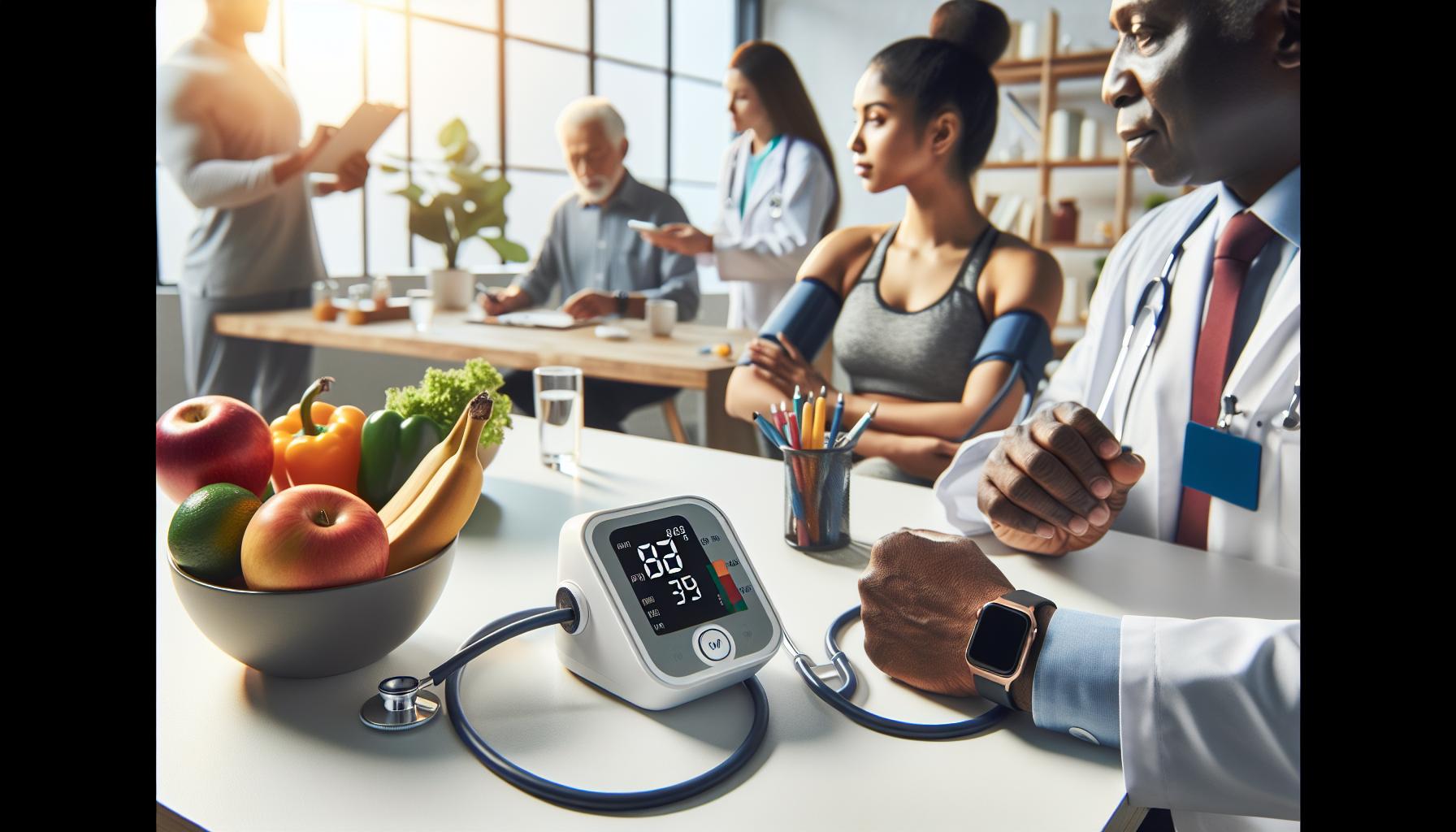
Experiencing a cold can be more than just an inconvenience; for some individuals, it can lead to significant changes in blood pressure levels. Understanding who is most affected by this interplay between colds and hypertension is crucial for effective health management. While anyone can experience elevated blood pressure during illness, certain demographics may be more susceptible, including older adults, individuals with existing hypertension, and those with underlying cardiovascular conditions.
Age and Vulnerability
As people age, their cardiovascular systems naturally undergo changes that can affect blood pressure regulation. Older adults are often more vulnerable to the physiological stress associated with colds. The immune responses triggered during a cold can lead to heightened inflammation and stress responses, which may exacerbate pre-existing conditions or increase blood pressure levels.
Pre-existing Conditions
Individuals with a history of hypertension or cardiovascular disease need to pay particular attention when they catch a cold. Their bodies may be less adept at managing the combined stresses of the illness and their underlying health conditions. For example, the medications often taken to relieve cold symptoms, such as decongestants, can pose additional risks by constricting blood vessels, which may further elevate blood pressure in these populations.
Lifestyle Factors
Lifestyle factors such as stress levels, diet, and hydration can also influence susceptibility to high blood pressure during a cold. People who lead sedentary lifestyles or who experience high levels of stress may find that their blood pressure spikes more dramatically when they fall ill. Prioritizing relaxation and maintaining a balanced diet can enhance overall resilience, making monitoring blood pressure during cold seasons more manageable.
In summary, while colds can potentially elevate blood pressure in anyone, older adults, those with pre-existing conditions, and individuals with challenging lifestyles are generally at greater risk. Awareness and proactive management can empower these individuals to take control of their health, especially during peak cold seasons. Monitoring blood pressure regularly and making necessary adjustments in medication or lifestyle can significantly enhance overall well-being.
When to Seek Help: Blood Pressure Monitoring Tips

Monitoring blood pressure during a cold is essential, especially given that illness can sometimes trigger unexpected spikes. Identifying when to seek help and knowing how to monitor your blood pressure are crucial skills to maintain your health. It’s vital to understand that although occasional fluctuations are normal, persistent high readings may require medical attention-particularly in individuals with existing health concerns.
To effectively monitor your blood pressure at home while battling a cold, follow these practical steps:
- Use a Reliable Monitor: Invest in a validated automatic blood pressure cuff that fits comfortably on your arm. Manual devices can be less accurate if not used correctly.
- Check at Consistent Times: Measure your blood pressure at the same times each day for consistency, ideally after resting for five minutes. Morning and evening checks can provide a clear picture of your daily fluctuations.
- Record Your Readings: Maintain a log of your blood pressure numbers, including the date and time of each measurement. This will help you and your healthcare provider track any significant changes over time.
- Stay Relaxed: Ensure you are relaxed before taking a reading; stress or physical exertion can temporarily elevate your numbers.
If you notice any of the following, it may be time to seek help from a healthcare professional:
When to Seek Help
– Consistently elevated readings (e.g., 130/80 mmHg or higher).
– Symptoms such as severe headache, chest pain, or shortness of breath.
– Noticeable changes in your body, such as swelling or extreme fatigue.
– If you’re already on blood pressure medication, consider consulting your doctor before making any adjustments based on your readings.
It’s crucial to recognize how a cold can interact with your overall health, particularly regarding blood pressure. Maintaining open communication with your healthcare provider can guide you through any necessary adjustments to your treatment plan during illness. By proactively monitoring your blood pressure, you empower yourself to take charge of your health and mitigate potential complications stemming from both colds and hypertension.
Home Remedies to Manage Blood Pressure with Colds
Managing blood pressure effectively during a cold is crucial, as illness can trigger unexpected spikes. Fortunately, incorporating certain home remedies into your routine can help maintain your blood pressure within a healthy range even when you’re feeling under the weather.
First, hydration is vital. Drinking plenty of fluids, particularly water and herbal teas, can support overall cardiovascular health and may help regulate blood pressure. Green tea, known for its antioxidant properties, is particularly beneficial and can be soothing for a sore throat. Additionally, consider consuming potassium-rich foods such as bananas, sweet potatoes, and spinach. Potassium can help mitigate sodium’s effects and support healthy blood vessel function.
Another beneficial approach is incorporating relaxation techniques. Stress often exacerbates high blood pressure, making practices such as deep-breathing exercises, meditation, or gentle yoga particularly helpful during a cold. These techniques promote relaxation and can help reduce tension, ultimately fostering a more stable blood pressure.
Also, warm baths with Epsom salts can provide dual benefits: easing cold symptoms while promoting relaxation and potentially lowering blood pressure. The magnesium in Epsom salt may aid in vascular relaxation. Lastly, maintaining a balanced diet with whole grains, lean proteins, and healthy fats will provide essential nutrients that support your immune system and overall cardiovascular health, enhancing your resilience during cold season.
By adopting these home remedies tailored to managing blood pressure during a cold, you empower yourself to navigate your illness while prioritizing your health. These simple yet effective steps can make a significant difference in how your body responds, ensuring you stay vigilant and proactive even when feeling unwell.
Long-Term Impacts of Frequent Colds on Blood Pressure
Frequent colds can have surprising long-term impacts on blood pressure, especially in individuals with existing cardiovascular concerns. While a single cold may cause a temporary spike in blood pressure due to stress, inflammation, and the body’s immune response, repeated episodes can lead to more chronic issues. The stress associated with recurrent illness can activate the sympathetic nervous system, often referred to as the “fight or flight” response, which can consistently elevate heart rate and blood pressure.
To mitigate these risks, it’s essential to cultivate a proactive approach to health. This includes more than just managing blood pressure during a cold; it’s about establishing a lifestyle that builds resilience against frequent infections. Here are some effective strategies:
- Regular Monitoring: Keep track of your blood pressure regularly. This can help you identify any concerning trends that might develop during cold seasons or after multiple colds.
- Focus on Nutrition: A nutrient-rich diet supporting immune function can reduce the frequency of colds. Incorporate foods high in vitamins C and D, zinc, and antioxidants, which boost the immune system.
- Stay Active: Physical activity is crucial for cardiovascular health and can strengthen the immune system. Aim for at least 150 minutes of moderate exercise each week.
- Stress Management: Chronic stress can exacerbate high blood pressure. Techniques such as mindfulness, meditation, and yoga can effectively manage stress levels.
The connection between frequent colds and elevated blood pressure underscores the importance of maintaining robust health not just during illness but as a continuous measure. By prioritizing preventive care and adopting healthy lifestyle changes, individuals can significantly reduce their risk of developing hypertension as a consequence of recurrent respiratory infections. Empower yourself with knowledge and proactive health measures to navigate cold seasons confidently and maintain healthy blood pressure levels.
Preventing Colds to Protect Your Blood Pressure
The best defense against frequent colds lies in cultivating strong immunity and adopting preventive measures that also support cardiovascular health. Those with high blood pressure or a history of hypertension should be particularly vigilant, as colds can provoke stress responses that lead to temporary spikes in blood pressure. Engaging in practices to bolster health can be both empowering and practical.
Start by prioritizing hygiene. Simple actions such as washing hands frequently, using hand sanitizers, and avoiding close contact with sick individuals can significantly reduce the likelihood of catching a cold. When seasonal changes hint at the onset of colder weather, consider supplementing your diet with vitamins known to enhance immune function. Foods rich in vitamin C, like oranges and bell peppers, along with garlic and ginger, can provide natural antiviral benefits.
Maintaining a robust immune system also involves hydration. Drinking plenty of fluids helps keep mucus membranes moist and can fend off infections. Alongside this, ensure your lifestyle includes regular physical activity. Exercise not only strengthens the immune response but also helps regulate blood pressure. Aim for a balanced approach: moderate exercise for at least 150 minutes a week can create a resilient body that is less susceptible to illnesses.
Furthermore, consider incorporating mindfulness practices into your routine. Activities such as yoga and meditation can alleviate stress, which is crucial for maintaining lower blood pressure. Cultivating a peaceful mindset fosters overall well-being, reducing the risk of illness. By implementing these multifaceted strategies, you protect not only against colds but also create a pathway to sustaining healthy blood pressure levels, making illness management a proactive rather than reactive process.
Lifestyle Changes for Healthy Blood Pressure During Illness
Making mindful lifestyle changes is essential for maintaining healthy blood pressure, especially during cold season when illnesses can exacerbate stress and physical stressors on the body. Stress from a cold can lead the body to release hormones that elevate blood pressure, making individuals, particularly those prone to hypertension, more vulnerable. Addressing these triggers with practical strategies can empower you to navigate this challenging time effectively.
To start, incorporating a balanced diet rich in nutrients is a powerful way to support your body. Foods high in potassium-such as bananas, sweet potatoes, and spinach-can help counteract the effects of sodium and assist in lowering blood pressure. Meanwhile, foods rich in omega-3 fatty acids, like salmon and walnuts, have anti-inflammatory properties that can contribute to cardiovascular health. Staying well-hydrated is equally important; drinking adequate fluids helps your body’s systems function optimally, which can alleviate the strain of illness on your cardiovascular system.
Moreover, focusing on consistent physical activity can work wonders for your health. Regular exercise strengthens not just your immune system but also helps regulate blood pressure levels. Aim for a mix of aerobic and anaerobic exercises; for instance, brisk walking, cycling, or swimming for aerobic benefits, coupled with resistance training a couple of times a week. Even light activities, such as stretching or gentle yoga, can enhance relaxation and decrease blood pressure spikes associated with cold-related stresses.
In addition to physical measures, prioritizing mental health is crucial. Engaging in mindfulness practices such as deep breathing, meditation, or gentle yoga can significantly reduce stress levels. These activities not only foster a sense of calm but can also directly lower blood pressure. Establish a daily routine that includes a few minutes of quiet reflection or guided meditation to help mitigate stress during cold season.
Lastly, monitoring your blood pressure is vital during times of illness. Keep a record of your readings, especially when you feel unwell, and be aware of any significant changes. This practice not only helps you stay informed about your health status but also empowers you to take proactive steps if needed. If you notice consistent elevation in your readings, don’t hesitate to consult with a healthcare professional to adjust your management plan accordingly. By making these intentional lifestyle changes, you can enhance your resilience against colds while also safeguarding your cardiovascular health.
Expert Recommendations for Managing Health in Cold Seasons
The cold season brings with it not only the sniffles but also the potential for elevated blood pressure, especially among those already dealing with hypertension. Understanding how to manage your health during this time can help mitigate those risks. Adapting your lifestyle with specific strategies can empower you to maintain stable blood pressure while coping with the symptoms of a cold.
To start, monitoring your blood pressure regularly during cold season is vital. Keep a dedicated journal for your readings, noting the time of day and any symptoms you may be experiencing. This practice not only helps you stay aware of your health status but also informs your healthcare provider if you need to adjust your medication or management plan. Aim to check your blood pressure at the same times each day to establish a consistent baseline.
Nutrition Plays a Key Role
Fueling your body with the right nutrients can significantly affect both your immune system and blood pressure. Focus on incorporating foods rich in potassium, such as avocados and beans, which can help balance sodium levels and counteract hypertension. Additionally, opting for whole grains and lean proteins can provide sustained energy without spiking your blood sugar. Stay hydrated by drinking plenty of fluids, which will support overall bodily functions and can aid in easing cold symptoms without raising blood pressure unnecessarily.
Stay Active Yet Restful
While it may be the desire to hibernate when feeling under the weather, staying moderately active can help maintain healthy blood pressure levels. Engage in light activities, like short walks or gentle stretching, which can boost circulation and reduce stress. However, make sure to listen to your body and allow ample time for rest and recovery. Adequate sleep is crucial; aim for 7-9 hours per night to help your body fight off infection and maintain a balanced cardiovascular system.
Mental Wellness is Essential
The stress caused by illness can lead to heightened blood pressure. Therefore, managing mental health through relaxation techniques is key. Practices such as mindfulness meditation or yoga can effectively reduce stress levels, promoting overall well-being. Setting aside just 10 to 15 minutes a day for deep-breathing exercises or guided meditation can make a significant impact on how your body copes with both the cold and blood pressure.
By integrating these strategies into your routine, you can navigate the cold season with greater confidence and care for your cardiovascular health. It’s essential that you communicate regularly with your healthcare provider about your symptoms and blood pressure readings, particularly if you notice any changes. Building these healthful habits now can lay a foundation for better long-term health, empowering you to withstand the challenges that come with common colds and their effects on blood pressure.
FAQ
Q: Can catching a cold raise your blood pressure?
A: Yes, catching a cold can raise your blood pressure due to stress on the body and inflammation. When you’re sick, your body releases stress hormones that can constrict blood vessels, increasing blood pressure temporarily. Regular monitoring during illness is advisable.
Q: How do cold symptoms affect blood pressure?
A: Cold symptoms such as fever, congestion, and coughing can indirectly raise blood pressure by increasing stress and discomfort. This physiological response may lead to elevated heart rate and blood pressure. Maintaining relaxation techniques can help manage symptoms and blood pressure levels.
Q: What precautions should I take if I have high blood pressure and catch a cold?
A: If you have high blood pressure, stay hydrated, monitor your blood pressure frequently, and rest as much as possible. Avoid over-the-counter medications that contain decongestants, which can elevate blood pressure. Consult your healthcare provider for the best treatment options while managing your condition.
Q: Are certain people more likely to experience high blood pressure when sick?
A: Yes, individuals with pre-existing hypertension, elder adults, and those with compromised immune systems are more likely to experience elevated blood pressure during a cold. Understanding your risk factors can help in taking preventive measures, as discussed in the article’s risk factors section.
Q: When should I seek medical attention for high blood pressure during a cold?
A: Seek medical attention if your blood pressure readings exceed 180/120 mmHg or if you experience severe headache, chest pain, or shortness of breath. Regular monitoring, as mentioned in the blood pressure monitoring tips section, can help identify when to seek professional help.
Q: What home remedies can I use to manage blood pressure during a cold?
A: Effective home remedies include drinking herbal teas, staying well-hydrated, and using a humidifier to alleviate respiratory symptoms. Make sure to eat a balanced diet rich in fruits and vegetables as advised in the article’s home remedies section to support immune health and blood pressure management.
Q: Why might cold medications affect my blood pressure?
A: Many cold medications, particularly those containing decongestants, can raise blood pressure by causing blood vessels to constrict. Always read medication labels carefully, and consult your healthcare provider if you have high blood pressure to determine safe options during colds.
Q: Can frequent colds lead to long-term blood pressure issues?
A: While occasional colds may not directly cause long-term blood pressure issues, chronic respiratory infections and the consequent stress on your body can potentially contribute to persistent inflammation and increased cardiovascular strain over time. Ensuring good preventive measures and a healthy lifestyle can help mitigate these effects.
The Way Forward
As we wrap up our discussion on whether a cold can cause high blood pressure, it’s clear that understanding the connection between respiratory infections and blood pressure fluctuations is essential for proactive health management. If you’re concerned about changes in your body, consider monitoring your blood pressure regularly and consulting with a healthcare professional. Don’t miss out on our additional resources: learn about effective cold management strategies here, and understand the importance of blood pressure monitoring here.
Take charge of your health today! Subscribe to our newsletter for the latest tips on managing chronic health conditions, and explore our articles on related topics like seasonal illness prevention and effective lifestyle changes. Your health journey matters, and we’re here to support you every step of the way. Join the conversations in the comments below or share your insights with friends – together, we can foster a healthier community.


