


Did you know that dehydration could significantly impact your blood pressure? Studies suggest that inadequate hydration can lead to higher blood pressure levels, placing additional strain on your heart and overall health. Many people overlook the importance of staying hydrated, often thinking a lack of thirst equates to the absence of dehydration.
Understanding how hydration affects blood pressure is crucial for anyone looking to maintain their cardiovascular health and prevent chronic conditions. As you navigate your daily routine, it’s vital to recognize that proper hydration is not just about quenching your thirst; it plays a pivotal role in regulating your blood pressure and ensuring your body’s systems function optimally. This article will explore the intricate connection between dehydration and high blood pressure, empowering you with knowledge to make informed decisions about your health. Read on to discover practical strategies to stay hydrated and support your cardiovascular well-being.
The Impact of Dehydration on Blood Pressure
Dehydration can have a significant impact on blood pressure, potentially leading to fluctuations that affect overall cardiovascular health. When your body is dehydrated, the volume of blood circulating is reduced, which can prompt an increase in heart rate and constriction of blood vessels in an attempt to maintain adequate blood flow to vital organs. This compensatory mechanism can result in elevated blood pressure levels-primarily transient but concerning in the long term.
Furthermore, chronic dehydration can lead to persistent hypertension. Studies suggest that when the body is dehydrated over extended periods, it may affect the balance of hormones that regulate blood pressure, particularly those tied to fluid retention and vascular response. The renin-angiotensin-aldosterone system (RAAS), crucial for blood pressure regulation, can become disrupted. This imbalance may compel the kidneys to retain sodium and water, further increasing blood volume and pressure.
To mitigate these risks, maintaining proper hydration is essential. Speak to a healthcare professional about your individual needs, particularly if you have existing conditions affecting your blood pressure. Incorporating hydration into your daily routine can involve practical strategies such as carrying a water bottle, setting reminders to drink water, and consuming hydrating foods. By fostering healthy habits around hydration, you can take an active role in managing your blood pressure and supporting heart health.
Here are some practical tips for staying hydrated and maintaining healthy blood pressure:
- Keep a water bottle with you throughout the day.
- Opt for water-rich foods like fruits and vegetables, such as cucumbers and watermelons.
- Set reminders on your phone or computer to take hydration breaks.
- Avoid excessive caffeine and alcohol, which can contribute to dehydration.
By understanding the link between dehydration and blood pressure, you can empower yourself to make informed choices that promote your cardiovascular health.
Understanding Blood Pressure Basics

Understanding blood pressure is essential for maintaining cardiovascular health and avoiding complications such as hypertension. Blood pressure is defined as the force exerted by circulating blood against the walls of blood vessels, measured in millimeters of mercury (mmHg). This reading consists of two numbers: systolic pressure (the higher number, which is measured during heartbeats) and diastolic pressure (the lower number, which is measured when the heart rests between beats). A normal blood pressure reading is generally considered to be around 120/80 mmHg.
The body regulates blood pressure through a complex interplay of mechanisms involving the heart, blood vessels, kidneys, and hormones. Factors such as heart rate, blood vessel elasticity, and blood volume all play a critical role in maintaining optimal blood pressure. When everything functions harmoniously, blood pressure remains within a healthy range; however, disturbances in any of these factors can lead to elevated blood pressure levels, known as hypertension.
Dehydration can significantly disrupt this delicate balance. When the body loses fluids without adequate replenishment, blood volume decreases, prompting the heart to work harder to pump blood. This compensatory mechanism can easily result in increased blood pressure. If dehydration persists, the body may react by activating the renin-angiotensin-aldosterone system (RAAS), which is responsible for regulating blood volume and pressure. This hormonal response can lead to sodium and water retention, exacerbating hypertension over time.
- Systolic Pressure: Measures the pressure in the arteries when the heart beats.
- Diastolic Pressure: Measures the pressure in the arteries when the heart rests between beats.
- Normal Range: Averages around 120/80 mmHg.
By understanding these fundamentals, individuals can better appreciate how hydration plays a pivotal role in maintaining healthy blood pressure levels and overall heart wellness. Regular monitoring and proactive management strategies can empower you to take control of your cardiovascular health.
How Hydration Affects Heart Health
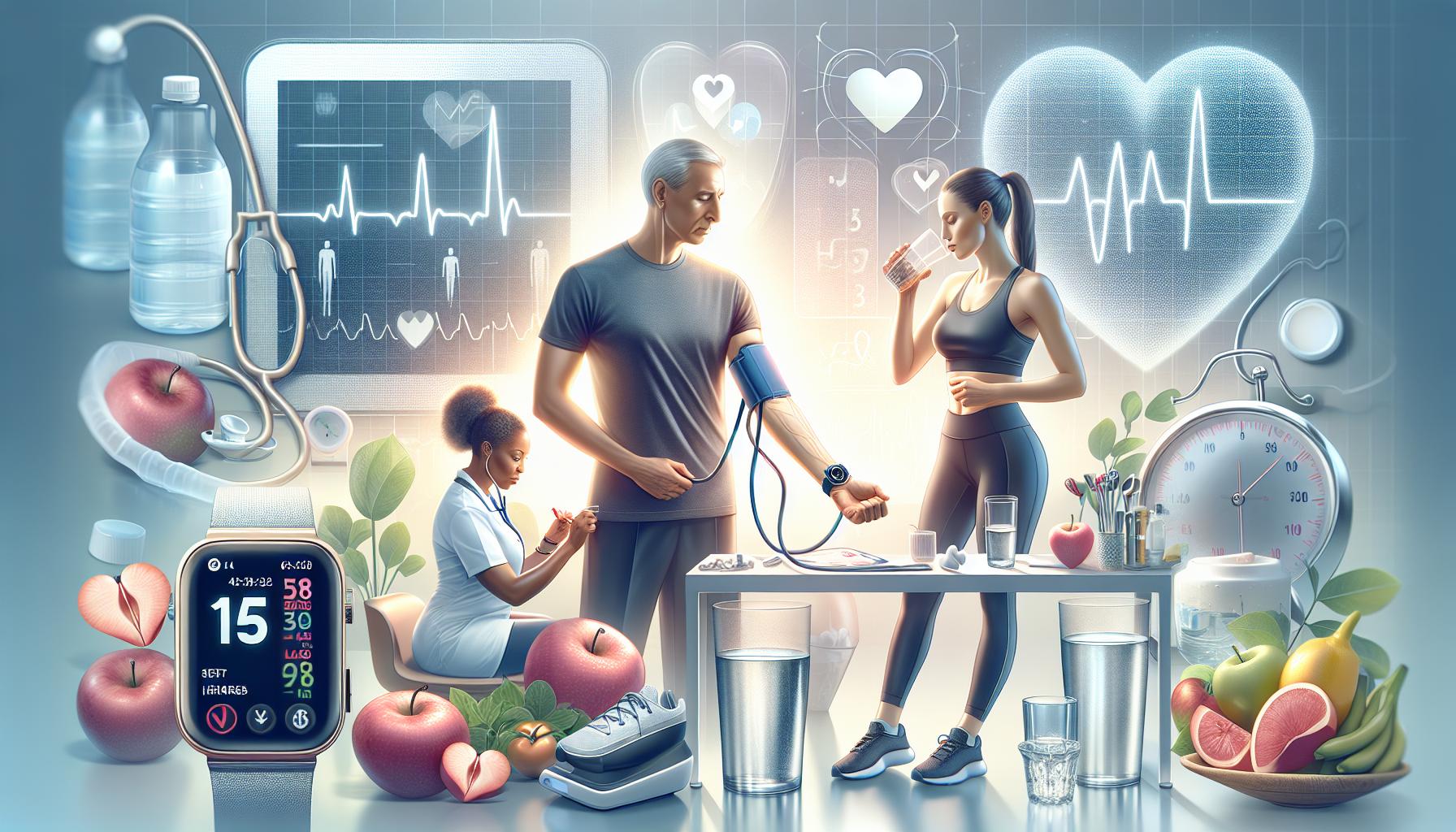
The heart requires a delicate balance of hydration to function optimally, and studies suggest that even mild dehydration can impact cardiac performance significantly. When the body is dehydrated, blood volume decreases, which forces the heart to pump harder to circulate the remaining blood. This increased workload can lead to elevated blood pressure, as the heart compensates for the lower volume. Understanding how hydration influences heart health can empower individuals to take proactive steps in managing their blood pressure.
Adequate hydration promotes efficient blood flow and helps maintain a healthy blood viscosity. When you’re well-hydrated, the blood contains sufficient plasma volume, allowing for effective nutrient and oxygen delivery throughout the body. This efficient circulation not only supports cardiovascular health but also helps keep blood pressure within a normal range. Conversely, fluids lost through sweating or not consuming enough water can thicken the blood, raising the pressure required to push it through the arteries.
To maintain optimal hydration, it’s important to keep track of your fluid intake. The general recommendation is to consume at least eight 8-ounce glasses of water per day, but individual needs may vary based on activity level, climate, and overall health. Incorporating hydrating foods such as cucumbers, oranges, and lettuce can also enhance your fluid intake. When monitoring your blood pressure, remember to consider your hydration status, as dehydration could mask early signs of high blood pressure or complicate treatment outcomes for hypertension.
Incorporating hydration into your daily routine can be as simple as carrying a reusable water bottle with you. Additionally, setting regular reminders to drink water can ensure you maintain adequate hydration throughout the day. Making these small adjustments can lead to better heart health and a more balanced blood pressure. By recognizing the fundamental impact that hydration has on cardiovascular functioning, you can take meaningful steps toward a healthier lifestyle.
Signs and Symptoms of Dehydration

Understanding the is crucial, especially for those who are managing their blood pressure. Many individuals may not realize they are dehydrated until they experience physical discomfort or alarming changes in their body. The subtlety of dehydration makes it essential to be aware of its early warning signs to prevent potential complications, including elevated blood pressure.
Common symptoms of dehydration include increased thirst, dry mouth, and reduced urine output. Additionally, you may notice darker urine than usual, which indicates a concentration of waste as your body attempts to conserve water. Fatigue, dizziness, and confusion can also signal that your body is lacking essential fluids. These symptoms can escalate if dehydration becomes severe, leading to more significant health issues, including risk factors for hypertension.
Here are some vital signs to monitor for dehydration:
- Thirst: A primary indicator; if you feel thirsty, it’s your body signaling that hydration is needed.
- Dry Skin: Skin that lacks elasticity or feels dry may be a sign of insufficient water levels.
- Fatigue: Feeling unusually tired or lethargic can result from low fluid intake.
- Muscle Cramps: These can occur due to electrolyte imbalances often associated with dehydration.
- Headaches: Dehydration can lead to headaches or migraines as your body struggles to maintain blood flow and pressure.
Monitoring these signs regularly, especially during hot weather or after intense physical activity, allows you to take proactive measures in maintaining adequate hydration. Simple actions like setting reminders to drink water or carrying a refillable bottle can help ensure you stay hydrated, ultimately supporting a balanced blood pressure. Recognizing these symptoms early not only enhances your overall well-being but can also be pivotal in preventing the negative impacts of dehydration on cardiovascular health.
The Science Behind Dehydration and Hypertension

Dehydration can significantly impact cardiovascular health, particularly raising blood pressure. When the body lacks adequate fluid levels, it activates compensatory mechanisms that can strain the cardiovascular system. For instance, dehydration results in decreased blood volume. To maintain adequate blood flow and pressure, the body must increase heart rate and constrict blood vessels, which leads to elevated blood pressure. This response, while necessary for immediate survival, can exacerbate existing hypertension or lead to hypertension in individuals who were previously healthy.
Moreover, the relationship between dehydration and hypertension can be influenced by electrolyte levels. Essential minerals such as sodium and potassium play critical roles in blood pressure regulation. When dehydrated, the body may conserve sodium, leading to higher blood concentrations and increased blood volume, a known trigger for hypertension. Additionally, inadequate hydration can impair kidney function, which regulates blood pressure by managing fluid balance and electrolytes. Thus, ongoing dehydration may permanently alter renal function, contributing to chronic high blood pressure issues.
Monitoring hydration status is crucial, especially for those at risk of or managing high blood pressure. Here are several practical steps to maintain optimal hydration levels:
- Regular Water Intake: Aim for at least 8 glasses of water a day, adjusting for physical activity and climate.
- Electrolyte Balance: Consider sports drinks or electrolyte-rich foods, especially after intense exercise.
- Food Choices: Incorporate water-rich fruits and vegetables like cucumbers, watermelon, and oranges.
Understanding the interplay between hydration and blood pressure not only empowers individuals to take proactive measures but also underscores the importance of lifestyle choices in maintaining cardiovascular health. Staying well-hydrated is a manageable step that can play a crucial role in blood pressure management, providing a path to improved overall wellness.
Practical Tips for Staying Hydrated
To maintain optimal hydration, it’s essential to adopt practical strategies that fit into your daily routine. Hydration is not merely about drinking water; it’s about creating a lifestyle that fosters fluid balance and supports your cardiovascular health. Surprisingly, many individuals overlook the simple yet effective ways to remain hydrated, which can have a significant impact on their blood pressure levels.
Start by making water your go-to beverage. Carry a reusable water bottle with you throughout the day, and set reminders to take sips regularly. An easy target is to aim for approximately eight 8-ounce glasses of water daily, but this may vary based on activity levels and climate conditions. If you find plain water uninspiring, infuse it with slices of fruits like lemon, lime, or berries for added flavor without extra calories.
Incorporating hydration-rich foods into your diet can dramatically increase your fluid intake. Focus on fruits and vegetables that have high water content, such as cucumbers, strawberries, watermelon, and oranges. These not only contribute to hydration but also provide essential vitamins and minerals that play a crucial role in blood pressure regulation.
Monitor Your Hydration
Regularly check your hydration levels using simple visual cues, like the color of your urine. Light yellow indicates adequate hydration, while dark yellow suggests it’s time to drink more fluids. This self-regulation can guide you on your hydration journey without overcomplicating the process.
Another key aspect is to consider the impact of electrolytes. After intense physical activity or in hot weather, replenish not just fluids but also essential electrolytes like potassium and sodium. Sports drinks, coconut water, or electrolyte-rich foods like bananas and spinach can help restore balance and prevent dehydration-related spikes in blood pressure.
By incorporating these practical tips into your routine, you can proactively manage your hydration, supporting better cardiovascular health and helping to keep your blood pressure in check. Small, consistent changes will lead to significant benefits over time, empowering you to take charge of your wellness.
Foods and Beverages That Boost Hydration
Maintaining proper hydration is crucial not just for day-to-day well-being but also plays a significant role in managing blood pressure. Hydration-rich foods and beverages can significantly influence your fluid intake, helping to keep blood pressure in check. Interestingly, consuming the right foods can contribute as much to your hydration levels as drinking water. Let’s explore some excellent options to boost your hydration while supporting cardiovascular health.
Incorporate fruits and vegetables with high water content into your meals. Cucumbers, for instance, are composed of about 95% water, making them an excellent addition to salads or snacks. Watermelon, with its juicy texture, not only hydrates but also provides vitamins A and C. Strawberries and oranges are other fruits that not only quench your thirst but also pack a nutritional punch with antioxidants that can benefit heart health. Aim to fill half your plate with these hydrating foods at each meal to maximize your fluid intake.
In addition to whole foods, certain beverages can enhance your hydration strategy. While water is essential, exploring options like herbal teas or coconut water can diversify your hydration sources. Coconut water is not just refreshing but contains potassium, an electrolyte that helps regulate fluid balance and supports blood pressure management. Herbal teas, particularly those without caffeine, can be enjoyed warm or iced, providing hydration while offering various health benefits depending on the type of herbal blend used.
Lastly, consider integrating soups and broths into your diet. These liquid-based meals provide hydration along with nutrients and can be a comforting way to ensure you’re consuming enough fluids, especially during colder months. Clear broths are hydrating and can easily be enriched with vegetables for added nutrients.
Incorporating these hydrating foods and beverages into your daily diet can significantly impact your overall hydration levels, directly supporting your blood pressure management efforts. Making small, consistent dietary changes will empower you to take charge of your health and maintain optimal hydration for better cardiovascular function.
Monitoring Your Blood Pressure Effectively
Monitoring your blood pressure is a critical part of maintaining your cardiovascular health, especially if you are aware that dehydration can significantly affect your blood pressure levels. High blood pressure, or hypertension, can strain your heart and blood vessels, leading to serious health issues over time. The relationship between hydration, blood volume, and blood pressure underscores the importance of regular monitoring.
To effectively keep track of your blood pressure, consider investing in a reliable home blood pressure monitor. These devices are user-friendly and provide readings that can help you understand how changes in your hydration status affect your blood pressure. Here’s a step-by-step guide to effective monitoring:
- Choose the Right Time: Measure your blood pressure at the same time daily for consistent readings. Mornings are often recommended before eating or drinking.
- Prepare Properly: Sit quietly for five minutes in a comfortable chair before taking a measurement. Ensure your arm is at heart level and your feet are flat on the ground.
- Follow Instructions: Use the monitor according to the manufacturer’s instructions for accurate results. This includes proper cuff placement on your upper arm.
- Record Your Data: Keep a log of your readings, along with notes on your hydration levels (such as how much water you’ve consumed) to spot trends over time.
Being vigilant about monitoring doesn’t just empower you; it can also guide your daily choices. For instance, if you notice that your blood pressure tends to rise on days when you drink less water, make a conscious effort to increase your fluid intake. Additionally, consider how your activity levels and dietary habits play a role; both can influence hydration status and blood pressure.
Incorporating these habits into your routine equips you with the knowledge to manage your blood pressure proactively. Should you notice consistent elevated readings, it’s essential to consult with a healthcare professional. They can recommend tailored strategies to enhance your hydration and overall health, ensuring you keep your cardiovascular system functioning optimally.
Integrating Hydration into a Healthy Lifestyle
Ensuring adequate hydration is more than just quenching your thirst; it’s a cornerstone of maintaining your overall health, especially when managing blood pressure. Dehydration can lead to thicker blood, which forces your heart to work harder, potentially raising your blood pressure. To integrate hydration seamlessly into your daily routine, consider adopting a few practical strategies that encourage consistent fluid intake.
Start by incorporating water-rich foods into your meals. Fruits and vegetables such as watermelon, cucumbers, oranges, and spinach contribute not only to hydration but also to your daily nutrient intake. Aim to fill half your plate with these foods at every meal. Additionally, keeping water readily available throughout your day can foster good hydration habits. Carry a reusable water bottle and set reminders on your phone to drink at regular intervals, especially during hot weather or when you exercise. Hydrating beverages like herbal teas can also help meet your fluid requirements without excessive calories.
Hydration Mindset
Fostering a hydration-conscious mindset can empower you to recognize the importance of fluids. Learn to associate drinking water with your daily activities; for instance, make it a routine to drink a glass of water before each meal or set a timer to remind you to hydrate every hour. Listen to your body-dry lips, fatigue, or infrequent urination could be signs that you need more fluids.
Incorporating hydration into your lifestyle is not merely about drinking water; it involves understanding your body’s needs and responding accordingly. Remember, the goal is to make hydration a habitual part of your day, thus cultivating a preventive approach to managing blood pressure and enhancing your overall cardiovascular health.
Common Myths About Dehydration and Blood Pressure
Dehydration and its effects on blood pressure are often misunderstood, leading to several prevalent myths that can misguide individuals managing their health. One common misconception is that dehydration only affects individuals with pre-existing health conditions. In reality, anyone can experience fluctuations in blood pressure due to inadequate hydration. When the body lacks sufficient fluids, blood volume decreases, which can trigger the heart to pump harder to maintain adequate circulation, thereby potentially raising blood pressure levels.
Another myth suggests that drinking caffeinated beverages, such as coffee or energy drinks, can adequately substitute for water intake. While these drinks can contribute to fluid intake, caffeine has diuretic properties that may lead to increased urination, which can worsen dehydration if not balanced with additional water consumption. It’s essential to view these beverages as supplementary rather than as primary sources of hydration.
Hydration Needs Vary
A prevalent assumption is that everyone needs to drink at least eight glasses of water a day for optimal hydration. Hydration requirements can vary based on several factors, including individual health status, activity level, climate, and diet. Listening to your body’s signals-such as thirst and the color of your urine-is a more personalized and effective strategy to determine your hydration needs.
Finally, some believe that mild dehydration has negligible effects on blood pressure and heart health. This is a dangerous miscalculation. Even a slight reduction in hydration can thicken the blood, leading to increased cardiovascular strain. Staying adequately hydrated is crucial for maintaining blood pressure within a healthy range and supporting overall heart health.
In summary, debunking these common myths can empower individuals to approach hydration with a more informed perspective, ultimately contributing to better management of blood pressure and improved well-being. Recognizing the critical role of hydration encourages proactive health choices and fosters a lifestyle that prioritizes both hydration and heart health.
When to Consult a Healthcare Professional
Recognizing when to seek medical advice is crucial for maintaining optimal health, particularly when considering the relationship between dehydration and blood pressure. If you experience symptoms such as persistent headaches, dizziness, extreme thirst, dry mouth, or dark-colored urine, it could indicate dehydration, which in turn may affect your blood pressure. These signs should not be overlooked, especially if they persist after hydration efforts.
For those managing chronic conditions such as hypertension, consulting a healthcare professional becomes even more critical. If your blood pressure readings are consistently elevated despite adequate fluid intake or if you notice sudden fluctuations in your blood pressure, it’s essential to seek guidance. Your healthcare provider can accurately evaluate your situation, consider medications that may contribute to dehydration, and develop a tailored management plan.
Additionally, understanding your individual hydration needs is vital. Factors such as physical activity, environmental conditions, and dietary choices can all influence how much water you require. If you find it challenging to determine your hydration level or blood pressure management, a healthcare professional can provide personalized advice. Regular check-ups and discussions about lifestyle adjustments can empower you to maintain better health outcomes.
In some cases, dehydration can lead to more severe complications, particularly for specific populations such as the elderly or those with chronic illnesses. Being proactive in your health management by seeking professional advice can help prevent more serious health issues associated with dehydration and blood pressure irregularities. Don’t hesitate to reach out to your healthcare provider if you have concerns about your hydration status or its impact on your blood pressure.
The Role of Electrolytes in Hydration and Blood Pressure
Maintaining a proper balance of electrolytes is crucial for health, particularly when considering their role in hydration and blood pressure regulation. Electrolytes, including sodium, potassium, magnesium, and calcium, help to facilitate various bodily functions, including nerve signaling and muscle contractions. They play an especially vital role in fluid balance; when you are dehydrated, the concentrations of these important minerals can become unbalanced, potentially leading to an increase in blood pressure.
When dehydration occurs, the body conserves water, which can concentrate the electrolytes in the bloodstream, leading to elevated levels of sodium in particular. This elevation can cause the body to retain even more fluid, subsequently increasing blood volume and exerting higher pressure on the arterial walls. Therefore, adequate hydration combined with proper electrolyte balance is essential for maintaining normal blood pressure levels. It’s not just about drinking water; your body also needs enough sodium, potassium, and other electrolytes to function optimally.
To ensure you’re meeting your electrolyte needs, consider incorporating a variety of hydrating foods into your diet. Foods such as bananas, oranges, spinach, and avocados are excellent sources of potassium, while dairy products and leafy greens provide calcium. Foods high in magnesium include nuts and seeds, which can also help more effectively regulate blood pressure. Consuming a mix of these foods can assist your body in maintaining equilibrium in both hydration and blood pressure.
For those engaged in intense physical activity, replenishing electrolytes through sports drinks or electrolyte supplements may also be beneficial, particularly if exercising in hot climates. When hydration levels are closely monitored and electrolyte intake is balanced, the risks of dehydration and its potential effects on blood pressure can be significantly minimized. Regularly check your blood pressure and consult with a healthcare professional if you have concerns about your hydration status or how it relates to your overall health. Integrating sensible hydration practices with a balanced diet rich in electrolytes can empower you to take proactive steps in managing your health effectively.
Frequently asked questions
Q: How does dehydration specifically affect blood pressure levels?
A: Dehydration can lead to a decrease in blood volume, which may cause a compensatory increase in blood pressure as the body works to maintain adequate blood flow. It’s important to stay hydrated to prevent these fluctuations. For more information, see “The Impact of Dehydration on Blood Pressure” in the main article.
Q: What are the long-term effects of chronic dehydration on blood pressure?
A: Chronic dehydration can contribute to persistent high blood pressure as the body continuously attempts to maintain circulation, potentially leading to increased vascular resistance. This highlights the importance of consistent hydration for overall heart health, discussed in “How Hydration Affects Heart Health.”
Q: Can drinking water immediately lower high blood pressure?
A: While drinking water can help restore blood volume and may temporarily lower blood pressure, it’s not a long-term solution. Consistent hydration is essential for maintaining healthy blood pressure levels over time. For practical tips, refer to “Practical Tips for Staying Hydrated.”
Q: Are there specific drinks that can help hydrate better than water for blood pressure?
A: Electrolyte-rich beverages, such as coconut water and some sports drinks, might hydrate more effectively than plain water, aiding in maintaining optimal blood pressure. Explore “Foods and Beverages That Boost Hydration” for more options.
Q: How can I monitor my hydration levels to manage blood pressure?
A: Monitoring hydration can involve checking urine color (a pale yellow indicates good hydration) and being aware of thirst signals. Regular blood pressure checks are crucial; consult “Monitoring Your Blood Pressure Effectively” for guidance.
Q: What role do electrolytes play in hydration and blood pressure?
A: Electrolytes, such as sodium, potassium, and magnesium, are vital for fluid balance and nerve function, impacting blood pressure regulation. Balance your electrolytes through diet to support hydration, as detailed in “The Role of Electrolytes in Hydration and Blood Pressure.”
Q: When is dehydration particularly dangerous for people with hypertension?
A: Dehydration can be especially dangerous for individuals with hypertension during heat waves, excessive exercise, or illness when fluid loss is increased. For more details, refer to “When to Consult a Healthcare Professional” to recognize worrying signs.
Q: How much water should I drink daily to prevent high blood pressure?
A: While individual needs vary, aiming for at least 8-10 cups of water daily is a good guideline for most adults. Adjust based on activity level and climate. For personalized hydration strategies, see “Integrating Hydration into a Healthy Lifestyle.”
In Summary
Staying hydrated is essential not just for overall health, but specifically for managing blood pressure effectively. Dehydration can elevate blood pressure and lead to significant health concerns. By prioritizing your hydration, you’re taking a vital step in managing your cardiovascular health. Don’t wait-start making conscious choices about your water intake today!
For more insights on optimizing your heart health, check out our articles on the importance of nutrition in blood pressure management and effective lifestyle changes. If you’re still feeling uncertain or have specific questions, consider signing up for our newsletter for expert tips delivered straight to your inbox. Your health is a journey, and we’re here to support you every step of the way. Share your thoughts below or explore our resources to stay informed and empowered. Remember, a simple change in your hydration habits could make all the difference!


