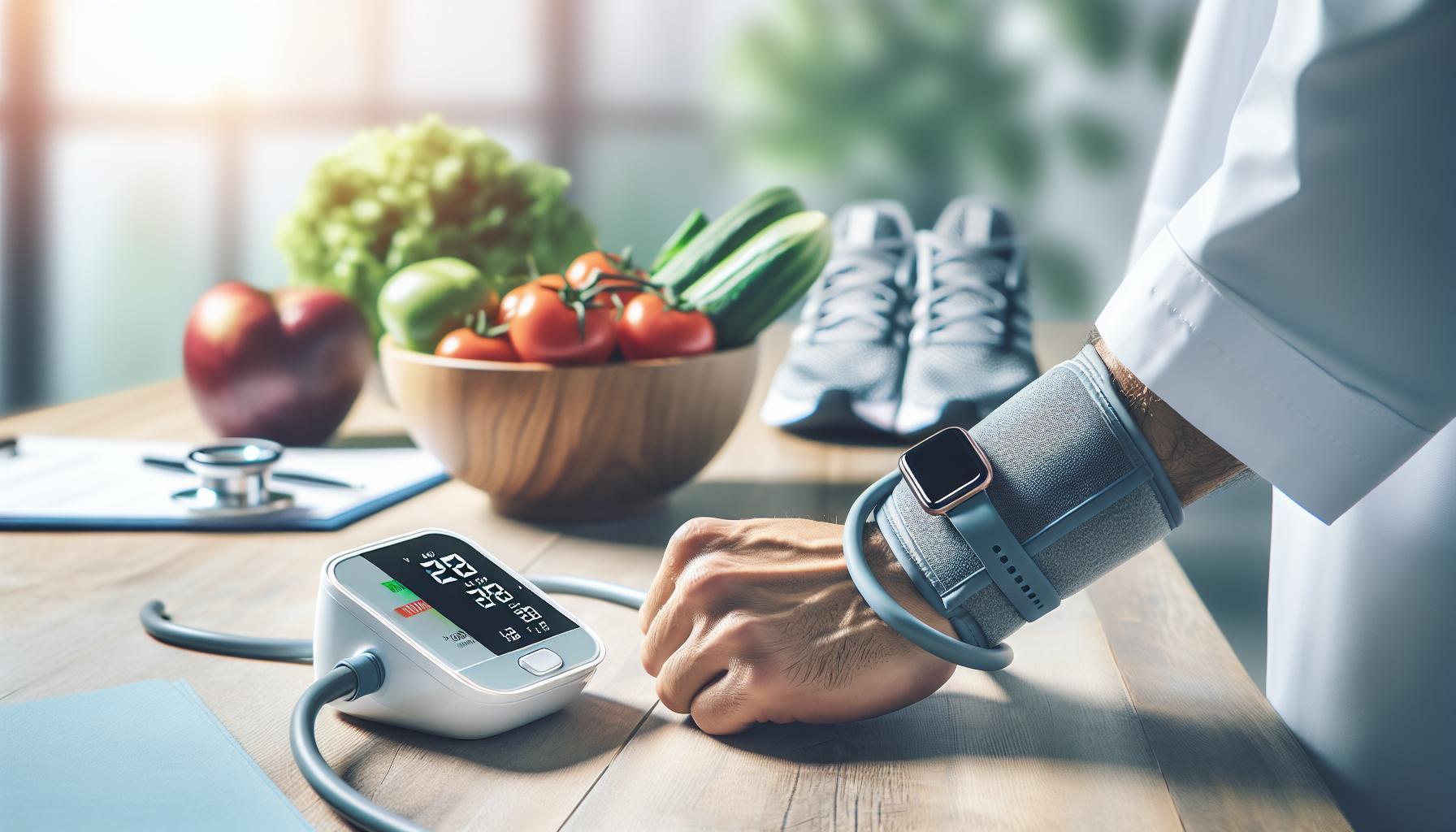

Did you know that when you’re feeling unwell, your blood pressure can fluctuate significantly? Understanding the connection between illness and blood pressure readings is vital for managing your health. Conditions such as infections, stress, or chronic diseases can lead to increased blood pressure, which may complicate existing health issues or spike anxiety about your well-being.
For many, monitoring blood pressure is a crucial part of maintaining health, especially in the face of chronic conditions. Recognizing how various illnesses-whether acute like the flu or chronic like diabetes-can raise blood pressure not only empowers you to manage your readings but also enhances your overall health awareness. As we dive deeper into how being sick can impact blood pressure, you’ll discover practical tips and insights that can help you stay informed and proactive about your health.
Can Illness Increase Blood Pressure Readings?
Can being sick truly influence your blood pressure readings? The answer is a resounding yes. Illness, whether acute or chronic, can lead to variations in blood pressure due to several physiological responses within the body. When you’re unwell, your body is under stress, prompting various mechanisms to kick into gear, including the release of stress hormones like adrenaline and cortisol. These hormones can constrict blood vessels and increase heart rate, leading to transient spikes in blood pressure.
Understanding how your body responds to illness is crucial for effective management. Acute illnesses, such as infections or acute respiratory conditions, can lead to noticeable fluctuations in blood pressure. For instance, fevers often amplify your body’s metabolic demands, which can elevate blood pressure. Conversely, some chronic conditions, particularly those affecting heart function or circulation, may result in consistently elevated blood pressure over time, complicating management strategies.
It’s important to monitor blood pressure regularly during bouts of illness to understand how much your readings may vary. Keep in mind that fluctuations can also be influenced by other factors, including medication adherence, hydration levels, and overall body composition during your illness. Regular monitoring provides a clearer picture of your blood pressure trends and can alert you to concerning patterns that may require medical intervention.
In managing blood pressure during illness, consider the following strategies:
- Stay Hydrated: Dehydration can elevate blood pressure; maintain adequate fluid intake unless otherwise advised by your health care provider.
- Rest and Recovery: Allow your body the time it needs to heal, as physical stress can elevate readings.
- Medication Review: Consult with your healthcare provider about any medications that may affect blood pressure and adjust them as needed, particularly during illness.
- Calm Your Mind: Stress management techniques such as deep breathing or meditation can help counteract the impact of stress on blood pressure.
By staying proactive about your health during illness, you can effectively manage your blood pressure and reduce the risk of more serious complications down the line.
Understanding the Body’s Response to Sickness

When your body battles illness, a series of intricate responses unfold, often leading to significant changes in your physiological state, including your blood pressure readings. Understanding these responses is crucial as they can shed light on why blood pressure increases during sickness. The body responds to illness by activating its stress response system, primarily through the release of hormones like adrenaline and cortisol. These hormones perform immediate functions that prepare the body to cope with perceived threats, increasing heart rate and narrowing blood vessels, which in turn elevates blood pressure.
From fever to inflammation, various acute and chronic illnesses trigger distinct physiological changes that can affect blood pressure. For example, during infections, the body seeks to increase blood flow to vital organs and strengthen immune responses, often resulting in higher blood pressure readings. Additionally, conditions such as congestive heart failure can cause persistent hypertension due to the heart’s diminished ability to pump effectively. Recognizing these responses can empower you to better manage your health during periods of illness.
To effectively monitor blood pressure when unwell, consistency and attentiveness are key. Make it a routine to check your levels at the same time daily or several times a day, especially when facing acute illness. Record these readings along with notes on how you feel and any symptoms you are experiencing. This will create a detailed picture that can be invaluable for discussions with your healthcare provider.
To support your body and manage blood pressure during illness, consider these practical steps:
- Stay Aware of Your Body: Pay close attention to how symptoms develop and how they correlate with your blood pressure readings.
- Communicate with Healthcare Providers: Keep an open line of communication with your doctors regarding changes in your readings, as they may need to adjust your treatment plan.
- Adopt Relaxation Techniques: Incorporating techniques such as yoga, deep breathing, or gentle stretching can mitigate stress, lower cortisol levels, and subsequently help reduce blood pressure.
- Maintain a Balanced Diet: Eating nutrient-rich foods and staying hydrated can support overall health and aid in maintaining healthy blood pressure.
By being proactive and informed, you equip yourself not only to navigate the challenges that come with illness but also to take control of your blood pressure for better long-term health outcomes.
Acute vs. Chronic Illness: Impacts on Blood Pressure

Understanding how blood pressure is influenced by different types of illnesses is essential for effective health management. Acute and chronic illnesses elicit varying responses from the body, which can lead to distinct impacts on blood pressure levels. During an acute illness, such as a severe infection or a sudden injury, the body activates its stress response. This can result in a temporary spike in blood pressure as the heart pumps harder to ensure adequate blood flow to vital organs and improve the immune response. For instance, a high fever might elevate blood pressure as the body attempts to fight off pathogens, underscoring the importance of monitoring levels during such episodes.
In contrast, chronic illnesses-like hypertension, diabetes, or heart disease-can lead to more sustained effects on blood pressure. For individuals with chronic conditions, even minor illnesses can exacerbate existing blood pressure issues, making vigilance increasingly important. Conditions such as heart failure may further complicate blood pressure regulation; in these cases, the heart struggles to pump effectively, potentially causing persistent hypertension. Understanding these differences not only helps in recognizing patterns in your blood pressure readings but also empowers patients to manage their health more effectively.
To navigate the impacts of both acute and chronic illnesses on blood pressure, it can be beneficial to adopt a proactive monitoring routine. Consider keeping a health diary, where you can document your blood pressure readings alongside symptoms and medications. This practice not only aids in identifying trends but also enhances communication with healthcare providers, allowing for more tailored treatment plans. Additionally, being mindful of relevant lifestyle factors-such as diet, hydration, and stress management-can significantly support your overall health and help stabilize blood pressure, regardless of the underlying illness. By gaining insight into how different illnesses affect your body, you can take informed actions that contribute to your well-being.
The Role of Stress and Anxiety in Blood Pressure

Feeling under the weather can bring more than just physical discomfort; it can also stir up feelings of stress and anxiety, which can have a significant impact on your blood pressure. Research shows that stress triggers the release of hormones like adrenaline and cortisol, which prepare the body for a “fight or flight” response. This natural reaction is beneficial in short bursts, but when stress becomes chronic-common in the context of ongoing or severe illness-it can lead to sustained increases in blood pressure. In fact, studies indicate that individuals who experience high levels of anxiety may exhibit consistently higher blood pressure readings compared to those with more manageable stress levels.
The Impact of Stress on Blood Pressure
When you’re sick, your body is already working hard to heal; the added layer of stress can complicate this process. Stress may induce behaviors that further elevate blood pressure, such as poor sleeping patterns, unhealthy eating habits, or reduced physical activity. To counteract these effects, consider adopting stress-reduction techniques that are accessible and practical. Mindfulness practices such as deep breathing, meditation, or gentle yoga can contribute significantly to lowering stress and, consequently, blood pressure.
Here are some simple strategies to integrate stress management into your routine during illness:
- Practice Deep Breathing: Spend a few minutes a day focusing on your breathing-inhale deeply through your nose and exhale slowly through your mouth.
- Stay Connected: Don’t hesitate to reach out to friends or family for support and companionship, which can alleviate feelings of isolation and anxiety.
- Limit Caffeine and Sugar: These can exacerbate feelings of anxiety and contribute to elevated blood pressure. Opt for herbal teas or water when possible.
- Establish a Relaxing Routine: Incorporate calming activities into your day, whether it’s reading, watching a light-hearted show, or taking leisurely walks, if you’re able.
Managing stress effectively can not only help stabilize your blood pressure during illness but can also promote faster healing. Aim to find methods that resonate with you and stick with them, especially during periods of acute illness when your body is vulnerable.
How Infections Can Elevate Blood Pressure Levels

Infections can significantly influence blood pressure levels, causing readings to spike during periods of illness. When the body encounters pathogens like bacteria or viruses, it responds with an inflammatory process that is crucial for healing. This response often leads to the release of various cytokines and chemicals that can affect cardiovascular functions, ultimately resulting in elevated blood pressure. For example, during a severe infection, the body’s stress response may kick in, resulting in the release of hormones such as adrenaline and cortisol, which narrow blood vessels and increase heart rate-a situation that can further raise blood pressure.
Moreover, the type of infection can play a role in the extent of this elevation. Respiratory infections, urinary tract infections, and even more serious conditions like sepsis can all create environments where blood pressure fluctuations are common. In a study focusing on patients with pneumonia, for instance, it was observed that those with systemic inflammatory responses often displayed markedly elevated blood pressure during hospitalization, which can complicate their overall treatment and recovery.
Understanding how to monitor your blood pressure during illness is essential. If you have a pre-existing condition like hypertension, be aware that your readings may vary more than usual when you’re unwell. Keeping a close eye on your blood pressure can provide valuable insights into your health. Consider using a home monitoring device to track changes, and pay attention to how your body feels compared to what the readings say. Aim to stay hydrated and follow the advice of your healthcare provider regarding managing your condition while ill. It’s also wise to discuss any significant fluctuations in your blood pressure with a healthcare professional, especially if they exceed your normal ranges or are accompanied by severe symptoms.
Medications and Their Effect on Readings During Illness
When illness strikes, particularly with infections or chronic conditions, the medications you take can significantly influence your blood pressure readings. Certain medications, while aimed at alleviating symptoms of illness, may interact with your body’s natural response to stress and inflammation, ultimately impacting cardiovascular health. For instance, medications containing corticosteroids, often prescribed for inflammatory conditions, can lead to increased blood pressure. Corticosteroids mimic cortisol, a stress hormone that can constrict blood vessels and elevate heart rate, resulting in higher blood pressure readings.
It’s important to be aware of the common classes of medications that can affect blood pressure, especially during illness. Below are some examples:
- Nonsteroidal Anti-Inflammatory Drugs (NSAIDs): Drugs like ibuprofen and naproxen can cause fluid retention and increase blood pressure.
- Antidepressants: Certain antidepressants, particularly monoamine oxidase inhibitors (MAOIs), can elevate blood pressure if consumed with specific foods or medications.
- Decongestants: Often used during colds, these can constrict blood vessels and lead to higher blood pressure.
- Blood Pressure Medications: Missing doses of your antihypertensive medications during illness can lead to uncontrolled blood pressure elevations.
To navigate these challenges, communication with your healthcare provider is essential. Keep a detailed list of all medications, including over-the-counter drugs, to discuss their potential effects on your blood pressure during an illness. Moreover, regular monitoring of your blood pressure can help provide immediate insight into how your body is responding to medication changes or illness progression.
Implementing evidence-based strategies for maintaining or adjusting your medication regimen during periods of illness can also be beneficial. For instance, consider:
- Using a Home Blood Pressure Monitor: Regularly check and document your readings, especially if you notice fluctuations.
- Staying Hydrated: Adequate fluid intake can help manage blood pressure, particularly if you’re on medications that may cause dehydration.
- Consulting Your Doctor: If your blood pressure readings are significantly higher than your normal range or if you experience concerning symptoms, seek medical advice promptly.
Establishing a dialogue with your healthcare team while using these strategies can empower you to manage your blood pressure effectively during illness, ensuring that you maintain the best possible health dynamic.
Lifestyle Factors That Influence Blood Pressure When Sick
When you’re sick, your body goes through various physiological changes that can affect your blood pressure. It’s essential to consider how your lifestyle choices during this time can play a significant role in managing your readings. For example, a proper diet can either help stabilize or exacerbate blood pressure levels. Eating whole, nutritious foods rich in potassium, such as bananas and spinach, can help counterbalance sodium’s effects on blood pressure, especially if your illness is leading to inflammation or fluid retention.
Hydration also becomes crucial when you’re unwell. Dehydration can cause the body to retain more sodium, leading to elevated blood pressure. Drinking adequate fluids, especially water and electrolyte-rich beverages, supports overall cardiovascular health and can help regulate blood pressure. Avoiding excessive caffeine and alcohol is advisable, as both can contribute to dehydration and stress on the cardiovascular system.
Physical activity remains important, even during illness, although it should be moderated based on how you feel. Simple stretching or light walks can promote circulation and help alleviate symptoms like fatigue or sluggishness, potentially aiding in the regulation of blood pressure. Conversely, complete bed rest without any movement may lead to increased blood pressure due to reduced circulation and increased stress levels on the body.
Finally, managing stress is vital. During illness, anxiety about health can lead to higher blood pressure. Incorporating relaxation techniques such as deep breathing, meditation, or gentle yoga can lower stress levels and positively impact your readings. Establishing a routine that includes these practices can be beneficial not just during illness but also in maintaining long-term blood pressure health.
Staying informed and proactive about these lifestyle factors empowers you to manage your blood pressure effectively, ensuring better health outcomes during and after illness.
Monitoring Blood Pressure: Best Practices for Illness
Monitoring blood pressure during illness is crucial because fluctuations can indicate how well your body is coping with stressors, infections, or underlying conditions. Consistent and accurate monitoring empowers you to make informed decisions about your health management. Here are some best practices to help you effectively track your blood pressure readings when you are not feeling well.
Start by setting a schedule to check your blood pressure at the same times each day. This routine helps create a baseline of your readings, making it easier to identify any significant changes. For instance, consider taking measurements in the morning after waking and in the evening before bed. Use a validated automatic cuff-style sphygmomanometer for accuracy and ensure it is properly sized for your arm.
Key Techniques for Accurate Measurement
To ensure consistent readings, follow these steps:
- Rest Before Measurement: Sit quietly for at least 5 minutes before checking your blood pressure. This allows your body to stabilize and can help prevent artificially high readings.
- Maintain Proper Position: Sit with your back supported, feet flat on the ground, and arm at heart level. The cuff should be placed directly on the skin above your elbow.
- Avoid Stimulants: Try to refrain from caffeine, smoking, or vigorous exercise at least 30 minutes before taking your blood pressure.
- Record Every Reading: Keep a log of your measurements, along with notes on your symptoms or any medications taken. This information is invaluable for your healthcare provider.
When to Seek Medical Advice
It’s important to recognize when your readings warrant a conversation with a healthcare professional. If you notice consistently elevated readings (above 130/80 mmHg) or experience symptoms such as severe headache, fatigue, or chest pain, reach out to a healthcare provider promptly. Conversely, if your readings drop significantly (below 90/60 mmHg) and are accompanied by dizziness or fainting, seek medical attention immediately.
By implementing these monitoring practices, you not only gain a clearer picture of your cardiovascular health during illness but also equip yourself with the information needed for ongoing management and preventive care. Maintaining awareness and being proactive are key components in navigating your health successfully, especially during challenging times of illness.
Recognizing Warning Signs: When to Seek Medical Help
Being able to identify warning signs during illness can be crucial for maintaining health, especially when it comes to monitoring blood pressure. Elevated blood pressure during illness can be alarming, but understanding when these readings signal a need to seek medical help can empower you to take proactive steps in your healthcare journey. It’s essential to pay attention not only to the numbers but also to the accompanying symptoms that may indicate a more serious issue.
Consistently high blood pressure readings-those above 130/80 mmHg-might not be just an indication of temporary stress but could suggest a need for further evaluation. This is particularly true if you start to experience relevant symptoms. Severe headaches, significant fatigue, or chest pain should never be taken lightly. In these scenarios, contacting a healthcare professional promptly is advisable. Your symptoms provide important context for the numbers you are seeing and can help health practitioners make informed decisions about your care.
On the other hand, a sudden drop in blood pressure (below 90/60 mmHg) accompanied by dizziness or fainting spells warrants immediate medical attention. This might point to dehydration, blood loss, or other critical conditions that require prompt intervention. Knowing the difference between what is normal for your body and what is signaling distress can assist you in being proactive about your health management.
Key Signs to Watch For:
- Persistent high readings (>130/80 mmHg) with headache, fatigue, or chest pain
- Notable fatigue or lack of energy that does not improve with rest
- Sudden dizziness or fainting, especially with low blood pressure readings (<90/60 mmHg)
- Increased shortness of breath or palpitations, particularly during normal activities
Carrying out regular monitoring and staying alert to these warning signs can equip you to manage your health more effectively. By recognizing these indicators, you can initiate timely discussions with healthcare providers, leading to better overall management of both your blood pressure and your underlying health conditions.
Managing Blood Pressure During and After Illness
Managing blood pressure effectively during and after an illness involves understanding how your body reacts under stress and what steps you can take to minimize any adverse effects. It’s essential to actively monitor your readings and stay attuned to your overall health during this period. Factors such as dehydration, changes in medication, and the physiological response to infection can all cause fluctuations in blood pressure.
To maintain healthy blood pressure levels, begin by consistently tracking your readings. Use a reliable blood pressure monitor, preferably at the same time each day to establish a baseline. Documenting readings can help you identify trends, making it easier to discuss concerns with your healthcare provider. If you notice sustained elevations above 130/80 mmHg, it’s important to communicate this with a professional, especially if accompanied by symptoms like headaches or fatigue.
Strategies for Blood Pressure Management
Adopting a supportive lifestyle is crucial not only during sickness but also as you recover. Here are effective strategies to consider:
- Hydration: Drink plenty of fluids to help maintain blood volume, especially if experiencing fever or other symptoms that may lead to dehydration.
- Dietary Choices: Focus on a balanced diet enriched with potassium, magnesium, and fiber. Foods like fruits, vegetables, and whole grains can positively influence blood pressure.
- Stress Reduction: Engage in relaxation techniques, such as meditation or deep breathing exercises, to counter stress-related spikes in blood pressure.
- Medication Management: Be aware of how certain medications (like decongestants or pain relievers) may impact your blood pressure and discuss alternatives with your healthcare provider if needed.
After an illness, blood pressure readings may remain elevated temporarily; however, it’s important to monitor and adjust your approach as needed. Regular follow-ups with your healthcare professional can provide valuable insights and adjustments to your management plan. If you experience persistent high readings or additional concerning symptoms, seeking medical attention promptly can ensure appropriate care and intervention.
By monitoring your blood pressure diligently and implementing these strategies, you empower yourself to take control of your health, effectively managing fluctuations that may arise during illness and fostering a quicker recovery.
Long-Term Effects of Illness on Blood Pressure Health
The impact of illness on blood pressure can extend far beyond the immediate phase of sickness, potentially leading to long-lasting effects on cardiovascular health. Understanding these effects is crucial, as the physiological changes that occur during illness can contribute to elevated blood pressure readings that persist even after recovery. Factors such as inflammation, stress responses, and medication can all play significant roles in this process.
Acute illness often triggers a stress response in the body, releasing hormones like cortisol and adrenaline that can raise blood pressure temporarily. While this is a normal reflexive response, chronic illness can lead to sustained pressure changes. For instance, individuals with ongoing conditions such as diabetes or heart disease may find that blood pressure does not return to baseline levels post-illness. This underscores the importance of monitoring blood pressure diligently during and after any sickness, particularly for those with pre-existing health concerns.
Adapting to Long-Term Changes
To manage the potential long-term effects of illness on blood pressure, consider implementing these strategies:
- Regular Monitoring: Keep track of blood pressure readings regularly, noting any deviations from your baseline. Use a monitor that provides accurate and consistent results.
- Consult Healthcare Providers: Work with your doctor to analyze trends in your blood pressure, especially if you notice persistently high readings. Adjustments in medication or lifestyle may be necessary.
- Healthy Lifestyle Choices: Embrace a heart-healthy lifestyle that includes a balanced diet, regular physical activity, and effective stress management techniques. These choices can counteract some of the negative impacts on blood pressure.
- Emotional Support: Seek support from friends, family, or professionals to manage the psychological impacts of illness, which can also influence physical health and blood pressure.
By proactively addressing these aspects, you can mitigate long-term effects and maintain healthier blood pressure levels. Emphasizing consistency and communication with healthcare professionals will empower you to navigate the complexities of managing your blood pressure in the aftermath of illness, ultimately contributing to a more robust cardiovascular system in the long run.
Evidence-Based Strategies for Maintaining Healthy Readings
Understanding the intricacies of blood pressure management, especially during and after illness, is vital for maintaining cardiovascular health. Research has shown that various factors can influence blood pressure readings, and implementing evidence-based strategies can help you ensure your readings remain within a healthy range. Even minor fluctuations in blood pressure can have significant implications for overall health, so taking proactive steps is essential.
One of the most effective strategies for maintaining healthy blood pressure readings is diligent monitoring. Utilize a home blood pressure monitor to track your levels regularly, especially during periods of illness. Be mindful to take readings at consistent times throughout the day under similar conditions, such as when you’re relaxed and sitting. Not only does this provide valuable data for discussions with your healthcare provider, but it also allows you to recognize patterns and variations that could signal a need for intervention.
In addition to monitoring, another key strategy is engaging in a heart-healthy lifestyle. Incorporate a balanced diet rich in fruits, vegetables, whole grains, and lean proteins while reducing salt intake to help manage blood pressure effectively. Regular physical activity also plays a crucial role; aim for at least 150 minutes of moderate exercise weekly. Exercise not only supports cardiovascular health but can also alleviate stress, which is particularly important during times of illness when anxiety levels may rise.
Furthermore, don’t underestimate the impact of stress management techniques. Practices such as mindfulness, deep breathing exercises, and yoga can significantly help mitigate stress-related blood pressure spikes. Explore relaxation techniques that resonate with you, whether that’s taking quiet time for reflection, engaging in creative outlets, or spending time in nature. These practices can lower perceived stress and contribute to overall well-being, which is essential in the recovery phase of any illness.
Lastly, communication with healthcare professionals cannot be overstated. Regular consultations can provide tailored advice and adjustments specific to your health needs. If you notice persistent increases in blood pressure readings, seeking professional guidance is paramount. Together, you can create a management plan that encompasses lifestyle changes, medication adjustments, and regular monitoring to support optimal health outcomes.
By applying these evidence-based strategies consistently, you can better navigate the challenges illness presents to your blood pressure, empowering you to maintain healthy readings and enhance your overall quality of life.
Frequently Asked Questions
Q: Can sickness cause sudden spikes in blood pressure?
A: Yes, sickness can cause sudden spikes in blood pressure due to stress on the body, inflammation, or infection. Managing stress and monitoring your blood pressure regularly during illness can help you identify any concerning fluctuations. For tailored advice, see the section on “Recognizing Warning Signs.”
Q: What types of illness most commonly affect blood pressure?
A: Acute infections like the flu and chronic illnesses such as heart disease or diabetes can significantly affect blood pressure. Each affects the body’s stress levels and physiological responses in different ways, potentially leading to elevated readings. For more on this, refer to the “Acute vs. Chronic Illness” section.
Q: How does dehydration from illness impact blood pressure?
A: Dehydration can lead to low blood volume, which may cause lower blood pressure initially. However, compensatory mechanisms can trigger spikes under stress. Staying hydrated is crucial, particularly when you’re unwell. Check the “Lifestyle Factors” section for tips.
Q: Can pain from illness lead to increased blood pressure?
A: Yes, pain can stimulate the body’s stress response, raising blood pressure. It’s important to manage pain effectively to help maintain healthy readings during illness. Explore the “The Role of Stress and Anxiety in Blood Pressure” section for more insights.
Q: When should I seek medical help for high blood pressure while sick?
A: If you experience significantly elevated blood pressure readings (above 180/120 mmHg) or symptoms like severe headache, chest pain, or difficulty breathing, seek medical attention immediately. Refer to the “When to Seek Medical Help” section for further guidance.
Q: Does anxiety about being sick contribute to blood pressure changes?
A: Yes, anxiety related to illness can elevate blood pressure levels due to the body’s fight-or-flight response. Finding ways to calm anxiety, such as deep breathing or mindfulness, can be beneficial. More details are available in “The Role of Stress and Anxiety in Blood Pressure.”
Q: How can monitoring blood pressure help during illness?
A: Regular monitoring allows you to track changes in your blood pressure, helping to identify patterns or concerns that may warrant medical attention. Follow best practices outlined in “Monitoring Blood Pressure: Best Practices for Illness” for accurate readings.
Q: What long-term effects can illness have on blood pressure health?
A: Chronic illnesses can lead to sustained high blood pressure, potentially increasing the risk of cardiovascular issues. Engaging in long-term management strategies can mitigate these risks, as described in the “Long-Term Effects of Illness on Blood Pressure Health” section.
The Conclusion
Understanding how illness can affect blood pressure is crucial for managing your health effectively. If you’ve experienced fluctuations in your readings due to sickness, remember that monitoring your blood pressure regularly can help you track changes and manage your wellbeing better. For more insights, explore our articles on “Managing Blood Pressure During Illness” and “Lifestyle Changes for Healthy Blood Pressure.”
Now is the time to take control of your health-subscribe to our newsletter for expert tips and personalized guidance. Don’t hesitate to reach out for professional assistance if you’re feeling uncertain about your readings. Join the conversation in the comments below or share your experiences; your journey can inspire others. For those seeking deeper dives into related health topics, we invite you to explore our resource center. Together, we can achieve a healthier you, one step at a time!