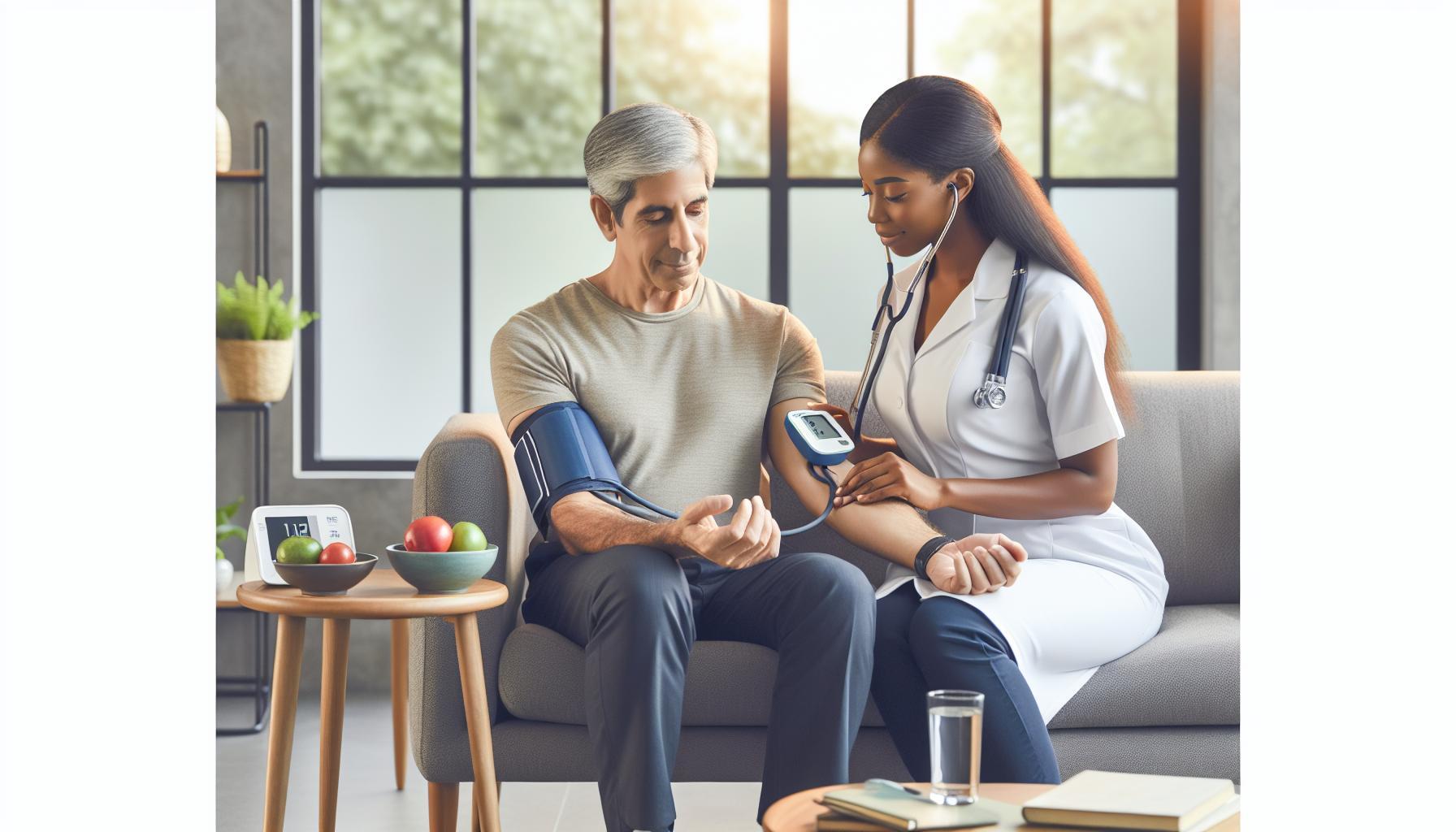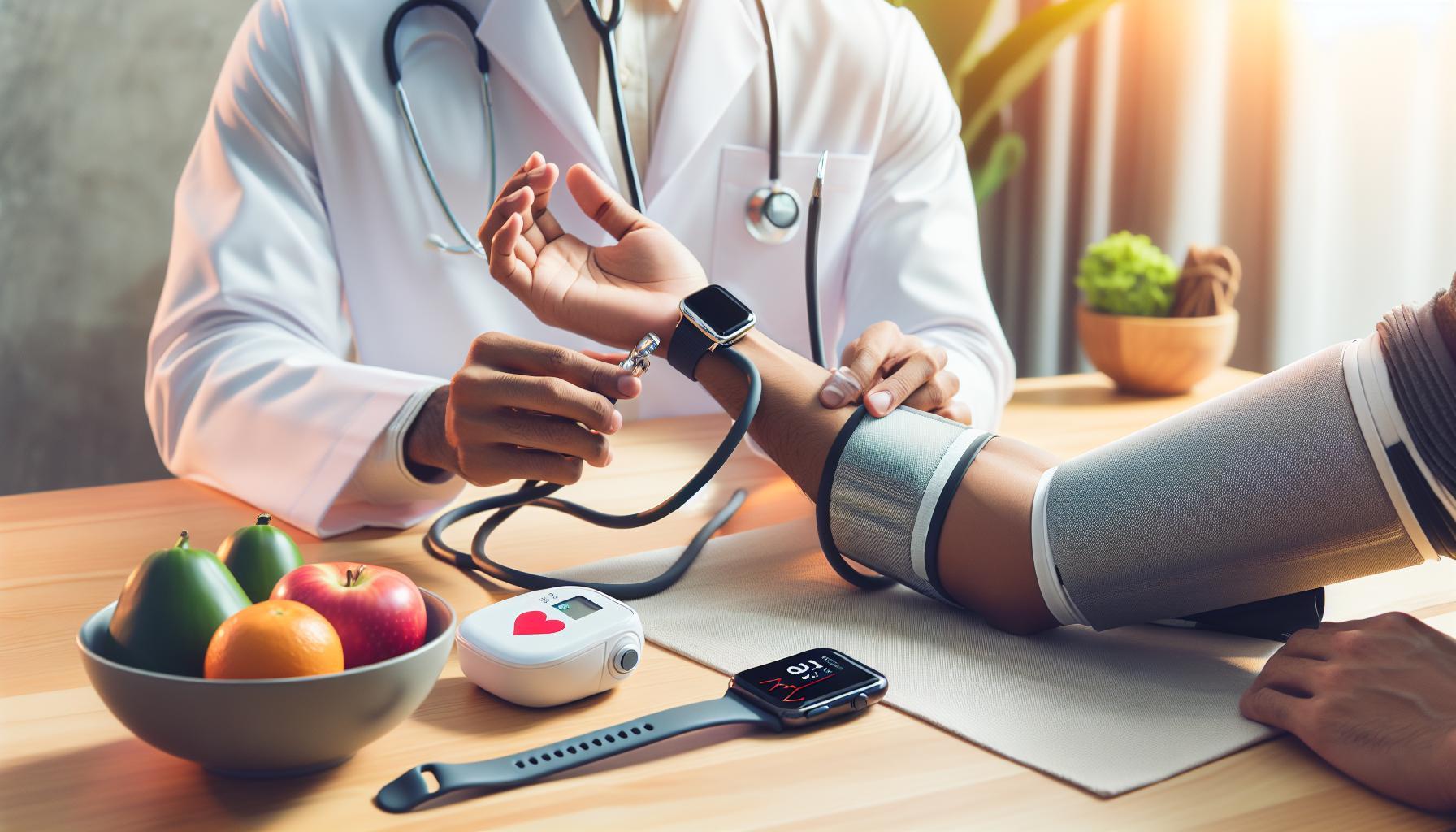

As the world continues to grapple with the COVID-19 pandemic, many are left wondering about the lasting effects the virus may have on health, including its impact on blood pressure. While much attention has been given to severe symptoms, emerging research suggests that COVID-19 may also contribute to low blood pressure in some individuals, leading to potential health risks.
Understanding this relationship is crucial, especially for those already managing blood pressure issues or experiencing unusual symptoms post-infection. Delving into the evidence around COVID’s effects on blood pressure can empower readers to take proactive measures and seek appropriate medical advice. Join us as we explore how COVID-19 might influence blood pressure levels and what that means for your health moving forward.
Understanding the Link Between COVID and Low Blood Pressure

COVID-19 has demonstrated an array of effects on the body, including intriguing relationships with blood pressure regulation. While many associate hypertension with severe COVID-19 outcomes, emerging evidence suggests that some individuals may experience low blood pressure, or hypotension, as a consequence of the virus. This phenomenon can be particularly concerning in the context of recovery and long-term health, emphasizing the need for awareness and monitoring.
Research indicates that COVID-19 can induce systemic inflammation and disrupt the autonomic nervous system, which plays a critical role in blood pressure regulation. Inflammation can lead to vasodilation, where blood vessels widen, causing a drop in blood pressure. Additionally, the virus can affect the renin-angiotensin system, a hormone system that regulates blood pressure and fluid balance, potentially resulting in lower blood pressure levels in some patients. This complexity highlights the importance of understanding individual responses to the virus, as not all patients exhibit the same symptoms or complications.
As those recovering from COVID-19 may face fluctuations in their blood pressure, self-monitoring becomes essential. Regularly checking blood pressure at home allows individuals to track any significant changes. Lifestyle modifications, such as staying hydrated, incorporating more salt into the diet under medical guidance, and gradually increasing activity levels, can aid in managing low blood pressure. Providing oneself with supportive resources, engaging in healthy habits, and maintaining regular consultations with healthcare providers can empower individuals to navigate their recovery effectively and improve their overall health outcomes.
How COVID-19 Affects the Cardiovascular System
The impact of COVID-19 on the cardiovascular system extends beyond the acute phase of infection, raising concerns among healthcare providers and patients alike. Evidence indicates that the virus can lead to various cardiovascular complications, including inflammation, endothelial damage, and changes in blood pressure, one notable effect being low blood pressure, or hypotension. Understanding these changes is crucial for anyone recovering from COVID-19, as they can influence ongoing health management and recovery strategies.
COVID-19 can trigger a cascade of inflammatory responses, leading to conditions that may alter blood pressure regulation. For instance, the virus is known to increase levels of inflammatory cytokines that may prompt vasodilation-an expansion of blood vessels that can lower blood pressure. Additionally, complications such as thrombosis or clot formation linked to COVID-19 can hinder normal blood circulation, further contributing to hypotensive episodes. The association between COVID-19 and alterations in the renin-angiotensin system has also been observed, a system essential for regulating blood pressure and fluid balance in the body.
In terms of clinical presentation, patients recovering from COVID-19 may experience symptoms such as dizziness, fatigue, and fainting, particularly upon standing-a condition medically referred to as orthostatic hypotension. For those who may find themselves feeling lightheaded or weak, it’s essential to regularly monitor blood pressure at home. A simple and effective way to do this includes using an automatic blood pressure monitor, allowing individuals to keep track of significant changes that may require further assessment by a healthcare provider.
To manage the cardiovascular effects following COVID-19, adopting preventive and therapeutic lifestyle changes can be beneficial. Maintaining adequate hydration, consuming a balanced diet rich in electrolytes, and gradually increasing physical activity can support better blood pressure regulation. Moreover, those experiencing pronounced symptoms should consult with healthcare professionals to discuss personalized plans, which may involve medication or additional therapies designed to stabilize blood pressure levels.
Overall, the ramifications of COVID-19 on the cardiovascular system underscore the importance of vigilance and proactive management in patients recovering from the virus. By staying informed and engaged in their health care, individuals can navigate the complex recovery landscape with more confidence and efficacy, ensuring that they can return to their normal activities while safeguarding their cardiovascular health.
Signs and Symptoms of Low Blood Pressure After COVID

Experiencing low blood pressure after recovering from COVID-19 is not uncommon and can manifest through various signs and symptoms that may significantly impact daily life. Understanding these indicators is crucial for effective self-monitoring and management. Patients often report feelings of lightheadedness, particularly when moving from sitting to standing, a condition known as orthostatic hypotension. This can leave individuals feeling unstable, increasing the risk of falls or accidents.
Other frequent symptoms include:
- Dizziness: A spinning sensation or light-headedness can occur, especially during sudden movements.
- Fatigue: Overall tiredness or lack of energy, which can be compounded by the body’s struggle to maintain adequate blood flow.
- Fainting or near-fainting: Sudden loss of consciousness or the feeling of imminent collapse.
- Blurry vision: Visual disturbances may accompany lightheadedness.
Regular blood pressure monitoring at home is essential for those recovering from COVID-19 to keep track of fluctuations and ensure timely intervention if necessary. A well-calibrated automatic blood pressure monitor can facilitate this process. Here’s a simple step-by-step guide to effective monitoring:
Step-by-Step Blood Pressure Monitoring
- Rest for at least 5 minutes in a quiet environment prior to measuring.
- Remove any restrictive clothing from your upper arm.
- Position the cuff on the bare skin of your upper arm, roughly at heart level.
- Press the start button on your device and remain still during the reading.
- Record the systolic and diastolic numbers, along with the date and time.
Engaging in proactive health management by recognizing these symptoms and promptly addressing them empowers individuals to reclaim their health post-COVID. Staying hydrated, eating a well-balanced diet rich in electrolytes, and slowly increasing physical activity can support better blood pressure regulation. Remember, if symptoms persist or worsen, it is important to consult a healthcare provider for tailored advice and potential treatments that may be necessary to manage low blood pressure effectively.
Potential Mechanisms of COVID-Induced Hypotension
Understanding the ways COVID-19 can influence blood pressure is crucial for those recovering from the virus. There is increasing evidence that the infection can lead to low blood pressure, or hypotension, through several mechanisms. One clear pathway involves the virus’s impact on the cardiovascular system, which can disrupt the body’s ability to regulate blood flow and arterial pressure effectively.
When the body encounters the SARS-CoV-2 virus, the immune response can cause inflammation, leading to vasodilation-the widening of blood vessels. This physiological response, while part of the body’s defense, can result in a drop in blood pressure as blood flows more easily through widened vessels. Additionally, the virus may affect key hormones involved in regulating blood pressure. For instance, the renin-angiotensin-aldosterone system (RAAS), critical for blood pressure regulation, can become imbalanced, potentially contributing to diminished vascular resistance and lower blood pressure readings.
COVID-19 can also result in fluid imbalances and depletion, particularly in individuals with severe symptoms or those requiring hospitalization. As the body battles the virus, it can experience notable fluid shifts or dehydration, adversely affecting blood volume and pressure. Furthermore, patients recovering from COVID-19 may experience cardiovascular deconditioning-a reduction in cardiovascular fitness from prolonged illness-which can lead to complications including hypotension, particularly upon standing or with exertion.
Monitoring blood pressure during recovery is essential. If you or someone you know is experiencing symptoms of low blood pressure, such as dizziness or fatigue, keeping track of these changes can provide valuable information for healthcare providers. Regular assessments and open communication with medical professionals will aid in effectively managing any blood pressure changes post-COVID. Adopting a balanced diet, ensuring adequate hydration, and gradually increasing physical activity can also support overall cardiovascular health during recovery.
Risk Factors for Developing Low Blood Pressure Post-COVID
Low blood pressure, or hypotension, can complicate the recovery process for many individuals after a COVID-19 infection. Understanding the risk factors associated with this condition is vital for effective management. Certain populations may be particularly susceptible to developing low blood pressure in the post-COVID phase. For instance, older adults often have underlying health conditions such as diabetes or heart disease, which can exacerbate the impacts of COVID-19, leading to increased cardiovascular strain and a greater likelihood of hypotension.
Another significant factor is the severity of the COVID-19 infection itself. Individuals who experienced severe symptoms or had prolonged hospitalization are at higher risk for post-viral complications, including low blood pressure. The experience of critical illness often leads to physiological changes and hormonal imbalances that can disrupt normal blood pressure regulation. Additionally, patients with pre-existing conditions affecting the cardiovascular system, such as hypertension or arrhythmias, are more vulnerable, given that COVID-19 has been shown to influence heart function and vascular regulation.
Behavioral and Lifestyle Factors
Lifestyle habits play a crucial role in mitigating the risk of hypotension after COVID-19. Dehydration, which is common during illness, particularly in severe cases, can significantly lower blood pressure. Patients need to prioritize hydration, especially during recovery. Inadequate nutrition during and after the illness can also contribute to lower blood volume, increasing the risk of hypotension.
The recovery period can also lead to cardiovascular deconditioning, especially in individuals who may have been sedentary during their illness. A structured return to physical activity and a focus on strength-building exercises can help mitigate this risk. Individuals who remain physically inactive post-illness may find their cardiovascular systems less prepared to handle daily activities, further increasing the chances of low blood pressure, particularly when standing up quickly.
Awareness and proactive management are key. Regularly monitoring blood pressure can empower individuals to recognize changes early on and seek medical advice when necessary. By understanding these risk factors, patients can make informed choices about their recovery path, helping to mitigate the impacts of COVID-19 on their cardiovascular health.
Research Studies on COVID-19 and Blood Pressure Changes
Emerging research has illuminated the complex relationship between COVID-19 and blood pressure changes, revealing that significant subsets of patients experience hypotension as a lingering effect of the infection. Studies have shown that a notable percentage of individuals recovering from COVID-19 report fluctuations in blood pressure, which can sometimes lead to persistent low blood pressure. In a cohort analysis involving hospitalized COVID-19 patients, a substantial proportion exhibited reduced systolic and diastolic blood pressure measurements, with some even experiencing symptomatic hypotension characterized by dizziness and fainting spells.
To understand these findings, researchers have been exploring various mechanisms driving COVID-induced hypotension. For instance, the virus’s impact on the renin-angiotensin-aldosterone system (RAAS)-a key regulator of blood pressure-has been a focal point of investigation. It has been suggested that SARS-CoV-2 may lead to dysregulation within this system, contributing to lowered vascular resistance and, consequently, lower blood pressure. Additionally, inflammatory responses triggered by the virus can impact endothelial function, further complicating blood pressure regulation.
Research endeavors continue to refine our understanding of patient outcomes related to blood pressure post-COVID. Longitudinal studies are essential for identifying risk factors associated with the development of hypotension following recovery. Preliminary findings indicate that demographic factors, such as age and sex, as well as pre-existing health conditions-like obesity or cardiovascular diseases-could significantly influence susceptibility to hypotension in the aftermath of COVID-19.
For patients navigating low blood pressure after a COVID-19 infection, it is crucial to adopt proactive management strategies. Regular monitoring of blood pressure is advisable, not only to track fluctuations but also to recognize patterns that may indicate the need for medical intervention. Simple lifestyle adjustments, such as increasing fluid and salt intake (under medical supervision), engaging in gradual physical activity, and ensuring a well-balanced diet, can be beneficial in maintaining stable blood pressure levels. As research in this area progresses, healthcare providers will be better equipped to guide patients towards effective management of their cardiovascular health in the context of recovery from COVID-19.
Managing Low Blood Pressure: Monitoring and Lifestyle Tips
Managing low blood pressure effectively can empower those recovering from COVID-19 to regain control over their health. It’s crucial to approach monitoring and management with a proactive mindset. Regularly checking blood pressure is essential; it helps you understand your body’s responses to different activities and situations. Utilize a home blood pressure monitor, and measure your readings at the same times each day for consistency. Document the results to identify trends and any triggers for low readings. This data is valuable for discussions with your healthcare provider, ensuring your management plan is tailored to your needs.
Incorporating lifestyle adjustments can significantly help stabilize blood pressure. Focus on hydration-drinking ample fluids assists in maintaining blood volume, which can elevate blood pressure. Consider these tips to integrate into your daily routine:
- Increase salt intake: Consult your doctor first, as increased sodium can help some individuals raise blood pressure.
- Gradual position changes: Move slowly when transitioning from sitting or lying to standing to prevent dizziness.
- Balanced meals: Eating smaller, more frequent meals can prevent blood pressure drops that sometimes occur after larger meals.
- Physical activity: Engage in moderate exercise regularly, as it improves cardiovascular health and might enhance blood pressure regulation.
It’s also beneficial to be mindful of your body’s signals. If you begin to feel lightheaded, fatigued, or experience palpitations, these could be signs of low blood pressure requiring immediate attention. Maintaining a journal of symptoms can provide valuable insights into your condition and serve as a discussion point with healthcare providers.
In conclusion, adopting a proactive approach by monitoring your blood pressure regularly and implementing strategic lifestyle changes can lead to significant improvements in your well-being. By staying informed and engaged in your health management, you will be better equipped to navigate the challenges posed by low blood pressure post-COVID-19.
When to Seek Medical Attention for Blood Pressure Issues
Experiencing low blood pressure can be concerning, especially for those recovering from COVID-19. While some fluctuations in blood pressure can be normal, knowing when to seek medical attention is vital for ensuring your health and safety. If you find yourself consistently recording blood pressure readings below 90/60 mmHg, it’s a clear sign to consult your healthcare provider. These readings could lead to symptoms such as dizziness, fainting, and fatigue, indicating that your body may not be receiving adequate blood flow.
Be particularly vigilant if you notice changes in your condition. If symptoms such as severe dizziness, confusion, or a rapid heartbeat develop, this may signify a more serious issue requiring immediate attention. Additionally, if you experience shortness of breath or chest pain, don’t hesitate to seek emergency care, as these could indicate complications arising from low blood pressure or other underlying cardiovascular issues.
Monitoring and Documentation
Keeping a journal of your blood pressure readings alongside any symptoms can be immensely helpful during consultations. Document the time of day, activity level, and corresponding symptoms to provide your healthcare provider with thorough insight into your condition. This information can assist in identifying patterns and potential triggers, allowing for a more tailored management plan.
Consulting Your Healthcare Provider
Regular follow-ups with your healthcare provider are essential, especially if you are at higher risk due to a history of cardiovascular problems or if you are taking medications that affect blood pressure. Even if your readings fluctuate but stay above the critical threshold, it’s prudent to discuss these changes with your doctor. They can help determine if additional diagnostic tests or treatment adjustments are necessary.
Focusing on heart health and blood pressure management can empower you on your recovery journey. By maintaining open communication with healthcare professionals and being attentive to your body’s signals, you can better navigate the complexities of low blood pressure post-COVID.
Long-term Impacts of COVID on Blood Pressure Regulation
The lingering effects of COVID-19 extend beyond the initial infection, influencing various aspects of health, including blood pressure regulation. Research suggests that many individuals may experience lasting cardiovascular effects after recovering from COVID-19, with low blood pressure emerging as a notable concern in some patients. Understanding these long-term impacts is crucial for individuals navigating their recovery journey and seeking to regain control over their health.
Changes in physiological regulation may occur due to the virus’s impact on the autonomic nervous system, potentially leading to hypotension or low blood pressure. Studies indicate that the body’s ability to regulate blood pressure may be compromised post-infection due to inflammation or vascular dysfunction, conditions that can persist long after the viral load has cleared. For some, this variability may lead to difficulties with standing up (orthostatic hypotension), causing dizziness or lightheadedness during daily activities.
To manage the long-term impacts of low blood pressure, it’s essential to regularly monitor blood pressure at home, noting the readings in various conditions, such as after sitting, standing, or during physical activity. Keeping a well-documented record can assist healthcare providers in tailoring management strategies, which might include dietary adjustments, such as increased salt intake under guidance, or hydration techniques to maintain intravascular volume. Emphasizing a heart-healthy lifestyle, including moderate exercise and stress management techniques, can bolster overall cardiovascular health and improve resilience against long-term effects.
As research continues to evolve, individuals recovering from COVID-19 can empower themselves by seeking information and support. Engaging in open discussions with healthcare professionals and adhering to personalized care plans will enable a proactive approach to managing health concerns related to blood pressure regulation. By taking these steps, individuals can navigate the complexities of their post-COVID health landscape with confidence.
Patient Experiences: Living with Low Blood Pressure After COVID
Experiencing low blood pressure after recovering from COVID-19 can be both puzzling and distressing for many individuals. As new evidence emerges from studies and patient testimonials, it’s clear that the journey through recovery from COVID can involve a variety of cardiovascular symptoms, including hypotension. Many patients have reported episodes of dizziness, fatigue, and lightheadedness that significantly impact their daily lives and routines.
For those navigating this condition, establishing a routine for monitoring blood pressure becomes essential. This can be accomplished using a home blood pressure monitor, which provides the flexibility to check levels at different times throughout the day. It’s advisable to take readings in multiple positions-lying down, sitting, and standing-to identify patterns that may indicate orthostatic hypotension. Keeping a detailed log of these readings can empower patients, providing critical data to share with healthcare providers, which can inform adjustments in treatment or lifestyle changes.
Adapting to life with low blood pressure involves making strategic adjustments in daily habits. Incorporating more salt into meals (under medical guidance), staying well-hydrated, and wearing compression garments can help manage symptoms. Moreover, gradual position changes when standing up can reduce sudden dizziness. Regular physical activity also plays a vital role; however, it should be approached with care. Engaging in light, low-impact exercises like walking or yoga can enhance circulation and reduce feelings of fatigue over time.
Support from others who are experiencing similar challenges can also be beneficial. Joining support groups or online forums can provide not only emotional backing but also practical tips and shared experiences from those who understand the nuances of living with post-COVID low blood pressure. It’s always important to consult with healthcare practitioners for personalized management plans, allowing individuals to navigate their recovery confidently and effectively. By actively participating in their health journey, patients can regain a sense of control and improve their overall well-being.
Looking Ahead: Future Research Directions on COVID and Blood Pressure
As researchers continue to explore the complex relationship between COVID-19 and cardiovascular health, understanding the potential mechanisms behind low blood pressure following infection is crucial. Studies are focusing on how lingering effects of the virus can impact blood pressure regulation, particularly in individuals who were previously healthy. The possible relationship between inflammation triggered by COVID and vascular function is a significant area of interest. Researchers are examining whether the inflammatory response leads to endothelial dysfunction, impacting the blood vessels’ ability to constrict properly, thus contributing to hypotension.
Future research is likely to delve deeper into specific patient demographics and their unique responses to COVID-19. For instance, age, pre-existing conditions, and lifestyle factors play a substantial role in cardiovascular outcomes. Tailoring research to include diverse populations can enhance understanding and lead to targeted interventions. Additionally, studies may investigate how long COVID, characterized by prolonged symptoms following recovery, affects blood pressure variability over time and the implications for chronic health management.
Furthermore, ongoing clinical trials will potentially shed light on effective therapeutic strategies to manage post-COVID hypotension. These may include pharmacological approaches to stabilize blood pressure, lifestyle modifications that emphasize hydration and salt intake, and the role of physical rehabilitation. The insights gained from these trials can inform care protocols, ensuring that healthcare providers are equipped with evidence-based guidelines tailored to address hypotension in post-COVID patients.
Engagement with patients is also critical. By encouraging participation in research initiatives or surveys to document their experiences, individuals contribute valuable data that can shape future clinical understanding and treatment approaches. This focus on patient-centered research ensures that the needs and concerns of those living with low blood pressure post-COVID are heard, ultimately leading to improved health outcomes and quality of life for affected individuals.
Q&A
Q: Can COVID-19 lead to low blood pressure?
A: Yes, COVID-19 can lead to low blood pressure (hypotension). This may occur due to the virus’s effects on the cardiovascular system, including inflammation and impaired blood circulation, as discussed in our section on “How COVID-19 Affects the Cardiovascular System.”
Q: What are the symptoms of low blood pressure after COVID-19?
A: Symptoms may include dizziness, fainting, fatigue, and blurred vision. If you notice these signs after recovering from COVID-19, refer to the “Signs and Symptoms of Low Blood Pressure After COVID” section for further insights.
Q: How long does low blood pressure last after recovering from COVID-19?
A: The duration of low blood pressure post-COVID-19 varies by individual. Some may experience transient hypotension, while others can have symptoms that last longer. Consult the “Long-term Impacts of COVID on Blood Pressure Regulation” for detailed information.
Q: What should I do if I experience low blood pressure after COVID-19?
A: If you experience low blood pressure post-COVID-19, monitor your symptoms and stay hydrated. For a comprehensive approach, refer to the “Managing Low Blood Pressure: Monitoring and Lifestyle Tips” section for practical advice.
Q: Are there specific factors that increase the risk of low blood pressure after COVID-19?
A: Yes, factors like age, existing health conditions, and severity of COVID-19 may increase the risk. Detailed risk factors can be found in our article section on “Risk Factors for Developing Low Blood Pressure Post-COVID.”
Q: How is blood pressure affected in patients with COVID-19?
A: COVID-19 can cause fluctuations in blood pressure, often leading to lower-than-normal readings in some patients due to the inflammatory response and stress on the cardiovascular system. Read further in “Research Studies on COVID-19 and Blood Pressure Changes.”
Q: When should I seek medical attention for low blood pressure symptoms after COVID-19?
A: Seek medical attention if you have persistent symptoms or if they worsen, such as severe dizziness or fainting. Guidance is available in the “When to Seek Medical Attention for Blood Pressure Issues” section to help determine the right course of action.
Q: Can lifestyle changes help manage low blood pressure after COVID-19?
A: Yes, lifestyle changes such as maintaining hydration, eating smaller meals, and gradually changing positions can help manage low blood pressure. For more strategies, see “Managing Low Blood Pressure: Monitoring and Lifestyle Tips” for comprehensive guidance.
In Retrospect
As we’ve explored, COVID-19 can indeed impact blood pressure, including instances of low blood pressure in some individuals. Understanding these connections is vital for managing your health effectively. If you’re experiencing symptoms like dizziness or fatigue, we encourage you to consult with a healthcare professional for personalized guidance.
Don’t miss out on related resources that provide essential insights into blood pressure management and COVID-19 recovery strategies. Check out our articles on “Monitoring Your Blood Pressure at Home” and “Rehabilitation After COVID-19” to further empower yourself on this journey.
Stay proactive in your health management-consider signing up for our newsletter to receive the latest updates and expert advice tailored just for you. Your health matters, and with the right tools and information, you can navigate these challenges confidently. We invite you to share your thoughts and experiences in the comments below; let’s learn from each other as we continue this important conversation.