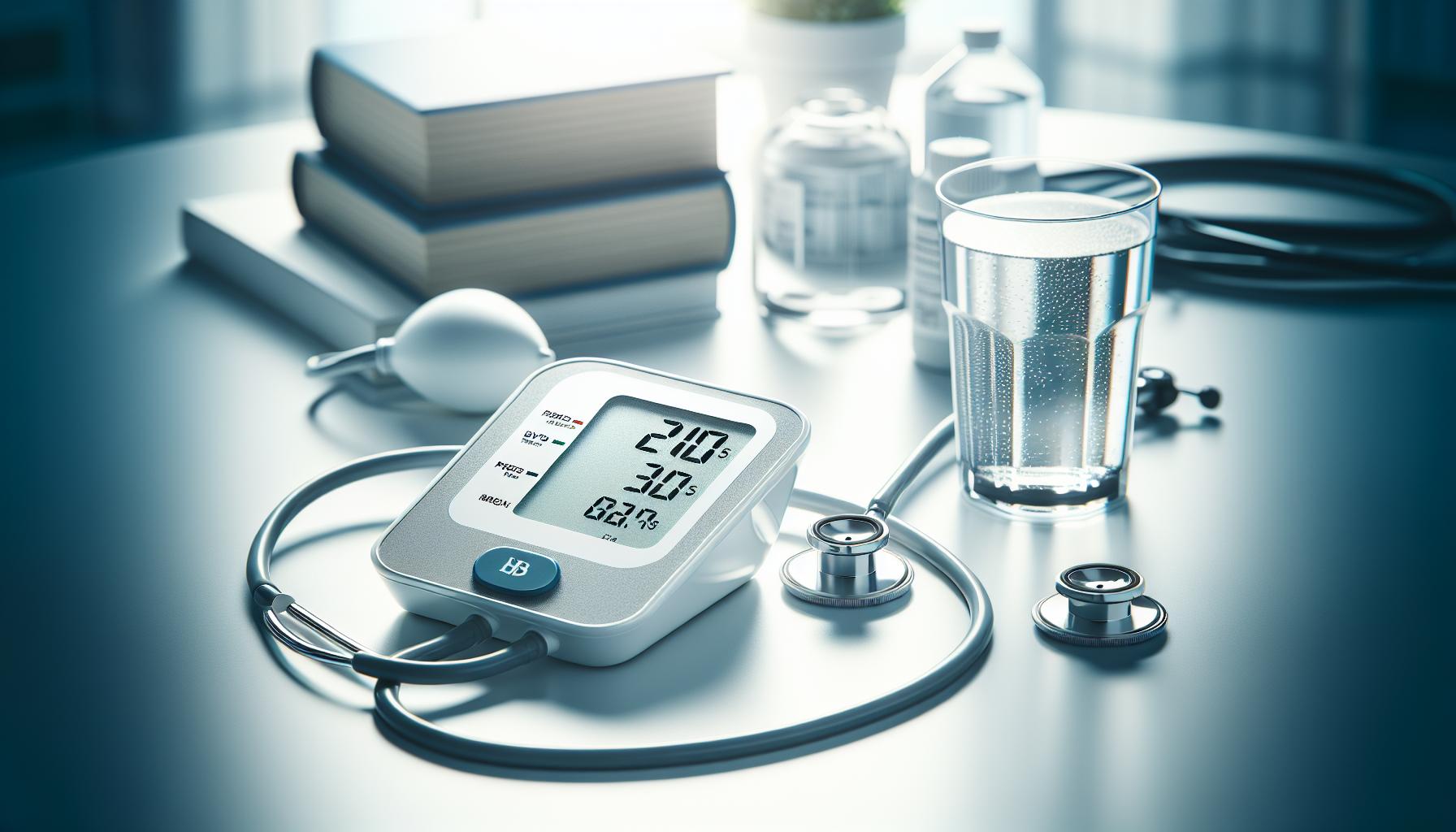

Did you know that your hydration levels can play a crucial role in your cardiovascular health? Dehydration not only leads to fatigue and confusion but can also elevate blood pressure. This is particularly concerning for those managing hypertension or looking to maintain heart health. As we often overlook the importance of staying hydrated, understanding the connection between dehydration and blood pressure becomes vital for preventing long-term health issues.
Maintaining proper hydration supports overall bodily functions, including the regulation of blood pressure. When your body is deprived of fluids, it can trigger a stress response that constricts blood vessels, subsequently leading to an increase in blood pressure. As you read on, you’ll discover practical tips for ensuring adequate hydration and learn how small lifestyle changes can significantly impact your heart health. Let’s explore how nurturing your body with enough fluids can help maintain a healthy blood pressure and support your overall well-being.
Can Dehydration Raise Blood Pressure? Understanding the Link
Dehydration can significantly disrupt the body’s natural balance, potentially leading to elevated blood pressure levels. When the body becomes dehydrated, it reduces blood volume, attempting to maintain adequate perfusion to vital organs. This reduction in fluid can trigger the body to compensate by constricting blood vessels, thereby increasing blood pressure. Moreover, the kidneys play a critical role in regulating blood pressure, and dehydration can impair their function, leading to fluid retention and heightened blood pressure levels.
Monitoring hydration status is vital, especially for individuals with pre-existing conditions such as hypertension. Signs of dehydration include dry mouth, fatigue, and reduced urine output. It is crucial to address these symptoms promptly, as chronic dehydration can lead to more serious health issues, including cardiovascular strain and further elevation of blood pressure.
To maintain optimal hydration and support healthy blood pressure, consider these effective strategies:
- Drink Water Regularly: Aim to drink water throughout the day, especially during periods of physical activity or heat exposure.
- Monitor Fluid Intake: Keeping a log of your daily fluid intake can help ensure you’re consuming enough water.
- Increase Electrolyte Intake: Incorporate foods and drinks that replenish sodium, potassium, and magnesium to help maintain blood volume and pressure.
By staying aware of hydration levels and adopting proactive measures for fluid intake, individuals can effectively manage their blood pressure and promote overall heart health.
How Dehydration Impacts Heart Health
The heart relies on a delicate balance of fluids to function optimally, making hydration a critical factor in cardiovascular health. Dehydration can lead to significant complications in heart function, primarily because insufficient water intake affects blood volume and the viscosity of blood. When the body is dehydrated, the total blood volume decreases, which forces the heart to pump harder to maintain adequate circulation. This added strain can elevate blood pressure, compounding the risks for individuals with pre-existing heart conditions or hypertension.
Moreover, dehydration affects the body’s ability to regulate temperature and manage electrolyte levels. Excessive fluid loss can lead to an imbalance in electrolytes like sodium and potassium, both of which are essential for proper heart rhythm and function. When these levels drop, the heart may struggle to maintain an efficient rhythm, potentially leading to arrhythmias or other cardiovascular issues. For those who regularly engage in strenuous activities or live in hot climates, it’s especially important to monitor hydration closely to prevent these adverse effects.
To support heart health and maintain blood pressure within healthy ranges, consider implementing these strategies for effective hydration:
- Prioritize Water Intake: Start your day with a glass of water and continue to sip throughout the day, especially before, during, and after physical activities.
- Electrolyte-Rich Foods: Incorporate foods such as bananas, oranges, and leafy greens to replenish electrolytes lost through sweating.
- Recognize Dehydration Symptoms: Familiarize yourself with signs of dehydration, such as thirst, dark urine, and dizziness, to address fluid needs promptly.
Engaging in mindful hydration practices not only prevents dehydration but also plays a crucial role in fostering overall heart health. Regularly monitoring fluid intake and being aware of the body’s needs can significantly enhance cardiovascular stability and well-being. Make hydration a priority, and empower yourself to make informed choices that benefit your heart and blood pressure regulation.
Signs of Dehydration to Monitor
Recognizing the signs of dehydration is crucial for maintaining optimal heart health and regulating blood pressure. When the body is deprived of adequate fluids, it sends clear signals that should not be ignored. Some of the most noticeable signs include:
- Increased Thirst: A strong feeling of thirst is often the body’s first warning signal that it needs more water. If you find yourself constantly reaching for a drink, it may indicate that you’re falling short on hydration.
- Darker Urine: The color of your urine can serve as a good indicator of hydration levels. Light, pale yellow urine typically signifies proper hydration, while dark yellow or amber-colored urine is a strong indicator of dehydration.
- Fatigue and Dizziness: Feeling unusually tired or experiencing dizziness can be direct consequences of dehydration. The lack of fluids can impair blood circulation, leading to decreased energy levels and lightheadedness.
- Dry Skin and Mouth: A lack of proper hydration often results in dry, flaky skin and a parched mouth. If your skin lacks elasticity or feels rough to the touch, it might be time to increase your fluid intake.
It’s beneficial to monitor these signs regularly, especially if you’re engaged in activities that encourage fluid loss, such as exercise or exposure to hot weather. Keeping a hydration log can help track your fluid intake and symptoms, empowering you to respond promptly to changes in your body’s needs. Additionally, development of any new or severe symptoms, such as persistent headaches or confusion, should prompt immediate attention, as they could indicate a more serious level of dehydration. By staying vigilant and taking these warning signs seriously, you can better manage your hydration and support your overall cardiovascular health.
The Science Behind Blood Pressure Regulation
Maintaining balanced blood pressure is essential for overall cardiovascular health, and understanding the science behind its regulation can empower individuals to take control of their health. Blood pressure is regulated through a complex interplay of factors, including heart function, blood volume, and vascular resistance. One critical element in this equation is hydration; when the body experiences dehydration, it can trigger a series of physiological responses that may ultimately lead to increased blood pressure.
The kidneys play a vital role in regulating blood pressure by managing fluid balance. When dehydrated, the body has less fluid available in the bloodstream, prompting the kidneys to conserve water by reabsorbing more fluid and concentrating urine. This reaction reduces blood volume, which can initially decrease blood pressure; however, the body compensates by releasing the hormone renin, leading to the production of angiotensin II. This hormone constricts blood vessels, increasing vascular resistance and thereby raising blood pressure. In essence, dehydration can set off a cascade of hormonal responses that culminates in elevated blood pressure, challenging the heart and circulatory system.
In addition to hormonal regulation, the impact of dehydration on physical performance and heart health further underscores the importance of staying hydrated. Low fluid levels can impair the heart’s ability to pump effectively, leading to a reduced capacity for exercise and increased fatigue. This can create a vicious cycle: as physical activity decreases, the risk of developing hypertension and other cardiovascular conditions may rise. Therefore, ensuring adequate hydration not only supports optimal heart function but also aids in maintaining a healthy blood pressure range.
Taking proactive steps to monitor and manage hydration can have a significant, positive influence on blood pressure. Consider tracking fluid intake throughout the day, especially during physical activities or warm weather. Set reminders to drink water regularly, and incorporate electrolyte-rich foods to replenish essential minerals lost through sweat. By prioritizing hydration, individuals can help protect their cardiovascular health and maintain stable blood pressure levels, ultimately enhancing their overall well-being.
Effective Hydration Strategies for Blood Pressure Control
Maintaining proper hydration is vital not only for overall health but particularly for controlling blood pressure. Dehydration can lead to increased blood pressure due to the body’s compensatory responses to conserve fluid. Therefore, it’s essential to incorporate effective hydration strategies into your daily routine.
One actionable approach is to establish a consistent fluid intake schedule. Aim to drink water regularly throughout the day rather than waiting until you feel thirsty. For example, keep a water bottle at your desk or set reminders on your phone to prompt you to take sips every hour. This proactive strategy helps prevent dehydration before it begins, keeping your blood volume stable and supporting optimal heart function.
Another important strategy is to consider the quality of your fluids. While water is essential, electrolyte-rich beverages can help maintain the balance of minerals like sodium and potassium, which are crucial for heart health and blood pressure regulation. Consider incorporating options such as coconut water, herbal teas, or electrolyte-infused waters, especially if you are engaging in prolonged physical activity or if temperatures are high.
Additionally, dietary choices can significantly influence hydration levels. Integrating water-rich foods such as fruits and vegetables into your diet can enhance your overall fluid intake. Foods like cucumbers, watermelon, and oranges not only provide hydration but also offer vitamins and nutrients beneficial for cardiovascular health.
Lastly, listen to your body and adjust your hydration habits based on activity levels and climate. For instance, on hot days or during intense exercise, increase your fluid intake accordingly. Paying attention to signs of dehydration-such as dark urine, dizziness, or dry mouth-can prompt you to take action before a more serious issue develops. By implementing these strategies, you empower yourself to better manage your blood pressure and safeguard your heart health.
The Role of Electrolytes in Blood Pressure Management
Maintaining an appropriate balance of electrolytes is essential for keeping blood pressure in check. Electrolytes, including sodium, potassium, magnesium, and calcium, play a pivotal role in regulating various physiological processes, including hydration, nerve transmission, and muscle function. An imbalance in these vital minerals can disrupt heart health and blood pressure management, making it crucial to pay attention to dietary sources of electrolytes.
When dehydration occurs, the body’s sodium levels may surge, which can prompt the kidneys to conserve water, potentially leading to elevated blood pressure. Conversely, adequate intake of potassium and magnesium can counteract the effects of sodium. Potassium, found in foods such as bananas, sweet potatoes, and spinach, helps relax blood vessel walls and excrete sodium, effectively lowering blood pressure. Magnesium, present in nuts, seeds, and whole grains, further supports blood vessel relaxation and assists in maintaining an efficient cardiovascular system.
To enhance electrolyte balance and support blood pressure management, consider following these practical strategies:
- Incorporate a variety of fruits and vegetables: Include potassium-rich foods like avocados, citrus fruits, and leafy greens in your daily diet.
- Opt for whole grains: Foods such as quinoa, brown rice, and oats are excellent sources of both magnesium and potassium.
- Stay hydrated with electrolytes during physical activity: Choose electrolyte-enhanced beverages, particularly during prolonged exercise or in extreme heat, to replenish lost minerals.
- Limit processed foods: Processed snacks and meals often contain high levels of sodium, contributing to electrolyte imbalance and increased blood pressure.
Monitoring your hydration and electrolytic intake can significantly impact overall heart health. Regularly assess how you feel after meals and during physical activities, as well as being attentive to symptoms that may indicate an imbalance, such as muscle cramps or unusual fatigue. By prioritizing optimal hydration and electrolyte equilibrium, you empower yourself to take control of your blood pressure and enhance your heart health effectively.
Foods and Drinks That Promote Hydration
Staying adequately hydrated is crucial for maintaining optimal heart health and preventing spikes in blood pressure. While water should be your primary source of hydration, various foods and beverages can boost your fluid intake and provide essential nutrients that support cardiovascular function. Adding these hydrating options to your diet can help you maintain healthy blood pressure levels and promote overall wellness.
Fruits are excellent hydrating foods, many of which have high water content. For instance, watermelon, cucumbers, and oranges are composed of over 90% water, making them refreshing choices during hot weather or after workouts. Additionally, these fruits are rich in vitamins and antioxidants that support heart health. Incorporating a variety of fruits into your daily meals can enhance your hydration and provide essential nutrients.
Vegetables also play a vital role in hydration. Leafy greens such as spinach and kale, along with other vegetables like bell peppers, are not only hydrating, but they are also packed with potassium, which is beneficial for regulating blood pressure. Eating a colorful array of vegetables can ensure you receive a range of nutrients while supporting hydration.
For beverages, consider herbal teas and coconut water as excellent alternatives to plain water. Herbal teas, served hot or cold, are hydrating and can have additional health benefits, such as calming effects or a boost to your immune system. Coconut water is a natural electrolyte-rich drink that can help replenish lost fluids after exercise, making it an ideal option for those physically active or sweating in heat.
By consciously including these hydrating foods and drinks in your diet, you can enhance your hydration status, support heart health, and effectively manage your blood pressure. Remember, making small, thoughtful changes can lead to significant health benefits over time.
Understanding Fluid Needs Based on Activity and Temperature
Understanding your fluid needs is essential for maintaining optimal hydration, especially as variations in activity levels and environmental temperature can significantly impact how much water you require. For example, during intense physical activities or in high-temperature environments, your body loses fluids through sweat, which can quickly lead to dehydration if not adequately replenished. When dehydration occurs, it can elevate blood pressure, making it crucial to stay aware of your fluid intake during different conditions.
When engaging in moderate to vigorous activities, it’s generally recommended to drink about 500 mL (about 17 ounces) of water two hours before the activity. During exercise, especially in hot weather, aim for 200-300 mL (7-10 ounces) every 10-20 minutes. This helps to ensure that you maintain hydration levels and prevent spikes in blood pressure. After exercising, rehydrate with about 1.5 times the fluids lost during the workout, which you can estimate by weighing yourself before and after.
In cooler temperatures or less strenuous activities, fluid needs still exist but may be less pronounced. The average adult generally needs around 2-3 liters (68-101 ounces) of total fluids per day, which includes all beverages and food sources. Remember that even in cold weather, you can still become dehydrated, since the body loses moisture through respiration and sweat. To stay hydrated without excessive effort, incorporate a variety of fluid sources throughout your day, such as water, herbal teas, and hydrating fruits like oranges and cucumbers.
Monitoring your hydration status is straightforward: check your urine color, which should be pale yellow; darker urine often indicates the need for more fluids. Furthermore, consider environmental factors like humidity, altitude, and personal health conditions such as heart disease or diabetes, which may further influence your hydration needs. By tailoring your fluid intake to your activity levels and environmental conditions, you not only support overall health but also maintain a balanced blood pressure, fostering better cardiovascular health over time.
When to Seek Medical Advice for Blood Pressure Concerns
Keeping a close eye on your blood pressure is vital for heart health, especially when dehydration may be a contributing factor. Research indicates that dehydration can lead to increased blood pressure due to the body’s compensatory mechanisms aimed at maintaining adequate blood flow. Therefore, being attentive to changes in your blood pressure and understanding when to seek medical advice is essential.
If you notice consistent readings that exceed blood pressure guidelines (typically above 130/80 mmHg for adults), it’s important to consult a healthcare professional. This is especially true if you experience symptoms such as dizziness, persistent headaches, blurry vision, or chest pain, which could indicate a more serious health issue exacerbated by dehydration. Moreover, if you have pre-existing health conditions, such as hypertension, diabetes, or heart disease, the need for monitoring increases as dehydration can further complicate these conditions.
Steps to Monitor Your Blood Pressure
- Regular Self-Monitoring: Use a reliable blood pressure monitor at home to check your readings at various times of the day and keep a log of your results to discuss with your doctor.
- Stay Hydrated: Ensure you’re drinking adequate fluids throughout the day, adjusting for activity levels and environmental conditions, to support overall cardiovascular health.
- Report Changes: If you observe significant fluctuations in your blood pressure alongside changes in your hydration status, make note of these fluctuations and report them to your healthcare provider.
Engaging in open communication with your healthcare provider about any concerns or trends you notice with your blood pressure is crucial. Being proactive about your health can empower you to make informed decisions, allowing for timely interventions that optimize your heart health. Remember, your well-being is a priority, and being aware of how factors like hydration influence your body is a crucial step towards maintaining it.
Long-Term Effects of Chronic Dehydration on Health
Chronic dehydration can have profound impacts on overall health, intertwining with blood pressure and cardiovascular function in ways that may not be immediately visible. When the body consistently lacks adequate hydration, it begins to conserve water, leading to thicker blood. This thickening can raise systemic vascular resistance, ultimately contributing to elevated blood pressure. Over time, these changes can strain the heart, leading to an increased risk of heart disease and other cardiovascular complications.
In addition to affecting blood pressure, chronic dehydration can result in electrolyte imbalances, causing further health concerns. Essential minerals like sodium, potassium, and magnesium play critical roles in maintaining proper heart function and blood pressure regulation. An imbalance may lead to arrhythmias, cramping, or weakness, complicating any pre-existing cardiovascular conditions. With electrolytes being pivotal in regulating fluid balance in cells, even slight deficits can disrupt normal physiological function.
To mitigate the long-term effects of dehydration, it’s crucial to adopt effective hydration strategies. Here are some practical steps to ensure optimal fluid intake:
- Set a Daily Goal: Aim for at least 8-10 glasses (about 2-3 liters) of water per day, adjusting according to activity level and climate.
- Incorporate Hydrating Foods: Consume fruits and vegetables with high water content, such as cucumbers, oranges, and watermelon, which can contribute to your daily fluid intake.
- Monitor Fluid Loss: Be aware of increased fluid needs during exercise or hot weather; consider electrolyte-replenishing drinks during intense activities.
Being proactive in maintaining hydration not only aids in blood pressure management but supports overall health, enhancing energy levels and cognitive function. Embracing these habits can powerfully influence heart health and foster a sense of well-being, emphasizing hydration as a foundational aspect of our daily routines.
Myth vs. Fact: Common Misconceptions About Hydration and Blood Pressure
While many people recognize the importance of hydration for overall health, misconceptions about how it relates to blood pressure can cloud understanding and influence behavior. For instance, a common myth is that drinking water will immediately lower blood pressure. In reality, the body’s response to hydration is complex. Although adequate fluid intake can help maintain optimal blood viscosity and cardiovascular function, it may not lead to immediate changes in blood pressure levels. In some cases, hydration can even temporarily increase blood pressure, particularly if there is a surge of fluid entering the bloodstream that the body hasn’t adjusted to adequately.
Another prevalent misunderstanding is that only athletes or individuals engaging in strenuous activity need to be conscious of their hydration levels. This is not true; everyone, regardless of their activity level, must ensure they remain adequately hydrated. Chronic dehydration can lead to thicker blood and increase systemic vascular resistance, which can elevate blood pressure over time. Therefore, it is essential for everyone, especially those with pre-existing health conditions, to prioritize fluid intake throughout the day.
Additionally, some believe that caffeinated beverages or diuretics always lead to dehydration and thus should be avoided for maintaining blood pressure. While caffeine does have a mild diuretic effect, research shows that moderate coffee consumption does not lead to dehydration and may not adversely affect blood pressure for most people. In fact, the hydration benefits of the fluid content in these drinks can outweigh the diuretic effect, especially in regular consumers.
To navigate these myths and maintain healthy blood pressure levels, here are a few key points to consider:
- Stay Consistent: Aim for regular fluid intake throughout the day rather than relying on water only when thirsty.
- Monitor Your Body: Pay attention to signs of dehydration, such as dark urine, fatigue, and dizziness, regardless of active lifestyle.
- Incorporate Hydration-Rich Foods: Many fruits and vegetables can supplement your hydration needs effectively without having to solely depend on water.
Understanding and dispelling these common misconceptions can empower individuals to take charge of their hydration and make informed decisions that benefit their heart health and overall well-being.
Real-Life Case Studies: Hydration’s Impact on Heart Health
The relationship between hydration and heart health is not just a matter of drinking enough water; it can profoundly impact blood pressure and overall cardiovascular function. Consider the case of an elderly gentleman, Mr. Roberts, who had consistently high blood pressure readings despite adhering to his doctor’s recommendations for diet and medication. Concerned about his condition, he began to closely monitor not just his sodium intake but also his hydration levels.
Upon realizing that he was often mildly dehydrated-especially in the hot summer months-Mr. Roberts started increasing his water consumption. Within weeks, his blood pressure stabilized, and he noticed a significant increase in his energy levels. This outcome highlights how a simple adjustment to daily hydration can yield substantial benefits for those struggling with blood pressure issues.
Another compelling example is from a study involving collegiate athletes. Researchers found that athletes who maintained optimal hydration during their training periods experienced lower heart rates and improved recovery times. In contrast, those who were dehydrated not only saw increased heart rates but also reported fatigue more quickly. These athletes understood that hydration wasn’t only vital for performance but also crucial for maintaining a healthy cardiovascular system.
To effectively manage hydration for heart health, consider these practical strategies:
- Track Fluid Intake: Use a simple app or a journal to record your daily water intake and ensure you reach your hydration goals.
- Carry a Water Bottle: Whether at home or on the go, having a refillable water bottle can act as a constant reminder to drink more fluids.
- Include Hydration-Rich Foods: Melons, cucumbers, and citrus fruits can supplement your hydration and provide essential vitamins and minerals.
These real-life case studies underscore the integral role that consistent and adequate hydration plays in managing blood pressure and promoting heart health. By actively monitoring hydration levels and making informed choices about fluid intake, individuals can enhance their well-being significantly, illustrating that small changes can lead to impactful health improvements.
Q&A
Q: How does dehydration affect blood pressure?
A: Dehydration can lead to low blood volume, causing the body to retain sodium and constrict blood vessels, which may elevate blood pressure. Staying adequately hydrated helps maintain blood volume and promotes healthy circulation, essential for optimal heart function.
Q: What are the signs of dehydration that can impact heart health?
A: Signs of dehydration include dry mouth, fatigue, dark urine, dizziness, and rapid heartbeat. Recognizing these symptoms early can help prevent complications related to heart health. Regularly monitor your fluid intake, especially during hot weather or illness.
Q: How much water should I drink to stay hydrated for heart health?
A: A general recommendation is to drink at least 8-10 cups of water a day, but individual needs vary based on activity level and climate. Pay attention to your body’s signals and adjust your intake accordingly, particularly during exercise or extreme heat.
Q: Can I hydrate adequately with beverages other than water?
A: Yes, beverages like herbal teas, low-sugar sports drinks, and broth can contribute to hydration. Additionally, consuming fruits and vegetables with high water content, such as cucumbers and watermelon, supports your overall hydration strategy.
Q: What role do electrolytes play in hydration and blood pressure?
A: Electrolytes, including sodium, potassium, and magnesium, help maintain fluid balance and support proper heart function. Proper electrolyte levels are crucial for regulating blood pressure, especially during dehydration. Incorporate electrolyte-rich foods into your diet, such as bananas and leafy greens.
Q: When should I seek medical advice regarding dehydration and blood pressure?
A: Consult a healthcare provider if you experience severe symptoms of dehydration, like prolonged dizziness, confusion, or a significant drop in blood pressure. Maintaining open communication about changes in your hydration status is vital for managing heart health effectively.
Q: What are the long-term effects of chronic dehydration on heart health?
A: Chronic dehydration can lead to increased blood pressure, reduced blood volume, and strain on the heart. Over time, this may increase the risk of cardiovascular diseases. Prioritize hydration to support long-term heart health and reduce associated risks.
Q: Are there common misconceptions about hydration and blood pressure?
A: Yes, a common misconception is that only water counts for hydration. In reality, various fluids and foods can contribute to hydration. Understanding the importance of diverse sources can enhance your hydration strategy and help manage blood pressure effectively.
The Conclusion
Staying hydrated is crucial for maintaining healthy blood pressure levels, and now that you understand the impact dehydration can have on your heart health, it’s time to take action. Consider incorporating hydration strategies into your daily routine to keep your blood pressure in check and support your overall wellness. For more insights, check our articles on “The Importance of Electrolytes for Heart Health” and “Quick Tips for Monitoring Your Blood Pressure at Home.”
If you have questions or want to share your experiences with hydration and blood pressure management, we invite you to leave a comment below. Don’t forget to subscribe to our newsletter for the latest tips and updates that can help you lead a healthier life. Remember, prioritizing hydration today can significantly impact your heart health tomorrow-so drink up and stay well!