


Many people are surprised to learn that dogs can suffer from high blood pressure just like humans. This condition, often overlooked, can lead to serious health issues, including heart disease and kidney problems. As a pet owner, understanding the symptoms and care associated with canine hypertension is essential for ensuring your furry friend stays healthy and happy.
Recognizing the signs of high blood pressure in dogs, such as lethargy or changes in appetite, can empower you to take action early. Regular veterinary check-ups and monitoring your dog’s lifestyle can make a significant difference in managing their overall health. By paying close attention to your dog’s well-being, you’re taking the first step towards preventing potential complications.
Stay with us as we explore the symptoms, causes, and care strategies for managing high blood pressure in dogs, equipping you with the knowledge to protect your beloved companion’s health. Your dog’s vitality depends on your vigilance, and understanding this condition puts you in a better position to provide them with the best care possible.
Can Dogs Experience High Blood Pressure?
Dogs, like humans, can indeed experience high blood pressure, or hypertension. This condition can often go unnoticed, as many canine patients show no obvious symptoms until serious health implications arise. High blood pressure in dogs is typically a sign of underlying health issues, such as kidney disease, hormonal imbalances, or heart conditions. Understanding this silent problem is crucial for pet owners to ensure their furry companions live a healthy and active life.
Many owners might wonder how to recognize hypertension in their dogs. Common symptoms, when they do present, can include lethargy, confusion, excessive thirst, frequent urination, and in severe cases, sudden blindness. Regular veterinary check-ups and blood pressure screenings become increasingly important as dogs age or if they exhibit any of these signs. Early detection can mitigate the risk of complications associated with elevated blood pressure, facilitating timely management and treatment.
Monitoring your dog’s blood pressure is not as daunting as it may seem. Veterinary clinics have specialized equipment to measure blood pressure accurately, usually performed during routine wellness exams or if your dog is showing symptoms. This quick and non-invasive test can help identify hypertension and initiate a discussion about the best preventive measures or treatment options. Owners should feel empowered to ask veterinary staff about blood pressure monitoring during visits to ensure their pet’s cardiovascular health is prioritized.
Understanding Canine Hypertension Symptoms
Many pet owners may be surprised to learn that dogs are prone to high blood pressure, also known as hypertension. This condition can often develop silently, making it crucial for owners to be vigilant and informed about the potential signs. While hypertension can sometimes present without evident symptoms, understanding the subtle indications can be essential for early detection and management.
Common symptoms of hypertension in dogs may manifest in various ways. Owners should be alert for signs such as:
- Lethargy: A noticeable decrease in energy or enthusiasm to engage in play or activity.
- Confusion: Disorientation or difficulty in recognizing familiar environments or people.
- Excessive Thirst: Increased water intake that may lead to more frequent urination.
- Frequent Urination: An abnormal increase in the need to urinate, which could indicate underlying issues.
- Sudden Blindness: In severe cases, hypertension can damage the eyes and lead to sudden vision loss.
Being proactive about your dog’s health means scheduling regular veterinary check-ups, during which blood pressure monitoring can become a routine practice. Early signs may be subtle, and areas such as blood tests and other diagnostics can provide essential insights into your dog’s overall health, helping to identify any indications of hypertension before they escalate. If you notice any of these symptoms, it’s important to consult a veterinarian promptly, as timely intervention can significantly improve your dog’s quality of life and longevity.
Understanding these symptoms can empower you as a pet owner to take action when necessary, ensuring that your four-legged friend receives the appropriate care. Regular communication with your veterinarian about your dog’s condition and any changes you’ve observed can aid in developing a comprehensive health management plan tailored to keep your dog thriving.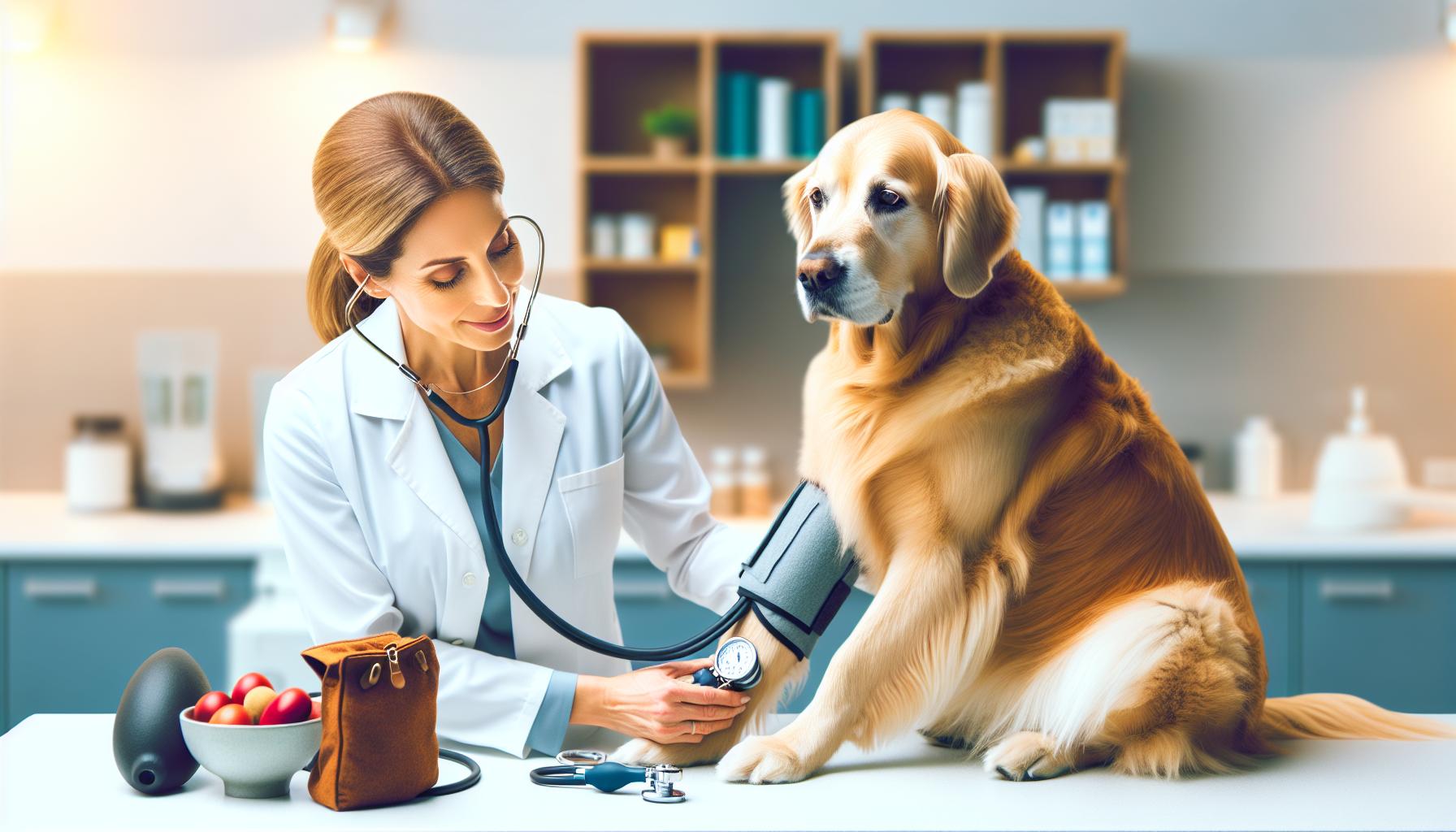
Risk Factors for High Blood Pressure in Dogs
Hypertension in dogs can often be a hidden threat, developing slowly and with few noticeable symptoms. Awareness of the various risk factors can empower pet owners to take proactive measures in safeguarding their furry companions. Several key factors contribute to the likelihood of a dog developing high blood pressure, and understanding these can facilitate early intervention and treatment.
One significant risk factor is age. As dogs grow older, the likelihood of developing hypertension increases, particularly in breeds predisposed to age-related health issues. Regular veterinary check-ups become increasingly vital, as older dogs may not exhibit obvious signs of hypertension but still require monitoring. Additionally, certain breeds, like Doberman Pinschers, Boxers, and Greyhounds, are genetically predisposed to developing high blood pressure, making them a focus for prevention efforts.
Another important consideration is underlying health conditions. Conditions such as kidney disease, diabetes, and hyperadrenocorticism (Cushing’s disease) can significantly heighten the risk of hypertension in dogs. Furthermore, obesity is a growing concern among pets, with overweight dogs more likely to experience elevated blood pressure due to increased strain on their cardiovascular system. Maintaining a healthy weight through a balanced diet and regular exercise can be crucial in mitigating this risk.
Stress also plays a critical role in hypertension. Environmental factors, including loud noises, changes in routine, or the introduction of new pets, can induce stress in dogs, potentially leading to temporary spikes in blood pressure. Developing a calm and stable home environment can help lower stress levels, promoting overall well-being.
By recognizing and addressing these risk factors, dog owners can better contribute to their pet’s health management strategies. Regular communication with your veterinarian, alongside routine health assessments, is essential in identifying any high-risk indicators early, allowing for a proactive approach in maintaining your dog’s healthy blood pressure. The knowledge of these risk factors equips owners to take actionable steps towards a longer, healthier life for their furry friends.
How to Monitor Your Dog’s Blood Pressure
Monitoring your dog’s blood pressure is crucial for maintaining their overall health, especially as it often goes unnoticed until serious complications arise. High blood pressure, or hypertension, can silently affect your dog’s organs and lead to severe health issues. Fortunately, with the right tools and knowledge, you can take an active role in monitoring and managing your pet’s blood pressure effectively.
To monitor your dog’s blood pressure at home, consider investing in a canine blood pressure monitor. These devices are designed specifically for dogs and can provide accurate readings. Before starting, ensure your dog is calm and in a comfortable position. Here’s a step-by-step guide to help you:
- Prepare the Environment: Choose a quiet area where your dog feels at ease. This can help prevent stress-related spikes in blood pressure.
- Correct Positioning: Have your dog sit or lie down in a relaxed position. Position the cuff appropriately-typically on a leg or tail-following the manufacturer’s instructions for placement.
- Take the Measurement: Activate the device and follow the prompts to secure the cuff and begin measuring. Most devices will provide a reading within a few minutes.
- Record the Results: Keep a log of each reading, noting the date and time, so you can identify trends over time. Aim for multiple readings to get an accurate assessment.
If you’re not comfortable monitoring at home, schedule regular check-ups with your veterinarian. They can perform blood pressure readings during routine exams. It’s recommended to measure your dog’s blood pressure routinely, especially if they fall within high-risk groups such as older dogs or breeds predisposed to hypertension. Regular monitoring not only aids in early detection but also helps your vet create a tailored management plan.
Being proactive about your dog’s blood pressure is key to their long-term health. By establishing a routine, utilizing proper tools, and staying informed, you can help ensure that your furry friend remains healthy and happy. If you notice any concerning signs or consistent high readings, consult your veterinarian immediately to discuss potential underlying conditions and treatment options.
Veterinary Diagnostics for Hypertension in Dogs
Recognizing and diagnosing hypertension in dogs is essential for maintaining their health, yet this condition is often overlooked until it manifests in serious health complications. The process typically begins with a thorough veterinary examination. Your veterinarian will not only measure your dog’s blood pressure, but will also evaluate their overall health through a combination of physical exams and several diagnostic tests. These assessments help determine if hypertension is primary or secondary-whether it’s the main issue or a symptom of other underlying health conditions such as kidney disease, hormonal imbalances, or heart problems.
During the visit, your veterinarian may utilize several diagnostic tools. Blood and urine tests are commonly performed to check for kidney function and electrolyte levels, which can indicate potential contributing factors to high blood pressure. In addition, imaging techniques like X-rays or ultrasounds may be employed to evaluate your dog’s heart and organs, checking for structural abnormalities or diseases that could be causing hypertension. The vet may also consider a thorough history review and physical examination that includes looking for signs of damage to the heart or kidneys, which are the organs most affected by high blood pressure.
It is crucial to ensure that your dog is calm and relaxed during the measurement, as stress can lead to transient spikes in blood pressure. High-quality, veterinarian-approved blood pressure monitors designed for use in canine patients will provide accurate and reliable readings. Additionally, repeat measurements may be necessary on separate visits to confirm a diagnosis and establish a pattern, because occasional high readings could be the result of temporary stress rather than a chronic condition.
If hypertension is diagnosed, your veterinarian will work collaboratively with you to develop an effective treatment plan tailored to your dog’s specific needs. This may include lifestyle adjustments, dietary changes, and in some cases, medication to help control their blood pressure. Early diagnosis and ongoing management are paramount in preventing the severe consequences associated with uncontrolled hypertension. Engaging proactively in your dog’s health by pursuing veterinary diagnostics not only empowers you as a pet owner but also enhances your furry friend’s quality of life.
Effective Treatment Options for Dogs with High Blood Pressure
Managing hypertension in dogs is crucial not only for extending their lifespan but also for ensuring they enjoy a higher quality of life. If your dog has been diagnosed with high blood pressure, there are several effective treatment options available to help manage this condition and mitigate its potential risks. The first line of defense typically involves medications that specifically target and lower blood pressure. Commonly prescribed medications include angiotensin-converting enzyme (ACE) inhibitors, calcium channel blockers, and diuretics, each chosen based on your dog’s unique health profile and the underlying factors contributing to their hypertension. Regular follow-ups are essential to adjust dosages and monitor efficacy, ensuring your pet stays within a healthy blood pressure range.
In tandem with medication, lifestyle changes can have a profound impact on your dog’s overall cardiovascular health. Regular, moderate exercise is beneficial; however, it’s essential to tailor activity levels to your dog’s energy and health status. Engage in daily walks or gentle play sessions, avoiding intense activities that may elevate stress levels or heart rate too rapidly. Additionally, stress management plays a vital role; creating a calm, loving environment significantly contributes to lowering anxiety, which can adversely affect blood pressure.
Diet also plays a crucial role in managing hypertension. Working with your veterinarian, you may consider switching to low-sodium diets or specialized veterinary formulas designed for heart health. These diets often include Omega-3 fatty acids which can have anti-inflammatory effects, further supporting cardiovascular health. Always look for high-quality ingredients, and avoid table scraps that could inadvertently lead to excess sodium or unhealthy fats.
Lastly, integrating natural remedies and supplements should be approached with caution but can complement a veterinary-approved treatment plan. Some owners have found success with natural supplements like omega-3 fatty acids or specific herbs known for their vasodilatory properties. However, it’s paramount to discuss any supplements with your veterinarian, as interactions with prescribed medications are possible.
By collaborating closely with your veterinarian and adopting a comprehensive approach involving medication, lifestyle adjustments, and nutritional management, you can effectively support your dog in managing high blood pressure. This proactive approach fosters not only better health outcomes but also a more joyful and active lifestyle for your beloved pet.
Dietary Changes to Manage Canine Hypertension
Making the right dietary changes can significantly contribute to managing hypertension in dogs. Just like humans, dogs can benefit from a heart-healthy diet that supports their overall cardiovascular health. One critical aspect of this is reducing sodium intake, which often requires a switch to specially formulated dog foods designed for low-sodium content. High sodium levels can exacerbate high blood pressure, so it’s essential to read labels carefully and avoid feeding your dog table scraps or processed foods that may contain hidden salts.
When considering dietary adjustments, opting for fresh, whole foods can also make a difference. Incorporating fresh vegetables like carrots, green beans, and sweet potatoes can provide necessary nutrients while keeping sodium low. Additionally, lean sources of protein, such as skinless chicken or fish, can be beneficial. Omega-3 fatty acids, found in fish and certain supplements, are known for their anti-inflammatory properties and may aid in improving heart health.
It’s crucial to collaborate with your veterinarian when implementing dietary changes. They can recommend specific brands or homemade diets tailored to your dog’s unique health profile. Regular dietary evaluations will help ensure your dog receives the required nutrients without excessive sodium intake. Also, introducing dietary changes gradually can help avoid gastrointestinal upset. Pay attention to portion control, as obesity can contribute to hypertension, making it essential to manage your dog’s weight effectively.
Here’s a simple guideline to follow when selecting and preparing food for a dog with hypertension:
| Food Type | Recommendations |
|---|---|
| Commercial Dog Food | Choose low-sodium, heart-healthy formulas |
| Fruits and Vegetables | Opt for fresh varieties like carrots, blueberries, and green beans |
| Proteins | Use lean meats like chicken or turkey without skin; include fish for omega-3s |
| Treats | Select low-sodium treats or make homemade options using safe ingredients |
By being intentional about your dog’s diet, you can play a crucial role in managing their blood pressure. Not only will these changes help to keep their condition in check, but they can also enhance their overall well-being and energy levels. Keep in close communication with your veterinarian to tailor the dietary plan as needed, ensuring your furry friend remains healthy and happy.
Lifestyle Adjustments for Dogs with High Blood Pressure
Maintaining a healthy lifestyle is crucial for dogs diagnosed with high blood pressure. Simple adjustments can have an enormous impact on managing their condition and improving their overall well-being. Incorporating a consistent routine of moderate exercise, mental stimulation, and a stress-free environment can significantly lower stress levels, which is essential because stress can exacerbate hypertension. Regular walks tailored to your dog’s ability not only promote cardiovascular health but also encourage weight management, a critical factor in hypertension control.
Creating a nurturing and soothing home environment is another effective strategy. Dogs thrive in spaces where they feel secure, so providing a quiet relaxing area free from chaos can help reduce anxiety. Consider engaging in calming activities such as gentle grooming or relaxing music specifically designed for pets. These practices can lower stress hormones in your dog, contributing to more stable blood pressure levels.
Additionally, it is vital to schedule regular veterinary check-ups to monitor your dog’s blood pressure and adjust treatment plans as necessary. Following your vet’s recommendations regarding medication, diet, and lifestyle will empower you to play an active role in your dog’s health. Keeping a diary of your dog’s behavior, activity levels, and dietary changes can aid your vet in providing the best possible care.
Incorporating these lifestyle adjustments will not only help in managing hypertension but will also enhance your dog’s quality of life. With commitment and awareness, you can create an environment that promotes healing and well-being, providing your furry companion with the support they need to thrive.
Natural Remedies for Dog Hypertension Care
Managing your dog’s blood pressure can feel daunting, but incorporating natural remedies into their care routine can aid in maintaining healthier levels. Herbal treatments and lifestyle adjustments are often used in conjunction with veterinary guidance to improve overall well-being for dogs diagnosed with hypertension. These approaches not only focus on mitigating symptoms but also enhance the body’s ability to regulate blood pressure naturally.
One effective natural remedy includes incorporating specific herbs known for their calming effects, such as chamomile and valerian root. These can be found in various formulations, including teas or tinctures, and can help create a soothing environment for your dog, reducing anxiety which can exacerbate hypertension. Additionally, omega-3 fatty acids found in fish oil can promote heart health and support blood circulation, thus contributing to better blood pressure management. It’s essential to consult your veterinarian before introducing any supplements to determine appropriate dosages and ensure they are safe for your dog.
Maintaining proper hydration also plays a vital role in managing hypertension. Encouraging your dog to drink plenty of fresh water throughout the day helps support vascular health. Consider using herbal-infused water, perhaps with light flavors from cucumber or mint, to make hydration more appealing. Furthermore, integrating potassium-rich foods, like sweet potatoes or spinach, can assist in maintaining balanced blood pressure levels. Always adjust your dog’s diet gradually and under the supervision of a veterinarian to avoid sudden changes that could lead to gastrointestinal distress.
Lastly, creating a consistent relaxation routine can significantly contribute to lowering stress-related hypertension. Regularly practicing calming techniques such as gentle massage, yoga, or even guided relaxation music can foster a more tranquil state of mind for your dog. The combined effect of these holistic measures encourages a more balanced lifestyle, empowers dog owners with proactive health management strategies, and promotes an overall sense of well-being for their furry companions.
Preventative Measures for Maintaining Healthy Blood Pressure
Maintaining healthy blood pressure in dogs is crucial for their overall well-being, particularly as they age or if they have predisposing health conditions. Regular monitoring and proactive lifestyle adjustments can significantly reduce the risk of hypertension. One of the first steps to consider is incorporating a routine veterinary check-up that includes blood pressure assessments, ensuring any fluctuations are addressed before they become problematic. Understanding your dog’s normal behavior and health metrics empowers you to recognize potential issues early.
A balanced diet plays a key role in blood pressure management. Focus on providing a nutritious diet rich in fresh vegetables and lean proteins while minimizing sodium intake. Foods that are high in potassium, such as sweet potatoes or carrots, can help regulate blood pressure levels. Additionally, be mindful of portion sizes to prevent obesity, which is a significant risk factor for high blood pressure in dogs. Always consult your veterinarian before making dietary changes, as they can provide personalized recommendations based on your dog’s health status.
Regular exercise not only helps maintain a healthy weight but also promotes overall cardiovascular health. Engaging in daily walks, playtime, or interactive activities tailored to your dog’s energy level can strengthen their heart and improve circulation. Aim for at least 30 minutes of moderate exercise each day, adjusting intensity and duration to suit your dog’s breed and age.
Moreover, consider creating a calming environment for your dog. Stress can be a contributing factor to elevated blood pressure. Implement practices like quiet time, soothing music, or even gentle massage to help reduce anxiety. Structured relaxation periods can significantly lower stress-related hypertension.
Incorporating these preventative measures will not only support your dog’s heart health but also enhance their quality of life, enabling them to thrive. Regular communication with your veterinarian complemented by mindful lifestyle choices can empower you to take control of your dog’s health, ensuring they lead a long, happy life.
When to Seek Emergency Care for Hypertensive Dogs
Elevated blood pressure in dogs can lead to serious health repercussions, making it critical for pet owners to recognize when to seek emergency care. If your dog exhibits symptoms such as sudden lethargy, severe dehydration, difficulty breathing, or episodes of confusion, it could indicate a hypertensive crisis requiring immediate veterinary attention. Ignoring these signs may lead to severe complications, including organ damage or even stroke.
It’s essential to monitor your dog continuously, particularly if they have known risk factors like kidney disease, diabetes, or are on certain medications that can affect blood pressure. Regular vet visits should include discussions about any noticeable changes in behavior or health. You should also be alert to signs of potential complications, including:
- Seizures: Sudden onset of seizures or unusual neurological signs should prompt an urgent vet visit.
- Vomiting or Diarrhea: Noticeable vomiting or diarrhea, especially with blood, can be alarming and needs immediate evaluation.
- Difficulty Breathing: Rapid or labored breathing indicates a possible crisis level that should not be delayed.
- Chest Pain or Distress: If your dog appears to be in pain, especially in the chest area, this could signify a critical issue.
Additionally, if your dog’s blood pressure readings exceed 180 mmHg during routine monitoring, it’s crucial to contact your veterinarian at once. High readings consistently indicate that your dog is at risk and may need urgent care to prevent life-threatening conditions. Taking swift action can not only alleviate your dog’s discomfort but also potentially save their life, reinforcing the importance of being diligent and proactive in their health management.
Q&A
Q: Can dogs develop high blood pressure as they age?
A: Yes, as dogs age, they may be at a higher risk of developing high blood pressure, or hypertension. Regular veterinary check-ups are essential to monitor their blood pressure and ensure early detection and management of any potential issues.
Q: What conditions can lead to high blood pressure in dogs?
A: High blood pressure in dogs can be caused by kidney disease, heart disease, hormonal disorders, or obesity. Addressing these underlying conditions is crucial for effectively managing your dog’s blood pressure.
Q: How can I tell if my dog has high blood pressure?
A: Dogs often show no obvious symptoms of high blood pressure. However, signs may include lethargy, nosebleeds, or sudden vision problems. Regular veterinary check-ups are necessary for accurate blood pressure monitoring.
Q: What is the normal blood pressure range for dogs?
A: The normal blood pressure range for dogs is generally considered to be between 120-150 mmHg. Regular monitoring is crucial, especially for older dogs or those with known risk factors.
Q: How does stress affect blood pressure in dogs?
A: Stress can temporarily elevate a dog’s blood pressure. Maintaining a calm environment and managing stress through exercise and mental stimulation can help keep your dog’s blood pressure within normal limits.
Q: Are certain breeds more prone to high blood pressure?
A: Yes, some breeds, such as Cavalier King Charles Spaniels and Dachshunds, may be more predisposed to developing high blood pressure due to genetic factors. Regular veterinary check-ups can help monitor their health.
Q: What dietary changes can help manage my dog’s blood pressure?
A: Reducing sodium intake and incorporating a balanced diet rich in omega-3 fatty acids can help manage your dog’s blood pressure. Consult your veterinarian for specific dietary recommendations tailored to your dog’s needs.
Q: When should I take my dog to the vet for blood pressure issues?
A: If you notice signs of lethargy, unusual behaviors, or if your dog has underlying health conditions, consult your veterinarian promptly. Early intervention can lead to better management of high blood pressure.
Key Takeaways
Monitoring your dog’s blood pressure is essential for their overall health and well-being. If you suspect your furry friend may be experiencing hypertension, acting quickly can make a significant difference in their care. Remember, regular vet check-ups and a good understanding of the warning signs are your best defenses. For more insights, explore our articles on Canine Good Citizen training to enhance your dog’s behavioral health or check out the Belgian Malinois breed for breed-specific care tips.
Don’t hesitate to share your experiences in the comments below, or subscribe to our newsletter for more tips and resources on managing your dog’s health effectively. By staying proactive, you not only ensure your dog’s longevity but also enhance the quality of your time together. Together, we can keep our dogs healthy, happy, and thriving!


