
E-cigarettes have surged in popularity as a perceived safer alternative to traditional smoking, but many users are unaware of the potential health risks associated with their use, particularly regarding blood pressure. Research suggests that nicotine exposure from e-cigarettes may lead to increased blood pressure and heart rate, raising concerns for smokers and those looking to quit.
Understanding the relationship between e-cigarettes and hypertension is crucial, not just for smokers but for anyone considering vaping as a cessation tool. By gaining insight into these risks, you can better manage your health and make informed decisions about your smoking habits. This article delves into the implications of e-cigarette use on blood pressure and offers essential information every smoker should know to safeguard their cardiovascular health. Let’s explore the potential risks and empower yourself with knowledge that could significantly impact your well-being.
Understanding Blood Pressure and Its Importance

Understanding blood pressure is crucial as it serves as a vital indicator of heart health. Blood pressure readings, composed of two numbers (systolic over diastolic), represent the force of blood against the artery walls. A normal reading typically falls below 120/80 mmHg. When blood pressure rises beyond this threshold, it may indicate hypertension, a condition that silently damages vital organs over time. Uncontrolled high blood pressure can lead to severe health issues such as heart disease, stroke, and kidney failure. Therefore, maintaining awareness of one’s blood pressure is essential for proactive health management.
Hypertension is often dubbed the “silent killer” because it frequently presents no obvious symptoms until significant damage has occurred. This underscores the importance of regular monitoring, particularly for individuals exposed to risk factors such as smoking or e-cigarette use. It is important to recognize that lifestyle choices, including diet, exercise, and substance use, play significant roles in blood pressure management. By adopting healthier habits, individuals can take an active stance in controlling their blood pressure and reducing the risk of associated health complications.
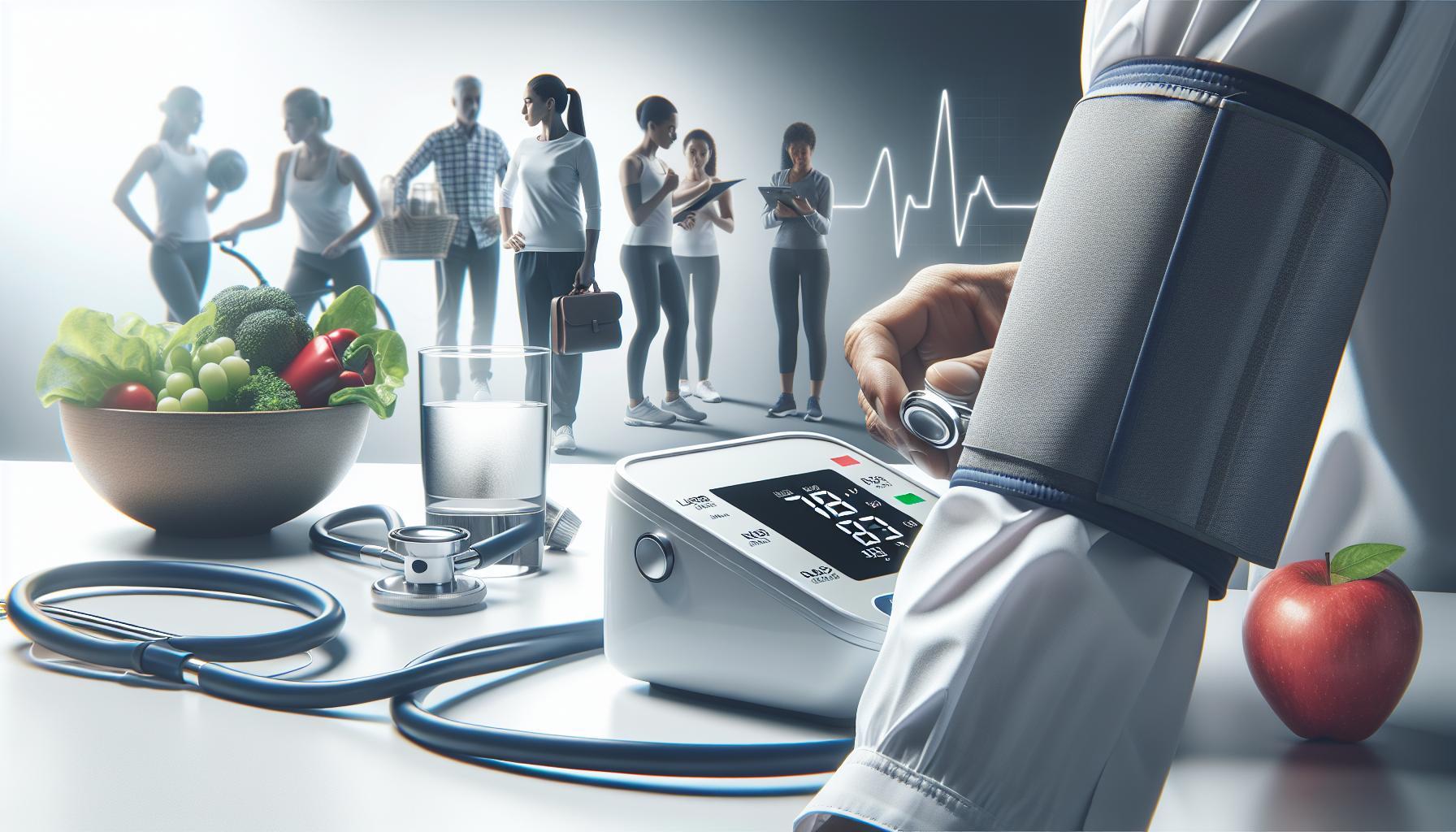
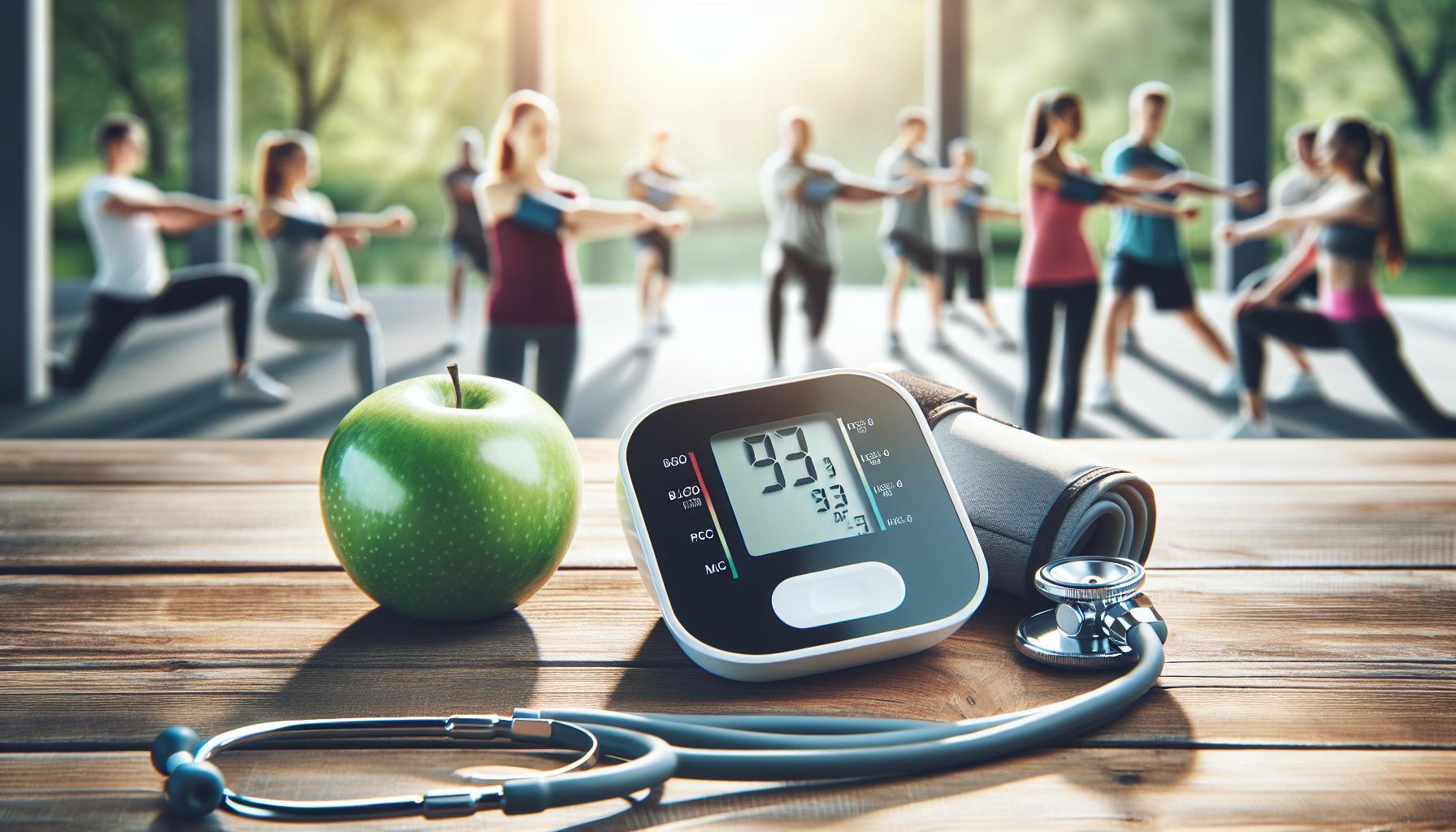
Regular monitoring of blood pressure is a key strategy in managing hypertension. Using an at-home blood pressure monitor can provide valuable insight into how lifestyle changes and habits, such as e-cigarette use, may be affecting your blood pressure. Aim to measure your blood pressure at the same times each day and keep a record to share with your healthcare provider. This proactive approach not only empowers individuals but also fosters a deeper understanding of personal health, enabling better-informed decisions regarding lifestyle modifications and medical interventions if necessary.
Incorporating simple yet effective steps, such as reducing sodium intake, maintaining a healthy weight, engaging in regular physical activity, and limiting alcohol consumption, can have a positive impact on blood pressure levels. For those who smoke or use e-cigarettes, quitting is one of the most impactful changes to make for overall heart health. Engaging with healthcare professionals for guidance on cessation resources can be an essential step towards better cardiovascular health. The journey towards healthy blood pressure is a commitment to living better, and every positive change counts.
How Do E-Cigarettes Impact Blood Pressure?

The prevalence of e-cigarette use has surged, particularly among younger populations, raising concerns about their potential effects on cardiovascular health, including blood pressure. Research indicates that e-cigarettes can indeed influence blood pressure, often contributing to higher readings that could lead to long-term health consequences. Nicotine, a primary component of many e-cigarettes, is a known stimulant that can cause blood vessels to constrict, which consequently raises blood pressure levels. This effect can occur even in individuals who may not have a prior history of hypertension.
Multiple studies have highlighted that the acute effects of nicotine can lead to a measurable increase in systolic and diastolic blood pressure shortly after use. For instance, a single exposure to nicotine can elevate blood pressure by 10-15 mmHg in some individuals, demonstrating a significant enough influence to warrant concern. Furthermore, the impact of e-cigarettes is compounded by other harmful substances found in the vapor, which can impair vascular health and exacerbate existing conditions. Regular use can lead to sustained elevations in blood pressure, increasing the risk of developing hypertension, heart disease, and stroke over time.
To effectively monitor the impact of e-cigarettes on blood pressure, individuals should consider adopting a routine that includes the following steps:
- Regular Self-Monitoring: Invest in a reliable home blood pressure monitor. Measure your blood pressure at consistent times, ideally before and after using e-cigarettes, to track changes.
- Record Patterns: Keep a journal of your readings and correlate them with e-cigarette use to identify any patterns.
- Consult Healthcare Providers: Share your monitoring results with healthcare professionals for personalized advice and management strategies.
Engaging in lifestyle modifications can be incredibly beneficial for those who use e-cigarettes and wish to manage their blood pressure effectively. Strategies such as reducing sodium intake, increasing physical activity, and adopting stress-reduction techniques can significantly counterbalance the potential negative impacts of e-cigarettes. Transitioning away from tobacco products altogether can lead to dramatic improvements in cardiovascular health, including blood pressure regulation.
It’s important to recognize that while switching to e-cigarettes may be perceived as a safer alternative to traditional smoking, they are not without risk. The dual effects of nicotine and other harmful compounds can lead to increased blood pressure and long-term health complications. By staying informed and proactive about monitoring and managing their health, individuals can take significant strides towards reducing their blood pressure and improving their overall heart health.
The Link Between Nicotine and Hypertension
Nicotine, a key ingredient in e-cigarettes, is not just a recreational substance; it’s a powerful stimulant that has a profound impact on cardiovascular health. When inhaled, nicotine quickly enters the bloodstream and can produce an immediate effect on blood pressure. This increase in blood pressure happens because nicotine stimulates the adrenal glands, causing the release of adrenaline, which makes the heart beat faster and constricts blood vessels. As a result, both systolic and diastolic blood pressure can rise significantly, sometimes by as much as 10-15 mmHg shortly after use. This is particularly concerning for users who may already be at risk for hypertension or other cardiovascular issues.
Moreover, the mechanisms through which nicotine contributes to hypertension extend beyond initial spikes in blood pressure. Chronic nicotine consumption can lead to lasting changes in the blood vessels and hormone regulation, establishing a more persistent state of hypertension. Over time, the vascular responsiveness can diminish, yet blood pressure remains elevated due to the combined effects of nicotine and other harmful substances often found in e-cigarette vapor. This ongoing elevation in blood pressure heightens the risk of developing serious health conditions, including heart disease, stroke, and chronic kidney disease.
To address the potential risks associated with nicotine and hypertension, proactive monitoring and management are essential. Individuals should integrate regular blood pressure measurements into their routines, particularly after nicotine use. Keeping a detailed record can help you recognize patterns in your blood pressure readings relative to e-cigarette use. Engaging with healthcare professionals for personalized guidance and support based on these observations can further empower individuals to take charge of their cardiovascular health.
Adopting lifestyle changes can also mitigate the harmful effects of nicotine. Increasing physical activity, reducing sodium intake, and managing stress through techniques such as mindfulness or yoga can significantly help in controlling blood pressure. Prioritizing these modifications, in conjunction with a mindful approach to e-cigarette use, can enhance overall heart health and reduce the risks associated with hypertension. By understanding , individuals can make more informed choices regarding their smoking habits and overall health.
Identifying Symptoms of High Blood Pressure
High blood pressure, often referred to as the “silent killer,” can be an alarming condition given its tendency to manifest without any overt symptoms. Many people may be unaware that their blood pressure is elevated until they experience significant consequences. Understanding the symptoms that may indicate high blood pressure is crucial for early detection and intervention. Although hypertension often has no symptoms, some signs can manifest during acute spikes-these may include headaches, shortness of breath, or nosebleeds. Recognizing these potential symptoms is the first step toward taking control of one’s health.
Regular monitoring of blood pressure is essential, especially for individuals who use e-cigarettes, which can cause fluctuations in blood pressure due to nicotine. Engaging in proactive health management involves not just tracking symptoms but also understanding what sustained high blood pressure can lead to over time. Chronic hypertension increases the risk of severe health issues such as heart disease, stroke, and kidney damage. By being attentive to sudden changes in how you feel, such as unusual fatigue or dizziness, you can better advocate for your health by seeking medical advice.
To empower yourself in managing blood pressure, consider keeping a health journal. This can include tracking any symptoms alongside your blood pressure readings. If you notice consistent elevations in blood pressure correlated with your e-cigarette use, it’s time to take action. Consult with a healthcare provider for further evaluation and discuss potential lifestyle changes that may alleviate symptoms or reduce risks.
Engaging in healthy lifestyle practices can serve as a powerful counterbalance to the negative effects that nicotine and high blood pressure might have. This includes a balanced diet rich in fruits and vegetables, regular physical activity, and adequate stress management techniques. By consciously adopting these habits, not only can you improve your blood pressure levels, but you will also enhance your overall cardiovascular health and well-being. Taking control of your health through awareness and proactive measures can lead to a healthier, more fulfilling life.
E-Cigarettes vs. Traditional Smoking: The Risks
E-cigarettes and traditional smoking often present themselves as different paths for nicotine consumption, but both carry significant risks-especially concerning cardiovascular health. A captivating point of comparison is the nicotine delivery mechanism; while traditional cigarettes combust tobacco, releasing thousands of harmful chemicals, e-cigarettes vaporize liquid nicotine, which many perceive to be less harmful. However, it’s essential to recognize that although e-cigarettes may reduce exposure to some toxic substances found in combustible tobacco, they still pose serious health risks, including elevated blood pressure and increased risk of hypertension.
Research indicates that nicotine, regardless of its source, acts as a stimulant that narrows blood vessels, raises heart rate, and consequently increases blood pressure. For smokers who switch to e-cigarettes, the initial belief may be that they are lowering their risk, but studies suggest that e-cigarettes can also contribute to sustaining or escalating blood pressure levels over time. This inconsistency leads many to underestimate the potential health impacts of vaping, which can be just as potent as traditional smoking in their effects on cardiovascular health.
It’s vital to monitor your blood pressure regularly if you’re using e-cigarettes. Here are some practical steps you can take:
- Keep a daily log: Record your blood pressure variable alongside your vaping habits to see how they might correlate.
- Consult health professionals: Discuss your vaping and blood pressure readings with your healthcare provider to make informed decisions about your health.
- Consider alternatives: If you’re using e-cigarettes to quit traditional smoking, explore smoking cessation programs that may provide support more effectively.
Ultimately, recognizing the relative risks and remaining proactive in monitoring health can empower individuals to make informed choices about their nicotine use. Balancing the perceived benefits of e-cigarettes with the very real risks they present can foster a healthier relationship with these products, averting potential cardiovascular issues down the line. The journey to better health starts with awareness, and taking control of your habits is key to reducing the risks associated with both traditional smoking and e-cigarette use.
Long-Term Health Risks Associated with E-Cigarette Use
The perception of e-cigarettes as a safer alternative to traditional smoking can be misleading, especially when considering the long-term health consequences. While e-cigarettes are often marketed as a means to reduce the harmful effects of smoking, emerging evidence indicates that they carry significant risks of their own, particularly concerning cardiovascular health.
Regular use of e-cigarettes has been linked to various complications that can accumulate over time. One of the foremost concerns is the impact on blood pressure. Research shows that e-cigarettes, like traditional tobacco products, can induce a rise in heart rate and blood pressure due to nicotine. Additionally, the long-term exposure to the chemicals in e-cigarette liquids, including propylene glycol and vegetable glycerin, may contribute to arterial stiffness and endothelial dysfunction. These changes can predispose users to hypertension and other cardiovascular diseases, making it paramount for users to remain vigilant regarding their heart health.
Another critical long-term risk associated with e-cigarette use is the potential for addiction. The highly concentrated nicotine in many e-liquids can lead to increased dependence, which could result in a greater consumption of nicotine over time. This escalation not only affects blood pressure but can also lead to a myriad of heart-related issues, including an increased risk of heart attack and stroke. Users may find themselves caught in a cycle of dependency that exacerbates their overall health risks.
For those who choose to continue using e-cigarettes, understanding the importance of regular health monitoring is vital. Keeping track of blood pressure and recognizing the signs of hypertension can empower users to take control of their health. Individuals should consider routine check-ups with healthcare providers for tailored advice and management strategies, including dietary changes, exercise, and stress management techniques. Adopting a proactive approach can significantly mitigate health risks and foster a better quality of life.
Strategies to Manage High Blood Pressure for Smokers
High blood pressure, or hypertension, is often called the “silent killer” because it can cause serious health problems without noticeable symptoms. For smokers, including e-cigarette users, managing blood pressure is critically important, as both traditional and electronic forms of smoking can exacerbate hypertension and increase the risk for heart disease. Taking proactive steps to manage blood pressure is not only beneficial for overall health but is essential for reducing the risks associated with smoking.
To effectively manage high blood pressure, consider these strategies:
Regular Monitoring
One of the first steps in managing blood pressure is regular monitoring. Use a home blood pressure monitor to keep track of your readings. Aim to check your blood pressure at the same time every day, and maintain a log of your measurements. This will help you recognize patterns and observe the effects of smoking, dietary changes, or stress on your readings. If you notice consistently high numbers (above 130/80 mmHg), consult your healthcare provider for professional guidance.
Healthy Diet Choices
Incorporating a heart-healthy diet can significantly impact your blood pressure. Focus on:
- Fruits and Vegetables: Aim for a variety of colors and types, which provide essential vitamins and minerals.
- Whole Grains: Foods like brown rice, oatmeal, and whole wheat bread can help lower blood pressure.
- Low-Fat Dairy: Consider low-fat or non-fat options that provide calcium without excess saturated fat.
- Reduced Sodium: Limit salt intake to less than 2,300 mg per day and opt for fresh foods over processed options.
Additionally, consider integrating foods rich in potassium, magnesium, and fiber, which are known to help lower blood pressure.
Physical Activity
Regular physical activity is a powerful tool for maintaining healthy blood pressure. Aim for at least 150 minutes of moderate-intensity exercise each week, such as brisk walking, swimming, or cycling. Exercise can help you maintain a healthy weight and reduces stress, both of which are important for blood pressure management. Even small changes, like taking the stairs instead of the elevator or parking farther away from your destination, can make a significant difference over time.
Stress Management
Chronic stress may contribute to elevated blood pressure, particularly for smokers. Techniques such as deep breathing exercises, meditation, yoga, or engaging in hobbies can help alleviate stress levels. Finding healthy outlets for stress is crucial, and consider speaking with a therapist if you find it challenging to manage stress on your own.
By implementing these strategies, you can take control of your blood pressure and improve your overall health outlook. Remember, it’s important to consult your healthcare provider before making significant lifestyle changes, especially if you’re managing a chronic condition. Empower yourself with knowledge and proactive health management to combat the risks associated with smoking and high blood pressure.
Monitoring Your Blood Pressure While Using E-Cigarettes
Monitoring your blood pressure regularly is essential, especially for those using e-cigarettes, as nicotine and other chemicals in these products can potentially raise blood pressure and lead to hypertension. By taking proactive steps to track your blood pressure, you can better understand how your body reacts to vaping and make informed health decisions.
Establish a routine by using a reliable home blood pressure monitor. Aim to measure your blood pressure at the same time each day, ideally when you are relaxed and calm. This consistency will provide the most accurate readings. Keep a log of your measurements, noting the date, time, and any relevant factors, such as your e-cigarette usage, meals, and stress levels. If you see unusually high readings (140/90 mmHg or higher), consider discussing them with your healthcare provider, who can provide tailored advice based on your specific situation.
Empower yourself by learning how particular lifestyle choices impact your readings. For example, consuming high levels of caffeine or alcohol, being sedentary, or experiencing increased stress can all contribute to elevated blood pressure. If you notice a spike in your numbers, try to identify any recent changes in your routine that may be influencing your health. Developing awareness around these factors can help you adjust your habits proactively.
Consider incorporating relaxation techniques into your daily routine. Methods such as deep breathing, yoga, or mindfulness can reduce stress and promote better cardiovascular health. Not only does stress exacerbation lead to higher blood pressure, but it can also trigger cravings for nicotine. By staying mindful and practicing coping strategies, you can improve your overall well-being while actively managing your blood pressure.
Lifestyle Changes to Support Heart Health
Incorporating healthy lifestyle changes can significantly support heart health and help manage blood pressure, especially for those using e-cigarettes, which can elevate blood pressure levels. Simple yet impactful adjustments to your daily routine can foster a healthier cardiovascular system and improve overall well-being.
To start, regular physical activity is a crucial element. Engaging in at least 150 minutes of moderate aerobic exercise each week can strengthen your heart, allowing it to pump blood more efficiently. Consider activities like brisk walking, cycling, or swimming. Additionally, incorporating strength training exercises at least twice a week can enhance overall fitness and facilitate weight management, another key factor in controlling high blood pressure.
Nutrition also plays a vital role in cardiovascular health. Adopting a diet rich in fruits, vegetables, whole grains, lean proteins, and healthy fats can provide essential nutrients and contribute to lower blood pressure. It is beneficial to reduce sodium intake, aiming for less than 2,300 mg per day, and to limit processed foods, which often contain hidden salts. Furthermore, ensuring adequate hydration can help in maintaining a healthy blood volume and pressure.
Stress Management Techniques
Managing stress effectively can also positively influence blood pressure levels. Engage in relaxation techniques such as deep breathing, yoga, or meditation to mitigate stress’s impact on your body. Establishing a calming routine, even for just a few minutes daily, can significantly lower tension and help prevent cravings for nicotine, which are particularly common among smokers.
Finally, ensure you’re getting sufficient sleep, as poor sleep quality can have adverse effects on blood pressure and heart health. Aim for 7 to 9 hours of quality sleep each night, creating a restful environment by limiting screen time before bed and maintaining a consistent sleep schedule.
Incorporating these lifestyle changes not only supports heart health but empowers individuals to take control of their well-being, especially in the context of e-cigarette use. Each positive step contributes to a holistic approach to health management, fostering better outcomes and reducing the potential risks associated with high blood pressure.
Expert Opinions: What Health Professionals Say
Health professionals are increasingly concerned about the connection between e-cigarette use and high blood pressure, as emerging evidence suggests that vaping may pose similar cardiovascular risks to traditional smoking. Studies indicate that substances in e-cigarettes, particularly nicotine, can lead to transient elevations in blood pressure. This effect is not merely anecdotal; numerous cardiologists urge smokers and vapers alike to prioritize blood pressure monitoring as part of their routine health checks.
Experts emphasize the importance of understanding that while e-cigarettes may be perceived as a safer alternative to traditional cigarettes, they are not without health risks. For instance, nicotine can stimulate the sympathetic nervous system, increasing heart rate and contributing to hypertension. Cardiologists recommend regular blood pressure assessments, especially for those transitioning from smoking to e-cigarettes, as the underlying habit still poses potential health threats. Monitoring can empower individuals to take proactive steps in managing their cardiovascular health.
In addition, healthcare practitioners advocate for a multidimensional approach to heart health that includes lifestyle modifications alongside monitoring. This encompasses adopting a balanced diet, engaging in regular physical activity, and implementing stress-reduction techniques. A nutritionist may recommend a heart-healthy diet rich in antioxidants and omega-3 fatty acids while advising against sodium-heavy processed foods, highlighting how such dietary changes can aid in blood pressure management.
The consensus among health professionals is that awareness and education are powerful tools in combating the cardiovascular effects of vaping. By understanding the full scope of risks associated with e-cigarettes, individuals can make informed decisions that prioritize their health. Practitioners encourage ongoing research and discourse on this topic, fostering an environment where individuals feel supported in taking charge of their health, especially concerning the management of high blood pressure linked to vaping.
Resources for Smokers Seeking Help and Support
The journey to better health can begin with simple yet powerful steps, especially for those concerned about the impact of e-cigarettes on blood pressure. Understanding various resources available for smokers can be a game-changer in managing their health effectively. From classes to online support groups, a wealth of assistance is available to help individuals navigate the complexities of quitting or reducing e-cigarette use while keeping blood pressure in check.
Support Networks
Connecting with others who share similar challenges can be incredibly motivating. Online forums and local support groups offer safe spaces to share experiences, seek advice, and receive encouragement. Organizations such as the American Heart Association provide resources specifically aimed at smokers, including forums and community events where individuals can exchange information and support one another as they work toward healthier choices.
Health Monitoring Tools
Utilizing technology can significantly aid in blood pressure monitoring. Many mobile applications can track blood pressure readings, providing users with insights and reminders for their health check-ups. Some apps can even alert friends or family, creating an accountability system that encourages regular monitoring. Health professionals recommend tracking readings over time to identify patterns, which can be beneficial when discussing health changes with a doctor.
Professional Resources
For those looking for more personalized advice, consulting a healthcare professional is invaluable. Cardiologists and nutritionists can offer tailored strategies that consider individual health histories and goals. Many clinics now offer smoking cessation programs specifically designed to address the unique challenges posed by e-cigarette use, providing counseling, medications, and resources to support quitting.
Educational Materials
Awareness is crucial in managing health risks. Educational materials available from reputable health organizations can provide insights into the effects of nicotine and vaping on cardiovascular health. These resources often include strategies for managing cravings, tips for reducing blood pressure, and lifestyle changes that support heart health.
By utilizing these resources, individuals can empower themselves in their journey towards improved health. With the right support, monitoring tools, and professional guidance, managing blood pressure while navigating e-cigarette use becomes not only possible but also a proactive step towards long-term well-being.
Q&A
Q: Can e-cigarettes regulate blood pressure?
A: E-cigarettes do not regulate blood pressure; in fact, they can increase blood pressure levels. The nicotine in e-cigarettes stimulates the release of adrenaline, which can lead to elevated heart rate and blood pressure, posing risks for smokers.
Q: What are the long-term risks of high blood pressure from e-cigarette use?
A: Long-term risks of high blood pressure from e-cigarette use include cardiovascular diseases, kidney damage, and increased risk of stroke. Managing blood pressure is essential to reduce these risks, as outlined in the section on long-term health risks in the article.
Q: How can I monitor my blood pressure if I use e-cigarettes?
A: Regular monitoring of blood pressure is crucial for e-cigarette users. Use a home blood pressure monitor and keep a log of readings. Consult a healthcare professional for personalized monitoring strategies and guidelines as discussed in the article.
Q: Are there specific symptoms to watch for related to e-cigarette use and blood pressure?
A: Symptoms of high blood pressure include headaches, dizziness, and vision changes. If you experience these symptoms, especially when using e-cigarettes, seek medical advice promptly to assess blood pressure levels effectively.
Q: Why do e-cigarettes cause high blood pressure among smokers?
A: E-cigarettes cause high blood pressure primarily due to nicotine, which constricts blood vessels and increases heart rate. This physiological response elevates blood pressure, similar to the effects seen with traditional cigarettes.
Q: What lifestyle changes can help manage blood pressure for e-cigarette users?
A: Lifestyle changes such as a balanced diet, regular exercise, and stress management can help manage blood pressure. Additionally, reducing or quitting e-cigarette use is highly recommended to lower hypertension risks, as advised in the article’s strategy section.
Q: Can e-cigarettes be considered safer than traditional cigarettes in terms of blood pressure?
A: While e-cigarettes may pose fewer carcinogenic risks than traditional cigarettes, they still increase blood pressure and heart-related risks. It’s vital to evaluate the trade-offs and consider quitting both for better blood pressure management.
Q: What health professionals say about e-cigarettes and hypertension?
A: Health professionals generally warn against e-cigarette use due to the associated risks of increased blood pressure and cardiovascular issues. Their consensus emphasizes the importance of consulting healthcare providers for any blood pressure management and smoking cessation support, as elaborated in the expert opinions section.
Wrapping Up
As you reflect on the potential risks of e-cigarettes and their impact on high blood pressure, remember that staying informed is your best defense. Understanding how vaping can affect your health empowers you to make safer choices. If you’re feeling concerned about your blood pressure or want to take proactive steps for a healthier lifestyle, consider exploring our comprehensive guides on blood pressure monitoring and effective management strategies.
Don’t hesitate to dive deeper into related topics such as “Understanding Vaping and Heart Health” or “Practical Tips for Managing Blood Pressure.” These resources can provide crucial insights that enhance your journey toward better health. For immediate support, sign up for our newsletter to receive ongoing updates and expert advice directly to your inbox.
Your health is a priority-take action today! Share your thoughts in the comments below or reach out with your questions. Together, we can navigate these challenges and work toward a healthier tomorrow.