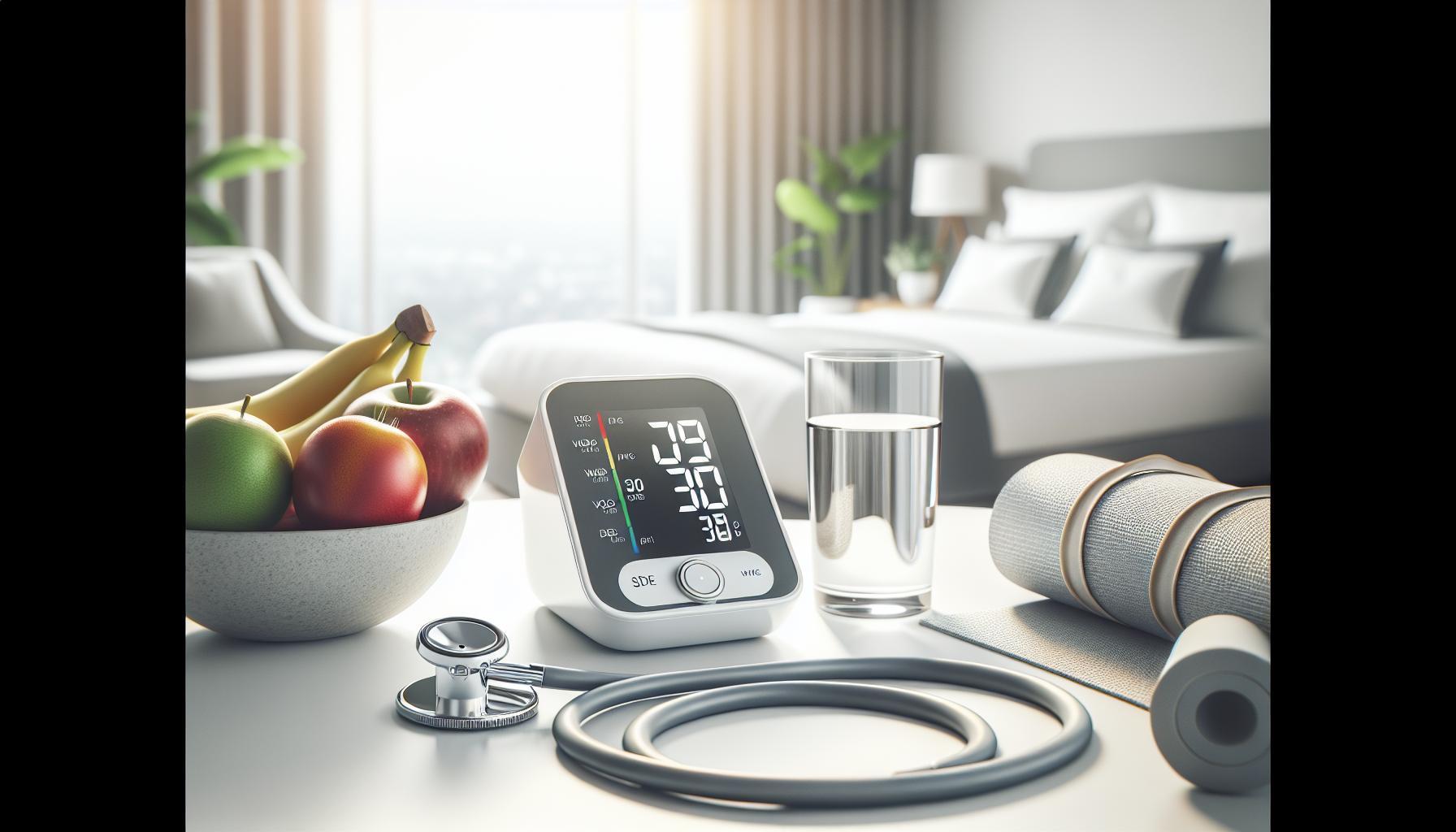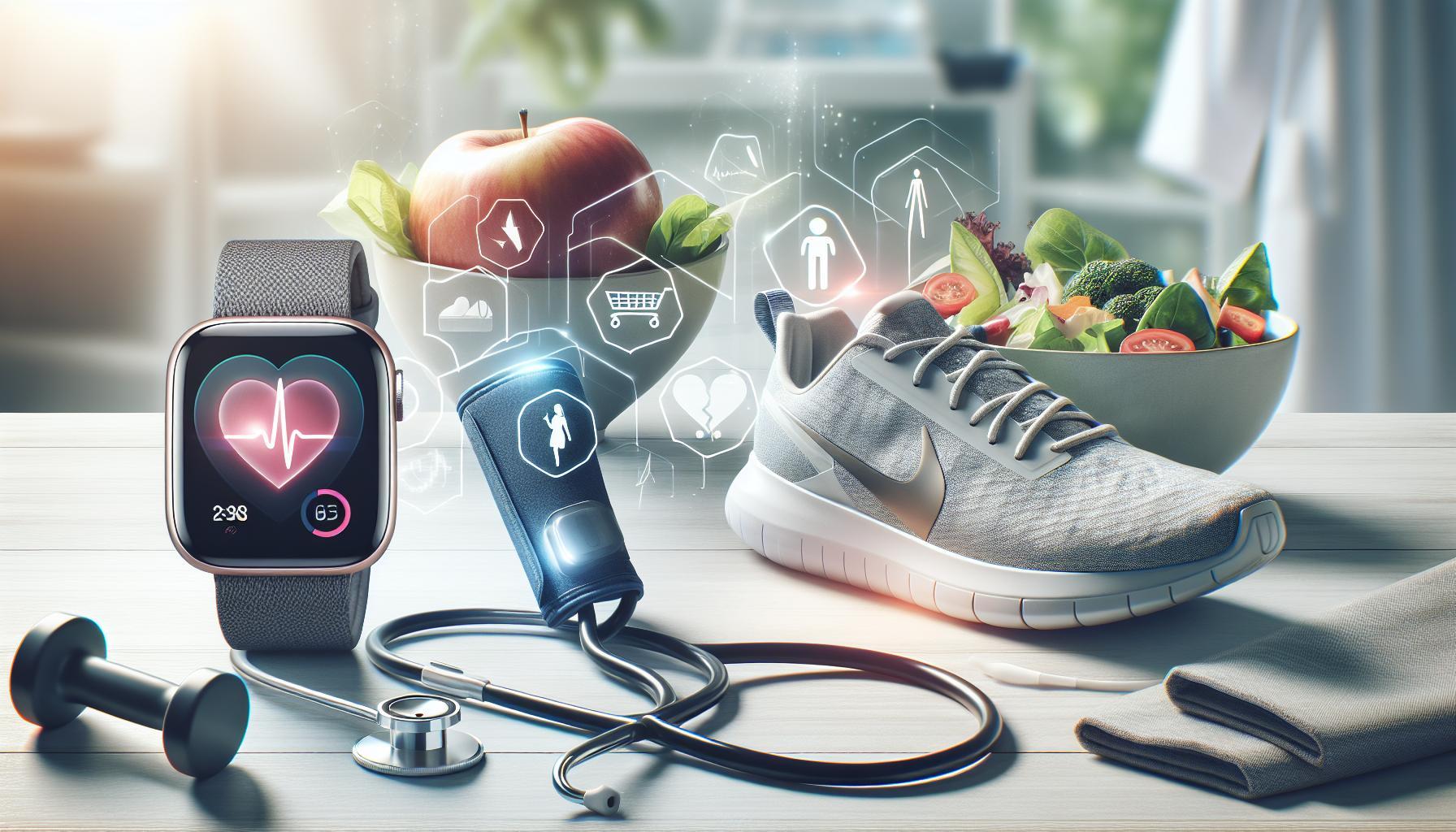

As health awareness continues to rise, monitoring blood pressure has become crucial for many individuals, especially those at risk for hypertension. With the rapid advancement of wearable technology, you might be wondering: can a Fitbit actually help in tracking your blood pressure? This tech review delves into the latest Fitbit models and their capabilities, exploring their potential to empower users in managing their cardiovascular health effectively.
Understanding and monitoring your blood pressure can significantly contribute to better health outcomes. A Fitbit could not only simplify your tracking process but also provide insights that encourage lifestyle changes. In this article, we will examine how these devices work, the accuracy of their readings, and whether they can truly replace traditional blood pressure monitors. Join us on this journey to discover if a Fitbit is the right companion for managing your health goals.
Can Fitbit Accurately Measure Blood Pressure?
The ability of a Fitbit device to accurately measure blood pressure has garnered significant attention as health technology evolves. While Fitbit has incorporated various sensors and features that allow it to track heart rate, activity levels, and even oxygen saturation, its capability to measure blood pressure remains limited. Current Fitbit devices primarily track heart rate variability and pulse, utilizing photoplethysmography technology, which does not provide direct blood pressure readings. Instead, they rely on algorithms to estimate trends in blood pressure based on heart rate data and user-reported metrics.
For those looking to use a Fitbit for blood pressure management, understanding its limitations is crucial. Fitbit can help users monitor their heart health and track lifestyle changes such as physical activity and sleep patterns, which are essential for overall cardiovascular health. Users should not rely solely on Fitbit for blood pressure measurements, as these devices are not calibrated to replace traditional blood pressure monitors. Regular blood pressure readings taken with clinically certified devices are critical for those managing hypertension or other cardiovascular conditions.
Employing a Fitbit can still be beneficial when combined with a comprehensive health management strategy. Users should adopt best practices such as maintaining consistent habits with their monitors, accurately inputting health data into health applications, and integrating this information with doctor appointments. This holistic approach will support informed discussions with healthcare providers about individual health status and necessary lifestyle adjustments, ultimately empowering users to take charge of their health management journey.
By embracing the supportive role of technology like Fitbit, users can cultivate a more profound understanding of their heart health, encouraging proactive measures that align lifestyle changes with their overall wellness goals.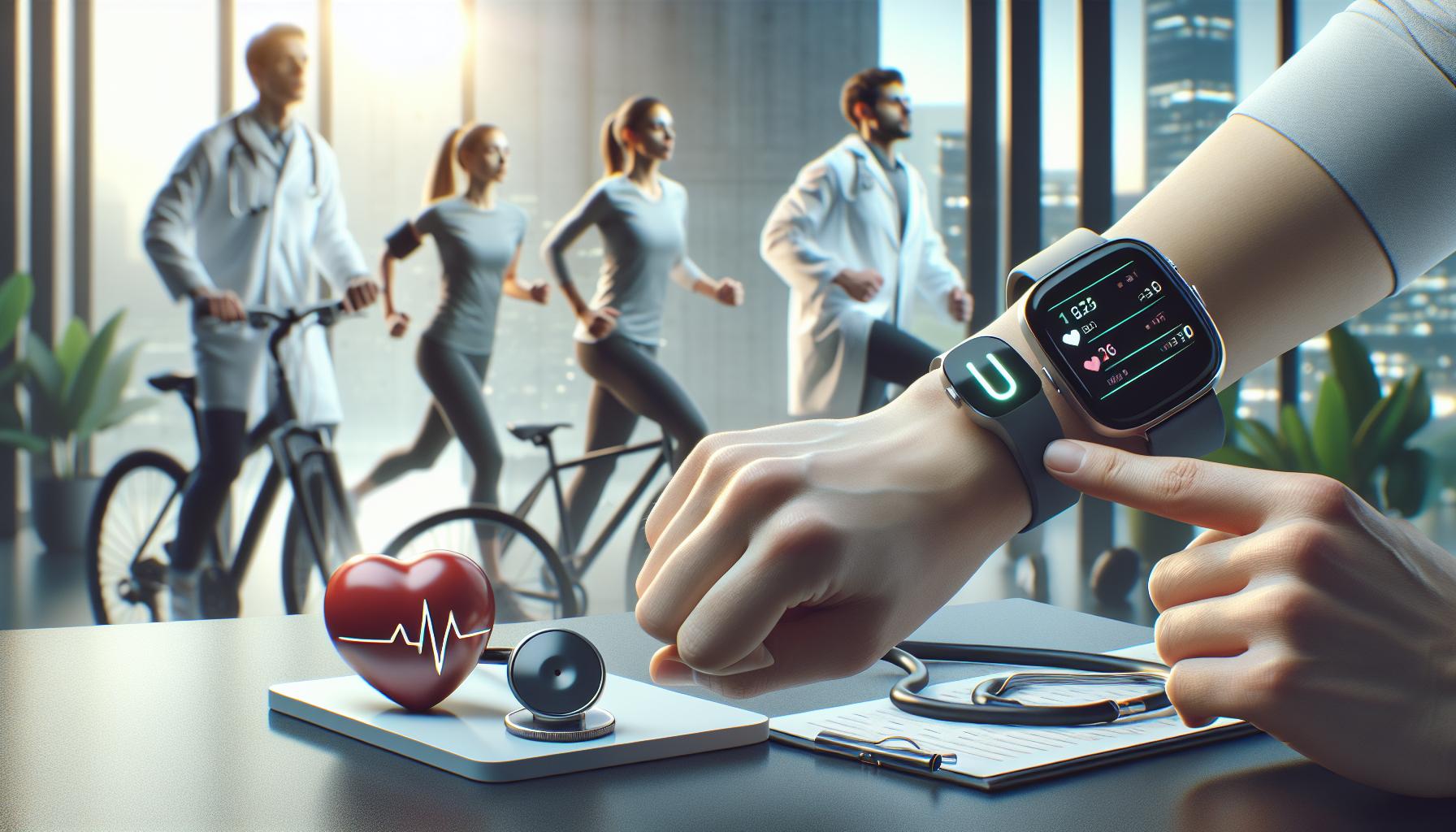
Understanding How Fitbit Technology Works
Fitbit devices are revolutionizing the way individuals approach health management, offering a glimpse into heart health through advanced technology. At the core of Fitbit’s capabilities is a combination of sensors that uses photoplethysmography (PPG) to measure heart rate. This technology detects blood volume changes in the microvascular bed of tissue, providing valuable data on heart rate variability. While Fitbit does not directly measure blood pressure, it leverages these heart rate fluctuations to estimate trends that can be indicative of cardiovascular health.
opens up important insights for users. The device regularly collects heart rate data, which users can access in real time or through historical logs. This raw data is processed using sophisticated algorithms that analyze heart rate patterns and other user-inputted health metrics, such as physical activity levels and sleep quality. These insights can help users identify changes in their cardiovascular health over time without the necessity of invasive testing. The integration of this data with smartphone applications allows for a more comprehensive view of health status, enabling users to make informed decisions regarding exercise intensity and rest periods.
When using a Fitbit, it’s essential to ensure that the wearable is properly fitted on the wrist for optimal sensor performance. Adopting consistent wear habits, including maintaining a clean and clear sensor area, can enhance the accuracy of heart rate tracking. Although it’s not a substitute for traditional blood pressure monitors, Fitbit can significantly support users in understanding their heart health and making lifestyle changes tailored to their wellness goals. Embracing this technology can lead to more proactive health management, empowering users to take control of their cardiovascular journey through everyday choices.
Overall, technology like Fitbit promotes awareness of heart health and encourages users to stay engaged in their wellness. With ongoing advancements in wearable tech, the future may hold even more refined capabilities for health monitoring, creating exciting possibilities for those looking to manage their blood pressure and overall cardiovascular health effectively.
Important Considerations for Accurate Readings
When it comes to monitoring blood pressure with a Fitbit, understanding how to obtain accurate readings is essential for effectively managing heart health. While Fitbits are primarily designed for tracking physical activity and heart rate, their ability to provide insights related to blood pressure trends relies heavily on the accurate placement and consistent use of the device. Small discrepancies in sensor placement can significantly impact the data collected, which is why ensuring a snug fit on your wrist is crucial. If the device is too loose, it may fail to detect heart rate fluctuations accurately, leading to misleading health metrics.
To achieve the most reliable results, consider these key factors:
- Timing of Measurements: Blood pressure can fluctuate throughout the day, influenced by factors like stress, meals, and activity. For best results, try to monitor your heart rate during the same times each day to identify patterns and changes over time.
- Environmental Conditions: Avoid taking readings in extreme temperatures or while engaging in intense physical activity, as these can skew heart rate data. Aim for a calm environment to ensure more consistent readings.
- Personal Factors: Individual factors such as hydration levels and recent exercise can influence heart rate variability. Being aware of these factors can help in interpreting the data more accurately.
It’s also important to regularly sync your Fitbit with its accompanying app to ensure that you have the most updated metrics available. This seamless integration allows users to visualize trends over time and notice any significant discrepancies that may warrant further investigation. Remember, while Fitbit devices can provide a wealth of information about your cardiovascular health, they are not a replacement for traditional blood pressure monitors or medical advice from healthcare professionals. Instead, they serve as a valuable tool to complement your overall health monitoring strategy, empowering you to take proactive steps toward maintaining ideal blood pressure levels.
Comparing Fitbit to Traditional Blood Pressure Monitors
The emergence of wearable technology has transformed health monitoring, especially in tracking vital signs like heart rate, but when it comes to blood pressure, the differences between Fitbits and traditional blood pressure monitors become evident. Traditional devices, such as digital blood pressure cuffs, use direct measurement methods that can provide readings quickly and are generally recognized for their accuracy and reliability. These devices operate by constricting the arm with an inflatable cuff, directly measuring the pressure in the arteries during systole (when the heart beats) and diastole (when the heart is at rest), providing a definitive reading that adheres to medical standards.
In contrast, Fitbits and similar wearables primarily estimate blood pressure trends based on heart rate variability and other indirect metrics. They incorporate advanced algorithms and sensors designed to track physical activity or heart performance, but lack the same clinical tools to directly measure blood pressure. While they can alert you to changes in your overall cardiovascular health, the data must be interpreted with caution, as it may not be sufficient for diagnosing hypertension or other conditions without confirmation from a proper blood pressure monitor.
Despite these differences, the benefit of using a Fitbit is its capacity for continuous monitoring and trend analysis. This feature allows users to observe patterns over time, giving insight into their lifestyle choices and how these affect cardiovascular health. For some, this capability can empower them to engage with their health more proactively. However, it is crucial to remember that these devices should be seen as complementary tools rather than replacements for traditional monitoring methods.
For those managing blood pressure, it is advisable to utilize a combination of both technologies. Regular, accurate readings from a validated blood pressure monitor can serve as a benchmark for the data tracked by a Fitbit, helping users to correlate lifestyle factors with changes in blood pressure. By understanding the strengths and limitations of each approach, individuals can effectively manage their cardiovascular health and make informed decisions about their wellness journeys.
User Experiences: Validity and Effectiveness
User experiences with Fitbit as a blood pressure monitoring tool highlight both the potential benefits and limitations of this innovative technology. Many users appreciate the convenience and accessibility that comes with using a wearable device to track their cardiovascular health. For instance, a common sentiment among Fitbit users is their ability to observe trends in their blood pressure readings over time. This functionality can empower individuals to notice patterns linked to lifestyle choices, such as diet and exercise, which can lead to proactive health management.
However, it is important to set realistic expectations regarding the validity and effectiveness of Fitbit readings. Users have reported experiences where Fitbit devices indicated significant changes in blood pressure after exercise or stressful events, highlighting the sensitivity of heart rate variability calculations that underpin these estimates. While this information can certainly provide valuable insights, it is essential to remember that Fitbits do not directly measure blood pressure in the clinical sense. Instead, they offer an estimate based on algorithmic interpretations of heart-rate data.
Many health-conscious individuals have found that pairing Fitbit data with regular readings from a traditional blood pressure monitor enhances their ability to manage their health effectively. By obtaining precise measurements from a validated device, users can cross-reference this data with Fitbit trends. This dual approach not only increases confidence in the readings but also helps users to correlate physical activity and other factors to fluctuations in blood pressure.
In addition to monitoring, users have reported using Fitbit notifications as a motivating factor to maintain a healthy lifestyle. Some have shared stories of how alerts and reminders from their Fitbit prompted them to engage in physical activities or modify their diet, contributing to overall better health outcomes. Engaging with the data actively can lead to informed decisions that reflect positively on one’s lifestyle. By acknowledging both the strengths and limitations of Fitbit technology, users can utilize these devices as a supportive tool in their journey toward optimal cardiovascular health.
The Role of Software and Algorithms in Blood Pressure Monitoring
The ability of wearable devices to monitor health metrics hinges significantly on the sophistication of their underlying software and algorithms. In the case of Fitbit, these technologies interpret data collected from sensors, primarily focusing on heart rate, to provide insights into blood pressure trends. Fitbit does not use a direct measurement method like traditional sphygmomanometers; instead, it relies on algorithms that estimate blood pressure changes based on fluctuations in heart rate variability, activity levels, and other physiological markers.
These algorithms are designed to learn from user data over time, enhancing their accuracy and relevance for individual users. For instance, when you engage in physical activity, your heart rate increases, which the Fitbit recognizes as a moment of elevated cardiovascular exertion. The software then extrapolates this information to suggest potential changes in blood pressure, feeding back valuable insights into how your body reacts to different stressors, both physical and emotional.
Moreover, the integration of machine learning allows Fitbit’s algorithms to refine their predictions based on patterns seen in aggregated health data across users. This innovative approach means that, while the readings may not be as clinically accurate as those from a traditional blood pressure monitor, they still offer a convenient way for users to gain insights into their cardiovascular health. With consistent use, individuals can track their trends, helping to inform lifestyle changes through monitoring patterns related to diet, exercise, and stress management.
For optimal results, it is beneficial for users to understand how to use this technology effectively. Regularly correlating Fitbit data with traditional blood pressure measurements can validate the trends observed. Engaging with the Fitbit app’s features, such as setting reminders for regular health checks, can further empower users to take control of their health, using data as a tool for proactive wellness management. Embracing this technology while being mindful of its limitations can significantly enhance your approach to monitoring blood pressure and overall cardiovascular health.
Limitations of Fitbit for Blood Pressure Tracking
While wearable technology like Fitbit provides valuable insights into overall health, it’s essential to understand the limitations specific to blood pressure tracking. One primary constraint is that Fitbit devices do not measure blood pressure in the traditional sense; they rely on algorithms estimating it based on heart rate variability and other metrics. This indirect measurement can lead to discrepancies, especially in individuals with conditions that impact heart rate without corresponding changes in blood pressure, such as anxiety or hydration levels.
Furthermore, the accuracy of these algorithms can vary significantly among individuals due to factors such as body position, skin temperature, and activity level at the time of measurement. For example, a user might experience elevated heart rates during exercise, which the Fitbit interprets as potential blood pressure changes. However, without direct measurement, these estimates may not reflect true blood pressure levels, leading to potential misinterpretations.
Understanding Variability in Readings
It’s important for users to recognize that any readings provided by Fitbit are estimates rather than definitive measurements. Factors such as:
- Time of day
- Recent physical activity
- Stress or anxiety before taking measurements
- Hydration levels
can significantly influence results. Therefore, individuals relying on these devices for blood pressure tracking should do so cautiously and understand that fluctuations are normal and may not indicate actual changes in blood pressure health.
Lastly, while the integration of machine learning allows Fitbit’s software to improve accuracy over time, it is still essential for users to periodically confirm their trends against standard sphygmomanometer measurements. Regularly checking with a healthcare professional can not only validate trends suggested by the Fitbit but also ensure that critical changes in health are monitored accurately. Thus, while Fitbits are a convenient tool for health tracking, they should complement-not replace-traditional methods of measuring blood pressure for those concerned with cardiovascular health.
Integrating Fitbit Data with Health Apps
Integrating wearable technology with health applications can significantly enhance the monitoring and management of blood pressure, offering users a comprehensive view of their health. Fitbit devices, while primarily focusing on activity and heart rate tracking, provide valuable data that can enrich health insights when connected with compatible health apps. For instance, many users report improved adherence to fitness and health goals when their Fitbit data is synced with applications that analyze trends and provide tailored feedback.
When linking your Fitbit to health apps, consider the following key benefits:
- Data Aggregation: By syncing your Fitbit data with apps like MyFitnessPal or Apple Health, you can consolidate health information from various sources. This centralized view not only includes activity levels and sleep patterns but can also integrate food intake, hydration, and other health metrics, making it easier to identify correlations between lifestyle choices and blood pressure.
- Trend Analysis: Health apps often include features to track and visualize data trends over time. This capability is critical for those monitoring blood pressure, as it allows for the identification of patterns correlating with certain activities, dietary habits, or stress levels, thus empowering users to make informed lifestyle changes.
- Notifications and Reminders: Many applications can send reminders or alerts based on data inputs. For instance, you can set notifications for hydration, medication, or even periods of rest-important factors that can influence blood pressure levels.
- Collaboration with Healthcare Professionals: Some apps enable sharing of your Fitbit data with healthcare providers, allowing for more informed consultations. This collaboration can lead to more personalized care, as your healthcare team can analyze your daily routines alongside traditional blood pressure readings.
It’s essential to choose health apps that are compatible with Fitbit for seamless integration. Popular options include Garmin Connect, Google Fit, and Apple Health, each offering unique features tailored to different user needs.
Remember, while can provide nuanced insights into your overall health, it’s important to maintain a balanced perspective. Relying solely on estimates from wearable devices isn’t a substitute for professional medical advice. Regular check-ins with your healthcare provider are key to effectively interpreting your data in the context of your personal health history.
Best Practices for Monitoring Blood Pressure with Fitbit
Monitoring blood pressure is crucial for maintaining cardiovascular health, and wearable devices like Fitbit can play a supportive role in this process. While not a direct replacement for traditional blood pressure monitors, Fitbits offer features that can help users track health trends over time, encouraging proactive health management. To get the most out of your Fitbit in monitoring blood pressure, consider the following best practices:
- Regular Monitoring: Establish a routine for checking your Fitbit data daily. Regular monitoring allows you to notice significant trends or changes in your readings, which is essential for recognizing patterns that could indicate health issues.
- Use the Heart Rate Monitor: Since blood pressure is closely linked to heart rate, pay attention to your heart rate metrics within the Fitbit app. A consistent heart rate outside of normal ranges may signal changes in your body’s responses, which are worth discussing with a healthcare provider.
- Record Other Health Data: Make a habit of logging other health-related data such as weight, exercise, stress levels, and dietary choices. Correlating these factors with your blood pressure readings can help you identify lifestyle influences and make adjustments accordingly.
- Sync with Health Apps: Integrate your Fitbit with compatible health applications to enhance data analysis. Use apps that can visualize your trends over time and provide insights based on your activities, such as MyFitnessPal and Apple Health.
Additionally, it’s beneficial to maintain a dialogue with your healthcare provider regarding your Fitbit data. They can help interpret the readings in the context of your overall health and guide your lifestyle changes based on these insights. Furthermore, while Fitbit provides valuable tracking features, make sure to continue using a traditional blood pressure monitor to get precise measurements as recommended by your healthcare practitioner.
Remember, managing blood pressure is a journey that involves both technology and personal commitment. By staying engaged with your health data and making informed adjustments to your lifestyle, you can take meaningful steps toward achieving your health goals.
Exploring Future Innovations in Wearable Health Tech
The rapid advancement of wearable health technology is transforming the landscape of personal health management, particularly in the realm of blood pressure monitoring. As devices like Fitbit evolve, their capabilities are becoming increasingly sophisticated, incorporating advanced sensors and algorithms that promise to enhance the accuracy and reliability of health data. With innovations on the horizon, users can expect smart wearables to offer features that not only track blood pressure trends but also integrate seamlessly with other health metrics, creating a holistic view of their cardiovascular health.
One exciting development is the potential for greater accuracy in blood pressure readings through improved optical sensors. These sensors, which utilize light to measure blood flow, are continually being refined. Future iterations may incorporate machine learning algorithms that analyze patterns in user data, enabling the device to provide more precise readings while also accounting for factors like body posture and physical activity. Such advancements could ease the concerns of users who currently rely on Fitbit primarily for heart rate monitoring rather than blood pressure tracking.
Moreover, as wearable tech evolves, the incorporation of artificial intelligence (AI) will significantly enhance user engagement. Imagine a wearable that not only tracks blood pressure but also sends personalized health insights and alerts based on individual data patterns. For instance, it could notify users when their readings trend into the high or low range and suggest lifestyle adjustments or prompt them to consult a healthcare provider. This proactive approach to health management encourages users to take charge of their wellness journey.
Ultimately, the next generation of wearable health devices will likely facilitate better integration with telehealth services, allowing for real-time data sharing with healthcare professionals. This integration can be crucial for individuals managing chronic conditions like hypertension, as it ensures timely interventions and personalized health strategies. As this technology continues to evolve, it holds the promise of empowering users to not just monitor their blood pressure but actively engage with their health in a meaningful way.
Community Insights: Success Stories and Challenges
Monitoring blood pressure through wearable technology has become increasingly accessible, leading to many users sharing their experiences with Fitbit devices. Stories from the community illustrate both the benefits and the challenges faced when integrating these gadgets into everyday health management. One common thread among many users is the empowerment they feel when they are able to track their health metrics consistently. For instance, a regular Fitbit user reported feeling more informed about their blood pressure trends after integrating their device’s data with a health app, enhancing their ability to discuss their condition proactively with healthcare providers.
However, community feedback also highlights some limitations. Users often note that while Fitbits can provide valuable insights, the readings can sometimes be inconsistent compared to traditional blood pressure monitors. This inconsistency may lead to confusion, particularly among those managing chronic conditions such as hypertension, where accurate readings are crucial. A user described an experience where he had alarmingly high readings on his Fitbit, which prompted immediate concern and a visit to his doctor; only to find that the traditional monitor showed significantly lower readings. Such discrepancies underscore the importance of not solely relying on wearables for critical health assessments.
To navigate these challenges, individuals are encouraged to adopt a balanced approach. Many users find success by regularly cross-referencing their Fitbit readings with those from a calibrated blood pressure monitor and maintaining a log of all measurements. This method not only helps in building a more comprehensive health profile but also assists healthcare providers in understanding patterns over time. Additionally, joining online forums can be particularly beneficial. Engaging with others who share their experiences offers unique perspectives, tips on troubleshooting, and moral support, fostering a community focused on health improvement.
In this evolving landscape of wearable technology, users are encouraged to stay informed about updates and innovations in Fitbit technology that may enhance blood pressure tracking. With advancements on the horizon, it’s possible that the integration of AI and improved sensors will lead to more reliable readings in the future, keeping users hopeful about the potential for a more health-conscious lifestyle bolstered by wearable tech. As the community continues to share insights and experiences, it becomes clear that the journey of health management is much more effective when undertaken together.
Faq
Q: Can a Fitbit measure blood pressure accurately?
A: No, Fitbit devices do not measure blood pressure directly. Instead, they estimate blood pressure based on heart rate and other metrics. Users seeking accurate measurements should consider traditional blood pressure monitors for reliable readings.
Q: How does Fitbit estimate blood pressure?
A: Fitbit estimates blood pressure using heart rate variability and other physiological signals. These estimates rely on sophisticated algorithms that interpret data from sensors, but they lack the precision of clinical blood pressure monitors.
Q: What are the limitations of Fitbit for blood pressure tracking?
A: Fitbit’s blood pressure tracking can be inaccurate due to various factors, including sensor limitations and user movement. Environmental conditions and device calibration also affect reliability, highlighting the need for traditional devices for accurate monitoring.
Q: Can I integrate Fitbit data with other health apps?
A: Yes, Fitbit data can be integrated with various health apps like Apple Health, Google Fit, and MyFitnessPal. This integration helps users manage their health comprehensively by combining blood pressure estimates with other health metrics.
Q: Why might I choose a Fitbit over a traditional blood pressure monitor?
A: A Fitbit offers convenience and features like activity tracking and heart rate monitoring, combined in one device. It’s beneficial for users who want a holistic view of their health, though traditional monitors remain essential for accurate blood pressure measurements.
Q: Is Fitbit’s blood pressure tracking beneficial for monitoring trends?
A: Yes, while Fitbit cannot replace clinical blood pressure devices, it can help track trends over time. This data may encourage lifestyle changes or prompt users to consult healthcare professionals if noted variations occur.
Q: How often should I check my blood pressure with a Fitbit?
A: While Fitbit can provide estimates, it’s best to regularly check with a clinical device and consult a healthcare provider. Using Fitbit could inform you on lifestyle changes, but comprehensive readings should occur at least weekly with accurate monitors.
Q: Are there future innovations planned for Fitbit’s health monitoring features?
A: Fitbit continually innovates its technology, with potential future updates aiming to improve accuracy in health monitoring. Enhanced algorithms and new sensor technology may offer improved estimates and user experience, making it vital to stay updated on product developments.
In Retrospect
As we’ve explored, the Fitbit’s ability to monitor blood pressure represents a significant step forward in personal health management. While it may not replace traditional monitoring methods, it empowers users to stay informed about their cardiovascular health in real-time. Don’t miss the opportunity to take control of your wellness-consider integrating this technology into your daily routine.
For further insights, check out our in-depth guides on “Best Practices for Blood Pressure Monitoring” and “Understanding Heart Health: Essential Tips for Your Lifestyle.” If you haven’t already, subscribe to our newsletter for the latest updates on health tech innovations and expert advice tailored to your wellness journey. Have thoughts or experiences to share? We love hearing from you, so drop your comments below and join the conversation!
Remember, consistent monitoring and making informed lifestyle changes can significantly impact your health. Let’s continue the journey toward better living together!