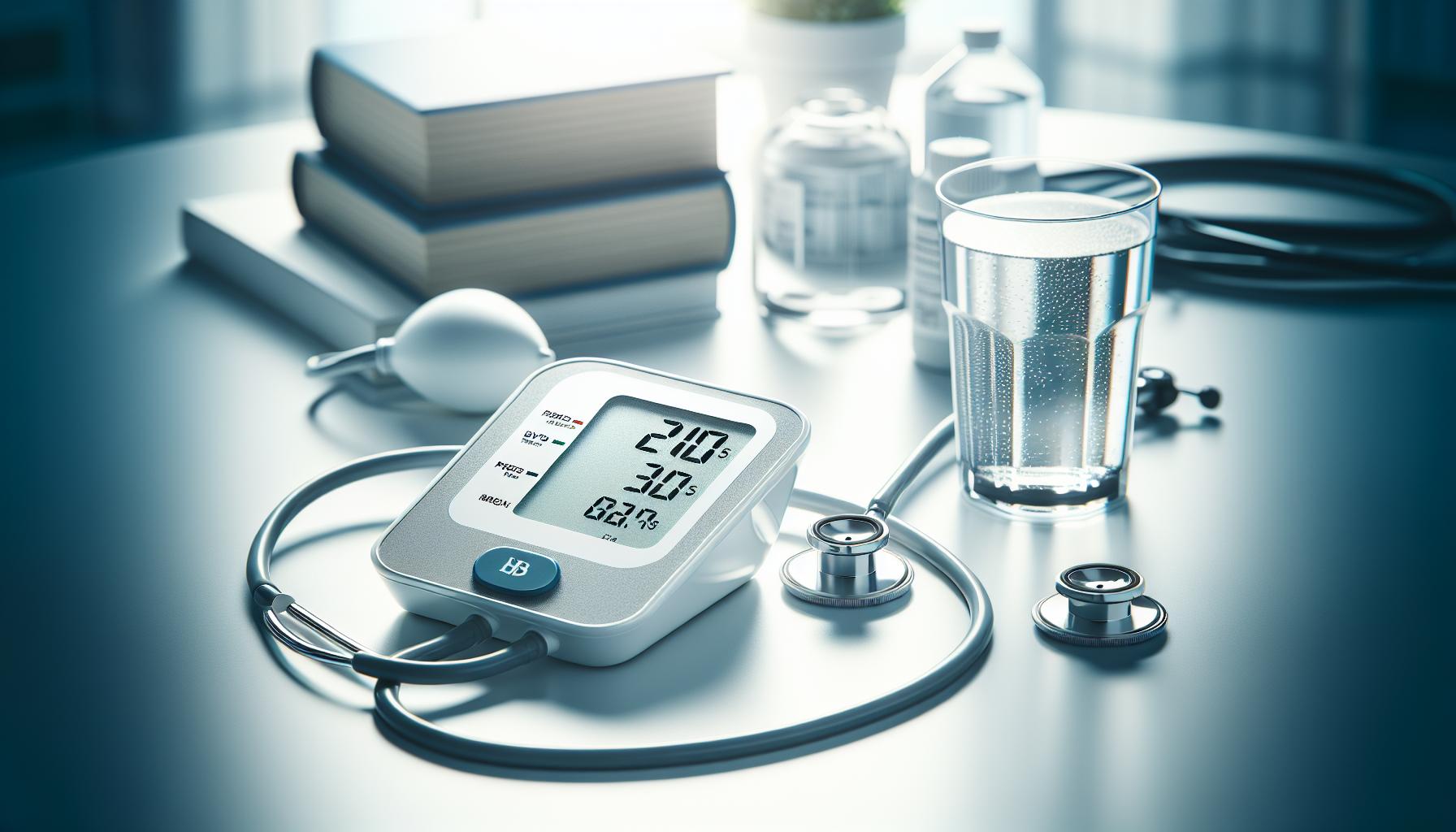

Have you ever wondered how a trip to the mountains might impact your health, particularly your blood pressure? As you ascend to higher altitudes, the lower atmospheric pressure and reduced oxygen levels can lead to significant changes in your body’s physiology. Understanding these effects is crucial, especially for those managing hypertension or other cardiovascular conditions.
This article delves into the surprising relationship between elevated altitudes and blood pressure, uncovering the nuances that may affect your well-being. By exploring how your body reacts to changes in elevation, you can better prepare for your outdoor adventures and make informed decisions about your health. Join us as we navigate the science behind altitude and blood pressure, empowering you with the knowledge needed to ensure your safety and vitality during high-altitude experiences.
Can High Altitude Increase Your Blood Pressure?
Traveling to higher altitudes can present unexpected challenges, particularly for those concerned about blood pressure management. As you ascend beyond 9,840 feet, the body undergoes significant physiological changes, including an increase in the heart’s demand for oxygen-rich blood. This adjustment can lead to an elevation in blood pressure, especially in individuals predisposed to hypertension or those with pre-existing heart conditions. Understanding the mechanisms behind this phenomenon is crucial for safe travel and enjoyable experiences in mountainous regions.
When at high altitudes, the lower oxygen levels can lead to a condition known as altitude-induced hypertension. The body compensates for reduced oxygen availability by increasing heart rate and constricting blood vessels, both of which can raise blood pressure. This reaction is a natural response, but for individuals with hypertension, it may result in further complications. Additionally, the stress placed on the heart and lungs in these environments may necessitate adjustments in medication, particularly for those managing chronic heart issues [[1]](https://www.heart.org/en/news/2021/09/09/travel-to-high-altitudes-could-be-dangerous-for-people-with-heart-conditions).
Monitoring blood pressure before, during, and after high-altitude excursions is paramount. It is advisable to check your levels regularly, particularly when you first arrive at a new elevation. Maintaining hydration and pacing physical activity can further help manage blood pressure fluctuations. Consulting with a healthcare provider prior to any high-altitude travel is essential, especially for individuals with known health conditions. They can offer tailored strategies to safely navigate the unique challenges posed by altitude, empowering you to fully enjoy your mountainous adventures without compromising your health.
Understanding How Altitude Affects Your Body
As you venture to higher altitudes, your body encounters an intriguing challenge: the decline in oxygen availability. This scenario activates a series of physiological changes aimed at ensuring that your body continues to function optimally under such demanding conditions. At elevations above roughly 8,200 feet (2,500 meters), the atmosphere becomes noticeably thinner, compelling the heart and lungs to work harder. While these adaptations can be seen as a testament to human resilience, they also pose risks, especially regarding blood pressure levels.
When you ascend into high-altitude regions, your body responds through various mechanisms. The heart rate typically increases as the body seeks to pump more oxygenated blood to critical organs and tissues. Concurrently, blood vessels constrict, a response driven by the body’s attempt to maintain adequate blood flow despite lower oxygen levels. This multifaceted adjustment can result in a condition known as altitude-induced hypertension, where blood pressure rises in response to the decreased oxygen. For individuals with pre-existing hypertension or heart conditions, these changes can exacerbate existing health issues [[1]](https://www.healthline.com/health/high-blood-pressure-hypertension/altitude-hypertension).
To effectively manage blood pressure during high-altitude excursions, it is essential to prioritize monitoring and gradual acclimatization. Here are a few actionable steps:
- Frequent Monitoring: Check your blood pressure several times a day, especially upon arrival at a higher altitude.
- Hydration is Key: Staying well-hydrated can help mitigate some of the physiological stress placed on your body.
- Pacing Yourself: Gradually increasing activity levels allows your body to adapt without overwhelming your cardiovascular system.
- Consult Healthcare Providers: Discuss your travel plans with your doctor if you have a history of high blood pressure. They can help tailor a management strategy specific to your needs.
Being proactive about these aspects will empower you to enjoy the beauty and adventure of high-altitude environments while effectively managing your blood pressure. Through awareness and preparation, you can minimize risks and fully embrace the challenges and rewards of mountain travel.
The Science Behind Blood Pressure Changes
As you ascend into the thin air of high altitudes, the way your body regulates blood pressure can become a fascinating yet complex process. Beyond the commonly known breathing difficulties, the drop in oxygen levels leads to an array of physiological responses that directly impact cardiovascular health. At elevations starting around 8,200 feet (2,500 meters), the body initiates adaptations aimed at enhancing oxygen delivery to tissues. This involves an increased heart rate and constriction of blood vessels, mechanisms that help improve oxygen transport but can inadvertently elevate blood pressure, potentially leading to altitude-induced hypertension.
### How Blood Pressure Changes Occur
When exposed to high altitudes, the body experiences a decrease in arterial oxygen saturation. This triggers the release of erythropoietin, a hormone that stimulates red blood cell production, aimed at improving oxygen transport. Simultaneously, the body retains sodium and water, contributing to increased blood volume. Both factors-more red blood cells and increased blood volume-act to elevate blood pressure. For people with pre-existing heart conditions or hypertension, these adaptations can pose serious challenges, as already compromised cardiovascular systems may struggle to handle these additional stresses.
### Practical Steps for Blood Pressure Management
While the science behind altitude and blood pressure can seem daunting, there are effective strategies to manage these changes:
- Understanding Acclimatization: Gradual ascents allow your body to adjust over time. Spending a few days at moderate altitudes before moving higher can significantly mitigate blood pressure spikes.
- Regular Monitoring: Keeping track of your blood pressure daily can identify fluctuations early. Consider using a portable, easy-to-read blood pressure monitor, especially when arriving at a new elevation.
- Maintain Hydration: Dehydration can exacerbate altitude effects. Drink plenty of fluids to support overall physiological function and vascular health.
- Engage in Low-Intensity Activities: Pacing your physical exertion allows your cardiovascular system to adapt without undue strain.
By understanding the physiological shifts that occur at high altitudes and employing practical management techniques, travelers can confidently navigate the challenges of mountain environments while safeguarding their cardiovascular health. With proper preparation and mindfulness, it’s possible to enjoy the exhilaration of high-altitude experiences, reducing the risk of significant blood pressure elevation and enhancing overall safety.
How Does Oxygen Level Affect Blood Pressure?
As you ascend to higher altitudes, the reduction in oxygen levels results in complex physical adaptations within your body. These adaptations are critical for maintaining adequate oxygen delivery to your organs and tissues, but they can also lead to increased blood pressure. At elevations above 8,200 feet (2,500 meters), reduced arterial oxygen saturation signals the body to produce more red blood cells through a hormone called erythropoietin. This increase in red blood cell count is beneficial for oxygen transport but contributes to higher blood viscosity and, subsequently, elevated blood pressure.
In addition to producing more red blood cells, the body retains sodium and water in response to lower oxygen levels. This retention raises blood volume, further exerting pressure on the arterial walls. For individuals with pre-existing conditions such as hypertension or cardiovascular disease, these physiological changes can create significant challenges. As blood vessels constrict to optimize oxygen delivery, the added strain can lead to altitude-induced hypertension, which may result in headaches, dizziness, or even more severe complications if not properly managed.
To effectively monitor and manage blood pressure at high altitudes, consider these practical steps:
- Stay Hydrated: Proper hydration helps maintain blood volume and reduces the risk of dehydration-related complications that can exacerbate blood pressure issues.
- Acclimatization: Gradually increasing your elevation-staying for a few days at intermediate altitudes-allows your body more time to adjust to changing oxygen levels, thereby helping to stabilize blood pressure.
- Regular Monitoring: Use a portable blood pressure monitor to track any changes daily. Early detection of significant fluctuations will guide your management strategies effectively.
- Limiting Physical Exertion: Engaging in low-intensity activities rather than strenuous exercise helps reduce the cardiovascular load during initial ascent.
By understanding how decreased oxygen availability affects your blood pressure, you can take proactive steps to safeguard your health during high-altitude excursions. Making informed choices about hydration, physical activity, and acclimatization will empower you to enjoy the beauty of mountainous landscapes while keeping your cardiovascular system resilient.
Identifying Risk Factors for Blood Pressure Elevation
Higher altitudes pose unique challenges to cardiovascular health, particularly regarding blood pressure. Understanding the risk factors that increase the likelihood of blood pressure elevation in these environments is essential for anyone planning to travel or live at high heights. Factors such as age, pre-existing medical conditions, and even altitude exposure duration can influence your body’s response to reduced oxygen levels.
Individuals with a history of hypertension or heart disease are particularly susceptible to altitude-induced blood pressure changes. The physiological adaptations that occur at high elevations, such as increased red blood cell production and fluid retention, can exacerbate existing health issues. Factors like obesity or a sedentary lifestyle can further complicate the situation, as excess weight adds to cardiovascular strain. Additionally, anyone aged over 50 years may have a more pronounced reaction to altitude due to natural age-related vascular stiffness, making it imperative to monitor blood pressure closely.
Other risk factors include rapid ascent and insufficient acclimatization. When you ascend too quickly without allowing your body to adjust, you increase the likelihood of experiencing altitude sickness, which often manifests through elevated blood pressure and can lead to serious health complications.
To mitigate these risks, it’s crucial to take proactive steps. Create a plan for gradual elevation gains, allowing at least 24 hours to adjust for every 1,000 feet traveled. Staying well-hydrated and watching for symptoms of altitude sickness, such as headaches or dizziness, can signal when your body is struggling.
By understanding and identifying these risk factors, you empower yourself to take control of your health while enjoying high-altitude adventures. Regular monitoring and awareness of your body’s responses enable you to navigate these challenges effectively. Staying informed will not only enhance your experience but also safeguard your cardiovascular wellbeing in the mountains.
Monitoring Blood Pressure at High Elevations
Navigating the challenges of high-altitude environments requires vigilance, especially when it comes to monitoring blood pressure. Research indicates that the physiological changes your body undergoes at elevations above 8,200 feet can lead to significant fluctuations in blood pressure. The oxygen levels drop, prompting your heart to work harder, which can result in elevated blood pressure readings. Regular monitoring is not just beneficial; it’s essential, particularly for those with pre-existing conditions like hypertension or heart disease.
To effectively monitor your blood pressure at high elevations, consider adopting the following practices:
- Use Reliable Equipment: Invest in a portable, accurate blood pressure monitor. Ideally, choose a digital device with a cuff that fits properly for accurate readings.
- Establish a Routine: Measure your blood pressure at the same times each day. Consistency helps you track changes and identify patterns related to altitude exposure.
- Adjust for Activities: Take measurements before and after strenuous activities, as physical exertion can temporarily raise blood pressure. This will allow you to see how your body copes under pressure.
- Monitor Symptoms: Be aware of symptoms associated with high blood pressure or altitude sickness, such as headaches, dizziness, or shortness of breath. Record these symptoms alongside your readings to provide context for your results.
Actively engaging in this monitoring not only enhances your awareness of your health status but also empowers you to make informed decisions about your activities and wellbeing. If you notice consistent elevations beyond your normal range or experience concerning symptoms, it’s vital to consult a healthcare professional experienced in altitude medicine.
By blending regular blood pressure checks with attentiveness to how you feel, you can enjoy your high-altitude adventures while keeping your health in check. Remember, understanding your body’s response to altitude can transform potential difficulties into an empowering experience, allowing you to explore breathtaking heights confidently and safely.
Strategies for Managing Blood Pressure in the Mountains
High altitude presents unique challenges for those concerned about blood pressure management. As your body adjusts to the thinner air, the chances of experiencing elevated blood pressure increase, particularly for individuals with pre-existing conditions. Understanding effective strategies to manage blood pressure can not only improve your health outcomes but also enhance your overall experience in these breathtaking environments.
Prioritize Adequate Hydration
Dehydration can contribute to increased blood pressure, especially at high elevations. Make it a habit to drink plenty of fluids throughout the day. Water is your best option, but electrolyte-enhanced beverages may also help maintain your body’s balance in low-oxygen conditions. Aim for at least 3 liters per day, adjusting based on your activity level and the environment.
Gradual Acclimatization
One of the most effective ways to prevent acute elevations in blood pressure is to allow your body time to acclimatize to higher altitudes. Plan your ascent gradually, increasing your elevation by no more than 1,000 feet per day. This slower approach helps your body adapt to reduced oxygen levels and minimizes the risk of altitude sickness and associated blood pressure spikes.
Incorporate Light Physical Activity
While high-intensity exercise can strain your cardiovascular system in low-oxygen environments, incorporating light, moderate activity can foster acclimatization and stabilize blood pressure. Consider activities like gentle hiking or walking, which enhance circulation without excessive strain. Always listen to your body, and take breaks whenever necessary.
Mindful Eating Choices
Diet plays a crucial role in managing blood pressure, even at high altitudes. Prioritize foods rich in potassium, such as bananas, sweet potatoes, and spinach, which can help counteract sodium’s effects. Avoid excessive salt and high-fat foods that may contribute to hypertension. Instead, focus on balanced meals containing lean proteins, whole grains, and a variety of fruits and vegetables to maintain energy levels and support overall health.
Regular Monitoring and Professional Guidance
Consistently keeping track of your blood pressure allows you to identify patterns and adjust your strategies as needed. Seek a healthcare professional experienced with altitude medicine to discuss your specific needs and establish a personalized management plan. Their expertise can provide you with critical insights into safely navigating high-altitude environments while keeping your blood pressure under control.
Engaging in these proactive strategies can empower you to enjoy the beauty of the mountains with peace of mind regarding your health. Embrace the adventure while prioritizing wellness, and you’ll find that managing your blood pressure at higher altitudes is not only feasible but rewarding.
Common Myths About Altitude and Blood Pressure
Common misconceptions about how high altitude affects blood pressure can often lead to confusion and anxiety for travelers and residents alike. One prevalent myth is that all individuals experience a significant and immediate increase in blood pressure upon arriving at a high altitude. In reality, while some people with pre-existing conditions may experience a rise in blood pressure, many healthy individuals adapt to high altitudes without any notable changes. It’s crucial to understand that the body’s physiological responses to altitude vary widely among individuals, making it important not to generalize.
Another misconception is that once you experience hypertension at a high altitude, it will remain elevated permanently. This is not the case. Blood pressure often normalizes as acclimatization occurs, which can take days to weeks, depending on the altitude and individual factors. Factors such as hydration, diet, and gradual acclimatization play vital roles in managing these fluctuations. For instance, staying well-hydrated and consuming potassium-rich foods can mitigate the risk of high blood pressure, allowing individuals to enjoy their high-altitude experiences more comfortably.
Additionally, some may believe that medication is the only solution for controlling blood pressure at altitude. While it’s essential for individuals with chronic hypertension to consult healthcare providers about their management plans, lifestyle changes can be equally, if not more, effective. Regular monitoring, increased physical activity, and mindful eating habits contribute significantly to blood pressure management. Engaging in these proactive strategies empowers individuals and enhances their overall well-being while navigating the unique environment of high altitudes.
Understanding these myths and the realities of blood pressure management at high altitude will enable travelers and residents to approach their health with confidence. Armed with knowledge and practical strategies, you can enjoy your high-altitude endeavors while keeping your blood pressure in check.
Real-Life Experiences: Personal Stories and Insights
Experiencing a health challenge while traveling at high altitude can be daunting, especially for those managing hypertension. One traveler, Mark, a 55-year-old man with a history of high blood pressure, decided to trek in the Andes mountains. Before his trip, he monitored his blood pressure diligently, following his healthcare provider’s advice to gradually adjust his medications and maintain a healthy diet rich in fruits and vegetables. Upon arrival at a height of over 10,000 feet, Mark noticed slight variations in his readings; however, by staying well-hydrated and pacing himself during hikes, he was able to adapt without significant issues.
Another personal story comes from Sarah, an avid skier who had previously experienced altitude sickness. This time, before her trip to a high ski resort, she took proactive steps: she educated herself about acclimatization and set a plan for the first few days, limiting strenuous activity. Learning from her past experience, she included potassium-rich snacks like bananas and avocados in her packing list. Within the first few days, her body adjusted, and she reported feeling more at ease and confident managing her blood pressure through careful monitoring and lifestyle choices.
Real-life experiences emphasize the importance of preparation and awareness. Engaging in regular self-monitoring during a high-altitude trip is crucial. For those with existing hypertension, keeping a log of blood pressure readings-ideally twice a day-can help identify any troubling trends early. When planning your ascent, consider using these practical strategies:
- Start at lower elevations: Gradually increase your altitude to give your body time to acclimate.
- Stay Hydrated: Drink plenty of water to prevent dehydration, which can contribute to higher blood pressure.
- Limit caffeine and alcohol: Both can influence blood pressure and hydration levels.
- Adapt medication if necessary: Consult your healthcare provider about potential adjustments to your routine.
- Listen to your body: Rest when feeling fatigued or unwell and seek medical help if symptoms worsen.
Empowerment comes through knowledge and preparation. As demonstrated by the experiences of Mark and Sarah, individuals can navigate high altitudes successfully while keeping their blood pressure in check. By adopting these strategies, anyone can enjoy the beauty and adventure of the mountains without compromising their health.
Expert Recommendations for Safe Travel at High Altitude
Traveling to high altitudes can be exhilarating, but for those managing blood pressure, it requires careful planning and awareness. Understanding how altitude affects your body, especially concerning blood pressure regulation, is crucial for a successful trip. At elevations above 8,000 feet, reduced oxygen levels can strain the cardiovascular system, potentially leading to elevated blood pressure. To mitigate these effects, consider the following expert recommendations for safe travel.
Prioritize Gradual Acclimatization
One of the best strategies when heading to high altitudes is to ascend gradually, allowing your body to acclimatize. Spend a few days at a moderate elevation before climbing higher, giving your heart and lungs time to adjust. This slow approach not only helps manage blood pressure but also decreases the risk of altitude sickness.
Stay Hydrated and Nourished
Dehydration can significantly affect blood pressure and overall health. As you travel, aim to drink plenty of fluids, ideally water, and include high-potassium foods, such as bananas and avocados, in your diet. These foods can help stabilize blood pressure levels. Avoid excessive caffeine and alcohol, as they can dehydrate you and increase heart rates, complicating blood pressure management.
Monitor Your Blood Pressure Regularly
Regular monitoring is essential for travelers with pre-existing hypertension. Bring a portable blood pressure monitor and check your readings at least twice daily. Keeping a log of your measurements can help identify trends and potential issues early. Should your readings rise disturbingly high, consult with a healthcare provider on the best course of action.
Adjust Medications If Necessary
Consult with your healthcare provider before traveling to discuss whether your blood pressure medications need to be adjusted for your journey into the mountains. Some individuals may require an increase in medication dosage due to the changes in physical stress and oxygen levels at high altitudes.
By following these strategies and maintaining a proactive approach to health management, you can enjoy your high-altitude adventures while keeping your blood pressure under control. Remember, preparation and awareness are key to navigating these majestic landscapes safely.
When to Seek Medical Advice Regarding Blood Pressure
Determining , especially at high altitudes, is crucial for maintaining your health and ensuring a safe trip. Elevated blood pressure, often exacerbated by thinner air and lower oxygen levels at higher elevations, can pose significant risks. If your blood pressure readings consistently exceed 130/80 mmHg, or if you experience symptoms like severe headaches, dizziness, shortness of breath, or chest pain, it’s essential to consult a healthcare professional promptly.
Monitoring your blood pressure regularly during your high-altitude journey is vital. Consider the following guidelines to help you assess whether you need medical assistance:
- Check Your Blood Pressure Regularly: Use a portable blood pressure monitor to keep track of your readings at least twice a day. A consistent rise in your measurements may indicate the need for medical consultation.
- Recognize Warning Signs: Pay close attention to any unusual symptoms. Severe headaches, increased heart rate, or feelings of anxiety can signal complications associated with elevated blood pressure.
- Evaluate Your Symptoms: If you experience persistent fatigue, swelling, or any other concerning symptoms, don’t hesitate to reach out for professional advice.
Consulting with a medical professional before your trip can also set a baseline for your cardiovascular health and assist in developing a personalized plan to manage blood pressure effectively during high-altitude excursions. Collaborating with a healthcare provider enables you to understand the risks associated with altitude and to adjust your lifestyle and medication accordingly. Proper preparedness can empower you to enjoy your adventures while prioritizing your health and safety, allowing you to appreciate the stunning landscapes without neglecting essential health measures.
Long-Term Effects of Living at High Altitude
Living at high altitude can lead to a range of physiological changes that affect your body, including blood pressure. One of the most significant adaptations involves increased blood pressure itself due to chronic exposure to lower oxygen levels. The body responds to decreased oxygen availability by producing more red blood cells to enhance oxygen transport, which can inadvertently raise blood pressure over time. This phenomenon, often termed “high altitude hypertension,” emphasizes why it’s crucial for those living in or frequently visiting elevated regions to monitor their cardiovascular health carefully.
Individuals who adapt to high altitudes might experience long-term changes like arterial remodeling, which can result in persistent elevation of blood pressure even when they are not actively at altitude. Regular assessments of blood pressure can help identify trends that signal potential health issues. It’s vital for residents and frequent visitors to be aware of these changes, especially if they have existing conditions such as hypertension or heart disease. Conducting routine checks and maintaining a healthy lifestyle can mitigate risks associated with these long-term adaptations.
To manage blood pressure in high-altitude environments effectively, incorporating certain strategies is essential:
- Stay Active: Engage in regular, moderate exercise to enhance cardiovascular health, but ensure it’s adjusted to your comfort level.
- Hydration: Drink plenty of water, as dehydration can lead to increased blood viscosity, exacerbating hypertension.
- Balanced Diet: Focus on a diet rich in fruits, vegetables, and whole grains while reducing sodium intake to support heart health.
Lastly, understanding and addressing risk factors is key. Genetic predisposition, lifestyle choices, and overall fitness levels can influence how altitude affects an individual’s blood pressure. Engaging with healthcare professionals can aid in tailoring a personalized approach to living well at altitude, ensuring that your adventures in the mountains are enjoyable and safe, while maintaining optimal health.
Q&A
Q: How can altitude specifically affect blood pressure levels?
A: Higher altitudes can lead to increased blood pressure due to lower oxygen availability, causing the body to compensate by tightening blood vessels. This can result in elevated systolic and diastolic pressures, especially in individuals with pre-existing hypertension.
Q: What symptoms indicate that my blood pressure may be affected by altitude?
A: Symptoms include headache, dizziness, shortness of breath, and fatigue. If these occur along with elevated blood pressure readings, it may indicate altitude sickness or hypertension exacerbation. Monitoring regularly can help identify these changes early.
Q: Is there a safe altitude limit for those with high blood pressure?
A: While individual tolerance varies, staying below 2,500 meters (8,200 feet) is generally safer for those with hypertension. It’s vital to consult with a healthcare provider for personalized advice based on your specific health conditions and medications.
Q: Can my blood pressure normalize after descending from high altitude?
A: Yes, descending to lower altitudes can often lead to normalization of blood pressure as oxygen levels increase, reducing the strain on the circulatory system. However, individuals should monitor their levels and consult a doctor if they remain elevated.
Q: How does dehydration at high altitude impact blood pressure?
A: Dehydration can increase blood viscosity, leading to higher blood pressure levels. Staying well-hydrated is crucial when ascending to high altitudes to help maintain optimal blood pressure and prevent complications.
Q: What lifestyle changes can help manage blood pressure at altitude?
A: Maintaining hydration, avoiding excessive alcohol and caffeine, and gradually ascending to higher elevations can help. Engaging in light physical activity, eating a balanced diet, and monitoring blood pressure regularly are also beneficial strategies.
Q: Are certain medications more effective at high altitude?
A: Some medications may need adjustment at high altitudes due to changes in blood oxygen levels and metabolism. It’s essential to discuss any potential medication changes with a healthcare provider before ascending to ensure safe management of blood pressure.
Q: When should I seek medical advice about my blood pressure at altitude?
A: Seek medical attention if you experience persistent high blood pressure readings, severe headaches, confusion, or difficulty breathing while at altitude. These symptoms can indicate serious conditions, including altitude sickness or hypertensive crisis.
Final Thoughts
As we’ve explored, the impact of higher altitude on blood pressure is both fascinating and essential for those considering travel or relocation. With changes in elevation, it’s crucial to monitor your body’s response and manage your health accordingly. If you have lingering questions or concerns about your blood pressure management in high-altitude environments, don’t hesitate to reach out for personalized advice and support.
For further insights, consider checking out our articles on “Healthy Strategies for Managing Blood Pressure” and “The Effects of Altitude on Overall Health.” To stay updated on the latest in health management, subscribe to our newsletter for tips and resources tailored to your needs. Encourage a healthier you by sharing your experiences or questions in the comments below-your voice matters! Remember, being proactive about your health can lead to positive lifestyle changes and greater peace of mind.