Did you know that nearly half of adults in the United States have elevated blood pressure? With tensions of daily life and health concerns mounting, finding natural ways to manage your blood pressure is more important than ever. One intriguing solution that has gained popularity is massage therapy, known for its relaxation benefits and potential to support heart health.
In this article, we will explore how massage can affect blood pressure levels and the relaxation techniques that may assist in lowering it. By integrating these strategies into your routine, you might not only enhance your well-being but also take a proactive step towards better blood pressure management. Let’s dive into the fascinating connection between massage and lowering blood pressure, uncovering tips that can empower your health journey.
Can Massage Lower Blood Pressure? Understanding the Connection
Did you know that regular massage can significantly contribute to lowering your blood pressure? Many studies indicate a robust connection between massage therapy and improved cardiovascular health. By promoting relaxation and reducing stress, massage can lead to decreased levels of cortisol, the stress hormone, which is often linked to elevated blood pressure levels. When the body enters a state of relaxation during a massage, blood flow increases while heart rate and blood pressure often decrease, leading to a more optimal balance in the body.
The physiological response to massage includes not only stress relief but also the stimulation of the parasympathetic nervous system, which promotes a state of calmness and relaxation. This delicate dance between tension relief and the body’s healing response is critical for those managing hypertension. The release of neurotransmitters like serotonin and dopamine during massage further enhances mood and overall well-being, which can be particularly beneficial for individuals looking to manage stress-related blood pressure spikes.
Moreover, specific massage techniques, such as Swedish and deep tissue massage, can be particularly effective in lowering blood pressure. These methods focus on long, flowing strokes and targeted pressure that alleviate muscle tension and facilitate relaxation. For optimal benefits, consider integrating massage therapy into your regular health regimen, as consistency can enhance the long-term effects on blood pressure management. More than just a pampering experience, massage can be a vital component of a holistic approach to health and well-being.
The Science Behind Massage and Blood Pressure
Regular massage therapy isn’t just a luxury; it can be a powerful ally in managing blood pressure. Scientific studies have demonstrated that massage activates various physiological responses that contribute to heart health. The act of massage promotes the release of endorphins and reduces the levels of stress hormones like cortisol. When cortisol decreases, the body experiences less anxiety, leading to lower heart rates and, consequently, reduced blood pressure.
The mechanism behind these effects involves the parasympathetic nervous system, which is crucial for the body’s relaxation response. As a massage therapist applies pressure to tight muscles, blood circulation increases, facilitating a more efficient exchange of oxygen and nutrients throughout the body. This process not only alleviates discomfort but also encourages a state of calm that can have lasting effects on blood pressure regulation. Furthermore, this relaxation enhances the production of neurotransmitters such as serotonin and dopamine, which are known to improve mood and reduce stress, leading to additional cardiovascular benefits.
To maximize the benefits of massage for blood pressure management, it’s essential to select appropriate techniques. Techniques such as Swedish massage, which combines gentle, gliding strokes with kneading, can help stimulate circulation and promote relaxation more effectively. Research suggests incorporating regular sessions into your routine-ideally once a week or biweekly-to sustain these positive effects and support overall health. By understanding the science behind the benefits of massage and incorporating it into your lifestyle, you can empower yourself to take control of your blood pressure.
In addition to massage, regular monitoring of your blood pressure is crucial to track progress and adapt your health strategies as needed. Consistent engagement in relaxation practices can enhance your wellness journey, providing a comprehensive approach to maintaining a healthy blood pressure level.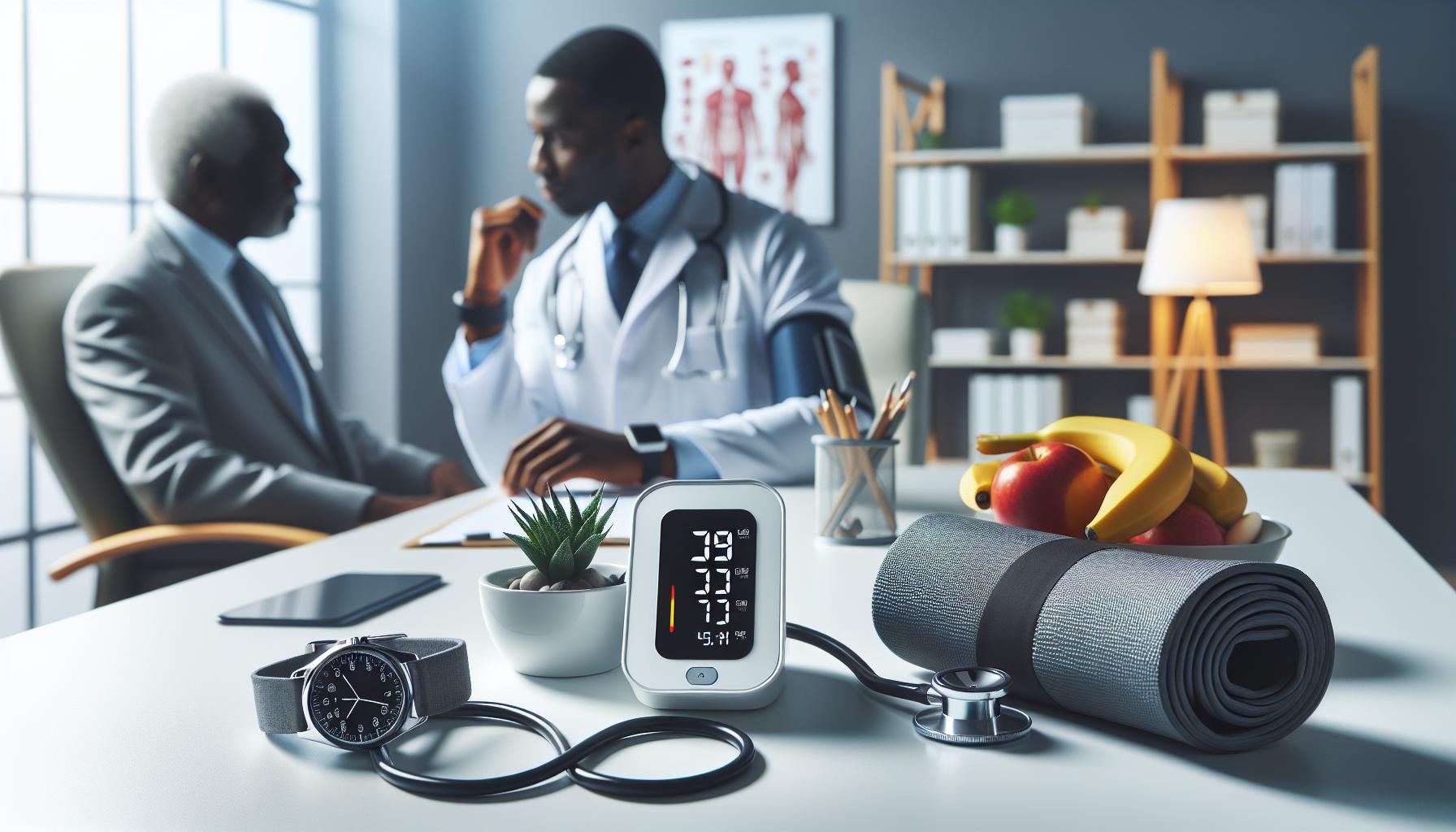
How Often Should You Get a Massage for Optimal Benefits?
Receiving regular massages can be a transformative experience for those looking to manage their blood pressure effectively. Research indicates that engaging in massage therapy at consistent intervals not only helps reduce stress but also bolsters the body’s ability to regulate blood pressure levels. For most individuals, scheduling a massage once a week or biweekly is ideal to maintain the soothing benefits over time. This frequency allows the relaxation response to be cultivated consistently, fostering a greater impact on overall cardiovascular health.
It’s essential to consider personal lifestyle factors when determining how often to receive massages. For individuals experiencing high stress or anxiety levels, more frequent sessions might be necessary to achieve desired results. Conversely, those with lower stress levels may find that a monthly massage suffices to help support their relaxation and wellness goals. Listening to your body and observing how you respond to treatments can guide your decision-making process.
To further enhance the benefits of massage, combining it with other relaxing activities, such as yoga or meditation, can provide compounded effects on blood pressure. Establishing a holistic routine that integrates various stress-reducing practices can amplify feelings of well-being and effectively contribute to managing hypertension. Moreover, make sure to maintain open communication with your massage therapist about your specific needs and any health conditions you may have, ensuring that each session is tailored optimally for your circumstances.
In summary, while it is generally recommended to seek massage therapy once a week or every other week for optimal benefits, personal factors and preferences should dictate the exact frequency. Paying attention to how your body responds and integrating other relaxation techniques can help create a supportive environment for managing blood pressure effectively.
Complementary Relaxation Methods for Stress Reduction
Engaging in a range of relaxation techniques can significantly enhance your ability to manage stress and, in turn, lower your blood pressure. It’s no secret that stress is a key factor in hypertension, but did you know that incorporating activities beyond massage therapy can create a holistic approach to reducing stress hormones in your body? By diversifying your relaxation toolkit, you not only target stress but also promote overall well-being, making it easier to maintain healthy blood pressure levels.
Complementary Techniques to Consider
- Yoga: This ancient practice combines physical postures, breathing exercises, and meditation to promote relaxation and body awareness. Regular yoga practice has been linked to lower blood pressure due to its ability to enhance flexibility, reduce muscle tension, and integrate mindful breathing techniques.
- Meditation: Taking just a few minutes each day to meditate can profoundly impact your stress management. Guided imagery and mindfulness meditation are particularly effective for calming the mind and body. Studies suggest even brief sessions can lower cortisol levels, ultimately supporting better blood pressure control.
- Deep Breathing Exercises: Engaging in deep, diaphragmatic breathing can initiate your body’s relaxation response. Techniques such as the 4-7-8 method can help alleviate tension quickly-inhale for 4 seconds, hold for 7 seconds, and exhale for 8 seconds.
- Progressive Muscle Relaxation: This technique involves tensing and then relaxing various muscle groups in the body, helping to release physical stress and improve mental relaxation. Particularly useful for those with chronic tension, it’s a straightforward method to implement in daily life.
- Nature Walks: Spending time in nature can reduce stress and support cardiovascular health. Try to include gentle walks in your routine, focusing on the sights and sounds around you. The connection with nature is known to enhance mood and promote a calming effect.
Integrating these methods into your regular routine empowers you to take control of your health. Start with just one or two techniques that resonate most with you, aiming to practice them consistently. Establishing a regular routine, even if it’s just a few minutes a day, can create a cumulative effect that builds resilience against stress. By combining these complementary methods with massage therapy, you can cultivate a more supportive environment for relaxation and stress management, ultimately helping you monitor and maintain a healthy blood pressure.
Debunking Myths: What Massage Can and Can’t Do
The belief that massage can work miracles for every ailment often overshadows the reality of what this therapy can truly accomplish, particularly in the context of lowering blood pressure. One common myth is that massage alone can cure hypertension. While it is undeniable that massage therapy can significantly contribute to physical relaxation and stress reduction, it should not be viewed as a standalone solution for managing high blood pressure. Instead, think of it as a valuable complement to a comprehensive health plan that includes regular exercise, a balanced diet, and, when necessary, medication.
Many people also assume that any massage technique will yield the same benefits for blood pressure. In reality, not all massage styles are created equal. For instance, techniques like Swedish massage are predominantly focused on relaxation and might facilitate a drop in stress hormones, which can help in managing blood pressure. On the other hand, deep tissue massage, while effective for addressing chronic muscle tension, might induce temporary discomfort that could potentially raise blood pressure immediately post-session. Understanding the distinctions between various types of massage can help individuals make informed choices based on their specific health conditions and relaxation needs.
Another misconception is that more frequent massages will consistently indicate lower blood pressure levels. While regular massages can create a cumulative effect of relaxation over time, the results may vary depending on individual circumstances, such as stress levels, lifestyle habits, and overall health conditions. Establishing a consistent schedule with a knowledgeable therapist, coupled with monitoring your response to different techniques, is crucial in optimizing the benefits.
Ultimately, individuals seeking to manage their blood pressure through massage should approach it as part of a holistic lifestyle change rather than expecting it to replace medical advice or treatment. By debunking these myths, you equip yourself with a more realistic and effective strategy for utilizing massage in the ongoing journey toward better health and well-being.
Monitoring Your Blood Pressure: How to Track Changes
Monitoring blood pressure regularly is essential for anyone managing hypertension or seeking to understand how lifestyle changes, including massage therapy, can impact their health. To track your blood pressure effectively, consider employing a combination of home monitoring and professional assessments, ensuring a comprehensive overview of your cardiovascular health.
Begin by investing in a reliable home blood pressure monitor. Automatic digital monitors are user-friendly and provide consistent readings. You can follow these steps for optimal tracking:
- Choose the Right Time: Measure your blood pressure at the same times each day to ensure consistency. This might be in the morning before breakfast, or in the evening before bed.
- Prepare by Resting: Sit quietly for at least five minutes before taking your measurement. Ensure your arm is supported at heart level, and avoid caffeine or exercise prior to measuring.
- Record Your Readings: Keep a log of your readings, noting the date, time, and any relevant factors, such as how you felt leading up to the measurement. This will help you identify trends and influences, including the effects of massage therapy.
- Be Aware of Variability: Blood pressure can fluctuate throughout the day. It’s important to take multiple readings and calculate the average to gain a clearer understanding of your typical levels.
In addition to home monitoring, regular visits to your healthcare provider are crucial. Healthcare professionals can provide comprehensive evaluations and ensure your home monitor’s readings align with clinical measurements. These visits also offer an opportunity to discuss how different relaxation techniques, like massage, affect your blood pressure and overall well-being.
Finally, consider incorporating lifestyle modifications alongside massage therapy and blood pressure monitoring. Regular physical activity, a balanced diet rich in fruits and vegetables, and mindfulness practices can greatly enhance your efforts to manage your blood pressure. By adopting a holistic approach, you empower yourself to track and improve your health effectively.
Choosing the Right Massage Therapist: What to Look For
Finding the right massage therapist can significantly enhance your journey towards better blood pressure management. A skilled therapist not only helps in relaxation but also tailors their approach to suit your specific health needs, promoting an optimal therapeutic experience.
When looking for a massage therapist, consider their qualifications and experience. Ensure that they are certified and licensed in your area, as this reflects a minimum standard of training and professionalism. Inquire if they have experience working with clients who have hypertension or related conditions. Their understanding of how to tailor massage techniques for those with elevated blood pressure will be crucial.
Additionally, communication plays a vital role in your comfort level. Schedule an initial consultation to discuss your health history, any concerns regarding your blood pressure, and your goals for the massage therapy. A good therapist will take the time to listen and may ask questions about your condition to adapt the massage treatment accordingly. It’s important that you feel comfortable discussing these issues freely, as this will foster a better therapeutic relationship.
Lastly, consider the ambiance of their practice. A calming environment is essential for relaxation and can enhance the stress-reducing benefits of your massage. Look for a space that feels peaceful and welcoming, with soft lighting and soothing music, as this can contribute to your overall experience and potentially lower your blood pressure during and after the session.
Safety Considerations: When to Avoid Massage Therapy
While massage therapy can offer numerous benefits for relaxation and stress reduction, there are specific circumstances where it may not be advisable to pursue this treatment, especially for individuals concerned about blood pressure. Understanding these limitations is crucial for ensuring safety and health.
Certain medical conditions warrant a cautious approach, or even the avoidance of massage altogether. Individuals with severe hypertension-particularly those with blood pressure readings higher than 180/100 mm Hg-should consult their healthcare provider before engaging in any form of massage. The increased circulation and relaxation can sometimes lead to fluctuations in blood pressure that might be counterproductive. Those with heart conditions, blood clotting disorders, or recent surgeries also need to be cautious, as massage could exacerbate their conditions or interfere with healing processes.
Pregnant individuals should exercise special caution regarding massage therapy. While many find massage beneficial during pregnancy, it’s essential to choose therapists who specialize in prenatal treatments and adhere to specific safety protocols. Certain pressure points and techniques could unintentionally trigger contractions or other complications, especially in the first trimester.
Lastly, skin conditions or infections, such as psoriasis or eczema, might also pose risks when receiving a massage. It’s important to avoid massaging affected areas to prevent irritation or the potential spread of infection. Always prioritize open communication with your massage therapist about any skin sensitivities or underlying health issues, and seek medical guidance when necessary to ensure a safe and beneficial massage experience.
Faq
Q: How does stress affect blood pressure?
A: Stress can elevate blood pressure by triggering the body’s “fight or flight” response, releasing hormones like adrenaline and cortisol. These hormones increase heart rate and blood vessel constriction, leading to temporary spikes in blood pressure. Managing stress through techniques like massage can help counter these effects.
Q: What other relaxation techniques can help lower blood pressure?
A: In addition to massage, techniques such as deep breathing exercises, meditation, yoga, and progressive muscle relaxation can significantly lower blood pressure. Combining these methods with regular physical activity and a healthy diet can enhance overall cardiovascular health.
Q: How long does it take for massage to impact blood pressure?
A: Massage can lead to immediate reductions in blood pressure after a single session. However, cumulative effects are observed with regular sessions over weeks or months. To maximize benefits, consider integrating massage into a consistent wellness routine.
Q: Can regular massage therapy replace medication for high blood pressure?
A: While regular massage therapy can help lower blood pressure, it should not replace prescribed medications without consulting a healthcare provider. It is most effective as a complementary therapy alongside medical treatments and lifestyle changes.
Q: What types of massage are best for reducing blood pressure?
A: Swedish massage and other relaxation techniques like aromatherapy or gentle pressure point therapy are particularly beneficial for lowering blood pressure. These methods focus on relaxation and reducing muscle tension, which can promote better blood flow and stress relief.
Q: Can self-massage techniques effectively lower blood pressure at home?
A: Yes, self-massage techniques, such as kneading the neck, shoulders, and feet, can help lower blood pressure. Regular practice can induce relaxation and reduce stress, contributing to better blood pressure management. Incorporate these techniques into your daily routine for optimal benefits.
Q: Is it safe to get a massage if I have high blood pressure?
A: Yes, massage is generally safe for individuals with high blood pressure, but consult with your doctor first, especially if your condition is severe or poorly controlled. It’s important to choose a qualified therapist who is aware of your health status.
Q: How can I monitor my blood pressure effectively at home?
A: To monitor blood pressure effectively at home, use a reliable digital blood pressure monitor. Measure your blood pressure at the same times each day, follow the manufacturer’s instructions, and keep a log to track changes over time. Regular monitoring can help inform your healthcare decisions.
These questions and answers provide valuable insights while optimizing for SEO, ensuring ease of understanding and relevance to user searches surrounding massage and blood pressure management. For more detailed information, please refer to specific sections of the main article.
In Retrospect
Ready to take charge of your health? Incorporating massage into your routine could be a vital step in lowering blood pressure and enhancing your overall well-being. We’ve explored how effective relaxation techniques can play a crucial role in managing stress and improving cardiovascular health. Don’t wait to experience these benefits-schedule a massage today and make relaxation a priority in your daily life.
For more tips on managing your blood pressure, check out our related articles on “Stress Management Techniques” and “The Importance of Regular Health Screenings.” If you have questions or would like to share your experiences, we invite you to leave a comment below! Stay informed and engaged by signing up for our newsletter, where you’ll get the latest in health management delivered right to your inbox. Your health journey is important, and we’re here to support you every step of the way!