


In a world where health tracking has become increasingly accessible, many people wonder if their Apple Watch can accurately monitor blood pressure. While smartwatches provide a range of health features, including heart rate and activity tracking, the question of blood pressure accuracy is crucial, especially for those managing hypertension or other cardiovascular conditions. Understanding how this technology works and its limitations can empower you to make informed decisions about your health management.
As you consider integrating smartwatch monitoring into your routine, it’s essential to know the specific capabilities and inaccuracies associated with these devices. Are they reliable enough to substitute traditional blood pressure readings? This article will delve into the accuracy of Apple Watch blood pressure tracking, offering insights and practical guidance. By exploring this topic, you’ll gain a clearer understanding of how to leverage your smartwatch for better health outcomes and embrace proactivity in your wellness journey.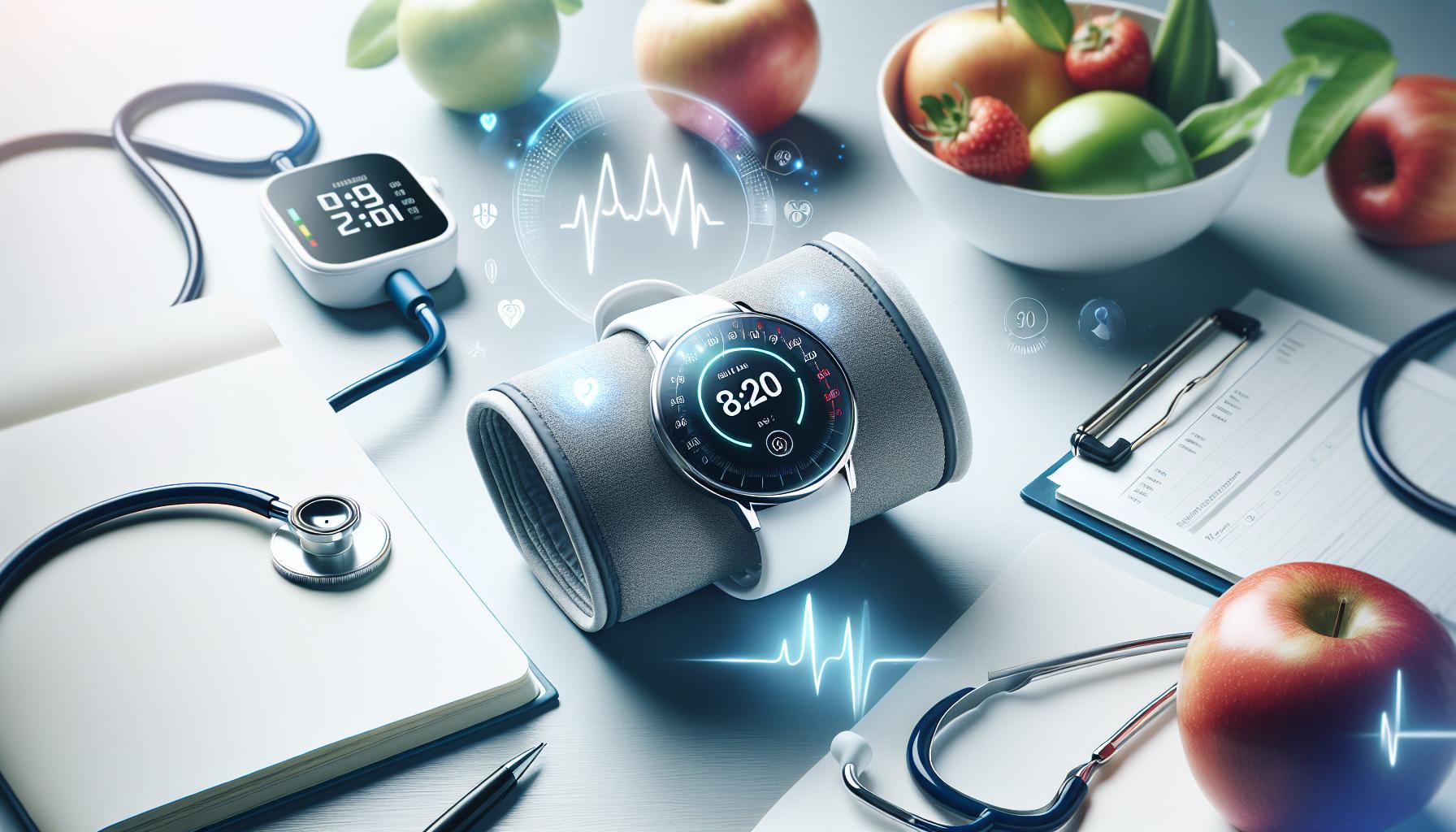
Can My Apple Watch Measure Blood Pressure Accurately?
While many people use their Apple Watch for fitness and activity tracking, an intriguing question arises: can this popular smartwatch accurately measure blood pressure? As of now, the Apple Watch does not feature built-in blood pressure monitoring capabilities like some other wearable devices. Instead, it focuses on heart rate monitoring and other vital signs, relying on sensors that detect changes in blood flow and heart activity.
However, you can still track your blood pressure using an Apple Watch by integrating it with compatible external blood pressure cuffs that connect via Bluetooth. These devices provide clinical-grade readings that can be synced to your watch, allowing you to view your data conveniently. When utilizing external cuffs, it’s essential to follow the manufacturer’s guidelines for the most accurate measurements. Ensure that you are in a relaxed state, sitting comfortably, and that the cuff is applied correctly for a valid reading.
Additionally, it’s crucial to understand that while these integrations enhance access to your health data, the Apple Watch itself does not replace a professional medical device. Users should be aware of potential inaccuracies due to factors like wrist position or user error when employing third-party accessories. Regularly measuring and recording readings can help you stay informed about your blood pressure, but consider consulting with a healthcare professional for personalized advice and recommendations tailored to your specific health needs.
Taking the step towards regular monitoring using your Apple Watch and an external device can empower you on your health journey, making it easy to manage your overall wellness. Remember, technology can be a powerful ally in maintaining healthy lifestyle choices and effective health management strategies.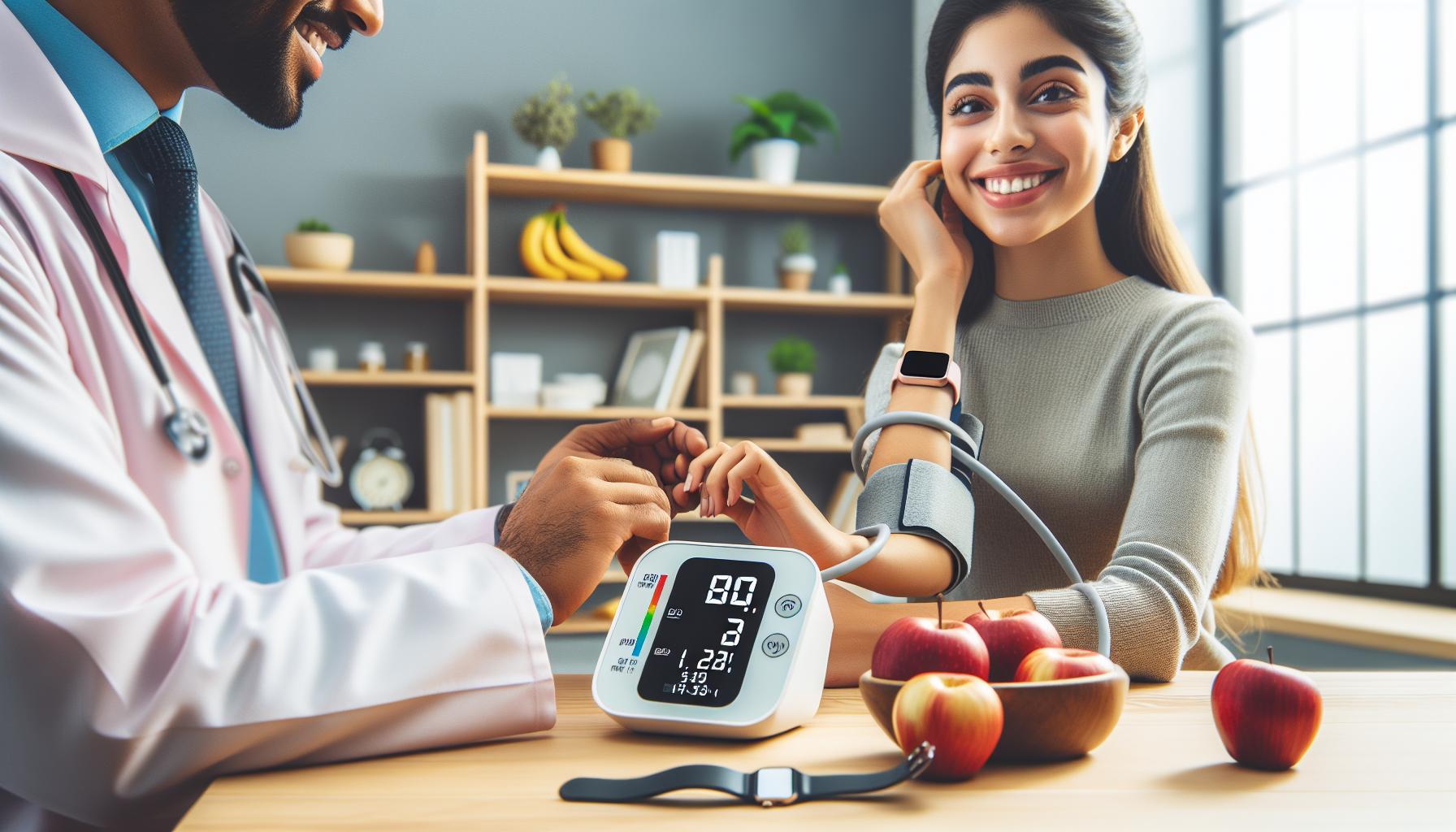
Understanding Blood Pressure Monitoring Basics
To effectively monitor blood pressure, it’s essential to understand the basics of how this critical health metric is measured and what it signifies for your overall well-being. Blood pressure indicates the force of blood against your arteries, measured in millimeters of mercury (mmHg). It comprises two numbers: systolic pressure (the higher number, which measures the pressure in your arteries when the heart beats) and diastolic pressure (the lower number, which measures the pressure in your arteries when the heart rests between beats). Normal blood pressure is generally defined as a reading below 120/80 mmHg, while higher readings can indicate varying degrees of hypertension, which can lead to serious health issues if left unmanaged.
Understanding the factors that influence blood pressure is vital. Several elements can cause fluctuations in your readings, including stress, physical activity, and even the time of day. It’s important to consistently monitor blood pressure under similar conditions-at rest, in a quiet environment, and when feeling calm and relaxed. This consistency helps ensure that your readings are as accurate as possible. For those using an Apple Watch in conjunction with an external Bluetooth blood pressure cuff, accuracy is further enhanced when you adhere to the manufacturer’s instructions for proper cuff placement and measurement technique.
Additionally, integrating blood pressure readings into a broader health management plan can be highly beneficial. It enables individuals to track their progress over time and make data-driven decisions regarding lifestyle changes, such as diet and exercise, that can significantly impact cardiovascular health. Maintaining a log of your readings along with notes on your activities, diet, and stress levels can provide valuable insights for you and your healthcare provider in understanding your blood pressure trends and determining appropriate health interventions.
In summation, blood pressure monitoring is a powerful tool for anyone looking to manage their health proactively. Embracing this practice alongside technology, such as your Apple Watch and compatible devices, empowers you to take charge of your health journey, enhancing your understanding and ability to promote a healthier lifestyle.
How Do Apple Watch Sensors Work?
The Apple Watch is equipped with advanced sensors designed to monitor a variety of health metrics. Among these capabilities, the watch’s ability to assess overall cardiovascular health is noteworthy, although it does not directly measure blood pressure like a traditional cuff would. Instead, the Apple Watch utilizes photoplethysmography (PPG), a technology that shines a green light through your skin to detect blood flow in your wrist. This method is better suited for tracking heart rate and rhythm, providing a real-time analysis of your pulse, which is crucial for understanding cardiovascular health.
One key aspect of how the Apple Watch’s sensors work involves its optics and algorithms. As the heart beats, blood flow changes in your wrist, affecting the amount of light that is reflected back to the sensors on the watch. By analyzing these variations, the Apple Watch can estimate your heart rate and pulse, serving as a useful indicator of cardiovascular performance. With a heart rate monitor integrated into its design, users can gain insights into their fitness levels, stress management, and overall heart health-a valuable information set when considering blood pressure and its implications.
While the Apple Watch offers features to help monitor cardiovascular health, it’s crucial to recognize its limitations regarding blood pressure. The device does not have an inbuilt capability to offer blood pressure readings directly. Users looking for accurate blood pressure measurements must pair their Apple Watch with an external Bluetooth blood pressure cuff. This combination allows for a more reliable approach, as the cuff applies necessary pressure to the arm to provide precise readings, which can then be logged and monitored through compatible health applications on the watch.
To effectively track and understand blood pressure using your Apple Watch, consider adopting some best practices:
- Maintain consistency: Measure your blood pressure at the same time each day and in similar conditions for more accurate comparisons.
- Use an external cuff: Pair your Apple Watch with a clinically validated Bluetooth blood pressure monitor for genuine measurements.
- Document your readings: Keep a detailed log of your blood pressure history along with other health metrics, which can assist in discussions with healthcare providers.
The integration of these technologies can empower individuals in managing their health, making it easier to spot trends and adapt lifestyles accordingly.
Limitations of Apple Watch Blood Pressure Readings
While the Apple Watch has made significant strides in health monitoring, it’s important to understand that it does not offer direct blood pressure readings like a traditional cuff monitor. This limitation arises because the Apple Watch employs photoplethysmography (PPG) to estimate metrics like heart rate through light absorption and reflection in the skin. Although this method provides valuable insights into cardiovascular health, it lacks the precision necessary for accurate blood pressure assessment, which requires a different measurement technique involving the application of pressure to the arteries.
Users seeking reliable blood pressure measurements are encouraged to use their Apple Watch in conjunction with a validated Bluetooth blood pressure cuff. This dual approach allows for accurate tracking of blood pressure while still leveraging the smartwatch’s capabilities to log and analyze health data. By inputting cuff measurements into the Apple Health app, users can create a comprehensive profile that helps identify patterns in their blood pressure trends, facilitating better-informed health decisions.
Additionally, the lack of direct blood pressure measurement capabilities means that users may not receive alerts for unexpectedly high or low blood pressure readings. Unlike heart rate anomalies, which the Apple Watch can monitor in real-time and alert users to irregularities, blood pressure requires proactive management using external equipment. This distinction is crucial; while smartwatches like the Apple Watch are invaluable for overall health tracking, they should not be solely relied upon for critical conditions like hypertension.
For those who prefer self-monitoring, incorporating a properly validated cuff into their routine can significantly enhance their understanding of their cardiovascular health. It is advisable to select a cuff that fits well and has been proven accurate through clinical studies. Regular monitoring, along with lifestyle changes such as maintaining a balanced diet, engaging in regular physical activity, and managing stress levels, can collectively support healthy blood pressure maintenance. By combining technology with evidence-based practices, individuals can empower themselves to manage their health effectively.
Comparing Smartwatch Accuracy to Traditional Methods
While smartwatches like the Apple Watch have revolutionized personal health tracking, they are not direct substitutes for traditional blood pressure monitors. Traditional sphygmomanometers, specifically designed to measure blood pressure, utilize a calibrated cuff applied to the upper arm. This method provides a precise measurement by occluding blood flow in the brachial artery, allowing healthcare professionals or calibrated devices to determine systolic and diastolic pressure accurately. In contrast, the Apple Watch primarily measures heart rate and estimates blood pressure parameters through photoplethysmography (PPG), which relies on light signals reflecting off blood vessels in the wrist.
When comparing the accuracy of a smartwatch to traditional blood pressure methods, it becomes evident that wearable technology cannot yet match the precise readings of validated medical devices. For example, studies have demonstrated discrepancies between smartwatch estimates and gold-standard measurements, particularly in individuals with specific health conditions such as hypertension. This is largely attributed to the variances in how devices interpret physiological signals. For users managing health conditions, using a validated blood pressure cuff alongside a smartwatch provides a complementary approach, allowing for comprehensive monitoring and more reliable data collection.
To maximize your health monitoring efforts, consider the following best practices:
- Regular Calibration: Ensure that your traditional cuff is properly calibrated and validated, as accuracy begins with reliable equipment.
- Input Data: Record blood pressure readings from your cuff into the Apple Health app to track trends over time.
- Timing Matters: Measure blood pressure consistently at the same time each day for more accurate tracking.
Ultimately, while smartwatches offer convenience and promote a proactive approach to health, they should not replace established medical methods for tracking blood pressure. This dual-method strategy not only improves accuracy but also enhances your ability to manage your cardiovascular health effectively. Incorporating lifestyle changes, such as regular exercise and a balanced diet, alongside accurate monitoring can lead to more informed decisions and better health outcomes.
User Experiences: Apple Watch for Blood Pressure
Using an Apple Watch for blood pressure monitoring has become a popular topic among health enthusiasts, as many users are intrigued by the potential convenience and innovative technology involved. Real user experiences reveal a range of insights into how effective and helpful the Apple Watch can be when it comes to tracking one’s health metrics, particularly blood pressure, even if it may not deliver the accuracy of traditional devices.
One common theme among users is the integration of the Apple Watch with comprehensive health monitoring routines. Many individuals appreciate the watch’s ability to provide real-time heart rate data and notifications related to irregular heart rhythms. For example, users have noted that while the watch may not provide exact blood pressure readings, it tracks other vital signs, prompting them to maintain more regular checkups with their healthcare providers. By combining smartwatch data with occasional measurements from a traditional blood pressure cuff, users feel empowered to better understand their cardiovascular health and take informed actions.
Moreover, the convenience of having health-monitoring devices on hand has led to positive changes in lifestyle for many Apple Watch users. Daily reminders to move or engage in physical activities keep users accountable, encouraging them to incorporate exercise into their routines, which is crucial for maintaining healthy blood pressure levels. Anecdotal reports also highlight how users have developed a habit of monitoring their stress levels-another factor known to impact blood pressure-by utilizing the mindfulness and breathing apps available on the watch.
While some users have expressed concerns about the accuracy of blood pressure readings, they often mention the value of utilizing the Apple Watch as part of a broader health management strategy. For instance, consistently logging readings from a validated blood pressure cuff in the Apple Health app allows users to visualize trends over time, fostering awareness of changes that could warrant professional consultation. This holistic approach not only aids in blood pressure monitoring but also cultivates a deeper connection to overall health and wellness.
Ultimately, user experiences with the Apple Watch for blood pressure tracking highlight that while it may not replace traditional methods, it offers an empowering alternative for proactive health management. It promotes an engaged lifestyle where individuals are encouraged to monitor their well-being, make informed decisions, and foster meaningful conversations with healthcare providers.
Best Practices for Effective Blood Pressure Tracking
To effectively monitor blood pressure using your Apple Watch, establishing a consistent tracking routine is essential. While smartwatches provide convenience and accessibility, understanding how to optimize their functionality can significantly enhance their role in managing cardiovascular health. Here are some best practices to consider:
First and foremost, always aim to take your blood pressure readings at the same time each day. This helps in establishing a clear baseline and tracking fluctuations due to various factors like diet, stress, and physical activity. It’s also beneficial to be in a calm, resting state-preferably seated for around five minutes-before taking a reading. This allows for more accurate results, reflecting your typical blood pressure rather than temporary changes caused by daily activities.
Utilizing the Apple Health app can greatly streamline the process of logging and analyzing your data. Consider manually inputting your readings from a traditional blood pressure monitor alongside the data from your Apple Watch. This dual approach not only encourages regular use of your traditional monitor but also allows you to visualize trends over time, which can be invaluable when discussing your health with a medical professional. Remember, integrating values from both devices helps create a more comprehensive overview of your cardiovascular health.
To further enhance your tracking experience, leverage the notification features available on the Apple Watch. Setting reminders for daily check-ins encourages consistency, while alerts for irregular heart rate patterns can prompt timely consultations with healthcare providers. Additionally, consider maintaining a health diary-logging not only your blood pressure readings but also correlating factors like exercise, diet, sleep quality, and stress levels. This holistic view can provide insights into how your lifestyle choices are influencing your blood pressure.
Lastly, don’t underestimate the value of community and support. Engaging with online forums or groups where users share their experiences and tips can provide motivation and practical advice. Pair your Apple Watch data with regular checkups from your healthcare provider to ensure a thorough understanding of your blood pressure trends and overall health strategy. By adopting these practices, you empower yourself to take charge of your health effectively, contributing to better long-term outcomes.
Integrating Apple Watch Data into Health Management
To navigate your health journey effectively, leveraging the data collected by your Apple Watch can make a significant impact on managing blood pressure. Smartwatches, including the Apple Watch, provide the convenience of continuous monitoring, empowering you to gain insights into your cardiovascular health that would be cumbersome to track using traditional methods alone. By integrating this data into your overall health management strategy, you can make informed decisions that promote better health outcomes.
Utilizing the Apple Health app is a crucial first step in this integration. This app serves as a central hub for organizing and analyzing health metrics, including blood pressure readings, heart rate, and activity levels. To enhance accuracy, consider entering daily manual readings from a traditional blood pressure monitor. Doing so not only validates the data from the Apple Watch but also helps identify patterns over time. For example, you might notice the impact of dietary changes on your blood pressure or how your stress levels correlate with fluctuations in readings. Charting these variations can arm you with dialogue points for discussions with your healthcare provider.
Another powerful feature is the notification system of the Apple Watch. By setting reminders for routine check-ins, you foster a consistent monitoring habit that’s vital for thorough health management. Additionally, the watch can alert you to unusual heart rate patterns, enabling prompt medical attention if needed. Keeping a comprehensive health diary that logs blood pressure readings alongside other factors like medication, diet, and exercise enhances your ability to observe trends comprehensively. This holistic approach captures the nuances of your health, allowing you to see not just numbers but the lifestyle elements that influence them.
Engaging with the community is another valuable aspect of integrating your Apple Watch data into health management. Online platforms and support groups allow users to share experiences, provide motivation, and exchange practical tips. By combining your wearable device’s data with professional medical advice during regular health check-ups, you create a strong partnership in managing blood pressure. This cooperation between self-monitoring and professional oversight encourages accountability and builds a supportive framework to improve long-term health decisions. Ultimately, by actively incorporating your Apple Watch data into your health management plan, you empower yourself to take control of your health with confidence.
Future of Blood Pressure Monitoring Tech
As technology rapidly evolves, the landscape of blood pressure monitoring is increasingly integrating innovative solutions that promise greater accuracy and accessibility. Smartwatches, including the Apple Watch, are at the forefront of this revolution, paving the way for a new era in self-monitoring health devices. The ability to continuously track blood pressure through a wearable device not only enhances personal health management but also contributes significantly to the broader telehealth environment. Continuous blood pressure monitoring can empower users with real-time data, allowing for timely interventions and facilitating informed discussions with healthcare providers.
Emerging technologies such as photoplethysmography (PPG), which uses light sensors to gauge blood flow, are being refined to improve the accuracy of smartwatch readings. Researchers are exploring how to calibrate these sensors with clinical-grade devices, making it essential for future iterations of the Apple Watch or similar devices to merge advanced algorithms with user-friendly interfaces. This could potentially streamline the process of monitoring blood pressure, enabling users to receive instant feedback on their readings, lifestyle impacts, and even potential health warnings directly from their wrists.
Looking ahead, the integration of artificial intelligence (AI) is anticipated to play a critical role in interpreting blood pressure data collected from wearables. AI can analyze historical data and individual health trends, offering personalized insights and recommendations. For instance, if the data indicates a consistent rise in blood pressure after particular activities or foods, the smartwatch can alert the user with actionable advice-helping them to make informed lifestyle choices. This predictive capability not only fosters proactive health management but also enhances user engagement with their health journey.
Moreover, interoperability between devices and health applications is set to revolutionize how blood pressure data is used in healthcare. The seamless sharing of data with doctors and healthcare systems can lead to more tailored treatment plans, improving patient outcomes. As integration with electronic health records (EHRs) becomes more commonplace, users will find it easier to maintain records of their readings, symptoms, and lifestyle practices, creating a comprehensive health profile that providers can use to offer enhanced care.
In summary, the future of blood pressure monitoring through devices like the Apple Watch promises a landscape that emphasizes precision, personalization, and proactive health engagement. Embracing these advancements can significantly empower individuals in their health journeys, promoting better management of blood pressure and, ultimately, heart health.
Alternative Wearable Devices for Blood Pressure
The quest for effective blood pressure management has led to the development of various wearable devices that offer alternative solutions to traditional monitoring techniques. While smartwatches like the Apple Watch are making strides in this area, other devices specifically tailored for accurate blood pressure measurement are worth exploring. These alternatives can provide a more precise understanding of your cardiovascular health, potentially enhancing your overall management strategy.
Considerations for Alternative Devices
When evaluating monitoring, consider the following options:
- Blood Pressure Smart Bands: Some brands offer smart bands uniquely designed with built-in sphygmomanometers, ensuring more accurate readings. These devices often leverage oscillometric measurements, the same method used in clinical settings, leading to reliable results.
- Fitness Trackers with BP Monitoring: Many fitness trackers now include blood pressure monitoring functions, alongside heart rate and activity tracking. Devices from brands like Garmin and Fitbit integrate this feature, offering a holistic view of your health.
- Wearable Cuffs: Companies have developed smart cuffs, similar to traditional blood pressure cuffs but enhanced for usability. These devices often connect to smartphones, allowing for easy tracking and data sharing.
Top Alternative Devices to Consider
While choosing an alternative device, look for features that align with your health needs. Here’s a comparison of popular options:
| Device | Accuracy | Connectivity | Battery Life |
|---|---|---|---|
| Omron HeartGuide | Clinical-grade | Bluetooth | Up to 2 days |
| Withings BPM Connect | Clinical-grade | Wi-Fi, Bluetooth | 6 months |
| Fitbit Charge 5 | Moderate | Bluetooth | 7 days |
Integrating Wearables into Your Health Routine
Incorporating these devices into your health management can augment your understanding of blood pressure dynamics. Regular monitoring can reveal patterns related to stress, activity levels, and dietary choices. Maintain consistency by following these steps:
- Establish a Routine: Take measurements at the same time every day, ideally when you are relaxed.
- Review Data Regularly: Analyze trends over time to share with your healthcare provider during visits.
- Share Data Through Apps: Utilize device apps to integrate and store data securely, making it easier for your healthcare team to assist in your journey.
By exploring these alternative devices and understanding their capabilities, you can significantly enhance your blood pressure monitoring experience. Integrating these tools into your daily routine empowers you to make informed decisions about your health, ultimately leading to better outcomes and supporting proactive management of hypertension or other cardiovascular issues.
Understanding Data Interpretation and Risks
Interpreting blood pressure data accurately is crucial because small variations in readings can signal significant health changes. The Apple Watch utilizes advanced sensors to provide estimates of blood pressure, but it’s important to understand that these readings should complement, rather than replace, traditional methods of measurement. When looking at the data generated by your smartwatch, remember that the results may not always align perfectly with clinically validated devices. Factors like physical activity, stress levels, and even time of day can influence readings.
Monitoring blood pressure trends over time is more informative than focusing solely on individual readings. Aim to identify patterns related to your lifestyle, noting when your blood pressure tends to spike or dip. Keeping a digital log, perhaps using health apps compatible with Apple Watch, can simplify this process. By compiling this data, you can engage in informed discussions with your healthcare provider, helping to contextualize your results in light of your overall health and lifestyle choices.
Always approach the interpretation of your data with caution. Apple Watch readings are estimates, and their accuracy can be affected by several factors, including sensor placement and device calibration. It’s wise to compare smartwatch data with results from a traditional blood pressure monitor, especially if you’re managing a chronic condition. If discrepancies arise, consult your healthcare provider to determine the best monitoring strategy for you.
Engaging with your health data empowers you to take proactive steps toward managing your blood pressure effectively. Incorporate regular activity, a balanced diet, and stress-management techniques into your routine, as these changes can facilitate better blood pressure management. Understanding how to interpret your data while being aware of its limitations positions you to make healthier choices and seek appropriate medical advice when necessary.
Lifestyle Changes to Support Healthy Blood Pressure
Making simple yet impactful lifestyle changes can significantly contribute to maintaining healthy blood pressure levels. Research consistently shows that adopting healthier habits can not only lower high blood pressure but also promote overall well-being. For instance, engaging in regular physical activity can lead to lowered blood pressure readings and improve heart health. Aim for at least 150 minutes of moderate aerobic activity each week, which can include activities like brisk walking, cycling, or swimming. Additionally, integrating strength training exercises on two or more days a week can enhance cardiovascular performance and increase muscle mass, which improves metabolic health.
Diet plays a crucial role in blood pressure management as well. The DASH (Dietary Approaches to Stop Hypertension) diet is specifically designed to reduce high blood pressure. This diet emphasizes the consumption of whole grains, fruits, vegetables, and lean proteins while drastically reducing sodium intake. Here are some core dietary strategies you can implement:
- Limit salt intake: Aim for less than 2,300 mg of sodium per day, or further restrict it to 1,500 mg if you have high blood pressure.
- Increase potassium-rich foods: Foods like bananas, sweet potatoes, and beans can help balance sodium levels.
- Choose healthy fats: Incorporate sources of omega-3 fatty acids, such as fish, walnuts, and flaxseeds, which are known to promote heart health.
Managing stress is another vital component in maintaining healthy blood pressure. Chronic stress can lead to temporary spikes in blood pressure and unhealthy coping mechanisms such as overeating or sedentary behavior. Consider integrating mindfulness practices like yoga or meditation into your daily routine. Regular relaxation techniques, such as deep breathing exercises, can help mitigate stress levels effectively.
Incorporating these strategies into your daily life not only aids in blood pressure management but also empowers you with the knowledge of what impacts your readings. Utilizing data from your Apple Watch, you can monitor trends and see the effects of these lifestyle changes in real time. This real-time feedback can motivate continued commitment to healthy habits, making it clear how your choices influence your cardiovascular health. Remember, it’s always beneficial to consult with your healthcare provider before making any significant lifestyle adjustments, particularly if you have underlying health conditions.
Frequently asked questions
Q: Can the Apple Watch detect high blood pressure?
A: The Apple Watch does not directly measure blood pressure but can provide heart rate monitoring and health tracking. Users should employ external blood pressure cuffs for accurate readings and consult a healthcare professional for hypertension management.
Q: How accurate is the Apple Watch for health monitoring?
A: The Apple Watch offers reliable heart rate and activity tracking, yet its accuracy for blood pressure is limited. For precise monitoring, complement its data with traditional methods, as discussed in the “Comparing Smartwatch Accuracy to Traditional Methods” section of the article.
Q: What features of the Apple Watch help with blood pressure management?
A: The Apple Watch enables users to track heart rate, physical activity, and health trends through the Health app. While it doesn’t measure blood pressure directly, these features can help users maintain overall cardiovascular health.
Q: Are there third-party apps that can measure blood pressure with Apple Watch?
A: Yes, there are third-party apps like Qardio and HeartWise that can track blood pressure when paired with a compatible device. However, always verify the accuracy of the readings with a traditional monitor for reliable data interpretation.
Q: How often should I check my blood pressure using an Apple Watch?
A: The Apple Watch isn’t designed for regular blood pressure checks. Instead, users should consult their healthcare provider to determine a suitable schedule, generally recommending at least once a week for those with known conditions.
Q: What is the difference between smartwatch and traditional blood pressure monitors?
A: Smartwatches primarily track activity and heart rate, whereas traditional monitors provide direct and specific blood pressure measurements. For precise health monitoring, refer to the “Comparing Smartwatch Accuracy to Traditional Methods” section for a deeper understanding.
Q: How can I improve the accuracy of my health readings on the Apple Watch?
A: To enhance accuracy, ensure the watch is fitted properly, keep its sensors clean, and regularly update the watchOS. For blood pressure tracking, integrate the Apple Watch data with conventional methods and lifestyle changes outlined in the article.
Q: What steps should I take if my Apple Watch readings seem inconsistent?
A: If you notice inconsistencies, check the fit of your watch, clean the sensors, and ensure proper settings are enabled. Refer to the “Best Practices for Effective Blood Pressure Tracking” section for further guidance on reliable monitoring.
In Summary
Thank you for exploring the capabilities of your Apple Watch regarding blood pressure monitoring. As we’ve discussed, while smartwatches offer valuable insights into your health, understanding their accuracy is essential for effective health management. If you’re considering incorporating regular blood pressure monitoring into your routine, don’t hesitate to check out our post on “Best Practices for Blood Pressure Monitoring” and discover tools that can enhance your monitoring experience.
Ready to take the next step? Sign up for our newsletter for the latest insights on health management strategies, and stay informed about innovations that can empower your wellness journey. Also, explore our comprehensive guide on “Understanding Smartwatch Health Features” for a deeper dive into optimizing your device’s functionality.
Your health matters, and being proactive is key. Whether you have questions or experiences to share, we encourage you to leave a comment below! Together, we can foster a community focused on better health through informed choices. Remember, while technology can aid our efforts, your intuition and routine care are irreplaceable. Keep monitoring, keep questioning, and keep engaging with us for more valuable content!


