Low blood pressure, while less talked about than high blood pressure, poses significant health risks that can be surprisingly serious, including the rare possibility of dying in your sleep. Imagine drifting off after a long day, only to find that your body’s vital functions are compromised by dangerously low blood pressure levels.
Understanding the dangers associated with low blood pressure can empower you to take proactive steps in monitoring your health. Not only can low blood pressure lead to fainting and other unsettling symptoms, but it can also result in severe complications if left unchecked. In this article, we’ll delve into the risks associated with low blood pressure during sleep, uncovering the signs to watch for and the essential lifestyle changes you can adopt to safeguard your wellbeing. Stay with us as we explore this critical aspect of health management, arming you with the knowledge to protect yourself and your loved ones.
Understanding Low Blood Pressure: Causes and Symptoms
Understanding low blood pressure, or hypotension, is crucial for maintaining overall health, particularly as it can lead to various symptoms and complications. This condition is typically defined as having a blood pressure reading lower than 90/60 mmHg, and while it can be benign for some individuals, it can also indicate underlying health issues requiring attention. Causes of low blood pressure can range widely, from dehydration and prolonged bed rest to more serious medical conditions such as heart problems or endocrine disorders. For example, some medications, especially those used to treat high blood pressure, can inadvertently lower blood pressure too much.
Moreover, recognizing the symptoms of low blood pressure is essential. Common indicators include dizziness, fainting, blurred vision, nausea, and a lack of concentration. In more severe cases, individuals may experience shock, which presents as cold, clammy skin, rapid breathing, and a weakened pulse. Importantly, these symptoms can manifest suddenly, such as in cases of postural hypotension where a quick change from sitting to standing causes a significant drop in blood pressure. Understanding these potential symptoms allows individuals to take proactive steps to monitor and manage their blood pressure effectively.
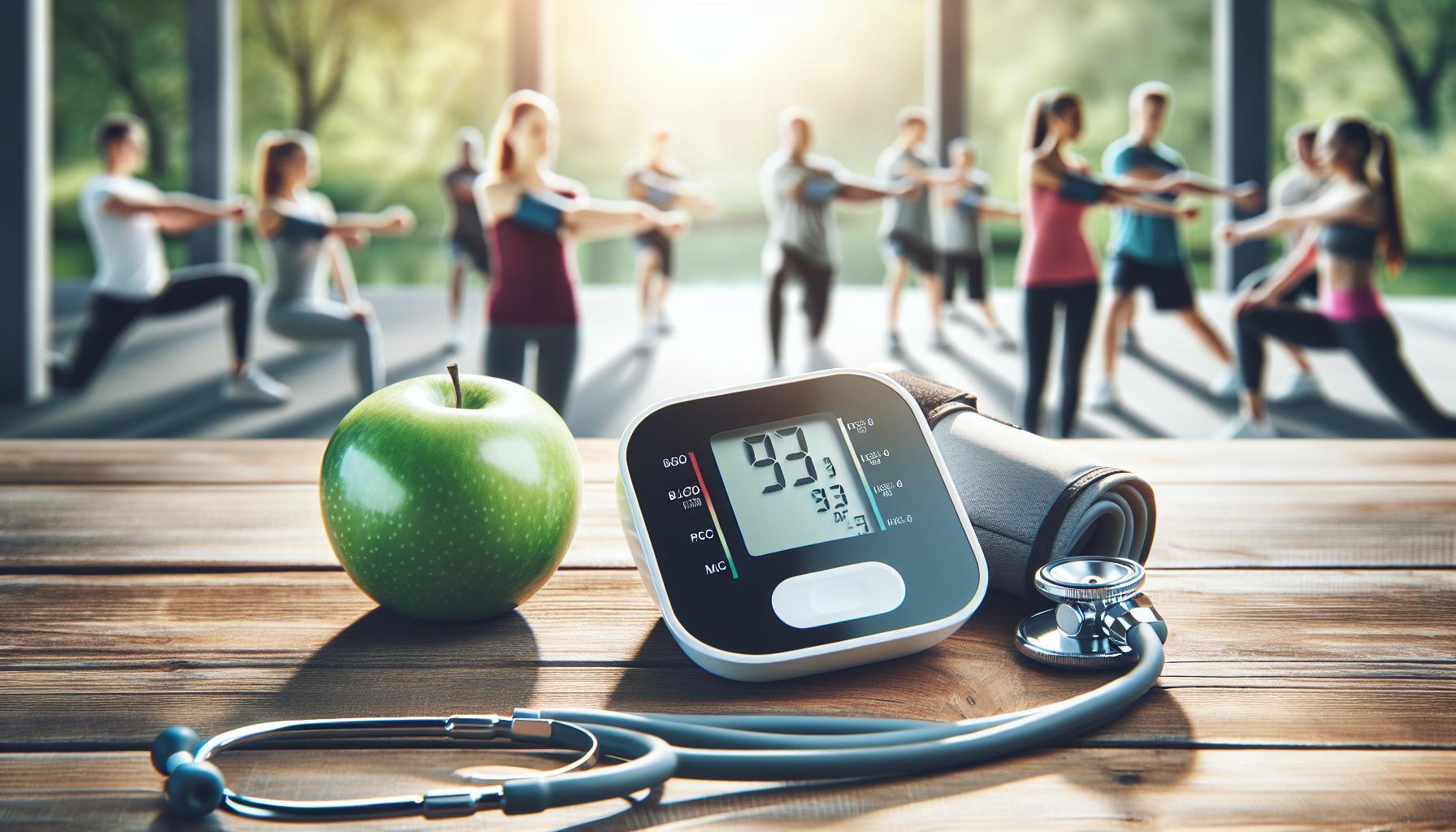
To monitor low blood pressure and its effects, regular checks are vital. Individuals can benefit from using a home blood pressure monitor-these devices can help track fluctuations in blood pressure throughout the day. Keeping a written log of readings can provide healthcare providers with valuable information for assessing trends and making appropriate adjustments to treatment plans when necessary. Engaging in discussions with a healthcare provider about personal symptoms and triggers can also empower individuals to take control of their health and make informed choices regarding their lifestyle and medical care.
Recognizing both the causes and symptoms of low blood pressure can facilitate early intervention and management, ensuring optimal health and well-being. As you become more familiar with your body’s responses, you gain confidence in managing blood pressure and making any necessary lifestyle adjustments, such as hydration and moderate physical activity.
The Link Between Low Blood Pressure and Sleep
Sleep is a vital component of overall health, yet it can be intricately connected to variations in blood pressure, particularly low blood pressure. During the sleep cycle, blood pressure naturally dips as the body relaxes and metabolic processes slow down. This physiological response is generally normal; however, for some individuals, the nighttime drop can lead to complications, especially if they already experience hypotension. Situations where low blood pressure becomes more pronounced can sometimes cause discomfort, dizziness, or fainting, leading to concerns about safety while sleeping.
Understanding the Risks
When individuals with low blood pressure lie down, their blood pressure may not only decrease significantly but also may fail to stabilize effectively upon waking. This raises concerns, particularly for older adults or those with underlying health issues, as sudden shifts can lead to potential hazards. It’s essential for those who experience frequent episodes of low blood pressure to monitor their condition closely, both during the day and night. Recognizing patterns of how blood pressure behaves at night can provide vital insights into personalized management strategies.
Monitoring and Management Strategies
There are several practical steps individuals can take to monitor their blood pressure, particularly when it comes to sleep:
- Use a Home Blood Pressure Monitor: Regular at-home monitoring can help track fluctuations during the day and night. Take readings before bedtime and immediately upon waking to identify trends.
- Maintain a Journal: Write down your blood pressure readings alongside notes of any symptoms, such as dizziness or fatigue. This can help your healthcare provider tailor treatment to your specific needs.
- Stay Hydrated: Dehydration can exacerbate low blood pressure. Ensure adequate fluid intake, especially before sleep, to support overall blood volume and pressure stability.
- Sleep Position: Certain positions, like sleeping with the head elevated, can help prevent significant drops in blood pressure and reduce the risk of adverse symptoms when waking.
By integrating these strategies into daily routines, individuals living with low blood pressure can navigate the potential risks associated with sleep more effectively. Understanding these links empowers individuals to make informed choices about their health management and fosters confidence in maintaining a balanced lifestyle while mitigating the risks of hypotension during rest.
Can Low Blood Pressure Lead to Sudden Death?
While the concern about low blood pressure leading to sudden death may seem alarming, it is essential to approach this topic with a balanced perspective. Low blood pressure, or hypotension, generally becomes dangerous when it leads to insufficient blood flow to vital organs, potentially resulting in severe complications. In most cases, individuals with mild to moderate low blood pressure who are asymptomatic can lead normal lives without significant risks.
However, certain situations may increase the risk of life-threatening events. For example, if a person with symptomatic hypotension experiences severe drops in blood pressure-particularly when changing positions or after meals-they may be at higher risk of fainting, which could lead to injury or more severe cardiovascular events. Especially among the elderly or those with existing health conditions, prolonged episodes of hypotension may trigger conditions like cardiac arrhythmias or shock, both of which could be deadly if not promptly addressed.
To mitigate these risks, individuals are encouraged to understand their body’s signals and monitor blood pressure regularly. Alongside a healthcare provider, creating a personalized plan that includes hydration, dietary adjustments (such as increased salt intake if recommended), and cautious posture changes can be highly beneficial. Moreover, being vigilant about symptoms-such as dizziness, fatigue, or fainting-can provide early warnings that prompt immediate action.
In summary, while the direct link between low blood pressure and sudden death is not strongly established, being proactive about management can significantly minimize potential dangers associated with hypotension. By emphasizing awareness, lifestyle adjustments, and regular monitoring, individuals can enhance their safety and overall well-being in the context of low blood pressure.
Identifying the Risks: Who Is Most Vulnerable?
Identifying the populations most vulnerable to the effects of low blood pressure can empower individuals to take proactive measures in their health management. While anyone can experience hypotension, certain groups face heightened risks due to their physiological or medical conditions. People with chronic illnesses, such as diabetes or heart disease, not only have compromised health but may also experience fluctuations in their blood pressure that can lead to more severe consequences. Additionally, the elderly often face naturally declining blood pressure regulation, making them more susceptible to symptoms like dizziness or fainting, especially when changing positions or during the night.
Another group at risk includes pregnant individuals, who may encounter lower blood pressure due to hormonal changes and increased blood volume. Conditions like dehydration significantly elevate the likelihood of hypotension, affecting athletes and those who do not consume adequate fluids, particularly during hot weather or vigorous exercise. Medications are also a common contributor; drugs that lower blood pressure-such as diuretics or beta-blockers-can leave individuals vulnerable to sudden drops, especially if not monitored closely.
To reduce the risks associated with low blood pressure, awareness and regular monitoring are essential. Here are some strategies that can help:
- Routine Monitoring: Individuals in vulnerable groups should check their blood pressure regularly, using a doctor-recommended method or home monitor.
- Stay Hydrated: Maintaining proper hydration is crucial. Increasing fluid intake can help maintain blood volume and prevent drops in pressure.
- Dietary Adjustments: Incorporating more salt into the diet can be beneficial, but this should always be discussed with a healthcare provider first.
- Gradual Position Changes: People should be mindful of suddenly rising from a sitting or lying position to avoid lightheadedness and falls.
By understanding these risk factors and implementing preventive strategies, individuals can significantly diminish the threats posed by low blood pressure. It’s also important to remain attuned to bodily signals and symptoms, as early intervention can make a remarkable difference in maintaining health and safety.
Monitoring Your Blood Pressure: Essential Tips
Monitoring your blood pressure is a crucial aspect of maintaining your overall health, especially if you are at risk of low blood pressure (hypotension). Understanding your blood pressure readings can empower you to take control of your health and mitigate potential risks associated with hypotension. Regular monitoring not only helps to identify any concerning drops in blood pressure but also facilitates timely interventions that could be lifesaving.
To effectively monitor your blood pressure, consider establishing a routine that fits seamlessly into your daily life. First, invest in a reliable blood pressure monitor; both automated and manual devices can be effective. Follow the manufacturer’s instructions for use, ensuring that you are seated comfortably with your back supported, legs uncrossed, and arm at heart level. Take multiple readings at the same time each day-such as in the morning and evening-and keep a record of these measurements. This trend tracking can help you identify patterns or changes that you might need to discuss with your healthcare provider.
Here are some additional tips for monitoring your blood pressure effectively:
- Regular Schedule: Try to measure your blood pressure at the same times each day to maintain consistency.
- Rest Before Measurement: Sit quietly for at least five minutes before taking a measurement to ensure accuracy.
- Avoid Certain Activities: Steer clear of caffeine, smoking, and exercise for at least 30 minutes before checking your blood pressure.
- Log Your Results: Keep a diary or use apps to document your readings. This record can provide valuable insights for your doctor.
Awareness of your blood pressure can be particularly important if you experience symptoms such as dizziness, fainting, or prolonged fatigue. If you notice sudden or drastic changes in your readings, it’s essential to consult your healthcare provider promptly. This proactive approach not only helps in understanding your body’s responses but also enhances your ability to make informed decisions about lifestyle changes or treatments needed to manage your blood pressure health effectively.
Signs of Low Blood Pressure During Sleep
Experiencing low blood pressure during sleep can lead to a host of complications, some of which may go unnoticed until they become alarming. One of the key aspects to be mindful of is how drops in blood pressure can manifest while you are asleep, potentially resulting in issues such as lightheadedness or fainting when you wake up. Symptoms of low blood pressure at night typically include a persistent feeling of dizziness upon waking, excessive fatigue despite a full night’s rest, or even palpitations that interrupt sleep.
Recognizing these symptoms is essential for maintaining safety and health. If you often wake up feeling unrefreshed or if you find yourself feeling faint or disoriented upon standing, these could be signs that your blood pressure may not be adequately regulated during sleep. Moreover, some individuals might experience unusual sweating or cold limbs, which can be indicative of a low blood pressure episode as the body may struggle to circulate blood effectively.
To further understand how to manage these signs, consider implementing a few strategies:
- Elevate Your Head: Sleeping with your head slightly elevated can help maintain blood circulation and reduce the risk of low blood pressure episodes.
- Stay Hydrated: Adequate fluid intake throughout the day can help prevent dehydration and low blood pressure during the night.
- Monitor Your Blood Pressure: Regular measurements at different times, including before bed and upon waking, can help identify patterns or trends associated with low readings.
Awareness and proactive management of your health are key. If you frequently experience these signs or have concerns about low blood pressure, consult with your healthcare provider for tailored advice and potential adjustments to your management plan. Taking these steps not only fosters better sleep but also enhances overall well-being.
Immediate Actions to Take If You Experience Symptoms
Experiencing symptoms of low blood pressure can be unsettling, especially in the context of sleep, where the body is in a vulnerable state. If you wake up feeling dizzy, lightheaded, or excessively fatigued, it’s essential to take immediate action to safeguard your health. Understanding the appropriate steps can empower you to respond effectively and minimize potential risks associated with low blood pressure.
If you find yourself feeling faint or dizzy upon awakening, sit up slowly and take a moment to gauge how you feel. Hydration is key; sip some water to help boost your blood volume, which can momentarily alleviate symptoms. If you feel steady enough, gradually stand up. Doing so in stages-first sitting on the edge of the bed, then standing-can help prevent sudden drops in blood pressure. Tension in your muscles can also help-try flexing your legs and arms while seated before standing to encourage circulation.
Additionally, monitor your blood pressure regularly to understand your baseline readings and identify any concerning trends. If your blood pressure frequently drops at night or upon waking, consider maintaining a log to share with your healthcare provider. This information can help them tailor a management plan to suit your needs. Remember, if you experience severe symptoms such as chest pain or extreme dizziness that doesn’t pass, seek medical assistance immediately.
To further protect yourself, consider adjusting your sleep environment. Elevating your head with pillows while you sleep can promote better blood circulation during the night and make mornings feel less disorienting. Tuning into your body’s signals and recognizing them is pivotal for long-term management of low blood pressure. Engaging in these practices not only helps mitigate the immediate risks but also fosters an overall sense of well-being.
Long-Term Management of Low Blood Pressure
is essential not only for preventing acute episodes but also for enhancing overall quality of life. Recognizing that low blood pressure, or hypotension, may lead to symptoms like dizziness, fainting, or even more severe complications, proactive steps are crucial. Establishing a robust routine around monitoring your blood pressure can empower you to take charge of your health and maintain consistent awareness of your body’s signals.
Regularly tracking your blood pressure at different times of the day can provide valuable insights into your overall health dynamics. Consider using a digital blood pressure monitor at home to establish baselines, and keep a log to identify patterns, particularly fluctuations during the night or when you first wake up. Aim to document readings at the same time daily, noting any symptoms that accompany notable changes. This record will be invaluable for discussions with healthcare providers and can guide adjustments in your management plan.
It’s important to complement monitoring with lifestyle modifications that directly support stable blood pressure. Incorporating a well-balanced diet rich in fluids, vitamins, and minerals can significantly impact your blood volume and vascular health. Pay particular attention to increasing salt in your diet, as sodium can help retain fluid in your body and elevate blood pressure in some cases. Moreover, small, frequent meals can prevent postprandial hypotension- a drop in blood pressure after eating.
Practical Lifestyle Changes
- Stay Hydrated: Aim for at least 8-10 glasses of water daily, increasing intake during hot weather or exercise.
- Exercise Regularly: Engage in activities that promote circulation, such as walking or yoga, which strengthen your cardiovascular system.
- Wear Compression Garments: Compression stockings can help improve blood flow and minimize symptoms related to standing up.
- Limit Alcohol Intake: Alcohol can lower blood pressure, so moderating consumption is key to maintaining stability.
Given the risks associated with low blood pressure, it’s essential to foster an open dialogue with your healthcare provider. They may recommend medications or specialized therapies tailored to your specific needs and can initiate further tests if they suspect underlying issues contributing to your condition. Remember, effective long-term management blends appropriate medical oversight with conscientious self-care practices, fostering a sense of empowerment in your daily life. This holistic approach not only mitigates risks but also promotes a healthier, more active lifestyle.
Lifestyle Changes to Improve Blood Pressure
Maintaining a healthy blood pressure is crucial for overall well-being, particularly when considering the risks associated with low blood pressure. Various lifestyle changes can effectively help manage and improve blood pressure levels and may empower individuals to lead healthier lives while reducing potential complications during sleep. One key adjustment is prioritizing hydration; not only does adequate hydration support blood volume but it also aids circulation. Aim for at least 8-10 glasses of water per day, and consider increasing intake during hot weather or when engaging in physical activity.
Incorporating a balanced diet is another vital step. Foods rich in vitamins and minerals, particularly those high in sodium, can help retain fluid in the body, which is essential for elevating low blood pressure. Additionally, consider consuming small, frequent meals throughout the day. This practice can stabilize blood sugar levels and prevent dips in blood pressure that often follow larger meals. Moreover, engaging in regular physical activity is beneficial; exercises such as walking, swimming, or yoga not only improve cardiovascular health but also enhance overall circulation, which may help mitigate episodes of low blood pressure.
It’s also prudent to wear compression garments, such as stockings, which can aid blood flow and reduce symptoms associated with standing up too quickly, a common concern for those with low blood pressure. Lastly, limiting alcohol consumption is crucial since alcohol can lower blood pressure further, especially if consumed in excess. By making these intentional lifestyle modifications, individuals can create a supportive environment for their cardiovascular health and reduce the risks associated with hypotension during sleep and daily activities.
When to Seek Medical Help for Blood Pressure Issues
Seeking timely medical help is crucial if you experience significant episodes of low blood pressure, particularly when these episodes lead to severe symptoms. If you find yourself feeling dizzy, lightheaded, or faint, especially upon standing, this may be a signal that your blood pressure has dropped dangerously low. Additionally, symptoms like blurred vision, unusual fatigue, nausea, or confusion warrant immediate attention. Recognizing these signs can be life-saving, as they may indicate insufficient blood flow to vital organs, putting you at risk for more severe complications.
It’s important to have a routine for monitoring your blood pressure, particularly if you already know you’re prone to hypotension. Regular checks can identify patterns or sudden changes, prompting proactive measures before a more serious crisis occurs. If your measurements consistently fall below 90/60 mmHg without clear reasons, or if your symptoms escalate, don’t hesitate to consult a healthcare professional. They can conduct thorough assessments to understand underlying causes, which may include dehydration, medication side effects, or other health conditions.
In situations where episodes of low blood pressure are frequent or accompanied by severe symptoms, you must contact your healthcare provider promptly. This kind of ongoing situation could indicate a need for adjustments in treatment plans or further diagnostic testing. Moreover, if you have a known heart condition or are elderly, be particularly vigilant; your body may not tolerate drops in blood pressure as well as it would in younger individuals.
Lastly, always keep in mind the role of education in self-care. Understanding how your body reacts to changes and the factors that can contribute to lowering your blood pressure (such as dietary changes, medications, and hydration levels) empowers you to advocate for your health. Engaging in open conversations with healthcare providers about your blood pressure readings and symptoms contributes to informed decision-making and an effective management strategy.
Debunking Myths About Low Blood Pressure and Sleep
It’s a common misconception that low blood pressure can lead to sudden death during sleep, but understanding the nuances surrounding this issue can provide much-needed clarity for those worried about the risks involved. Many people believe that if blood pressure drops too low while sleeping, it may pose a serious risk, even death. However, in most cases, the body’s physiological mechanisms can prevent blood pressure from falling to life-threatening levels during sleep.
While severe cases of hypotension can lead to complications such as fainting or dizziness, they seldom occur purely as a result of sleeping. The body often compensates for lower blood pressure through mechanisms like increased heart rate or vascular constriction, ensuring that blood flow to vital organs continues adequately. It’s important to note that feelings of faintness or lightheadedness upon waking-often attributed to low blood pressure-can usually be remedied by a gradual transition from lying down to standing.
To further debunk myths, sleep positions might also influence blood pressure levels. For instance, sleeping on your back may not be advisable for everyone, as it could lead to blood pooling due to gravitational effects. To support healthy blood pressure during the night, consider these practical steps:
- Stay Hydrated: Dehydration can drop your blood pressure. Ensure you drink enough fluids throughout the day.
- Monitor Your Medications: Some medications may exacerbate hypotension, especially when combined or taken at night. Regularly consult with your healthcare provider regarding your medications.
- Gradually Change Positions: When getting out of bed, sit on the edge for a minute before standing to prevent sudden drops in blood pressure.
- Balanced Diet: Eating small meals throughout the day rather than large meals can help maintain stable blood pressure levels.
Understanding these aspects can empower individuals to take control of their blood pressure management. Instead of fear, fostering a knowledge-based approach allows you to engage more positively with your health, enabling proactive strategies to ensure a safer sleeping environment and overall well-being.
FAQ
Q: Can you sleep with low blood pressure safely?
A: Yes, you can sleep with low blood pressure, but it’s important to monitor your symptoms. If you experience dizziness or fainting, consider adjusting your sleeping position or consulting a healthcare provider for guidance on managing low blood pressure during sleep.
Q: What are the signs of dangerously low blood pressure at night?
A: Signs of dangerously low blood pressure at night include extreme fatigue, confusion, or fainting. If you experience these symptoms, it’s crucial to seek medical attention promptly to prevent serious complications.
Q: How does sleeping position affect blood pressure?
A: Sleeping on your side, particularly the left side, can improve blood circulation and may help maintain better blood pressure levels. Avoid sleeping on your back if you have chronic low blood pressure, as it can exacerbate symptoms.
Q: Can dehydration cause low blood pressure during sleep?
A: Yes, dehydration can lead to low blood pressure, especially during sleep. Ensure adequate hydration during the day, and consider drinking water before bed if you’re prone to low blood pressure to help maintain stable levels overnight.
Q: How can you naturally raise low blood pressure during the night?
A: To naturally raise your low blood pressure at night, try consuming small, healthy snacks before bed, staying well-hydrated, and elevating your legs while sleeping. These methods can improve circulation and help stabilize your blood pressure.
Q: What should you do if you wake up feeling faint?
A: If you wake up feeling faint, sit up slowly and stay hydrated. If symptoms persist, check your blood pressure and seek medical attention if necessary. Regular monitoring is key to managing low blood pressure effectively.
Q: Are there long-term complications associated with nighttime low blood pressure?
A: Long-term complications of nighttime low blood pressure can include an increased risk of falls, fainting spells, and cardiovascular issues. It’s essential to address low blood pressure with lifestyle changes and medical advice to mitigate these risks.
Q: What lifestyle changes can help manage low blood pressure at night?
A: To manage low blood pressure at night, consider incorporating a balanced diet, regular exercise, and staying hydrated. Avoiding large meals and alcohol in the evening can also help maintain stable blood pressure levels.
To Wrap It Up
Understanding the implications of low blood pressure is crucial for your health. While the risk of dying in your sleep from low blood pressure is rare, it’s essential to stay informed and proactive. Regular monitoring and being aware of your body’s signals are key steps in managing your health effectively. If you have further questions about blood pressure management or related topics, consider exploring our articles on “Effective Lifestyle Changes for Blood Pressure Control” and “Symptoms of Low Blood Pressure: What to Watch For.”
Don’t hesitate to reach out to a healthcare professional if you have concerns, and remember to sign up for our newsletter for the latest health insights. Your well-being is our priority, and taking action now can make all the difference. Engage with us in the comments below and share your thoughts or experiences related to low blood pressure-your story could help others navigate their health journeys!