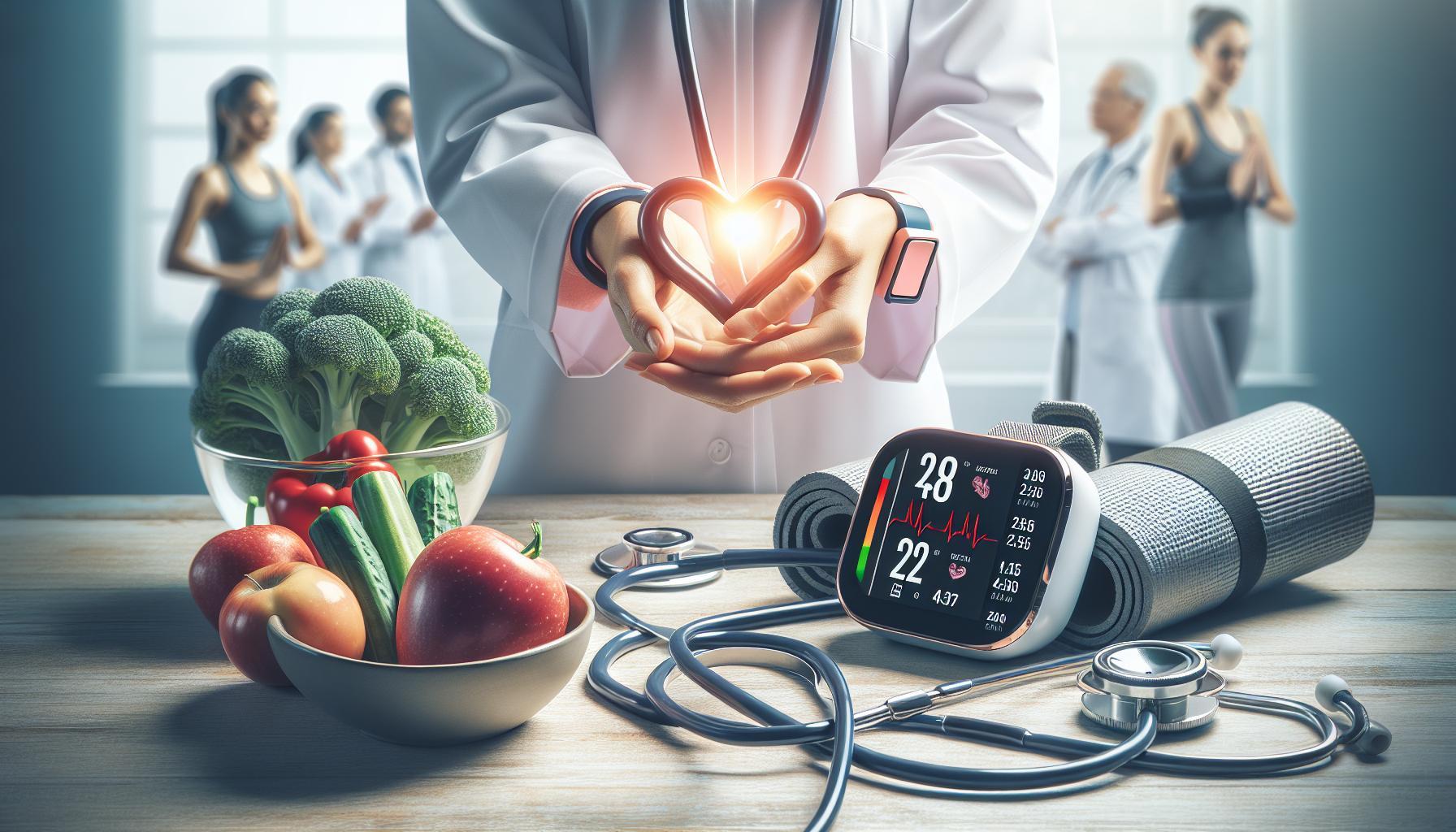

As COVID-19 transformed our world, concerns about its long-term health effects started to emerge, with many wondering how the virus might impact vital statistics like blood pressure. Recent studies suggest a potential link between COVID-19 infection and elevated blood pressure, highlighting an important health consideration for those recovering from the virus. Understanding this connection is critical as we navigate post-pandemic health.
High blood pressure can have serious implications for overall health, increasing the risk of heart disease, stroke, and other complications. For individuals who have experienced COVID-19, monitoring blood pressure may be more crucial than ever. Recognizing and addressing these changes can empower you to take proactive steps in managing your health.
Curious about the findings from recent research and what they mean for you? Join us as we explore how COVID-19 might influence blood pressure levels and what steps you can take to support your well-being in this new landscape.
The Link Between COVID-19 and Blood Pressure Changes
The COVID-19 pandemic has had profound effects not just on respiratory health, but also on cardiovascular systems, raising concerns about its potential impact on blood pressure regulation. Research indicates that individuals infected with the virus may experience changes in blood pressure, including hypertension and hypotension, due to the body’s inflammatory response and other mechanisms initiated by the disease. One of the pivotal factors is that COVID-19 can cause systemic inflammation and stress to various organs, including the heart and blood vessels, potentially exacerbating pre-existing conditions and leading to new cases of hypertension.
Several studies have highlighted a correlation between COVID-19 severity and blood pressure changes. For instance, those with severe infections are more likely to experience elevated blood pressure levels as a result of stressors associated with the illness, including increased heart rate and fluid retention. Consistent monitoring of blood pressure during and after recovery is critical, especially for individuals with cardiovascular risk factors. This ensures any significant fluctuations are promptly addressed, reducing the risk of further complications.
It is vital for individuals recovering from COVID-19 to adopt lifestyle modifications that can help manage and stabilize blood pressure. Simple changes such as engaging in regular physical activity, maintaining a healthy weight, and adhering to a balanced diet rich in fruits, vegetables, and whole grains can substantially contribute to cardiovascular health. Managing stress through mindfulness practices and getting adequate sleep also play essential roles in regulating blood pressure.
In summary, understanding is crucial for effective health management. Staying proactive about monitoring, making informed lifestyle adjustments, and seeking medical advice when necessary can empower individuals to maintain optimal cardiovascular health during and after the pandemic.
Recent Studies on COVID-19’s Impact on Cardiovascular Health
Research has increasingly shed light on the cardiovascular implications of COVID-19, revealing a complex interplay between the virus and blood pressure regulation. Emerging studies have demonstrated that COVID-19 infection may exacerbate pre-existing hypertension or lead to newly developed elevated blood pressure in previously healthy individuals. Notably, severe cases of COVID-19 are frequently associated with cardiovascular complications, including increased incidences of heart failure and stroke. This correlation is thought to arise from the body’s inflammatory response to the virus, which can affect blood vessels and heart function.
In addition to direct impacts, the stress induced by the illness-such as hospitalization, illness severity, and anxiety-has also been shown to elevate blood pressure levels. A recent meta-analysis indicated that individuals with COVID-19 who experienced severe symptoms had a significantly higher risk of developing hypertension post-recovery compared to those with mild symptoms. This highlights the importance of continuous blood pressure monitoring in patients recovering from COVID-19, particularly for those with prior cardiovascular conditions.
Monitoring blood pressure should be a routine part of follow-up care for COVID-19 survivors. Individuals are encouraged to regularly check their blood pressure at home and maintain a record to share with healthcare providers. Engaging in healthy lifestyle modifications, including a balanced diet, regular exercise, and stress management techniques, can help mitigate the risk of hypertension and improve overall cardiovascular health. It is essential for recovering patients to remain vigilant for any signs of elevated blood pressure, which may include headaches, dizziness, or shortness of breath, and to seek medical consultation when necessary.
Thus, the evolving body of research continues to emphasize the need for awareness and proactive management of cardiovascular health in the context of COVID-19. Understanding the potential ramifications on blood pressure is not only vital for immediate post-infection recovery but also for long-term health outlooks, making it imperative for patients and healthcare providers alike to prioritize cardiovascular assessments in COVID-19 follow-up care.
Understanding Hypertension: Causes and Risk Factors
Hypertension, commonly known as high blood pressure, affects millions of individuals worldwide and stands as a significant risk factor for cardiovascular diseases. Understanding the factors leading to hypertension is crucial, particularly in the context of recent studies suggesting a connection between COVID-19 and increased blood pressure levels. Various elements contribute to the development of hypertension, ranging from lifestyle choices to underlying health conditions.
Several lifestyle factors can elevate blood pressure, including:
- Diet: High salt intake, low potassium consumption, and excessive alcohol use can all contribute to rising blood pressure.
- Physical Inactivity: A sedentary lifestyle can lead to weight gain and increased blood pressure.
- Obesity: Excess body weight increases the strain on the heart and can cause hormonal changes that increase blood pressure.
- Stress: Chronic stress triggers hormonal responses that may temporarily increase blood pressure and, if sustained, can lead to long-term hypertension.
In addition to lifestyle factors, certain medical conditions and medications play a role. Conditions such as diabetes, kidney disease, and sleep apnea are linked to hypertension. Moreover, some over-the-counter medications, including nonsteroidal anti-inflammatory drugs (NSAIDs) and certain cold medications, can contribute to elevated blood pressure.
Genetics also plays a significant role in determining one’s risk of developing hypertension. Family history of high blood pressure can predispose individuals to similar issues. Age is another critical factor, as blood pressure tends to rise with advancing age due to vascular changes and increased stiffness in the arteries.
Given the potential repercussions of high blood pressure on health, monitoring it regularly is vital, especially for those affected by COVID-19. Individuals recovering from the virus should be aware of these risk factors and engage in proactive management strategies. Implementing lifestyle changes such as adopting a heart-healthy diet, maintaining a regular exercise routine, practicing stress reduction techniques, and monitoring blood pressure at home can significantly improve outcomes and lower hypertension risks. Taking charge of your health equips you to collaborate effectively with healthcare professionals in mitigating hypertension’s effects.
How COVID-19 Affects the Body’s Blood Pressure Regulation
The complex relationship between COVID-19 and the body’s blood pressure regulation has become increasingly evident, revealing how the virus can disrupt cardiovascular stability. One significant way COVID-19 affects blood pressure is through inflammation. The SARS-CoV-2 virus triggers a strong immune response that can lead to systemic inflammation, which, in some cases, results in endothelial dysfunction. This dysfunction impairs blood vessel flexibility and can cause a rise in blood pressure, as the arteries struggle to accommodate the flow of blood effectively.
Moreover, COVID-19 can induce changes in the autonomic nervous system, which plays a critical role in regulating blood pressure. For individuals suffering from the virus, stress responses and increased sympathetic nervous activity can lead to temporary spikes in blood pressure. This is particularly concerning for those with pre-existing hypertension, as their bodies may be unable to cope with the additional pressure.
Understanding the Implications
It’s crucial for individuals, especially those recovering from COVID-19, to monitor their blood pressure closely. Regular monitoring can help identify fluctuations that may signify the need for medical intervention. A practical approach includes:
- Daily Monitoring: Use a home blood pressure monitor to check your levels at different times of the day.
- Record Keeping: Maintain a log of your readings to discuss with your healthcare provider.
- Awareness of Symptoms: Be vigilant about symptoms such as headaches, dizziness, or blurred vision, which may indicate elevated blood pressure.
Taking Charge of Blood Pressure Management
Managing blood pressure effectively after a COVID-19 infection involves lifestyle modifications and possibly adjusting medications. Engaging in regular physical activity, following a heart-healthy diet rich in fruits, vegetables, and whole grains, and practicing stress management techniques such as mindfulness or yoga can create a supportive environment for cardiovascular health. Discussing any concerns or changes with healthcare professionals can provide further guidance tailored to individual health circumstances, ensuring a proactive rather than reactive approach in managing blood pressure.
In conclusion, understanding how COVID-19 can impact blood pressure helps empower individuals to take control of their health and work closely with medical experts for optimal outcomes.
Signs and Symptoms of Blood Pressure Fluctuations
Recognizing fluctuations in blood pressure is essential, especially for those recovering from COVID-19, as these changes can dramatically affect general health. Symptoms may not always be obvious, but several indicators can signal that your blood pressure may be rising or falling. It is important to pay attention to these signs and act accordingly. For many, fluctuations can manifest through a variety of physical sensations or tilts in well-being.
Common symptoms that may indicate changes in blood pressure include headaches, dizziness, and shortness of breath. Frequently, a throbbing headache can suggest elevated blood pressure levels, while dizziness might indicate either high or low blood pressure. In severe instances, fluctuations can provoke blurred vision or even fainting. Furthermore, feelings of inexplicable fatigue can also accompany unstable blood pressure, as the body struggles to maintain adequate blood flow.
To effectively monitor these symptoms, adopting a consistent routine that includes checking your blood pressure regularly can prove invaluable. Use a reliable home blood pressure monitor, taking readings at different times throughout the day. This allows you to capture variations and correlate them with any symptoms you’re experiencing. Recording these readings in a journal can also aid in identifying patterns, which can be beneficial in discussions with healthcare professionals.
In addition, it’s wise to remain vigilant about environmental and lifestyle factors that could impact your blood pressure. For instance, stress, high sodium intake, or lack of physical activity can contribute to spikes or drops in blood pressure. Understanding these connections allows you to take proactive measures-such as implementing stress-reduction techniques or adjusting your diet-to help stabilize your blood pressure and promote overall cardiovascular health. Always consult with healthcare providers if you experience severe symptoms or persistent fluctuations, as they can tailor advice and treatment options specific to your needs.
Monitoring Blood Pressure During and After COVID-19
Monitoring your blood pressure during and after COVID-19 is crucial, especially considering emerging research suggesting that infections may contribute to fluctuations. Regularly checking your blood pressure can help identify any irregularities early, which is essential for managing your cardiovascular health effectively. The CDC highlights that individuals recovering from COVID-19 might experience heightened stress levels and changes in lifestyle, both of which can impact blood pressure.
To stay informed about your blood pressure, follow these practical steps:
- Invest in a Quality Monitor: Choose a reliable home blood pressure monitor to track your readings. Automatic monitors can alleviate the hassle of manual checking.
- Establish a Routine: Take your readings at consistent times, such as in the morning and evening. This helps capture a comprehensive picture of your blood pressure throughout the day.
- Keep a Journal: Record your measurements in a dedicated journal, noting down any symptoms or lifestyle changes that may influence your readings, like stress or dietary adjustments.
- Understand Normal Ranges: Familiarize yourself with what constitutes normal blood pressure for you, as factors can vary by age and health history. The American Heart Association defines normal blood pressure as below 120/80 mmHg.
As you monitor, consider the potential effects of COVID-19 on your blood pressure regulation. Some studies indicate that the virus can impair vascular function and systemic inflammation, leading to increased risks for individuals with pre-existing hypertension or cardiovascular conditions. If you notice significant changes in your readings-like consistently elevated or low pressures-timely communication with your healthcare provider is essential for adjusting your management plan.
In addition to monitoring, creating a supportive environment for your cardiovascular health is equally important. Include lifestyle modifications, such as regular physical activity, a balanced diet rich in potassium and low in sodium, and stress-reducing practices like meditation. These proactive steps not only help maintain stable blood pressure but also promote overall long-term health, especially during recovery from any health challenges like COVID-19. Be mindful and empowered in your health journey; monitoring your blood pressure can significantly contribute to better management and quality of life.
Lifestyle Modifications for Managing Blood Pressure
Maintaining stable blood pressure is essential for overall health, particularly for those recovering from COVID-19, as studies suggest that the virus may impact cardiovascular function. Engaging in positive lifestyle modifications can not only help mitigate the risk of high blood pressure but also enhance general well-being. Adopting a heart-healthy routine that incorporates regular exercise, stress management, and dietary changes significantly contributes to better blood pressure control.
Exercise Regularly
Engaging in physical activity is one of the most effective methods for managing blood pressure. Aim for at least 150 minutes of moderate-intensity aerobic exercise each week. Activities such as brisk walking, cycling, or swimming can enhance heart health and improve circulation. Strength training exercises, performed at least twice a week, also help improve muscle mass and overall metabolism, further supporting blood pressure regulation.
Healthy Eating Habits
The foods you consume play a vital role in blood pressure management. Emphasize a diet rich in fruits, vegetables, whole grains, and lean proteins. The DASH (Dietary Approaches to Stop Hypertension) diet is specifically designed to promote heart health by reducing sodium intake while increasing nutrients that help lower blood pressure, such as potassium, calcium, and magnesium. Limit processed foods, which often contain high levels of salt and sugar, and focus on natural, whole food sources.
Stress Reduction Techniques
Stress has a direct impact on blood pressure levels, making relaxation techniques an essential component of lifestyle modifications. Consider incorporating practices such as meditation, yoga, or deep-breathing exercises into your daily routine. Even simple activities like taking a walk in nature or engaging in hobbies can significantly reduce stress and improve mental clarity.
Limit Alcohol and Quit Smoking
Both alcohol consumption and smoking have been linked to elevated blood pressure levels. Moderating alcohol intake to no more than one drink per day for women and two drinks for men can help maintain healthier blood pressure readings. If you smoke, seek support and resources to quit, as overcoming this habit can lead to significant long-term health benefits.
By implementing these lifestyle changes, individuals can empower themselves in the journey towards better blood pressure management, especially important for those impacted by COVID-19. Regularly monitoring blood pressure at home and maintaining open communication with healthcare providers will provide further support in navigating personal health goals. Remember, each small change can lead to meaningful progress in achieving and sustaining a healthy blood pressure.
The Role of Diet in Blood Pressure Control
A well-balanced diet serves as a cornerstone for maintaining optimal blood pressure levels, particularly for individuals affected by COVID-19. Research indicates that dietary choices significantly impact cardiovascular health and may help counteract blood pressure fluctuations that can arise post-infection. Emphasizing nutrient-rich foods can not only aid in blood pressure regulation but can also contribute to overall recovery and well-being.
To effectively manage blood pressure, consider incorporating the following dietary strategies:
Focus on Whole Foods
Aim to fill your plate with whole, unprocessed foods which are naturally lower in sodium and higher in essential nutrients. This includes:
- Fruits and Vegetables: Rich in potassium, magnesium, and fiber, these foods can help counteract the effects of sodium and reduce blood pressure.
- Whole Grains: Foods such as quinoa, brown rice, and oats provide fiber and other nutrients beneficial for heart health.
- Lean Proteins: Incorporating sources like fish, poultry, beans, and legumes can improve overall health while being heart-friendly.
DASH Diet Principles
The DASH (Dietary Approaches to Stop Hypertension) diet has shown significant promise in effectively lowering blood pressure. The fundamental principles of the DASH diet focus on:
- Reducing sodium intake to less than 2,300 milligrams a day, or ideally aiming for 1,500 milligrams.
- Encouraging high intake of fruits, vegetables, and low-fat dairy products.
- Limiting saturated fats, cholesterol, and sugars.
These simple adjustments can provide tangible health benefits, particularly for those trying to stabilize blood pressure in the aftermath of COVID-19.
Hydration and Alcohol Moderation
Staying hydrated is equally important; proper fluid intake can ensure your body maintains effective blood circulation. Aim for water as the primary beverage, limiting sugary drinks. Furthermore, regulating alcohol consumption is crucial, as excessive drinking can lead to elevated blood pressure levels. Recommendations suggest moderation: no more than one drink per day for women and two for men.
By embracing these dietary changes, individuals can significantly contribute to their cardiovascular health and effectively manage blood pressure. Creating a sustainable plan focused on whole, nutrient-rich foods provides not only a path to better health but also empowers individuals in their wellness journey. Regular monitoring of blood pressure, along with consultation with healthcare providers, will further bolster efforts in maintaining optimal health outcomes.
Medications and Treatments to Consider
Managing blood pressure, especially post-COVID-19, is crucial for promoting long-term health and preventing complications. As recent studies indicate a link between COVID-19 infection and increased blood pressure, individuals may need to reassess their treatment and medication strategies. Tailoring medications can be essential in effectively managing hypertension and reducing the risk of cardiovascular issues.
Healthcare professionals often recommend starting with antihypertensive medications for individuals experiencing significant blood pressure changes following COVID-19. Common classes of these medications include ACE inhibitors, ARBs (Angiotensin II Receptor Blockers), calcium channel blockers, and diuretics. Each class works by relaxing blood vessels, reducing fluid retention, or improving blood flow, which can help stabilize elevated blood pressure levels. For instance, ACE inhibitors not only lower blood pressure but may also provide added cardiovascular protection, making them a common first-line option.
Alongside pharmacological interventions, ongoing monitoring is vital. Regular blood pressure readings can help gauge the effectiveness of medications and are essential for adjusting dosages or changing therapies when necessary. Consider maintaining a blood pressure diary or using a home monitoring device. It not only empowers individuals about their health but also provides valuable information to healthcare providers for making informed decisions regarding treatment modifications.
Furthermore, it’s crucial to discuss all medications with healthcare professionals, particularly if patients have existing health conditions or are on other treatments, as there may be interactions. Never hesitate to express concerns or inquire about alternatives, especially if side effects from medications arise. Building a collaborative relationship with healthcare experts can lead to a personalized treatment plan that effectively manages blood pressure while considering overall health insights related to COVID-19 recovery.
By integrating these strategies into a comprehensive approach to health, individuals can take proactive steps towards maintaining optimal blood pressure and reducing the risks associated with the lingering effects of COVID-19.
Consulting Healthcare Professionals: When to Seek Help
Navigating health after COVID-19 can raise new questions, particularly regarding blood pressure management. If you’ve experienced significant fluctuations in your blood pressure-whether it’s spikes or drops-it’s essential to consult a healthcare professional. A study noted an increased prevalence of hypertension among COVID-19 patients, which emphasizes the need for vigilance in monitoring blood pressure after infection.
When to seek guidance from a healthcare provider largely depends on your specific symptoms and medical history. Here are several scenarios in which you should consider getting professional help:
- Persistent Elevation: If your blood pressure readings consistently exceed 130/80 mmHg, or significantly diverge from your pre-COVID levels, a healthcare professional can help assess whether a change in treatment is necessary.
- New Symptoms: If you experience new symptoms such as headaches, fatigue, or chest pain, it’s crucial to report these changes. They may indicate a need for further evaluation and management.
- Medication Concerns: If you have started new antihypertensive medications and notice side effects, don’t hesitate to reach out. Discussing potential adjustments with your doctor can ensure you find the right regimen that minimizes discomfort while effectively stabilizing your blood pressure.
- Long COVID Symptoms: If you suspect that lingering COVID symptoms are impacting your cardiovascular health, a healthcare professional can guide you through a comprehensive evaluation to address your concerns.
Developing a trusting relationship with your healthcare team can significantly enhance your management of blood pressure. Regular consultations allow for personalized care and can help integrate lifestyle changes that further stabilize your health. Monitoring your blood pressure at home using reliable digital monitors also equips you with valuable information to discuss during your appointments. This proactive engagement will pave the way for a collaborative effort in managing your blood pressure effectively, especially in the wake of COVID-19.
Staying informed about your health and recognizing when to seek help empowers you to take control of your well-being post-COVID. Each decision you make towards addressing your blood pressure is a step in promoting your long-term cardiovascular health.
Exploring Long COVID and Ongoing Health Risks
As thousands of individuals continue to navigate the aftermath of COVID-19, one of the more concerning outcomes has been the rise in reports of lingering health issues, often classified as Long COVID. This condition is characterized by persistent symptoms that can affect various body systems long after the initial infection has resolved. Among these, cardiovascular complications, such as increased blood pressure, have gained considerable attention. Recent studies indicate that individuals recovering from COVID-19 are seeing altered blood pressure readings, which could signal ongoing health risks.
The connection between COVID-19 and hypertension may stem from the virus’s impact on the vascular system. Research has shown that the inflammation caused by SARS-CoV-2 can lead to changes in blood vessel functioning, which in turn might contribute to elevated blood pressure. Understanding how to manage these fluctuations is crucial for those who have previously contracted the virus. Through regular monitoring, individuals can gain insights into their cardiovascular health, allowing for timely interventions if readings trend dangerously high.
Monitoring blood pressure at home using a reliable digital monitor can significantly aid in this process. Consider keeping a journal to record your daily readings, noting patterns that may emerge, especially in relation to physical activity, diet, and stress levels. If readings exceed 130/80 mmHg or if you experience symptoms like headaches or fatigue, consulting a healthcare professional is essential. They can assess these changes and may recommend lifestyle adjustments or medications designed to manage blood pressure effectively, minimizing the risks associated with Long COVID-related health problems.
A proactive approach is key in addressing the ongoing challenges of Long COVID. Engaging in lifestyle modifications, such as incorporating regular physical activity, practicing stress management techniques, and adhering to a balanced diet, can play a significant role in stabilizing blood pressure. Empower yourself by adopting these health strategies, as doing so not only aids in blood pressure control but also promotes overall wellness during recovery. Staying informed and responsive to your body’s signals will enhance your journey toward better cardiovascular health following COVID-19.
Future Research Directions on COVID-19 and Hypertension
The ongoing research into the long-term impact of COVID-19 on cardiovascular health is crucial, especially given the emerging evidence linking the virus with increased blood pressure. Understanding these associations can inform both clinical practice and patient management strategies. Researchers are beginning to explore the underlying mechanisms that may explain the increases in blood pressure in individuals post-COVID. These examinations could reveal whether the virus directly causes modifications in vascular tone or if it aggravates pre-existing conditions that lead to hypertension.
To further elucidate the relationship between COVID-19 and hypertension, future studies may focus on longitudinal analyses, where researchers track blood pressure patterns over time in those infected with the virus. By comparing these fluctuations to non-infected individuals, scientists can confirm if COVID-19 leads to enduring changes. Additionally, investigations into the role of inflammation and endothelial dysfunction, caused by SARS-CoV-2, may reveal critical insights, paving the way for targeted therapeutic interventions.
The exploration of demographic variables-such as age, sex, and existing co-morbidities-will also be a significant area. Do these factors influence the extent to which COVID-19 affects blood pressure, and can specific groups be deemed at higher risk? Understanding these trends will empower healthcare professionals to customize monitoring and treatment plans.
Importantly, research will need to translate findings into actionable guidelines for managing blood pressure post-COVID. This may include recommendations for lifestyle changes, dietary modifications, and potential pharmacological therapies tailored for patients with a history of COVID-19. The goal is to not only address the immediate spikes in blood pressure but also to mitigate long-term cardiovascular risks, enhancing patient outcomes in the face of an evolving pandemic landscape.
Frequently asked questions
Q: Can COVID-19 cause high blood pressure?
A: Yes, COVID-19 can lead to elevated blood pressure levels. Inflammation and stress responses associated with the virus may disrupt normal blood pressure regulation, potentially resulting in hypertension during or after illness. Monitoring blood pressure is essential for individuals recovering from COVID-19.
Q: How does COVID-19 affect heart health?
A: COVID-19 can impact heart health by increasing the risk of blood clots, inflammation, and stress on the cardiovascular system. This may lead to long-term issues such as hypertension or heart disease, emphasizing the importance of regular cardiovascular assessments after recovery.
Q: What are the signs of blood pressure changes during COVID-19?
A: Signs of blood pressure changes can include headaches, dizziness, fatigue, and chest pain. If these symptoms arise during COVID-19, it is vital to monitor blood pressure closely and consult a healthcare professional for guidance and management.
Q: When should I monitor my blood pressure after a COVID-19 infection?
A: It is advisable to monitor your blood pressure regularly during recovery from COVID-19, especially if you previously had hypertension or experienced symptoms related to blood pressure changes. Keeping a log can help you track fluctuations and discuss findings with your healthcare provider.
Q: Are there lifestyle changes to manage blood pressure post-COVID?
A: Yes, adopting a heart-healthy lifestyle can help manage blood pressure after COVID-19. This includes regular exercise, a balanced diet low in sodium, stress management techniques, and adequate hydration. Consult the section on lifestyle modifications for more detailed guidance.
Q: Could COVID-19 cause long-term hypertension issues?
A: Emerging studies suggest that COVID-19 may contribute to long-term hypertension in some individuals due to lingering effects on the cardiovascular system. Continuous monitoring and regular check-ups are crucial to identify and address any long-term blood pressure concerns.
Q: Why is it important to address blood pressure changes after COVID-19?
A: Addressing blood pressure changes is vital to prevent long-term cardiovascular complications. Hypertension can increase the risk of heart attacks, strokes, and other serious conditions. Early intervention and lifestyle changes can improve overall health outcomes.
Q: How can I safely lower my blood pressure after COVID-19?
A: Safely lowering blood pressure involves lifestyle changes such as reducing salt intake, exercising regularly, maintaining a healthy weight, and managing stress. It’s also important to work with healthcare providers to adjust any medications as necessary for effective management.
Concluding Remarks
In conclusion, understanding the relationship between COVID-19 and blood pressure is crucial for managing your health effectively. As recent studies indicate, the increased stress and physiological changes during and after COVID-19 can elevate blood pressure levels. It’s essential to monitor your blood pressure regularly, especially if you have or have had COVID-19. For personalized strategies on managing your blood pressure, check out our articles on “Home Blood Pressure Monitoring Tips” and “Living Well After COVID-19.”
We encourage you to stay informed and take proactive steps in your health journey. Consider signing up for our newsletter to receive the latest insights and resources directly to your inbox. If you have any questions or experiences to share, please leave a comment below. Your engagement not only helps us create content that matters, it also builds a community focused on health and wellness. Together, let’s navigate this journey towards better health!