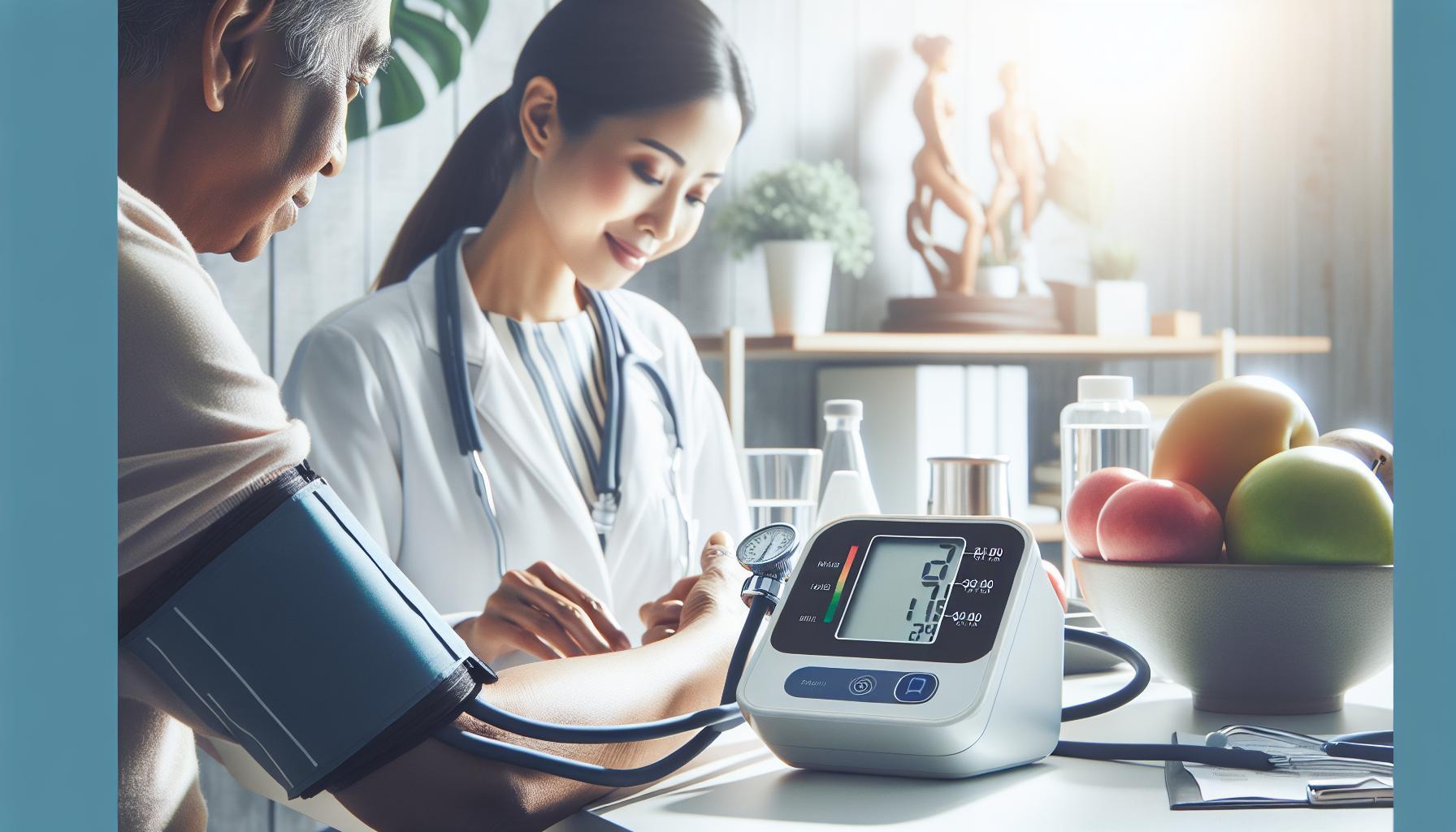

Have you ever wondered how a simple cold could affect your overall health, specifically your blood pressure? Many people experience fluctuations in their blood pressure when they’re sick, and understanding this connection is essential for effective health management. When the body fights off infections, such as a cold, stress hormones and inflammation can trigger temporary increases in blood pressure, leading to symptoms that may concern you.
Monitoring your blood pressure during times of illness is crucial, especially for individuals with existing hypertension or cardiovascular concerns. By learning more about this relationship, you can empower yourself to recognize potential warning signs and take proactive steps to manage your health. Join us as we explore how a cold may impact your blood pressure and what you can do to navigate these challenges safely.
Does a Cold Raise Blood Pressure? Understanding the Connection
While experiencing a cold, many people might wonder how their illness affects vital health metrics, particularly blood pressure. Research indicates that being sick can lead to fluctuations in blood pressure due to various factors related to the body’s response to infection. When fighting off a virus, such as the common cold, the body releases hormones and other chemicals that can constrict blood vessels, potentially raising blood pressure levels. Additionally, systemic inflammation that occurs with infections can lead to increased vascular resistance, which may further exacerbate hypertension.
Moreover, the common symptoms associated with a cold, such as congestion, fever, and pain, create stress on the body, which in turn can influence blood pressure readings. For individuals with pre-existing hypertension, a cold may result in significant challenges since the combination of stress, physical strain, and whatever treatments are being used can complicate management of their blood pressure. Understanding this connection is crucial for anyone actively monitoring their cardiovascular health, as addressing these symptoms promptly can help in maintaining a stable blood pressure level during illness.
Managing blood pressure when sick requires proactive health strategies. Here are some steps you can take:
- Monitor Your Blood Pressure: Use a reliable blood pressure monitor to keep track of your readings, especially during a cold.
- Stay Hydrated: Fluid intake is vital for maintaining blood volume and can help prevent rises in blood pressure.
- Consult Your Doctor: Discuss your cold symptoms and blood pressure management with a healthcare professional, especially if you’re on medication.
- Avoid Stressors: Stress can exacerbate blood pressure problems, so try relaxation techniques like deep breathing or gentle yoga.
Overall, we must recognize that while a cold may present temporary increases in blood pressure, mindful and deliberate health practices can mitigate these changes. Staying informed and prepared empowers individuals to manage their health proactively, particularly as they navigate common illnesses.
The Science Behind Blood Pressure Changes When Ill
When illness strikes, many people are surprised to find that it can affect not just their physical well-being but also their blood pressure. Understanding this connection is essential for anyone concerned about cardiovascular health during the cold season. The body reacts to infection, such as the common cold, by releasing a host of hormones and chemicals designed to defend against intruders. These substances, while vital for immune response, can inadvertently lead to elevated blood pressure by causing blood vessels to constrict and increasing vascular resistance.
During a cold, stress from symptoms like fever, congestion, and even body aches can further complicate blood pressure levels. The body under duress will often mount a fight-or-flight reaction, leading to higher heart rates and changes in how blood vessels operate. This scenario is particularly concerning for individuals with pre-existing hypertension, as the additional physiological stress can prompt fluctuations in their already delicate blood pressure readings. Recognizing this interaction is crucial; staying informed allows you to manage these variations with more confidence.
To effectively monitor and manage blood pressure during illness, make it a habit to check your readings regularly, especially if you have a history of hypertension. Using a home blood pressure monitor can provide valuable insights and enable timely interventions. Additionally, keeping hydrated is crucial, as adequate fluid intake helps maintain blood volume, reducing the risk of spikes in blood pressure. If symptoms worsen or if you experience significantly elevated readings, consulting a healthcare professional is essential for tailored advice and management strategies.
Ultimately, knowledge about how colds influence blood pressure empowers individuals to take proactive steps in maintaining their health during sickness. By understanding the interplay of immune responses and hypertension, you can better navigate cold season challenges, ensuring that your cardiovascular health remains a priority even in times of illness.
Common Symptoms of a Cold and Their Effects on Blood Pressure
Feeling under the weather with a cold can unleash a cascade of symptoms that not only disrupt daily life but also influence blood pressure. Common symptoms like fever, coughing, nasal congestion, and general fatigue are often perceived as mere inconveniences; however, they also carry implications for cardiovascular health. For individuals with pre-existing hypertension or those at risk, understanding how these symptoms can affect blood pressure is crucial.
When experiencing a cold, your body enters a state of stress as it battles the infection. Fever raises heart rate and increases metabolic demands, often leading to elevated blood pressure. Similarly, congestion can result in increased vascular resistance, which may further strain the cardiovascular system. Even coughing, while a natural defense mechanism, puts additional stress on the body, potentially contributing to fluctuations in blood pressure. These responses are amplified in those with health conditions like heart disease, where monitoring becomes even more essential.
To manage blood pressure effectively during a cold, regular monitoring is key. Consider the following tips for managing symptoms while keeping your blood pressure in check:
- Check your blood pressure frequently: Use a home monitor to track any changes, particularly if you notice a worsening of symptoms.
- Stay hydrated: Drinking plenty of fluids can help maintain blood plasma volume and regulate your blood pressure.
- Limit stimulants: Reducing caffeine and nicotine can help avoid unnecessary spikes in blood pressure.
- Rest and recover: Prioritize sleep and relaxation to allow your body the best chance at fighting off the infection.
Being proactive about managing your health during a cold not only aids in recovery but also ensures that blood pressure remains stable. Awareness of how cold symptoms interplay with cardiovascular health empowers individuals to make informed choices and seek medical advice when necessary, especially if significant changes in blood pressure are observed.
How Your Immune Response Influences Blood Pressure
When your body is faced with an infection like a cold, the immune response can significantly impact your blood pressure. When pathogens invade, your immune system releases various signaling molecules such as cytokines, which help coordinate the body’s defense mechanisms. This process can create a state of inflammation, causing blood vessels to constrict or dilate, which subsequently affects blood pressure levels. For instance, when blood vessels constrict due to inflammation, you may experience an increase in blood pressure, posing a risk, especially for individuals with pre-existing hypertension.
Additionally, the physiological stress from dealing with a cold can elevate cortisol levels, the body’s main stress hormone. Elevated cortisol can not only increase your heart rate but also lead to heightened blood pressure. This combination of immune response and stress can create fluctuations in blood pressure that may be concerning for individuals already managing cardiovascular conditions. Awareness of these interactions is crucial for monitoring health during illness.
To effectively navigate these changes, proactive measures are essential. Here are key strategies to consider:
- Regular Monitoring: Continuously check your blood pressure to observe any significant changes. Keeping a log can help identify patterns correlating with your symptoms.
- Focus on Nutrition: A diet rich in fruits, vegetables, and whole grains can help support your immune response and maintain stable blood pressure levels.
- Limit Sodium Intake: Excess sodium can exacerbate blood pressure issues, especially during a cold when your body is under additional stress.
- Practice Relaxation Techniques: Stress management strategies like deep breathing exercises or gentle yoga can lower stress hormones and help stabilize blood pressure.
By understanding how your immune response can influence blood pressure, you’re better equipped to manage your health during a cold. Taking an active role in monitoring and making informed lifestyle adjustments can empower you to maintain more stable blood pressure levels, enabling a smoother recovery process.
The Role of Stress and Anxiety During Illness
Physical illness can be a significant source of stress and anxiety, particularly when dealing with the discomforts of a cold. As your body engages in its fight against the infection, the stress response kicks in, leading to an increase in stress hormones such as cortisol. One fascinating aspect of this is that elevated cortisol not only manages the immediate physical stressors but also impacts cardiovascular health. It can contribute to higher blood pressure levels, putting additional strain on your heart, especially if you already have underlying conditions.
Managing stress and anxiety during illness is crucial for maintaining stable blood pressure. Engaging in simple relaxation techniques can have a profound effect. For instance, practicing deep breathing exercises for just a few minutes can help lower cortisol levels and promote relaxation. Consider setting aside time in your day for activities that calm your mind, such as gentle yoga, meditation, or even a soothing bath. These approaches not only foster a more relaxed state but can also facilitate recovery from a cold by supporting your immune system.
Another effective way to reduce stress is through social support. Connecting with friends or loved ones, even virtually, can provide reassurance and reduce feelings of isolation that often accompany illness. Sharing experiences and feelings with others may help diminish anxiety and create a supportive environment that encourages positive health practices. Maintaining regular interactions can remind you that you’re not alone in your struggles, which is a powerful tool for well-being.
In summary, being proactive about managing stress and anxiety when you have a cold is essential for blood pressure regulation and overall health. Incorporate strategies that resonate with you, monitor your body’s responses, and adjust your activities accordingly to foster a sense of control and comfort in the face of illness. Taking these steps empowers you to navigate through recovery while keeping your blood pressure in check.
Factors That Affect Blood Pressure in Cold Weather
Exposure to cold weather can significantly influence blood pressure levels, often resulting in a temporary increase. When you’re out in the cold, your body responds by constricting blood vessels to preserve heat, which can lead to higher blood pressure. This physiological response, while essential for maintaining core body temperature, can pose risks, especially for individuals with pre-existing hypertension or cardiovascular conditions.
The relationship between cold exposure and blood pressure is further complicated by other environmental and behavioral factors. For instance, during cold weather, people are more likely to engage in activities that could inadvertently raise their blood pressure, such as drinking caffeinated beverages to keep warm or consuming comfort foods high in sodium. Additionally, the tendency to stay indoors can lead to a more sedentary lifestyle, which is known to negatively affect overall heart health and blood pressure regulation.
Practical Tips for Managing Blood Pressure in Cold Weather
To help manage blood pressure during colder months, consider adopting these strategies:
- Dress in Layers: Keeping warm reduces the need for your body to constrict blood vessels, which can help maintain stable blood pressure.
- Monitor Your Blood Pressure Regularly: Keep a home blood pressure monitor to track changes, especially after significant temperature drops.
- Stay Hydrated: Cold weather can sometimes mask feelings of thirst, which can lead to dehydration-a factor that may elevate blood pressure.
- Engage in Light Activity: Finding ways to stay active indoors, such as stretching or yoga, can mitigate the effects of a sedentary lifestyle.
- Avoid Excess Sodium: Be mindful of your dietary choices, focusing on low-sodium options to help manage blood pressure more effectively.
Understanding the interplay between cold weather and blood pressure can empower individuals to take proactive steps in maintaining their health, even when the temperature drops. By recognizing the factors that contribute to blood pressure fluctuations, you can better prepare and adjust your lifestyle to support cardiovascular health during the colder seasons.
Medications: Do Cold Remedies Impact Blood Pressure?
Certain cold remedies, particularly those that contain decongestants, can have significant implications for blood pressure management. Decongestants work by narrowing blood vessels in the nasal passages to reduce swelling and congestion, but this mechanism can also lead to increased blood pressure. For individuals with pre-existing hypertension or those at risk, it’s crucial to scrutinize the ingredients in over-the-counter cold medications. Many common products include pseudoephedrine or phenylephrine, both of which can cause elevation in blood pressure.
When considering cold remedies, it is vital to use caution and engage in active monitoring of blood pressure, especially if symptoms of a cold arise during times when blood pressure may already be a concern. Regularly checking blood pressure at home can yield insights into how medications may be affecting your levels. If you notice significant changes, it’s advisable to consult with a healthcare provider.
Although decongestants are among the most prevalent in cold remedies, other products may also interact with blood pressure. For example, some antihistamines can have sedative properties that might impact blood pressure indirectly by affecting heart rate or causing drowsiness, potentially leading to a decrease in physical activity. Likewise, analgesics like ibuprofen may not have a direct effect on blood pressure but can influence kidney function, which plays a key role in blood pressure regulation.
To effectively manage your cold symptoms while keeping blood pressure in check, consider the following strategies:
- Choose Your Over-the-Counter Medications Wisely: Opt for cold remedies labeled as “blood pressure friendly.” Many formulations are now available that exclude decongestants.
- Consult a Pharmacist: Seek advice from a pharmacist who can suggest alternatives that won’t exacerbate blood pressure issues.
- Monitor Your Diet: Increase hydration and limit sodium intake, which can also elevate blood pressure.
- Natural Remedies: Explore safe alternatives like steam inhalation or saline nasal sprays that can help relieve congestion without the adverse effects of decongestants.
When you’re feeling unwell, maintaining your health includes being vigilant about the medications you take. Understanding how these remedies interact with your body can empower you to make informed choices for both managing cold symptoms and maintaining healthy blood pressure levels.
Natural Remedies for Managing Blood Pressure When Sick
When sickness strikes, especially with a common cold, many individuals may worry about how their overall health, particularly blood pressure, is affected. Fortunately, there are various natural remedies that can help manage blood pressure levels while alleviating cold symptoms. Emphasizing a holistic approach not only aids in symptom relief but also fosters a sense of well-being during recovery.
Stay Hydrated
Proper hydration is essential for maintaining optimal blood pressure, especially when dealing with a cold. Drinking plenty of fluids, such as water, herbal teas, and broths, keeps the body hydrated, helps thin mucus, and supports the immune system. Aim for at least 8-10 cups of fluids a day, adjusting based on activity level and other health conditions.
Herbal Teas and Infusions
Certain herbal teas can be particularly beneficial. For instance, hibiscus tea has been shown to have antihypertensive properties. Chamomile tea can help reduce anxiety and promote relaxation, which may indirectly benefit blood pressure levels. Ginger tea is also worth considering, as it can boost circulation and has anti-inflammatory properties that may help with cold symptoms.
Regulate Your Diet
During a cold, it’s essential to focus on a balanced diet rich in fruits and vegetables. Foods high in potassium, such as bananas and sweet potatoes, can help lower blood pressure. Incorporating omega-3 rich foods, such as fatty fish, walnuts, and flaxseeds, supports cardiovascular health. Be mindful to limit salt intake, as sodium can contribute to higher blood pressure.
Gentle Movement and Breathing Techniques
Even when feeling under the weather, engaging in light stretching or gentle yoga can aid relaxation and promote better circulation. Coupled with deep breathing exercises, these practices can reduce stress, which is crucial in managing blood pressure. Take a few moments each day to practice mindfulness or focused breathing to help ease stress and contribute to overall well-being.
By embracing these natural remedies, individuals can engage in proactive management of their health while navigating the discomfort of a cold. Maintaining vigilance regarding hydration, dietary choices, and light activity can empower those who are unwell to better control their blood pressure and promote recovery.
Monitoring Blood Pressure: Tools and Techniques
When dealing with a cold, monitoring your blood pressure can be crucial, particularly because illness can affect your cardiovascular health. Understanding how to effectively track your blood pressure empowers you to manage your health proactively, helping to identify any troubling changes that may arise during illness. With the right tools and techniques, you can keep a close eye on your blood pressure and respond appropriately if readings deviate from your normal range.
Tools for Blood Pressure Monitoring
To measure your blood pressure accurately, consider investing in a reliable home blood pressure monitor. There are various types available, including digital monitors that are easy to use and allow for quick readings. Some models offer advanced features such as Bluetooth connectivity to sync data with your smartphone, making it easier to track your measurements over time. Look for monitors validated by health organizations, ensuring that they provide accurate readings.
Steps for Accurate Measurement
Achieving consistent and accurate blood pressure readings requires following some key steps:
- Choose the Right Time: Monitor your blood pressure at the same times each day-preferably in the morning and evening-when you are calm and have not engaged in strenuous activity.
- Prepare Your Body: Sit comfortably for at least five minutes before taking a reading. Avoid caffeine, tobacco, and exercise for 30 minutes prior to using the monitor.
- Positioning: Sit with your back supported, feet flat on the ground, and arm at heart level. Use the correct cuff size for your arm circumference-an improperly sized cuff can lead to inaccurate readings.
- Take Multiple Readings: It’s advisable to take two to three readings one minute apart and keep a log of the results to better identify patterns.
Understanding Your Readings
Knowing how to interpret your readings is crucial for effective monitoring. Blood pressure is expressed in millimeters of mercury (mmHg) and is shown as two numbers: systolic (the first number) and diastolic (the second number). A typical reading might be around 120/80 mmHg, but levels can fluctuate when you are sick. If your readings consistently exceed 130/80 mmHg, it’s important to consult with a healthcare professional, particularly if you notice additional symptoms like headaches or dizziness.
By dedicating time to monitor your blood pressure effectively, you will be better equipped to manage your health when facing a cold. This proactive approach helps you stay informed and allows for timely adjustments in your self-care routines, whether through lifestyle changes or discussions with your healthcare provider.
When to Seek Medical Help for Blood Pressure Issues
When dealing with a cold, it’s essential to remain vigilant about your blood pressure, as illness can lead to fluctuations that might indicate deeper issues. If you notice significant changes in your readings or experience symptoms like dizziness, chest pain, or severe headaches, it’s crucial to seek medical help. These symptoms could signify that your body is wrestling with more than just a cold, especially if you have a history of hypertension or cardiovascular problems.
Monitoring your blood pressure closely while sick can help you determine if your symptoms are typical of a cold or if they warrant further investigation. Here are some guidelines to help you decide when to reach out to a healthcare provider:
- Consistent High Readings: If your blood pressure consistently exceeds 130/80 mmHg during your illness, this is a reason to consult with a doctor, particularly if you are not typically hypertensive.
- Accompanying Symptoms: Pay attention to additional symptoms. If you experience shortness of breath, significant fatigue, or sharp chest pain alongside high blood pressure readings, seek medical attention immediately.
- Duration of symptoms: If cold symptoms persist beyond 10 days or worsen instead of improving, this could indicate a secondary infection or complications that may affect your cardiovascular health.
- Medication Side Effects: If you’re taking over-the-counter cold medications, monitor for side effects that might elevate your blood pressure, and discuss these with your healthcare provider if concerns arise.
Even if symptoms seem mild, erring on the side of caution is always wise. Your healthcare provider can offer specific insight into how your cold might be affecting your blood pressure and what steps to take next. Remember, taking proactive steps and communicating openly about your health is key to managing your condition effectively.
Preventive Strategies for Cold and Blood Pressure Management
Staying healthy during cold and flu season is crucial, especially for those managing blood pressure. The stress of an illness can lead to fluctuations in blood pressure, making it essential to incorporate preventive strategies into your routine. Maintaining a healthy lifestyle not only helps reduce the risk of contracting colds but can also contribute to better blood pressure control.
- Stay Hydrated: Drinking plenty of fluids helps maintain blood viscosity and supports overall cardiovascular health. Aim for water, herbal teas, and clear broths to keep your body hydrated and your blood pressure stable.
- Eat a Balanced Diet: Incorporate fruits, vegetables, whole grains, and lean proteins into your meals. Foods rich in potassium, like bananas and spinach, can help balance sodium levels and promote healthier blood pressure.
- Exercise Regularly: Physical activity is vital for blood pressure management. Even moderate exercise can enhance your immune response and lower stress levels, reducing the severity of cold symptoms and bolstering heart health.
- Prioritize Sleep: Adequate rest is critical when you’re trying to fend off illness. Sleep helps regulate stress hormones, which can otherwise elevate blood pressure. Strive for 7-9 hours of sleep per night for optimal recovery and health.
- Practice Stress Management: Chronic stress can have a detrimental effect on blood pressure. Engage in relaxation techniques such as deep breathing, meditation, or yoga, particularly during cold season when pressure can intensify.
Monitoring your blood pressure at home is a proactive step that can help you catch any concerning trends early. Consider keeping a daily log of your readings along with notes on your symptoms and any medications you’re taking. This information can empower your discussions with healthcare providers and help tailor your management strategies.
Lastly, if you know you’re prone to respiratory infections, consider getting a flu shot annually. Vaccination can help reduce the incidence of illness, thereby minimizing blood pressure fluctuations linked to colds and flus. By taking these preventive steps, you empower yourself to navigate cold season with a stronger immune system and better control over your blood pressure.
Long-Term Effects of Frequent Colds on Blood Pressure
Frequent colds may seem harmless, but their cumulative effect on your body can be more significant, especially for those concerned about blood pressure. Research indicates that repeated bouts of upper respiratory infections, like colds, can lead to inflammation, which might destabilize blood pressure levels over time. Understanding this relationship is crucial for maintaining cardiovascular health.
Chronic inflammation, a common consequence of recurrent colds, can result in changes to blood vessels, potentially leading to heightened blood pressure. This occurs because the body’s immune response, while necessary for fighting off infections, can lead to elevated levels of stress hormones and other chemicals that constrict blood vessels. Over time, these physiological responses may contribute to the development of hypertension in predisposed individuals. Regularly monitoring your blood pressure during cold season, especially if you experience frequent colds, can help you detect any concerning patterns early.
To mitigate the , consider implementing preventive strategies. These can include maintaining a robust immune system with a balanced diet rich in antioxidants, engaging in regular exercise to reduce stress, and prioritizing quality sleep to support recovery. Additionally, staying hydrated helps maintain optimal blood viscosity and promotes better blood flow, which can counteract the pressure effects heightened by illness. Developing these healthy habits not only helps reduce the frequency of colds but also supports overall cardiovascular health, making it easier to manage blood pressure effectively.
If you find yourself plagued by recurrent colds, it may be wise to consult with a healthcare professional. They can assess your individual risk factors, offer tailored advice, and possibly recommend interventions that further reduce your vulnerability to infections. By taking proactive steps, you empower yourself to maintain better control over your health, ensuring that your blood pressure remains stable, even amid the challenges of cold season.
Faq
Q: Does having a cold affect heart rate?
A: Yes, having a cold can increase your heart rate due to the body’s stress response and the effort required to fight off the infection. Monitoring your heart rate can help assess how your body is responding to the illness. Refer to sections on heart health during illness for more information.
Q: What are the symptoms of a cold that might influence blood pressure?
A: Common cold symptoms such as coughing, sneezing, and nasal congestion can stress the body, possibly affecting blood pressure. Anxiety and discomfort associated with these symptoms can also contribute to temporary spikes in blood pressure during illness.
Q: How can I manage blood pressure while I have a cold?
A: Manage your blood pressure during a cold by staying hydrated, resting, and avoiding caffeine and alcohol. Regularly monitor your levels with home tools and consider natural remedies like warm herbal teas to soothe symptoms and potentially stabilize blood pressure.
Q: What role does dehydration play in blood pressure when sick?
A: Dehydration can lead to lower blood volume, potentially causing blood pressure to drop. However, if you’re ill with a cold, dehydration may sometimes cause compensatory spikes in blood pressure. Ensure adequate fluid intake while sick to maintain proper hydration.
Q: Can stress from being sick raise blood pressure levels?
A: Yes, stress from illness can activate the body’s fight-or-flight response, which may result in increased blood pressure. It’s important to practice relaxation techniques, such as deep breathing or meditation, to manage stress and help maintain healthy blood pressure.
Q: Are certain cold medications likely to raise blood pressure?
A: Yes, some over-the-counter cold medications contain decongestants, which can increase blood pressure. Always read labels carefully and consult with a healthcare provider if you have high blood pressure and require cold medication.
Q: What lifestyle changes can help keep blood pressure stable during a cold?
A: Maintaining a balanced diet rich in fruits and vegetables, staying active with light movements if possible, and practicing good sleep hygiene can support stable blood pressure levels. Accessible lifestyle tips are available in the preventive strategies section of the article.
Q: When should I consult a doctor about blood pressure while sick?
A: Consult a doctor if your blood pressure readings are consistently high, or if you experience symptoms such as severe headaches, chest pain, or shortness of breath while sick. Early intervention is crucial for managing potential complications.
In Conclusion
Understanding the relationship between a cold and blood pressure is crucial for managing your health effectively. While a cold can lead to temporary increases in blood pressure due to stress and inflammation, it’s important to monitor your symptoms and maintain a healthy lifestyle. If you’re concerned about your blood pressure during illness, check out our articles on “Managing Blood Pressure during Illness” and “Lifestyle Changes for Better Heart Health” for practical tips and deeper insights.
Take control of your health today by subscribing to our newsletter for the latest advice and resources! Have questions or personal experiences to share? We encourage you to leave a comment below-your input not only helps us improve but also supports others facing similar challenges. Remember, proactive health management is your best defense against complications, so explore our site for more valuable information on blood pressure monitoring and overall well-being.