


As health awareness grows, many individuals seek effective ways to monitor their well-being, with blood pressure management being a top concern. Fitness trackers like Fitbit have transformed our approach to health by providing insights into daily activity and sleep patterns. But can they also track blood pressure? Understanding the capabilities of these devices is crucial for those looking to take charge of their health.
Monitoring blood pressure is vital for preventing conditions such as hypertension and heart disease. Fitbit devices offer various features aimed at encouraging a healthier lifestyle, but the specifics of their blood pressure tracking capabilities can often be unclear. This article will delve into what Fitbits can offer in terms of blood pressure monitoring, helping you make informed decisions about integrating this technology into your health routine and empowering you to achieve your health goals.
Does a Fitbit Track Blood Pressure? An Overview of Capabilities
While Fitbits are celebrated for their ability to monitor a variety of health metrics, it’s important to understand the specifics of how they relate to blood pressure tracking. Currently, Fitbits do not directly measure blood pressure like traditional sphygmomanometers or dedicated blood pressure monitors. Instead, Fitbit devices primarily track heart rate and physical activity, which can indirectly assist users in managing their overall cardiovascular health.
By utilizing heart rate variability and other physiological indicators, Fitbit can provide insights into fitness levels and overall heart health. Additionally, these trackers often feature functions like stress management and sleep monitoring, which can be crucial for maintaining healthy blood pressure levels. However, while these features are valuable for general wellness, they do not replace the need for accurate blood pressure measurements, particularly for individuals with hypertension or other cardiovascular conditions.
For those interested in blood pressure tracking, it is advisable to use a dedicated blood pressure monitor alongside a Fitbit. This combination can provide a comprehensive view of one’s health by correlating heart rate data from the Fitbit with precise blood pressure readings. Regularly measuring blood pressure with a proper device-ideally at the same time each day-ensures reliable tracking and can assist users in recognizing patterns or fluctuations that may require consultation with a healthcare provider.
Ultimately, while a Fitbit offers useful health insights, it should complement, not substitute, for dedicated blood pressure monitoring tools to effectively track and manage cardiovascular health.
Understanding Blood Pressure Tracking Technologies
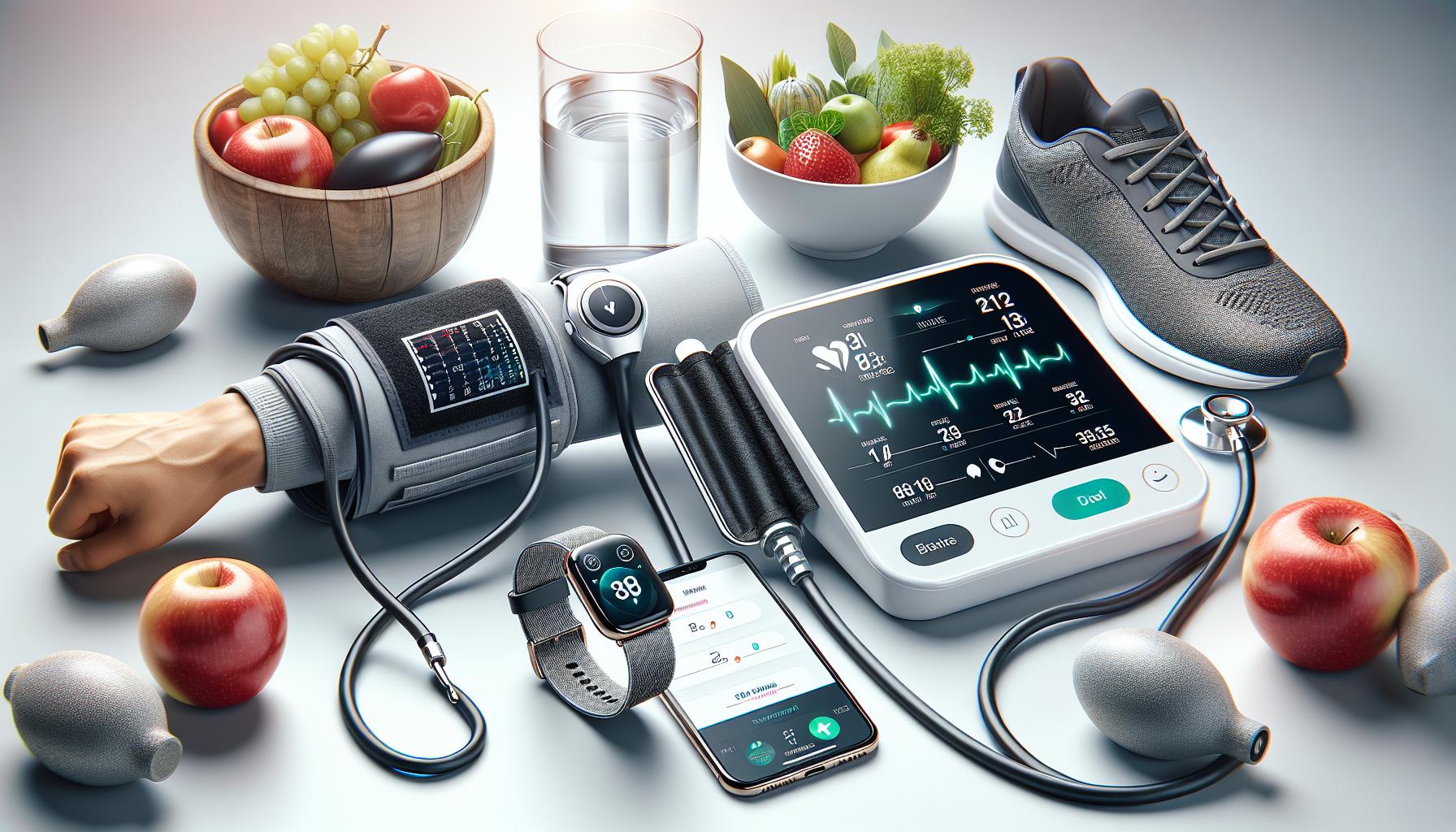
Understanding how blood pressure tracking technologies work can significantly enhance your ability to manage cardiovascular health. Fundamentally, blood pressure is the force of blood against the walls of your arteries, and accurate monitoring is crucial for identifying potential health issues early. While traditional devices like sphygmomanometers remain the gold standard for measuring this vital sign, newer technologies, including wearable fitness trackers, offer convenient alternatives for monitoring overall health.
Fitness trackers utilize various sensors and algorithms to analyze physiological data related to heart health. For instance, many modern devices use photoplethysmography (PPG) technology, which measures changes in blood volume in the microvascular bed of tissues to estimate heart rate and, by extension, cardiovascular performance. Although Fitbits cannot measure blood pressure directly, their ability to track heart rate variability can provide indirect insights into your heart health. Engaging with features like stress tracking and sleep analysis can also help you identify potential factors that influence blood pressure levels.
To effectively track blood pressure, combining a Fitbit with a dedicated blood pressure monitor is highly recommended. This approach allows you to correlate heart rate data from your Fitbit with precise blood pressure readings, giving a more comprehensive picture of your cardiovascular health. Aim to take your blood pressure at the same time each day for consistent results, and consider sharing this data with your healthcare provider to better inform your health management strategies. The integration of cutting-edge technology in health management empowers you to stay informed, proactive, and engaged in maintaining your well-being.
How Fitbit Measures Heart Rate and Activity Levels
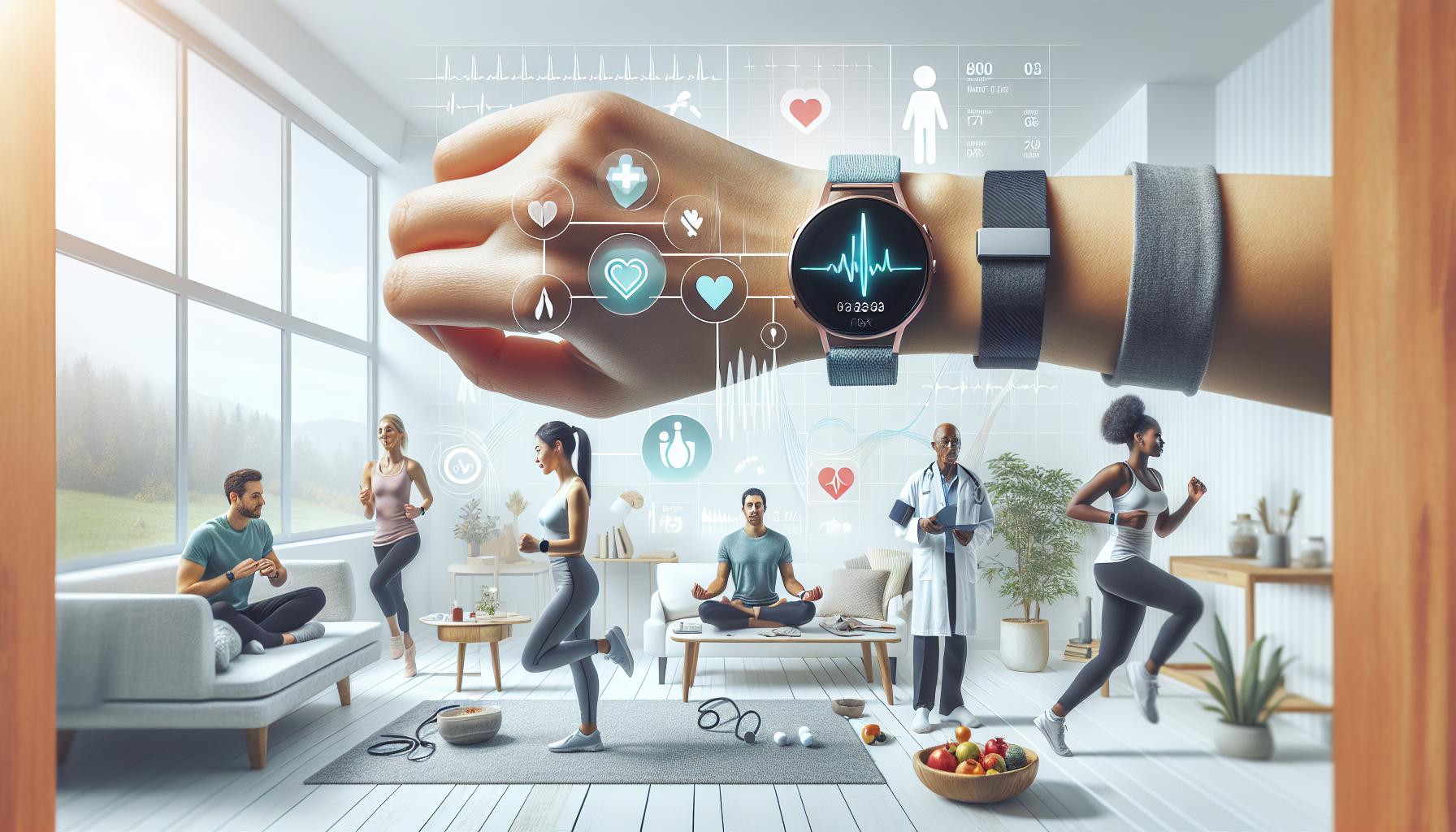
Fitbits are renowned for their ability to monitor heart rate and track activity levels, making them invaluable tools for those looking to maintain or improve their cardiovascular health. At the core of this capability is a technology called photoplethysmography (PPG). This technique employs an array of sensors that emit light into the skin and measure the amount of light that is reflected back. Variations in this reflected light correlate with blood volume changes in the capillaries, allowing the device to calculate heart rate in real time.
In addition to heart rate tracking, Fitbits also offer features to monitor physical activity throughout the day. The devices utilize accelerometers and gyroscopes to detect movement, helping to quantify steps taken, distance traveled, and calories burned. This continuous tracking encourages regular movement and can motivate users to reach daily fitness goals. For instance, many users set challenges based on daily step counts or specific exercise activities, promoting a more active lifestyle.
Moreover, the integration of heart rate data facilitates a more comprehensive understanding of overall health. Users can observe how their heart rate responds during physical exertion versus rest, which can offer insights into cardiovascular fitness and recovery. Fitbit’s algorithms analyze this information to provide personalized feedback and recommendations, helping users to make informed decisions about their fitness routines.
To maximize the accuracy of heart rate and activity level tracking, it’s important to ensure that the device fits snugly on the wrist and is worn consistently throughout the day. By routinely syncing the data with the companion app, users can visualize trends over time, monitor progress, and adjust their fitness strategies accordingly. This accessible feedback loop empowers users to take control of their health and make actionable changes to their daily habits.
Limitations of Fitbit in Blood Pressure Monitoring
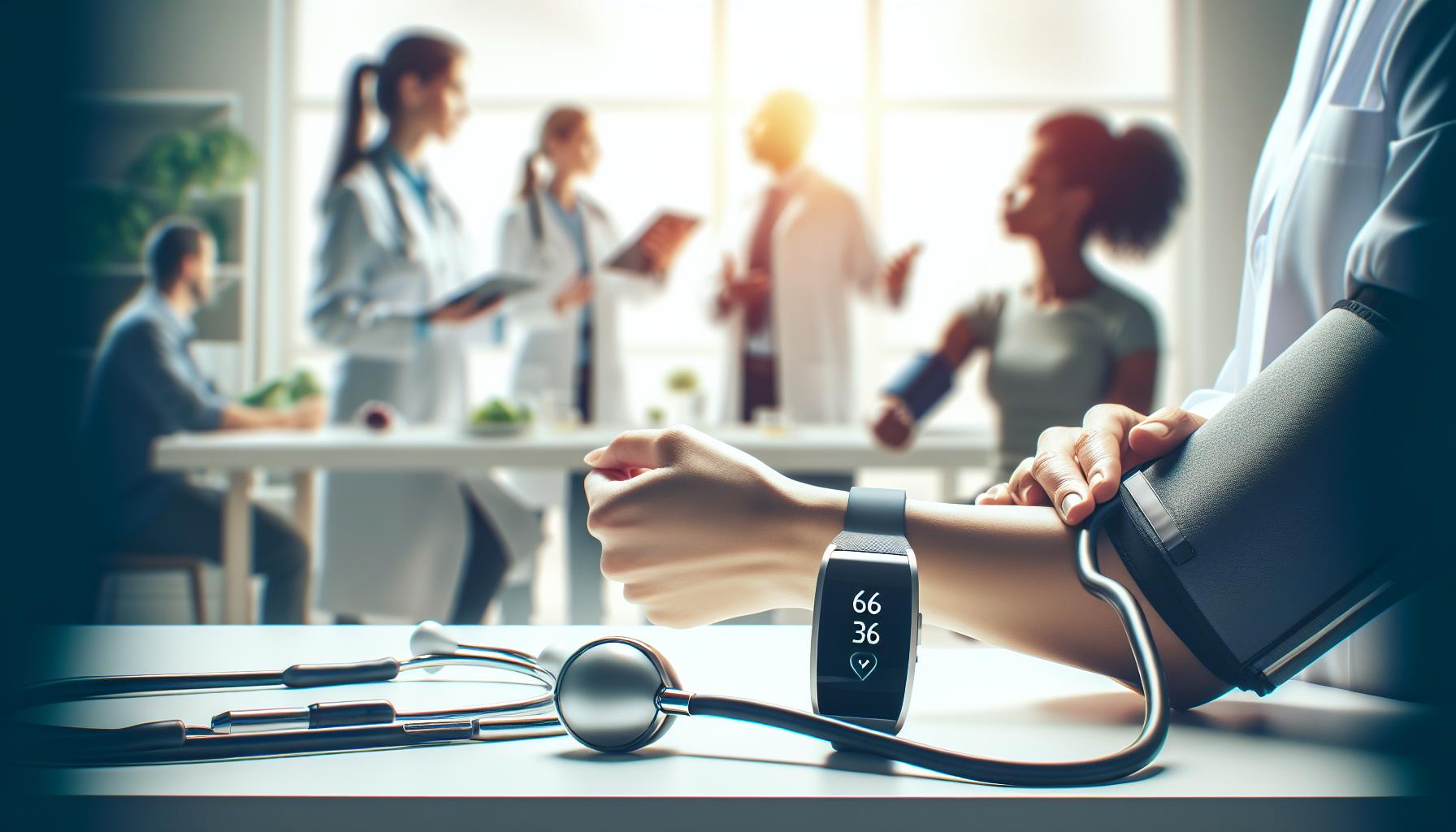
While Fitbits excel at tracking heart rate and physical activity, they fall short when it comes to monitoring blood pressure. Unlike dedicated blood pressure monitors, which measure arterial pressure through an inflatable cuff and deliver precise readings, Fitbits lack the necessary technology and calibration for accurate blood pressure tracking. This limitation poses challenges for those who need consistent and reliable monitoring due to conditions such as hypertension.
One of the primary reasons Fitbits are not suitable for blood pressure monitoring is their reliance on photoplethysmography (PPG), the same technology used for heart rate measurement, which detects blood volume changes rather than actual blood pressure levels. PPG can provide insights into cardiovascular health, but it does not offer the specificity or accuracy of a traditional sphygmomanometer. As a result, users looking for thorough blood pressure management may find Fitbit’s capabilities insufficient.
Additionally, the interpretation of heart rate variability and general fitness data does not equate to blood pressure regulation. Individuals managing hypertension need concrete figures to inform their treatment plans. Using a Fitbit for blood pressure tracking can lead to misinformation, potentially resulting in complacency or anxiety regarding one’s health status. To effectively track blood pressure, it is advisable for users to incorporate dedicated monitors into their routines, ensuring that their readings guide them accurately toward healthier lifestyle decisions.
For those committed to a holistic approach to health, integrating regular blood pressure checks with Fitbit’s activity and heart rate tracking can help create a comprehensive health overview. Understanding the distinct capabilities of each tool can empower users to make informed decisions about their health and well-being. Regularly scheduled checks with a healthcare provider, coupled with insights gathered from wearable technology, can enhance personal management strategies for effective health outcomes.
Comparing Fitbit with Dedicated Blood Pressure Monitors
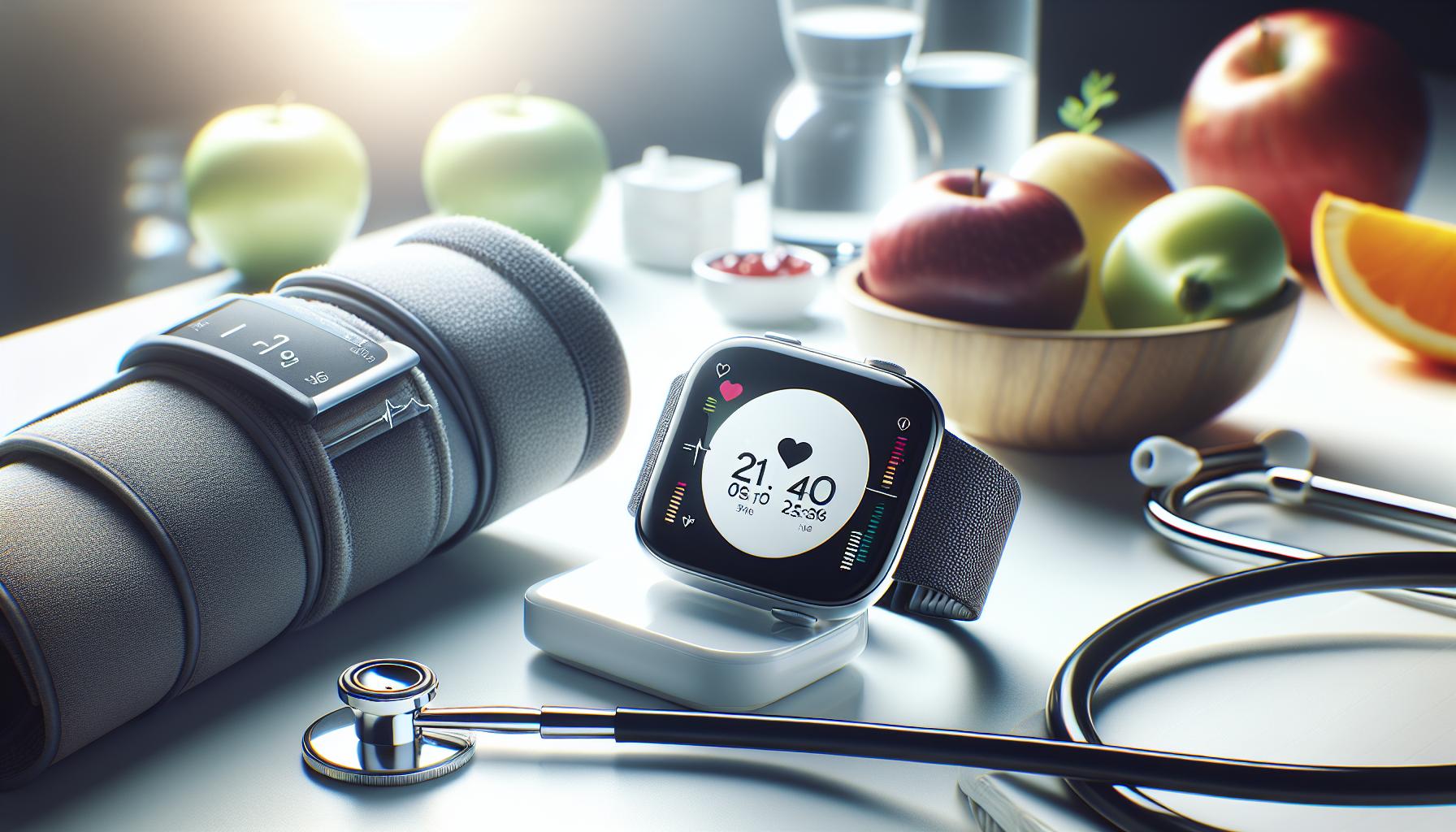
Many consumers may wonder how their Fitbit stacks up against dedicated blood pressure monitors when it comes to tracking one of the most crucial health metrics: blood pressure. Understanding this comparison is essential, especially for those managing chronic conditions such as hypertension. While Fitbits offer valuable features in heart rate tracking and activity monitoring, they differ significantly from traditional blood pressure measurement devices, which adhere to clinical standards for accuracy.
Dedicated blood pressure monitors use an inflatable cuff to gauge blood pressure levels by directly measuring the pressure in your arteries. This method generates reliable systolic and diastolic readings, providing clear data for healthcare decisions. In contrast, Fitbits utilize photoplethysmography (PPG), a technology that interprets blood flow through the skin but lacks the precision needed for true blood pressure assessment. This fundamental difference highlights the limitations of wearables in offering accurate blood pressure information.
Moreover, relying on a Fitbit for blood pressure tracking can lead to misleading conclusions. Individuals with specific health needs may misinterpret heart rate variations or activity levels as adequate substitutes for blood pressure data. Acknowledging these limitations is crucial. Regular use of a validated blood pressure monitor can provide essential feedback to inform treatment plans and lifestyle choices, ensuring users take appropriate action based on accurate readings.
Ultimately, while using a Fitbit can enhance your understanding of overall health by tracking physical activity and heart rate, it should not replace the critical role of dedicated blood pressure monitors in managing hypertension. For those serious about their cardiovascular health, incorporating both tools into a comprehensive health management strategy will enable a more nuanced approach to training and wellness, offering concrete insights essential for living a healthier life. Regular check-ups with healthcare providers, paired with consistent blood pressure readings, reinforce the importance of a proactive approach to health management.
The Science Behind Fitbit’s Health Tracking Algorithms
The tracking capabilities of Fitbit devices rely on sophisticated algorithms designed to interpret physiological signals and translate them into meaningful health metrics. At the heart of Fitbit’s technology is a method called photoplethysmography (PPG), which uses light to measure blood volume changes in the microvascular bed of tissue. This process enables the Fitbit to effectively monitor heart rate, activity levels, and sleep patterns, providing users with a comprehensive view of their overall health.
Fitbit’s algorithms process data collected from these light sensors to estimate metrics such as heart rate variability (HRV), which can indicate stress levels and overall cardiovascular fitness. The algorithms analyze patterns in movement and heart rate to identify different stages of activity-distinguishing between resting, walking, exercising, and even sleep. This level of tracking empowers users to understand their physical responses, optimize their workouts, and improve their overall wellness through informed decision-making.
However, it’s essential to recognize the limitations inherent in Fitbit’s algorithms when it comes to health monitoring. While these devices provide valuable insights into heart rate and calories burned, they cannot measure critical health metrics such as blood pressure with the same accuracy as dedicated devices. Users should be mindful that while Fitbits can help track trends and manage health goals, they are not substitutes for clinical methods of diagnosis or monitoring.
To leverage the benefits of Fitbit’s health tracking algorithms efficiently, users can follow practical steps, such as regularly syncing their device to check for the latest updates and ensuring proper wear for accurate data collection. Engaging with the Fitbit app also allows users to set personal health goals based on the insights gathered, providing a holistic approach to health management. By combining wearable technology with regular medical check-ups and traditional monitoring techniques, individuals can embrace a proactive stance on their health, making informed choices that enhance their lifestyle and well-being.
User Experiences: Real-World Fitbit Blood Pressure Tracking
Users embracing Fitbit devices for health management often share their experiences with tracking various metrics, including heart rate and activity, but the conversation around blood pressure monitoring is particularly intriguing. While Fitbits do not provide direct blood pressure readings, many users find value in observing patterns in their heart rate and activity levels, which can indirectly inform their understanding of blood pressure trends. Real-world experiences highlight the importance of contextualizing heart rate data within broader health routines.
For instance, a common experience among users is the correlation they start noticing between elevated heart rates during stress or inactivity and their blood pressure readings taken with traditional monitors. By regularly syncing their Fitbit to capture heart rate variability (HRV) data and engaging in routines of physical activity, users report becoming more aware of lifestyle factors that can affect their cardiovascular health. This self-awareness promotes proactive behaviors such as incorporating more walks into their day or practicing relaxation techniques during high-stress moments.
Furthermore, many users have utilized the Fitbit app to track their fitness goals alongside their manually logged blood pressure readings from home monitors. By observing changes in their heart rate and activity levels before and after monitoring their blood pressure, users can gain insights into how their daily habits influence their overall cardiovascular health. Those managing chronic conditions often share that this combination of wearable tech and traditional monitoring helps them feel more empowered in their healthcare journeys.
Incorporating supportive habits, such as regular exercise, balanced nutrition, and mindfulness practices, enhances the lifestyle adjustments users implement based on their Fitbit data. By discussing their experiences in community forums, users exchange tips on optimizing their health management plans, reinforcing the notion that while Fitbits might not offer precise blood pressure readings, they serve as valuable tools for motivation and accountability.
The Benefits of Monitoring Blood Pressure with Wearables
Wearable devices like Fitbits have revolutionized how individuals engage with their health, particularly in monitoring vital signs covertly and conveniently. By incorporating smart technology into daily routines, users can gain insights that empower them to take proactive steps towards better health. While Fitbits don’t provide direct blood pressure readings, they do offer significant benefits that enhance overall cardiovascular health management through indirect data interpretation.
One of the primary advantages of using wearables for blood pressure monitoring is the continuous collection of heart rate and activity data. This can help users identify trends and correlations between their daily behaviors and heart health. For instance, increased physical activity may lead to lower resting heart rates and potentially improved blood pressure profiles. By reviewing this data regularly, users can discern patterns that signal the need for lifestyle adjustments, enabling them to be more responsive to their health needs.
Moreover, integrating wearable technology into health management offers emotional and psychological benefits. The visibility of biometric data motivates users to adopt healthier habits, such as regular exercise, balanced nutrition, and stress-reduction practices. A device like a Fitbit encourages a sense of accountability, as users track their goals and monitor daily progress. This empowerment can be particularly beneficial for those managing chronic health conditions, as it nurtures a proactive approach to their healthcare journey.
In addition to promoting awareness and motivation, wearables enable seamless data integration into broader health management plans. By syncing Fitbit data with health apps or sharing it with healthcare providers, users create a comprehensive overview of their health behaviors. Such integrative approaches can foster better communication with medical professionals, allowing for tailored recommendations that align with the individual’s lifestyle and health objectives. Therefore, while Fitbits may not measure blood pressure directly, the insights they provide can significantly impact health management and ultimately encourage more informed and proactive approaches to cardiovascular health.
Integrating Fitbit Data into Health Management Plans
Integrating technology into health management plans can significantly enhance your ability to monitor and improve your cardiovascular health. By using data collected from a Fitbit, you can create a robust framework that supports better health management, especially when it comes to understanding and reacting to your heart health. Although Fitbits do not measure blood pressure directly, they do provide useful indicators such as heart rate, physical activity levels, and sleep patterns, which can help you approximate your cardiovascular well-being.
To effectively integrate your Fitbit data into a health management plan, start by setting specific health goals based on the metrics your device offers. For instance, you could aim to lower your resting heart rate or increase your daily step count. Regularly review your activity logs to identify patterns that may influence your heart health. You can summarize this data in a weekly journal or spreadsheet, noting key observations or trends that may require lifestyle adjustments.
- Sync with Health Apps: Use companion apps to aggregate your Fitbit data with other health metrics. Many popular health applications allow you to import data from your Fitbit, providing a more comprehensive overview of your well-being.
- Share with Healthcare Providers: Provide your healthcare team with access to your Fitbit data during appointments. Sharing insights into your daily activity and heart rate trends can help them make informed recommendations that are tailored to your health needs.
- Set Reminders: Leverage your Fitbit’s reminder features to prompt you to engage in physical activity throughout the day. Regular movement and exercise are crucial for maintaining a healthy heart and blood pressure levels.
Moreover, visualizing your data can motivate and empower you. Many users find that the mere act of tracking their physical activity and biometric data can lead to healthier choices, such as improving their diet or increasing exercise frequency. Consider discussing your data with your healthcare provider to evaluate whether these behavioral changes are positively affecting your health parameters over time.
With comorbid conditions becoming increasingly prevalent, the integration of Fitbit data into your health management plan is not only a powerful tool for tracking progress but also a means to foster accountability and constructive discussions with your healthcare professionals. By embracing technology in your health journey, you empower yourself to make informed and proactive decisions for better cardiovascular health.
Future Trends in Fitness Trackers and Blood Pressure Monitoring
As the demand for health monitoring tools continues to rise, the future of fitness trackers, particularly regarding blood pressure monitoring, looks promising. Recent advancements in technology are enabling devices like Fitbits to integrate more sophisticated health tracking capabilities. Innovations such as photoplethysmography (PPG) and improved algorithms are paving the way for wearables that not only measure heart rate but also provide estimations of cardiovascular health indicators, including blood pressure.
One of the most significant trends on the horizon is the advent of continuous blood pressure monitoring through wearable technology. Manufacturers are exploring ways to incorporate non-invasive sensors that can read blood pressure changes instantly and accurately. This technology could empower users to track their blood pressure in real-time, providing alerts when readings fall outside of personal or clinically recommended ranges. This shift could revolutionize the management of hypertension, offering users immediate insights and prompting timely interventions.
Another crucial development involves the integration of artificial intelligence and machine learning in fitness trackers. These technologies can analyze user data to identify patterns and predict potential health issues before they occur. For instance, by examining changes in daily activity levels, sleep quality, and heart rate variability, a Fitbit could calculate a risk score for hypertension and suggest personalized lifestyle adjustments. This proactive approach to health management encourages users to adopt healthier habits, emphasizing prevention rather than reaction.
Lastly, as wearables become more prevalent, there is an increasing emphasis on data security and privacy. Users are becoming more aware of how their health data is collected and used, leading to higher expectations for transparency and protection from manufacturers. Future fitness trackers will need to prioritize robust encryption methods and data anonymization to ensure users feel secure in sharing their information with healthcare providers and gaining insights from their personal health metrics.
Overall, as technology evolves, the integration of blood pressure monitoring capabilities into fitness trackers like Fitbit will empower users to take charge of their cardiovascular health. By staying informed about these trends and engaged in their health monitoring, individuals can make informed decisions that contribute to a healthier lifestyle.
Best Practices for Accurate Blood Pressure Tracking with Fitbit
Monitoring blood pressure effectively is crucial for maintaining cardiovascular health, and with advancements in fitness tracking technology, devices like Fitbit are increasingly being used to gain insights into individual health metrics. To ensure you’re getting the most accurate readings from your Fitbit, consider the following best practices that integrate lifestyle adjustments and smart usage of technology.
Start by wearing your Fitbit correctly. Make sure that the device is snug yet comfortable on your wrist, ideally just above the wrist bone. This position allows for more accurate heart rate tracking, which is essential since Fitbit uses heart rate data to estimate blood pressure. Additionally, keep your device updated with the latest firmware. Manufacturers regularly release updates that improve the accuracy of their metrics, including blood pressure estimations.
Consistent monitoring is key. Establish a routine by checking your blood pressure readings at the same time each day, ideally when you’re relaxed and sitting down. For example, consider taking your readings first thing in the morning or after a brief period of rest. This helps to eliminate variables that may affect your blood pressure, such as stress or recent physical activity. Bringing awareness to your environment can also help; sit in a quiet room free from distractions to ensure the most stable readings.
Incorporate lifestyle choices that can positively affect your blood pressure. Engaging in regular physical activity, managing stress through mindfulness practices, and maintaining a balanced diet are foundational for cardiovascular health. For instance, track your steps and daily activity with Fitbit, aiming for at least 150 minutes of moderate exercise weekly, as recommended by health professionals. Not only does this contribute to heart health, but it may also lead to more accurate blood pressure readings over time.
Regularly review your data and trends. The Fitbit app provides historical data, which can be a powerful tool for understanding how your lifestyle affects your blood pressure. Look for patterns that may correlate with changes in your daily routine, such as increased physical activity, improved sleep, or dietary changes. Tracking these variables alongside your readings can empower you to make informed adjustments to your health management plan.
By adhering to these best practices, you can maximize the accuracy of your blood pressure tracking with Fitbit while taking proactive steps toward better health management. With a consistent approach, you’ll feel more confident in utilizing your device as a reliable tool in your journey toward improved cardiovascular health.
Alternatives to Fitbit for Comprehensive Health Tracking
While Fitbit devices offer useful health tracking features, they may not meet everyone’s specific needs, particularly for comprehensive blood pressure monitoring. As awareness of cardiovascular health grows, many people seek alternatives that provide more robust data or enhanced functionalities. Several other devices and technologies can complement or substitute for Fitbit in this regard.
Dedicated Blood Pressure Monitors
For those who require precise and consistent blood pressure readings, investing in a dedicated blood pressure monitor is a wise choice. These standalone devices are specifically designed to measure blood pressure accurately and often come with features like:
- Automatic and Manual Modes: Users can choose between automatic readings or manually inflating the cuff, providing flexibility based on comfort and preference.
- Memory Storage: Many monitors can store past readings, making it easier to track changes over time or share data with healthcare providers.
- Wireless Connectivity: Some models sync with mobile apps, allowing users to analyze trends and integrate their data into a comprehensive health management platform.
A few reputable brands to consider include Omron, Withings, and Blood Pressure UK, known for their long-lasting reliability and clinical-grade accuracy.
Smartwatches with Enhanced Health Tracking
In addition to Fitbit, other smartwatch brands have emerged as strong contenders for comprehensive health tracking, with functionalities that rival those of traditional fitness trackers. Notably, devices like the Apple Watch or Garmin series offer features such as:
- ECG and Heart Rate Monitoring: These devices often include ECG capabilities alongside advanced heart rate monitoring, providing insights into cardiovascular health that can be crucial for those monitoring their blood pressure.
- Health Tracking Ecosystems: Both Apple and Garmin integrate well with other health apps and allow users to view a wide range of health metrics, creating a more holistic view of their health.
- Stress and Sleep Tracking: These wearables monitor stress levels and sleep patterns, factors that significantly impact blood pressure.
Consulting reviews and exploring the personal experience of users can help you find the most suitable smart watch.
Apps and Platforms for Holistic Health Monitoring
Lastly, consider leveraging health apps designed to work with various devices, allowing you to collect and manage blood pressure information in one place. Apps such as MyFitnessPal, HealthMate by Withings, and Apple Health can aggregate data from different sources, giving you a complete picture of your health. They offer features that track diet, exercise, and even medication adherence-all critical factors in managing blood pressure effectively.
In summary, while Fitbit provides useful insights, alternative options exist that may offer more thorough blood pressure management features. Dedicated blood pressure monitors, advanced smartwatches, and comprehensive health apps can empower you to monitor your condition accurately and safely, enabling you to take charge of your cardiovascular health more effectively.
Frequently asked questions
Q: Can a Fitbit be used to track blood pressure?
A: No, Fitbits do not directly measure blood pressure. They primarily track heart rate, activity levels, and sleep pattern insights. For accurate blood pressure monitoring, consider using a dedicated blood pressure cuff while utilizing Fitbit for overall health tracking.
Q: What other health metrics can a Fitbit track?
A: In addition to heart rate and activity levels, Fitbit devices monitor steps, calories burned, sleep quality, and stress levels. Some models also offer skin temperature and SpO2 monitoring, offering a comprehensive view of health beyond just heart rate.
Q: How accurate is Fitbit’s heart rate monitoring?
A: Fitbit heart rate monitoring is generally reliable for tracking trends in exercise intensity and overall heart health, but it may not be as precise as medical-grade devices. For detailed cardiac assessments, consult a healthcare professional and consider combining Fitbit data with clinical measurements.
Q: Is Fitbit a good tool for managing cardiovascular health?
A: Yes, Fitbit can support cardiovascular health management by encouraging physical activity and providing insights into heart rate and sleep patterns. To maximize benefits, integrate Fitbit data with regular health check-ups and lifestyle modifications.
Q: Can I sync my Fitbit data with my doctor’s health management plan?
A: Yes, Fitbit data can be shared with healthcare providers, especially if they use compatible health platforms. Regularly consult your doctor to discuss your activity and heart rate data, which can guide personalized health recommendations.
Q: How often should I check my blood pressure if I have a Fitbit?
A: While Fitbit doesn’t track blood pressure, it’s advisable to check your blood pressure at least once a week if you’re at risk of hypertension. Use a reliable blood pressure monitor and share the readings with your healthcare provider for better management.
Q: What features differentiate Fitbit from traditional blood pressure monitors?
A: Fitbits focus on activity tracking and overall fitness metrics, lacking the clinical accuracy of dedicated blood pressure monitors. For anyone needing precise blood pressure readings, it’s best to use a dedicated monitor along with Fitbit for activity tracking.
Q: How can I improve the accuracy of my Fitbit readings?
A: For optimal accuracy, ensure your Fitbit fits snugly on your wrist, stay hydrated, and sync your device regularly. Calibration with a reliable source and daily wear also enhances data integrity, particularly for heart rate tracking.
To Conclude
While Fitbits offer impressive features to enhance your fitness journey, blood pressure tracking typically requires specific devices. Understanding the capabilities and limitations of your Fitbit is crucial for effective health management. If you’re serious about monitoring your blood pressure, consider pairing your Fitbit with a calibrated blood pressure monitor for comprehensive management.
To dive deeper, explore our article on “The Best Devices for Blood Pressure Monitoring” or check out “Top Tips for Maintaining Healthy Blood Pressure.” Don’t miss out-subscribe to our newsletter for the latest health insights and exclusive offers. Your health journey doesn’t stop here; stay informed and empowered to take control of your well-being. Share your thoughts in the comments below as we foster a community dedicated to health and fitness. Let’s keep the conversation going!


