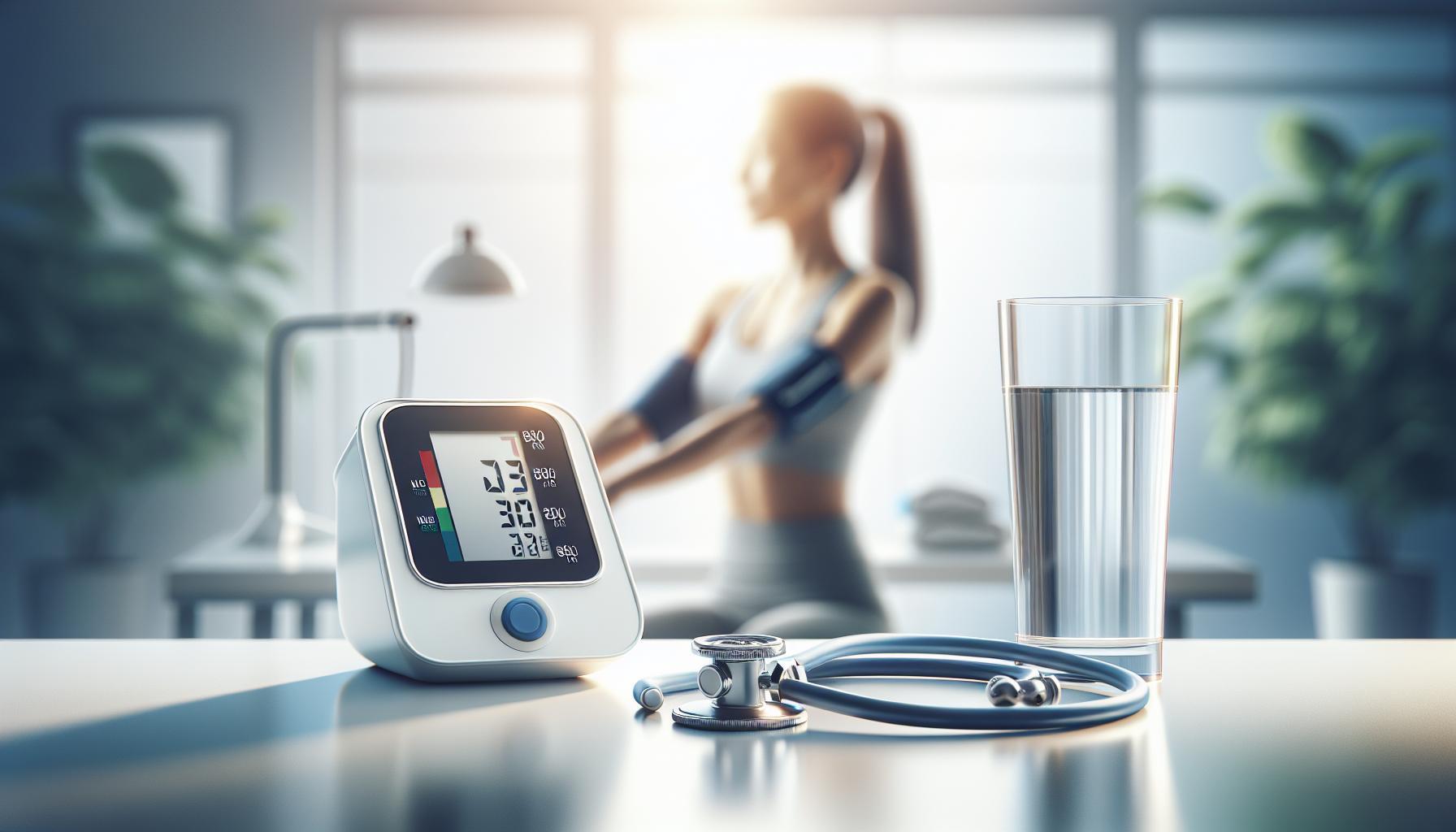
Many people are exploring natural methods to manage their health, often asking, “Does taking a cold shower lower blood pressure?” While the invigorating rush of cold water can feel refreshing, its effects on blood pressure and overall well-being deserve careful consideration. Understanding the potential benefits and risks associated with cold showers is crucial, especially for those monitoring their cardiovascular health.
In a world where stress often takes a toll on our bodies, finding effective ways to lower blood pressure naturally is a common goal. Cold showers might offer a simple yet powerful approach; however, it’s important to delve into how they work, their physiological impacts, and any precautions to take. This exploration can empower you to make informed decisions about your health journey, potentially leading to improved well-being and lifestyle changes. Continue reading to uncover the science behind cold showers and their role in blood pressure management.
Does Cold Showers Actually Lower Blood Pressure?
Cold showers have garnered attention for their potential health benefits, particularly in the realm of blood pressure management. The immediate impact of exposure to cold water can stimulate several physiological responses that may help lower blood pressure in some individuals. When you encounter cold water, your body goes through a process known as vasoconstriction-your blood vessels constrict to conserve heat, which can momentarily increase blood pressure. However, once you exit the cold environment, vasodilation occurs, where blood vessels widen, potentially leading to a decrease in blood pressure over time.
Research suggests that regular exposure to cold showers may result in improved circulation. Enhanced blood flow following cold exposure can aid in reducing hypertension by promoting the effective delivery of oxygen and nutrients to tissues while simultaneously removing waste products from the bloodstream. For individuals looking to manage their blood pressure, incorporating cold showers into their routine may encourage better vascular health, though individual results can vary significantly based on personal health conditions and overall lifestyle.
It’s crucial to emphasize that while cold showers can be beneficial, they are not a standalone solution for hypertension. Combining cold exposure with other lifestyle modifications-such as regular exercise, a balanced diet, stress management techniques, and monitoring blood pressure-offers a more holistic approach. Engaging in cold showers safely requires taking into account personal tolerance levels; begin with shorter durations and progressively increase the time as your body acclimates. Most importantly, consult a healthcare provider for personalized advice, especially if you have existing health conditions.
Understanding the Science Behind Cold Showers

Exposing the body to cold water initiates a fascinating series of physiological responses that may have beneficial effects on blood pressure. When you first step into a cold shower, the immediate reaction is vasoconstriction, where blood vessels narrow to preserve heat. This response can lead to a temporary spike in blood pressure. However, as your body acclimates and you exit the cold shower, the opposite occurs: vasodilation takes place, which widens your blood vessels and allows for a potential decrease in blood pressure.
This fluctuation between constriction and dilation plays a crucial role in promoting healthy circulation. Cold showers can stimulate the heart to pump more efficiently and improve blood flow. The enhanced blood circulation helps deliver oxygen and nutrients more effectively to tissues while expelling metabolic waste more rapidly, a process that may benefit individuals struggling with high blood pressure or hypertension.
Incorporating cold showers into your routine could complement other established methods of blood pressure management. For instance, coupling cold exposure with regular physical activity and a healthy diet creates a comprehensive approach to vascular health. However, individuals should pay attention to their comfort levels and start with shorter durations of cold exposure, gradually increasing as their tolerance builds. As always, those with conditions like hypertension should consult healthcare professionals before making significant changes to their wellness practices, ensuring that their approach aligns with personalized health needs.
By understanding the underlying science of cold showers and their interactions with body systems, individuals can make informed choices that contribute to better management of blood pressure and overall heart health.
Benefits of Cold Showers for Blood Pressure
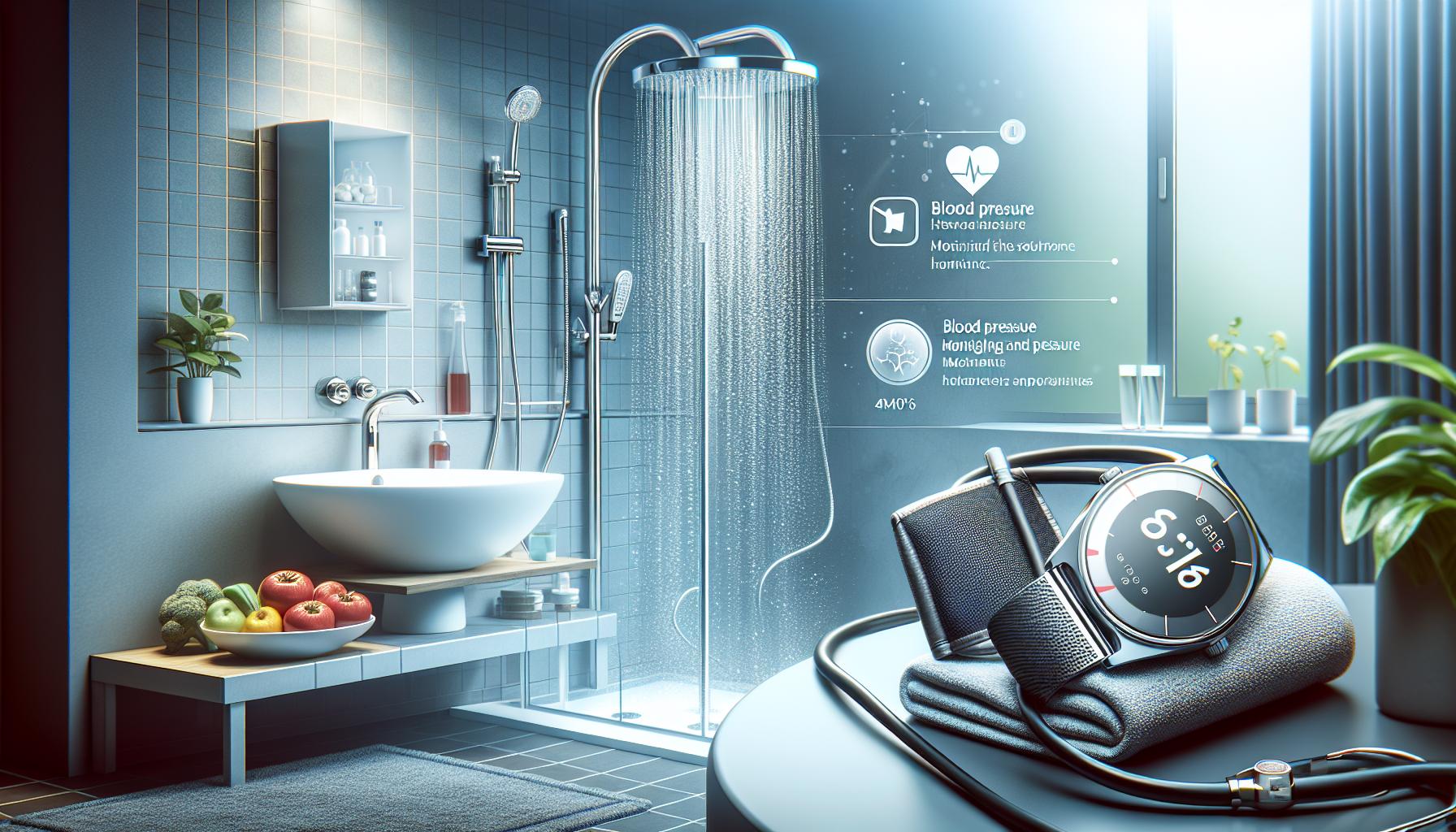
Engaging with the invigorating world of cold showers offers more than just a morning wake-up call; it can also play a pivotal role in managing blood pressure. The physiological responses triggered by exposure to cold water are fascinating and hold potential therapeutic benefits, particularly for those monitoring their hypertension. Cold showers initiate a biological reaction known as vasoconstriction, where blood vessels temporarily narrow to conserve heat. This natural defense mechanism can lead to a slight increase in blood pressure initially. However, as your body acclimates to the cold and eventually warms up, vasodilation occurs-this is where blood vessels expand, which can contribute to a reduction in overall blood pressure.
Regular cold exposure can also enhance cardiovascular health. The improved circulation associated with cold showers helps the heart pump more efficiently, delivering oxygen and nutrients throughout the body while promoting the removal of metabolic waste. For individuals with high blood pressure, the cumulative effect of these workouts on the vascular system may not only reduce resting blood pressure levels but also potentially improve overall heart health. Making cold showers a consistent part of your routine can thus support improved blood flow, which is essential for anyone aiming to maintain or lower blood pressure levels.
When considering incorporating cold showers into your lifestyle, it is crucial to prioritize safety and comfort. Starting with shorter, manageable durations can help your body adjust to the shock of cold water. Over time, as tolerance builds, you may increase exposure. It is advisable to monitor your blood pressure closely after initiating cold showers to understand how your body reacts. Pairing this practice with additional healthy habits, such as a balanced diet and regular exercise, creates a solid foundation for effective blood pressure management. Always consult with a healthcare provider before significantly altering your wellness routine, especially if you have existing cardiovascular concerns, to ensure that this method aligns well with your health strategy.
Risks and Safety Considerations of Cold Showers

Cold showers can provide invigorating benefits, but they come with inherent risks that warrant careful consideration. Sudden exposure to cold water can trigger a shock response in the body, leading to rapid changes in heart rate and blood pressure. For some individuals, especially those with existing cardiovascular issues, this can be concerning. Monitoring how your body reacts during cold showers is vital. If you experience any unusual symptoms, such as chest pain, dizziness, or severe shivering, it’s crucial to exit the cold water immediately.
Those with hypertension or heart conditions should approach cold showers with caution. The initial vasoconstriction can momentarily raise blood pressure, which may not be suitable for everyone. It is advisable to consult with a healthcare provider before starting this practice, particularly for those on medication or managing chronic conditions. Keeping a close eye on your blood pressure before and after cold exposure can help you understand its effects and make informed decisions.
To ensure a safer experience, follow these strategies:
- Start Slow: Begin with lukewarm water and gradually decrease the temperature, allowing your body to adjust.
- Limit Duration: Start with short showers of 1-2 minutes and increase as your tolerance builds.
- Stay Hydrated: Drink water before and after to help maintain proper circulation and hydration levels.
- Have a Warm-Up Plan: Plan to warm your body immediately afterward, using a warm towel or bath to help transition your body temperature safely.
By implementing these precautions, you can enjoy the potential benefits of cold showers while minimizing the risks associated with sudden temperature changes. Always prioritize your comfort and well-being; this approach not only supports better health management but also fosters a positive experience as you explore the effects of cold exposure on blood pressure.
Comparing Cold Showers to Other Blood Pressure Management Techniques

The search for effective methods to manage blood pressure often leads individuals to various lifestyle changes, including diet, exercise, and innovative approaches like cold showers. While some advocate for cold showers as a method to potentially lower blood pressure, it is important to compare their effectiveness and safety with more established techniques. Effective blood pressure management typically revolves around a combination of healthy eating, regular physical activity, and, when necessary, medication.
One of the primary conventional techniques for managing blood pressure is aerobic exercise. Engaging in activities such as walking, running, or swimming for at least 150 minutes a week can lead to substantial reductions in blood pressure. Exercise promotes better heart health by strengthening the heart muscle, improving circulation, and managing weight, all of which are crucial for maintaining healthy blood pressure levels. In contrast, while cold showers may elicit a brief increase in circulation, the immediate cold shock can cause vascular constriction, which may not suit everyone, especially those with hypertension.
Diet also plays a significant role in blood pressure management. The DASH (Dietary Approaches to Stop Hypertension) diet, for example, encourages the consumption of whole grains, fruits, vegetables, and low-fat dairy products while reducing salt intake. Research consistently shows that dietary changes can have a longer-lasting and more measurable impact on blood pressure compared to the temporary effects of cold showers. While incorporating cold showers could serve as an adjunct to a healthier lifestyle, they should not replace foundational practices like healthy eating.
It’s also essential to consider the risks associated with cold exposure. Individuals with certain health conditions, particularly cardiovascular diseases, might face challenges when experiencing the sudden temperature changes during cold showers. As blood vessels constrict to conserve heat, blood pressure can temporarily rise, posing risks that aerobic exercise or dietary changes do not present. Therefore, monitoring blood pressure regularly and consulting with a healthcare professional can ensure that whatever method is used-whether cold showers or more traditional blood pressure management strategies-is appropriate and safe.
In summary, while cold showers can provide invigorating and potentially beneficial effects, they should be viewed as a supplementary practice rather than a standalone solution. Established methods such as regular aerobic exercise and healthy nutrition remain the cornerstone of effective blood pressure management. Balancing these approaches, while remaining aware of individual health needs and responses, forms a comprehensive strategy for those looking to manage their blood pressure effectively.
How Cold Showers Affect Circulation and Heart Health
While the notion of cold showers may evoke images of icy discomfort, these brisk blasts of water can trigger substantial changes in your body, particularly concerning circulation and heart health. When exposed to cold water, your body goes through a series of physiological responses designed to maintain core temperature. This process involves vasoconstriction, where blood vessels narrow, diverting blood flow away from the skin to conserve heat. While this might seem counterproductive, it lays the groundwork for improved overall circulation when you return to normal temperatures.
Effects on Circulation
The initial shock of a cold shower can stimulate your cardiovascular system, prompting a spike in heart rate and increased blood flow as your body works to counteract the cold. This reaction can enhance circulation in the long term, as regular cold exposure may help your vascular system adapt and become more efficient at regulating blood flow. Enhanced circulation contributes to the delivery of oxygen and nutrients throughout the body, which is essential for overall heart health. Over time, consistent exposure to cold water can improve circulation efficiency, which may be beneficial for managing blood pressure indirectly.
Cardiovascular Benefits
In addition to improved circulation, cold showers can have other positive effects on heart health. The mild stress imposed by cold water may help strengthen the heart muscle, similar to how physical exercise does. With repeated exposure, your body learns to withstand temperature fluctuations and respond effectively, which can enhance resilience. Moreover, cold exposure has been linked to various health benefits, such as reducing inflammation and improving mood, both of which can play roles in heart health.
However, it’s essential to approach cold showers mindfully, particularly for individuals with existing heart conditions or hypertension. The sharp decline in temperature can lead to abrupt increases in blood pressure; therefore, it’s critical to consult a healthcare professional before making cold showers a regular part of your routine to ensure it’s safe based on your specific health profile.
In conclusion, while cold showers may not directly lower blood pressure, their ability to stimulate circulation and offer cardiovascular benefits makes them a valuable part of a holistic approach to heart health. By integrating cold showers with other lifestyle modifications-such as regular aerobic exercise, balanced nutrition, and stress management techniques-you can create a comprehensive strategy for better blood pressure control and overall well-being.
Tips for Safely Incorporating Cold Showers into Your Routine
Taking the plunge into cold showers can be a refreshing and invigorating experience, but it’s essential to approach this practice with care, especially if you’re concerned about your blood pressure and overall heart health. To incorporate cold showers safely into your routine, consider starting gradually and monitoring your body’s response. This helps minimize shock and allows you to acclimate to the temperature changes, ensuring a more comfortable experience.
Begin by adjusting your shower temperature from warm to cool, and then gradually make it colder over several sessions. Aim for a balance to avoid overstressing your system. You might start with 30 seconds of cool water at the end of a warmer shower, then increase the duration as you grow accustomed to the temperature. Pay close attention to how you feel-if you start to feel lightheaded or overly uncomfortable, it’s best to return to a warmer setting.
Monitor Your Body’s Response
To benefit from cold showers while managing blood pressure, consistent self-monitoring is key. Before starting, note your resting blood pressure as a baseline. After incorporating cold showers, check your blood pressure again to observe any changes. Take notes on your heart rate as well; cold water can cause a temporary increase in heart rate, which is normal, but if it remains elevated, consult a healthcare professional.
In addition, timing can significantly affect how your body responds. Morning showers might help invigorate you for the day ahead, while evening showers are better for winding down. Choose a time that aligns with your energy needs and daily routine.
Establishing a Routine
Consider creating a structured schedule for your cold showers, aiming for 2-3 times per week. This pacing allows your body to adapt without overwhelming it. You can make it a part of your overall wellness regimen, incorporating practices like deep breathing or stretching before your shower to prepare your body.
For enhanced safety, always consult your healthcare provider, especially if you have pre-existing health conditions or are on medication for hypertension. A professional can provide tailored guidance that considers your specific health needs and goals.
By making mindful adjustments and monitoring your reactions, cold showers can become a beneficial part of your routine, supporting both your cardiovascular health and overall well-being.
Personal Stories: Cold Showers and Blood Pressure Management
Incorporating cold showers into a daily routine can be transformative for those managing blood pressure. Many individuals have shared remarkable experiences of how these invigorating showers not only rejuvenated them but also contributed positively to their hypertension management. One common thread in these stories is the initial skepticism about cold showers. As one user recounted, “I was always hesitant to take the plunge, but once I started, the results were undeniable-I felt more awake and focused, and my blood pressure readings showed significant improvement.”
The journey often begins with gradual adaptation. Many find that starting with lukewarm water and slowly progressing to colder temperatures helps their bodies adjust without overwhelming them. For instance, a middle-aged individual shared that after a month of practice, they were able to withstand longer periods of cold exposure, leading to better mood and lower stress levels, factors that can influence blood pressure positively.
Another shared insight revolves around timing-many users found that morning showers equipped them with the energy needed to tackle the day, while others preferred evening showers as a wind-down ritual, improving their sleep quality. Consistency in this practice is crucial. Setting a structured routine, such as showering three times a week, helps individuals not only integrate cold exposure into their lifestyle but also facilitates effective monitoring of blood pressure changes.
Finally, it is important for individuals to keep track of their blood pressure before and after incorporating cold showers. A personal story highlighted the value of journaling these observations: “I noted that on days I took a cold shower, my systolic readings were consistently lower by 5 to 10 points. This simple act added a new layer to my approach to managing my hypertension.” This emphasis on self-monitoring, coupled with the beneficial experiences from cold showers, underscores the potential of this method as a supportive tool in blood pressure management.
Expert Opinions on Cold Showers and Hypertension
Those managing hypertension may find the integration of cold showers into their daily routine to be not only refreshing but potentially beneficial for blood pressure control. Experts in the field of cardiovascular health suggest that the exposure to cold water can stimulate the body’s circulatory system, which may lead to various health benefits, including lowered blood pressure. When a person immerses themselves in cold water, they experience vasoconstriction-where blood vessels constrict-as a response to the cold. This process can lead to enhanced circulation once the body warms back up, possibly resulting in improved blood flow and a reduction in overall blood pressure readings.
Practical Applications in Hypertension Management
Health professionals often recommend cold shower practices as a complementary strategy for managing hypertension. They suggest gradually adapting to colder water temperatures, which promotes resilience to stress-a known contributor to hypertension. Specifically, starting with lukewarm water and slowly transitioning to colder temperatures allows the body to adjust without undue shock. This gradual exposure can diminish anxiety and stress levels while providing a re-energizing effect that may contribute positively to blood pressure stability.
Many experts emphasize the importance of self-monitoring. Individuals should keep a record of their blood pressure readings, ideally taken before and after cold showers, to track any changes. This data-driven approach encourages personal accountability and can enhance motivation. A few points to consider:
- Consistency is Key: Aim for regular showers, ideally establishing a routine of several times a week.
- Timing Matters: Some find morning showers invigorate their day, while evening showers can serve as a calming ritual before bedtime.
- Monitor Responses: Note any significant changes in mood or energy levels, as these can also impact overall heart health.
By employing these strategies, individuals can create a proactive approach to their health management, aligning with expert opinions that endorse lifestyle modifications alongside medical advice.
Encouragement for Personal Health Journeys
Recognizing the importance of holistic health management, incorporating cold showers should be approached positively. Engaging in such practices not only assists physical health but also cultivates mental resilience against stress-a critical element in controlling hypertension. It is essential to maintain open lines of communication with healthcare providers when making lifestyle changes, ensuring a safe and supportive pathway toward improved cardiovascular health. Remember, every small change accumulates over time, potentially making a significant impact on overall well-being.
Frequently Asked Questions About Cold Showers and Blood Pressure
Exploring the relationship between cold showers and blood pressure reveals some intriguing insights that can empower those seeking alternatives for managing hypertension. Many people wonder, “Can cold showers actually help lower my blood pressure?” The short answer is yes-cold showers can potentially stimulate the body in ways that promote better circulatory health. When exposed to cold water, the body initially responds by constricting blood vessels, a process known as vasoconstriction. This reaction can lead to improved circulation once the body warms back up, potentially resulting in lower blood pressure readings.
For those looking to incorporate cold showers into their routine, a common concern is how to start. To ease into this practice, it’s beneficial to begin with lukewarm water, gradually transitioning to cooler temperatures. This method not only minimizes the shock to the system but also allows the body to adapt to the cold more comfortably. Monitoring your blood pressure regularly, especially before and after these showers, can provide valuable feedback on how your body responds to this new approach.
When considering the safety of cold showers, individuals with certain medical conditions, such as cardiovascular issues, should consult healthcare professionals before starting this practice. It’s essential to prioritize a personalized approach-what works for one person may not be suitable for another. Maintaining a journal of your experiences can help track your progress and any changes in how you feel, which is a great motivator and aids in developing a routine.
As you embark on this journey, remember that lifestyle changes benefit from a gradual and consistent approach. Cold showers can enhance your daily regimen while fostering resilience to stress, another important factor in effectively managing blood pressure. Embrace this method as part of a holistic strategy, integrating it seamlessly with other health practices for comprehensive well-being.
Research Findings on Cold Showers and Cardiovascular Health
Research has shown that cold exposure, such as through cold showers, can have profound effects on cardiovascular health. When the body is exposed to cold water, it responds with vasoconstriction-the narrowing of blood vessels-which is a natural defense mechanism to preserve body heat. This process is not just a protective measure; it also serves to increase blood flow to vital organs and can potentially enhance circulation when the body warms back up. Studies indicate that regular exposure to cold can lead to improved endothelial function, which plays a crucial role in maintaining healthy blood pressure levels.
A notable finding is that alternating between cold and warm water can stimulate the circulatory system effectively. This method not only aids in muscle recovery and reduces inflammation but may also contribute to better overall vascular health. By subjecting the body to temperature variations, you can encourage the release of norepinephrine, a hormone that boosts circulation and can potentially aid in lowering blood pressure over time. Researchers suggest that incorporating cold showers into a daily routine can be an effective, non-invasive strategy for enhancing cardiovascular health, particularly for those looking to manage hypertension.
However, while the potential benefits are promising, it is essential to approach cold showers with caution. For individuals with underlying health conditions, such as cardiovascular diseases, consulting with a healthcare provider before starting a cold shower regimen is advisable. Monitoring your blood pressure before and after showering can provide insights into how your body responds to this practice. Keeping a journal of your experiences will not only track any improvements but also help you identify the best duration and temperature for your needs. Adopting a gradual approach-starting with lukewarm water and progressively decreasing the temperature-can make the process more comfortable and sustainable.
In summary, emerging research supports the idea that cold showers can play a role in improving cardiovascular health and potentially lowering blood pressure. By integrating this practice thoughtfully into your health regimen, you can foster better circulation and overall well-being while also empowering yourself to take an active role in managing your health.
Frequently Asked Questions
Q: Do cold showers have any long-term effects on blood pressure?
A: Cold showers may help maintain lower blood pressure over time by improving circulation and enhancing vascular function. Regular exposure can stimulate the body’s adaptation to stress, which may contribute to better overall cardiovascular health. Always consult with a healthcare professional before making significant lifestyle changes.
Q: Can taking cold showers improve heart health?
A: Yes, cold showers can improve heart health by promoting better blood circulation and reducing inflammation. They may also enhance mood and reduce stress, both of which are beneficial for heart health. Refer to the “How Cold Showers Affect Circulation and Heart Health” section for more insights.
Q: How often should I take cold showers to lower blood pressure?
A: To potentially lower blood pressure, consider taking cold showers 2-3 times a week. Start with shorter durations and gradually increase exposure as your body adapts. For detailed tips, check “Tips for Safely Incorporating Cold Showers into Your Routine.”
Q: Are there any specific health conditions that cold showers should be avoided for?
A: Individuals with certain conditions, such as severe cardiovascular disease or hypothermia susceptibility, should avoid cold showers. Always consult your healthcare provider if you have concerns about cold exposure and your specific health conditions.
Q: Can cold showers help with stress management?
A: Yes, cold showers can reduce stress by triggering the release of endorphins, which improve mood and promote relaxation. This stress reduction can indirectly benefit blood pressure management. For techniques, see the “Benefits of Cold Showers for Blood Pressure” section.
Q: What is the best way to start incorporating cold showers into my routine?
A: Start with lukewarm water and gradually decrease the temperature over several sessions. Aim for 30 seconds of colder water at first, then build up to 2-3 minutes as you become accustomed. Refer to “Tips for Safely Incorporating Cold Showers into Your Routine” for more strategies.
Q: Do cold showers have any risks associated with them?
A: Yes, cold showers can pose risks, such as triggering cold shock, which may affect those with heart conditions or asthma. Always consult a doctor before starting cold showers, especially if you have underlying health concerns. Further insights are available in “Risks and Safety Considerations of Cold Showers.”
Q: Can I use cold showers as a substitute for blood pressure medication?
A: Cold showers should not replace prescribed blood pressure medications. They can complement a treatment plan by promoting relaxation and circulation but should be part of a broader approach that includes lifestyle changes. Always discuss any changes with your healthcare professional.
Insights and Conclusions
As we’ve explored, cold showers may have potential benefits for lowering blood pressure, but it’s essential to approach this practice with awareness of your unique health circumstances. If you’re considering incorporating this routine into your lifestyle, remember to listen to your body and consult with a healthcare professional if you have concerns. For more insights on managing blood pressure naturally, check out our articles on “Natural Ways to Reduce Blood Pressure” and “Understanding Blood Pressure Variability.”
Feeling motivated? Start your journey toward better health today! Whether you want to take a plunge into cold showers or simply learn more about effective blood pressure management, explore our resources and subscribe to our newsletter for ongoing tips and support. Let us know your thoughts or share your experiences in the comments below-your feedback helps create a community focused on well-being. Together, let’s navigate these health journeys with confidence and knowledge!