
The COVID-19 pandemic has affected millions around the globe, but its impacts extend beyond respiratory illness. Recent studies suggest a potential link between COVID-19 and elevated blood pressure, raising concerns for those with pre-existing conditions or those recovering from the virus. Understanding this relationship is crucial, as high blood pressure can lead to serious health complications, including cardiovascular diseases.
As we explore the latest research findings on whether COVID-19 can raise blood pressure, it’s essential to consider the implications for your health. Monitoring your blood pressure and staying informed can empower you to take proactive steps in managing your overall health. Whether you’re navigating recovery or simply seeking to understand the long-term effects of the virus, this exploration promises to shed light on a critical aspect of post-COVID care. Stay with us to uncover important insights that could guide your health decisions.
The Impact of COVID on Blood Pressure Levels

COVID-19 has revealed itself to be more than just a respiratory illness; emerging research indicates that it can significantly impact blood pressure levels in those infected. One of the notable findings is that individuals recovering from COVID-19 may experience prolonged disruptions in their blood pressure regulation. This can manifest as both hypertension (high blood pressure) and hypotension (low blood pressure), depending on the individual’s health history and the severity of the infection. In some cases, COVID-19 has been linked to the development of new cases of hypertension, especially in those with comorbidities that include cardiovascular issues.
The virus appears to affect blood pressure through various mechanisms, including inflammation and endothelial dysfunction, ultimately placing additional stress on the cardiovascular system. Consequently, patients may find themselves dealing with consistently elevated blood pressure levels following their recovery. Monitoring your blood pressure during and post-infection becomes crucial. Regularly checking your blood pressure at home can empower you to notice any significant changes that may require medical attention.
To effectively manage your blood pressure, consider adopting lifestyle changes that emphasize a balanced diet low in sodium, regular physical activity, and stress-reduction techniques such as mindfulness or yoga. As always, consulting with your healthcare provider is essential when making significant changes or if you notice persistent high readings. By taking proactive steps, you can significantly mitigate the long-term effects COVID-19 may have on your cardiovascular health and overall wellness.
Understanding Blood Pressure: Basic Concepts
Understanding how blood pressure works is crucial for managing your cardiovascular health, especially in the context of conditions like COVID-19. Blood pressure refers to the force exerted by circulating blood on the walls of blood vessels. It’s measured in millimeters of mercury (mmHg) and consists of two numbers: systolic pressure (the force when the heart beats) over diastolic pressure (the force when the heart rests between beats). Normal blood pressure is typically around 120/80 mmHg.
Elevated or fluctuating blood pressure can be a silent risk factor for cardiovascular disease, leading to serious health issues over time. Understanding the dynamics of blood pressure helps you recognize how lifestyle factors, emotional stress, and health conditions impact your readings. For instance, stress-related hormonal changes can temporarily raise blood pressure, while a balanced diet and regular exercise can help lower it. Being aware of these factors empowers you to take charge of your health, ensuring you monitor any unusual changes that may arise, particularly after illnesses like COVID-19.
The significance of maintaining healthy blood pressure levels cannot be overstated, especially for those with underlying health conditions. Engaging in regular self-monitoring at home is a proactive approach; it allows individuals to be vigilant and to recognize trends over time. Establishing a routine for measurements can help demystify your health data, making it easier to communicate with healthcare providers about any concerns. For optimal management, measure your blood pressure at the same times each day, avoid caffeine or exercise beforehand, and rest for a few minutes before taking your reading.
To further solidify your knowledge, consider these basic concepts in blood pressure management:
- Regular Monitoring: Keep a log of your readings to track changes.
- Lifestyle Choices: Focus on diet, exercise, and stress management.
- Seek Guidance: Consult healthcare professionals with any concerns.
Arming yourself with understanding about blood pressure not only enhances your ability to manage it but also supports overall wellness, particularly in the recovery process post-COVID-19.
How COVID-19 Affects the Cardiovascular System

The ripple effects of COVID-19 on cardiovascular health have become increasingly apparent, with emerging evidence suggesting that the virus may influence blood pressure levels in various populations. Research indicates that COVID-19 can provoke an inflammatory response that puts stress on the cardiovascular system, potentially leading to fluctuations in blood pressure. This response can exacerbate conditions in patients with pre-existing hypertension and may even contribute to new cases among those who previously maintained healthy blood pressure ranges.
As COVID-19 primarily attacks the respiratory system, its interactions with cardiovascular health are often overlooked. However, the virus’s presence can trigger the release of inflammatory cytokines, which not only impair lung function but also affect blood vessels. This inflammation can lead to endothelial dysfunction, a condition where the inner lining of blood vessels is damaged, causing them to narrow and increasing vascular resistance. As a result, individuals may experience elevated blood pressure levels either during infection or in the weeks following recovery.
Furthermore, studies have noted that severe cases of COVID-19 frequently accompany complications such as acute respiratory distress syndrome (ARDS) and myocarditis, both of which can strain the heart. These complications may necessitate the heart working harder, ultimately impacting blood pressure regulation. Enhanced vigilance in monitoring blood pressure is crucial, especially for those with a history of cardiac issues, as the long-term effects of COVID-19 on heart health and blood pressure remain an area of ongoing investigation.
To ensure effective management of blood pressure during and after COVID-19, patients should consider adopting a comprehensive approach that includes regular monitoring, maintaining a balanced diet low in sodium, engaging in moderate physical activity, and practicing stress-reduction techniques such as mindfulness or yoga. Consulting healthcare professionals for personalized advice and potential medication adjustments can also be vital in navigating these changes. By fostering a proactive mindset towards cardiovascular health during this unprecedented time, individuals can better navigate the complexities introduced by the pandemic.
Latest Studies Linking COVID and Blood Pressure

Emerging research surrounding COVID-19 continues to unveil critical insights into its impact on blood pressure, prompting both medical professionals and patients to reconsider health management strategies. Recent studies indicate that patients recovering from COVID-19 frequently exhibit significant fluctuations in their blood pressure levels. For instance, a study published in Hypertension found that individuals who contracted COVID-19 had an increased incidence of hypertension that persisted even after the acute infection had resolved. This observation raises questions about the underlying mechanisms that may contribute to sustained changes in cardiovascular health post-infection.
The interplay between COVID-19 and blood pressure appears to be mediated by several physiological factors. One notable study explored how the virus induces an inflammatory response, leading to endothelial dysfunction-a condition that impairs the normal relaxation and contraction of blood vessels. This dysfunction can result in elevated peripheral resistance, which directly contributes to increased blood pressure. Moreover, the stress response triggered by the infection itself can exacerbate existing cardiovascular conditions, affecting individuals with prior hypertension more severely. Understanding these mechanisms helps in tailoring interventions for those impacted.
Approximately 30% of patients hospitalized for severe COVID-19 exhibited new-onset hypertension during their recovery phase, according to recent findings presented at cardiology conferences. These alarming statistics underscore the importance of vigilance in monitoring blood pressure among COVID-19 survivors, as it poses risks for long-term complications, including stroke and heart disease. For example, health care providers recommend regular follow-ups and continuous blood pressure monitoring for those recovering post-COVID, particularly for individuals with a prior history of hypertension or other cardiovascular diseases.
To effectively manage blood pressure after COVID-19, patients should prioritize a multifaceted approach that includes lifestyle modifications such as adopting a heart-healthy diet rich in vegetables and low in sodium, engaging in regular physical activity, and practicing stress management techniques like meditation or yoga. Healthcare professionals may also consider adjusting medications to address new hypertension challenges. Empowering patients with knowledge about these studies fosters proactive engagement in their cardiovascular health, enabling them to better navigate the complexities introduced by the pandemic while maintaining optimal blood pressure levels.
Symptoms of High Blood Pressure Post-COVID

Given that high blood pressure is often termed the “silent killer,” recognizing the symptoms that may appear post-COVID is crucial, especially for those who have experienced the virus. Research indicates that COVID-19 not only leads to acute illness but may also result in persistent changes to cardiovascular health, including an increased risk of hypertension (high blood pressure). Post-COVID, heightened blood pressure can manifest in various ways, although symptoms can be subtle and easily overlooked.
Many individuals recovering from COVID-19 report experiencing symptoms related to high blood pressure, such as:
- Headaches: Frequent or severe headaches can be a common symptom as blood pressure rises.
- Dizziness or lightheadedness: Increased pressure in the blood vessels can lead to feelings of dizziness, especially upon standing.
- Fatigue: A general sense of tiredness or fatigue may accompany elevated blood pressure levels.
- Shortness of breath: Difficulty breathing during rest or mild exertion can also be a warning sign linked to heart strain from hypertension.
- Nosebleeds: Although less common, unexplained nosebleeds can signal dangerously high blood pressure.
It’s important to be vigilant, as some may experience none of these symptoms despite having high blood pressure, making regular monitoring essential. For those recovering from COVID-19, it is advisable to check blood pressure regularly-ideally at home using an automated monitor. Keeping a log of readings can help identify trends over time and provide valuable information for healthcare providers.
Adapting to a proactive approach in managing blood pressure can significantly mitigate risks associated with its elevation post-COVID. This includes maintaining a healthy lifestyle-balancing diet, exercise, and stress management. If any significant symptoms emerge or if blood pressure readings remain consistently high, it is essential to seek medical advice promptly. Early detection and intervention can lead to better health outcomes and help prevent the long-term consequences of high blood pressure.
Monitoring Blood Pressure During COVID Recovery
Monitoring blood pressure is an essential aspect of recovery for individuals who have experienced COVID-19. Studies have shown that the virus can lead to changes in the cardiovascular system, potentially increasing the risk of hypertension. To proactively manage this risk, regular blood pressure checks can be an empowering practice for those recovering from COVID.
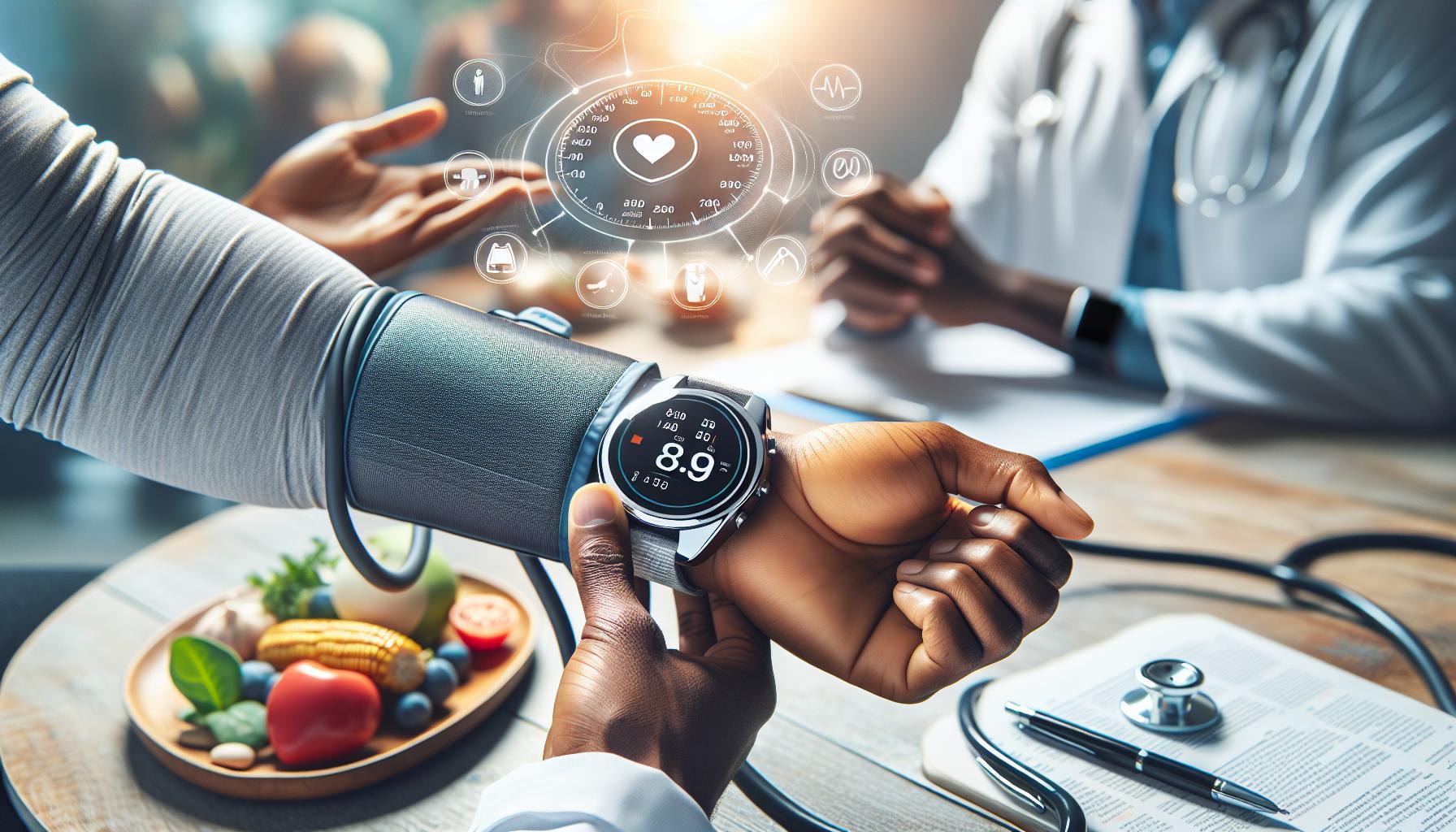
First, it’s advisable to establish a routine for monitoring your blood pressure. Using an automated home blood pressure monitor makes this process straightforward and convenient. Aim to take your readings at the same time each day, preferably in the morning before any physical activity. This consistency helps establish a baseline and enables you to spot any significant changes over time. Always ensure your arm is supported, your feet are flat on the ground, and you’re seated comfortably to get the most accurate reading.
Keep a detailed log of your readings, which can provide valuable insights when discussing your health with a healthcare provider. Note down the date, time, systolic (the top number), and diastolic (the bottom number) values, along with any symptoms you may be experiencing. This trend tracking not only aids in managing high blood pressure but also empowers you to take an active role in your health care.
It’s important to note that fluctuations in blood pressure can be influenced by a variety of factors, including stress levels, hydration, diet, and physical activity. Incorporating lifestyle changes that promote heart health can also play a crucial role in managing blood pressure post-COVID. For example, engaging in regular moderate exercise, maintaining a balanced diet rich in fruits and vegetables, and reducing salt intake can significantly impact blood pressure levels positively. If you notice persistent high readings, or if you experience any worrying symptoms like severe headaches or shortness of breath, do not hesitate to seek medical advice. Early intervention is key to preventing long-term complications associated with high blood pressure.
Lifestyle Changes to Manage Blood Pressure
Managing your blood pressure effectively, especially after experiencing COVID-19, can significantly impact your overall health and well-being. Emerging research indicates that individuals recovering from COVID may be at a higher risk of developing hypertension due to the virus’s effects on the cardiovascular system. Implementing lifestyle changes can empower you to lower your blood pressure and enhance your heart health.
Dietary Modifications
A heart-healthy diet is one of the most powerful tools for managing blood pressure. Consider the DASH (Dietary Approaches to Stop Hypertension) diet, which emphasizes the consumption of fruits, vegetables, whole grains, and lean proteins while reducing saturated fats and sodium. Aim to limit your salt intake to less than 2,300 mg per day, or ideally 1,500 mg, especially if you are sensitive to sodium. Foods rich in potassium, such as bananas, potatoes, and spinach, can help balance sodium levels and further support heart health.
Regular Physical Activity
Engaging in regular physical activity is crucial for maintaining a healthy blood pressure. Aim for at least 150 minutes of moderate aerobic exercise per week, such as brisk walking, swimming, or cycling. This consistent activity can help strengthen your heart, improve circulation, and promote weight management, all of which contribute to lower blood pressure levels. Start with short sessions and gradually increase the duration and intensity as your fitness level improves.
Stress Management Techniques
COVID-19 recovery can lead to increased stress, which may contribute to elevated blood pressure. Incorporating stress-reduction techniques into your daily routine can make a significant difference. Practices such as mindfulness meditation, yoga, or even simple breathing exercises can help calm your mind and reduce anxiety. Set aside time each day for relaxation; even a few minutes of focused deep breathing can lower stress levels.
Healthy Sleep Habits
Quality sleep is often underestimated in its importance for blood pressure control. Aim for 7 to 9 hours of uninterrupted sleep each night. Establishing a regular sleep schedule, creating a restful environment, and reducing screen time before bed can improve sleep quality. Poor sleep can elevate stress hormones and lead to higher blood pressure, so prioritizing restorative rest should be part of your overall health strategy.
By making these lifestyle changes-embracing a balanced diet, staying active, managing stress effectively, and ensuring good sleep hygiene-you can take significant steps towards controlling your blood pressure post-COVID. Each positive change brings you closer to better health, enabling you to thrive during your recovery journey.
When to Seek Medical Help for Blood Pressure
Monitoring your blood pressure is essential, especially for those who have recovered from COVID-19. New findings suggest that the virus may not only exacerbate existing health problems but potentially contribute to new issues, including hypertension. Understanding when to seek medical assistance is crucial for effective blood pressure management and overall health.
If you notice persistent symptoms such as headaches, dizziness, or shortness of breath, it may be an indicator that your blood pressure is higher than normal. You should consider checking your blood pressure regularly at home or a pharmacy. Seek medical help if your readings consistently surpass 130/80 mmHg. These numbers can serve as a guideline, reminding you to stay vigilant about your health. Also, if your blood pressure readings fluctuate significantly from your baseline levels, consulting a healthcare provider is vital to determine the cause and appropriate management.
It’s particularly important for individuals with a history of cardiovascular disease or those who were hospitalized due to COVID-19 to maintain close observation of their blood pressure. The risk factors can be heightened, so routine check-ups with your healthcare provider can provide necessary insights and interventions that could prevent complications. When experiencing any acute symptoms, such as chest pain or severe headache, don’t hesitate to seek emergency care, as these could be signs of serious complications related to elevated blood pressure.
Taking these proactive steps towards monitoring your blood pressure not only empowers you but also aids in early detection and management of potential issues. Remember, your health is a journey, and staying informed and engaged is key to navigating your recovery process effectively.
Preventive Strategies for Blood Pressure Control
Implementing effective preventive strategies is essential for maintaining optimal blood pressure, particularly in the context of recent research highlighting the potential impact of COVID-19 on cardiovascular health. Strategies for individuals, especially those recovering from COVID-19 or managing heightened blood pressure risk, can empower them to take charge of their health.
Maintaining a balanced diet rich in fruits, vegetables, and whole grains can significantly influence blood pressure levels. Emphasizing potassium-rich foods, such as bananas, sweet potatoes, and spinach, may help balance sodium levels in the body, which is crucial for hypertension management. Additionally, reducing the intake of processed foods high in sodium and added sugars can prevent spikes in blood pressure.
Regular physical activity plays a vital role in blood pressure control. Engaging in at least 150 minutes of moderate aerobic exercise weekly, like brisk walking, cycling, or swimming, can help lower blood pressure over time. Incorporating strength training exercises at least twice a week is also beneficial and can enhance overall cardiovascular fitness.
Stress Management Techniques
Managing stress effectively is another critical component of blood pressure prevention. Chronic stress can lead to elevated hormone levels that may increase blood pressure. Techniques such as mindfulness meditation, yoga, or deep breathing exercises can help reduce stress and enhance mental well-being. Allocating time for hobbies and leisure activities can also serve as a healthy outlet for stress relief.
Regular Monitoring and Professional Guidance
Consistent blood pressure monitoring is vital, especially for those with a history of hypertension or related conditions. Utilizing home blood pressure monitors or scheduling regular check-ups with a healthcare provider ensures ongoing assessment and timely interventions when needed. Understanding personal baseline numbers is key to recognizing any changes that necessitate further attention.
Incorporating these strategies into daily routines can greatly enhance blood pressure control and contribute to overall health, particularly in those affected by COVID-19. Remember, every small change can lead to significant improvements in health outcomes.
The Role of Medication in Managing Blood Pressure
In the context of managing blood pressure, especially after experiencing COVID-19, the role of medication becomes increasingly significant. Numerous studies indicate that COVID-19 may lead to elevated blood pressure levels, which can persist even after recovery. Understanding how medications can support blood pressure management is crucial for those navigating their health post-viral infection.
Medications for hypertension generally fall into several classes, including ACE inhibitors, beta-blockers, diuretics, and calcium channel blockers. Each type works differently but aims to lower blood pressure or reduce strain on the heart. For individuals recovering from COVID-19, it’s essential to consult healthcare providers to determine which medication or combination thereof best suits their specific health needs. Regular follow-ups can ensure that dosages are optimized and side effects are managed effectively.
Common Medications and Their Functions
- ACE Inhibitors: Help relax blood vessels by inhibiting the angiotensin-converting enzyme, leading to lower blood pressure.
- Beta-Blockers: Decrease heart rate and contractility, which reduces blood pressure and improves heart function.
- Diuretics: Help your body eliminate excess sodium and water, lowering blood volume and reducing blood pressure.
- Calcium Channel Blockers: Prevent calcium from entering heart and blood vessel muscle cells, leading to decreased blood pressure.
For those individuals concerned about long-term effects of COVID-19 on their cardiovascular health, medication adherence becomes a key factor. Establishing a routine that includes timely doses can help maintain stable blood pressure levels. Furthermore, utilizing tools such as smartphone reminders can assist in managing medication schedules effectively.
As with any treatment plan, lifestyle modifications should complement medication use. Patients are encouraged to discuss dietary changes, exercise regimens, and stress management techniques with their healthcare providers. This integrative approach not only improves overall health outcomes but empowers individuals to take an active role in managing their blood pressure.
Long-Term Effects of COVID on Blood Pressure
Long-term health consequences following COVID-19 infection can be significant, particularly regarding blood pressure regulation. Research indicates that many survivors experience a prolonged elevation in blood pressure levels, which can contribute to the development of hypertension. This shift in cardiovascular status may stem from various factors, including inflammation, stress, and lifestyle changes triggered by the pandemic. Understanding these effects is not just about awareness but about empowering individuals to take proactive steps in their health journey.
One of the most pressing concerns is that patients who previously had normal blood pressure could see sustained increases post-COVID-19. Studies suggest that the virus may damage blood vessels or provoke a systemic inflammatory response, thereby impacting heart function. Regular blood pressure monitoring becomes essential for these individuals to identify any concerning trends early. Those recovering from COVID-19 should ideally check their blood pressure at home, using a reliable device, and keep a log to discuss with their healthcare provider.
Incorporating lifestyle modifications can also mitigate the risk of long-term blood pressure issues. For instance, a balanced diet low in sodium and rich in fruits, vegetables, and whole grains can play a crucial role. Regular physical activity is equally important; even moderate exercise, like walking, can help lower blood pressure and improve overall cardiovascular health. Stress management techniques such as mindfulness or yoga may further support blood pressure regulation, fostering a holistic approach to recovery that encompasses both physical and mental well-being.
Ultimately, addressing the long-term effects of COVID-19 on blood pressure involves a partnership with healthcare providers to develop personalized monitoring and management plans. By recognizing the potential for increased blood pressure and acting proactively through lifestyle choices and professional guidance, individuals can substantially enhance their health outcomes and quality of life.
Real Patient Stories: Experiences and Management Strategies
Anecdotal evidence suggests that many individuals recovering from COVID-19 have encountered unexpected challenges related to their blood pressure management. For instance, a 45-year-old woman named Sarah, who previously maintained normal blood pressure, found herself grappling with elevated readings post-COVID. Sarah shared, “I noticed my blood pressure was consistently higher during and after my recovery. It was alarming, as I had never had issues before.” Her experience led her to realize that the stress and anxiety stemming from her illness, combined with changes in her routine, were major contributors to her condition.
Effective management strategies can empower those in similar situations. Regular blood pressure monitoring became a cornerstone of Sarah’s routine; she invested in a reliable home monitor and tracked her readings diligently. “Logging my blood pressure every day helped me stay accountable and informed,” she explained. This proactive approach allowed her to identify patterns and communicate effectively with her healthcare provider, who tailored her recovery plan accordingly.
Incorporating lifestyle changes proved vital for Sarah. She adopted a heart-healthy diet rich in fruits, vegetables, and whole grains while significantly reducing her sodium intake. Regular physical activity also became part of her life – she began walking daily and even joined an online yoga class to manage stress. “These changes not only helped my blood pressure but also improved my overall mood,” she noted, illustrating the holistic benefits of integrating physical activity and better nutrition.
For those experiencing similar issues, it is essential to seek support from healthcare professionals. Creating a collaborative plan for managing blood pressure can lead to more tailored advice and better outcomes. Individuals can also benefit from connecting with support groups, either in-person or online, where experiences and strategies can be shared. Remember, you are not alone in this journey, and taking proactive steps can significantly enhance your health and well-being.
FAQ
Q: How does COVID-19 affect high blood pressure conditions?
A: COVID-19 can exacerbate existing high blood pressure by increasing stress and inflammation within the body. This elevation in systemic stress may lead to heightened blood pressure levels, particularly in individuals with pre-existing cardiovascular issues. Monitoring blood pressure regularly can help manage these risks effectively.
Q: What are the long-term effects of COVID-19 on blood pressure?
A: Some studies indicate that survivors of COVID-19 may experience long-lasting changes in blood pressure regulation, which could lead to persistent hypertension. It’s essential to have follow-up care and regular blood pressure checks to address any emerging issues post-COVID recovery.
Q: Can COVID-19 lead to hypertension even if I’m healthy?
A: Yes, even individuals without pre-existing high blood pressure can develop hypertension post-COVID. The virus can impact overall cardiovascular health, placing previously healthy individuals at risk. Regular monitoring and lifestyle adjustments can help maintain healthy blood pressure levels.
Q: What symptoms indicate high blood pressure after COVID-19 infection?
A: Common symptoms of high blood pressure post-COVID may include headaches, shortness of breath, and chest pain. It’s important to consult a healthcare provider if experiencing these symptoms to ensure proper evaluation and management.
Q: When should I check my blood pressure after a COVID-19 diagnosis?
A: It is advisable to monitor blood pressure regularly for at least several weeks after recovering from COVID-19. Frequent checks can help identify any emerging hypertension early, allowing for timely management. Consult your healthcare provider for personalized monitoring recommendations.
Q: Why is blood pressure monitoring crucial during COVID recovery?
A: Monitoring blood pressure is vital during recovery to detect any potential complications early. COVID-19 can affect cardiovascular health, and early identification of high blood pressure can lead to prompt interventions, reducing the risk of severe outcomes.
Q: Are there preventive measures to control blood pressure after COVID-19?
A: Yes, lifestyle changes such as a balanced diet, regular exercise, stress management, and avoiding tobacco can help control blood pressure after COVID-19. Consulting your healthcare provider for tailored strategies based on your health status is also recommended.
Q: What role does medication play in managing post-COVID blood pressure?
A: Medication may be necessary for individuals experiencing persistent high blood pressure after COVID-19. Your healthcare provider can recommend antihypertensive medications if lifestyle changes are insufficient to control blood pressure effectively. Regular monitoring is vital to adjust treatment as needed.
These FAQs can help enhance understanding and provide critical information on the relationship between COVID-19 and blood pressure management. For additional insights on lifestyle changes and monitoring strategies, refer to the relevant sections of the article.
Final Thoughts
Understanding how COVID-19 can impact blood pressure is crucial for managing your health effectively. As recent research indicates, the stress of illness, combined with potential inflammatory responses, can elevate blood pressure levels. If you’re navigating these changes, now is the time to monitor your health closely and consult your healthcare provider for personalized strategies.
To learn more about related health topics, explore our articles on hypertension management and the long-term effects of COVID-19 on cardiovascular health. Don’t forget to subscribe to our newsletter for the latest updates on health research, tips, and resources that empower you to take control of your well-being. Engage with us in the comments section-share your experiences or questions, and let’s foster a community committed to better health outcomes together. Your journey to optimal health starts now!