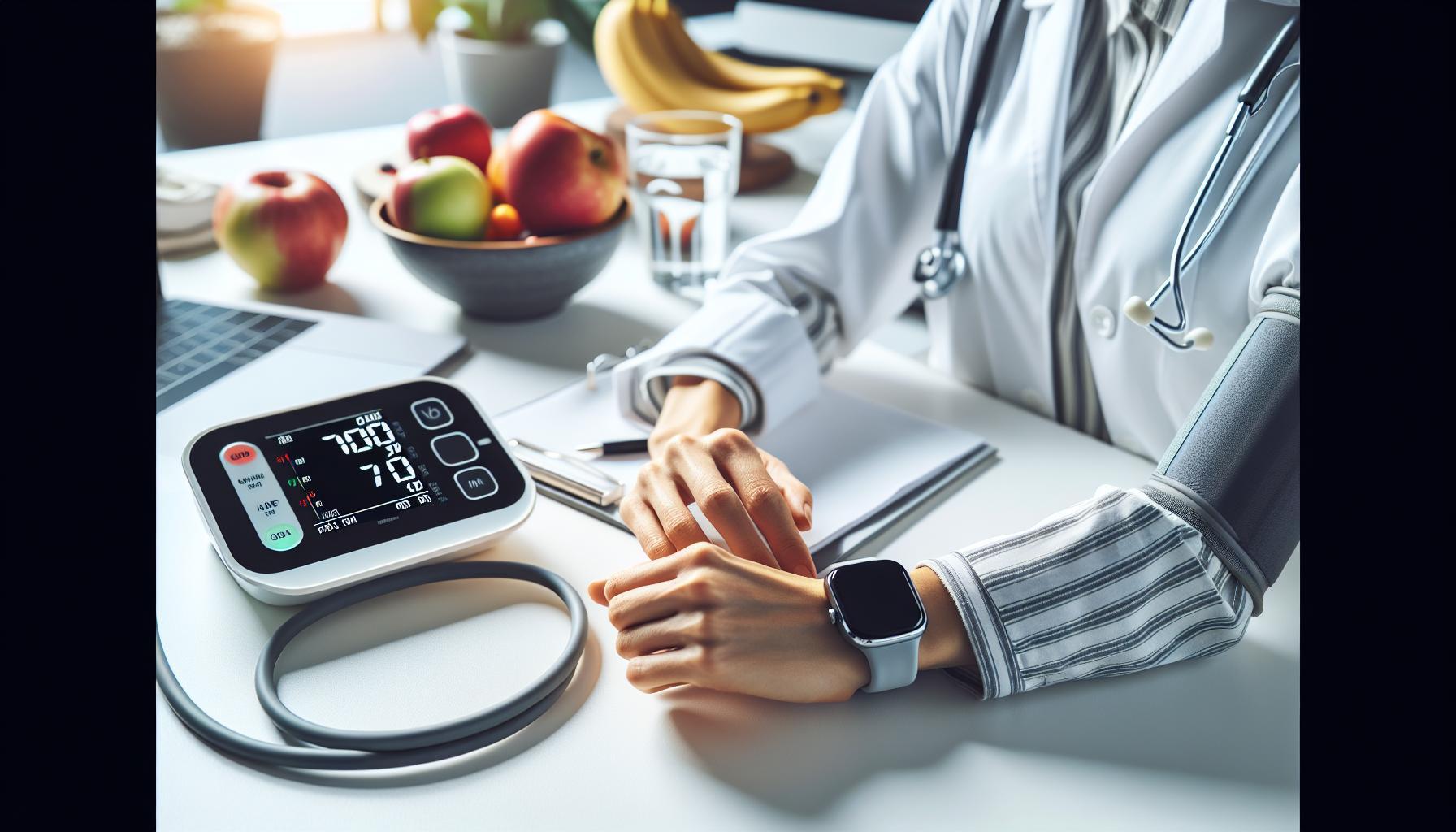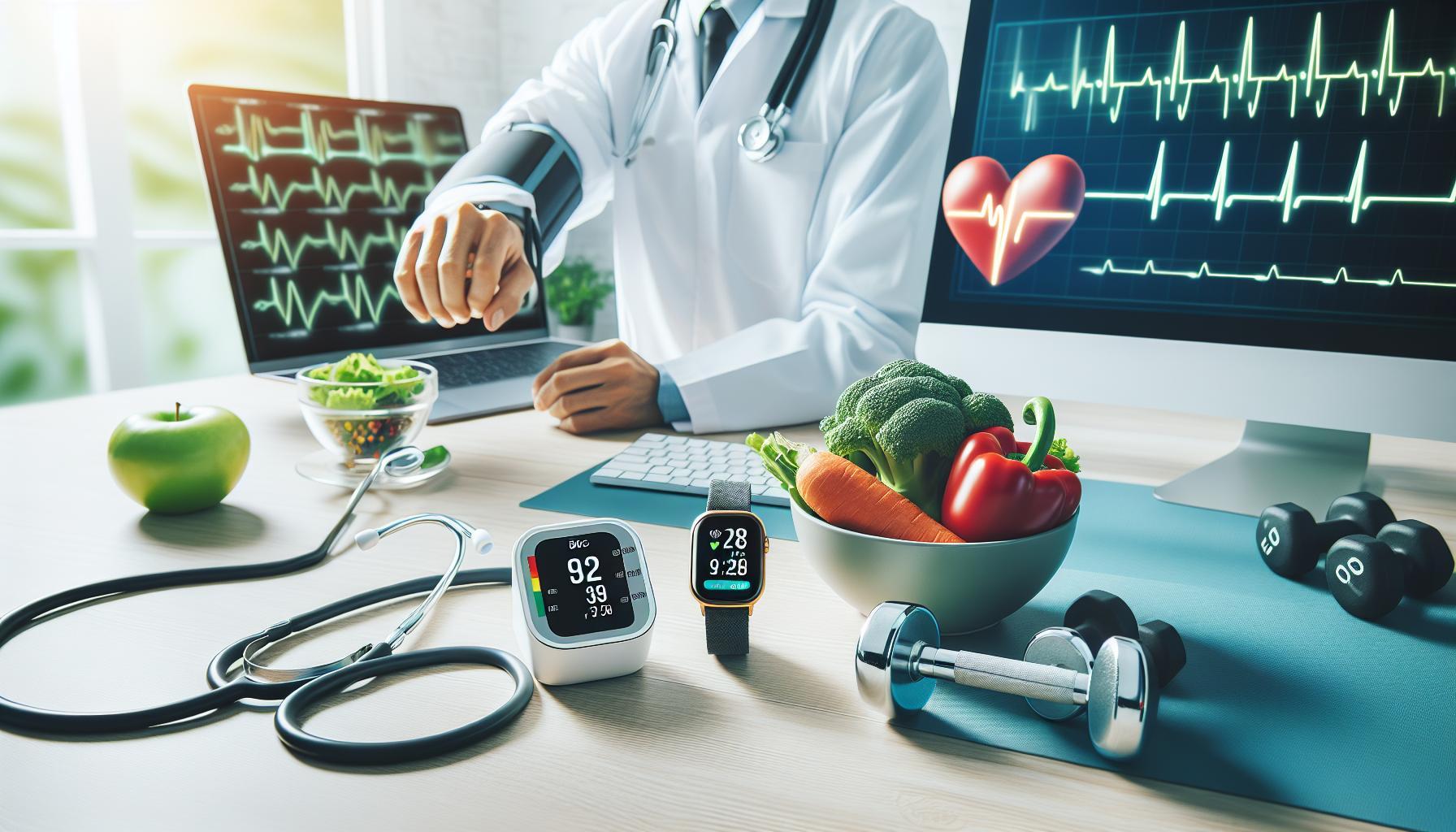

As the prevalence of hypertension rises, many individuals are seeking efficient ways to monitor their health. With wearable technology gaining traction, a common question arises: “Does Fitbit measure blood pressure?” This article delves into the capabilities of Fitbit devices in comparison to other wearable tech, empowering you to make informed decisions about managing your health.
Understanding your blood pressure is crucial, as it can prevent serious health issues like heart disease or stroke. Wearable devices offer convenience, potentially helping you track key metrics effortlessly. By exploring the nuances of Fitbit’s functionality and its alternatives, you’ll uncover effective tools that can enhance your health management journey. Join us as we examine whether these gadgets can truly support your blood pressure monitoring needs.
Does Fitbit Measure Blood Pressure?
While Fitbit devices are renowned for their activity tracking, sleep monitoring, and heart rate measurement capabilities, they currently do not offer direct blood pressure measurement. The technology used in Fitbit devices focuses primarily on heart rate variability and motion sensors rather than the specific calibration needed for accurate blood pressure readings. For users managing hypertension or monitoring their blood pressure frequently, it’s vital to understand that Fitbit can provide indirect health insights but not definitive blood pressure values.
Despite this limitation, some Fitbit models allow users to track metrics correlated with cardiovascular health, such as heart rate and physical activity. Maintaining a healthy level of exercise can greatly influence blood pressure, and this is where Fitbit can play a supportive role. By encouraging a more active lifestyle, coupled with healthy habits like proper diet and stress management, users can indirectly manage their blood pressure levels.
For precise blood pressure monitoring, users may want to explore dedicated devices specifically designed for this purpose. Many smartwatches and health trackers are emerging with integrated blood pressure monitoring capabilities. These wearables often utilize oscillometric technology to provide readings comparable to those from traditional sphygmomanometers. Users interested in alternatives can consider devices from brands like Omron or Withings, which are known for their accuracy in tracking blood pressure.
In conclusion, while Fitbits do not measure blood pressure, they can serve as part of a broader approach to health management. Users are encouraged to combine Fitbit insights with regular measurements using appropriate medical devices to gain a comprehensive overview of their cardiovascular health.
Understanding Blood Pressure Basics and Importance
Understanding blood pressure is crucial for maintaining overall health, as it serves as a vital indicator of cardiovascular function. High blood pressure, or hypertension, can lead to significant health issues such as heart disease, stroke, and kidney problems. In fact, nearly half of all adults in the United States have high blood pressure, often without exhibiting noticeable symptoms. This makes regular monitoring not just beneficial, but essential for early detection and management of potential health risks.
Blood pressure is measured in millimeters of mercury (mmHg) and is recorded with two numbers: systolic pressure (the first number), which measures the pressure in your arteries when your heart beats, and diastolic pressure (the second number), which measures the pressure in your arteries when your heart rests between beats. Normal blood pressure levels are typically around 120/80 mmHg. Understanding these values helps individuals recognize their own blood pressure status and encourages them to seek medical advice if readings consistently trend higher.
To effectively manage blood pressure, consider adopting lifestyle changes that promote heart health. Regular physical activity, a balanced diet rich in fruits and vegetables, maintaining a healthy weight, and managing stress can all significantly impact blood pressure levels. Additionally, reducing salt intake and limiting alcohol consumption further contributes to better cardiovascular health. Combining these lifestyle strategies with routine monitoring can empower individuals to take charge of their health and make informed decisions alongside healthcare professionals.
For effective blood pressure monitoring, users should establish a routine that includes taking measurements at the same time each day, using a reliable method-be it a traditional cuff or a sophisticated wearable device-and maintaining a record of the readings to track trends over time. This approach provides valuable insights that can be shared with healthcare providers to tailor health management strategies that align with individual needs.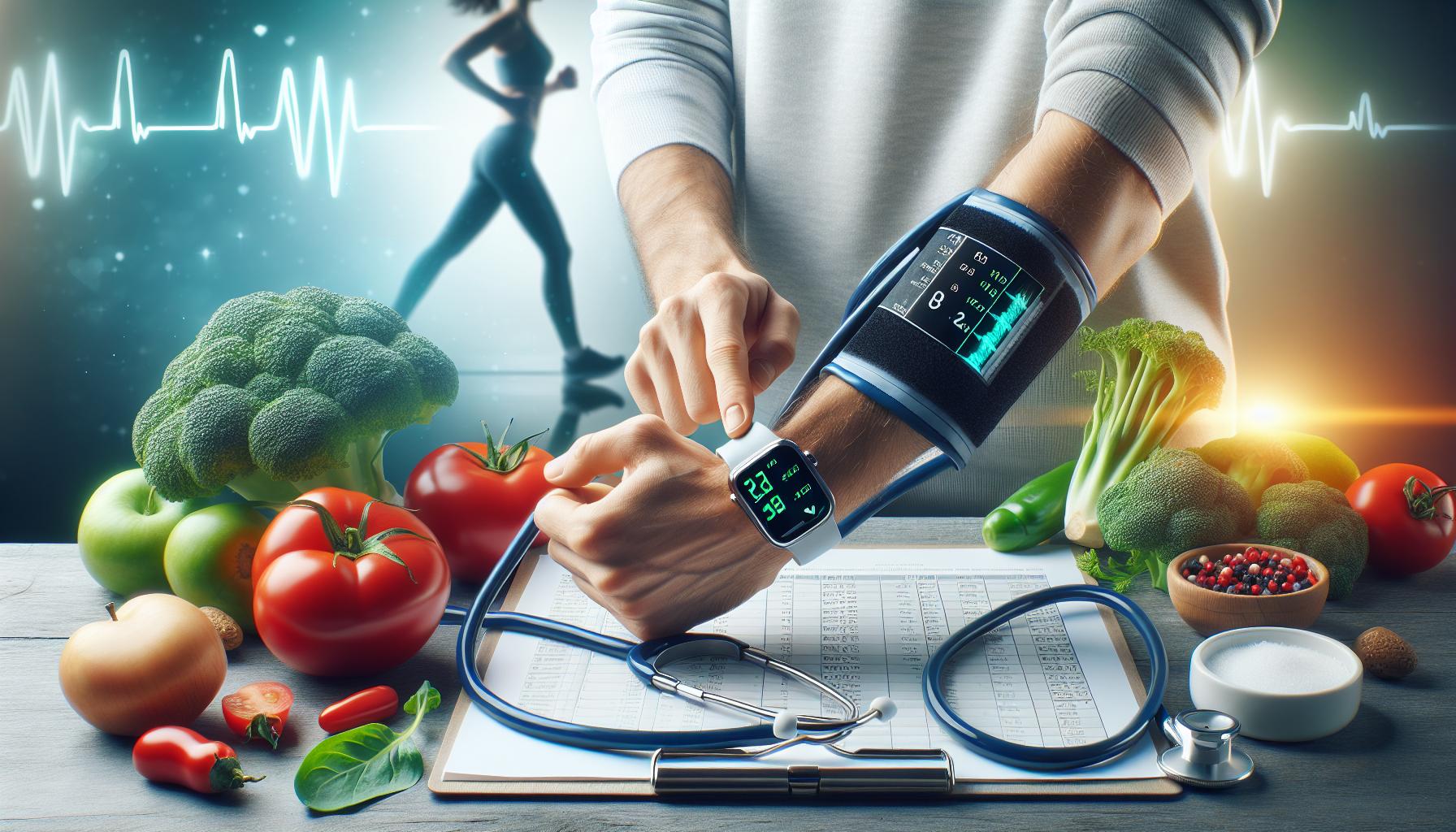
How Fitbit and Other Wearables Track Health Metrics
The rise of wearable technology has transformed the way individuals monitor their health, offering convenient, real-time insights into various metrics. Wearables like Fitbit are at the forefront of this revolution, allowing users to track their heart rate, physical activity, and sleep patterns. However, when it comes to measuring blood pressure specifically, the capabilities of Fitbit devices are limited compared to traditional blood pressure monitors.
Fitbit devices utilize sensors and algorithms to estimate heart rate and can infer certain cardiovascular metrics indirectly. They primarily focus on heart rate variability and resting heart rate, which are important for understanding overall cardiovascular health. This data can suggest trends that may correlate with blood pressure changes but do not directly measure blood pressure itself. To effectively track blood pressure, a compatible device or external monitor that can pair with the Fitbit app is often needed.
Other wearables, such as smartwatches and dedicated blood pressure monitors, may offer more precise measurements. Devices from brands like Garmin and Omron are designed to capture blood pressure readings accurately. Smartwatches are increasingly integrating blood pressure monitoring features, allowing users to check their levels on-demand. It’s crucial for individuals to assess their needs based on the features offered by different devices, especially if monitoring blood pressure is a priority.
For those who do choose a Fitbit, complementing it with a traditional cuff-style blood pressure monitor can provide a comprehensive view of cardiovascular health. By maintaining records of readings from both devices, users can gain deeper insights into trends and share this information with healthcare providers for better-informed health management strategies.
The Science Behind Blood Pressure Monitoring Devices
Blood pressure is often dubbed the “silent killer” because it can rise unnoticed, leading to severe health consequences. Understanding the technology behind blood pressure monitoring devices is crucial for anyone looking to manage their heart health proactively. These devices employ various methods to deliver accurate readings, utilizing both conventional and innovative techniques to ensure users can monitor their blood pressure effectively.
Many blood pressure monitoring devices, particularly traditional cuff-style monitors, operate using oscillometric technology. When you wrap the cuff around your arm and inflate it, the device measures the vibration of the arterial wall as blood flows through it. This information is then converted into systolic and diastolic pressure readings. More advanced models may utilize auscultatory methods, detecting the sounds of blood flow to provide accurate measurements.
Wearable technology, on the other hand, employs a more indirect approach. Fitbit and similar devices primarily focus on heart rate monitoring. They use photoplethysmography, a technique that shines light onto the skin and measures changes in blood volume. While heart rate and variability are critical indicators of overall cardiovascular health and can help infer trends in blood pressure fluctuation, they do not provide direct blood pressure readings like traditional monitors. This distinction is vital for users who need precise measurements for medical reasons.
Understanding the science behind these devices can empower users to make informed decisions. For instance, when choosing to track blood pressure, it’s wise to consider how wearable technology can complement traditional monitoring methods. By adopting a combination of devices-using a traditional cuff monitor for exact readings alongside a Fitbit for ongoing heart health monitoring-individuals can create a comprehensive health strategy. This approach not only fosters better engagement with one’s health but also aids healthcare professionals in providing tailored advice based on combined data insights.
In the ever-evolving landscape of health technology, keeping abreast of how devices work reinforces the importance of informed health management. Whether you are using a Fitbit or a traditional monitor, understanding these technologies can help streamline your monitoring processes and enable proactive lifestyle adjustments that enhance overall well-being.
Comparing Fitbit to Traditional Blood Pressure Monitors
The emergence of wearable technology has transformed how we monitor our health, yet many users are left wondering how devices like Fitbit stack up against traditional blood pressure monitors. While both types of devices serve vital roles in managing cardiovascular health, they do so with differing methodologies and levels of accuracy. Traditional blood pressure monitors, particularly the cuff-style devices commonly used in homes and clinics, directly measure blood pressure through oscillometric or auscultatory methods. This leads to precise systolic and diastolic readings, which are essential for anyone needing rigorous monitoring, such as hypertensive patients.
In contrast, Fitbit devices and similar wearables utilize photoplethysmography to assess heart rate and blood flow rather than directly measuring blood pressure. While they can provide insights into your heart rate trends and overall cardiovascular health, the readings derived from these devices do not correlate directly with blood pressure levels. This means that while a Fitbit can help you track your heart’s response to activity and stress, it cannot replace the accuracy required for specific blood pressure measurements, especially for those managing conditions like hypertension.
Despite these differences, combining the strengths of both traditional monitors and wearables can enhance your health management. For instance, you might use a traditional monitor to capture precise readings during a doctor’s appointment or at home, while employing a Fitbit for continuous heart rate tracking during daily activities. This integrated approach allows you to monitor your heart health comprehensively, as heart rate patterns can provide context for blood pressure readings. Engaging with both tools empowers individuals to make informed decisions about their health, fostering a proactive rather than reactive approach to cardiovascular wellness.
Key Features of Fitbit Relevant to Blood Pressure Monitoring
The world of wearable technology offers an intriguing blend of convenience and health tracking capabilities, and Fitbit devices have gained substantial popularity among fitness enthusiasts and health-conscious users. One of the standout characteristics of Fitbit models is their ability to collect and analyze various health metrics, which, while not directly measuring blood pressure, can significantly contribute to understanding one’s cardiovascular health.
Fitbit devices utilize advanced technologies such as heart rate monitoring through photoplethysmography, enabling users to track their heart rate trends continuously. This feature is crucial, as heart rate variability can impact blood pressure levels. By observing how your heart responds to exercise, stress, and daily activities, you gain valuable insights that can complement traditional blood pressure readings. Understanding these patterns helps in managing your health proactively, equipping you with data to discuss with healthcare providers.
Additionally, many Fitbit models incorporate features like guided breathing exercises, reminders to move, and sleep tracking. These elements help in promoting a holistic approach to health management. For instance, the relationship between stress and blood pressure is well-documented; implementing stress-reduction techniques can positively influence your overall blood pressure health. Furthermore, sleep quality directly affects cardiovascular function, and by monitoring your sleep through a Fitbit, you can identify areas for improvement that may contribute to better blood pressure regulation.
The integration of smartphone apps with Fitbit devices adds another layer of functionality. Users can access detailed analytics of their heart health, set personalized goals, and track their progress over time. This connectivity empowers individuals to make informed decisions about lifestyle changes, such as dietary adjustments and increased physical activity, which can contribute to lower blood pressure levels and improved overall health.
In summary, while Fitbit does not measure blood pressure directly, its key health tracking features provide valuable data that can enhance understanding and management of cardiovascular health. By utilizing these tools in conjunction with traditional blood pressure monitoring, users can develop a more comprehensive picture of their health, leading to better-informed choices and proactive management strategies.
Alternatives to Fitbit for Accurate Blood Pressure Measurement
While Fitbits offer impressive health tracking features, exact blood pressure readings require more specialized devices. Many users seeking to monitor their blood pressure accurately can turn to a variety of alternatives that provide consistent and reliable measurements. These devices are designed specifically for blood pressure assessment, helping users manage hypertension or other cardiovascular conditions with confidence.
One popular alternative is the automatic digital blood pressure monitor, which offers convenience and ease of use. These monitors typically come with a cuff that wraps around the upper arm. Users simply need to position the cuff correctly, press a button, and the device will inflate and deflate automatically, displaying the systolic and diastolic pressure readings along with the heart rate. They are often compact and can easily fit into a bag, making them portable enough for home or travel use.
Another effective option includes smart blood pressure cuffs, which can connect to mobile applications via Bluetooth. These devices allow you to log readings directly onto your smartphone, providing a comprehensive view of your blood pressure history over time. Some popular models include the Omron HeartGuide and Withings BPM Connect, which not only measure blood pressure but also offer advanced insights and reminders for regular monitoring.
If you’re looking for something more comprehensive, consider wearable blood pressure monitors like the Samsung Galaxy Watch 3 or the ASUS VivoWatch BP. These devices combine the functionality of traditional fitness trackers with accurate blood pressure monitoring capabilities. They provide users with the convenience of tracking multiple health metrics, including heart rate, activity levels, and blood pressure, all from a stylish watch.
Investing in one of these alternatives can significantly enhance your ability to monitor and manage your blood pressure effectively, ensuring you have the precise data necessary to discuss with your healthcare provider for better health outcomes. Always consult with a healthcare professional to determine the best monitoring device for your individual needs and remember to monitor your blood pressure regularly for the most accurate assessments.
User Experiences: Fitbit for Blood Pressure Insights
Many users have turned to Fitbit devices not only for general fitness tracking but also for insights into their broader health metrics, including blood pressure. While Fitbits do not provide direct blood pressure measurements, they offer valuable contextual data that can be crucial for individuals managing their cardiovascular health. For instance, those who regularly monitor their heart rate and activity levels can gain insights into lifestyle patterns that may correlate with blood pressure changes.
User experiences highlight the importance of integrating Fitbit’s features with traditional blood pressure monitoring methods. Many users playfully describe using their Fitbit alongside a digital blood pressure monitor to create a more comprehensive profile of their health. They report feeling empowered as they track steps, heart rate, and sleep patterns, which they believe can influence their overall blood pressure. This holistic approach allows them to have informed discussions with healthcare providers, leading to personalized health strategies that go beyond mere statistics.
To make the most of your Fitbit in managing blood pressure, consider the following tips:
- Log Your Daily Activity: Take advantage of activity tracking to maintain a healthy lifestyle, which can positively impact blood pressure levels.
- Monitor Heart Rate Trends: Regular heart rate checks can help detect unusual changes that may warrant further investigation.
- Utilize Reminders: Set reminders to move or exercise, which can help maintain a healthy weight, another key factor in blood pressure management.
Combining insights from Fitbit with disciplined blood pressure monitoring can lead to improved health outcomes. Users find that staying consistent with their health monitoring routines fosters a sense of accountability and encourages proactive health management, ultimately contributing to better cardiovascular health. By framing your Fitbit use as part of a broader health strategy, you empower yourself to take charge of your well-being actively.
Limitations of Fitbit in Blood Pressure Tracking
Many users engage with Fitbits as part of their health journey, eagerly tracking metrics that support their wellness goals. However, when it comes to blood pressure monitoring, it’s crucial to recognize that while Fitbits provide fantastic insights into overall health, they are not designed to measure blood pressure directly. This limitation can lead to misconceptions and reliance on potentially inadequate data, which can affect users’ health management strategies.
The primary challenge is that Fitbits rely on optical sensors and algorithms to monitor heart rate and activity levels, providing estimates based on movement and cardiovascular responses. This indirect approach means that users seeking effective blood pressure management must understand that a Fitbit cannot substitute for clinical-grade blood pressure monitors. This can be especially pertinent for individuals diagnosed with hypertension or at risk, as fluctuations in blood pressure often require precise and immediate measurements for effective management.
Moreover, while Fitbits can help track lifestyle factors that may influence blood pressure, such as physical activity and stress levels, these are just parts of a larger puzzle. Users may overlook the nuances of their health if they rely solely on Fitbit data. For instance, stress management or fluctuations in sleep patterns play significant roles in blood pressure regulation; without proper monitoring through validated medical devices, these factors can be underappreciated.
For a comprehensive approach to blood pressure management, it’s beneficial to incorporate a traditional blood pressure monitor into your routine. This allows users to cross-reference Fitbit readings with actual blood pressure data, creating a fuller picture of their cardiovascular health. Regular consultations with healthcare professionals further enhance this strategy, fostering informed discussions based on accurate measurements. By blending these approaches, users can effectively harness the benefits of technology without compromising their health monitoring accuracy.
Recent Developments in Wearable Blood Pressure Technology
The landscape of wearable health technology is rapidly evolving, particularly in the realm of blood pressure monitoring. Recent advancements have enabled innovative devices that aim to empower users with accurate and actionable health data, enhancing their ability to manage blood pressure effectively without the need for traditional monitors. For instance, companies like Omron and Garmin are at the forefront of integrating blood pressure monitoring directly into their wearable devices, using advanced sensors and algorithms designed to capture blood pressure readings on the go.
Tech giants are investing heavily in research to develop non-invasive methods to measure blood pressure. Using advanced photoplethysmography (PPG) technology, wearables can estimate blood pressure by analyzing blood flow signals using light sensors. This represents a significant stride toward providing continuous monitoring throughout the day, which can yield insights that are far more relevant than sporadic readings taken with standard cuffs. An exciting development in this area includes the potential for smartwatches to incorporate features that allow users to monitor their cardiovascular health in real-time and receive alerts for abnormal readings.
Moreover, the integration of machine learning into these devices has redefined user interaction with blood pressure data. By utilizing algorithms that learn from past readings, wearables can offer personalized health tips and trends, helping users identify factors that influence their blood pressure. This intelligent guidance fosters a proactive approach to health management, encouraging users to make lifestyle adjustments such as improved diet, increased physical activity, and stress reduction techniques.
As technology strengthens its foothold in healthcare, staying informed about the latest developments in wearable devices can significantly enhance your approach to blood pressure management. With promising new tools coming to market, users have the opportunity to combine convenience with critical health monitoring-empowering them to take charge of their cardiovascular health more effectively.
Choosing the Right Device for Blood Pressure Management
Choosing a suitable device for blood pressure management is crucial for anyone looking to monitor and improve their cardiovascular health. With the plethora of options available, it can feel overwhelming to determine what device best meets your needs. Essential considerations include accuracy, usability, features, and your specific health goals. As you make your selection, focus on devices that provide reliable readings, are easy to use, and fit seamlessly into your daily routine.
When evaluating blood pressure monitors, familiarize yourself with different types of devices: traditional cuffs, wrist monitors, and advanced wearables like smartwatches. Traditional monitors, such as those offered by Omron, are often considered the gold standard for accuracy but may not offer the convenience of wearables. Wearable devices like Fitbit can track heart rate and activity, contributing to an overall picture of health, but they may lack the precision of standalone blood pressure monitors. If you opt for a wearable, check if it provides blood pressure estimates based on advanced technologies, shown to give a sense of trends over time rather than exact numbers.
Key considerations for device selection:
- Accuracy: Look for reviews or research backing the device’s accuracy in readings.
- Ease of Use: Choose a user-friendly interface to ensure consistent monitoring.
- Integration: Consider devices that sync with apps or platforms you already use for health data management.
- Features: Seek additional health metrics that might help you manage your overall wellness effectively.
- Smart Technology: Devices with machine learning capabilities can offer personalized insights based on your data.
Additionally, it’s critical to engage with your healthcare provider regarding your choice of device. Discuss your individual health needs, the accuracy of the device, and how best to interpret the data it collects. Many users benefit from a hybrid approach: using a traditional monitor for precise readings on occasion combined with regular tracking through a wearable. This ensures both the timely insights offered by tech and the accuracy of medical-grade devices. Emphasizing education in this process can enhance confidence and lead to better health outcomes, empowering you to take proactive steps toward managing your blood pressure effectively.
Tips for Effective Blood Pressure Monitoring on Wearables
Monitoring blood pressure with wearable technology can be a game changer for your health management strategy, providing insights that empower you to make informed decisions about your cardiovascular health. To maximize the effectiveness of wearables like the Fitbit, it’s essential to adopt best practices that ensure accurate readings and meaningful data interpretation.
Start by establishing a consistent monitoring routine. Taking readings at the same time each day-preferably when you are relaxed and in a stable environment-can help eliminate variability and improve accuracy. It’s crucial to wear the device correctly as well; follow manufacturer guidelines to ensure that it fits comfortably and securely on your wrist. Regularly check the device’s battery life and software updates, which can affect performance.
Incorporating lifestyle factors into your monitoring regimen can also enhance your understanding of blood pressure trends. Track your activity levels, diet, and stress management techniques concurrently. For instance, you might notice how a day filled with physical activity correlates with lower blood pressure readings. Such data can provide valuable context, helping you identify which habits positively or negatively impact your metrics.
Don’t overlook the importance of engaging with your healthcare provider in the process. Share your collected data with them during check-ups to discuss patterns and trends in your readings. This collaboration can lead to tailored adjustments in your monitoring approach and lifestyle changes aimed at optimal blood pressure regulation. Remember, while wearables offer convenience and accessibility, they should complement traditional methods of tracking and diagnosing health conditions rather than serve as standalone solutions. By following these tips, you empower yourself to take proactive steps in managing your blood pressure effectively.
FAQ
Q: Can Fitbit provide an accurate estimate of blood pressure?
A: Fitbit devices do not directly measure blood pressure; they estimate it based on heart rate and other metrics. While this provides some insights, it is not a substitute for traditional blood pressure monitors. For accurate readings, consider using dedicated devices [1[1].
Q: What are the limitations of using Fitbit for blood pressure tracking?
A: The main limitations include the lack of direct blood pressure measurement, potential inaccuracies due to varying user conditions, and its dependence on algorithms that may not reflect individual health variations. Users needing precise monitoring should use clinical devices [3[3].
Q: How often should I monitor my blood pressure with a wearable?
A: It is advisable to monitor your blood pressure at least once a week using a reliable device. If you have hypertension, more frequent checks may be necessary. Always follow the guidance of your healthcare provider regarding your specific needs [2[2].
Q: What wearable technology is best for blood pressure measurement?
A: Alternatives like the Omron HeartGuide and Withings BPM Core offer direct blood pressure measurement with clinical accuracy. These devices are more suitable for individuals needing reliable tracking compared to Fitbit’s estimation method [1[1].
Q: Why doesn’t Fitbit have a blood pressure measurement feature?
A: Fitbit focuses on overall health tracking, using heart rate and activity data. The complexity and regulation of blood pressure monitoring technology may limit Fitbit from including this feature. The company may prioritize accuracy in health estimations over adding features [2[2].
Q: How can I improve the accuracy of blood pressure readings from wearables?
A: To enhance accuracy, ensure the wearable is fitted correctly, monitor your blood pressure at consistent times, and avoid any activity that may skew results. Maintain a log and discuss findings with your healthcare provider for better insights [3[3].
Q: Are there any new developments in wearable blood pressure technology?
A: Yes, recent advancements include devices like smartwatches capable of more accurate estimates through improved sensor technology. Research is ongoing to create wearables that can measure blood pressure as precisely as traditional monitors [2[2].
Q: How do I select the right device for blood pressure management?
A: Consider factors like measurement accuracy, ease of use, and features such as data tracking and app integration. Consult your healthcare provider for tailored recommendations based on your health profile [1[1].
Closing Remarks
As we’ve explored, while Fitbit devices offer excellent fitness tracking capabilities, they do not directly measure blood pressure. Understanding the limitations and strengths of wearable technology can empower you to make informed health decisions. If blood pressure monitoring is a priority for you, consider exploring dedicated blood pressure monitors for accurate readings.
For more on how to effectively manage your health with technology, check out our article on “The Best Wearable Tech for Health Monitoring,” and don’t miss our comprehensive guide on “Lifestyle Changes to Lower Blood Pressure.”
Stay proactive in your wellness journey! Subscribe to our newsletter for the latest insights, and share your thoughts in the comments below. Your experience matters and helps others navigate their health paths too!