Did you know that high blood pressure, often dubbed the “silent killer,” can have surprising effects on your body, including your eyesight? Bloodshot eyes can be more than just a sign of fatigue or allergies; they may also indicate underlying health issues linked to elevated blood pressure levels. Understanding this connection is crucial for anyone aiming to maintain optimal eye health and overall well-being.
As lifestyles become busier and stress levels rise, it’s common for many people to overlook their blood pressure. However, monitoring this vital sign is essential, not just for your cardiovascular health but for preventing complications that can affect your vision. Are you curious about how high blood pressure might impact the appearance of your eyes? This article will delve into the relationship between hypertension and bloodshot eyes, providing insights into what symptoms to watch for and how to take proactive steps in managing your health.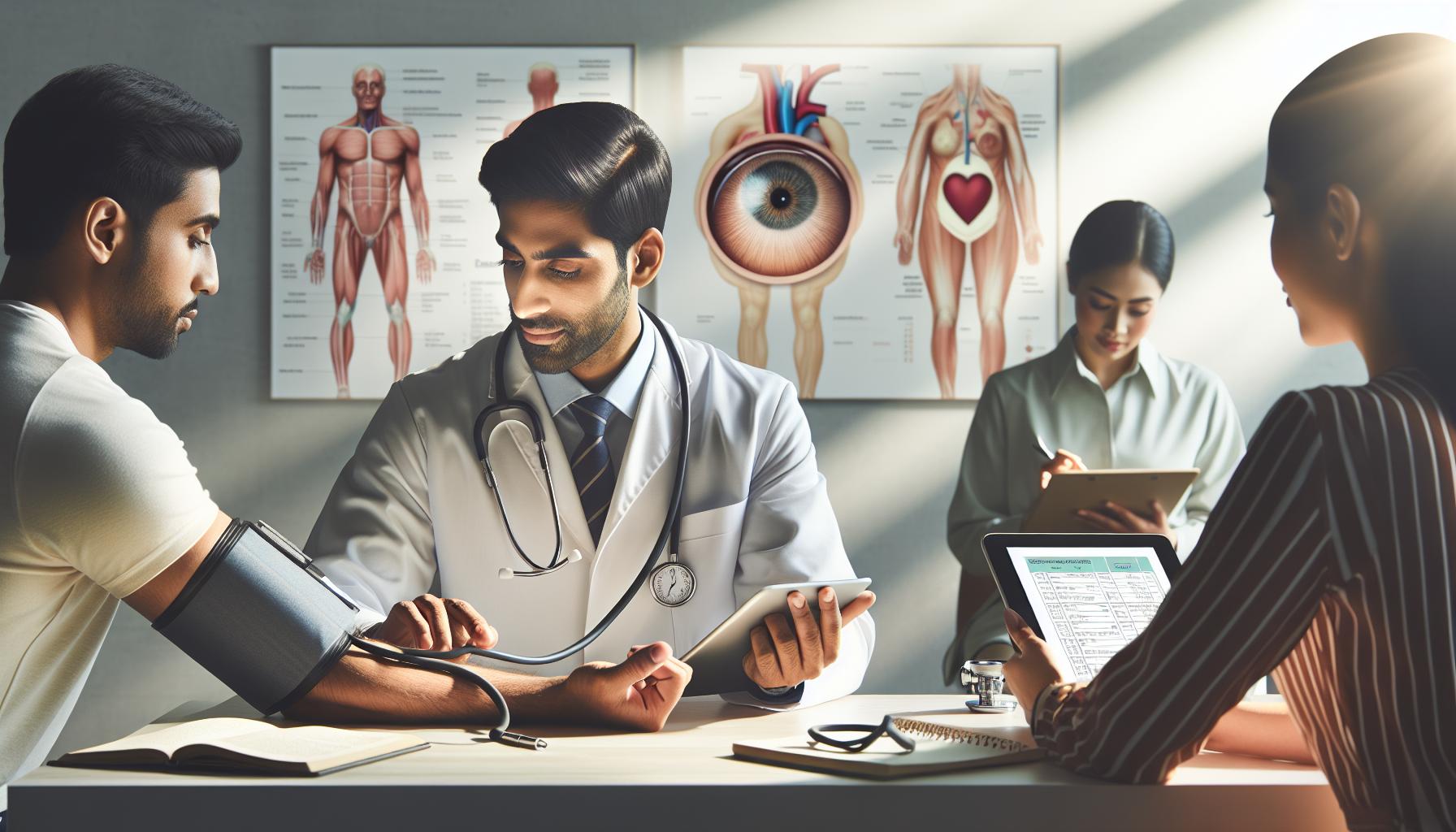
Impact of High Blood Pressure on Eye Health
High blood pressure, or hypertension, poses significant risks not only to cardiovascular health but also to the eyes, often leading to a range of vision problems. As blood pressure rises, the blood vessels in the eyes can become damaged, which may manifest as various ocular conditions. Understanding these impacts is critical for maintaining eye health and overall well-being.
A common consequence of uncontrolled hypertension is hypertensive retinopathy, a condition where damage to the retina occurs due to high blood pressure. This can lead to vision impairment or even loss if not addressed. Additionally, high blood pressure can cause fluid to build up in the retina, resulting in blurred vision. Regular eye exams become essential in these contexts, allowing for early detection and management of any arising issues.
Moreover, individuals with high blood pressure may also experience symptoms such as bloodshot eyes. This redness often stems from broken capillaries or increased pressure in the vessels of the eye. Though this condition can be temporary and resolve on its own, persistent bloodshot eyes accompanied by other symptoms should prompt a visit to a healthcare professional.
To mitigate the risks associated with hypertension and its impact on eye health, incorporating lifestyle changes is vital. These may include a balanced diet rich in fruits and vegetables, regular physical activity, and effective stress management techniques. Monitoring blood pressure at home can play a crucial role in managing hypertension effectively. Keeping a log of readings can help identify patterns and trigger timely discussions with healthcare providers about the best management strategies. Emphasizing the connection between blood pressure control and eye health encourages proactive measures that can significantly enhance quality of life and preserve vision.
Understanding Bloodshot Eyes: Causes and Symptoms
Experiencing bloodshot eyes can be alarming, especially if accompanied by rising blood pressure levels. Bloodshot eyes often occur when small blood vessels in the sclera (the white part of the eye) become dilated or damaged, leading to the characteristic redness. Several factors contribute to this phenomenon, including allergens, irritants, or even fatigue, but high blood pressure is a significant underlying cause that deserves attention.
When hypertension occurs, it can affect the tiny blood vessels in the eyes. Increased pressure in these vessels can lead to conditions like subconjunctival hemorrhage, wherein a small blood vessel breaks, causing a bright red patch on the sclera. This condition typically develops without warning and, while it may look severe, it often resolves on its own without treatment. However, if bloodshot eyes persist or reoccur, it is crucial to consult a healthcare professional to rule out any underlying issues and ensure that blood pressure levels are managed effectively.
Identifying the symptoms accompanying bloodshot eyes can be essential in determining the need for medical attention. Symptoms can include:
- Persistent redness that does not improve with rest or time.
- Pain or discomfort lil> around the eyes.
- Blurred vision or sudden changes in eyesight.
- Increased sensitivity to light.
If any of these symptoms occur alongside bloodshot eyes, it is advisable to seek professional evaluation to address potential hypertension and its effects on eye health. Monitoring one’s blood pressure regularly, maintaining a healthy lifestyle, and scheduling routine eye examinations can empower individuals to take proactive steps towards preserving both their vision and overall health.
By understanding these causes and symptoms, individuals can be better equipped to manage their blood pressure and recognize when to seek timely medical intervention. Educating oneself regarding the interplay between eye health and systemic conditions like hypertension is a vital step towards achieving and maintaining optimal health.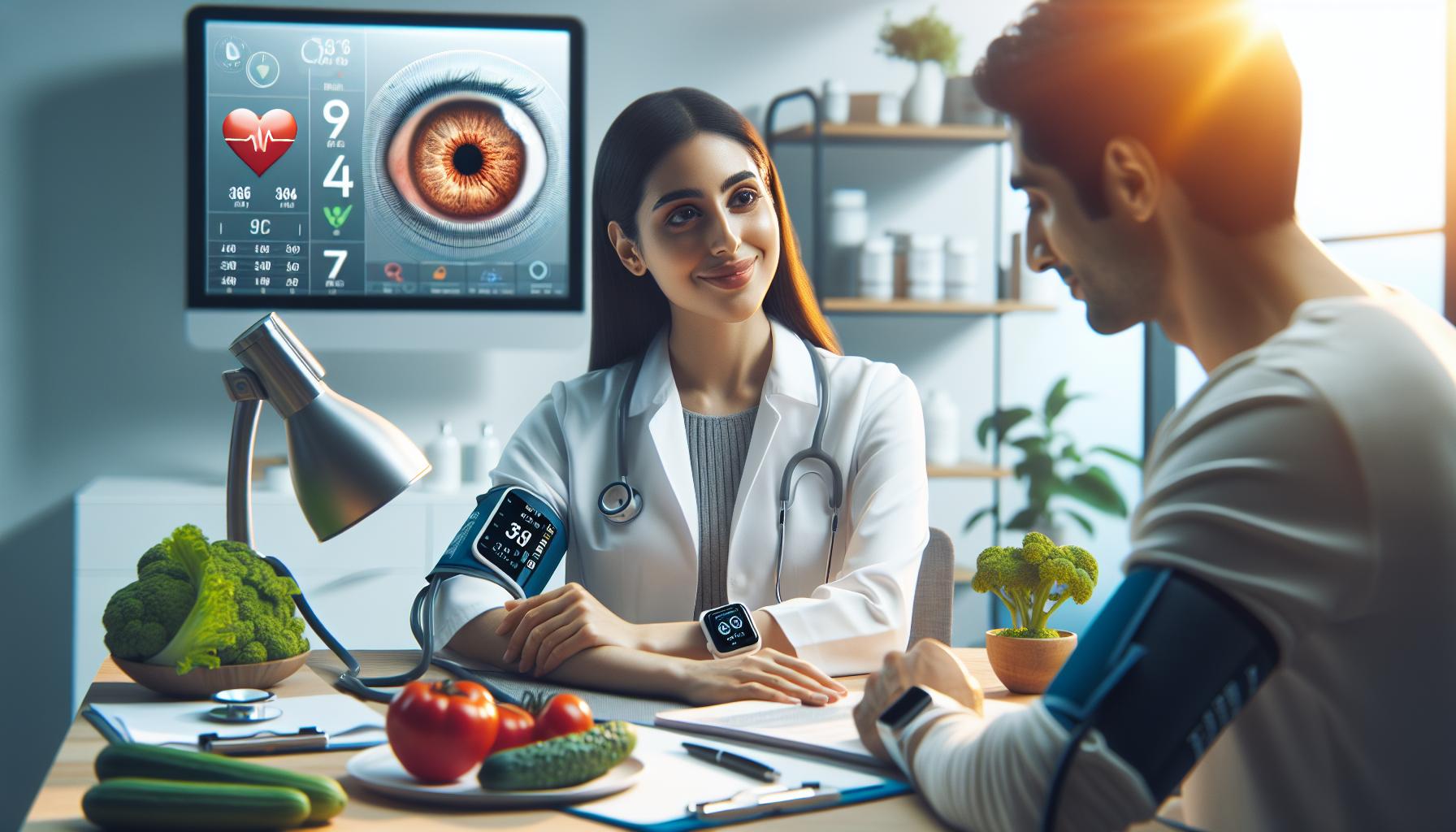
The Connection Between Hypertension and Eye Conditions
When high blood pressure, or hypertension, remains unchecked, it can have serious implications for various parts of the body, including the eyes. The intricate network of blood vessels within the eyes is particularly vulnerable to the effects of elevated blood pressure. Over time, hypertension can lead to significant eye-related conditions, potentially resulting in vision impairment or even blindness. Understanding this connection empowers individuals to engage in proactive measures to safeguard their eye health.
Hypertension affects the eyes primarily through two mechanisms: damage to the vascular system and increasing pressure within the ocular environment. For instance, the retina, which is essential for vision, depends on a delicate balance of blood flow. Increased blood pressure can cause changes in the tiny blood vessels that supply the retina, leading to conditions such as hypertensive retinopathy. This condition can manifest even without noticeable symptoms initially, underscoring the importance of routine eye examinations for early detection.
Another critical concern is the risk of vision-related emergencies, such as retinal vein occlusion, which can occur when high blood pressure causes blood vessels in the eye to burst or become blocked. This blockage can lead to sudden vision loss and necessitates immediate medical attention. Knowing the signs of these conditions is vital; symptoms may include blurred or distorted vision and sudden flashes or floaters in one’s visual field.
To mitigate these risks, maintaining a healthy lifestyle is essential. Steps such as regular exercise, a balanced diet rich in fruits and vegetables, and managing stress can significantly lower blood pressure levels and help protect eye health. Regular monitoring of blood pressure and eye health is equally important, as early intervention can often prevent the progression of these serious eye conditions. As individuals engage with their healthcare providers about hypertension, they should also prioritize discussions about routine eye exams to ensure comprehensive care.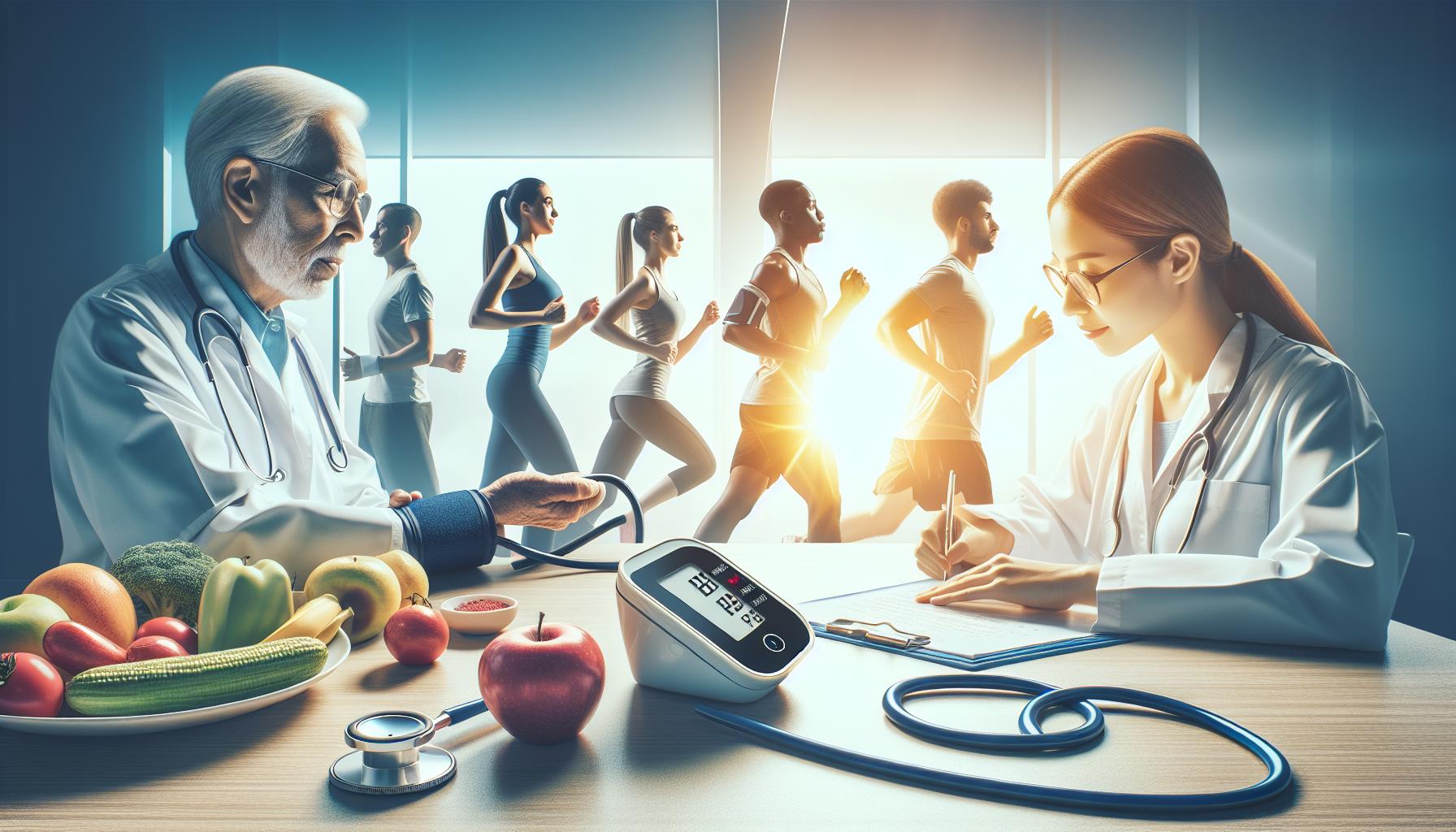
Common Eye Issues Related to High Blood Pressure
Elevated blood pressure can lead to a variety of eye-related issues, often unnoticed until they have progressed significantly. One of the primary eye conditions linked to hypertension is hypertensive retinopathy. This condition arises when the small blood vessels in the retina become damaged due to prolonged high blood pressure. Early signs may include changes in vision that are not easily recognized but can escalate to vision loss if not monitored and treated appropriately. Routine eye exams are crucial to catch these changes early, as they may remain asymptomatic until considerable damage has occurred.
Another serious concern for individuals with uncontrolled hypertension is retinal vein occlusion. This happens when the veins in the retina become blocked, often leading to sudden and severe vision impairment. Symptoms may manifest as a sudden change in vision, such as blurred sight or experiencing floaters. Immediate medical attention is essential, as timely treatment can help mitigate the risk of permanent vision loss. This condition underscores the critical need for those at risk of hypertension to be vigilant about their eye health.
Besides retinopathy and vein occlusion, high blood pressure can contribute to choroidopathy, where fluid accumulates under the retina, potentially affecting central vision. Additionally, patients with hypertension are at risk for experiencing optic neuropathy, which occurs when blood flow to the optic nerve is compromised. This condition can lead to sudden vision loss and typically requires urgent assessment and intervention.
To combat these risks, it’s imperative to incorporate lifestyle modifications, such as regular exercise, stress management, and a nutritious diet that supports vascular health. Monitoring blood pressure consistently and scheduling routine eye examinations can provide essential insights into one’s overall health status, promoting proactive management and timely intervention when necessary. By understanding and addressing the potential impacts of hypertension on eye health, individuals can take significant steps towards preserving their vision and overall well-being.
Bloodshot Eyes: When to Seek Medical Attention
Experiencing bloodshot eyes can often be alarming, especially for those who have high blood pressure. While occasional redness may not pose any serious concerns, persistent or severe symptoms should be addressed promptly. Knowing when to seek medical attention is paramount in ensuring not only your eye health but also your overall well-being.
If you notice that your eyes are consistently red or bloodshot, and this condition is accompanied by other symptoms such as blurred vision, pain, sensitivity to light, or excessive tearing, it’s crucial to consult a healthcare professional. These symptoms might indicate underlying issues that could be exacerbated by hypertension, such as hypertensive retinopathy or optic nerve damage, which can threaten your vision if left untreated.
Furthermore, if you experience sudden vision changes, such as floaters or flashes of light, or if bloodshot eyes arise following an injury or during periods of uncontrolled high blood pressure (for example, readings significantly above 140/90 mm Hg), immediate medical evaluation is necessary. These conditions can signify serious complications, including retinal vein occlusion or other acute vascular events related to hypertension.
It is also advisable to monitor any changes in your blood pressure readings and eye symptoms in tandem. Keeping a detailed log can help your healthcare provider identify patterns or correlations, leading to more effective management strategies. Remember, regular eye exams and consultations with both your eye care provider and primary healthcare physician are essential in maintaining not just your eye health but your overall vascular health as well. Taking these proactive steps will empower you to manage your health better and preserve your vision.
Lifestyle Changes for Better Eye and Blood Pressure Health
Making healthy lifestyle choices can significantly enhance both your eye health and blood pressure levels. Did you know that simple changes in your daily routine can lead to improved vision and a lower risk of hypertension-related complications? Embracing these adjustments not only supports your overall well-being but can also protect your eyes from the detrimental effects of high blood pressure.
Dietary Adjustments
One of the most effective ways to manage blood pressure is through diet. Emphasizing fruits, vegetables, whole grains, and lean proteins can provide essential nutrients that benefit eye health. Specifically, foods rich in antioxidants-like leafy greens, berries, and nuts-can help combat oxidative stress, which is linked to eye conditions. Consider adopting the DASH (Dietary Approaches to Stop Hypertension) diet, which focuses on reducing sodium intake while increasing potassium consumption, helping to lower blood pressure effectively.
Regular Physical Activity
Incorporating regular physical activity into your routine plays a crucial role in controlling blood pressure and improving circulation, which is vital for eye health. Aim for at least 150 minutes of moderate aerobic activity each week, such as brisk walking, swimming, or cycling. Not only does exercise help maintain a healthy weight, but it also promotes better blood flow to the eyes, reducing the risk of conditions like hypertensive retinopathy.
Stress Management Techniques
Chronic stress can contribute to elevated blood pressure and negatively impact your eye health. Practicing stress-reduction techniques such as yoga, meditation, or deep-breathing exercises can help regulate your blood pressure and promote relaxation. Finding time for hobbies or engaging in social activities also provides a welcome distraction and can significantly alleviate stress levels.
Monitoring and Preventative Care
Regular monitoring of your blood pressure is essential in managing hypertension and safeguarding your vision. Keeping a journal of your readings allows you to share valuable data with your healthcare provider, facilitating better management and timely interventions. In addition to monitoring your blood pressure, regular eye examinations are vital. They can detect early signs of high blood pressure-related conditions, ensuring that any necessary interventions can be implemented quickly.
By making these lifestyle changes, you can take proactive steps toward better blood pressure control and eye health. Empower yourself with knowledge, establish a supportive network, and stay committed to your health goals-your eyes and cardiovascular system will thank you.
Managing Hypertension: A Guide to Effective Strategies
Managing hypertension effectively is crucial not just for cardiovascular health but also for protecting your eyes from potential damage. Elevated blood pressure can lead to various eye conditions, including hypertensive retinopathy, which can compromise vision. Adopting a comprehensive approach to managing hypertension can significantly reduce these risks.
Start by monitoring your blood pressure regularly. Invest in a reliable home blood pressure monitor and check your readings at the same time each day, ideally in the morning before medications, and at night. Document your readings in a journal-this habit not only helps you track your progress but also provides valuable information for your healthcare provider. When you go for check-ups, share this data to adjust your treatment plan as necessary.
Incorporate lifestyle modifications that support lower blood pressure. Aim for a balanced diet rich in fruits and vegetables, whole grains, and lean proteins. Focus on foods low in sodium and high in potassium, such as bananas and spinach, to help manage hypertension. Create an exercise routine that includes at least 150 minutes of moderate aerobic activity weekly. Activities like walking, swimming, and cycling not only improve overall cardiovascular health but also enhance blood flow to the eyes, reducing the risk of complications.
Another effective strategy is embracing stress management techniques to combat hypertension. Chronic stress can elevate blood pressure and impact eye health negatively. Practices such as yoga, mindfulness meditation, or deep-breathing exercises can be beneficial. Engaging in hobbies or spending time with loved ones can also alleviate stress, making it easier to maintain healthier blood pressure levels.
Finally, educate yourself on the importance of regular eye examinations. Schedule eye check-ups at least once a year, where your eye doctor can detect early signs of high blood pressure-related eye conditions. By staying proactive with both your eye health and blood pressure management, you can take significant steps towards maintaining your overall well-being, empowering yourself to make informed decisions that support both your vision and cardiovascular health.
Natural Remedies for Bloodshot Eyes and High Blood Pressure
Bloodshot eyes can often be a frustrating and uncomfortable experience, particularly when compounded by the effects of hypertension. Understanding effective natural remedies can help manage both bloodshot eyes and elevated blood pressure, offering relief without invasive measures.
One beneficial approach is to prioritize hydration. Drinking adequate amounts of water aids in reducing eye redness by preventing dryness. Aim for at least 8 glasses daily, and consider incorporating hydrating foods such as cucumbers and watermelon into your diet. Additionally, consuming foods rich in omega-3 fatty acids, like salmon and flaxseeds, can help reduce inflammation and support overall eye health.
Herbal remedies can also play a crucial role. For instance, chamomile tea is not only soothing but can also be applied as a compress to the eyes. Soak a clean cloth in cooled chamomile tea bags and place it over your closed eyes for 10-15 minutes. This may reduce redness and inflammation. Likewise, green tea has antihistamine properties that can help alleviate symptoms of irritation and redness; a simple brew can be applied in the same manner as chamomile.
Cold compresses are another effective remedy. Applying a cold, damp cloth or gel pack over your eyes can constrict blood vessels, which helps alleviate the redness. This method provides immediate relief and can be particularly effective after long hours of screen time or exposure to allergens.
Finally, adopting stress management techniques can significantly impact both blood pressure and eye health. Practices such as yoga, meditation, and regular physical activity not only lower stress levels but also help regulate blood pressure, which is crucial for minimizing eye-related issues. Simple breathing exercises can enhance blood flow and promote relaxation, contributing to overall well-being.
By integrating these natural remedies into your daily routine, you can effectively address bloodshot eyes while supporting your overall health. Making these small changes can empower you to take control of your health and prevent further complications associated with high blood pressure.
Preventative Measures for Eye Health with High Blood Pressure
Chronic high blood pressure can significantly impact your overall well-being, including the health of your eyes. Effective prevention strategies not only help manage hypertension but also protect against ocular complications. Keeping your blood pressure within a healthy range is crucial, as uncontrolled hypertension can lead to conditions such as hypertensive retinopathy, which affects the blood vessels in the eyes and may result in vision impairment.
To safeguard your eye health, consider implementing the following preventive measures:
Maintain a Healthy Diet
A heart-healthy diet rich in fruits, vegetables, whole grains, and lean proteins can lower your blood pressure and support eye health. Foods high in antioxidants, such as leafy greens, berries, and carrots, are beneficial. Additionally, including omega-3 fatty acids from sources like salmon, flaxseeds, and walnuts can help reduce inflammation and support optimal eye function.
Stay Hydrated
Proper hydration plays an essential role in eye health. Drinking adequate water daily helps maintain moisture in your eyes, reducing redness and irritation that can be exacerbated by hypertension. Incorporate hydrating foods like cucumber and watermelon to further enhance your fluid intake.
Regular Exercise
Engaging in regular physical activity not only helps to manage weight but also aids in controlling blood pressure levels. Aim for at least 150 minutes of moderate aerobic exercise each week-activities like walking, swimming, or cycling can make a significant difference. Exercise promotes better circulation, which is beneficial for your eyes as well.
Avoid Tobacco and Limit Alcohol
Both smoking and excessive alcohol consumption can negatively affect blood pressure and overall vascular health, increasing the risk of eye conditions. Quitting smoking and moderating alcohol intake can lower your risk of hypertensive damage to your eyes.
Monitor Your Blood Pressure
Regular monitoring is crucial for those with a history of hypertension. Use a home blood pressure monitor to keep track of your readings. If you notice changes or consistent high readings, consult with your healthcare provider to adjust your treatment plan effectively.
By adopting these strategies, you empower yourself to take control of your eye health amid the challenges of high blood pressure. Small, consistent changes can lead to significant improvements in both your blood pressure levels and your overall ocular health, fostering a confident and proactive approach to managing your condition.
Expert Insights: Ophthalmologists on High Blood Pressure
When it comes to understanding the intricate relationship between hypertension and eye health, insights from ophthalmologists reveal crucial information that can aid in preventative care and management. Hypertension is often referred to as a “silent killer,” as many individuals may not recognize its effects until significant damage occurs. Ophthalmologists emphasize the importance of recognizing early signs such as bloodshot eyes, which can indicate increased pressure within the ocular vessels due to high blood pressure. This redness is not just a cosmetic concern; it can signal underlying issues that warrant medical attention.
Ophthalmologists recommend regular eye examinations as a fundamental component of managing high blood pressure. During these check-ups, eye specialists can detect signs of hypertensive retinopathy-damage to the retina caused by high blood pressure. Early detection of changes in the blood vessels in the eyes can lead to timely intervention and adjustment of antihypertensive treatments, preventing more severe complications such as vision loss.
Tips for Monitoring and Maintaining Eye Health
To proactively manage both hypertension and its impact on eye health, ophthalmologists suggest several practical strategies:
- Regular Eye Exams: Schedule comprehensive eye exams at least once a year, particularly if you have a history of hypertension.
- Blood Pressure Monitoring: Use a home blood pressure monitor to track your readings regularly. Aim to check your blood pressure at the same time each day for consistency.
- Be Aware of Symptoms: Look out for changes in vision, persistent redness, or discomfort in your eyes. Report these symptoms to your healthcare provider promptly.
- Manage Stress: Integrate stress-reduction techniques such as meditation, deep-breathing exercises, or yoga into your daily routine, as stress can contribute to blood pressure spikes.
Incorporating these steps empowers individuals to take charge of their health, fostering a proactive approach to eye care that complements blood pressure management. Adopting a holistic view-considering both cardiovascular and ocular health-can significantly enhance quality of life, promoting not only clearer vision but also better overall well-being.
The Role of Regular Eye Exams in Hypertension Management
Regular eye exams serve as a vital cornerstone in the management of hypertension, providing a powerful tool for early detection and intervention. The eyes can reveal much about the body’s overall health, and they are particularly sensitive to changes in blood pressure. A comprehensive eye exam can assess the health of ocular blood vessels, potentially uncovering signs of hypertensive retinopathy, which is damage to the eyes due to prolonged high blood pressure. Detecting these changes early allows for timely adjustments to hypertension treatment plans, which can be essential in preventing more severe health problems, including vision loss.
During an eye exam, an ophthalmologist can check for other conditions linked to hypertension, such as glaucoma or retinal hemorrhage, which are often asymptomatic until significant damage has occurred. They may utilize techniques like fundus photography, which captures detailed images of the retina, or optical coherence tomography (OCT) to assess the optic nerve’s integrity. These tools not only help identify current issues but also establish a baseline for future comparisons, making it easier to monitor the progression of any ocular complications.
Patients with a history of high blood pressure should prioritize regular eye exams, ideally once a year, or more frequently if advised by a healthcare provider. In addition to these check-ups, individuals are encouraged to actively monitor their blood pressure at home using a reliable device, creating a consistent record to discuss with both their family doctor and ophthalmologist. This comprehensive approach not only fosters effective blood pressure management but also safeguards eye health. By embracing a proactive stance on eye care and hypertension monitoring, patients can significantly reduce their risk of vision-related complications while enhancing their overall well-being.
Understanding the Importance of Blood Pressure Monitoring
Monitoring blood pressure is not just a routine task; it’s a lifeline for those concerned about the effects of hypertension on their overall health, including eye health. Elevated blood pressure can lead to serious complications like hypertensive retinopathy, which can adversely affect vision. Consistent blood pressure monitoring empowers individuals to manage their condition proactively, allowing for timely interventions before minor issues escalate into serious problems. Regular measurements ensure you stay informed about fluctuations in your blood pressure, enabling informed discussions with healthcare providers that can lead to precise adjustments in your management plan.
To effectively monitor your blood pressure at home, follow these simple steps:
- Choose the Right Equipment: Invest in a validated, automatic blood pressure monitor that suits your needs. Arm monitors are generally recommended for accuracy.
- Know Your Numbers: Familiarize yourself with the optimal blood pressure ranges. Normal blood pressure is typically considered to be around 120/80 mm Hg.
- Consistency is Key: Measure your blood pressure at the same times each day, ideally in the morning and evening, to track your trends accurately.
- Record Your Readings: Maintain a log of your readings to identify patterns or changes over time that you can discuss with your healthcare provider.
In addition to regular monitoring, adopting lifestyle changes can significantly improve both blood pressure and eye health. Eating a balanced diet rich in fruits and vegetables, reducing sodium intake, and engaging in regular physical activity can make a substantial difference. Furthermore, avoiding smoking and limiting alcohol consumption also contribute positively to blood pressure levels.
It’s vital to understand that each individual’s journey with hypertension is unique; therefore, personalizing your management plan with your healthcare provider is essential. By taking ownership of your health through vigilant monitoring and lifestyle modifications, you can significantly reduce the risk of complications, including those affecting your vision, thereby enhancing your quality of life.
Faq
Q: Can high blood pressure cause red eyes?
A: Yes, high blood pressure can lead to red or bloodshot eyes due to increased pressure in the blood vessels of the eyes. This condition may indicate underlying health issues and should be evaluated by a healthcare professional. Regular eye exams can help monitor potential complications.
Q: What are the signs of eye problems related to hypertension?
A: Signs of eye problems from hypertension include blurred vision, bloodshot eyes, and seeing flashing lights. These symptoms can indicate damage to blood vessels in the retina, known as hypertensive retinopathy. It’s crucial to consult an eye doctor for proper assessment and treatment.
Q: How does hypertension affect vision over time?
A: Over time, uncontrolled hypertension can cause progressive damage to the retina, potentially leading to vision loss. Regular monitoring of blood pressure and eye health is essential to prevent serious complications like vision impairment or blindness.
Q: Are bloodshot eyes always related to high blood pressure?
A: No, bloodshot eyes can occur due to various causes such as allergies, dry eyes, or fatigue. While hypertension can contribute, it is not the sole reason for red eyes. Identifying the underlying cause is vital for appropriate treatment.
Q: What should I do if I have bloodshot eyes and high blood pressure?
A: If you have bloodshot eyes along with high blood pressure, consult a healthcare provider for a thorough evaluation. They can help determine the cause and recommend appropriate treatments or adjustments in blood pressure management strategies.
Q: How can I prevent eye issues related to high blood pressure?
A: To prevent eye problems linked to high blood pressure, maintain a healthy lifestyle by managing stress, eating a balanced diet, exercising regularly, and monitoring blood pressure levels. Regular eye exams and adhering to prescribed hypertension treatments are also crucial.
Q: What lifestyle changes can benefit both eye health and hypertension?
A: Lifestyle changes such as eating a diet rich in fruits and vegetables, reducing sodium intake, staying hydrated, and exercising can improve both eye health and blood pressure control. These changes can help lower the risk of developing serious conditions related to hypertension.
Q: When should I seek medical attention for bloodshot eyes?
A: Seek medical attention for bloodshot eyes if they persist for several days, are accompanied by vision changes, or if you experience pain or discomfort. These may indicate more serious conditions, necessitating prompt evaluation by a specialist.
In Conclusion
Understanding the link between high blood pressure and bloodshot eyes empowers you to take charge of your eye health. If you’ve noticed any changes in your vision, it’s crucial to consult with a healthcare professional who can provide personalized advice tailored to your health needs. Remember, managing high blood pressure is essential not just for your eyes but for your overall well-being.
For more insights on maintaining healthy blood pressure and its impact on various aspects of your health, check out our articles on “High Blood Pressure Dangers” and “How to Monitor Blood Pressure at Home.” If you want to stay updated on health tips, consider signing up for our newsletter. Your journey toward better health starts with informed choices-don’t wait to take action! Share your thoughts or questions in the comments below; we’d love to hear from you!