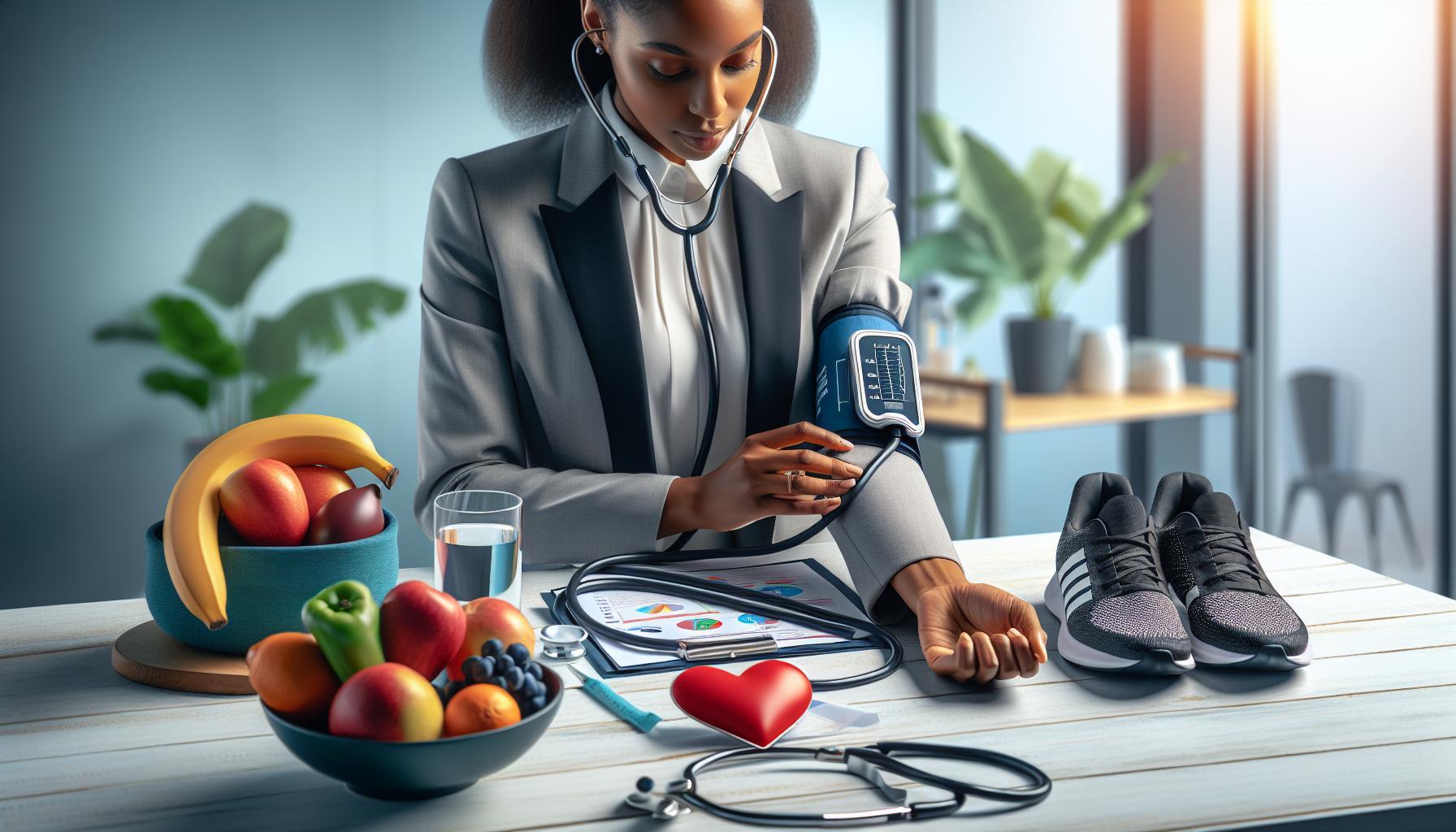

Did you know that high blood pressure, a condition affecting millions globally, can have surprising effects beyond the cardiovascular system? One concerning possibility is its potential link to hair loss. As you navigate health challenges, understanding how hypertension might influence your appearance is essential. Many individuals worry about thinning hair but may not realize that managing their blood pressure could play a role in hair health.
In exploring the connection between high blood pressure and hair loss, we empower you with knowledge that could affect both your health and self-esteem. By delving into this topic, we aim to uncover whether managing blood pressure can also lead to improvements in hair vitality. Stay with us as we unravel the intricacies of hypertension and its unexpected effects, guiding you toward a holistic approach to wellness that supports not just your heart, but your hair as well.
Does High Blood Pressure Lead to Hair Loss?
High blood pressure, or hypertension, can lead to various health issues, but many people may not be aware of its potential impact on hair health. Research suggests that chronic hypertension may contribute to hair loss through multiple mechanisms. Elevated blood pressure can restrict blood circulation, which is vital for delivering essential nutrients and oxygen to hair follicles. Over time, this compromised circulation can weaken hair growth, leading to thinning and loss.
Moreover, high blood pressure is frequently associated with increased levels of stress, which is another known contributor to hair loss. Stress can trigger a condition called telogen effluvium, where hair follicles prematurely enter the shedding phase, resulting in noticeable hair thinning. Addressing both blood pressure and stress levels is crucial for maintaining not only overall health but also the vitality of your hair.
Managing high blood pressure effectively and adopting a holistic approach to health can significantly mitigate risks associated with hair loss. It is essential to engage in regular physical activity, maintain a balanced diet, and practice stress-reducing techniques such as mindfulness or yoga. These strategies not only support blood pressure control but also foster an environment conducive to healthy hair growth. For those experiencing hair loss symptoms linked to hypertension, consulting healthcare professionals can provide tailored strategies to restore both blood pressure and hair health.
Understanding the Science Behind Hair Growth

Understanding hair growth goes beyond just the strands themselves; it involves a complex interplay of biological processes that ensure hair remains healthy and vibrant. At the heart of this process are hair follicles, which are small, tubular structures embedded in the skin. Each follicle goes through a cyclical pattern of growth, rest, and shedding, influenced by multiple factors including hormonal balance, nutrient supply, and blood circulation.
Effective blood circulation is absolutely critical for delivering oxygen and essential nutrients to these follicles. When blood pressure rises excessively, it can lead to reduced circulation in peripheral areas, including the scalp. This compromised blood flow can result in insufficient nourishment for hair follicles, stunting their ability to produce healthy, robust hair. Over time, this may contribute to hair thinning and increased hair loss. Regular monitoring of blood pressure levels is vital, as maintaining them within a healthy range can help foster an environment where hair growth can thrive.
Furthermore, hormonal changes associated with hypertension can also play a role in hair health. Elevated stress levels often accompany high blood pressure and can lead to hormonal imbalances that adversely affect hair growth cycles. Conditions like telogen effluvium can emerge, causing a significant number of hair follicles to prematurely enter the shedding phase. This highlights the importance of managing not just blood pressure, but also stress levels and overall emotional well-being.
To mitigate the risks associated with high blood pressure and its implications for hair health, embrace a holistic lifestyle approach. Engaging in regular physical activities, grounding your diet in nutrient-rich foods, and adopting stress management techniques such as deep-breathing exercises or mindfulness can play pivotal roles in sustaining both your cardiovascular and hair health. All these elements work cohesively to keep your hair growing healthy and strong, illustrating the profound connection between our overall health and physical appearance.
The Role of Blood Circulation in Hair Health

Effective blood circulation is paramount for maintaining healthy hair; it nourishes hair follicles with oxygen and essential nutrients. When hypertension occurs, the body often compromises blood flow to less critical areas, including the scalp. This diminished circulation can deprive hair follicles of the resources they need to thrive, resulting in stunted hair growth or increased hair loss. It’s crucial to understand that healthy hair depends not only on genetic factors or external treatments but also significantly on the internal health of your body.
To improve blood circulation, consider integrating the following practices into your daily routine:
- Regular Exercise: Aim for at least 30 minutes of moderate physical activity most days of the week. Activities like walking, cycling, or yoga can enhance circulation throughout your body, including your scalp.
- Healthy Diet: Fuel your body with nutrient-rich foods. Focus on consuming fruits, vegetables, lean proteins, and healthy fats. Foods high in omega-3 fatty acids, such as fish and walnuts, can improve blood flow and promote hair health.
- Hydration: Staying well-hydrated aids circulation. Aim for at least 8 glasses of water a day to help maintain optimal blood viscosity.
- Scalp Massages: Regularly massaging your scalp can stimulate blood flow directly to the hair follicles. Use your fingertips to invigorate your scalp and improve circulation during your hair care routine.
Incorporating these habits can foster a conducive environment for hair growth and help mitigate the adverse effects of hypertension on hair health. Furthermore, regularly monitoring your blood pressure is essential. Keeping it within a healthy range not only supports cardiovascular health but also positively influences the vitality of your hair. By being proactive about your blood pressure and implementing these lifestyle changes, you empower yourself to take significant steps towards maintaining both your overall health and hair integrity.
High Blood Pressure: Symptoms and Risks

High blood pressure, often dubbed the “silent killer,” may significantly impact overall health and can be a contributing factor in various bodily functions, including hair health. One of the concerns surrounding high blood pressure is the potential for it to lead to or exacerbate hair loss. Understanding the symptoms and risks associated with hypertension is crucial for implementing effective management strategies.
Symptoms of high blood pressure can range from mild to severe and may often go unnoticed until they result in serious health issues. Common symptoms include headaches, shortness of breath, dizziness, and nosebleeds. While these symptoms can indicate elevated blood pressure, numerous individuals remain asymptomatic, which is why regular monitoring is essential. If hypertension goes untreated, it can lead to severe complications such as heart disease, kidney damage, stroke, and even hair loss due to poor circulation and nutrient deficiencies that affect hair follicles.
Managing high blood pressure involves not just medication but also lifestyle changes that can pose additional benefits to hair health. Regular exercise is beneficial not only for maintaining a healthy blood pressure but also for enhancing overall circulation, including blood flow to the scalp. Nutritional adjustments, such as incorporating fruits, vegetables, whole grains, and lean proteins while limiting processed foods, can significantly affect blood pressure levels. Stress management plays a critical role as well; techniques like mindfulness, meditation, and yoga can help reduce stress levels, thus potentially lowering blood pressure and promoting healthier hair.
Monitoring your blood pressure at home can empower you to manage your health proactively. Here are some steps to follow:
- Invest in a digital blood pressure monitor: These devices are user-friendly and can provide accurate readings.
- Follow a consistent schedule: Measure your blood pressure at the same time every day to identify trends.
- Keep a log: Document your readings to share with your healthcare provider, helping them adjust treatment plans as necessary.
Awareness and proactive management of blood pressure can lead to healthier overall outcomes, including potentially mitigating hair loss. Taking these steps not only supports cardiovascular health but also fosters an environment conducive to more robust hair growth. Building a collaborative partnership with your healthcare provider can further enhance your treatment plan and ensure that both your blood pressure and hair health are adequately protected.
Potential Hair Loss Conditions Linked to Hypertension

Many people may be surprised to learn that chronic high blood pressure, or hypertension, can lead to a variety of health complications beyond cardiovascular issues, including potential hair loss. Several conditions may arise from the presence of high blood pressure that can directly impact hair health. This interconnection highlights the importance of managing blood pressure effectively for overall wellbeing, including maintaining a full head of hair.
One significant condition linked to hypertension is telogen effluvium, a form of temporary hair loss often triggered by stress or physiological trauma. High blood pressure can be a source of chronic stress for many, leading to this hair loss condition, where hair follicles prematurely enter the shedding phase, resulting in noticeable thinning. Additionally, hypertension can contribute to circulatory problems. Poor blood flow due to vascular damage impairs oxygen and nutrient delivery to the hair follicles, creating an environment unfavorable to healthy hair growth.
Hormonal fluctuations associated with hypertension can also play a role. Elevated blood pressure can lead to increased levels of androgens (male hormones), which have been linked to hair thinning and loss in both men and women. This condition, known as androgenetic alopecia, is characterized by a progressive thinning of hair, often following a hereditary pattern.
Furthermore, certain medications prescribed to manage high blood pressure can have side effects that include hair loss. Drugs such as beta-blockers, ACE inhibitors, and diuretics may affect hair growth cycles. While these medications are crucial for managing hypertension and preventing serious health issues, being aware of this side effect can help individuals and their healthcare providers to make informed decisions about treatment options.
Addressing high blood pressure through lifestyle changes can be beneficial for both cardiovascular health and hair vitality. Emphasizing a nutrient-rich diet, regular physical activity, and effective stress management techniques can improve blood circulation and potentially mitigate hair loss. By recognizing the conditions linked to hypertension, individuals can take proactive steps to manage their blood pressure and create a healthier environment for hair growth, emphasizing the interconnectedness of overall health and hair vitality.
How Medications for High Blood Pressure Affect Hair
While medications for high blood pressure are essential for managing this common condition, they can sometimes lead to unexpected side effects, including hair loss. Understanding how these medications may affect hair growth is crucial for those who are concerned about maintaining their hair alongside their health.
Many antihypertensive drugs, such as *beta-blockers*, *ACE inhibitors*, and *diuretics*, are known to potentially alter the normal hair growth cycle. Hair loss from these medications may occur due to the disruption of the hair follicle’s growth phases, particularly by pushing hair follicles into a resting phase known as *telogen effluvium*. This can lead to noticeable thinning, which occurs several months after starting the medication.
To mitigate the risk of hair loss associated with high blood pressure medications, it’s vital to engage in open communication with your healthcare provider. Here are some practical steps you can take:
- Regular Monitoring: Consistently check your blood pressure and discuss any side effects with your doctor. This helps ensure that your treatment plan remains suitable for your health.
- Explore Alternatives: If hair loss becomes a significant concern, inquire about alternative medications or dosages that might have a lower risk of hair loss.
- Supportive Treatments: Consider integrating hair care treatments or supplements to support hair health. Look for products that contain *biotin*, *zinc*, or other nutrients known to promote hair growth.
Additionally, managing stress through techniques such as yoga, meditation, or regular exercise could not only help with hypertension but also contribute to overall hair health. The intertwined relationship between physical and mental wellbeing plays a pivotal role in maintaining healthy hair. By addressing both blood pressure and the potential side effects of treatment, individuals can take proactive steps towards preserving their hair while managing their health effectively.
Nutrition, Lifestyle, and Their Impact on Hair Loss
Maintaining healthy hair is not just about topical treatments and hair care routines; it heavily relies on nutrition and lifestyle choices as well. A balanced diet rich in essential nutrients plays a pivotal role in supporting both hair health and overall well-being, especially for those managing high blood pressure. Nutritional deficiencies can exacerbate conditions leading to hair loss, making it crucial to prioritize dietary choices that nourish the body and scalp.
A diet abundant in proteins is fundamental since hair is primarily composed of a protein called keratin. Including high-quality protein sources such as lean meats, fish, beans, and nuts can promote hair strength and growth. Additionally, incorporating a variety of vitamins and minerals is important. Vitamins A, C, D, and E, along with B vitamins (especially biotin), support cell metabolism and help in producing healthy hair. Minerals like iron and zinc also play a critical role in hair follicle function. Foods rich in antioxidants, such as fruits and vegetables, can combat oxidative stress, which is linked to hair loss.
Lifestyle Choices That Matter
Equally important are lifestyle choices that influence both blood pressure and hair health. Regular physical activity not only helps manage hypertension but also improves blood circulation, which is crucial for delivering essential nutrients to hair follicles. Activities such as walking, swimming, or cycling can lead to improved cardiovascular health and reduced stress levels, creating an environment conducive to healthy hair growth.
Furthermore, stress management techniques such as yoga, meditation, and mindfulness can significantly impact how both hypertension and hair health are managed. Stress has been shown to trigger hair loss conditions such as telogen effluvium, where hair follicles enter a resting phase prematurely. Engaging in activities that promote relaxation can help mitigate these effects.
Incorporating these nutritional and lifestyle strategies not only aids in managing blood pressure but also fosters an environment that can help nourish and sustain your hair. By being mindful of what you eat and how you live, you can create a powerful synergy that supports your overall health and minimizes the likelihood of hair loss associated with stress and hypertension.
Stress, Hypertension, and Hair Loss: What’s the Connection?
Chronic stress doesn’t just take a toll on your mind; it also affects your body in profound ways, including impacting your hair health. The relationship between stress and hypertension is well-documented, and both factors can contribute to hair loss. When the body is under stress, it produces hormones like cortisol that can interfere with hair follicles’ growth cycles, leading to conditions such as telogen effluvium. This condition causes a significant number of hair follicles to prematurely enter the resting phase, ultimately resulting in noticeable hair thinning.
Managing high blood pressure often becomes a stressful endeavor in itself. The constant pressure to maintain healthy numbers can lead to heightened anxiety levels, perpetuating a vicious cycle of stress and hypertension. Elevated blood pressure can restrict blood flow, diminishing the delivery of essential nutrients to hair follicles. Inadequate blood circulation can result in weaker hair, making it more susceptible to falling out. To address this, focusing on relaxation techniques and stress management can not only help regulate blood pressure but also foster a healthier environment for hair growth.
- Mindfulness and Meditation: Practices such as meditation can significantly reduce stress levels and lower blood pressure, helping to break the cycle of hair loss.
- Regular Exercise: Engaging in physical activity releases endorphins, which act as natural stress relievers, while also promoting better blood circulation.
- Balanced Diet: Consuming nutrient-rich foods that support cardiovascular health can enhance both blood pressure regulation and hair nutrition.
Integrating these strategies into your daily life not only aids in managing hypertension but also creates a nurturing environment for hair follicles, strengthening them against the impacts of stress and promoting healthier growth patterns. Consistency is key; by regularly practicing these techniques, you empower yourself to build resilience against both emotional and physiological stressors.
Proven Strategies to Manage Blood Pressure and Preserve Hair
Elevated blood pressure is not just a number on a chart; it can significantly influence various aspects of your physical health, including the vitality of your hair. Understanding how to manage blood pressure can help protect your hair from potential loss while fostering an overall sense of well-being. By employing a combination of lifestyle changes, dietary adjustments, and stress-reduction techniques, you can create a holistic approach that benefits both your cardiovascular system and your hair health.
One effective strategy to manage blood pressure is regular physical activity. Aim for at least 150 minutes of moderate-intensity exercise each week, such as brisk walking, swimming, or cycling. Exercise not only helps lower blood pressure but also improves blood circulation, ensuring that hair follicles receive the essential nutrients they need to thrive. You might also consider incorporating strength training exercises into your routine two days a week, as building muscle can enhance metabolic health and weight management, further supporting blood pressure regulation.
Nutrition plays a crucial role in managing hypertension and promoting hair health. Focus on a heart-healthy diet rich in fruits, vegetables, whole grains, and lean proteins. Foods high in omega-3 fatty acids, such as fatty fish, walnuts, and flaxseeds, can improve blood circulation and reduce inflammation. Additionally, consider reducing your sodium intake and avoiding processed foods, which can contribute to high blood pressure. Remember to stay hydrated, as adequate water intake supports overall health and helps maintain circulation.
Stress management techniques are also vital in breaking the cycle between hypertension and hair loss. Incorporate practices such as mindfulness, yoga, or deep-breathing exercises into your daily routine. These activities can significantly lower stress levels and provide a calming effect, which is essential for managing both blood pressure and promoting healthier hair growth. Engaging in hobbies and spending time with loved ones can further enhance your emotional well-being, creating a supportive environment that encourages resilience against stress-related hair loss.
With these strategies, you can take proactive steps to manage high blood pressure and its potential impact on your hair health. Regularly monitoring your blood pressure, maintaining a balanced lifestyle, and prioritizing stress management can empower you to foster both cardiovascular and hair health, leading to overall improved quality of life.
Expert Opinions: Doctors Weigh In on This Link
Many individuals may not realize the intricate relationship between high blood pressure and hair loss. Experts suggest that hypertension can have systemic effects, including compromised blood circulation, which is essential for hair health. “Good blood flow is crucial for delivering nutrients to hair follicles,” explains Dr. Jennifer Lee, a dermatologist. “When blood pressure is elevated, it can lead to alterations in blood flow that may impact hair growth cycles.”
Research supports the notion that chronic hypertension can trigger a condition known as telogen effluvium, where hair follicles prematurely enter the shedding phase. Dr. Michael Smith, a cardiologist, emphasizes that “managing blood pressure isn’t only about heart health; it plays a significant role in preventing related issues like hair loss.” Physicians recommend regular monitoring and working closely with healthcare providers to devise an effective plan for blood pressure management. This may include lifestyle changes, dietary adjustments, and in some cases, medication.
In terms of actionable steps, Dr. Sarah Thompson, a nutritionist, advises focusing on a diet rich in omega-3 fatty acids and antioxidants to support hair health. “These nutrients help reduce inflammation and improve overall circulation,” she notes. Additionally, maintaining a healthy weight is beneficial for managing blood pressure. Regular exercise, particularly aerobic activities, can enhance circulation and has been linked to improved hair vitality.
Moreover, the psychological aspect cannot be overlooked. Chronic stress-a common companion of hypertension-can exacerbate hair loss. Emphasizing stress management techniques, mental health professionals recommend practices such as yoga or meditation, which can lower blood pressure and improve emotional well-being. By incorporating these expert insights into a comprehensive health plan, individuals can take proactive steps toward not just stable blood pressure, but also healthier hair.
When to Seek Help: Signs of Hair Loss from Hypertension
The connection between high blood pressure and hair loss is more prevalent than many realize, making awareness crucial for those managing hypertension. Understanding when professional help is needed can make a significant difference in your hair health. Watch for signs such as excessive hair shedding, noticeable thinning, or patches of hair loss on the scalp. If you notice more than 100 strands falling out daily, or if your hairbrush or shower drain seems to be collecting hair more than usual, these could be red flags indicating potential issues tied to blood pressure.
Regular self-checks for your hair can help you identify changes. Consider the following symptoms that may warrant consultation with a healthcare provider:
- Excessive shedding: A sudden increase in hair loss, where clumps may come out while washing or brushing.
- Thinning areas: Noticeable patches of scalp becoming more visible, especially at the crown or temples.
- Change in texture: Hair becoming finer or less voluminous over time.
- Unexplained scalp irritation: Symptoms such as redness or inflammation that could indicate an underlying issue.
If you identify these signs, it’s important to consult with healthcare providers who understand the link between hypertension and hair health. A dermatologist can evaluate hair loss conditions, while a primary care physician can address blood pressure management. They may suggest tests to determine if the hair loss is indeed linked to your blood pressure or if other factors, such as medication side effects or nutritional deficiencies, are in play.
Taking proactive steps can also alleviate concerns. Maintain a healthy lifestyle with regular blood pressure check-ups, balanced nutrition, and stress management practices to support both cardiovascular and hair health. Recognizing these signals early provides an opportunity to implement helpful interventions and receive tailored advice from professionals, ultimately aiding in maintaining both your well-being and your hair.
Frequently Asked Questions
Q: Can high blood pressure lead to hair thinning?
A: Yes, high blood pressure can contribute to hair thinning. Poor blood circulation due to hypertension can affect nutrient delivery to hair follicles, potentially leading to hair loss. Maintaining stable blood pressure through lifestyle changes can help mitigate this risk.
Q: What is the connection between stress and hair loss in hypertensive patients?
A: Stress can exacerbate high blood pressure and lead to hair loss. The physiological effects of stress may trigger conditions such as telogen effluvium, where hair falls out following stressful events. Managing stress through relaxation techniques and exercise can promote better hair health.
Q: How do blood pressure medications affect hair growth?
A: Some medications for high blood pressure, such as beta-blockers, may cause hair loss as a side effect. If you notice hair thinning after starting a new medication, consult your healthcare provider to discuss alternatives or adjustments.
Q: Are there specific vitamins that can help hair loss related to hypertension?
A: Yes, vitamins such as biotin, vitamin D, and zinc play crucial roles in supporting hair health. A balanced diet rich in these nutrients can help mitigate hair loss associated with high blood pressure. Consider incorporating foods like nuts, seeds, and leafy greens into your diet.
Q: What lifestyle changes can help reduce hair loss from high blood pressure?
A: Adopting a healthy lifestyle can significantly impact both blood pressure and hair health. Regular exercise, a balanced diet low in sodium, and stress management techniques can help maintain lower blood pressure and promote healthier hair growth.
Q: When should I seek help for hair loss due to high blood pressure?
A: If you notice significant or sudden hair loss and have high blood pressure, consult a healthcare professional. They can help identify underlying causes and recommend treatment options tailored to both your blood pressure management and hair health.
Q: Can hair restoration treatments be effective for those with high blood pressure?
A: Hair restoration treatments may be effective for individuals with high blood pressure, but their success can depend on overall health and blood pressure control. Always consult your healthcare provider before starting any treatment to ensure it’s safe considering your medical history.
Q: What are the best stress management techniques for individuals with high blood pressure and hair loss?
A: Effective stress management techniques include regular physical exercise, mindfulness meditation, deep breathing exercises, and yoga. These practices not only help lower blood pressure but also improve overall well-being, potentially reducing hair loss.
In Conclusion
Understanding the connection between high blood pressure and hair loss can empower you to take necessary steps for healthier living. While elevated blood pressure can contribute to various health issues, including hair thinning, managing your blood pressure effectively can improve both your well-being and vitality. If you have lingering questions or concerns, now is the perfect time to consult your healthcare provider for personalized advice and strategies.
Explore our articles on managing high blood pressure and the effects of hypertension on your body to deepen your understanding. Don’t forget to sign up for our newsletter for ongoing support and tips on maintaining optimal health. Your journey to better health starts today, so take action, share your thoughts below, and embrace the empowering changes ahead!