

Did you know that nearly half of American adults have high blood pressure, a leading risk factor for heart disease and stroke? Monitoring your blood pressure is crucial for managing your health, particularly for those with chronic conditions. If you’re wondering how Medicare helps cover the cost of blood pressure monitors, you’re not alone. Understanding your coverage options can empower you to take charge of your health effectively.
This guide will delve into whether Medicare covers blood pressure monitors, along with the specific criteria you need to meet for coverage. Knowing what’s included in your plan can make a significant difference in maintaining consistent monitoring, ultimately leading to better health outcomes. Let’s explore the ins and outs of Medicare coverage for blood pressure monitors and help you make informed decisions for your wellness journey.
Understanding Medicare Coverage for Blood Pressure Monitors
Understanding the need for regular blood pressure monitoring is crucial for managing heart health, especially for those with hypertension or at risk for cardiovascular disease. Many people may wonder whether Medicare provides coverage for blood pressure monitors, a vital tool in tracking and maintaining optimal health at home. The good news is that Medicare may cover certain types of blood pressure monitors when they are deemed medically necessary by a healthcare provider.
Medicare typically covers durable medical equipment (DME), including specific blood pressure monitors that meet certain criteria. For coverage eligibility, your physician must prescribe the monitor as necessary for your condition and document the need for regular monitoring. This approach ensures that patients who truly need the device to manage their health can access it without incurring substantial out-of-pocket expenses.
To obtain a blood pressure monitor through Medicare, first, consult with your healthcare provider to discuss your needs and obtain a prescription. Once you have the necessary documents, you can acquire the device through an approved supplier that accepts Medicare assignment. Notably, it’s essential to ensure the device meets Medicare’s standards for DME, as not all monitors may qualify under this classification. Through diligent management of your prescription and coordination with your healthcare team, you can successfully navigate the process, making blood pressure monitoring both accessible and effective in maintaining your health.
Eligibility Criteria for Blood Pressure Monitor Coverage
Monitoring your blood pressure at home can significantly enhance your health management, especially if you have conditions such as hypertension. However, what many individuals may not realize is that Medicare offers coverage for blood pressure monitors under certain conditions, allowing you to maintain your health without an unnecessary financial burden. Understanding the eligibility criteria for this coverage is key to accessing these vital tools effectively.
To qualify for Medicare coverage of a blood pressure monitor, it must be categorized as durable medical equipment (DME). Your healthcare provider plays a crucial role in this process: they must prescribe the monitor because it is deemed medically necessary for your specific health situation. This involves a thorough assessment of your condition and a determination that regular monitoring of your blood pressure is essential for managing your health. Furthermore, your provider needs to document this necessity clearly to ensure that Medicare recognizes it as a valid claim.
Beyond the prescription, it’s important to work with a Medicare-approved supplier when acquiring your monitor. These suppliers are equipped to provide devices that meet Medicare’s strict DME criteria. Not all blood pressure monitors qualify, so verifying that the device you select is compliant is critical. This ensures that you can receive coverage without encountering unexpected costs. If you take these steps, you not only empower yourself to manage your health proactively but can do so with the financial support of Medicare, mitigating the stress often associated with medical expenses.
By taking control of your blood pressure monitoring with Medicare’s assistance, you’re not only ensuring regular health checks but also actively participating in your health management journey. This proactive approach can lead to better health outcomes and a deeper understanding of your cardiovascular health.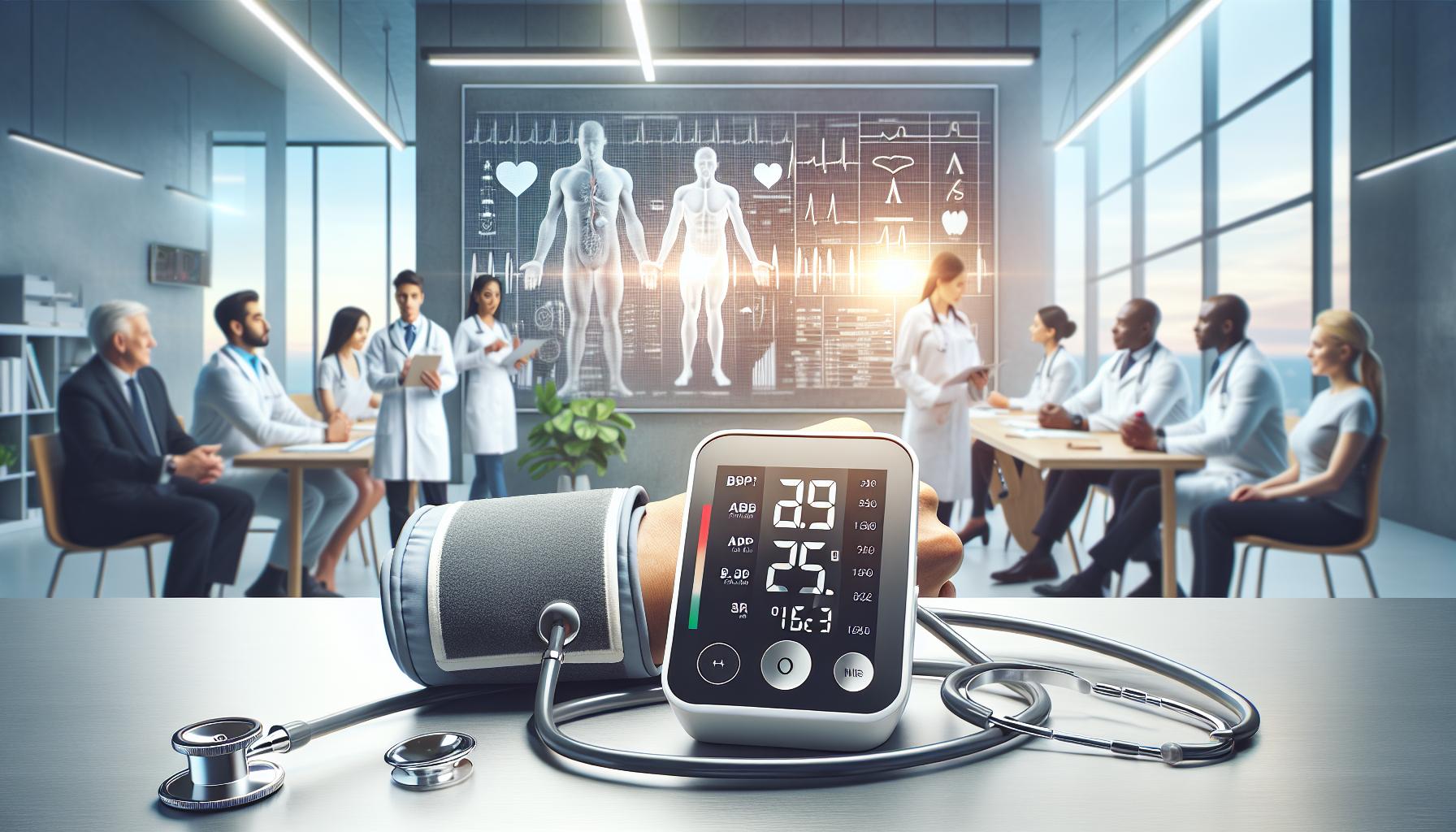
Types of Blood Pressure Monitors Covered by Medicare
Monitoring your blood pressure at home can be a game changer for managing hypertension, and it’s essential to understand which types of blood pressure monitors Medicare covers to ensure you select the right device. Generally, Medicare covers automatic digital blood pressure monitors that are classified as durable medical equipment (DME). These devices are user-friendly and provide accurate readings, enabling you to track your blood pressure efficiently.
There are primarily two types of blood pressure monitors that Medicare may cover:
Automatic Digital Monitors
These devices are battery-operated or plug-in monitors that provide a digital readout of your blood pressure. They typically squeeze the arm with an inflatable cuff to measure and display the systolic and diastolic pressures automatically. Most doctors recommend these monitors because they are easy to use and require minimal effort, making them suitable for home use. Examples include wrist monitors and upper arm monitors, which vary in features but all aim for ease of use.
Manual Monitors
While less common for Medicare coverage, certain manual aneroid sphygmomanometers can be covered, especially when prescribed by a healthcare provider. These require the user to listen for the sounds of blood flow using a stethoscope while manually inflating the cuff. They may be less user-friendly for those with mobility or dexterity issues but can be an option for those who are comfortable using traditional methods.
When considering a device, it’s crucial to ensure that it meets the necessary Medicare specifications for coverage. Always consult with your healthcare provider to confirm that the monitor you choose is medically necessary for your condition. If you’re unsure about the options available or how to proceed, your provider can provide guidance to help you select a suitable device.
Choosing the right monitor not only helps you manage your hypertension more effectively but also empowers you to take charge of your health. By having the tools necessary to track your blood pressure regularly, you can engage more actively in your health care, leading to improved outcomes and better overall health management.
How to Obtain a Blood Pressure Monitor Through Medicare
Obtaining a blood pressure monitor through Medicare can significantly impact your ability to manage hypertension effectively. Understanding the process is essential, so here’s a clear guide to help you acquire this vital piece of equipment as part of your healthcare regimen.
First, you’ll need a prescription from your healthcare provider. This prescription can indicate the medical necessity for a blood pressure monitor, which is a requirement for Medicare coverage. Ensure that the prescription specifically states the type of monitor you need, as Medicare will typically cover automatic digital monitors classified as durable medical equipment (DME). Once you have your prescription, the next step is to find a Medicare-approved supplier. You can use the Medicare website or call 1-800-MEDICARE for a list of suppliers in your area.
Next, consider ordering the monitor directly through a supplier or obtaining it from a local pharmacy if they are equipped to handle DME. When you order, provide the necessary details from your prescription and confirm that the monitor is eligible for coverage under Medicare. Most suppliers will handle the paperwork involved, but it’s important to double-check that they will bill Medicare directly, reducing your out-of-pocket expenses.
After receiving the monitor, keep a copy of the delivery receipt and any additional paperwork related to the transaction. This documentation can be useful if any issues arise with coverage or billing later on. Once you start using your monitor, continue to monitor your readings regularly and maintain communication with your healthcare provider to ensure your hypertension management plan is effective.
By knowing the steps to obtain your blood pressure monitor, you’re not just accessing an essential health tool; you’re taking proactive steps in managing your health. Regular monitoring can empower you to make informed decisions and work collaboratively with your healthcare team, ultimately leading to better health outcomes.
Costs and Co-Pays Associated with Monitor Coverage
Costs associated with blood pressure monitor coverage under Medicare can be a pivotal factor for many beneficiaries focused on managing their hypertension effectively. Most individuals are understandably concerned about potential out-of-pocket expenses, especially when it comes to acquiring necessary medical equipment like a blood pressure monitor. Understanding these costs can help you make informed decisions about your healthcare.
Typically, Medicare covers blood pressure monitors as durable medical equipment (DME) when they are deemed medically necessary. If you have met the eligibility criteria and obtained a prescription from your healthcare provider, you will find that these monitors can significantly alleviate financial burdens. Under Medicare Part B, beneficiaries may pay a portion of the cost in the form of a co-pay or coinsurance. Generally, you will be responsible for 20% of the Medicare-approved amount for the monitor after meeting your annual deductible, which can vary based on your overall healthcare usage for the year.
Cost Example Breakdown
Here is a simplified breakdown of how costs might work:
| Cost Element | Amount |
|---|---|
| Medicare Deductible (2023) | $226 |
| Medicare-Approved Cost for Monitor | $300 |
| Medicare Payment (80%) | $240 |
| Your Coinsurance (20%) | $60 |
It’s vital to note that some Medicare Advantage plans may offer different benefits, potentially reducing out-of-pocket expenses more than original Medicare. Reviewing your specific plan details can clearly indicate whether additional savings are available. Always consult your plan booklet or customer service for precise coverage implications regarding DME like blood pressure monitors.
By proactively managing your health and understanding the financial aspects of your blood pressure monitor coverage, you can make better healthcare choices that align with both your health objectives and your budget. Regular monitoring not only aids in timely medical interventions but also promotes a collaborative effort with your healthcare provider for more tailored and effective hypertension management.
Medicare Advantage Plans and Blood Pressure Monitors
Navigating the coverage for blood pressure monitors through Medicare Advantage Plans can be both empowering and beneficial for those aiming to manage their hypertension effectively. Unlike Original Medicare, which generally offers uniform benefits, Medicare Advantage Plans can vary significantly in terms of coverage specifics and out-of-pocket costs for durable medical equipment (DME) like blood pressure monitors. This is particularly important for patients who require regular monitoring to stay on top of their health.
One of the key advantages of choosing a Medicare Advantage Plan is the potential for lowered costs. Many plans often include comprehensive coverage for the purchase or rental of blood pressure monitors, and some may even offer additional benefits such as 100% coverage on certain devices or accessories that Original Medicare does not. Additionally, these plans typically feature a network of providers, which can streamline the process of obtaining the necessary prescriptions and equipment. This means that beneficiaries may experience fewer out-of-pocket expenses, making it easier to adhere to prescribed health regimens.
When considering how to obtain a blood pressure monitor through a Medicare Advantage Plan, it’s important to begin by reviewing the specific coverage details outlined in your plan’s documentation. Look for sections that detail DME coverage, and determine whether a prescription from your doctor is required. Moreover, reaching out to your plan’s customer service can provide insights regarding preferred suppliers that might offer even better pricing or bundled services, which can enhance savings.
Maintaining an open dialogue with your healthcare provider ensures that you remain informed about any updates or changes in your prescribed hypertension management tools, reinforcing your commitment to monitoring your blood pressure. Regular consultations not only allow for adjustments in treatment plans but also foster a collaborative approach to your health, ultimately leading to better outcomes and a more proactive stance in managing your condition.
Additional Resources for Blood Pressure Monitoring
Regular monitoring of blood pressure is a cornerstone in managing hypertension, yet many individuals may feel unsure about how to approach this task effectively. With the right resources and tools, you can empower yourself to maintain optimal cardiovascular health. Educational resources play a vital role in ensuring you understand your blood pressure readings, the importance of consistent monitoring, and the lifestyle changes that can positively impact your hypertension management.
To start, various online platforms provide comprehensive information about blood pressure monitoring, such as the American Heart Association (AHA) and the Centers for Disease Control and Prevention (CDC). These sites offer guidance on how to measure blood pressure correctly, interpret results, and understand when to seek help from healthcare professionals. You may find it useful to download free resources like blood pressure logs to track your readings over time, which can be beneficial for both you and your healthcare provider.
Additionally, many local health clinics and hospitals offer workshops or seminars on hypertension management that could enhance your understanding and provide hands-on practice with blood pressure monitors. Some community health organizations even offer free blood pressure screenings, allowing you to check your levels and ask questions directly to health professionals.
For those seeking more information on lifestyle modifications, numerous nutrition and wellness websites curate articles and meal plans designed to lower blood pressure. You might explore apps that help individuals track not only their blood pressure but also their dietary habits and physical activity, giving you a holistic view of your health status. Remember, consistency is key. Whether it’s through engaging with online resources, attending local health events, or utilizing mobile health applications, taking steps toward informed blood pressure management will ensure you stay on track with your health goals.
Finally, do not underestimate the value of support groups. Connecting with others managing similar health issues can provide motivation and shared strategies, as well as emotional support in your journey toward better health. Accessing a blend of these resources can effectively enhance your understanding and management of your blood pressure, thus leading to improved overall health.
Tips for Effective Home Blood Pressure Monitoring
Monitoring your blood pressure regularly at home can significantly enhance your understanding of your health and empower you to manage hypertension effectively. Many individuals find that this simple practice not only aids in tracking their condition but also plays a crucial role in communicating with healthcare providers. For effective blood pressure monitoring, it’s essential to follow a few best practices that can help ensure accurate and consistent readings.
First, choose the right blood pressure monitor. There are various types available, including manual and automatic devices. Make sure to select one that is validated for accuracy and fits your arm size comfortably. Before taking a measurement, sit quietly for at least five minutes to allow your body to reach a relaxed state. Use the restroom if necessary, as a full bladder can influence readings. When recording your readings, ensure that your arm is supported at heart level, and avoid speaking or moving during the measurement.
To maintain consistency, try to check your blood pressure at the same times each day. It’s beneficial to take readings both in the morning and evening to capture any fluctuations. Document your results in a blood pressure log or app, noting any factors that may affect your readings, such as diet, physical activity, or stress levels. This record will not only help you spot patterns over time but also provide valuable information for your healthcare provider during check-ups.
In addition to regular monitoring, embrace lifestyle modifications that promote healthy blood pressure levels. Incorporating a balanced diet, maintaining a healthy weight, and engaging in regular physical activity can positively influence your readings. Pay attention to your sodium intake, and consider practices like meditation or mindfulness to reduce stress. By actively participating in your health management and following these tips for effective monitoring, you can be well-equipped to take control of your blood pressure and overall health.
Alternative Options for Uncovered Blood Pressure Monitors
Maintaining blood pressure health is crucial, especially for individuals with hypertension or those at risk. For those who find themselves needing a blood pressure monitor not covered by Medicare, several alternative options can provide effective solutions while maintaining accuracy and comfort. Understanding these alternatives can empower patients to continue their self-monitoring without added financial strain.
One viable option is to explore various health and wellness stores that offer blood pressure monitors at competitive prices. Many pharmacies, big-box retailers, and online marketplaces provide a range of devices from reputable brands. Look for monitors that are validated for accuracy and have user-friendly interfaces. Additionally, some stores might offer seasonal discounts or promotions, which can make purchasing a monitor more affordable.
For those interested in a more cost-effective option, consider borrowing a blood pressure monitor from a family member or friend. Sharing medical devices within trusted circles can be a practical solution, especially if the device users maintain good hygiene practices. Moreover, some community health organizations or public health programs occasionally lend out monitors for short-term use or offer rental options for those who need them temporarily.
Utilizing Community Resources
Another resource is local community centers or health clinics, which may offer blood pressure monitoring services or may even have devices available for public use. By checking with these establishments, patients can ensure they stay on top of their blood pressure management without the burden of purchasing a new device.
Lastly, it’s worth exploring mobile health applications that encourage self-monitoring of blood pressure through smartphone integration. Several apps enable users to record and track their readings, share this data with healthcare providers, and access educational resources about managing hypertension. These solutions not only support individuals in monitoring their health but also offer insights that can lead to discussions with healthcare professionals about overall management strategies.
By exploring these available options, individuals can continue to monitor their blood pressure effectively, embrace personal health management, and mitigate the impact of potential costs associated with blood pressure monitoring devices not covered by Medicare.
Understanding the Importance of Regular Blood Pressure Monitoring
Monitoring blood pressure regularly is a crucial aspect of health management, particularly for those at risk of hypertension or related cardiovascular issues. Research indicates that approximately 45% of adults in the United States have high blood pressure, but many are unaware due to the condition often not presenting with clear symptoms. This silent danger underscores the importance of proactive monitoring to catch elevated readings before they escalate into more serious health problems. By keeping an eye on blood pressure levels, individuals can take timely action, potentially reducing the risk of heart disease and stroke.
Implementing regular self-monitoring provides a wealth of benefits. Not only does it allow individuals to maintain a clearer picture of their health status, but it also fosters a sense of empowerment and control over one’s wellness journey. Routine checks can reveal patterns that may need addressing, such as changes due to stress or diet. Here are some key strategies for effective blood pressure management:
- Establish a Routine: Try to measure your blood pressure at the same time each day, whether morning or evening. Consistency helps maintain accuracy.
- Proper Technique: Ensure you are seated comfortably and have rested for at least five minutes before taking a reading. Use an appropriate-sized cuff for accurate results.
- Keep a Log: Document your readings in a journal or use an app to track trends over time. This information can be valuable during medical appointments.
Regular monitoring also allows for better communication with healthcare providers. By having updated information on blood pressure trends, patients can engage in meaningful discussions about their care and treatment options. This collaborative approach can significantly improve management strategies, ensuring that both the individual and the healthcare team are on the same page.
Ultimately, embracing the habit of regular blood pressure monitoring not only aids in the prevention of complications but also serves as a vital tool in managing overall health effectively. By taking charge of their blood pressure, individuals are empowered to make informed lifestyle choices that can lead to better health outcomes and enhanced quality of life.
Managing Hypertension: Lifestyle Tips and Strategies
Managing high blood pressure often feels overwhelming, yet with the right strategies, individuals can take effective steps toward healthier living. Regular blood pressure monitoring is essential, but understanding how to manage hypertension through lifestyle changes can create lasting improvements. Simple adjustments in daily habits can significantly influence blood pressure levels, fostering a proactive approach to health.
One of the most impactful strategies is diet modification. Adopting a heart-healthy diet like the DASH (Dietary Approaches to Stop Hypertension) diet can be remarkably beneficial. Focus on incorporating whole grains, lean proteins, fruits, and vegetables while reducing sodium intake. Aim for less than 2,300 mg of sodium daily, and ideally, cut back to 1,500 mg for even greater blood pressure control. Additionally, increasing potassium intake by enjoying bananas, oranges, and spinach can also help manage blood pressure effectively.
Regular physical activity is another powerful tool for lowering blood pressure. Engaging in at least 150 minutes of moderate aerobic exercise per week, such as brisk walking, swimming, or cycling, can strengthen the heart and decrease pressure on arteries. Even incorporating simple movements, like taking the stairs instead of the elevator or participating in gardening, can contribute to overall wellness.
Stress management techniques also play a vital role in controlling blood pressure. Chronic stress may lead to unhealthy habits that exacerbate hypertension. Practicing mindfulness, deep-breathing exercises, or yoga can help mitigate stress responses. Additionally, establishing a consistent sleep schedule and ensuring adequate rest helps support overall health and maintains optimal blood pressure levels.
Finally, it’s crucial to avoid harmful behaviors such as smoking and excessive alcohol consumption. Quitting smoking and moderating alcohol intake not only enhances overall health but also has a positive impact on blood pressure control. Start with small changes, and celebrate each milestone on the journey to better health, knowing that sustained effort leads to profound benefits.
Navigating Medicare Claims for Blood Pressure Monitors
Navigating the process of obtaining a blood pressure monitor through Medicare can feel daunting, but understanding the claims procedure can empower you to manage your health more effectively. To start, it’s essential to know that Medicare Part B typically covers blood pressure monitors for those with a prescription from a healthcare provider. This means that having regular check-ups and maintaining open communication with your doctor about your blood pressure management is key.
When you receive your blood pressure monitor, it’s crucial to ensure that the device is deemed medically necessary by your physician. They will need to specify this necessity in your medical records, which supports the claim you will submit to Medicare. After obtaining the monitor, you should keep a record of all relevant documentation, including the prescription and any invoices from the supplier. This information is vital for a smooth claims process.
Steps to Submit Your Claim
- Obtain a written prescription from your healthcare provider indicating the need for the blood pressure monitor.
- Purchase the monitor from a Medicare-approved supplier to ensure coverage.
- Collect all documentation related to the purchase, including invoices and your provider’s prescription.
- If your supplier does not submit the claim on your behalf, complete the Medicare claim form (CMS-1500) with accurate details.
- Send the claim and all supporting documents to your local Medicare Administrative Contractor (MAC).
Once submitted, Medicare will review your claim and determine its coverage. Keep in mind that you may receive a summary notice outlining whether your claim was approved or denied, along with the reasons for the decision. If your claim is denied, you have the right to appeal. Understanding these steps helps demystify the process and puts you in control of your health management journey.
By following these guidelines, you can navigate the Medicare claims process with confidence, ensuring that you receive the necessary support to monitor your blood pressure effectively. Regular monitoring is not just about managing medication; it’s about actively participating in your health care, paving the way for better outcomes.
Faq
Q: Does Medicare cover the cost of a digital blood pressure monitor?
A: Yes, Medicare covers digital blood pressure monitors as durable medical equipment if deemed medically necessary by your healthcare provider. To ensure coverage, consult with your doctor to receive a prescription detailing your need for monitoring.
Q: How often can I get a blood pressure monitor through Medicare?
A: Medicare allows for replacement of blood pressure monitors every few years if they are no longer functioning or if your health condition changes. It’s advisable to consult your healthcare provider for the specifics that apply to your situation.
Q: What is the process to get a blood pressure monitor covered by Medicare?
A: To obtain a blood pressure monitor through Medicare, first receive a prescription from your healthcare provider, then purchase from an approved supplier. Ensure that the supplier accepts Medicare to benefit from coverage and possibly lower out-of-pocket costs.
Q: Are all blood pressure monitors covered by Medicare?
A: Not all blood pressure monitors are covered. Medicare typically covers specific models deemed medically necessary. Always check with your healthcare provider regarding which types meet Medicare’s criteria.
Q: What should I do if my blood pressure monitor isn’t covered by Medicare?
A: If your blood pressure monitor is not covered by Medicare, you may explore alternative options like purchasing one through private insurance, looking for assistance programs, or considering over-the-counter options. Review your Medicare plan for additional guidance.
Q: Is there a difference in coverage for Medicare Advantage plans compared to Original Medicare for blood pressure monitors?
A: Medicare Advantage plans often provide the same coverage for blood pressure monitors as Original Medicare, but specific benefits can vary. Always check with your individual plan provider for detailed information related to coverage and costs.
Q: How can I appeal a denial for a blood pressure monitor coverage by Medicare?
A: To appeal a Medicare denial, gather relevant documentation, including your doctor’s notes, and submit a formal appeal to Medicare. Follow the written instructions provided in your denial letter, and ensure you act within the allowed timeframe.
Q: Can I use a blood pressure monitor without a prescription under Medicare?
A: For coverage under Medicare, a prescription is typically required. However, you can purchase a blood pressure monitor without a prescription but may incur higher out-of-pocket expenses. It’s advisable to consult your doctor for guidance and suitability.
In Retrospect
If you’re considering using a blood pressure monitor and want to know if Medicare will cover the costs, it’s essential to take action soon. Monitoring your blood pressure can empower your health management and potentially prevent serious complications. Medicare can cover blood pressure monitors under certain conditions, so don’t hesitate to check your eligibility and coverage details.
For further insights, explore our articles on “What Does Medicare Part B Cover?” and “Who’s Eligible for Medicare?” to find more information relevant to your healthcare needs. Remember, taking charge of your health is crucial-sign up for our newsletter to stay updated on health management tips and Medicare coverage changes. Leave a comment below if you have questions or experiences to share; your engagement fuels our community! Remember, proactive monitoring is key-act today to ensure you’re optimized for a healthier tomorrow.