

Did you know that the simple act of experiencing an orgasm may have surprising benefits for your health, particularly in relation to blood pressure? As more people seek holistic ways to improve their everyday wellness, understanding the potential health effects of sexual activity becomes increasingly important.
For many, managing stress and maintaining a healthy blood pressure is a priority, and the idea that intimacy could play a role in this process presents an intriguing connection worth exploring. In this article, we’ll delve into how orgasms can influence blood pressure levels and uncover the broader implications for your overall health. Join us as we explore this fascinating topic and uncover the unexpected ways pleasure can contribute to your well-being.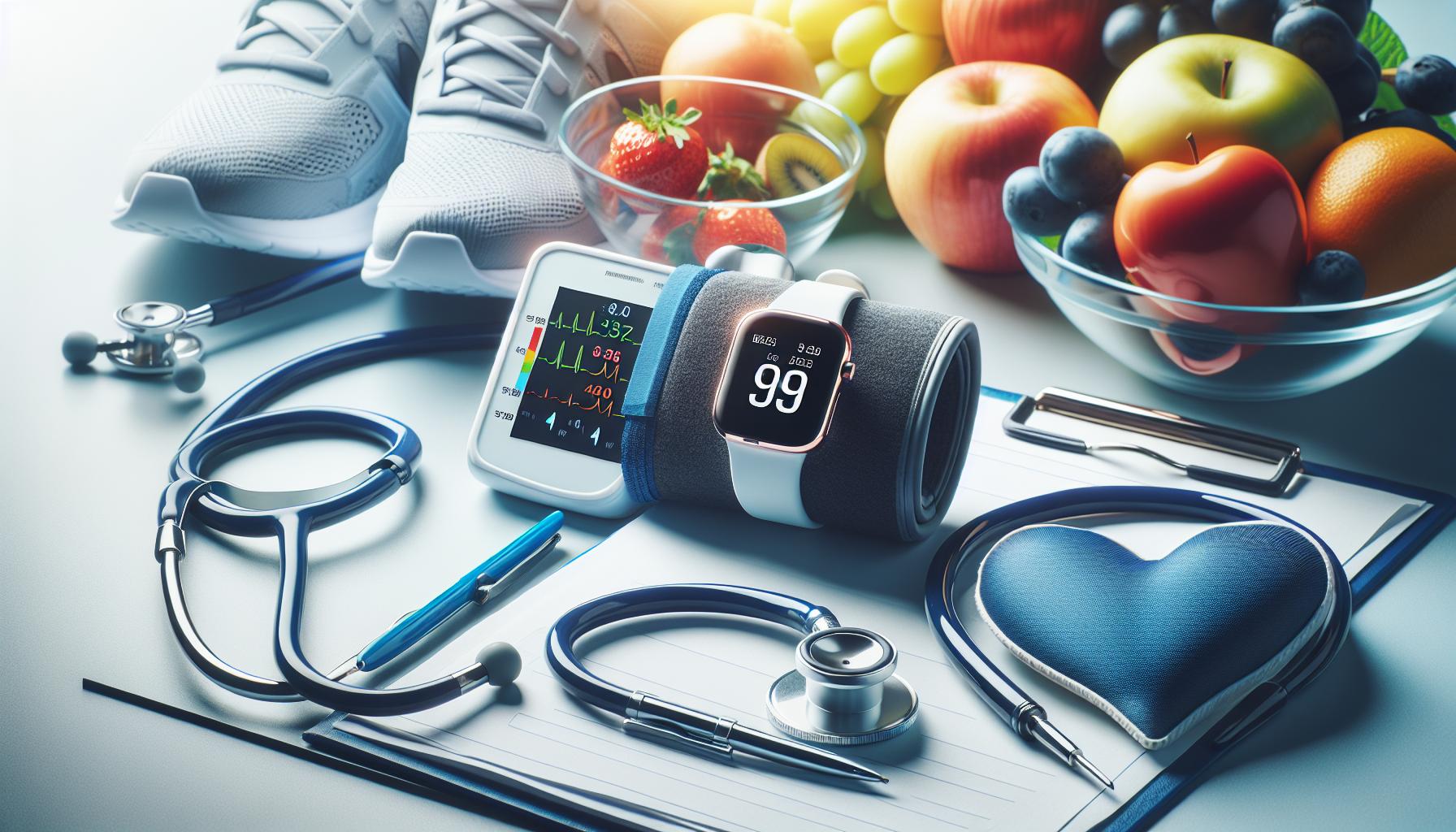
Effects of Orgasm on Blood Pressure
Experiencing orgasm can have significant effects on blood pressure, as well as an overall impact on cardiovascular health. During orgasm, the body goes through a series of physiological changes, including an increase in heart rate and blood pressure, followed by a subsequent drop. This cycle of elevation and relaxation occurs as the body transitions from heightened arousal to a state of rest, ultimately leading to a decrease in stress hormones such as cortisol. This natural rhythm may contribute to a more balanced long-term blood pressure profile.
Research suggests that regular sexual activity, which culminates in orgasm, can help manage blood pressure over time due to the hormonal and metabolic responses it triggers. Frequent orgasms may improve overall cardiovascular health by enhancing blood circulation and promoting relaxation, both of which are essential for maintaining optimal blood pressure levels. Moreover, a fulfilling sexual life can lead to lower stress levels and a greater sense of well-being, both of which are beneficial for heart health.
While the immediate effects of orgasm might temporarily elevate blood pressure, the long-term benefits of reduced stress and improved emotional health are crucial factors in managing hypertension. It is essential for individuals to engage in regular sexual activity, as it not only fosters intimacy and connection with partners but also serves as a potent natural intervention for maintaining a healthy blood pressure. As always, couples should prioritize communication about their sexual health and preferences, ensuring a fulfilling and beneficial experience for all involved.
Understanding Blood Pressure Basics
Understanding blood pressure is crucial for maintaining overall health and well-being. Blood pressure measures the force of blood against the walls of arteries as the heart pumps it throughout the body. A regular reading provides insight into your cardiovascular health and can indicate whether your heart and blood vessels are functioning properly. Blood pressure is typically expressed with two numbers: systolic (the pressure during heartbeats) over diastolic (the pressure when the heart is at rest), written as mmHg (millimeters of mercury).
Normal blood pressure is generally classified as being around 120/80 mmHg. However, values can range widely between individuals and can be influenced by factors such as age, activity level, and overall health. Elevated blood pressure, or hypertension, often goes unnoticed because it can develop without any clear symptoms, making regular monitoring essential. Maintaining healthy blood pressure is vital because chronic hypertension can lead to serious health issues, including heart disease, stroke, and kidney problems.
To effectively manage blood pressure, it’s important to understand the risk factors and lifestyle choices that contribute to its elevation. These include obesity, high salt intake, physical inactivity, alcohol consumption, and stress. By adopting healthy habits, such as following a balanced diet rich in fruits and vegetables, engaging in regular exercise, managing stress levels, and maintaining a healthy weight, individuals can positively influence their blood pressure readings.
Monitoring blood pressure regularly, both at home and during routine medical visits, ensures that any significant changes can be addressed quickly. Individuals should aim to check their blood pressure at various times to understand their personal patterns and triggers. Setting personal health goals, like reducing sodium intake or increasing physical activity, empowers people to take proactive steps in their cardiovascular care. Remember, owning your health journey is vital; small lifestyle changes can yield significant benefits for managing blood pressure and overall heart health.
The Physiology of Orgasm and Cardiovascular Health
The physiological response during orgasm triggers a cascade of effects that can significantly influence cardiovascular health. When a person reaches orgasm, the body experiences a surge in various hormones, including oxytocin and endorphins, which create feelings of euphoria and relaxation. This hormonal shift can lead to a temporary decrease in blood pressure. As the body engages in sexual arousal, heart rates increase and blood vessels dilate, enhancing blood flow to various organs. This process not only contributes to the peak experience of pleasure but also has lasting benefits for heart health.
Research indicates that regular sexual activity, which typically leads to orgasms, can promote better cardiovascular function over time. Engaging in consistent sexual activity has been associated with lower overall blood pressure levels, reduced stress hormones, and improved endothelial function-the ability of blood vessels to dilate and constrict effectively. Improved endothelial function is particularly important as it plays a key role in preventing hypertension and cardiovascular diseases. This relationship suggests that the benefits of sexual activity and orgasm extend beyond immediate pleasure to long-term cardiovascular resilience.
Moreover, orgasms can act as powerful stress relievers. The release of tension and emotional stress during orgasm may lower the body’s stress response, which is often linked to elevated blood pressure levels. In today’s fast-paced world, finding natural ways to alleviate stress can be invaluable for maintaining healthy blood pressure. While it is true that lifestyle choices such as diet and exercise are essential, incorporating a satisfying intimate life contributes a unique and beneficial dimension to stress management and cardiovascular health.
To maximize these health benefits, it is advisable to engage in regular sexual activity that includes moments of intimacy and connection. Practicing healthy communication with partners about desires and preferences can enhance overall sexual satisfaction, which in turn supports greater frequency and intensity of orgasms. As libido and comfort levels vary among individuals, understanding and prioritizing personal well-being in this area can foster not only healthier blood pressure but also a more holistic approach to health management.
Research Findings: Orgasm and Blood Pressure Relief
Engaging in sexual activity and reaching orgasm can lead to noticeable physiological changes that benefit cardiovascular health, including blood pressure regulation. Recent studies have highlighted how these experiences can result in a decrease in overall blood pressure, particularly due to the release of various hormones during and after orgasm. The surge of oxytocin and endorphins not only fosters feelings of pleasure and relaxation but also aids in stress reduction, which is known to positively influence blood pressure levels.
Regular sexual activity has been associated with improved cardiovascular health over time. One significant finding is that individuals who engage in frequent sexual activity generally exhibit lower resting blood pressure and better endothelial function – the ability of the blood vessels to manage blood flow and pressure effectively. Enhanced endothelial function is crucial for preventing hypertension and reducing the risk of cardiovascular diseases, suggesting that the health benefits of consistent intimacy extend well beyond the bedroom.
The implications of these findings also emphasize the importance of maintaining a healthy intimate life as part of a broader health strategy. Incorporating sexual activity can serve as a natural stress relief mechanism, which is essential for individuals looking to manage hypertension or maintain overall well-being. Here are several practical steps to maximize these benefits:
- Create a comfortable environment: A relaxed atmosphere can enhance intimacy and improve the likelihood of achieving orgasm.
- Communicate with your partner: Open discussions about desires can lead to increased satisfaction, frequency, and the quality of sexual experiences.
- Prioritize intimacy: Regularly scheduling time for intimacy can help integrate this into lifestyle habits, reinforcing the cardiovascular benefits.
By embracing these practices, individuals can foster healthier blood pressure levels while enjoying the emotional and physical connections that come with a fulfilling sexual relationship.
How Frequently Should You Expect Benefits?
Engaging regularly in sexual activity can lead to significant health benefits, particularly in terms of blood pressure regulation. Evidence suggests that to reap the cardiovascular perks associated with orgasms, consistency is key. While the exact frequency needed to see noticeable drops in blood pressure can vary among individuals, aiming for sexual activity at least once a week can optimize both physical and emotional health.
The regular release of feel-good hormones such as oxytocin and endorphins during sexual activity not only facilitates relaxation but can also combat the stress that often contributes to high blood pressure. Many studies indicate that individuals who report engaging in intimate activities several times a week generally experience lower resting blood pressure and enhanced overall cardiovascular function. Thus, understanding personal rhythms and finding moments for intimacy should be viewed as an integral part of a proactive health strategy.
That being said, it’s also important to recognize the value of quality over quantity. Fostering an emotionally satisfying intimate relationship is essential; engaging in deeper, more fulfilling connections may enhance the physiological benefits more than frequency alone. Listening to your body and your partner’s needs will help you establish a sustainable and healthy intimate routine.
If managing high blood pressure is your primary concern, consider integrating diverse forms of intimacy-such as cuddling, kissing, or even shared activities that promote emotional bonding-into your life more frequently, even outside of sexual experiences. These actions can also promote relaxation and further aid in blood pressure management, creating an overall healthier environment for intimacy to thrive.
Orgasm as a Stress Reliever and Its Impact on BP
Engaging in sexual activity, particularly reaching orgasm, can serve as a powerful stress reliever with notable benefits to blood pressure. When the body experiences an orgasm, it releases a cocktail of hormones and neurotransmitters, including oxytocin, endorphins, and dopamine, which not only enhance pleasure but also promote relaxation and emotional well-being. This biochemical response helps counteract the effects of stress-a significant contributor to hypertension.
Research has shown that the physiological response to sexual activity leads to an immediate decrease in heart rate and blood pressure following orgasm. This effect can last for hours afterward, making it an effective strategy to manage stress-induced spikes in blood pressure. Moreover, regular sexual activity has been associated with lower long-term blood pressure levels, thanks to the cumulative effects of these hormonal releases. Thus, incorporating intimate moments into your routine could lead to a more stable cardiovascular health profile.
It’s essential to recognize that the benefits of orgasms extend beyond the physical sensations experienced during sexual activity. Emotional intimacy plays a crucial role-strong relationships characterized by trust and affection can amplify the stress-relieving effects of sex. Emphasizing quality time with your partner, whether through sexual or non-sexual intimacy, can contribute significantly to both emotional satisfaction and blood pressure management.
Ultimately, fostering an intimate lifestyle can be more than just an enjoyable experience; it becomes a proactive approach to managing stress and maintaining healthy blood pressure. To enhance these benefits, consider exploring various activities that promote intimacy outside of the bedroom, such as cuddling, shared hobbies, or nurturing conversations that strengthen emotional connections. Taking these steps can create an environment that nurtures both physical and emotional health, contributing positively to your overall well-being.
Comparing Orgasm to Other Stress Reduction Techniques
Engaging in sexual activity, particularly reaching orgasm, is one of the most pleasurable ways to reduce stress and lower blood pressure, but it isn’t the only method available. Exploring various stress reduction techniques can help you find a personalized approach to managing blood pressure and enhancing overall well-being. From mindfulness practices and physical exercise to deep-breathing exercises and social interactions, there are several avenues that can provide similar benefits.
One powerful alternative is regular physical exercise. Activities like brisk walking, cycling, or swimming trigger the release of endorphins, similar to the hormonal surge experienced during orgasm. These endorphins act as natural painkillers and mood lifters, effectively alleviating stress and anxiety while also contributing to long-term heart health. Aim for at least 150 minutes of moderate aerobic activity per week, incorporating a mix of strength training exercises to further amplify cardiovascular benefits.
Another effective technique to consider is mindfulness meditation. This practice fosters deep relaxation and a heightened sense of awareness, allowing individuals to manage their stress responses better. Research indicates that regular mindfulness practice can lower baseline blood pressure and improve heart health over time. To get started, try setting aside just ten minutes a day to practice deep breathing, focus on the present moment, and release daily stressors.
Furthermore, social connections play a crucial role in emotional health. Spending quality time with friends and family can lead to reduced feelings of isolation and improved emotional states. Engaging in fun activities, sharing a laugh, or simply offering emotional support during challenging times can trigger the release of oxytocin, just like sexual intimacy, promoting relaxation and lower blood pressure.
Incorporating a variety of these techniques, alongside regular sexual intimacy, can yield a holistic approach to stress management and cardiovascular health. By recognizing the benefits of multiple strategies, you can tailor a lifestyle that enhances emotional and physical well-being while effectively managing your blood pressure.
Influence of Sexual Activity on Overall Health
Engaging in sexual activity offers a myriad of health benefits, significantly contributing to both physical and mental well-being. Beyond the immediate pleasure derived from orgasm, such activities can enhance your overall health by improving cardiovascular function, reducing stress, and promoting emotional intimacy with partners. Studies suggest that regular sexual activity can lower blood pressure, which is beneficial for cardiovascular health, making it a compelling addition to your wellness routine.
The physiological effects of orgasm, including the release of various hormones such as oxytocin and endorphins, can create a profound sense of relaxation and euphoria. These hormones work together to lower cortisol levels, the stress hormone, which in turn helps reduce blood pressure. By engaging in sexual activity regularly, individuals may experience lower baseline blood pressure levels that can lead to long-term cardiovascular health improvements.
Moreover, sexual intimacy fosters emotional connections that can mitigate feelings of loneliness and depression, both of which have been linked to elevated blood pressure. Healthy relationships characterized by mutual support and affection can significantly enhance emotional stability, thereby contributing to a more balanced lifestyle. This emotional aspect should not be underestimated; feeling loved and supported can activate various neurochemical pathways that aid in overall health.
It’s crucial to consider that while sexual activity can be a powerful tool for health improvement, it should be complemented by other lifestyle factors such as regular exercise, proper nutrition, and regular health check-ups. Combining these elements can create a synergistic effect, yielding better health outcomes and a higher quality of life. Maintaining an open dialogue with a healthcare provider can further aid in managing blood pressure effectively and ensuring any health-related concerns are addressed promptly.
Gender Differences: Orgasm Effects on Men and Women
Engaging in sexual activity and experiencing orgasm can have differing effects on men and women, particularly concerning blood pressure and overall cardiovascular health. Research indicates that both genders experience hormonal releases during orgasm, but the patterns and benefits can vary significantly due to physiological and psychological factors.
For men, orgasm is often linked to a rapid increase in heart rate and blood pressure during ejaculation, followed by a steep drop during the refractory period. This cycle may help improve vascular function over time, as the body adapts to the fluctuations in blood pressure and heart rate. The release of hormones like oxytocin and dopamine during orgasm can promote relaxation and reduce stress, leading to better long-term cardiovascular health. Additionally, studies have shown that regular sexual activity may decrease the risk of hypertension in men, attributed to the positive effects on heart health and emotional well-being.
Women may experience a more complex interplay between orgasm and blood pressure. The actual physiological responses can include a gradual increase in heart rate and blood pressure that stabilizes during orgasm. Women often report higher satisfaction levels associated with the emotional connection experienced during orgasm, leading to reduced cortisol levels and stress. This emotional component is crucial; feeling intimately connected with a partner can enhance relaxation and contribute significantly to lowering blood pressure. Research suggests that women may gain cardiovascular benefits from regular orgasms, but the psychological aspects of sexual fulfillment and emotional support play a more significant role in overall health outcomes.
Understanding these gender differences can empower individuals to prioritize their sexual health as a means of managing blood pressure. Recognizing that both physical stimulation and emotional connection are integral to achieving orgasm can encourage couples to enhance their intimacy, promoting a healthier lifestyle. Engaging in open discussions about sexual health and well-being can help individuals and their partners navigate these differences, reinforcing the importance of communication and emotional support in achieving overall well-being.
Safe Practices for Managing Blood Pressure
Engaging in regular sexual activity, including achieving orgasm, can play a beneficial role in blood pressure management. Yet, safety and mindfulness remain paramount in preserving cardiovascular health. To ensure that your approach to managing blood pressure is both effective and supportive of your overall well-being, consider the following best practices.
- Monitor Your Blood Pressure Regularly: Keeping track of your blood pressure at home can help you understand how your body responds to different activities, including sexual activity. Using a reliable home monitor, aim to check your blood pressure at the same times each day and keep a log of your readings to identify patterns.
- Engage in Open Communication: Discussing feelings, desires, and health concerns with your partner can not only enhance intimacy but also ensure that both of you feel comfortable and safe during sexual experiences. This supportive environment can contribute positively to emotional well-being, which is essential for blood pressure management.
- Practice Relaxation Techniques: Incorporating mindfulness and relaxation strategies, such as deep breathing, yoga, or meditation, can significantly lower stress levels and, by extension, blood pressure. Consider integrating these practices into your routine as a partner activity or as individual self-care.
- Maintain a Healthy Lifestyle: Alongside sexual activity, it’s crucial to focus on overall lifestyle choices. Eating a balanced diet rich in fruits, vegetables, and whole grains; staying hydrated; and engaging in regular exercise can bolster your cardiovascular health. Aim for at least 150 minutes of moderate aerobic activity per week, along with muscle-strengthening exercises on two or more days.
- Limit Substances That Raise Blood Pressure: Minimize or eliminate caffeine, alcohol, and tobacco use, as these can contribute to increased blood pressure levels. If you find that these substances impact your sexual activity or overall health, consider healthier alternatives.
Creating a foundation of not only supports cardiovascular health but also enhances sexual and emotional intimacy. Remember, every individual’s body reacts differently, so find a personalized approach that resonates with you and your partner. Always consult with a healthcare professional for tailored advice, particularly if you have existing health conditions or concerns regarding your blood pressure.
Lifestyle Changes to Support Healthy Blood Pressure
Engaging in lifestyle changes that support healthy blood pressure can create a profound impact on your overall cardiovascular health, complementing the benefits gained from sexual activity and orgasm. Scientific evidence suggests that regular physical activity, balanced nutrition, and stress management techniques are central to maintaining optimal blood pressure levels.
To start, incorporating regular exercise into your routine not only enhances physical fitness but also significantly contributes to lowering blood pressure. Aim for at least 150 minutes of moderate aerobic activity each week, which can include brisk walking, cycling, or swimming. Additionally, strength training exercises should be included on two or more days per week to improve cardiovascular function. Combining physical activity with enjoyable engagement like partner workouts can add motivation and make the experience more fulfilling.
Nutrition plays a crucial role in blood pressure management as well. Consuming a diet rich in fruits, vegetables, whole grains, and lean proteins can help regulate blood pressure. The DASH (Dietary Approaches to Stop Hypertension) diet, for instance, emphasizes these foods and has been shown to lower blood pressure effectively. Reducing sodium intake is also vital; aim for less than 2,300 mg per day, and consider even lower limits if you have high blood pressure.
Lastly, implementing relaxation techniques, such as yoga, meditation, or breathing exercises, can effectively reduce stress, which is essential for maintaining healthy blood pressure levels. Stress has been linked to elevated blood pressure, so finding a calming activity that you enjoy, whether practiced alone or with a partner, can make a significant difference. By integrating these lifestyle changes into your daily routine, you empower yourself to take control of your health and enhance your overall well-being. Always remember to consult with a healthcare professional before making significant changes to your health regimen, especially if you have existing conditions that may affect your blood pressure management.
When to Consult a Healthcare Professional
Recognizing when to seek professional medical advice regarding blood pressure management is crucial, especially for those exploring the complexities of sexual health and its effects on overall wellness. If you experience significant changes in your blood pressure readings, such as consistently elevated or low blood pressure, it’s essential to consult a healthcare professional. They can help determine whether these changes are related to stress, lifestyle factors, or underlying health issues.
Moreover, individuals should be proactive in their health monitoring if they are experiencing unusual symptoms during or after sexual activity, such as chest pain, shortness of breath, severe headaches, or any significant discomfort. These symptoms could indicate underlying cardiovascular issues, and it’s vital to address them promptly to ensure your health is not at risk. Regular check-ups can help keep you informed about your cardiovascular health, and being open with your healthcare provider about your sexual health can provide insights into how your sexual activity might be influencing your blood pressure.
In addition, if you’re considering making substantial lifestyle changes-like starting a new exercise regime or altering your diet significantly-doing so under the guidance of a healthcare professional is wise. They can offer personalized advice tailored to your health needs, ensuring that any changes will support your goals effectively and safely. This discussion becomes especially important for individuals with existing conditions such as hypertension or heart disease.
Lastly, being aware of the interplay between stress and blood pressure is essential. If you find that stress related to sexual health or personal relationships is overwhelming and impacting your overall well-being, a mental health professional can provide valuable support. Together with medical professionals, they can create a holistic approach to managing your health, contributing to better cardiovascular wellness and improved general health outcomes. Always prioritize your health by being informed and prepared to reach out for the help you deserve.
Faq
Q: Can orgasms have long-term effects on blood pressure?
A: Yes, regular orgasms may contribute to long-term blood pressure management by reducing stress and promoting relaxation. Over time, these effects can help support healthy blood pressure levels. Incorporating regular sexual activity as part of a balanced lifestyle can enhance overall cardiovascular health.
Q: How does sexual activity affect blood pressure immediately?
A: Sexual activity often leads to temporary increases in blood pressure due to heightened physical exertion. However, following orgasm, many people experience a reduction in blood pressure, thanks to the release of endorphins and oxytocin, which can promote relaxation and lower stress.
Q: Are there specific health benefits of orgasms for women compared to men?
A: Yes, research suggests that women may experience unique benefits from orgasms, such as improved pelvic floor health and enhanced mood regulation. Moreover, orgasms can help alleviate menstrual cramps and improve overall sexual satisfaction, contributing to a holistic approach to well-being.
Q: What role does stress relief from orgasm play in managing blood pressure?
A: Orgasm acts as a powerful stress reliever by lowering cortisol levels in the body. This reduction in stress hormones can directly lead to lower blood pressure, making it an effective natural method for managing stress and contributing to cardiovascular health.
Q: Can lack of sexual activity impact blood pressure?
A: Yes, lack of sexual activity may contribute to increased stress and anxiety, which can adversely affect blood pressure levels. Engaging in sexual activity or maintaining intimate relationships can provide emotional support and stress relief, improving overall heart health.
Q: Do lifestyle changes enhance the blood pressure-lowering effects of orgasms?
A: Absolutely. Combining a healthy lifestyle-such as regular exercise, balanced nutrition, and effective stress management-with sexual activity can amplify the positive effects of orgasms on blood pressure. This holistic approach supports overall cardiovascular health.
Q: How often should one engage in sexual activity for optimal health benefits related to blood pressure?
A: While frequency varies per individual, regular sexual activity-whether through intercourse or intimate contact-1-2 times a week can promote consistent benefits for mental and cardiovascular health, including blood pressure regulation.
Q: What are some safe practices for engaging in sexual activity that supports blood pressure health?
A: Safe practices include clear communication with partners, managing stress through relaxation techniques, and maintaining overall physical health through regular check-ups. Fostering a supportive environment can also enhance the benefits of intimate relationships on blood pressure.
In Summary
In summary, understanding the surprising effects of orgasm on blood pressure can empower you to take control of your health. Engaging in a fulfilling sexual life may not only enhance your overall well-being but also contribute positively to managing blood pressure. If you’re curious about other health benefits related to intimate experiences, check out our articles on “The Connection Between Stress Relief and Sexual Health” and “How Regular Exercise Impacts Blood Pressure” for more insights.
Now is the perfect time to assess your own lifestyle. Consider tracking your blood pressure regularly or consulting with a healthcare professional to discuss how intimacy and stress management can fit into your health strategy. Don’t forget to subscribe to our newsletter for more expert advice and tips tailored for you.
We invite you to share your experiences in the comments below or explore our resources on heart health and lifestyle changes. Your journey to better health begins with informed choices, and we’re here to support you every step of the way!