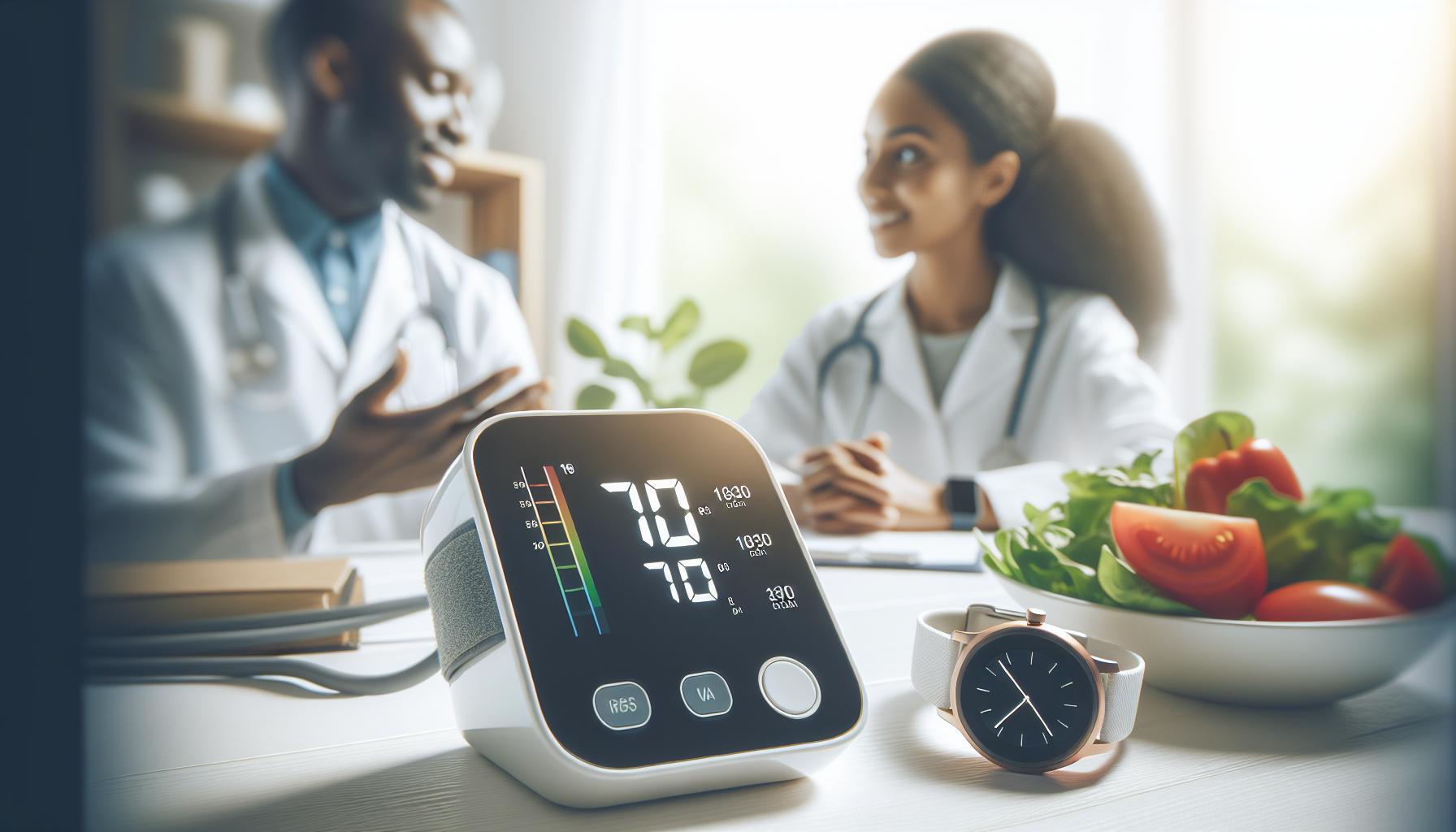

As wearable technology continues to evolve, many health-conscious individuals are turning to devices like the Oura Ring for insights into their well-being. However, a common question arises: does the Oura Ring track blood pressure? While this sleek and sophisticated ring excels at monitoring sleep patterns, heart rate, and activity levels, it doesn’t provide direct blood pressure readings. Understanding these limitations is crucial for anyone aiming to effectively manage their health, especially those concerned about hypertension or related issues.
With proper monitoring tools, such as traditional blood pressure cuffs or more advanced wearables, users can gain a clearer picture of their cardiovascular health. This article delves into the capabilities and boundaries of the Oura Ring, offering insights into how you can best utilize technology to complement your health management strategy. Stay with us as we explore the intersection of wearable tech and effective wellness monitoring, empowering you to make informed decisions for a healthier future.
Does the Oura Ring Offer Blood Pressure Monitoring?
The Oura Ring, known for its advanced sleep tracking and overall wellness features, does not currently offer blood pressure monitoring capabilities. While the ring provides insights into sleep patterns, heart rate variability, and readiness scores, blood pressure is a more complex health metric that generally requires dedicated equipment to measure accurately. Many users might wonder about the implications of this limitation, especially as blood pressure is a critical indicator of cardiovascular health.
To track blood pressure effectively, it’s essential to use devices specifically designed for this purpose, such as traditional blood pressure cuffs or smart blood pressure monitors that can provide readings in real-time. These devices offer greater specificity and reliability compared to wearable tech like the Oura Ring. Furthermore, a comprehensive approach to monitoring health can include using multiple devices; for example, pairing the Oura Ring with a blood pressure monitor can enrich your overall health data.
It’s vital to understand that managing blood pressure involves more than just tracking it. Users should consider adopting a holistic approach, including regular check-ups with healthcare professionals, consistent lifestyle changes like diet and exercise, and stress management techniques. Incorporating the data from various devices can paint a clearer picture of your health, enabling better-informed decisions in collaboration with your healthcare team.
While the Oura Ring might not provide blood pressure monitoring, its strengths lie in other areas, making it a valuable part of a broader health management strategy. Combining its capabilities with dedicated blood pressure devices can empower users to better understand their health and make proactive choices.
Understanding Blood Pressure: What You Need to Know
Blood pressure is a crucial indicator of cardiovascular health, often referred to as the “silent killer” due to its ability to rise without noticeable symptoms. Maintaining a healthy blood pressure level is essential, as both high and low readings can lead to serious health issues, including heart disease and stroke. Understanding how blood pressure works and recognizing the factors that influence it can empower you to take control of your health.
Blood pressure readings consist of two numbers: systolic (the upper number) and diastolic (the lower number). The systolic pressure measures the force your heart exerts on the walls of your arteries when it beats, while the diastolic pressure measures the pressure in your arteries when your heart rests between beats. Normal blood pressure typically falls below 120/80 mmHg. Readings that consistently exceed this range may indicate hypertension, a condition that can lead to significant health complications if untreated.
To effectively monitor your blood pressure, it’s critical to understand the various factors that can impact it. Lifestyle choices such as diet, physical activity, stress management, and sleep quality all play a significant role. For instance, a diet rich in fruits, vegetables, and whole grains, combined with regular exercise, can positively influence blood pressure levels. Conversely, high sodium intake, obesity, and chronic stress can contribute to elevated blood pressure.
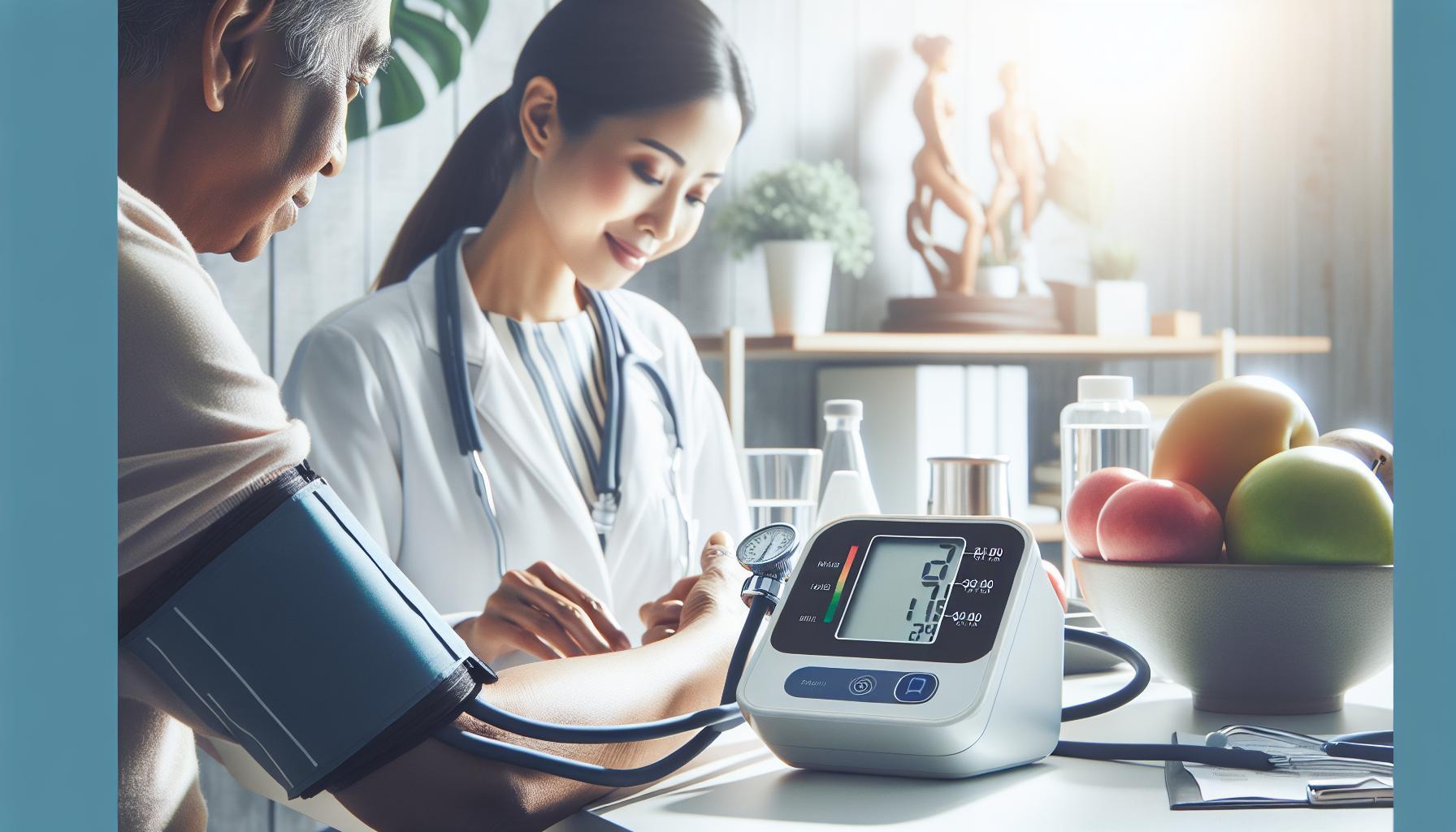
Investing in a reliable blood pressure monitor is a fundamental step in effectively managing your blood pressure. Understanding how to correctly use these devices is equally important to ensure accurate readings. Take readings at the same time each day, ensure you’re seated comfortably, and follow the manufacturer’s instructions closely. By combining regular monitoring with insights from your Oura Ring-such as sleep patterns and heart rate variability-you can create a comprehensive health management strategy that addresses your overall well-being and positions you for healthier living.
How Wearable Devices Measure Health Metrics
Wearable devices like the Oura Ring have revolutionized the way we monitor our health, providing insights that were once available only through clinical methods. These devices primarily track various health metrics through advanced sensors that gather data continuously, offering a holistic view of an individual’s wellness. By combining technology with health monitoring, users can gain valuable insights into their bodies that can drive better health decisions.
The Oura Ring, for instance, utilizes a combination of infrared light, body temperature sensors, and accelerometers to track metrics like heart rate, sleep quality, and activity levels. The infrared sensors measure blood volume changes beneath the skin, which helps in calculating heart rate variability-a crucial indicator of overall cardiovascular health. While the Oura Ring excels in tracking sleep and activity, it does not measure blood pressure, as this requires different technology that is typically found in dedicated blood pressure monitors.
Another vital aspect to consider is how this data is processed and presented to users. Most wearable devices use algorithms to analyze the collected data and provide feedback through mobile apps. These applications convert raw data into understandable insights, often presenting trends over time that can alert users to potential health issues. For example, changes in sleep patterns or resting heart rate can indicate stress or coming illnesses. Users are encouraged to engage with these analytics regularly, facilitating proactive health management.
In summary, while wearable devices like the Oura Ring provide a wealth of health information, their capabilities are specific to the technologies they employ. Understanding these metrics and their implications can empower individuals to take charge of their health, making informed decisions that support healthier living. By integrating insights from wearable technology into daily routines, users can promote not only better physical health but also a balanced lifestyle that accommodates their wellness needs.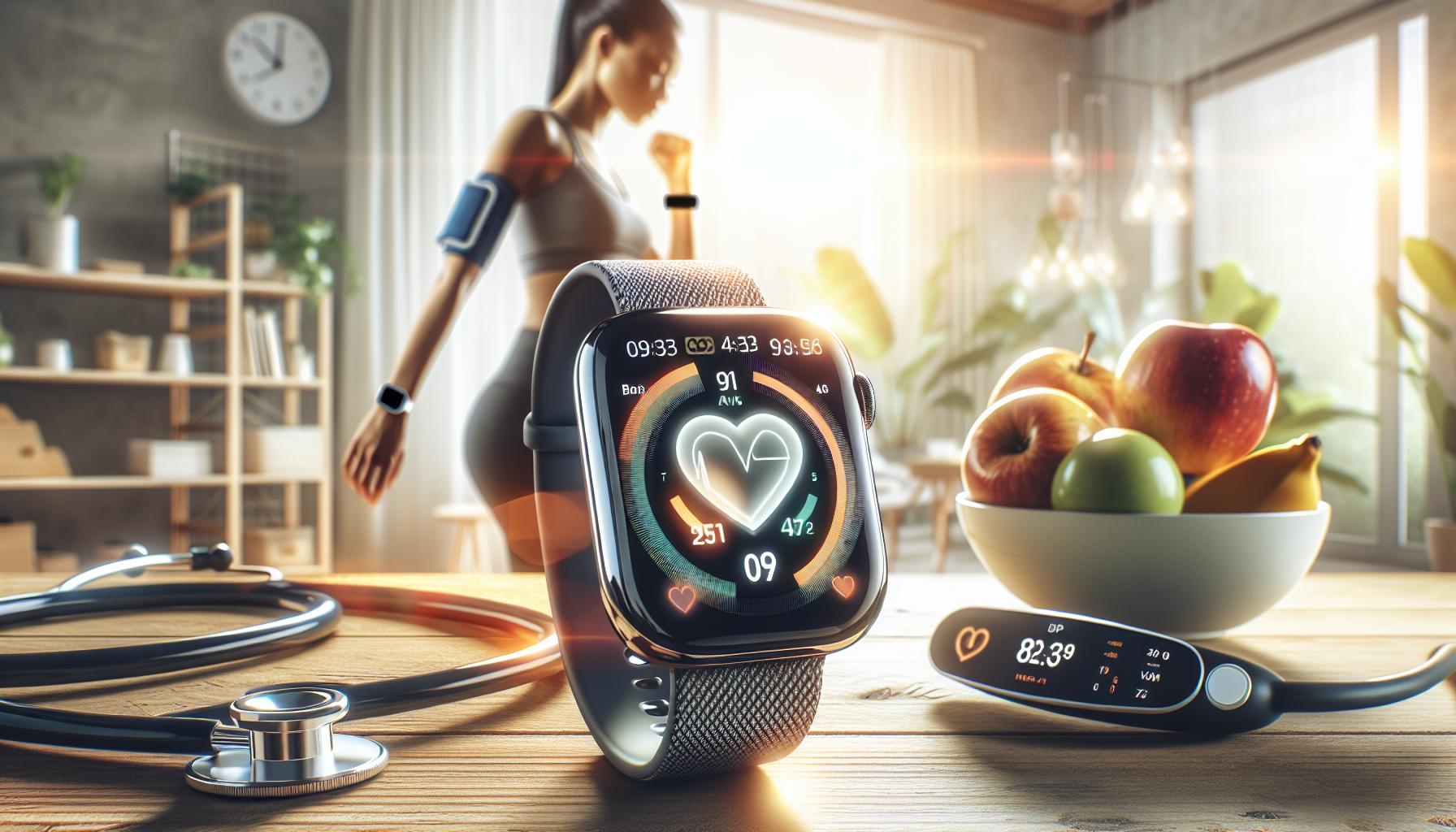
Limitations of Oura Ring in Blood Pressure Tracking
Monitoring blood pressure is a crucial aspect of managing overall health, especially for those with conditions like hypertension. However, the Oura Ring, despite its impressive array of features aimed at tracking various health metrics, does not include blood pressure monitoring among its capabilities. This limitation stems from the specific technology required to measure blood pressure accurately-namely oscillometric sensors, which are typically found in dedicated blood pressure monitors. The Oura Ring utilizes infrared sensors to track metrics like heart rate and sleep quality, but these sensors are inadequate for measuring blood pressure directly.
While the Oura Ring excels at providing insights into sleep patterns, activity levels, and heart rate variability, it cannot replace the specialized devices designed for blood pressure monitoring. This absence means users must rely on separate, more traditional methods to check their blood pressure, which can be inconvenient and may lead to gaps in health data. For individuals focused on comprehensive health management, it is vital to integrate Oura Ring data with standard blood pressure readings taken using appropriate devices, like digital sphygmomanometers.
Moreover, understanding the implications of this limitation can help users make informed choices regarding their health management. While lifestyle factors-such as physical activity, diet, and stress levels-can be monitored through the Oura Ring, directly tracking the impact of these changes on blood pressure will require additional effort and tools. It’s a vital reminder that wearable technology, while beneficial, should be viewed as part of a larger health toolkit rather than a singular solution.
As you navigate the world of health technology, consider keeping a blood pressure log alongside your insights from the Oura Ring. This approach not only helps achieve a comprehensive view of your cardiovascular health but also empowers you to communicate effectively with healthcare professionals about your health journey. By combining the strengths of both the Oura Ring and traditional monitoring methods, you can achieve a more complete understanding of your body’s responses and needs.
Comparing Oura Ring to Other Wearable Tech for Blood Pressure
The landscape of wearable technology is rapidly evolving, with many devices offering advanced health monitoring features, including blood pressure tracking. While the Oura Ring provides valuable insights into sleep, activity, and heart rate variability, it lacks the capability to directly measure blood pressure. This raises an important question: how does it compare with other wearable tech that does track this critical health metric?
When it comes to wearable devices equipped with blood pressure monitoring capabilities, options like the Fitbit Charge series and the Samsung Galaxy Watch stand out. These devices typically utilize advanced sensors designed for oscillometric measurements, allowing users to obtain accurate blood pressure readings directly from their wrist. For instance, the latest Fitbit models have incorporated a feature that uses pulse wave analysis to estimate blood pressure, providing users with the ability to monitor their cardiovascular health without the need for a separate monitor.
Key Features of Blood Pressure Monitoring Devices
When choosing a wearable that includes blood pressure tracking, consider the following features:
- Measurement Method: Devices that employ oscillometric sensors tend to offer more reliable readings.
- User Interface: An intuitive app interface can help log and analyze blood pressure trends over time.
- Integration with Other Health Metrics: Look for devices that allow you to correlate blood pressure readings with other health data, like heart rate and activity levels.
While the Oura Ring excels in tracking factors that influence blood pressure, such as sleep quality and physical activity, individuals needing comprehensive cardiovascular monitoring might find value in combining its data with a wearable that measures blood pressure. This partnership can empower users to better understand how lifestyle changes impact their blood pressure and overall health.
In conclusion, while the Oura Ring establishes itself as an exceptional tool for monitoring sleep, recovery, and activity, it does not suffice for individuals focused on blood pressure management. Exploring options that integrate blood pressure readings with other health metrics can greatly enhance your ability to manage cardiovascular risks effectively and keep you informed about your health status.
User Experiences: Oura Ring and Blood Pressure Tracking
Many users have embraced the Oura Ring for its advanced health tracking capabilities, particularly its focus on sleep quality, recovery, and activity levels. However, a common inquiry among those considering the Oura Ring is its limitations regarding blood pressure monitoring. Without the ability to measure blood pressure directly, users often pair the Oura Ring with other devices that offer this crucial function.
Feedback from Oura Ring enthusiasts highlights ways to effectively manage and interpret cardiovascular health data. Many users report using the Oura Ring’s insights on sleep patterns and heart rate variability to proactively address lifestyle factors that influence blood pressure. For instance, one user noted that after tracking their sleep quality through the Oura Ring, they decided to implement a relaxing bedtime routine, which not only improved their rest but also contributed to better heart health overall. The correlation between these lifestyle changes and their blood pressure readings, taken separately with a traditional monitor, provided valuable context.
Even though the Oura Ring does not provide direct blood pressure readings, it excels at promoting awareness around habits that can influence heart health. Users typically recommend supplementing the Oura Ring with a blood pressure monitor, combining the comprehensive health data provided by the Oura Ring with accurate blood pressure readings from devices like the Fitbit or dedicated BP monitors. Integrating these tools can create a more complete picture of one’s health and aid in effective management strategies.
For those incorporating the Oura Ring into their health regimen, maintaining regular blood pressure checks and logging them in the app can be highly beneficial. This practice not only allows users to track their progress over time but also fosters a proactive approach to managing potential cardiovascular issues. Ultimately, while the Oura Ring may not track blood pressure, its role in promoting healthier lifestyle choices is invaluable, empowering users to take charge of their health in meaningful ways.
Innovative Technology: Future of Blood Pressure Monitoring
The landscape of blood pressure monitoring is rapidly evolving, driven by innovative technologies that promise greater accessibility and accuracy. As wearable tech continues to advance, the potential for devices to incorporate blood pressure readings into everyday health monitoring is becoming increasingly plausible. One exciting area of development is the use of non-invasive sensors that can accurately gauge blood pressure through methods such as photoplethysmography (PPG) or bioimpedance. These methods could allow wearable devices like smartwatches and rings to provide real-time blood pressure data alongside other health metrics like heart rate and oxygen saturation.
The integration of artificial intelligence (AI) offers another dimension of possibility. By analyzing vast amounts of health data, AI can identify patterns and correlations that may not be evident through traditional monitoring methods. This predictive capability could lead to earlier interventions for those at risk of hypertension or cardiovascular issues. Additionally, the future may see blood pressure monitoring more seamlessly integrated with lifestyle and habit tracking, allowing users to observe how factors such as stress, sleep quality, and physical activity influence their blood pressure over time.
- Wearable Blood Pressure Monitors: Devices like smartwatches are now being designed specifically to measure blood pressure reliably without bulky cuffs.
- AI Integration: Advanced algorithms could analyze user data, offering personalized insights and alerts for hypertension risk.
- Data Ecosystem: Future wearables may sync with health apps, allowing comprehensive overviews of blood pressure alongside lifestyle habits for better management.
As these technologies continue to develop, health management can transition from reactive to proactive. The ability to monitor blood pressure continuously or at regular intervals empowers individuals to take charge of their health more effectively. It also fosters a deeper understanding of how daily choices impact overall cardiovascular health. By adopting these advanced tools, users can engage in a more informed health regimen, advocating for their well-being in a collaborative approach with healthcare providers.
Tips for Effective Blood Pressure Management
Maintaining healthy blood pressure is a crucial aspect of overall wellness, especially as hypertension is often a silent condition that can lead to serious health issues if left unmanaged. Incorporating effective strategies into your daily routine can make a significant difference. Start by monitoring your blood pressure regularly, utilizing an accredited device that can provide accurate readings. Keeping a log of your measurements can help identify patterns and triggers, allowing you to make informed adjustments.
Adopting a balanced diet is another pivotal step. Focus on incorporating plenty of fruits, vegetables, whole grains, and lean proteins while reducing salt intake. The DASH (Dietary Approaches to Stop Hypertension) diet is particularly beneficial, offering guidelines that can help lower blood pressure. Additionally, maintaining a healthy weight through diet and exercise is essential; even modest weight loss can lead to notable improvements in blood pressure.
Physical Activity and Stress Management
Regular physical activity can profoundly impact blood pressure. Aim for at least 150 minutes of moderate aerobic exercise each week, such as brisk walking or cycling. Combining this with strength training activities on two or more days a week can enhance your overall heart health. Moreover, managing stress through techniques like mindfulness, meditation, or yoga can help lower your blood pressure. Engaging in activities that promote relaxation and well-being can mitigate the emotional factors that often contribute to elevated blood pressure.
Limiting Alcohol and Tobacco Use
Consider evaluating your consumption habits regarding alcohol and tobacco. Drinking alcohol in moderation, if at all, can favorably influence blood pressure levels. For those who smoke, seeking support to quit can drastically improve cardiovascular health. Tobacco use is directly linked to increased blood pressure and can exacerbate hypertension’s damaging effects.
By adopting these proactive strategies and remaining aware of how lifestyle choices affect blood pressure, you empower yourself to manage your health more effectively. Each step taken toward healthier habits is a step toward a longer, more vibrant life, reinforcing the importance of being proactive about cardiovascular wellness.
Integrating Oura Ring Data into Your Health Regimen
Integrating wearable technology like the Oura Ring into your health routine can enhance your understanding of your overall wellness, even as it doesn’t directly track blood pressure. While the ring excels in tracking sleep quality, activity levels, and recovery metrics through advanced sensors, effective use of this data can empower your approach to blood pressure management.
To start incorporating Oura Ring data into your regimen, begin by establishing a daily routine for logging your sleep and activity metrics. Understanding your sleep patterns is crucial since restorative sleep plays a significant role in heart health. Aim for consistent sleep duration and quality. You can refer to the Oura app to analyze how your sleep scores align with your daily activities and overall health. For example, look at periods of low recovery scores and assess whether those days coincided with higher stress, poor nutrition, or inadequate sleep. Addressing these factors can contribute to better blood pressure management.
Furthermore, using the Oura Ring to monitor activity levels allows you to adjust your exercise regime effectively. Aim for a blend of cardiovascular, strength, and flexibility exercises throughout the week. The Oura app provides insights into your readiness for physical activity based on your heart rate variability and previous activity levels. This will help you make informed decisions about how intensely to train on particular days, potentially keeping your blood pressure in check by ensuring that you don’t overtrain or become too sedentary.
Utilizing Oura’s insights can also enhance mindfulness and stress management practices. The device can alert you to trends in your heart rate, which may signal when you’re experiencing stress. By recognizing these moments, you can incorporate relaxation techniques, such as meditation or deep-breathing exercises, into your daily routine. This adaptive integration will not only foster a calm mindset but also could contribute to more stable blood pressure levels over time.
As you compile Oura Ring data, consider creating a health journal to document not just recordings of your metrics, but also notes on lifestyle interventions you implement. For instance, if you decide to reduce sodium intake and implement regular exercise, jotting down the measurable improvements you observe, such as changes in energy levels or well-being, can be encouraging. Regularly reviewing your journal will help you see trends over time, allowing you to tailor your health regimen effectively.
By thoughtfully embedding Oura Ring data into your overall health management strategy, you empower yourself with actionable insights that enhance your lifestyle and your ability to manage blood pressure effectively.
The Importance of Accurate Blood Pressure Readings
Accurate blood pressure readings are crucial for effective health management, particularly for individuals at risk of hypertension or other cardiovascular issues. In fact, blood pressure is often regarded as a “silent killer,” as high levels can lead to serious health complications without any noticeable symptoms. Regular monitoring ensures you can stay informed about your cardiovascular health, helping you make timely and necessary lifestyle adjustments.
To maintain accuracy in blood pressure measurements, consider the following essential practices:
- Consistency: Measure your blood pressure at the same time each day and under similar conditions. Morning readings after waking up can provide a reliable baseline.
- Proper Technique: Ensure you’re seated comfortably with your back supported and feet flat on the floor. Use a well-calibrated blood pressure monitor, positioning the cuff at heart level for the most accurate result.
- Avoid Influences: Factors such as caffeine, smoking, and exercise can temporarily raise blood pressure levels. Aim for a quiet, relaxed environment when taking your measurements.
Integrating these practices into your daily routine can facilitate much better monitoring and management of blood pressure. Furthermore, consider tracking your readings over time to identify patterns or trends that might require further attention from your healthcare provider. Keeping a health journal where you record not only your blood pressure readings but also notes on diet, exercise, and stress levels can empower you to take proactive steps in your health journey.
Equally important is understanding how external factors-such as sleep quality, diet, and stress management-affect blood pressure. Cultivating habits such as consuming a balanced diet rich in potassium and magnesium, engaging in regular physical activity, and employing stress-reducing techniques like yoga or meditation can significantly contribute to maintaining healthy blood pressure levels.
By focusing on and incorporating comprehensive management practices into your lifestyle, you’re not just tracking a number; you’re actively taking charge of your health and wellbeing. This empowered approach fosters a proactive attitude toward health management, leading to improved cardiovascular health and overall quality of life.
Alternatives for Blood Pressure Monitoring Risks and Solutions
Monitoring blood pressure is essential for managing heart health, especially as lifestyle changes and medical conditions can significantly impact readings. While traditional blood pressure monitors are reliable, many individuals seek alternatives that are more convenient and accessible. Exploring these alternatives not only broadens monitoring options but also highlights potential risks and solutions in maintaining accurate health data.
For those looking beyond standard devices, digital blood pressure monitors offer advanced features like Bluetooth connectivity and companion apps that track readings over time. Such devices can sync with smartphones, facilitating easy record-keeping and trend analysis. However, it’s essential to ensure these devices are validated for accuracy, as discrepancies in readings can lead to incorrect conclusions about one’s health status. When considering a digital monitor, check for FDA approval or recommendations from health professionals.
Smart wearables, such as fitness trackers and smartwatches, have become increasingly popular for health monitoring. While many can track heart rate and other metrics, blood pressure tracking isn’t universally reliable among these devices. Those interested in using wearables should look for models specifically designed to include blood pressure monitoring capabilities. Nevertheless, users should approach these readings with caution, as variances may occur, particularly if the devices rely on algorithms rather than direct measurements.
It’s crucial to recognize the importance of verifying monitoring accuracy. Regular calibration against a standard blood pressure cuff is recommended. To ensure safety and reliability, integrate multiple data points, including readings from both traditional monitors and wearables, along with lifestyle factors that may influence blood pressure, such as diet and stress levels. This multifaceted approach can lead to better-informed health decisions while minimizing the risks associated with relying solely on one method of monitoring.
As the technology landscape evolves, the future of blood pressure monitoring promises innovative solutions, including non-invasive methods that could revolutionize how we track heart health. Until then, balancing convenience with accuracy emphasizes the importance of informed decision-making regarding health technologies. Adopting a proactive stance in exploring and utilizing available alternatives can significantly enhance your blood pressure monitoring regimen, leading to improved health outcomes.
Expert Insights: The Role of Wearables in Health Management
Wearable devices have increasingly become an integral part of health management, with many users turning to technology as a means to monitor their vital signs, including blood pressure. While devices like smartwatches and fitness trackers have shaped our understanding of health metrics, their ability to provide accurate blood pressure readings remains in question. The Oura Ring, a prominent player in the wearable market, specifically focuses on sleep, recovery, and activity tracking; however, it does not offer blood pressure monitoring capabilities.
Understanding the Role of Wearables
The evolution of wearables has prompted a significant shift in how individuals approach their health. These devices allow for real-time insights and the continuous tracking of various health parameters, including heart rate variability, sleep patterns, and even temperature fluctuations. Such features empower users to take proactive steps toward better health management. For example, by analyzing trends in their sleep data, users can identify factors impacting their rest, from stress to dietary choices, leading to informed lifestyle adjustments.
To maximize the effectiveness of wearable technology in health management, it’s essential to integrate data from multiple sources. While wearables can offer incremental insights into cardiovascular health, they should not replace traditional methods of monitoring, such as regular check-ups with healthcare professionals and using clinically validated blood pressure monitors. Combining data from the Oura Ring’s insights on sleep and recovery with consistent blood pressure measurements-from both manual monitors and dedicated digital devices-can enhance overall wellness and provide a comprehensive overview of one’s health.
Practical Monitoring Guidance
For those utilizing wearables, consider these actionable tips to enhance your health management strategy:
- Regular Monitoring: Incorporate both traditional blood pressure devices and wearables to track your health metrics. Aim to check your blood pressure at consistent times during the day for reliable data.
- Data Integration: Use health apps that allow you to input readings from various devices, creating a holistic view of your health. This approach can highlight correlations between your lifestyle changes and blood pressure readings.
- Engage with Healthcare Professionals: Regular consultations ensure that your health metrics are interpreted accurately, allowing for adjustments in management strategies as necessary.
Overall, while the Oura Ring may not directly track blood pressure, its role in providing a comprehensive health picture can be invaluable when approached as part of a broader strategy to monitor and manage your overall well-being. By harnessing the strengths of wearable technology and established monitoring techniques, individuals can enhance their health outcomes and make empowered decisions about their lifestyle choices.
Frequently asked questions
Q: Can the Oura Ring be used to track blood pressure?
A: No, the Oura Ring does not track blood pressure. It focuses on metrics such as heart rate, sleep quality, and activity levels. For blood pressure monitoring, consider dedicated devices that are designed specifically for that purpose.
Q: What are the main health metrics tracked by the Oura Ring?
A: The Oura Ring primarily tracks heart rate, sleep stages, activity levels, and readiness scores. It excels in providing insights into overall wellness but does not measure blood pressure, temperature, or blood oxygen levels.
Q: How does the Oura Ring compare to other wearables for monitoring health?
A: The Oura Ring offers comprehensive sleep and activity tracking but lacks blood pressure measurement capabilities found in other wearables like smartwatches. If blood pressure tracking is essential, look for devices like the Apple Watch or dedicated health monitors.
Q: Why is blood pressure monitoring important?
A: Monitoring blood pressure is crucial as it helps detect hypertension, which can lead to serious health issues like heart disease and stroke. Regular monitoring can empower individuals to manage their health effectively.
Q: What limitations should I be aware of regarding the Oura Ring?
A: While the Oura Ring provides valuable health insights, it cannot measure blood pressure, blood glucose, or other critical health metrics. Its readings should complement, not replace, traditional methods for tracking these vital signs.
Q: Are there any smart rings that track blood pressure?
A: Currently, there are limited smart rings that offer blood pressure tracking. Users seeking this functionality might want to explore alternatives such as dedicated blood pressure monitors or versatile smartwatches that include this capability.
Q: How can integrating the Oura Ring data enhance my health regimen?
A: Utilizing the insights from the Oura Ring regarding sleep quality, activity levels, and recovery can help tailor your health regimen. Pairing its data with regular blood pressure monitoring fosters a comprehensive approach to health management.
Q: What should I do if I’m concerned about my blood pressure?
A: If you’re concerned about your blood pressure, consult a healthcare professional. Regular monitoring with an appropriate device and lifestyle changes like diet and exercise can significantly improve blood pressure management. Consider using the insights gained from the Oura Ring to support these changes.
In Conclusion
While the Oura Ring offers impressive tracking for sleep, activity levels, and overall health metrics, it does not currently provide blood pressure monitoring capabilities. Understanding the limits of your wearable tech is essential for making informed health decisions. If you’re looking to optimize your health management, consider exploring our articles on the best wearable devices for comprehensive health monitoring and tips for effective blood pressure management.
Don’t let uncertainty hold you back! Start implementing practical strategies for tracking your health today. For ongoing insights, subscribe to our newsletter or check out our guide on maximizing the benefits of wearable technology in health management. Engage with us in the comments below or share your experiences to help others navigate their wellness journeys. Remember, taking proactive steps today can lead to a healthier tomorrow!