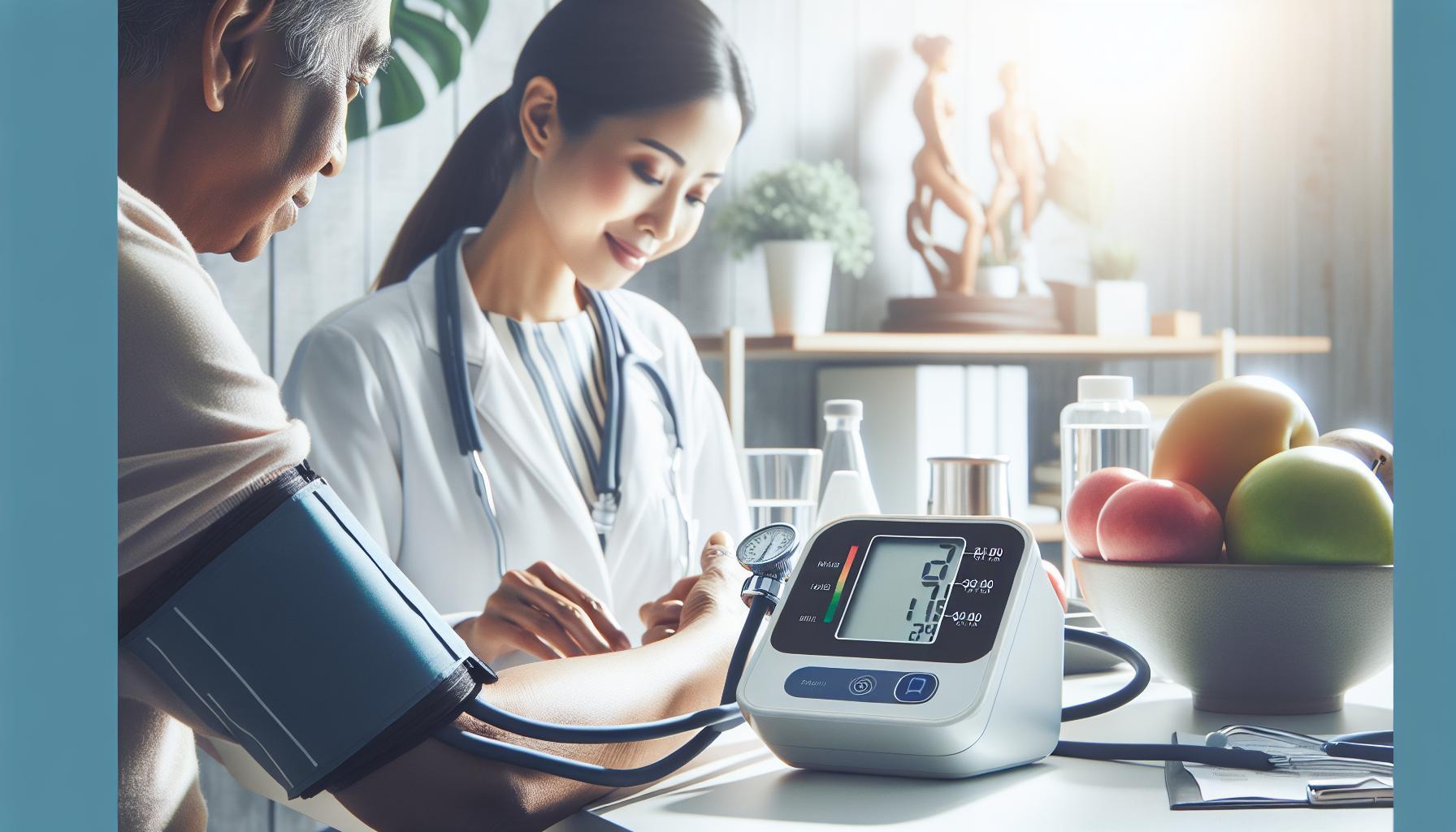

Did you know that the accuracy of your blood pressure readings can directly impact your health management? Understanding how long a blood pressure gauge lasts and how to maintain it is crucial for ensuring reliable measurements. A well-maintained gauge can help you monitor your blood pressure effectively, helping to prevent potential health issues.
For individuals managing chronic conditions or simply monitoring their heart health, knowing when to replace or recalibrate your equipment is key to staying informed about your well-being. This guide will take you through the lifespan of various types of blood pressure gauges and provide practical tips for maintenance to ensure the longevity and accuracy of your device. Keep reading to empower yourself with knowledge that can enhance your health monitoring journey!
How Long Can You Expect a Blood Pressure Gauge to Last?
When investing in a blood pressure gauge, it’s natural to wonder about its lifespan. Generally, a well-maintained blood pressure monitor can last anywhere from 5 to 10 years, depending on the type and usage frequency. Automatic digital monitors tend to have a shorter lifespan than manual ones, primarily due to their electronic components, which can be vulnerable to wear and tear. Conversely, manual sphygmomanometers, when properly cared for, can function effectively for many years and even decades.
Several factors can influence how long your blood pressure gauge will last. For instance, the frequency of use, environmental conditions (such as humidity and temperature), and how carefully the device is handled all play crucial roles. Frequent transport-like taking the monitor to different locations-could lead to potential damage. Additionally, if the device is exposed to extreme temperatures or moisture, the components may degrade more quickly. Understanding these factors can help you adopt practices that enhance the durability of your blood pressure monitor.
To ensure longevity and accuracy, regular maintenance and care are essential. This includes keeping the monitor clean, storing it in a protective case, and ensuring that it remains free from dust and debris. Routine calibration, based on the manufacturer’s recommendations, is crucial. This not only maintains accuracy but also prolongs the lifespan of the device. By integrating these proactive measures into your routine, you can maximize your blood pressure gauge’s performance and reliability over the years.
Factors Influencing the Lifespan of Blood Pressure Gauges
The longevity of your blood pressure gauge isn’t just about its materials; it’s influenced by various factors that dictate how and where it’s used. One of the most significant influencers is the frequency of use. Devices used multiple times a day may experience more wear and tear compared to those used once a week. Daily stressors can add up, especially if the gauge is handled roughly or transported frequently. For instance, taking the device on trips or moving it between locations can lead to unintentional drops or impacts that could damage essential components.
Additionally, environmental conditions play a crucial role in determining a blood pressure monitor’s lifespan. Humidity, temperature variations, and exposure to dust or liquids can degrade materials and affect functionality over time. For example, a monitor kept in a humid bathroom may accelerate corrosion of electronic parts, leading to a compromised performance. It’s advisable to store your monitor in a stable environment to maintain its condition.
Another important aspect is care and handling. Properly handling the blood pressure gauge – such as avoiding abrupt movements or extreme temperature exposure – can significantly enhance its durability. Keeping the device clean and storing it in a protective case when not in use are practical steps that help prevent dust accumulation and physical damage. These straightforward practices not only prolong the life of the monitor but also ensure its measurements remain accurate and reliable.
In summary, understanding these key factors – frequency of use, environmental conditions, and careful handling – empowers you to take proactive steps that will enhance the lifespan and functionality of your blood pressure gauge. By being mindful of how you use and care for this vital health tool, you can maintain its performance and reliability, making it an essential part of your health management routine.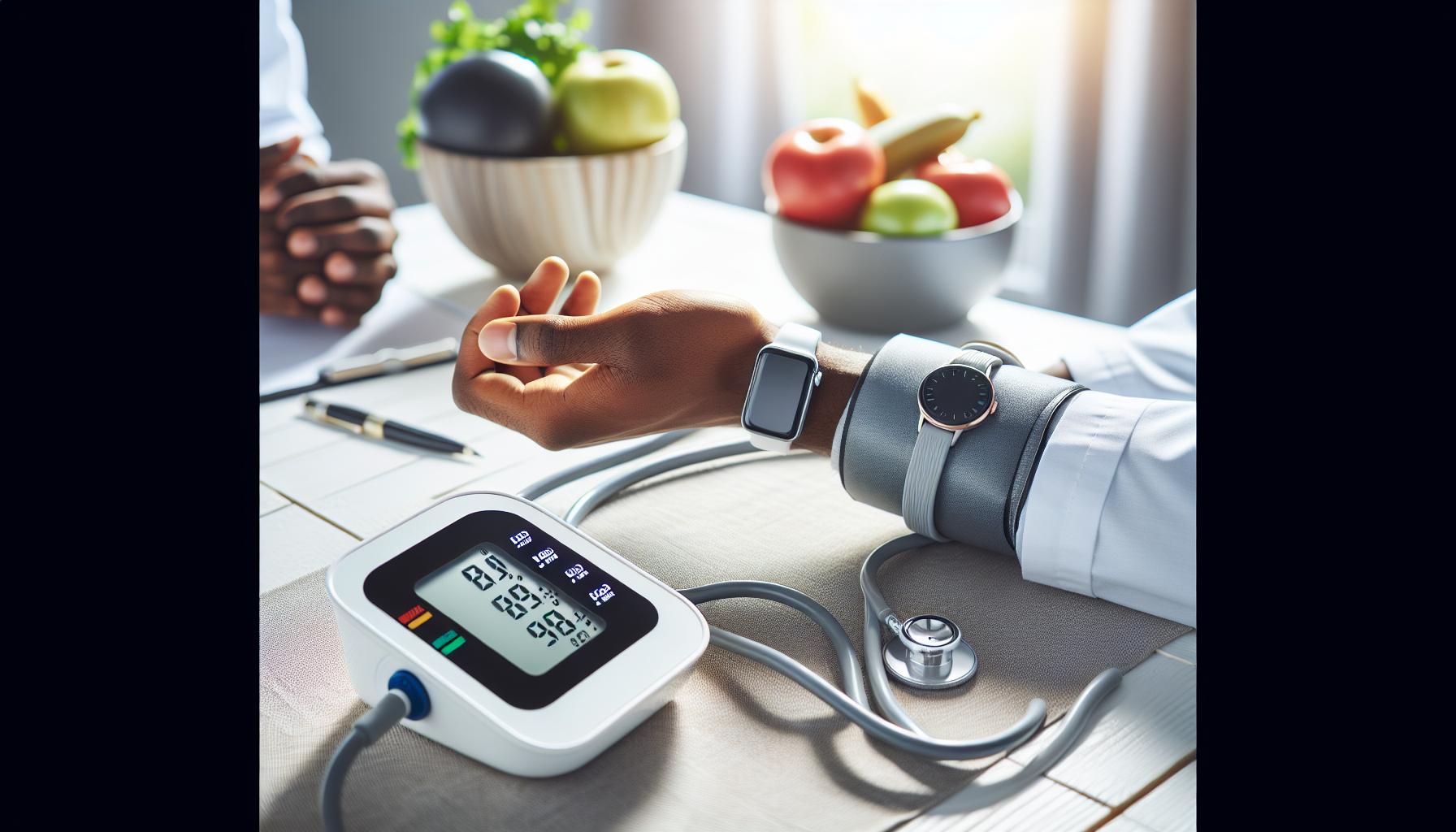
Signs Your Blood Pressure Monitor Needs Replacement
Recognizing when your blood pressure monitor needs replacement is crucial to ensuring accurate readings and maintaining your health. Frequent monitoring can help you detect health issues early, but an unreliable device can lead to mismanagement of your condition. If you notice any inconsistencies or peculiarities in your readings, it may be time to consider a new device. Here are some signs that indicate you should invest in a replacement.
Unusual or Inconsistent Readings
If your blood pressure monitor consistently displays readings that differ significantly from those taken at your doctor’s office or another reliable monitor, it’s a strong indicator that your device may be malfunctioning. For example, if your home monitor shows high readings while your physician’s checks are normal, this discrepancy could mislead you about your health status. Consistent abnormal readings warrant a replacement, especially if these variations continue over several weeks.
Physical Damage
Inspect your blood pressure monitor regularly for any signs of physical damage. Cracks, frayed wires, or noticeable wear and tear can compromise the device’s functionality. If you notice such damage, it may not only affect the accuracy of the readings but could also pose safety risks during use. For monitors with air cuffs, ensure that they are intact, as any punctures or deflation issues can lead to erroneous measurements.
Batteries and Power Issues
Another sign that your monitor may need replacement is if it frequently requires new batteries or does not hold a charge adequately. If your digital blood pressure monitor powers off unexpectedly, or if you notice that it takes longer to recharge, these could indicate component degradation. Persistent power issues may affect the device’s performance and reliability.
Age of the Device
Finally, consider the age of your blood pressure monitor. Many devices have a lifespan of around 5 to 10 years, depending on usage and care. If your monitor has been in use for several years, even without noticeable issues, it may be time to replace it to ensure continued accuracy and reliability. Regular advancements in technology also mean that newer models may offer better features for health monitoring.
By keeping an eye on these factors, you can better manage your blood pressure and ensure that your monitoring device provides you with the most accurate information possible. Investing in a reliable blood pressure monitor is a step towards taking control of your health management and promoting a proactive approach to wellness.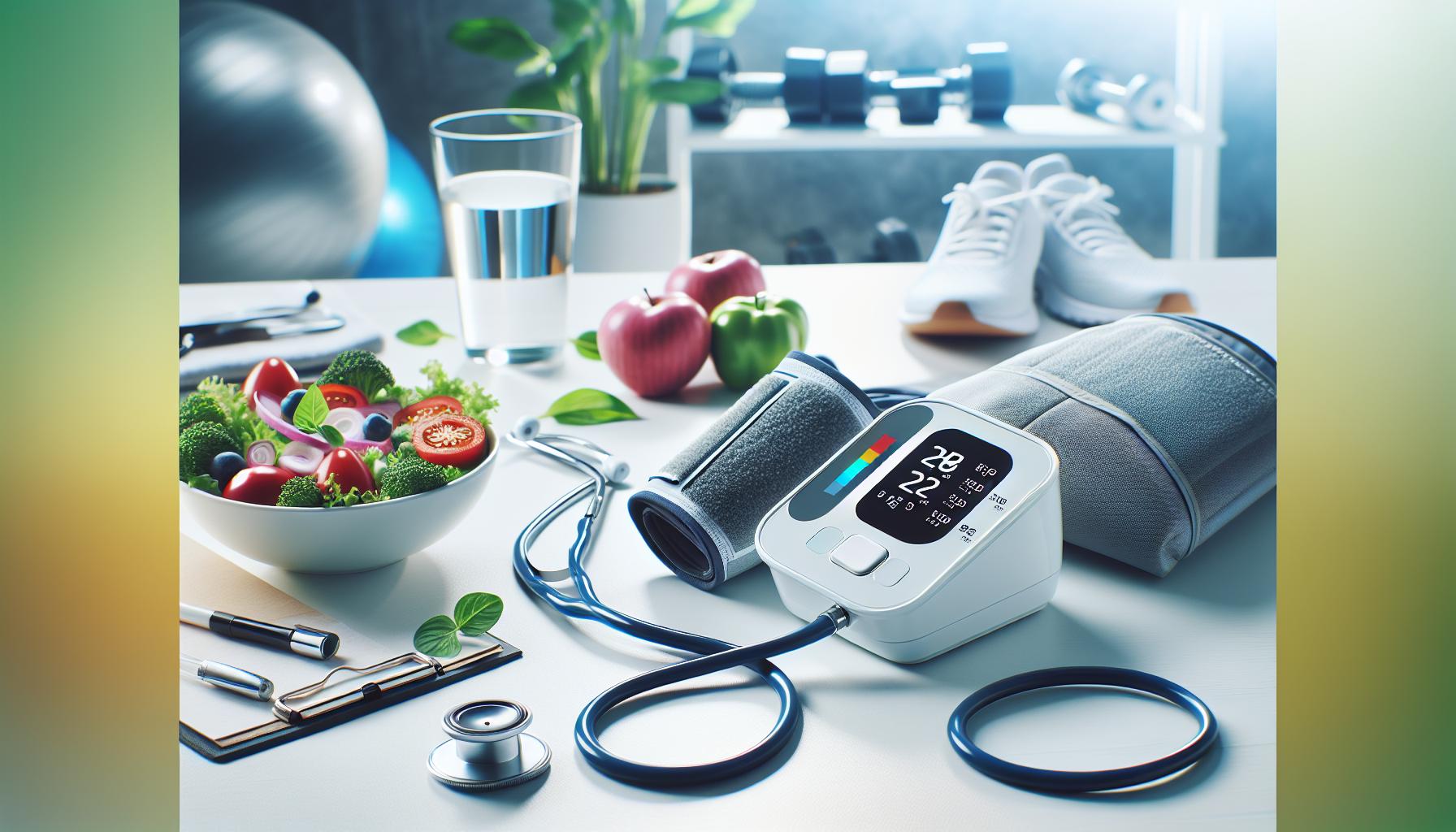
Essential Maintenance Tips for Blood Pressure Gauges
Maintaining the accuracy and longevity of your blood pressure gauge is critical for effective health management. Routine care not only ensures reliable readings but also extends the lifespan of your device, saving you money and improving your monitoring experience. Proper maintenance practices can help you identify potential issues before they escalate, enabling you to make informed decisions about your health.
Regular Cleaning
Keeping your blood pressure monitor clean is essential for both accuracy and hygiene. Use a soft, lint-free cloth dampened with a mild disinfectant to wipe down the exterior of the device. Be careful to avoid getting moisture inside the monitor, especially in areas like the battery compartment. For the cuff, follow the manufacturer’s instructions regarding washing; usually, a gentle hand wash is recommended, keeping it air-dried completely before the next use.
Store Properly
Where and how you store your blood pressure monitor can significantly impact its lifespan. Avoid exposing the device to extreme temperatures or direct sunlight, which can warp the electronic components. Ideally, store the monitor in a protective case to keep it safe from dust and accidental damage. Ensure that the cuffs are not twisted or pinched, as this can compromise their functionality over time.
Check Batteries
Battery maintenance is another crucial aspect of care. If your monitor requires batteries, check them regularly to prevent leaks or corrosion. Always replace batteries with high-quality ones and ensure that you remove them if the device will not be used for an extended period. For rechargeable models, understand the battery life cycle and recharge when necessary, following the manufacturer’s specific instructions.
Regular Calibration
Finally, periodically calibrating your blood pressure monitor is essential to ensure its accuracy. Most manufacturers recommend having the device calibrated at least once a year, typically at a healthcare professional’s office or a specialized calibration service. Keeping a log of your readings and any calibration checks can help you track performance over time and decide when it’s time for a replacement.
By following these maintenance tips, you can enhance the functionality and reliability of your blood pressure gauge, which ultimately supports your health management efforts. Regular attention to your monitor will empower you to detect potential health issues early, reinforcing the proactive approach vital to maintaining your well-being.
Calibrating Your Blood Pressure Gauge for Accuracy
Regular calibration of your blood pressure gauge is crucial for ensuring accurate readings, which are vital for effective health management. Without periodic checks, your device may yield misleading results that could either alarm you unnecessarily or cause you to overlook a potentially serious issue. Many healthcare professionals recommend calibrating your blood pressure monitor at least once a year, though some conditions may warrant more frequent checks.
To begin the calibration process, first, consult your device’s manual for specific instructions, as different models may have varying procedures. If permissible, compare the readings from your home monitor with those taken at your doctor’s office, using the same arm and under similar conditions for accuracy. If you notice a significant discrepancy-typically 5 mmHg or more-this indicates it may be time for calibration.
Here are some straightforward steps to ensure your monitor remains reliable:
- Frequency: Plan calibrations on an annual basis or as recommended based on your health status.
- Professional Assistance: Seek calibration services at your healthcare provider’s office or a specialized medical equipment store.
- Record Keeping: Maintain a log of your blood pressure readings along with calibration dates to identify any trends or needs for replacement.
If your monitor features a self-check option, utilize it to verify its accuracy. Such features guide you through a series of tests to ensure the device remains functional. Being proactive in this way not only assures that your readings are trustworthy but also reinforces your commitment to managing your health diligently. Trust in accurate measurements empowers you to make informed decisions and adapt your lifestyle in tune with your blood pressure trends.
Common Mistakes in Blood Pressure Monitor Care
Misplacing your trust in a poorly maintained blood pressure monitor can lead to significant health risks. Many users unknowingly make common mistakes in their blood pressure monitor care that can compromise the device’s accuracy and shorten its lifespan. Understanding these pitfalls is essential to ensuring that your readings are reliable and truly reflective of your health status.
One primary error is neglecting to read the manufacturer’s instructions. Each blood pressure monitor may have unique maintenance requirements, including cleaning methods and the recommended frequency of calibration. Users often skip the manual, leading to poor handling or inadequate maintenance practices. For optimal use, regularly consult the manual to familiarize yourself with your specific model’s care guidelines.
Another prevalent mistake is inconsistent usage conditions. Factors such as body position, time of day, and even stress levels can affect blood pressure readings. Failing to adhere to consistent measurement protocols can lead to variations that misrepresent your true blood pressure status. To ensure accuracy, always measure your blood pressure under similar conditions, ideally at the same time each day, sitting comfortably and quietly for a few minutes prior to taking the reading.
Additionally, many individuals overlook the importance of battery maintenance. A low battery may lead to erratic readings or even device shutdowns, undermining the reliability of your monitoring. Regularly check and replace batteries as needed, and consider using a power adapter if your model supports it. It’s also wise to keep your monitor in a protective case or at least avoid exposing it to extreme temperatures and humidity, which can damage internal components.
By being aware of these common errors and taking proactive steps to avoid them, you can extend the lifespan of your blood pressure monitor and ensure the accuracy of your readings. Accurate monitoring plays a crucial role in managing your health effectively, allowing you to make informed decisions about your lifestyle and treatment plans.
Choosing the Right Blood Pressure Gauge for Longevity
When selecting a blood pressure gauge, it’s essential to choose a model that offers both accuracy and durability, ensuring that it serves you well over time. The right device can make a significant difference in how effectively you monitor your health and manage any conditions that require regular blood pressure checks. Various factors contribute to the longevity of a blood pressure monitor, including its type, brand quality, and features that suit your individual needs.
One key consideration is the type of blood pressure gauge you opt for. There are manual monitors, which require a stethoscope and some skill to operate, and automatic digital monitors that provide readings at the push of a button. For many users, especially those with mobility or dexterity issues, an automatic monitor can enhance ease of use and may encourage more consistent monitoring-a crucial aspect of long-term health management. Some users may prefer a manual model for its reliability and the ability to hear heart sounds directly, which can be particularly valuable for healthcare professionals.
When looking for a monitor, also prioritize reputable brands known for their reliability. Research customer reviews to gauge user satisfaction and check for certifications from health organizations, which may indicate that the monitor meets certain accuracy standards. Models with warranties or those that offer calibration features are generally preferable since they signal a manufacturer’s confidence in their product’s longevity. Reading product specifications can also help you determine which features may prolong usability, such as durable materials for the arm cuff and a robust design meant to withstand daily use.
Lastly, consider the practicality of your chosen monitor. A gauge should fit comfortably and securely to your arm for accurate readings, and it should be easy to store and transport if needed. Look for a compact design that includes a carrying case, which can protect your device from damage when not in use. By investing time in selecting the right blood pressure gauge, you’re not only ensuring reliable health monitoring but also promoting effective management strategies for your overall well-being.
Understanding Different Types of Blood Pressure Monitors
Blood pressure monitors are essential tools for tracking your cardiovascular health, and understanding the different types available helps you choose one that best fits your needs and lifestyle. With a range of options, from manual to digital, each type has unique features that can influence how long the device lasts and how effectively it serves you.
Manual blood pressure monitors, often referred to as sphygmomanometers, require the use of a stethoscope and some practice to obtain accurate readings. This type is favored by healthcare professionals for its reliability and the hands-on experience it offers. If maintained properly, a manual monitor can last many years, as they have fewer electronic components that might fail. Regular cleaning and proper storage can enhance their longevity; for instance, ensure that the cuff is air-dried thoroughly after cleaning to avoid mold and other issues.
On the other hand, automatic digital monitors provide convenience with their one-button operation and digital displays, making them accessible for home users. These devices can be particularly beneficial for individuals with dexterity issues or those who prefer an effortless monitoring experience. However, they often come with electronic components that may degrade over time, potentially leading to the need for replacement sooner than with manual models. To maximize their lifespan, always follow the manufacturer’s instructions for maintenance, which may include using fresh batteries and ensuring that the monitor is stored in a protective case.
Regardless of the type you choose, consider investing in a quality product from a reputable brand that offers warranties or calibration services. This investment not only increases the likelihood of a longer lifespan but also ensures that you receive accurate readings for effective health monitoring. Regular checks and calibration, regardless of monitor type, are essential to sustaining accuracy over time, providing peace of mind as you manage your health proactively.
In summary, the choice between a manual and automatic blood pressure monitor ultimately depends on your individual needs and preferences, but understanding their operational dynamics can empower you to maintain your device effectively, ensuring it remains a reliable health companion for years to come.
Cost Considerations for Blood Pressure Gauge Maintenance
Understanding the financial aspects of maintaining your blood pressure gauge can significantly impact your overall health management strategy. While these devices are invaluable for monitoring cardiovascular health, their upkeep is often overlooked. The costs associated with maintaining a blood pressure monitor can vary based on the type of device you choose, its features, and how well you adhere to maintenance guidelines.
Investment in Quality
Choosing a high-quality monitor initially might seem like a more significant expenditure, but consider it a long-term investment in your health. Reputable brands often offer warranties that cover repairs or replacements, reducing potential costs down the line. Typically, manual sphygmomanometers are less expensive and have lower maintenance costs than electric models, which may require battery replacements and may incur additional servicing fees due to their electronic components.
Maintenance Expenses
Routine maintenance doesn’t have to break the bank. Simple supplies, such as alcohol wipes for cleaning, are inexpensive but enhance the longevity and hygiene of your device. Periodic calibration is also essential for accuracy, and while some retailers charge a fee for this service, many manufacturers provide guidelines for self-calibration at home, which can eliminate costs.
Additional Considerations
Consider your individual healthcare needs as well. For instance, if you are monitoring a chronic condition that requires frequent checks, investing in a more durable blood pressure monitor could save you money over time by reducing the need for replacements. Conversely, for casual users, a less expensive, basic model might suffice.
By understanding these cost considerations, you can make informed choices about your blood pressure monitoring equipment, impacting not just your financial health but also supporting proactive management of your overall well-being.
How to Properly Store Your Blood Pressure Monitor
Proper storage of your blood pressure monitor can significantly extend its lifespan and maintain its accuracy, essential for reliable health management. Ideally, you should store the device in a location that is cool, dry, and away from direct sunlight. Extreme temperatures and humidity can adversely affect electronic components and the accuracy of readings. For example, storing your monitor in a bathroom where steam accumulates, or in a kitchen exposed to heat, can damage sensitive parts.
It is also wise to keep your blood pressure gauge in its original case or a protective pouch when not in use. This prevents dust accumulation and protects it from accidental drops or bumps. If your device has removable components, such as cuffs or batteries, detach them during storage to avoid wear and tear on connectors and seals. Always ensure that any fabric components, like the cuff, are clean and dry before putting them away, as moisture can lead to mildew or material degradation.
Regularly checking your monitor’s condition during storage is important. Periodically inspect the device for any signs of damage or wear. Cleaning the monitor gently with a soft cloth can also promote longevity, as dirt and oils can interfere with the operation. If the monitor is powered by batteries, consider removing them if you don’t plan to use the device for an extended period, as batteries can leak and corrode the internal components.
By observing these simple yet effective storage practices, you help ensure that your blood pressure monitor remains in prime working condition, allowing for precise readings that contribute to effective health management.
The Importance of Regular Checks and Calibration
Regular checks and calibration of your blood pressure monitor are vital to ensure its longevity and the accuracy of the readings it provides. A device that is used frequently, such as a blood pressure gauge, can drift out of calibration over time due to various factors, including wear and tear from daily use or exposure to extreme temperatures. Studies suggest that improper readings can lead to misdiagnosis and improper treatment, complicating health management for conditions such as hypertension.
To keep your blood pressure monitor in optimal working condition, it is recommended to perform a self-check once every month. This can be done by comparing your monitor’s readings with those taken at a healthcare facility or using another calibrated monitor. If you notice significant discrepancies, it may be time to recalibrate the device. Many manufacturers provide guidelines on how often calibration should occur, but a general rule of thumb is at least once a year, and more frequently if the device shows signs of wear.
Steps for Calibrating Your Blood Pressure Monitor
- Reference Check: Use a calibrated monitor at a clinic to compare readings.
- Adjusting Settings: Follow the manufacturer’s instructions for recalibration, if applicable.
- Documentation: Keep a log of your readings and any calibration adjustments made for future reference.
- Seek Professional Service: If calibration is not successful, consider sending the monitor to the manufacturer for professional calibration.
Maintaining regular checks not only safeguards your equipment but also empowers you as a user. By familiarizing yourself with your monitor’s functionality and performance, you can develop confidence in your health management routine. Accurate blood pressure readings are essential for effective monitoring and management of your cardiovascular health, enabling you to make informed decisions and adjustments as needed. Remember, your health is a priority, and a well-maintained blood pressure monitor is an invaluable tool in that journey.
Troubleshooting Common Problems with Blood Pressure Monitors
Monitoring your blood pressure at home is an essential practice for managing cardiovascular health, but issues can sometimes arise with your monitor. Whether it’s displaying inconsistent readings or failing to inflate, understanding how to troubleshoot these common problems can help you maintain the reliability of your device. An estimated 15% of home blood pressure monitors may experience issues that compromise their accuracy, making it vital to diagnose and resolve these problems promptly.
First, if your monitor consistently shows abnormal readings, ensure that it’s positioned correctly on your arm, just above the elbow, and that you’re seated comfortably with your feet flat on the floor. Tighten the cuff to the recommended pressure level, but not so tight that it causes discomfort. If abnormal readings persist, check the device’s batteries. Low battery power can affect the functionality and accuracy of the readings. Replacing the batteries might resolve the issue, allowing the monitor to work effectively again.
In cases where the cuff fails to inflate or does not fit properly, inspect the cuff for any signs of wear, tears, or damage. A damaged cuff will cause inaccurate readings and may require replacement. It’s also worth verifying that the tubing connecting the cuff to the monitor is free of kinks or blockages, as these can also impede the process. If you’re still encountering difficulties, consult the user manual for specific troubleshooting steps related to your monitor model, as different devices have varied functionalities.
Lastly, remember that regular calibration is a key aspect of monitoring device care. If your readings seem suspect even after troubleshooting, it may be time to recalibrate the device. Recalibration can often be done at a healthcare facility, ensuring that you have a reliable way to track your blood pressure. By staying proactive about these issues, you not only safeguard the accuracy of your blood pressure gauge but also empower yourself to take control of your health management journey.
Q&A
Q: How frequently should I calibrate my blood pressure gauge?
A: It is recommended to calibrate your blood pressure gauge at least once a year or every six months, especially if it experiences frequent use or after moving locations. Regular calibration ensures accurate readings and prolongs the lifespan of your device. Refer to the section on calibrating your blood pressure gauge for more details.
Q: What are the common signs that indicate my blood pressure monitor is failing?
A: Common signs that your blood pressure monitor may need replacement include inconsistent readings, difficulty in inflation, or physical damage such as cracks or leaks. If you notice these issues, consider reviewing the signs for replacement in your maintenance guide.
Q: Can environmental factors affect the lifespan of my blood pressure gauge?
A: Yes, environmental factors like humidity, temperature, and exposure to direct sunlight can significantly affect the lifespan of a blood pressure gauge. It’s essential to store your device in a stable environment to maintain its accuracy and durability. For storage tips, see the section on proper storage.
Q: How can I properly clean my blood pressure monitor?
A: To clean your blood pressure monitor, use a soft cloth dampened with a mild disinfectant solution. Avoid submerging the device in water or using harsh chemicals, as this can damage electronics. Check the maintenance tips for more thorough cleaning guidance.
Q: Is it worth investing in a more expensive blood pressure gauge?
A: Investing in a more expensive blood pressure gauge can provide better accuracy, durability, and features such as Bluetooth connectivity or memory storage. These features can enhance monitoring. Evaluate the benefits detailed in the guide on choosing the right gauge to determine the best option for your needs.
Q: How do I troubleshoot if my readings seem unreliable?
A: If your blood pressure readings are unreliable, first check for proper cuff placement, ensure the device is calibrated, and review the operating instructions. It may also help to check for any physical damage to the monitor. For detailed troubleshooting steps, see the section on troubleshooting problems.
Q: What type of blood pressure monitor is best for home use?
A: The best type of blood pressure monitor for home use is an automatic cuff-style monitor, as it is easy to use and provides accurate readings. For a thorough comparison of types, refer to the overview of different monitors in the maintenance guide.
Q: How can I store my blood pressure monitor to extend its life?
A: To extend the lifespan of your blood pressure monitor, store it in a cool, dry place away from direct sunlight and temperature extremes. Ensure the cuff is deflated and properly stored to prevent damage. Additional storage tips can be found in the storage section of the guide.
To Conclude
Understanding the longevity and proper maintenance of your blood pressure gauge is essential for effective health monitoring. By following our maintenance tips, you can ensure accurate readings and extend the life of your device. Remember, keeping track of your blood pressure is a vital step in managing your health, especially if you’re living with conditions like hypertension. Time is of the essence-take action today to check and calibrate your equipment!
For even more insights on blood pressure management and tools, explore our articles on “Understanding Blood Pressure Readings” and “Best Practices for Home Monitoring.” Whether you’re considering a consultation or need help selecting a new gauge, we have the resources you need. Don’t hesitate to share your thoughts or questions in the comments below-engagement helps build a supportive community for everyone focusing on better health. Your commitment to monitoring can empower you to take charge of your wellness journey, so let’s keep the momentum going!