

Monitoring your blood pressure is essential for maintaining overall health, especially if you’re managing conditions like hypertension. Although the Apple Watch offers numerous health features, it currently does not include a direct blood pressure monitoring function. However, understanding how to track your metrics effectively can empower you in your health journey.
With a focus on the tools and resources available, this guide will illuminate how to monitor your health using an Apple Watch and recognize the importance of seeking alternative methods for blood pressure management. Whether you’re looking for ways to enhance your fitness routine or simply keep a closer eye on your cardiovascular health, you’ll find valuable insights here. Read on to discover practical steps and tips to stay on top of your wellness goals.
Understanding Blood Pressure and Its Importance
Understanding your blood pressure is crucial for overall health, serving as a key indicator of cardiovascular well-being. High blood pressure, or hypertension, often goes unnoticed, making it a “silent killer.” Regular monitoring not only aids in early detection but empowers individuals to manage their health proactively. By keeping tabs on your blood pressure, you can identify trends, respond to changes, and discuss any concerns with healthcare professionals.
Monitoring blood pressure effectively contributes to better health outcomes. For instance, consistent tracking allows you to observe how lifestyle changes-such as diet, exercise, or stress management-impact your readings. The introduction of wearable technology, like the Apple Watch, has made this process more accessible and user-friendly. With just a few taps, you can effortlessly record your measurements, providing valuable data to help tailor your health strategies.
Incorporating blood pressure monitoring into your routine isn’t just about keeping numbers in check; it’s about embracing a holistic approach to health. Regular checks can motivate you to improve your lifestyle choices, leading to benefits that extend beyond blood pressure management. Remember, knowledge is a powerful tool in your health journey, enabling you to take charge and make informed decisions that can enhance your quality of life. Regular engagement with your readings and understanding their implications fosters a sense of accountability and encourages a proactive attitude towards health management.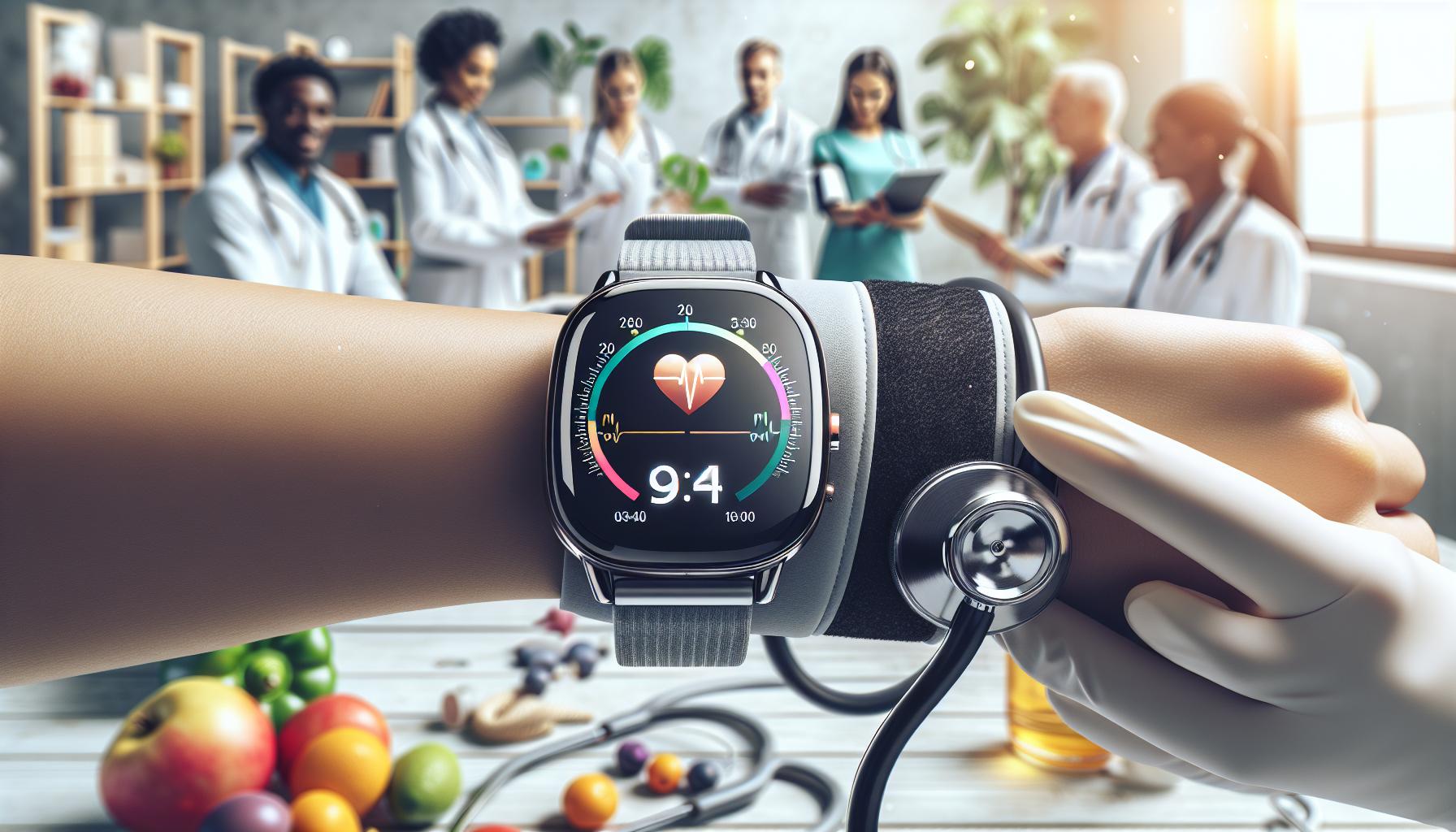
Features of Blood Pressure Monitoring on Apple Watch
The Apple Watch has transformed the way individuals monitor their blood pressure, seamlessly integrating health tracking into daily life. With its sophisticated sensors and user-friendly interface, the watch provides a convenient way to keep tabs on your cardiovascular health. This tech-savvy device not only allows users to record blood pressure readings but also offers features that help interpret and track changes over time, making it easier than ever to engage in your health management journey.
One of the standout features of the Apple Watch for blood pressure monitoring is its integration with the Apple Health app. This app aggregates all health data in one personalized dashboard, enabling users to view trends in their blood pressure readings alongside other important health metrics, such as heart rate and activity levels. Users can set reminders to check their blood pressure, ensuring that monitoring becomes a regular part of their routine. Additionally, the watch can send alerts if it detects significant deviations from normal readings, prompting users to consult healthcare professionals if necessary.
Another notable feature is the Apple Watch’s compatibility with third-party blood pressure cuffs, which provide more accurate readings than those obtained through wrist-based sensors alone. Users can sync their cuff measurements directly to the Apple Health app, benefiting from a comprehensive view of their blood pressure history. This functionality not only enhances accuracy but also empowers users to take informed steps toward managing their blood pressure through lifestyle adjustments or by seeking medical advice when needed.
In terms of usability, the Apple Watch incorporates an intuitive design that makes checking blood pressure as simple as a few taps. The ability to share data easily with healthcare providers promotes collaborative care and allows for more tailored health decisions. The watch’s battery life and durable design further complement its practicality, making it a reliable companion for ongoing health monitoring. Embracing these features can empower individuals to take control of their health, fostering a proactive approach to blood pressure management that can lead to improved overall wellness.
Setting Up Your Apple Watch for Blood Pressure Monitoring
To effectively monitor your blood pressure using an Apple Watch, the initial setup is crucial. This intuitive device offers a straightforward way to track your cardiovascular health, but understanding how to connect and configure your watch with blood pressure monitoring tools is the first step in harnessing its capabilities.
Begin by ensuring that your Apple Watch is paired with your iPhone. Open the Apple Health app on your iPhone and navigate to the “Heart” section. From there, you can access various health metrics, including blood pressure. For enhanced accuracy in blood pressure readings, it is recommended to use a compatible external blood pressure cuff. These cuffs generally provide more precise measurements than wrist sensors and can be found in the App Store with instructions for use.
Next, set up the external blood pressure cuff by following the manufacturer’s instructions. Most cuffs require calibration to ensure accurate readings. After calibration, make sure to sync your cuff with the Apple Health app. This ensures your readings are stored and can be accessed easily. To do this, locate the settings within the Apple Health app where you can add or sync devices, and ensure your blood pressure data is linked appropriately.
Finally, customize your Apple Watch to remind you to check your blood pressure regularly. Open the Reminders app or the Health app to set notifications for monitoring your blood pressure-ideally at the same times each day, so it becomes part of your routine. Consistent monitoring not only provides valuable data regarding your health trends but also fosters actionable insights that can lead to more informed discussions with healthcare professionals. Through these simple steps, you empower yourself with the tools needed for proactive health management, encouraging a meaningful relationship with your cardiovascular health.
Step-by-Step Guide to Check Blood Pressure
Monitoring your blood pressure regularly is essential for maintaining cardiovascular health and can often be accomplished conveniently with the help of technology. The Apple Watch, paired with a reliable blood pressure cuff, offers a straightforward method to track these critical health metrics. To ensure accurate readings, follow this step-by-step guide, which will empower you to get the most from your testing.
Start by preparing your environment for an accurate measurement. Sit in a quiet, comfortable area and avoid caffeine, smoking, or vigorous exercise for at least 30 minutes prior to taking your reading. Rest for 5 minutes before measuring your blood pressure. Securely wrap the compatible external blood pressure cuff around your upper arm according to the manufacturer’s instructions, ensuring it is fitted snugly but not too tight.
Once you have settled in and put on your cuff, access the Apple Health app on your iPhone. If you have not already synced your external blood pressure device with the app, tap on the “Heart” section, and then locate the option to input your blood pressure data or connect your device. Follow the prompts to ensure that your blood pressure readings will be captured and stored correctly in the app.
After everything is set up, initiate the measurement. Depending on your blood pressure cuff, there may be a button to start the reading. Remain still and relax during the measurement process; the cuff will inflate and then gradually release air to provide the reading. Once completed, your results will automatically sync to the Apple Health app, where you can observe your current and historical blood pressure trends.
To make this a part of your routine, consider setting reminders on your Apple Watch or iPhone to check your blood pressure at consistent times throughout the week. Keeping a regular schedule not only reinforces healthy habits but also helps in identifying any irregularities with your blood pressure over time, paving the way for essential discussions with your healthcare providers. With just a few steps, you can take charge of your health, making blood pressure monitoring a seamless part of your lifestyle.
Interpreting Your Blood Pressure Readings
Understanding blood pressure readings is pivotal for effective health management, especially if you’re monitoring via an Apple Watch and an external cuff. Blood pressure is expressed as two numbers: systolic (the upper number) and diastolic (the lower number). These values represent the pressure in your arteries during heartbeats and between heartbeats, respectively. A normal reading generally falls within the range of 90/60 mmHg to 120/80 mmHg. Readings above or below these thresholds can indicate potential health issues that may warrant further discussion with your healthcare provider.
When evaluating your results, it’s essential to have a clear understanding of different ranges and their implications. Here’s a breakdown:
Blood Pressure Categories
| Category | Systolic (mmHg) | Diastolic (mmHg) |
|---|---|---|
| Normal | Less than 120 | And less than 80 |
| Elevated | 120-129 | And less than 80 |
| Hypertension Stage 1 | 130-139 | Or 80-89 |
| Hypertension Stage 2 | 140 or higher | Or 90 or higher |
| Hypertensive Crisis | Higher than 180 | And/or higher than 120 |
If you record a reading in the elevated or hypertensive categories, it’s advisable to consult with a healthcare professional for personalized guidance. Monitoring your blood pressure regularly allows you to capture trends over time, which can be more insightful than isolated readings. For instance, consistently elevated readings may indicate the need for lifestyle changes or medical intervention, while several readings in the normal range can provide confidence in your heart health management.
Moreover, it’s worth noting that factors such as stress, diet, physical activity, and even the time of day can affect blood pressure readings. Keep a detailed log of your measurements along with notes on your activities or feelings during those times. Such documentation can be beneficial during discussions with your healthcare provider, ensuring tailored advice based on comprehensive data.
Lastly, remember that interpreting blood pressure results is not merely about the numbers; it’s about understanding the broader context of your overall health and how lifestyle changes-such as reducing sodium intake, increasing physical activity, and managing stress-can profoundly impact your readings. Taking proactive steps in your health journey is empowering and critical for maintaining optimal cardiovascular wellness.
Tips for Ensuring Accurate Measurements
To achieve the most reliable blood pressure readings on your Apple Watch, it’s essential to follow a few key practices that can enhance accuracy. Understanding that small factors can influence your measurements empowers you to take control of your health. For instance, did you know that being mindful of when and how you take your blood pressure can make a significant difference?
First and foremost, ensure you are in a relaxed state when taking a reading. Stress and anxiety can elevate your blood pressure, skewing your results. Aim to monitor your blood pressure at the same time each day, ideally when you are calm and seated comfortably. This consistency minimizes variations due to external influences. When ready, sit with your back supported and your feet flat on the ground, resting your arm at heart level to allow for the most accurate measurement.
- Use the correct cuff size: If taking your blood pressure with an external cuff, using the right size is crucial. A cuff that’s too small can give a falsely high reading, while a cuff that’s too large may yield an inaccurately low one.
- Avoid caffeine and tobacco: Both can raise blood pressure temporarily. Refrain from consuming these substances 30 minutes prior to taking your measurement.
- Limit physical activity: Sit quietly for about five minutes before taking a measurement to ensure your heart rate and blood pressure stabilize.
- Check your watch position: Ensure that your Apple Watch is securely fitted to your wrist and positioned properly according to the manufacturer’s guidelines. The watch should be snug but not too tight, with the sensor aligned against your skin.
Additionally, it’s beneficial to take multiple readings. If your watch supports taking an average of readings, use this feature to gain more insight into your blood pressure trends rather than relying on a single reading. Repeating measurements within a few minutes can help to identify consistent results, giving you greater confidence in the data you’re tracking.
Recognizing these practices not only contributes to clearer data interpretation but also aids discussions with your healthcare provider. This clarity and consistency can turn your Apple Watch into a powerful tool in managing your health, leading to proactive lifestyle changes and improved cardiovascular wellness. By integrating these habits, you cultivate a more effective monitoring process, paving the way for better health outcomes.
Common Issues and Troubleshooting Blood Pressure Readings
Monitoring your blood pressure via your Apple Watch is an innovative and convenient method, but it’s not without its potential hiccups. Understanding common issues and how to troubleshoot them can enhance your experience and ensure you get the most accurate readings possible. For instance, inaccuracies can arise from poor placement, improper settings, or environmental factors that affect the sensor’s performance.
One typical problem is erroneous readings due to watch fit. Ensure that your Apple Watch is snug but not too tight relative to your wrist. If the watch isn’t fitted correctly, it might not make proper contact with your skin or could misinterpret signals from your pulse. Aim for a position that allows the sensor to rest against your skin comfortably, typically a finger-width above your wrist bone. If readings still appear off, consider taking your watch off and putting it back on; sometimes, readjusting can solve the problem.
Another common issue arises from electrical interference or motion. While the Apple Watch is designed to function effectively during regular activities, sudden movements can lead to inaccurate measurements. To counter this, minimize physical activity and ensure you are still when taking a reading. Additionally, external factors, such as extreme temperatures or wet conditions, may impair sensor function. Conduct your monitoring in a controlled environment; ideally, a cool and dry place provides the best conditions.
Be aware of your body’s responses prior to measuring. For example, stress, caffeine, or recent exercise can yield elevated readings. To achieve more accurate results, set aside a few moments to relax before checking your blood pressure. If you consistently notice discrepancies in your readings, consult the watch’s software for updates and ensure you are using the latest Apple Health App version. Should problems persist, don’t hesitate to reach out to Apple Support for guidance or troubleshooting tailored to your specific situation.
Ultimately, being informed and proactive about these common issues not only enhances your confidence in monitoring your health but also enables you to create a more connected experience with your Apple Watch as a health management tool.
Understanding the Blood Pressure Data on the Apple Health App
The Apple Health app serves as a comprehensive hub for tracking and managing your blood pressure data, empowering you to take control of your cardiovascular health. By integrating the readings from your Apple Watch, the app provides a visual and analytical understanding of your blood pressure trends over time, allowing you to make informed decisions about your wellbeing. It is essential to grasp how to effectively navigate this data to identify patterns, set health goals, and engage with your healthcare providers more proactively.
In the Apple Health app, blood pressure readings are logged in a clear and systematic manner. You can view individual entries alongside trends presented in graphical format, which makes recognizing fluctuations or patterns easier. The app categorizes readings based on systolic and diastolic values, enabling you to assess whether your levels fall within normal ranges or show signs of hypertension or hypotension. To add context, consider documenting relevant lifestyle factors such as exercise, diet, and stress levels during the time of the readings. This additional data can be invaluable for revealing correlations between lifestyle changes and blood pressure variations.
To ensure you’re making the most of the Apple Health app, it’s vital to regularly check and input your data accurately. You can manually enter readings if necessary or sync data from other compatible blood pressure monitors. Utilize the reminders feature to consistently monitor your blood pressure, as regular readings contribute significantly to your understanding of your health. Remember, the context of each reading is critical; for instance, measuring your blood pressure at different times of the day or after different activities could yield varying results, providing deeper insights into your blood pressure management.
Key Benefits of Using Apple Health for Blood Pressure Monitoring
- Visual Trends: Easily identify trends in your blood pressure over days, weeks, or months, allowing for better tracking of changes.
- Detailed Insights: Access additional features like notes on lifestyle factors that may affect your readings, such as diet and physical activity.
- Data Sharing: Share your blood pressure data with healthcare professionals directly from the app, facilitating more informed discussions during appointments.
- Goal Setting: Set personalized health goals related to your blood pressure for an added layer of motivation and accountability.
Incorporating the Apple Health app into your routine not only simplifies blood pressure tracking but also encourages a holistic view of your health. Understanding this data empowers you to pursue healthier lifestyle habits and maintain ongoing communication with your healthcare team, ultimately leading to more effective blood pressure management and improved overall health outcomes.
Comparing Apple Watch Blood Pressure Tracking with Other Devices
While many devices now offer blood pressure tracking, the integration of an Apple Watch with the Apple Health app provides a unique combination of portability, ease of use, and comprehensive health management. This wearable technology allows users to keep track of their cardiovascular health in real-time, a feature not routinely found in traditional blood pressure monitors. Unlike standalone models, which may require manual logging and can be less convenient for daily use, the Apple Watch syncs data automatically, making it easy to monitor trends over time.
When comparing the Apple Watch to conventional blood pressure monitors, consider the following aspects:
- Convenience: The Apple Watch is designed for continuous wear, enabling users to check their blood pressure throughout the day without needing a separate device. This continuous monitoring can provide more comprehensive data than periodic readings from a standard cuff-type monitor.
- Data Integration: With the Apple Health app, users can access a broader range of health metrics in one place. This allows for holistic health tracking that encompasses not just blood pressure, but also heart rate, activity levels, and even sleep patterns, helping to identify potential correlations.
- Trend Analysis: Apple Watch users can easily visualize their blood pressure trends over time, with graphs that highlight fluctuations and potential concerns. This is particularly beneficial for understanding how lifestyle factors impact blood pressure, empowering patients to engage proactively with their health.
- Data Sharing with Healthcare Providers: The ability to share data directly from the Apple Health app can enhance discussions with healthcare professionals, providing a detailed history that can inform treatment plans.
While dedicated blood pressure monitors, such as the Omron Evolv and QardioArm, might offer clinical-grade accuracy, they typically lack the integrated health platform that the Apple Watch provides. For users focused solely on blood pressure monitoring, these devices may be preferable; however, for those looking to incorporate blood pressure tracking into a broader health management strategy, the Apple Watch offers significant advantages in convenience and accessibility.
Ultimately, choosing between an Apple Watch and traditional blood pressure devices depends on individual health needs and lifestyle preferences. The smartwatch not only promotes a more proactive approach to managing blood pressure but also encourages users to adopt healthier habits, contributing to improved long-term health outcomes.
Lifestyle Changes to Help Manage Blood Pressure
Making small, positive changes in your lifestyle can have a profound impact on your blood pressure. In fact, even minor adjustments can lead to significant improvements in cardiovascular health over time. Implementing these changes not only promotes better blood pressure management but also enhances overall well-being, enabling individuals to lead more fulfilling lives.
- Eat a Heart-Healthy Diet: Focus on a diet rich in fruits, vegetables, whole grains, lean proteins, and healthy fats. The DASH (Dietary Approaches to Stop Hypertension) diet is particularly effective, emphasizing foods low in sodium and high in potassium, which can help lower blood pressure. Examples include leafy greens, berries, and fatty fish.
- Regular Physical Activity: Aim for at least 150 minutes of moderate aerobic exercise each week, such as brisk walking, cycling, or swimming. Exercise strengthens the heart, allowing it to pump blood more efficiently, and also helps maintain a healthy weight, which is crucial for managing blood pressure.
- Limit Alcohol and Quit Smoking: Reducing alcohol intake can help lower blood pressure. Ideally, limit consumption to one drink per day for women and two for men. Additionally, quitting smoking has immediate benefits for heart health and blood circulation.
- Manage Stress: Chronic stress is a known contributor to high blood pressure. Incorporating stress-reducing techniques such as meditation, yoga, or deep breathing exercises can help achieve lower blood pressure levels. Finding hobbies or activities that bring joy can also alleviate stress.
- Maintain a Healthy Weight: Being overweight increases the risk of high blood pressure. Keeping track of your weight through your Apple Watch can motivate you to maintain a healthy weight. Set realistic fitness goals to encourage gradual weight loss if needed.
Staying consistent with these lifestyle changes can empower you to take control of your blood pressure management. Remember, it’s always beneficial to consult healthcare professionals, who can provide personalized advice tailored to your individual health status and needs. Regular monitoring with your Apple Watch will not only help you track your progress but also keep you informed and motivated on your journey to better health.
Consulting with Healthcare Professionals About Your Readings
When it comes to managing blood pressure, having accurate data at your fingertips can be invaluable, but understanding what those numbers mean is crucial. Regularly monitoring your blood pressure using an Apple Watch enhances your awareness of your cardiovascular health, yet it is essential to consult healthcare professionals to interpret these readings and understand their implications fully. Your healthcare provider can help clarify fluctuations in readings, determine if your blood pressure is within a healthy range, and discuss any necessary interventions.
Discussing your blood pressure findings with a healthcare professional can lead to personalized recommendations that fit your lifestyle and health history. They may suggest dietary changes, increased physical activity, or lifestyle modifications that are tailored specifically to your needs. Furthermore, if you notice patterns in your monitoring data-such as consistently high readings during certain times of the day-sharing these observations can aid in diagnosing underlying issues that require attention.
It’s also important to consider that while wearable technology is advancing, it should not replace professional medical advice. If your Apple Watch readings indicate potential hypertension or any irregularities, seeking guidance from a healthcare professional is the best course of action. They may recommend further testing or medication to manage your condition effectively. Moreover, they can guide how to incorporate your monitoring habits into a more extensive health management plan, ensuring you take a proactive approach to your cardiovascular health.
Using your Apple Watch to track and analyze your blood pressure is a remarkable step toward better health management. However, combining this technology with professional advice empowers you to make informed decisions and achieve your health goals more effectively. Thus, maintain an open line of communication with your healthcare providers, ensuring they are informed of your tracking progress and any concerns you may have.
Staying Consistent with Blood Pressure Monitoring
Incorporating regular blood pressure monitoring into your daily routine can profoundly impact your overall health management. Consistency in checking your blood pressure, especially with a reliable tool like the Apple Watch, not only helps you stay informed about your cardiovascular condition but also empowers you to make proactive health decisions. Establishing a routine can make this process feel less daunting and more integrated into your lifestyle.
To ensure you stay on track, set specific times during the day to check your blood pressure, such as in the morning after you wake up or in the evening before bed. This helps create a habit that can easily blend into your schedule. Additionally, consider utilizing reminders on your Apple Watch to prompt you to perform your checks. This simple practice can significantly enhance your adherence to monitoring, making it a seamless part of your day.
- Choose consistent timings: Monitoring at the same time each day leads to more accurate assessments of your blood pressure over time.
- Record your readings: Utilize the Apple Health app to log your observations, noting any lifestyle changes or stressors that may affect your readings.
- Incorporate it into existing routines: For instance, check your blood pressure right after you brush your teeth or while enjoying your morning coffee.
Staying consistent also means being mindful of factors that could impact your readings, such as stress, caffeine intake, and physical activity levels. Understanding these nuances allows for a more accurate interpretation of your data. Pairing your Apple Watch’s monitoring capability with an awareness of your lifestyle can provide a comprehensive view of your health and support constructive discussions with your healthcare provider.
With dedication and conscious integration into your lifestyle, monitoring your blood pressure can become a valuable tool in maintaining your health and well-being. Balancing technology with daily habits provides not just data, but a pathway to informed health decisions.
FAQ
Q: How accurate is the blood pressure monitoring on the Apple Watch?
A: The accuracy of blood pressure monitoring on the Apple Watch can vary depending on factors like fit, position, and user movement. For more precise measurements, it’s recommended to use with a calibrated external monitor. Always compare readings with a traditional device for the best results.
Q: Can I use my Apple Watch to monitor blood pressure continuously?
A: The Apple Watch does not provide continuous blood pressure monitoring. Instead, it allows users to take measurements at intervals. For ongoing monitoring, consider external devices specifically designed for continuous tracking.
Q: What should I do if my Apple Watch fails to measure blood pressure?
A: If your Apple Watch fails to take a blood pressure reading, ensure it has a snug fit on your wrist, check that the app is correctly set up, and restart both the watch and your iPhone. Refer to the troubleshooting section of your guide for further steps.
Q: Can I track blood pressure data over time on the Apple Watch?
A: Yes, the Apple Watch syncs blood pressure readings with the Apple Health app, allowing you to track your data over time. Access the Health app to view trends and history, which can aid in discussions with healthcare professionals.
Q: Is there a specific time of day to take my blood pressure with the Apple Watch?
A: It’s best to measure blood pressure at the same time each day, ideally in the morning before medication or food, to ensure consistency. Regular measurement can help track changes and establish a baseline.
Q: What lifestyle changes can improve blood pressure readings taken with the Apple Watch?
A: Incorporating a balanced diet, regular exercise, and stress management techniques can significantly improve blood pressure. The Apple Watch can help set reminders to stay active and track daily steps, supporting better overall health.
Q: How does the Apple Watch compare to traditional blood pressure monitors?
A: While the Apple Watch offers convenience and smart features, traditional monitors may provide more accurate, clinical-grade readings. Users should consider both options and may prefer traditional devices for medical evaluations.
Q: Why is understanding blood pressure readings important for health?
A: Understanding blood pressure readings is crucial because it helps identify potential health issues such as hypertension, which can lead to serious complications if unmanaged. Regular monitoring aids in timely interventions and lifestyle adjustments.
In Retrospect
Now that you’ve learned how to check your blood pressure using the Apple Watch, it’s essential to keep track of your readings regularly for better health management. Remember, while the Apple Watch excels in many health monitoring features, blood pressure measurement isn’t directly supported, so complementary methods may be necessary. For more insights on managing your health, consider exploring our guide on Health Tips for Heart Wellness or Understanding Heart Rate on Your Apple Watch.
Take action today by integrating regular monitoring into your routine, and don’t hesitate to share your experiences or questions in the comments below! Your engagement not only helps us improve but also assists others in managing their health journey. For even more personalized content, sign up for our newsletter and stay informed on the latest in health technology! Embrace this opportunity to prioritize your well-being-your heart will thank you!