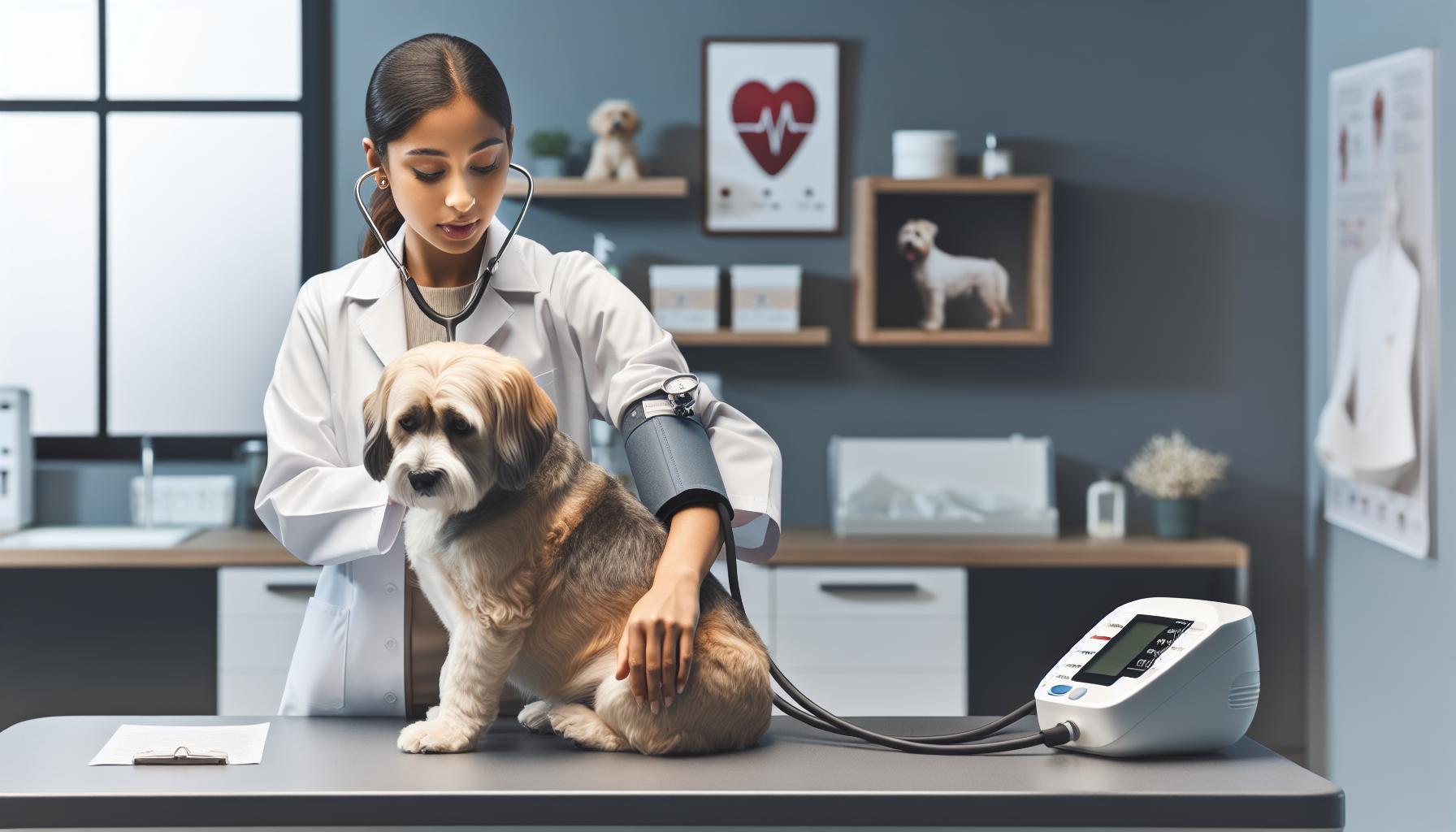

Did you know that just like humans, dogs can suffer from high blood pressure, which may lead to serious health complications if left unchecked? Monitoring your dog’s blood pressure is crucial in maintaining their overall well-being, especially for older dogs or those with certain medical conditions. By learning how to check their blood pressure, you can take proactive steps in safeguarding their health.
This step-by-step guide will empower you to monitor your furry friend’s blood pressure effectively at home. You’ll not only gain insight into the normal ranges, but also understand the significance of early detection and management of hypertension in dogs. Join us as we explore the essential techniques and tips to ensure your dog leads a happy, healthy life. Your involvement can make all the difference!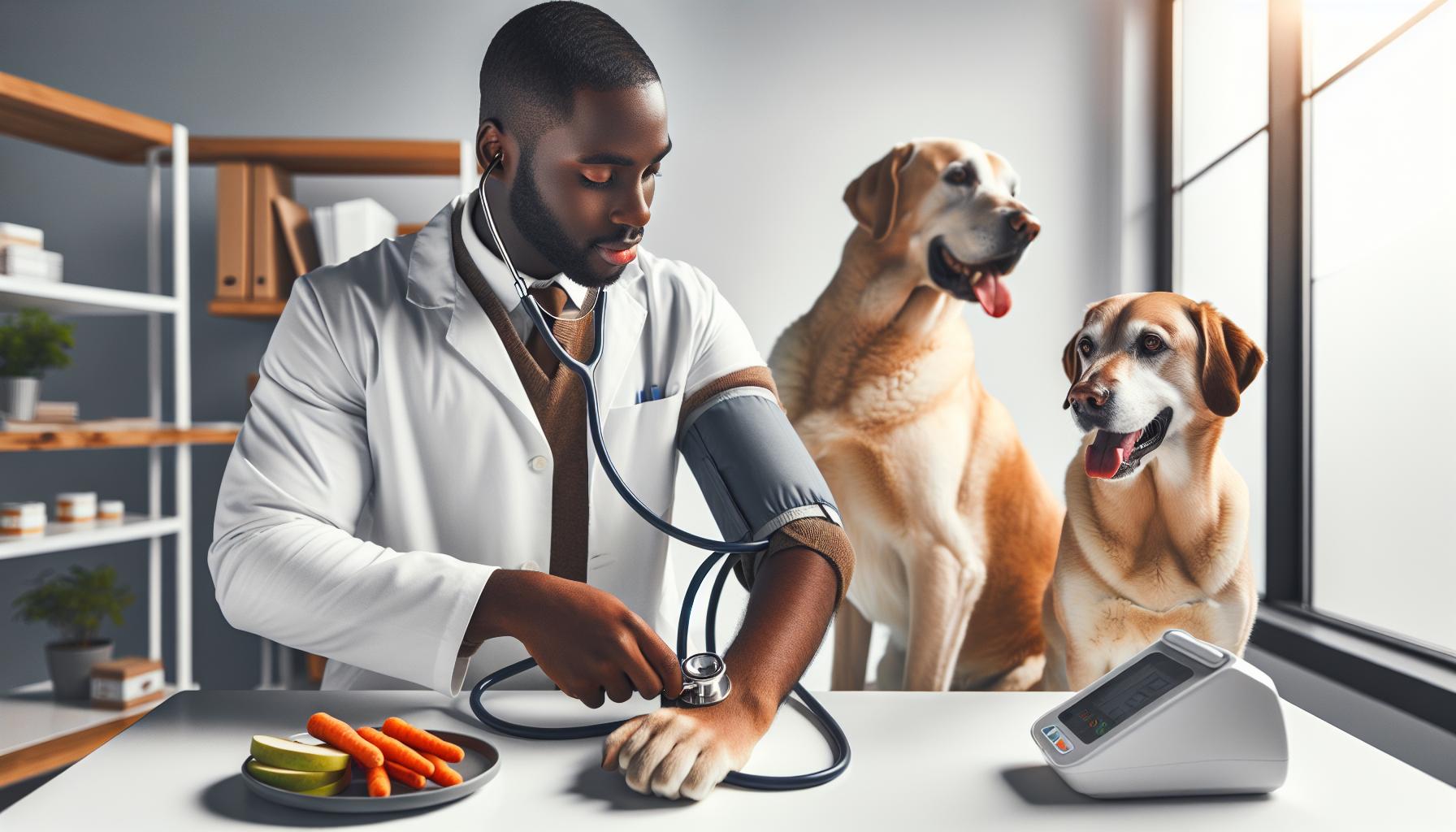
Understanding Canine Blood Pressure: Why It Matters
Understanding your dog’s blood pressure is vital in maintaining their overall health and well-being. Just as in humans, abnormal blood pressure can signal underlying health issues, potentially leading to more serious conditions if left unchecked. Hypertension in dogs, often referred to as high blood pressure, can be an indicator of other health problems such as kidney disease, heart disease, or endocrine disorders. Regular monitoring becomes a proactive approach to ensure your pet’s long-term health.
Blood pressure readings can reveal much about your dog’s cardiovascular system and can serve as an early warning sign for various diseases. A study found that monitoring blood pressure in dogs at routine veterinary visits can help identify those at risk for hypertension, allowing early intervention and management strategies. This not only improves the quality of life for your pet but can also significantly enhance their longevity.
In addition to detecting diseases, understanding blood pressure is crucial for effective treatment management. For example, if your dog is diagnosed with a condition that may cause elevated blood pressure, knowing their baseline reading allows for more accurate adjustments to medications and lifestyle changes. Keep in mind that different breeds may have varying normal blood pressure ranges, and factors such as age, weight, and overall health can influence these figures.
By staying informed and actively participating in monitoring your dog’s blood pressure, you create a supportive environment for your pet’s health. Regular check-ups and follow-through on veterinary recommendations foster a proactive approach, ensuring your furry friend remains healthy and happy.
Signs Your Dog May Have High Blood Pressure
Many dog owners are surprised to learn that their pets can suffer from high blood pressure, just like humans. This condition, known as hypertension, often goes unnoticed until it presents noticeable symptoms. Recognizing these signs early can be crucial for effective management and treatment. Understanding what to look for can empower you to take timely action, ensuring your dog remains healthy and happy.
Dogs with high blood pressure may exhibit a range of symptoms, some of which can be subtle. Watch for the following signs:
- Increased thirst and urination: If your dog seems to be drinking more water than usual or needing to go outside frequently, it may indicate an issue.
- Behavior changes: Sudden changes in behavior, such as increased agitation or restlessness, can signal discomfort or health problems.
- Weakness or lethargy: If your dog appears less active than normal, struggles to engage, or seems overly tired, these could be concerning signs.
- Nosebleeds or bleeding gums: Frequent nosebleeds or unusual gum bleeding may indicate elevated blood pressure impacting the blood vessels.
- Vision problems: Look for signs of vision impairment like bumping into objects, reluctance to navigate stairs, or unusual eye movements.
It’s important to note that these symptoms can also stem from other health issues, making a veterinary consultation essential for accurate diagnosis. Furthermore, regular veterinary check-ups can provide a comprehensive view of your dog’s health, including blood pressure monitoring. If you notice any of the above signs, don’t hesitate to schedule an appointment. Early detection of high blood pressure can lead to effective management strategies, dramatically improving your dog’s quality of life. By staying attentive to your dog’s needs and behaviors, you play a crucial role in maintaining their overall health.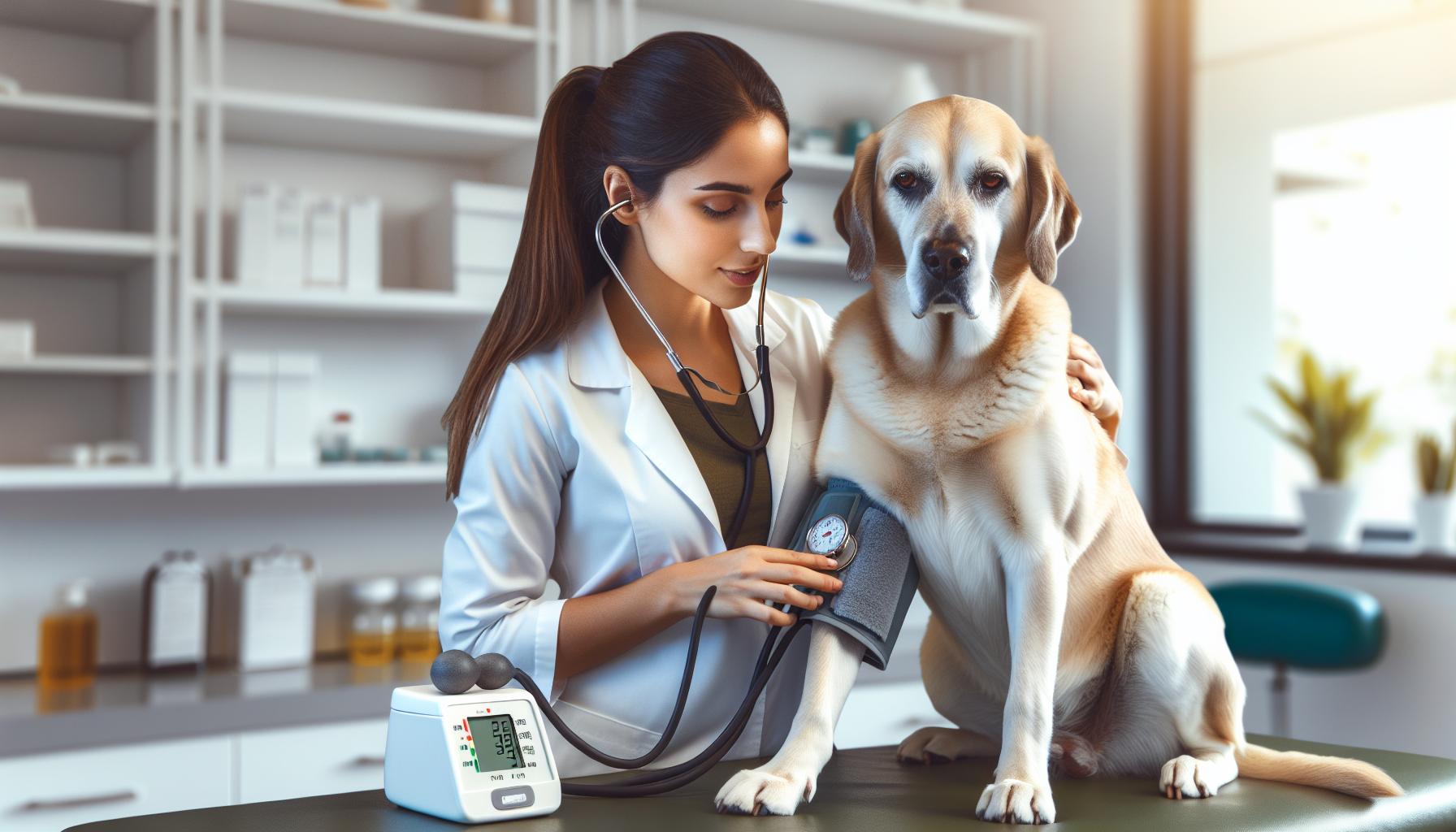
Preparing Your Dog for Blood Pressure Measurement
Before taking your dog’s blood pressure, it’s essential to create a calm and comfortable environment. Just like with humans, stress can significantly affect the readings. Begin by choosing a quiet, familiar space free from distractions, such as loud noises or other animals. Spend some time allowing your dog to relax in this area. Engage in gentle petting or soothing words to help reduce anxiety. The more relaxed your dog is, the more accurate the blood pressure reading will be.
Next, ensure that your dog is in the right physical position for measurement. Ideally, your dog should be lying down or sitting comfortably. Use a soft, cushioned mat or blanket to provide a cozy surface, which can help them feel secure. For larger breeds, you might need to support them to keep them in a stable position. If your dog is particularly restless, consider having another person help gently hold them or keep them calm during the process.
Preparation also involves making sure your dog is properly hydrated and has gone to the bathroom beforehand. A full bladder can lead to falsely elevated readings. Allow a break for your dog to relieve themselves if needed, and always ensure they have access to clean water, particularly if your assessment is taking place in a warmer environment.
Finally, it’s crucial to familiarize yourself with the equipment you’ll be using to measure the blood pressure. If you’re using a home blood pressure monitor, read the instructions thoroughly before starting. An understanding of how to use the device correctly can help alleviate any potential stress your dog may feel during the process. Practicing with the equipment without actually taking a measurement can help both you and your dog feel more comfortable. With these preparations in place, you’ll be well-equipped to accurately monitor your dog’s blood pressure and contribute positively to their overall health management.
Choosing the Right Equipment for Monitoring
Choosing accurate monitoring equipment is crucial for assessing your dog’s blood pressure effectively. Just as with humans, the right tools can significantly influence the reliability of your readings. Currently, two primary types of devices are available for canine blood pressure monitoring: oscillometric monitors and Doppler devices. Understanding their differences can help you make an informed choice that best suits your dog’s needs.
Oscillometric Monitors
These monitors measure blood pressure by assessing the vibrations in the arterial wall as blood flows through, using a cuff placed around your dog’s limb. They are generally user-friendly and provide automatic readings, making them suitable for pet owners who may not have extensive veterinary training. Oscillometric monitors tend to be less affected by the dog’s movement and are ideal for quick assessments. However, it’s important to choose a model that specifically states it is designed for canine use, as some human devices may not provide accurate readings.
Doppler Devices
Doppler monitors utilize ultrasound technology to calculate blood flow; this method requires a little more skill and practice. A Doppler device involves placing a transducer on the artery and can provide continuous blood pressure readings. Many veterinarians favor this method for its accuracy, particularly in larger or anxious dogs, but it may necessitate a two-person approach during measurement. If you opt for this device, ensure you’re comfortable with its operation or seek guidance from your veterinarian.
Additional Considerations
When selecting the right equipment, always consider the size of your dog. The cuff size should match your dog’s limb diameter to ensure accurate readings. Most manufacturers provide guidelines for appropriate sizing based on weight. Here are some tips to ensure your equipment is suitable:
- Quality and Reliability: Look for established brands that have received positive reviews specifically for veterinary use.
- Ease of Use: Equipment that is intuitive and comes with clear instructions can reduce stress for both you and your pet.
- Portability: If you travel often or want to conduct measurements in various locations, a lightweight, portable unit would be beneficial.
Investing in the right blood pressure monitoring equipment not only promotes your dog’s health but also empowers you as a pet owner. Regular monitoring can lead to early detection of potential health issues, providing your dog with the best chance for a healthy and happy life.
Step-by-Step Guide to Measuring Your Dog’s Blood Pressure
Measuring your dog’s blood pressure may seem daunting, but it is a crucial aspect of maintaining your furry friend’s health. Just like in humans, hypertension in dogs can lead to severe health issues if left unmonitored. By following a simple, step-by-step approach, you can gain confidence in this vital procedure, empowering yourself to play an active role in your dog’s health management.
Begin by creating a calm environment. Your dog should be relaxed and comfortable, as stress can influence blood pressure readings. Allow your dog to acclimate to the room for about five to ten minutes before you start. Have your monitoring equipment ready and ensure the cuff size is appropriate for your dog’s limb-using the right cuff is essential for accurate readings.
Once your dog is calm, gently place the cuff around their front leg or tail according to the device’s instructions. For oscillometric monitors, position the cuff snugly but not too tight-aim for a fit that allows you to insert one fingertip underneath. If you’re using a Doppler device, place the transducer over a main artery, typically on the inside of the leg, ensuring there’s no excessive pressure that might cause discomfort. Be attentive to your dog’s reactions; their comfort is paramount during this process.
After setting up the device, activate the monitor and follow the prompts. For oscillometric devices, the cuff will inflate automatically, leading to an audible reading that indicates the dog’s blood pressure. If you’re using a Doppler device, you’ll hear a rhythmic sound as blood flows through the arteries, signaling you to press a button when you feel a steady pulse. It’s often helpful to repeat the measurement two or three times to ensure consistency in your readings, allowing you to record the average for a more accurate assessment.
Once you’ve collected the readings, interpret them carefully. Normal blood pressure for dogs typically ranges between 110-160 mmHg. Be sure to note any unusual numbers and consult your veterinarian if your dog’s readings are consistently outside this range. By integrating regular blood pressure checks into your routine, you’re equipped to identify issues early and ensure your dog’s health remains a top priority.
Interpreting Blood Pressure Readings: What They Mean
Understanding dog blood pressure readings is crucial for ensuring the overall health and well-being of your furry friend. A dog’s blood pressure is measured in millimeters of mercury (mmHg) and typically falls within a normal range of 110-160 mmHg. However, what does this mean for your dog’s health, and how can you interpret the readings effectively?
When you record a blood pressure reading, it’s essential to consider it within the context of your dog’s overall health. If the values are consistently lower than the normal range, this could indicate hypotension, which may result from dehydration, shock, or other underlying health issues. Conversely, readings above the normal range suggest hypertension, which can lead to severe health complications such as kidney disease, heart conditions, or eye problems like retinal damage. It is crucial to keep a detailed log of your dog’s readings, noting any changes or patterns that could provide valuable information to your veterinarian.
When analyzing the results, take note of both the systolic (the pressure when the heart beats) and diastolic (the pressure when the heart rests between beats) values. Generally, veterinarians focus more on the systolic reading, as it offers a clearer indication of cardiovascular health. If your dog’s systolic pressure consistently exceeds 160 mmHg, it’s time to consult your veterinarian for further evaluation and potential treatment options.
For a more visual representation, you might find it helpful to create a simple table to track these readings along with corresponding dates, activities, and any observed symptoms. Here’s an example of how you could structure it:
| Date | Blood Pressure (mmHg) | Activity Level | Notes/Symptoms |
|---|---|---|---|
| 01/01/2025 | 145/90 | Normal | No symptoms |
| 01/15/2025 | 170/95 | Calm | Excessive thirst |
By maintaining such records, you empower yourself to detect trends and make informed decisions about your dog’s health, paving the way for timely interventions and proper care.
Common Causes of Canine Hypertension
Hypertension, or high blood pressure, in dogs can often go unnoticed until it leads to serious health complications. Understanding the is essential for pet owners who are proactive about their furry friends’ health. Factors contributing to elevated blood pressure can range from underlying medical conditions to lifestyle choices.
One of the most prevalent causes of hypertension in dogs is kidney disease. As the kidneys play a crucial role in regulating blood pressure, any impairment can lead to increased levels. Similarly, heart disease, particularly conditions like congenital heart defects or dilated cardiomyopathy, can disrupt normal blood flow and elevate pressure levels. Additionally, endocrine disorders, such as Cushing’s disease (hyperadrenocorticism) and hypothyroidism, can significantly affect overall metabolism and blood pressure regulation.
Moreover, certain medications may induce hypertension as a side effect. For instance, steroids and non-steroidal anti-inflammatory drugs (NSAIDs) can raise blood pressure in some dogs. This underscores the importance of closely monitoring any changes in blood pressure if your dog is on medication. It’s also worth noting that obesity can lead to hypertension; excess weight puts additional strain on the heart and blood vessels, making it imperative to manage your dog’s diet and exercise.
Stressors, too, play a role in blood pressure levels. Dogs that experience anxiety or are frequently in high-stress environments can exhibit temporary spikes in blood pressure. Long-term exposure to stress can lead to chronic hypertension, making it vital for pet owners to nurture a calm and stable environment for their dogs.
Being aware of these causative factors can empower dog owners to take preventive measures, monitor their pets regularly, and seek advice from veterinarians when necessary. By maintaining a vigilant watch over potential risk factors, you contribute significantly to your dog’s long-term health and well-being.
Managing High Blood Pressure in Dogs: Treatment Options
Managing high blood pressure in dogs requires a comprehensive approach, blending veterinary intervention with lifestyle adjustments tailored to your pet’s specific needs. The initial step often involves a thorough evaluation by a veterinarian to determine the underlying causes of hypertension, which may include renal disease, heart conditions, or endocrine disorders. Once diagnosed, treatment can include medications specifically designed to lower blood pressure. Common options include angiotensin-converting enzyme (ACE) inhibitors, diuretics, and beta-blockers, each chosen based on your dog’s health background and needs.
In addition to medication, lifestyle changes play a crucial role in managing high blood pressure. Ensuring your dog maintains a healthy weight through a balanced diet and regular exercise is imperative. Here are some practical strategies for promoting heart health:
- Dietary adjustments: Incorporate low-sodium dog food. Consult your veterinarian for recommendations on specialized diets that support cardiovascular health.
- Regular exercise: Engage your dog in daily physical activities, such as walks or play sessions, tailored to their age and health condition. Aim for at least 30 minutes of moderate exercise, adjusted to their tolerance level.
- Stress reduction: Provide a calm home environment with activities that reduce anxiety, such as puzzle toys or calming music.
- Regular vet check-ups: Schedule routine exams to monitor blood pressure levels and adjust treatment plans as necessary, keeping a watchful eye on any changes.
If your dog’s blood pressure remains consistently high despite treatment, further diagnostics may be required. This could include blood tests, ultrasound scans, or other imaging techniques to explore potential secondary health issues. Collaborate closely with your vet to develop a management plan that addresses both the symptom and any underlying issues.
Empowering yourself with knowledge about your dog’s condition and actively participating in their care can lead to significant improvements in their quality of life. Observing their behavior and noting any changes, even subtle ones, can provide invaluable information for your veterinarian. Essentially, maintaining open lines of communication with your veterinary team will facilitate a tailored treatment approach that optimally supports your dog’s health journey.
Lifestyle Changes for Healthy Blood Pressure in Dogs
Maintaining a healthy lifestyle is critical for dogs, especially those diagnosed with high blood pressure. Implementing thoughtful changes can significantly influence your dog’s cardiovascular health and overall well-being. Notably, studies have shown that lifestyle interventions, combined with veterinary care, can effectively manage and even alleviate symptoms of canine hypertension.
- Balanced Nutrition: Provide a diet rich in nutritious ingredients while minimizing sodium. Consult your veterinarian for recommendations on low-sodium dog food options tailored to heart health. Incorporating fresh vegetables, lean proteins, and essential fatty acids can bolster nutritional support.
- Consistent Physical Activity: Ensure your dog gets regular exercise. Aim for daily walks or play sessions that cater to their physical capabilities. Activities as simple as fetching or gentle walks can help lower blood pressure by promoting better cardiovascular function.
- Stress Management: A stress-free environment is vital for hypertensive dogs. Engage them in calming activities, like interactive toys and puzzle games, to stimulate their minds without causing anxiety. Creating a serene atmosphere at home, possibly with calming music or aromatherapy, can also contribute positively.
- Hydration: Encourage adequate water intake, as proper hydration helps maintain healthy blood pressure levels. Fresh, clean water should always be available, and consider adding wet food to their diet to enhance fluid intake.
Regular veterinary check-ups are essential in monitoring your dog’s blood pressure and adjusting care plans as necessary. Keeping your vet informed about any notable behavioral changes or health concerns can assist in tailoring the management of your pet’s hypertension. Engaging in open discussions with your veterinary team will empower you to contribute effectively to your dog’s health journey, ensuring a comprehensive management strategy that addresses both the systemic and environmental factors related to hypertension. Through a proactive approach that combines proper care and lifestyle modifications, you can enhance your dog’s quality of life while managing their blood pressure effectively.
When to Consult Your Veterinarian About Blood Pressure
Recognizing when to reach out to your veterinarian regarding your dog’s blood pressure is crucial for maintaining their health and well-being. It’s important to remember that dogs cannot communicate their discomfort or health issues as we do, so being vigilant about their behavior and physical signs can make all the difference. If you notice any unusual symptoms or changes in your dog’s behavior, it may be time to consult your veterinarian for a blood pressure assessment.
Common signs that indicate a potential issue include excessive thirst or urination, lethargy, sudden weight changes, or behavioral changes such as increased aggression or irritability. If your dog experiences any of these symptoms, particularly in combination, it’s wise to have them evaluated by a professional. Regular check-ups should not be overlooked, especially for dogs over the age of seven or those with a history of hypertension or related health conditions.
When to Schedule an Appointment
Consider taking your dog for a blood pressure check if they have been diagnosed with other health issues like kidney disease or heart problems. These conditions can contribute to and exacerbate hypertension. Moreover, if your dog is on medication that affects blood pressure, such as steroids or non-steroidal anti-inflammatory drugs (NSAIDs), continuous monitoring becomes even more important. Schedule appointments for regular check-ups and express any concerns about their blood pressure management.
In addition to proactive measures, if your dog is noticeably more anxious or stressed, this can also lead to an increase in blood pressure. For example, if you know that a change in environment-like moving homes or a new family member-has occurred, a consultation could help adjust management plans to alleviate stress-related hypertension. The sooner you consult your veterinarian, the sooner you can get guidance on monitoring techniques and treatment options that best suit your dog’s needs, ultimately enhancing their quality of life.
Preventative Care: Keeping Your Dog’s Blood Pressure in Check
Ensuring your dog maintains a healthy blood pressure is crucial for their long-term health and happiness. Just like in humans, elevated blood pressure can lead to significant health issues in dogs, including heart disease, kidney problems, and even stroke. The good news is that with proactive measures, you can help keep your dog’s blood pressure in check and reduce the risk of these serious complications.
Regular veterinary check-ups are vital in monitoring your dog’s blood pressure, especially as they age or if they have underlying health issues. During these visits, it’s essential to have open discussions with your veterinarian about any concerns regarding your dog’s cardiovascular health. They can provide guidance tailored to your dog’s specific needs, including the appropriate frequency of monitoring. Additionally, consider investing in a home blood pressure monitor designed specifically for dogs. This allows you to track your pet’s readings in a familiar environment, reducing stress responses that can artificially elevate blood pressure.
A healthy lifestyle plays a key role in managing your dog’s blood pressure. This includes a balanced diet low in sodium, regular exercise to maintain a healthy weight, and mental stimulation to keep your dog engaged and reduce stress. Create a consistent routine for feeding and exercise, and incorporate activities that promote relaxation, such as gentle walks or interactive toys, to help manage anxiety. It’s also wise to monitor any changes in your dog’s behavior or habits, as these can be early indicators of hypertension.
Lastly, being aware of the medications your dog is on and their potential side effects is crucial. Some medications can raise blood pressure, so keep your veterinarian informed about any changes in your dog’s medication regimen. Adopting these preventative measures can significantly contribute to better health outcomes for your furry friend, allowing you both to enjoy many happy, healthy years together.
Frequently asked questions
Q: How often should I check my dog’s blood pressure?
A: You should check your dog’s blood pressure regularly, ideally as part of their routine veterinary visits. If your dog is at risk for hypertension, consider monitoring it at home monthly or as recommended by your vet. Regular checks can help in early detection and management of health issues.
Q: What equipment do I need to measure my dog’s blood pressure?
A: To measure your dog’s blood pressure, you’ll need a veterinary-specific sphygmomanometer and a Doppler device or oscillometric monitor. These tools ensure accurate readings. It’s essential to choose equipment designed for canine use for reliable results.
Q: Can I measure my dog’s blood pressure at home?
A: Yes, you can measure your dog’s blood pressure at home with the right equipment and technique. Ensure you follow a step-by-step guide, as outlined in your article, to minimize stress for your pet and achieve accurate readings.
Q: What are the normal blood pressure ranges for dogs?
A: The normal blood pressure for dogs typically falls between 110-130 mmHg for systolic readings. Consult your veterinarian for specific ranges that apply to your dog’s age, size, and health status, as these can vary.
Q: What should I do if my dog’s blood pressure is high?
A: If your dog’s blood pressure is high, consult your veterinarian immediately. They can help determine the underlying cause and suggest a tailored treatment plan, which may include lifestyle changes, medication, or further diagnostic tests.
Q: Are there specific breeds prone to high blood pressure?
A: While any breed can develop hypertension, certain breeds such as Dachshunds, Bulldogs, and Boxers may be more prone. Regular monitoring and veterinary check-ups are essential for these dogs to manage their cardiovascular health effectively.
Q: How can I help my dog maintain healthy blood pressure?
A: To maintain a healthy blood pressure, ensure your dog has a balanced diet, regular exercise, and maintains a healthy weight. Keeping stress levels low and following your veterinarian’s recommendations are also crucial for overall well-being.
Q: Is there a difference between systolic and diastolic blood pressure in dogs?
A: Yes, systolic blood pressure measures the force when the heart beats and pumps blood, while diastolic measures the pressure when the heart rests between beats. Both are important for assessing your dog’s overall cardiovascular health.
The Conclusion
By following our step-by-step guide on how to check your dog’s blood pressure, you’ve taken a crucial step towards proactive health management for your furry friend. Remember, regular monitoring can help detect potential health issues early, ultimately leading to better outcomes. If you haven’t done so already, be sure to check out our articles on “Understanding Canine Hypertension” and “Signs Your Dog Might Be Unwell” for more insights.
For those looking to enhance their pet care routines, consider signing up for our newsletter to receive tips and resources directly to your inbox. Your engagement can help us create more content that matters to you and your pet! Don’t hesitate to leave a comment below or share your experiences with dog health monitoring; your feedback reinforces our community and authority in pet care. Keep exploring, and empower your dog’s health journey today!