

When venturing into high altitudes, many people face an unexpected challenge: the risk of elevated blood pressure. The decrease in oxygen levels and changes in atmospheric pressure can strain the cardiovascular system, leading to complications for those with pre-existing hypertension. Understanding how to effectively manage blood pressure in these settings is crucial for maintaining your health and enjoying your adventures.
This guide provides expert strategies to help you monitor and control your blood pressure while acclimatizing to higher elevations. By integrating simple lifestyle adjustments and proactive health measures, you can significantly reduce the risks associated with altitude. Whether you’re a seasoned climber or planning a family vacation to the mountains, empowering yourself with knowledge can transform your experience and protect your well-being. Keep reading to discover practical tips that will enable you to navigate high altitudes confidently and safely.
Understanding Blood Pressure at High Altitude

High altitudes present unique challenges for maintaining healthy blood pressure levels, which can vary significantly from those experienced at sea level. As you ascend to elevations above 8,000 feet, decreased oxygen availability triggers physiological changes in your body, including an increase in heart rate and adjustments in vascular resistance. This response can elevate blood pressure temporarily, posing risks for individuals with underlying hypertension or those not acclimatized to the thinner air. Understanding these dynamics is critical, as they can influence not only your general well-being but also your ability to engage in physical activities safely.
When your body encounters the lower oxygen levels found at high altitudes, it must work harder to ensure sufficient oxygen delivery to your tissues. This can lead to elevated blood pressure readings, particularly during strenuous activities. It’s important to monitor your blood pressure regularly while at altitude, especially if you have a history of hypertension. Keeping track of any changes in your readings can provide valuable insights into your body’s response to altitude and help you manage your health proactively. Using a portable blood pressure monitor is advisable, allowing for consistent self-assessment and timely adjustments in lifestyle or medication as needed.
Moreover, preparation is key. Gradually ascending to higher altitudes can aid acclimatization, which helps to minimize the risk of hypertension and other altitude-related ailments. Taking preventive measures, such as engaging in light physical activities prior to your trip and ensuring adequate hydration, can enhance your body’s ability to adapt. Sharing your plans with healthcare providers, especially if you have chronic conditions, can provide additional strategies tailored specifically to your health needs.
In summary, understanding how high altitude affects blood pressure is essential for anyone venturing into elevated terrains. By being proactive and informed, you can enjoy your adventures while maintaining your health and well-being.
How Altitude Affects Blood Pressure Levels
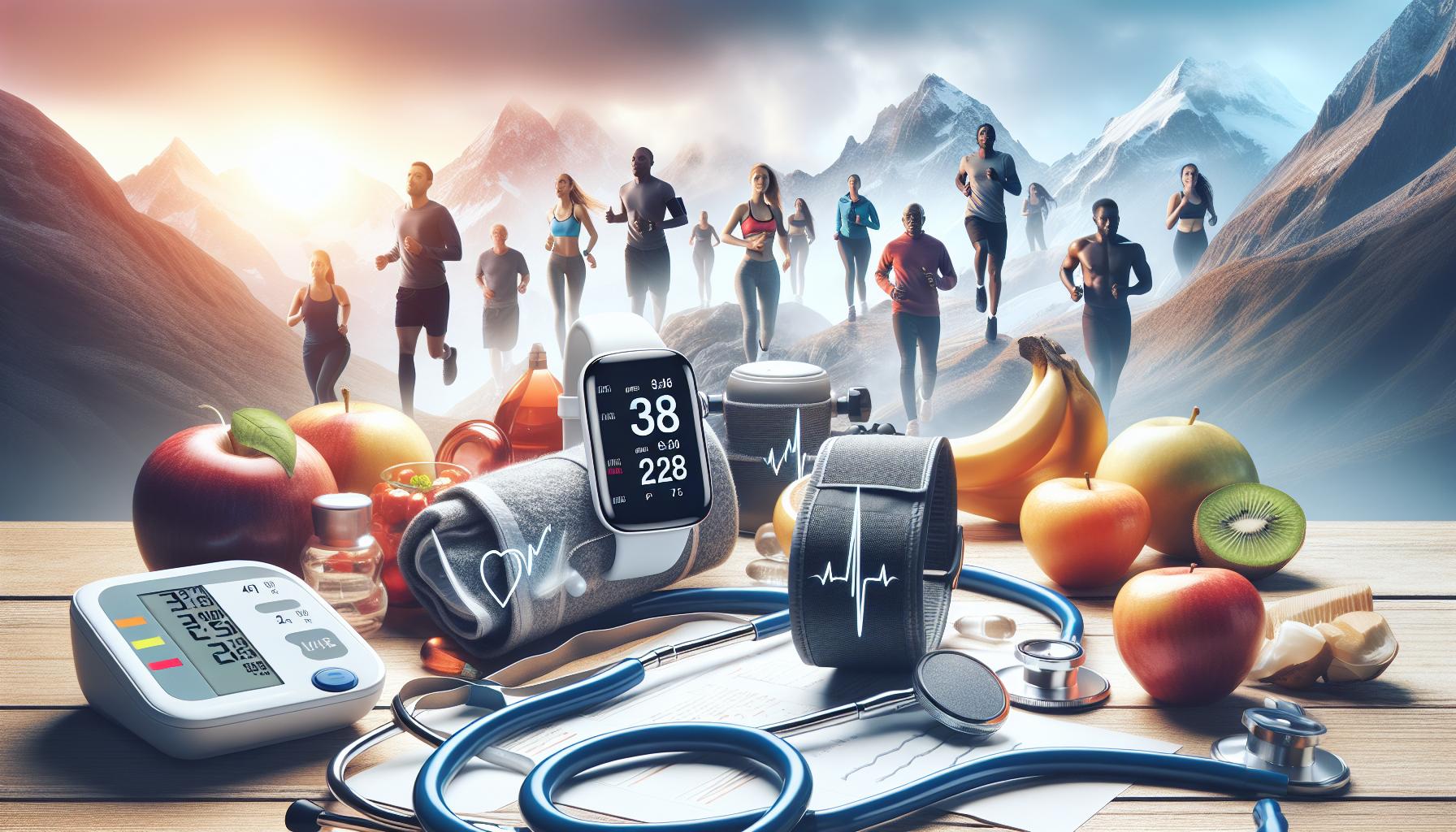
As you reach higher altitudes, the body undergoes significant physiological changes that can have a direct impact on blood pressure levels. At elevations above 8,000 feet, the reduced availability of oxygen forces the body to adapt by increasing heart rate and raising blood pressure to maintain adequate oxygen circulation. This compensatory mechanism, while vital for survival, can pose risks particularly for individuals with pre-existing hypertension or those who are not acclimatized to such conditions.
The decrease in atmospheric pressure at high altitudes can lead to an increase in blood viscosity, which, combined with the heightened workload on the heart, results in higher blood pressure readings. This elevation is often temporary, but it can elevate the risk of hypertensive episodes, especially during physical exertion. Those who hike, ski, or engage in rigorous activities at altitude should be particularly cautious and consider regular monitoring to detect any concerning spikes in their blood pressure.
Understanding how altitude affects your body lays the foundation for effective management strategies. For instance, acclimatizing through gradual ascent is crucial; this allows your cardiovascular system to adjust progressively, potentially reducing the strain and subsequent blood pressure increase. Staying hydrated also plays a key role in maintaining blood viscosity and overall cardiovascular health. Engaging in light activities rather than exhaustive workouts can help your body adapt without overwhelming it further, thus supporting better blood pressure regulation.
In practice, using a portable blood pressure monitor to track your readings can empower you to take proactive steps if you notice any significant changes. If your blood pressure readings rise significantly or you experience symptoms like headaches or dizziness, it is essential to descend to lower altitudes and consult with a healthcare professional. By being informed and prepared, you can confidently navigate high altitudes while managing your blood pressure effectively.
Recognizing Symptoms of High Altitude Hypertension

At high altitudes, the transition to lower oxygen levels can trigger a range of symptoms that serve as vital indicators of high altitude hypertension. Recognizing these symptoms promptly is essential for maintaining health and safety during your altitude adventures. The body’s increased effort to deliver adequate oxygen manifests as various physical signs that may range from mild discomfort to alarming health threats.
Common symptoms to watch out for include headaches, which are often the first indicators of high altitude problems. This discomfort results from changes in blood pressure and blood vessels, leading to increased intracranial pressure. Another crucial symptom is shortness of breath, especially during physical exertion. This can signal that your cardiovascular system is struggling to adjust to the decreased oxygen levels. Dizziness or lightheadedness is also prevalent, as it may indicate insufficient oxygen supply to the brain, making it imperative to rest and adjust.
In addition to these, look for nausea or loss of appetite, which can further highlight the body’s struggle under stress. Fatigue or excessive tiredness after minimal exertion can be a sign that your blood pressure is not within a healthy range. As you monitor your physical responses, pay attention to more specific indicators such as a rapid heartbeat or an increase in blood pressure readings if you’re regularly tracking them with a portable monitor.
Steps for Early Detection
To effectively manage these symptoms, regular monitoring of your blood pressure is essential-particularly if you have pre-existing conditions. Here are some actionable steps to consider:
- Monitor Your Blood Pressure: Use a portable blood pressure monitor at regular intervals, especially during physical activities.
- Record Symptoms: Keep a log of any symptoms you experience along with your blood pressure readings to identify patterns.
- Ascend Gradually: If you notice any of the above symptoms, take breaks and avoid rapid elevation changes to give your body time to acclimatize.
- Seek Immediate Help: If symptoms worsen or if your blood pressure remains high, seek medical assistance promptly.
Being proactive in recognizing and responding to these early warning signs can make a significant difference in how effectively you navigate high-altitude environments. With a focus on symptom awareness and consistent monitoring, you empower yourself in the journey of altitude acclimatization, enhancing both safety and overall experience.
Effective Lifestyle Changes for Blood Pressure Control

In the breathtaking realm of high altitudes, where the air becomes thin and oxygen scarce, effective lifestyle changes can serve as your greatest ally in maintaining optimal blood pressure levels. Adopting these changes not only supports cardiovascular health but can enhance your overall well-being, ensuring your body responds effectively to the challenging conditions.
Implementing a routine that emphasizes gentle acclimatization is essential. This means allowing your body to adjust gradually to increasing altitudes. Avoid rapid ascents and incorporate rest days to facilitate better oxygen utilization. Likewise, incorporating breathing exercises can help your body adapt to lower oxygen levels, improving efficiency in oxygen uptake and circulation.
Maintaining a balanced diet rich in potassium, magnesium, and antioxidants can also play a crucial role in blood pressure control. Foods like bananas, sweet potatoes, spinach, and berries naturally promote better vascular health. Consider meal planning to ensure that healthy food choices are easily accessible, especially during trips where high-altitude dining options may be limited.
Staying adequately hydrated is another key factor. At higher altitudes, hydration needs increase due to faster fluid loss from respiration and perspiration. Aim to drink plenty of water throughout the day and consider electrolyte-rich drinks to replenish essential minerals that help regulate blood pressure.
Regular physical activity tailored to your capacity can enhance circulation and strengthen your cardiovascular system. Engaging in moderate exercises, such as walking or easy hiking, can significantly improve blood flow without overexerting your body. Pair this with sufficient rest and recovery to prevent fatigue and allow for vital acclimatization.
Through these thoughtful lifestyle adjustments, you empower yourself to not only manage your blood pressure effectively but also to fully embrace the journey of high-altitude exploration. By being proactive, informed, and mindful of your body’s responses, you can navigate the challenges of high altitudes with confidence and resilience.
Dietary Strategies to Manage Blood Pressure
In high-altitude environments, where the body undergoes significant physiological changes due to lower oxygen levels, dietary strategies become vital for managing blood pressure effectively. Nutrient-rich foods can fortify the body’s resilience, helping to maintain optimal blood pressure levels amidst the challenges posed by altitude. One of the most critical dietary considerations is the intake of minerals that alleviate hypertension: potassium, magnesium, and calcium are essential for promoting vascular health.
Key Nutrients and Their Benefits
- Potassium: This mineral effectively balances sodium levels in the body, helping to lower blood pressure. Foods rich in potassium, such as bananas, oranges, avocados, and sweet potatoes, can be excellent additions to your diet. Aiming for at least 4,700 mg of potassium daily can aid in blood pressure management.
- Magnesium: Known for its role in blood vessel relaxation, magnesium can also help prevent high blood pressure. Incorporate foods like spinach, nuts, seeds, and whole grains into your meals to boost magnesium intake.
- Calcium: Important for maintaining healthy blood vessels, calcium-rich foods like low-fat dairy products, leafy greens, and fortified plant milks should be part of your daily consumption.
Meal Planning for High Altitude
Creating structured meal plans is essential, especially when faced with limited food options at high altitudes. Prioritize meals that are balanced and include a variety of nutrient-dense foods. Here are a few strategies to consider:
- Plan Ahead: Before embarking on your trip, prepare meals that can be easily transported, such as whole grain wraps filled with lean proteins and vegetables.
- Hydrate Wisely: While focusing on solid foods, do not neglect hydration. Incorporate foods with high water content, like cucumbers and watermelon, alongside your regular fluid intake.
- Snack Smart: Pack healthy snacks such as nuts, dried fruits, and dark chocolate to keep energy levels up and blood pressure steady during the day.
Monitoring and Adjusting Your Diet
Regularly monitoring how your body responds to different foods is crucial. Keeping a food diary can help you identify what works best for your individual needs, particularly in high-altitude conditions. Adjust portion sizes and food choices based on your energy levels and blood pressure readings.
Incorporating these dietary strategies while maintaining a consistent monitoring routine can empower you to manage your blood pressure effectively at high altitudes. With careful planning and mindful eating, you can support your cardiovascular health while enjoying the exhilarating experiences that high-altitude locations offer.
Hydration and Its Role in Blood Pressure Regulation
In high-altitude environments, maintaining proper hydration is critical for regulating blood pressure and ensuring overall cardiovascular health. As altitude increases, the air becomes drier, leading to increased fluid loss through respiration and necessitating heightened attention to fluid intake. Dehydration can exacerbate the risk of hypertension, as it leads to thicker blood, making it harder for the heart to pump effectively and increasing the strain on the cardiovascular system. Staying well-hydrated is not only essential for managing blood pressure but also for optimizing physical performance and preventing altitude sickness.
To effectively regulate blood pressure through hydration, consider incorporating the following strategies:
- Drink Regularly: Instead of waiting until you feel thirsty, establish a routine to drink water throughout the day. Aim for at least 3 to 4 liters of water daily, adjusting based on your activity level and environmental factors.
- Balance Electrolytes: Alongside hydration, maintaining a balance of electrolytes such as sodium, potassium, and magnesium is essential. Consider drinking electrolyte-enhanced beverages, especially after strenuous activities or during hot weather.
- Include Hydrating Foods: Consume fruits and vegetables with high water content-such as cucumbers, watermelon, oranges, and lettuce-which can aid in hydration while providing essential nutrients beneficial for blood pressure control.
Understanding your body’s response to altitude and hydration status is crucial. Monitoring your urine color can provide helpful insight; a light yellow color typically indicates adequate hydration, while dark yellow suggests the need for increased fluid intake. Additionally, if you find yourself experiencing symptoms such as headaches, dizziness, or fatigue, these could be signs of dehydration that warrant immediate attention.
In preparation for high-altitude activities, plan your hydration strategy just as you would for nutrition. Carry a water bottle at all times, and remind yourself to drink regularly, even when you’re not feeling thirsty. With these practices, you can support your cardiovascular health and enhance your overall experience in the stunning yet challenging terrain of high altitudes.
Exercises to Boost Circulation and Lower Blood Pressure
Engaging in regular exercise is one of the most effective ways to enhance circulation and help lower blood pressure, especially at high altitudes where the body faces unique challenges. Physical activity increases heart rate, improving blood flow and oxygen delivery to tissues, which is vital when the air pressure and oxygen levels drop. Incorporating a range of exercises into your routine not only promotes cardiovascular health but also combats the physical lethargy often experienced at higher elevations.
Start with aerobic exercises, as these are particularly beneficial for cardiovascular fitness. Activities such as brisk walking, cycling, or swimming can be adapted to your fitness level and should be performed at a moderate intensity to avoid overexertion. Aim for at least 150 minutes of moderate aerobic activity per week, and consider splitting this into shorter sessions throughout the day. This can be especially important at altitude, where prolonged exertion may lead to symptoms of altitude sickness.
In addition to aerobic workouts, strength training is crucial for overall health and can directly influence blood pressure. By engaging major muscle groups through weight lifting or resistance band exercises at least twice a week, you can improve muscle strength and metabolism. This increase in muscle mass helps your body utilize oxygen more efficiently, which is vital in lower-oxygen environments. Focus on simple exercises such as squats, lunges, and push-ups, and gradually increase the intensity as your body adjusts to the altitude.
Flexibility and Balance Exercises
Incorporating flexibility and balance exercises into your routine, such as yoga or tai chi, can further enhance your ability to manage blood pressure at high elevations. These practices not only promote relaxation and stress relief but also improve circulation and can enhance your overall physical performance. Aim for sessions that incorporate deep breathing, stretching, and mindfulness to maximize the benefits.
Remember, as you adapt to higher altitudes, it’s essential to listen to your body. Allow adequate recovery time between exercise sessions and stay properly hydrated to support cardiovascular function. By establishing a consistent exercise routine tailored to your needs, you can significantly enhance circulation, lower blood pressure, and foster a sense of well-being in the breathtaking but demanding high-altitude environment.
Monitoring Your Blood Pressure Effectively
Monitoring your blood pressure regularly is essential, especially at high altitudes where changes in the environment can have significant impacts on your cardiovascular health. Altitude can exacerbate potential fluctuations, making it crucial for individuals to establish a consistent routine for tracking their blood pressure. Being aware of your readings not only allows you to detect abnormal elevations early but also empowers you to take informed steps to manage your health proactively.
To effectively monitor your blood pressure, invest in a reliable home blood pressure monitor. These devices are user-friendly, portable, and provide immediate feedback on your cardiovascular status. Follow these steps for accurate measurement:
- Choose the right time: Measure your blood pressure at the same time each day, ideally in the morning before eating or taking medications, as well as in the evening.
- Prepare adequately: Rest for at least five minutes in a quiet environment before taking your reading. Avoid caffeine, exercise, and smoking for at least 30 minutes beforehand.
- Position properly: Sit in a comfortable chair with your back supported and feet flat on the floor. Rest your arm at heart level with the cuff on bare skin, ensuring it fits snugly but is not too tight.
- Record and evaluate: Take multiple readings (typically two or three, one minute apart) and calculate the average. Keep a log to track your measurements over time, which will aid discussions with your healthcare provider.
Be cautious of any symptoms that may indicate high altitude hypertension, such as headaches, dizziness, or shortness of breath, and use your monitor to pinpoint any concerning blood pressure trends. If you find consistent readings above 130/80 mmHg, it’s advisable to consult a healthcare professional for further evaluation.
In addition to monitoring, integrate lifestyle changes that can help manage your blood pressure effectively, such as adhering to a heart-healthy diet, staying hydrated, and participating in regular physical activity as previously mentioned. These strategies work synergistically to promote overall cardiovascular health at elevation.
Ultimately, being proactive about blood pressure monitoring-combined with lifestyle adjustments-will not only enhance your well-being but also help you enjoy the beautiful vistas of high-altitude environments while feeling your best.
Medications that Aid in Blood Pressure Management
Medications can play a crucial role in managing blood pressure, especially for those adjusting to high-altitude environments. As altitude increases, the body may react with various physiological changes, including an elevation in blood pressure due to lower oxygen levels. This makes it essential for those prone to hypertension to consider pharmacological support alongside lifestyle interventions.
Commonly prescribed medications for hypertension include ACE inhibitors, calcium channel blockers, and beta-blockers. Each class of medication works differently to lower blood pressure by relaxing blood vessels, reducing the heart rate, or blocking the production of certain hormones. For example, ACE inhibitors like lisinopril can aid in managing elevated blood pressure by inhibiting an enzyme that narrows blood vessels. Calcium channel blockers, such as amlodipine, can be particularly effective in preventing altitude-related spikes in blood pressure, as they help keep the blood vessels open.
Consultation and Monitoring
Before beginning any medication regimen, it’s paramount to consult with a healthcare provider, especially when planning a trip to high altitudes. A thorough evaluation of individual health conditions, current medications, and potential drug interactions is necessary to create an effective and safe treatment plan. Regular monitoring of blood pressure at home can provide valuable insights into how well the chosen medication is controlling blood pressure levels, allowing adjustments if needed.
Potential Side Effects
Be aware of potential side effects of hypertension medications, which can sometimes include dizziness, fatigue, or even worsening blood pressure in specific cases. It’s vital to communicate any unusual symptoms to your healthcare provider promptly. Managing blood pressure effectively often requires a combination of medications and lifestyle changes, like dietary modifications and regular physical activity, to achieve the best outcomes at elevation.
Choosing the right medication and maintaining open communication with your healthcare team empowers individuals to manage their blood pressure confidently while enjoying the breathtaking vistas at high altitudes.
Expert Tips for Preventing Altitude Sickness
Ascending to high altitudes can be an exhilarating adventure, but it often brings with it the risk of altitude sickness. This condition affects many people who travel to elevated terrains, particularly those with pre-existing health concerns such as hypertension. It’s essential to approach high-altitude environments with a well-thought-out plan to prevent altitude sickness and maintain effective blood pressure levels.
To start, acclimatization is key. Allow your body time to adjust to the changes in oxygen and pressure. Gradually increase your elevation by no more than 1,000 feet (about 300 meters) per day once you are above 8,000 feet (2,400 meters). This slower ascent helps your body produce the necessary red blood cells to carry oxygen effectively and can prevent the sudden spikes in blood pressure that often accompany rapid elevation changes.
In addition to acclimatization, staying hydrated is crucial. Dehydration can worsen symptoms of altitude sickness, emphasizing the importance of drinking plenty of water. Aim for at least 3 to 4 liters per day, particularly if engaging in physical activities. Avoid excessive caffeine and alcohol, as these can contribute to fluid loss and exacerbate hypertension symptoms.
Incorporate nutrient-rich foods into your diet before and during your stay at high altitudes. Foods rich in complex carbohydrates, such as whole grains, fruits, and vegetables, can help provide sustained energy levels and support heart health. Consider small, frequent meals to assist in maintaining stable blood sugar and blood pressure levels.
Regular exercise also plays a significant role in overall cardiovascular health. Engage in light physical activity, such as walking or gentle hiking, to promote circulation and improve oxygen delivery without overwhelming your body. Always listen to your body: if you experience symptoms like dizziness or excessive fatigue, it’s important to rest and descend to a lower altitude if necessary.
Establish a strong support system among your travel companions. Sharing experiences and monitoring each other’s conditions can help catch early signs of altitude sickness. It’s wise for each member to understand the symptoms of altitude sickness, which include headaches, nausea, and fatigue, allowing for prompt response and care.
Finally, consider medication as a preventive measure if you have a history of altitude sickness. Consult with a healthcare provider about options such as acetazolamide, which can aid acclimatization and reduce symptoms. Always have a plan in case of emergency, and know the nearest locations for medical assistance if needed.
By following these targeted tips, travelers can enhance their safety and enjoyment in high-altitude environments while effectively managing blood pressure levels and minimizing the risk of altitude sickness.
Building a Support System for Health Management
Creating a robust support system while navigating the challenges of high altitude is essential for maintaining heart health and managing blood pressure effectively. Engaging in outdoor activities at elevated heights can be thrilling, yet the strain on your cardiovascular system can increase the risk of hypertension and altitude sickness. Strong relationships with travel companions can make all the difference, allowing for shared experiences that foster both motivation and vigilance in health monitoring.
Encourage open communication among your group about health concerns, ongoing symptoms, and personal thresholds. It’s crucial for each member to feel comfortable discussing how they are feeling; sharing knowledge can help identify early signs of altitude-related issues. Set up a daily check-in routine to discuss fatigue levels, headaches, and other physical symptoms. This practice not only helps in gauging the group’s overall health but also builds a sense of community and accountability.
Furthermore, prepare by educating your group on altitude sickness and its symptoms, including shortness of breath, dizziness, and nausea. Make sure everyone understands the importance of recognizing these signs early, allowing for timely interventions like hydration or descent to lower elevations. Consider appointing a “health monitor” within the group, responsible for keeping track of individuals’ conditions and facilitating discussions about any concerns that may arise.
Incorporating practical tools can enhance your support system’s effectiveness. Utilize technology such as health apps to log elevation changes, track blood pressure readings, and maintain records of hydration and food intake. These digital resources can complement direct communication, providing additional data that might indicate the need for change in plans.
Ultimately, prioritizing a collective approach to health management not only enhances daily enjoyment during your high-altitude adventure but significantly reduces the risks associated with hypertension and altitude sickness. Building strong connections through mutual support and education fosters an environment where everyone feels empowered to monitor and manage their health proactively.
Emergency Measures for High Blood Pressure at Altitude
Maintaining stable blood pressure while at high altitudes can be challenging, with quick changes in elevation posing risks of hypertension. One critical measure is to recognize the signs of high blood pressure early. If you experience severe headaches, visual disturbances, or shortness of breath, these could be indicative of hypertension exacerbated by altitude. Take immediate action by checking your blood pressure with a portable monitor if available, as this is essential for understanding the severity of your condition.
In case of significantly elevated blood pressure readings, consider these emergency measures:
- Increase hydration: Drink water or electrolyte-replenishing drinks immediately to help lower blood pressure.
- Rest: Find a suitable area to sit or lie down until symptoms improve, as physical exertion can worsen conditions.
- Descent: If symptoms persist or worsen, descending to a lower elevation is often the most effective measure to alleviate hypertension and reduce the risk of altitude sickness.
Medication availability can also play a vital role in managing high blood pressure at altitude. If you have a history of hypertension, ensure you carry prescribed medications, such as ACE inhibitors or diuretics, and know when to use them in relation to your symptoms. Familiarize yourself with their dosages and possible side effects.
Furthermore, it’s essential to be prepared for contingencies during your high-altitude adventure. Having a plan in place that includes emergency contacts, access to medical assistance, and a clear understanding of how to respond in case of a health crisis can greatly improve outcomes. In addition to personal measures, establish communication with your support system so everyone is aware of potential risks and can assist in monitoring health conditions. Your safety and well-being depend not just on self-awareness but also on teamwork and preparedness.
Faq
Q: How does high altitude affect blood pressure?
A: At high altitudes, the lower oxygen levels can lead to increased blood pressure as the body works harder to supply oxygen to tissues. This can result in a condition known as high altitude hypertension, which requires careful monitoring and management to prevent complications.
Q: What are the symptoms of high altitude hypertension?
A: Common symptoms of high altitude hypertension include headaches, dizziness, shortness of breath, and fatigue. Recognizing these symptoms early is crucial for managing blood pressure effectively at altitude and preventing more serious conditions.
Q: What lifestyle changes can help manage blood pressure at high altitude?
A: To manage blood pressure at high altitude, incorporate moderate physical activity, maintain a balanced diet low in sodium, manage stress, and get adequate sleep. Each of these factors plays a role in keeping blood pressure within target levels.
Q: Which dietary strategies are effective for blood pressure control in high altitude?
A: A diet rich in potassium, magnesium, and omega-3 fatty acids can help regulate blood pressure. Focus on consuming fruits, vegetables, whole grains, and lean proteins to support overall cardiovascular health, especially in high-altitude conditions.
Q: How important is hydration for blood pressure management at high altitude?
A: Staying well-hydrated is essential for controlling blood pressure at high altitude. Dehydration can lead to thicker blood, increasing pressure. Aim to drink plenty of fluids, particularly water, and monitor your hydration status regularly.
Q: Which exercises can improve circulation and lower blood pressure at altitude?
A: Engaging in light to moderate exercises like walking, stretching, or yoga can enhance circulation and help lower blood pressure. Aim for a consistent routine to boost cardiovascular health while adjusting to altitude.
Q: When should I seek medical help for high blood pressure at altitude?
A: Seek medical assistance if you experience severe headaches, persistent dizziness, or noticeable changes in vision while at high altitude. Early intervention can prevent complications related to high altitude hypertension.
Q: What medications can support blood pressure management during altitude acclimatization?
A: Certain medications, such as beta-blockers or diuretics, may be prescribed to help manage blood pressure during altitude acclimatization. Consult with a healthcare professional to determine the best options for your individual needs.
Final Thoughts
Mastering how to control blood pressure at high altitudes is essential for maintaining your health in challenging environments. Remember, hydration, gradual acclimatization, and regular monitoring are key strategies to ensure your well-being. Don’t wait until you’re on your next adventure-start implementing these expert tips today!
Explore additional resources on effective blood pressure management through our articles on nutrition for cardiovascular health and exercises for heart strength. Have questions or experiences to share? We invite you to leave a comment below or engage with our community.
Stay proactive about your health by subscribing to our newsletter for the latest insights on managing chronic conditions. Your journey towards better health and informed living starts now-take the next step and explore our treasure trove of information!