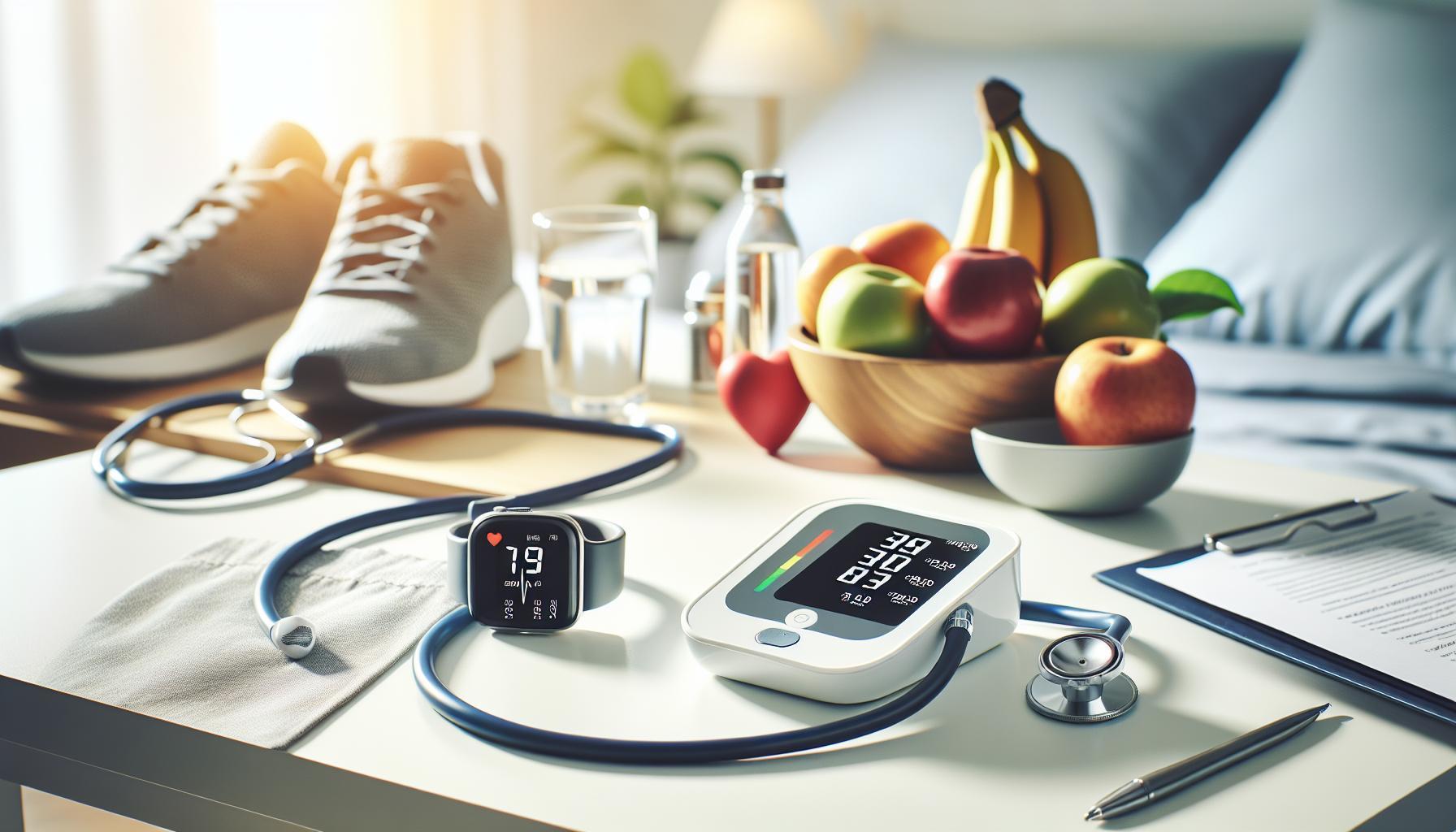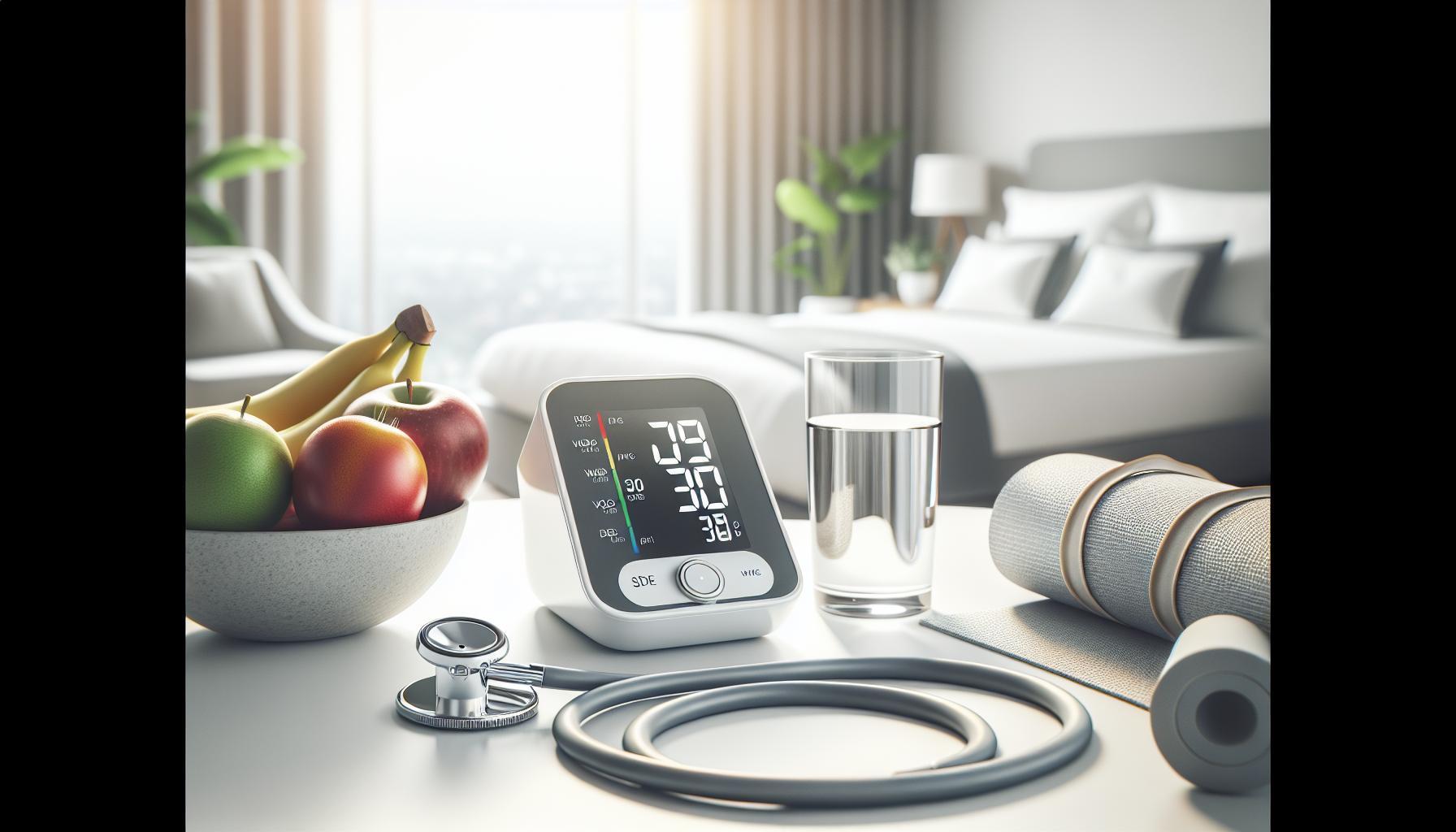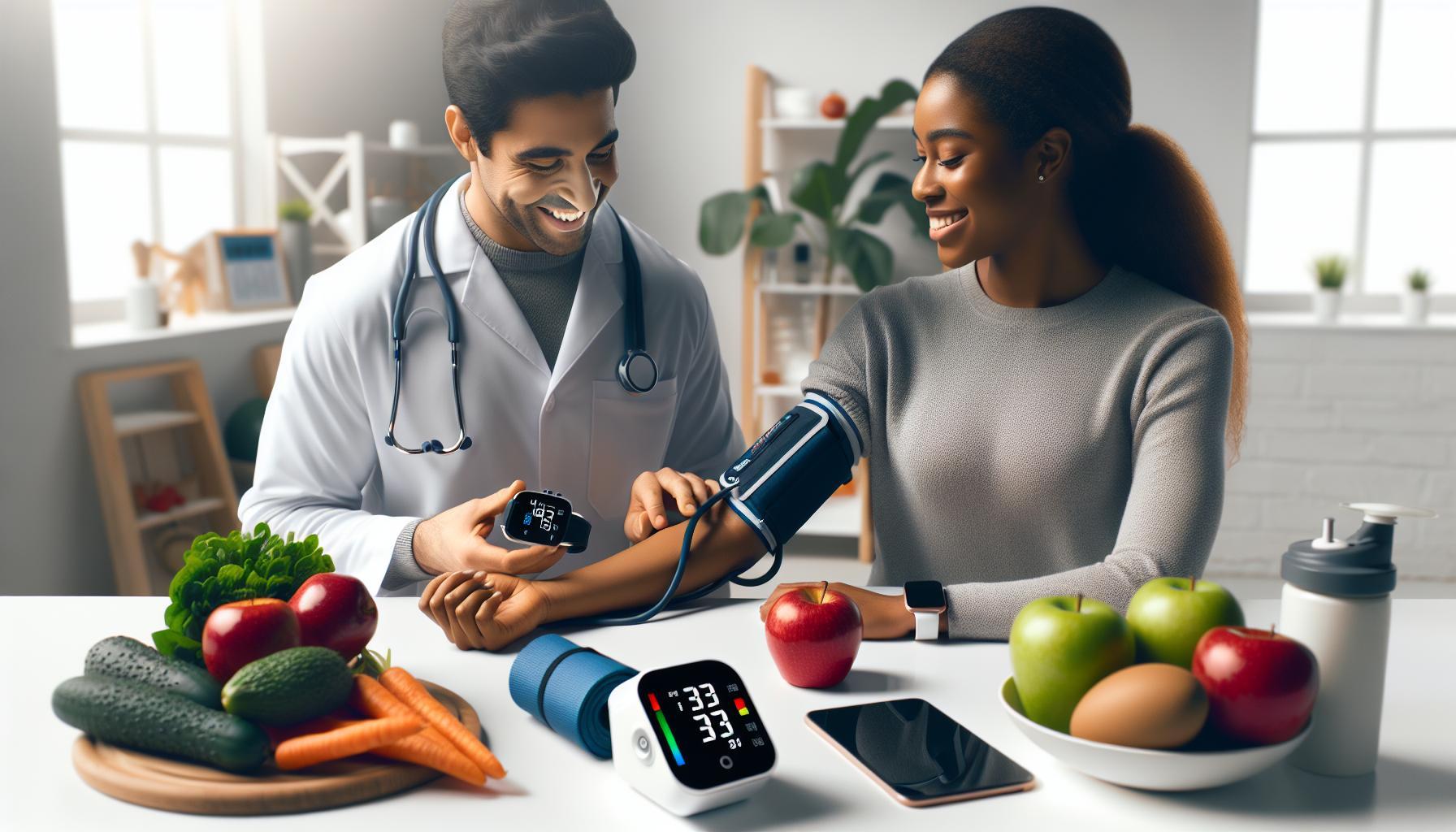

Understanding and managing your blood pressure is essential for maintaining overall health, especially for those with chronic conditions. If you qualify for Medicaid, you might be eligible to receive a free blood pressure monitor, empowering you to take control of your health from the comfort of your home. This guide will walk you through the eligibility criteria and necessary steps to secure your device.
Monitoring blood pressure regularly can help you identify potential health issues early and engage in proactive health management. With the right tools and knowledge, you can make informed decisions about your health and engage in meaningful conversations with your healthcare provider. Curious about how to obtain this valuable resource? Read on to discover how easily you can access a free blood pressure monitor through Medicaid and enhance your wellness journey.
Understanding Medicaid Coverage for Blood Pressure Monitors
Understanding your options for obtaining a blood pressure monitor through Medicaid can empower you to take control of your health. Blood pressure management is crucial for preventing serious conditions such as heart disease and stroke. Many individuals with Medicaid are eligible for coverage that includes blood pressure monitors, which can be essential for regular monitoring at home. It’s important to know that Medicaid generally covers equipment deemed medically necessary, which includes various types of blood pressure monitors that your healthcare provider can prescribe.
To qualify for assistance, your healthcare provider will need to assess your health condition and determine whether a monitor is necessary for your treatment and management plan. This typically involves documenting any diagnosis that warrants home monitoring, such as hypertension or other cardiovascular conditions. Coverage may vary by state, as Medicaid programs operate differently across the country. Therefore, contacting your state’s Medicaid office or reviewing your benefits can provide specific information relevant to your situation.
When navigating this process, it’s beneficial to gather documentation from your healthcare provider outlining your need for a monitor. Be prepared to fill out any required forms and submit them for approval. Additionally, research the types of monitors covered under your specific plan to ensure you select one that meets your needs. Options may include automatic digital monitors or traditional manual devices. The right choice often depends on your personal comfort level and any advice from your healthcare team.
By effectively managing your blood pressure at home, you can stay proactive about your health. Regular monitoring not only allows you to track your progress but also keeps you and your healthcare provider informed about any necessary adjustments to your treatment plan. With the right tools and support, maintaining optimal blood pressure control becomes a more manageable and empowered part of your everyday life.
Eligibility Requirements for a Free Blood Pressure Monitor
Managing blood pressure effectively is crucial for preventing serious health complications, and leveraging resources like Medicaid can provide vital support. Many individuals who meet specific eligibility criteria can access free blood pressure monitors through their Medicaid coverage. Understanding these requirements is essential for ensuring that you receive the necessary equipment to maintain your health.
To qualify for a free blood pressure monitor, your healthcare provider must determine that you have a medical need for home monitoring. This usually involves a diagnosis such as hypertension, heart disease, or other related conditions that necessitate regular blood pressure checks. It’s important to have clear documentation of your medical condition from your healthcare provider, as this will be required for the eligibility assessment.
Medicaid eligibility requirements can vary by state, but generally, you must meet certain income thresholds or belong to predefined categories, such as being a parent, pregnant, elderly, or a person with disabilities. In many states, proof of these factors is necessary for obtaining benefits. It’s advisable to contact your local Medicaid office to clarify any state-specific requirements and to understand how your health needs align with Medicaid’s coverage policies.
When preparing to apply for Medicaid coverage for a blood pressure monitor, gather pertinent information such as your health records and a letter from your healthcare provider justifying the need for a monitor. This proactive approach can streamline the application process and ensure that you meet all requirements, making it easier to receive the tools necessary for effective blood pressure management.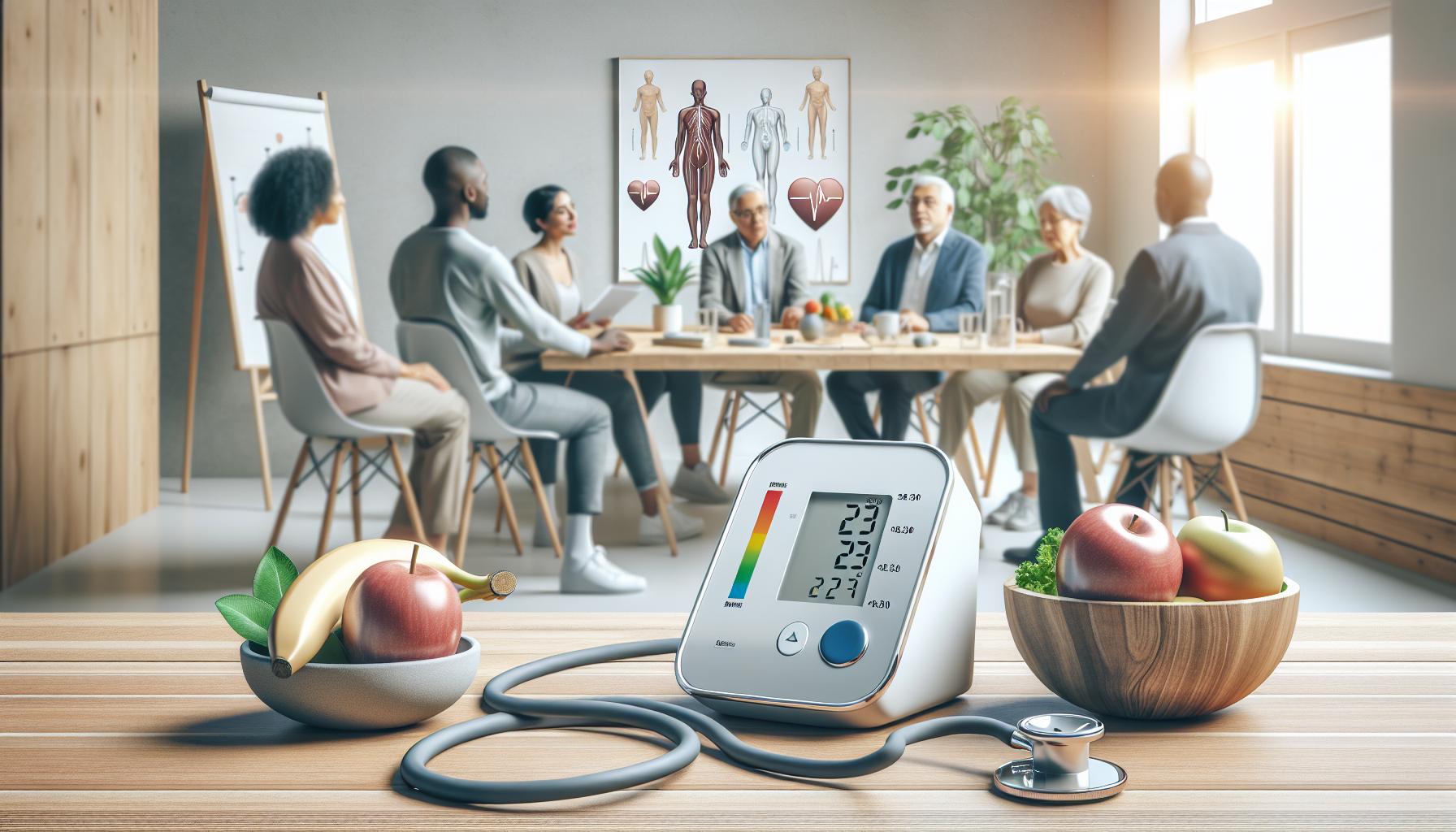
Step-by-Step Application Process for Medicaid Benefits
Navigating the application process for Medicaid benefits can feel daunting, especially when you’re focused on managing your health. However, understanding the necessary steps can pave the way to securing a free blood pressure monitor that significantly aids in keeping your blood pressure in check. This essential tool can enhance your home health management by allowing you to monitor your condition more effectively, providing you with valuable data to share with your healthcare provider.
To begin, ensure that you have a clear medical reason for needing a blood pressure monitor. This usually involves obtaining a written endorsement from your healthcare provider stating your diagnosis-common conditions include hypertension or heart disease. Having this documentation is crucial, as it substantiates your medical need when you approach your local Medicaid office.
Once you have the required documentation, gather additional information, including your income details and proof of Medicaid eligibility. Reach out to your local Medicaid office or visit their website to find out about state-specific requirements. Some states may require additional forms to confirm your income or household size, so prepare these documents ahead of time. This proactive approach not only streamlines your application process but also demonstrates your commitment to managing your health.
After assembling your documents, fill out the Medicaid application form completely. Pay careful attention to any fields related to your medical necessity for a blood pressure monitor. In some states, it may be beneficial to include your healthcare provider’s contact information, allowing Medicaid representatives to verify your medical need directly. Once your application is submitted, keep a record of your submission date and follow up regularly to check on the status of your application. If approved, you will receive information on how to obtain your monitor, potentially at no cost to you. With diligence and preparation, you can navigate this process successfully and take an important step towards better managing your blood pressure.
Types of Blood Pressure Monitors Covered by Medicaid
Monitoring your blood pressure at home can significantly improve your health outcomes, especially if you’re living with conditions like hypertension or heart disease. Understanding the types of blood pressure monitors that Medicaid covers can empower you to make informed choices that suit your lifestyle and medical needs.
Medicaid typically covers a range of blood pressure monitors, ensuring that individuals have access to the tools they need for effective home health management. The types usually include:
- Automatic Digital Monitors: These are the most user-friendly options. They inflate automatically and display readings on a digital screen, making them suitable for individuals who may have difficulty with manual devices.
- Manual Monitors: Often used in clinical settings, these require a stethoscope and a little more skill to operate. They can be a cost-effective option, but may not be suitable for everyone.
- Upper Arm Monitors: Generally considered more accurate than wrist monitors, upper arm monitors offer reliable readings and are the preferred choice for most healthcare providers.
- Wrist Monitors: While convenient and often portable, wrist monitors can be less accurate compared to upper arm options. They are, however, easier to use for those who have difficulty with arm positioning.
When selecting a blood pressure monitor, consider your specific needs and physical abilities. Medicaid requires that the monitor be deemed medically necessary, so it’s essential to communicate with your healthcare provider about which type would work best for you based on their expertise and your health condition.
In addition to device type, ensure that the monitor has clear calibration information and is validated for accuracy. Consider features such as memory capabilities for tracking previous readings, which can help you provide valuable data to your healthcare provider and better manage your condition effectively. With the right monitor, you’ll not only keep tabs on your blood pressure more conveniently but also feel empowered in your journey toward better health.
How to Select the Right Blood Pressure Monitor
Selecting the right blood pressure monitor can significantly impact your ability to manage hypertension and related health issues from the comfort of your own home. With various options available, understanding the key features and considerations can empower you to choose a device that meets your specific needs.
When evaluating a blood pressure monitor, consider the following factors:
- Type of Monitor: Automatic digital monitors are user-friendly and ideal for most users, while manual monitors may be more cost-effective but require some skill. Choose according to your comfort level and ability.
- Measurement Accuracy: Upper arm monitors are generally recommended for their accuracy compared to wrist monitors. Look for devices that are clinically validated to ensure reliable readings.
- Ease of Use: Ensure the monitor is easy to operate and that you can comfortably position it, especially if mobility is a concern. Features like large displays and simple interfaces can enhance usability.
- Memory and Data Tracking: A monitor with memory functions will help you track readings over time, which is essential for discussing blood pressure trends with your healthcare provider.
- Comfort and Fit: The cuff size should fit comfortably around your arm. An improper fit can result in inaccurate readings, so it’s crucial to measure your arm size to find a compatible device.
- Calibration Information: Choose a monitor that is easy to calibrate and comes with clear instructions. Regular calibration ensures accuracy and reliability over time.
Engage with your healthcare provider during the selection process to ensure that the monitor you choose is medically necessary and fits your health needs. They can offer recommendations based on your specific health conditions and lifestyle, ensuring that the monitor you choose provides the best possible support for managing your blood pressure effectively.
Tips for Safe and Accurate Blood Pressure Monitoring
Monitoring your blood pressure at home can be a powerful way to take control of your heart health. However, to obtain the most accurate readings, it’s essential to follow specific guidelines that enhance reliability and safety. Here are some tips to ensure your blood pressure monitoring experience is both effective and accurate.
First, consistency is key. Always measure your blood pressure at the same time each day, whether in the morning, afternoon, or evening. This routine helps establish a pattern and reduces variability in your readings. Additionally, prior to taking a measurement, sit quietly for five minutes in a comfortable position to help stabilize your heart rate. It’s vital to avoid caffeine, smoking, or vigorous exercise for at least 30 minutes before measuring, as these factors can artificially elevate your blood pressure.
Proper Cuff Placement
For an accurate reading, ensure the cuff is placed correctly. The cuff should rest on bare skin, about one inch above your elbow. Wrap it snugly but not too tight, as a poorly fitting cuff can lead to incorrect measurements. When using an automatic device, keep your arm relaxed and at heart level during the reading. After taking your measure, take a second reading one to two minutes later to verify accuracy, and calculate the average of the two readings for a more accurate assessment.
Record Your Measurements
Keeping a log is crucial for tracking your blood pressure over time, which can inform discussions with your healthcare provider. Use a simple notebook or a mobile app to document each reading, noting the date, time, and context (e.g., whether you just ate). This habit not only empowers you but also provides valuable information for your doctor, helping with ongoing management plans.
Incorporating these practices into your routine can greatly enhance the accuracy and reliability of your home blood pressure monitoring. Remember, managing your blood pressure is a key component of maintaining your overall health, and doing so with care and precision will empower you in your healthcare journey.
Managing Blood Pressure: Lifestyle Changes and Support
Managing blood pressure is not solely about adhering to medication; lifestyle changes play a crucial role in maintaining healthy readings and overall heart health. Studies show that simple adjustments in daily routines can significantly influence blood pressure levels. For instance, incorporating regular physical activity, even a daily walk, can help lower blood pressure, improve mood, and boost overall well-being. Strive for at least 150 minutes of moderate-intensity exercise each week, which can include activities such as brisk walking, swimming, or cycling.
Nutrition is another key component of effective blood pressure management. A heart-healthy diet rich in fruits, vegetables, whole grains, low-fat dairy, and lean proteins can help reduce blood pressure levels. The DASH (Dietary Approaches to Stop Hypertension) diet is particularly beneficial, focusing on reducing sodium intake and increasing potassium-rich foods. Aim to limit processed foods that often contain hidden salts and sugars, and read labels carefully to make informed choices.
Additionally, stress management techniques are vital. Regular mindfulness practices, such as meditation or yoga, can lower stress levels and promote relaxation, which in turn helps in controlling blood pressure. Consider incorporating deep-breathing exercises into your daily routine, especially during moments of heightened tension. Building a support network is equally essential; engaging with friends, family, or support groups can provide encouragement and accountability on your journey to better health.
Furthermore, don’t underestimate the power of education and resources available to you. Leverage community health programs or consult with healthcare professionals who can guide you through tailored strategies for your situation. Whether it’s joining a local fitness group or participating in workshops focused on nutrition, these avenues can reinforce your commitment to healthy living and provide valuable support. Through these lifestyle changes and continued self-care, managing blood pressure becomes not just a routine but a holistic approach to enhancing your quality of life.
Exploring Additional Resources for Blood Pressure Health
Managing blood pressure effectively requires not only regular monitoring but also awareness of the resources that can support your health journey. Access to educational materials, local workshops, and community health initiatives can empower individuals to better understand their condition and the tools available to manage it. For those eligible for Medicaid, specific programs are designed to provide assistance and guidance on using free blood pressure monitors, alongside other preventative health services.
To enhance your blood pressure management, consider reaching out to local health departments and non-profit organizations that often offer free seminars or workshops on cardiovascular health. These resources can provide valuable information on maintaining a heart-healthy lifestyle and understanding how to use your monitor correctly. Joining a local support group can also connect you with individuals facing similar challenges, allowing for sharing experiences and strategies that foster motivation and accountability.
Additionally, many online platforms, such as the CDC and the American Heart Association, offer comprehensive guides and tools related to hypertension management. Engaging with these resources can help you stay informed about the latest research and best practices. Many of these organizations also provide newsletters, webinars, and forums designed for ongoing education about heart health.
Remember, integrating technology into your health management can also be beneficial. There are various mobile apps specifically designed to track blood pressure readings, set medication reminders, and provide tips for healthy lifestyle choices. These tools not only simplify the process of monitoring your health but also encourage you to take a proactive approach in your daily management practices. Embracing these additional resources will not only enhance your understanding but also reinforce your commitment to managing blood pressure effectively.
Common Challenges in Obtaining a Monitor and Solutions
Obtaining a free blood pressure monitor through Medicaid can significantly support individuals managing hypertension, but several challenges may arise in the process. For many, understanding the eligibility criteria and benefits can be overwhelming. It’s important to know that while Medicaid offers coverage, complexities exist in navigating its requirements and ensuring one qualifies for the necessary equipment.
First, understanding what documentation is needed for enrollment can be a hurdle. Many applicants may struggle with comprehensive paperwork or proofs of eligibility, such as income statements or medical records. This can lead to confusion and potential delays. A practical solution is to seek assistance from local Medicaid offices or community health organizations. These resources often provide workshops or one-on-one support to help individuals fill out forms correctly and gather all necessary documents. Moreover, some states may have case workers available to provide direct assistance with the entire application process.
Additionally, the choice of blood pressure monitors can be limited, and not all providers might carry the same brands or types of equipment. Individuals may find that some monitors are more user-friendly or technologically advanced than others. It’s beneficial to conduct research or consult healthcare providers regarding the most appropriate options covered by Medicaid. Some community organizations also offer demonstrations on how to use different models, which can empower individuals to select a monitor that fits their lifestyle and comfort level better.
Access to technology can also be a barrier. Some people may lack access to consistent internet service to engage with their Medicaid application, health resources, or telehealth options. In such cases, exploring local libraries, community centers, or programs that provide technology support can be invaluable. These places can often offer access to computers, internet, and helpful staff who can guide individuals through online processes.
In overcoming these challenges, it’s crucial to focus on a proactive approach. Engaging actively with local health networks, utilizing available resources, and building strong communication with Medicaid representatives can relieve some of the complexities associated with obtaining a blood pressure monitor. By fostering a resilient mindset and connecting with supportive services, individuals can navigate these challenges and ensure they have the tools needed to manage their blood pressure effectively.
Success Stories: Real Experiences with Medicaid Coverage
Many individuals have successfully navigated the process of obtaining a free blood pressure monitor through Medicaid, transforming their health management and enhancing their quality of life. These success stories not only highlight the positive impact of accessibility but also offer valuable insights for others looking to embark on a similar journey.
One inspiring example is Sarah, a 62-year-old woman with a history of hypertension. After learning about her eligibility for a blood pressure monitor through Medicaid, she reached out to her local Medicaid office. With guidance from a caseworker, Sarah gathered the necessary documentation, including proof of her medical condition and income statements, and completed her application. Within weeks, she received a state-approved blood pressure monitor that was easy to use. With her new device, Sarah began monitoring her blood pressure at home regularly. This small change empowered her to engage more actively with her healthcare provider, leading to adjustments in her medication and lifestyle changes that ultimately improved her overall health.
Another remarkable case is that of Tom, a hardworking single father who previously struggled with managing his high blood pressure due to his busy schedule and financial constraints. After learning about Medicaid’s coverage for necessary medical devices, he applied for a blood pressure monitor. Tom appreciated that the process could be done online, allowing him to complete it during his free moments. After submission, he sought assistance from a local community health organization that provided him with resources and support. Tom received his monitor swiftly and began incorporating blood pressure checks into his daily routine. With the monitor’s help, he discovered patterns in his blood pressure levels and made informed dietary changes, significantly reducing his readings.
Through these stories, it is evident that knowing how to access the right resources and support can make all the difference. Individuals looking to follow in their footsteps can take proactive steps, such as consulting with local health networks and participating in community workshops. Sharing experiences among peers can also serve as a tool for encouragement and motivation-many communities host support groups that focus on health management, where members can exchange tips and insights about the Medicaid process and device usage.
In conclusion, these success stories underscore the potential of Medicaid coverage to facilitate effective health management. By harnessing available resources and fostering connections within their communities, individuals can find the means to obtain the equipment necessary for monitoring their blood pressure, ultimately enabling them to lead healthier lives.
Monitoring Your Blood Pressure at Home: Best Practices
Regular monitoring of your blood pressure at home can be a transformative step in managing your health, especially for those at risk of hypertension. With the right approach, it not only empowers you to take control of your health but also strengthens the partnership between you and your healthcare provider. By understanding how and when to measure your blood pressure, you can gain valuable insights into your cardiovascular health and make informed decisions about your lifestyle.
To begin, optimal timing and environment are critical. Measure your blood pressure at the same time each day, ideally in the morning before medications or meals. Ensure you’re in a calm environment, sitting comfortably with your back supported and feet flat on the floor. Avoid monitoring after exercise, consuming caffeine, or experiencing stress, as these factors can falsely elevate your readings. Aim to take two or three readings, one minute apart, and record the results to discuss with your healthcare provider.
Equipping yourself with a quality blood pressure monitor is essential. Many people prefer automatic monitors for their ease of use; however, manual monitors can also be effective with adequate training. When selecting a device, ensure it’s validated for accuracy and fits your arm properly. Incorrect cuff size can lead to inaccurate readings. Once you have your monitor, familiarize yourself with its operation before using it. Check the manufacturer’s guidelines and consider keeping a log of your readings, which helps track progress and patterns over time.
Lastly, integrating lifestyle changes into your routine can significantly enhance your blood pressure management. Regular physical activity, a balanced diet rich in fruits and vegetables, and maintaining a healthy weight are crucial. Reducing salt intake, managing stress, and avoiding tobacco and excessive alcohol consumption can further support your goals. Connect with community resources or local health workshops to learn more and find support systems that encourage healthy habits. Engaging in these practices not only helps maintain optimal blood pressure levels but also promotes overall well-being.
Q&A
Q: How can I find out if I qualify for a free blood pressure monitor through Medicaid?
A: To determine eligibility for a free blood pressure monitor through Medicaid, contact your state’s Medicaid office or visit their website. They can provide specific criteria based on income and health needs.
Q: What documentation do I need to apply for a free blood pressure monitor through Medicaid?
A: Typically, you’ll need proof of identity, income verification, and potentially a prescription from your healthcare provider. Check with your state’s Medicaid office for any specific requirements.
Q: Are there specific types of blood pressure monitors that Medicaid covers?
A: Yes, Medicaid often covers a range of monitors, including digital and automatic models. Refer to your state’s Medicaid guidelines for details on which devices are eligible.
Q: Can I get assistance with using my blood pressure monitor after receiving it from Medicaid?
A: Yes, many healthcare providers and organizations offer guidance on using blood pressure monitors. Consider asking your doctor or a local health department for resources or training sessions.
Q: What if my Medicaid application for a blood pressure monitor gets denied?
A: If denied, you can appeal the decision by following the process outlined in your denial letter. It’s beneficial to gather additional documentation or a supporting statement from your healthcare provider to strengthen your case.
Q: How often can I request a new blood pressure monitor through Medicaid?
A: The frequency of getting a new blood pressure monitor can vary by state and individual health needs. Typically, you may need a new prescription or justification from your doctor for replacements.
Q: Can caregivers help me apply for a blood pressure monitor through Medicaid?
A: Yes, caregivers can assist you throughout the application process, helping to gather necessary documents and communicate with healthcare providers to secure a blood pressure monitor.
Q: What are the benefits of monitoring blood pressure at home with a Medicaid-covered device?
A: Monitoring blood pressure at home enables better management of your health, helps track medication effectiveness, and can alert you and your healthcare provider about any potential issues without frequent office visits.
To Conclude
Taking the initiative to secure a free blood pressure monitor through Medicaid can significantly enhance your health management routine. Understanding your eligibility and following the outlined steps are vital for obtaining this essential tool, which empowers you to monitor your health regularly. Don’t wait any longer-act now to ensure your blood pressure stays in check, as timely monitoring can prevent complications down the road.
For more tips on managing your blood pressure effectively, check out our detailed guides on understanding blood pressure readings and exploring lifestyle changes that can support heart health. If you have any lingering questions or would like personalized assistance, feel free to reach out or join our community for further discussions. Remember, taking control of your health starts with informed decisions and proactive measures. Let’s keep the conversation going-share your experience or insights in the comments below!