

Did you know that nearly half of adults in the United States have high blood pressure, a condition often referred to as a “silent killer”? Learning to palpate blood pressure is a crucial skill for both healthcare professionals and individuals monitoring their own health. This effective technique allows you to gauge your heart’s function and detect any potential cardiovascular issues early on.
Understanding how to properly palpate blood pressure empowers you to take control of your health journey. By mastering this essential clinical skill, you can confidently monitor your blood pressure and contribute to healthier lifestyle choices. Whether you’re a healthcare provider or someone with chronic conditions, knowing how to assess blood pressure can vastly improve your management strategies. Continue reading to discover step-by-step methods and expert tips that will enhance your monitoring techniques and bolster your health management efforts.
How Blood Pressure Works: Understanding the Basics
Blood pressure is a vital sign that reflects the force exerted by circulating blood on the walls of blood vessels. Understanding how it works is crucial for anyone involved in health care or personal wellness management. Blood pressure is expressed in millimeters of mercury (mmHg) and consists of two measurements: systolic and diastolic. Systolic pressure, the higher of the two, measures the pressure in your arteries when your heart beats. Diastolic pressure, the lower number, gauges the pressure in your arteries between heartbeats. Together, these values give insight into cardiovascular health.
When measuring blood pressure, the body’s arterial system plays a fundamental role. As the heart pumps blood through the arteries, it creates pressure that must be monitored accurately to detect potential health issues such as hypertension, which can lead to heart disease, stroke, and other serious conditions. Regular monitoring allows for early intervention, lifestyle modifications, or medical treatment when necessary.
To accurately interpret blood pressure readings, it is essential to understand factors that can influence them, such as stress, physical activity, or time of day. For instance, blood pressure naturally fluctuates throughout the day; thus, understanding these variations helps ensure measurements are meaningful and reflective of an individual’s health status. Raising awareness about the importance of consistent and correct measurements empowers both health care providers and patients to take proactive steps towards maintaining optimal cardiovascular health.
Taking the time to educate yourself and others about blood pressure can foster a deeper understanding of its significance in overall health. Regular checks and discussions about blood pressure management strategies lead to better patient outcomes and healthier communities. By integrating such knowledge into daily practices, individuals can navigate their health journey more effectively.
Essential Tools for Blood Pressure Palpation
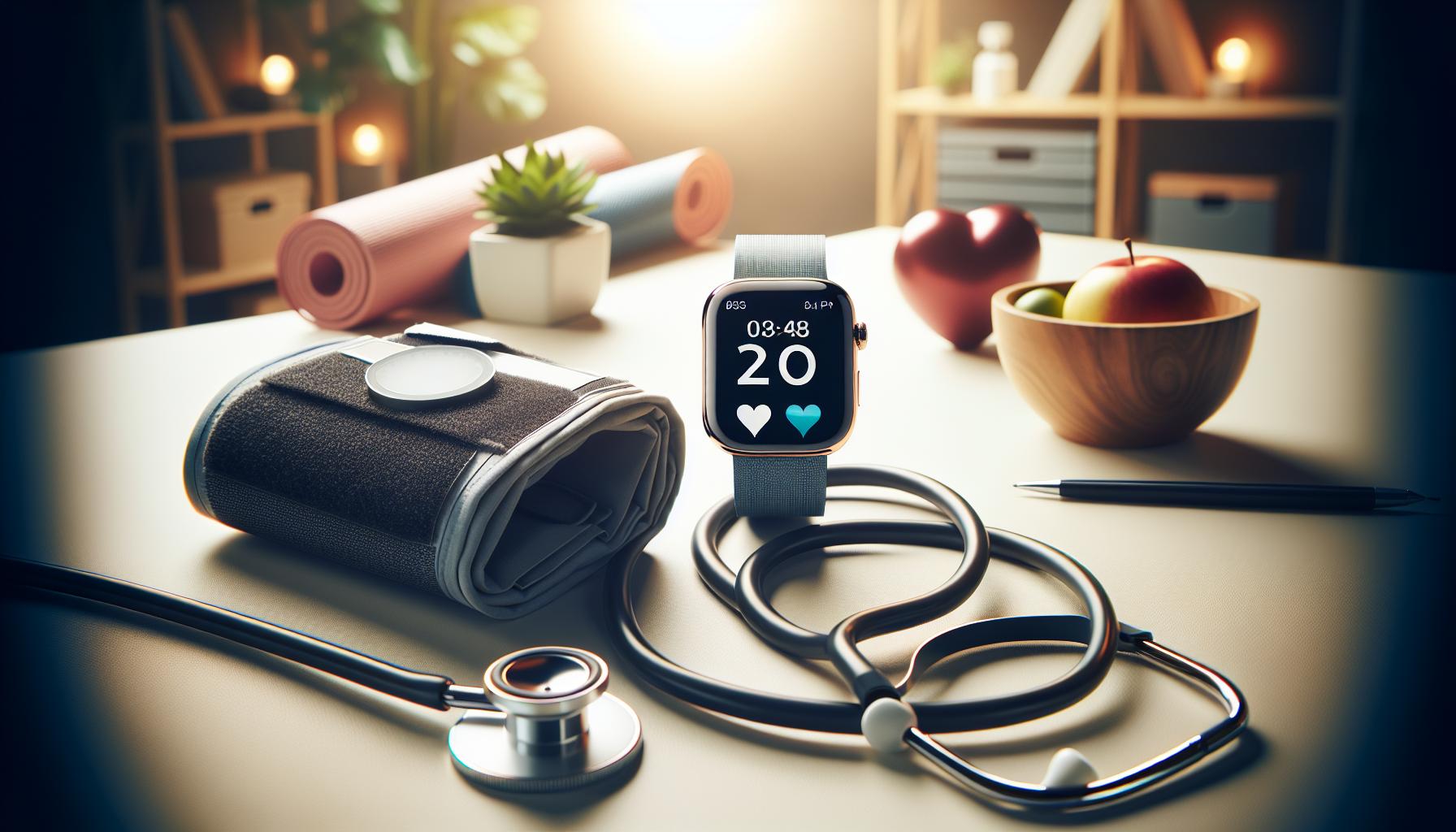
To effectively palpate blood pressure, having the right tools is crucial. The primary instrument used is a sphygmomanometer, which can be manual (aneroid) or digital. Manual sphygmomanometers typically provide more accurate readings when used properly but require a stethoscope to listen to the Korotkoff sounds. A digital sphygmomanometer can offer convenience and ease of use, especially for patients who may have difficulty hearing or understanding the sounds associated with blood pressure measurement.
In addition to the sphygmomanometer, a quality stethoscope is essential for accurate palpation. It allows the clinician to detect the Korotkoff sounds clearly, which are crucial for determining both systolic and diastolic pressures. When choosing a stethoscope, ensure that it provides good acoustics and comfort during use. You may also need alcohol wipes for sanitizing the equipment, as hygiene is a vital aspect of patient care.
Proper patient positioning is another ‘tool’ often overlooked but vital for accurate readings. The patient should be seated comfortably with their arm supported at heart level. Ensuring the limb is relaxed and free from constrictive clothing will enhance the accuracy of palpation. Additionally, a quiet environment will aid in hearing the faint sounds during measurement, minimizing distractions that could affect results.
Lastly, awareness of cuff size is critical for accurate blood pressure readings. Cuffs that are too small can yield falsely high values, while those that are too large may give falsely low readings. A properly fitted cuff should encircle 80% of the arm’s circumference. For specific populations, such as children or those with larger arms, it’s crucial to use the appropriate cuff size to ensure that the readings reflect the patient’s true blood pressure status. By utilizing these essential tools and techniques, clinicians can enhance the reliability of blood pressure measurements, leading to better patient outcomes and effective monitoring of cardiovascular health.
Step-by-Step Guide to Palpating Blood Pressure

To accurately palpate blood pressure, one must follow a structured approach that combines technique, experience, and the right tools. Blood pressure palpation is a vital skill in clinical practice, as it provides essential information about cardiovascular health. This process not only helps assess a patient’s condition but also enhances the clinician’s ability to make informed decisions regarding treatment.
Start by ensuring that the patient is comfortably seated, with their arm supported at heart level and unobstructed by tight clothing. This position reduces muscle tension and provides a more accurate reading. Next, choose the proper cuff size based on the patient’s arm circumference-the cuff should cover about 80% of the arm to avoid misreading. Wrap the cuff snugly around the upper arm and ensure it’s positioned just above the elbow.
Once the cuff is correctly placed, inflate it to a pressure about 20-30 mmHg above the point where you can no longer palpate the radial pulse on the wrist. After reaching this point, slowly release the pressure in the cuff while listening for the return of the pulse. The point at which you first feel the pulse return represents the systolic blood pressure. To enhance the accuracy of your palpations, consider these steps:
- Maintain a steady release of cuff pressure, about 2-3 mmHg per second.
- Use fingers to palpate the pulse rather than the palm, which can be less sensitive.
- Be attentive to environmental factors-conduct your assessment in a quiet area to minimize distractions.
By following these steps and consistently practicing the technique, clinicians can improve their palpation skills. Remember that palpated readings, while useful, should ideally be supplemented with auscultation or digital methods for a more comprehensive assessment of blood pressure. This combination not only bolsters accuracy but also empowers healthcare professionals to deliver better patient care.
Common Mistakes When Palpating Blood Pressure
When it comes to palpating blood pressure, common mistakes can lead to inaccurate readings and misinterpretations of a patient’s cardiovascular health. Understanding these pitfalls is crucial for any clinician looking to enhance their skills and deliver precise care. One frequent error is failing to select the appropriate cuff size. Using a cuff that is too small can produce falsely elevated readings, while a cuff that is too large may give inaccurately low results. Always assess the patient’s arm circumference and choose a cuff that covers approximately 80% of the arm’s circumference to ensure optimal accuracy.
Another prevalent mistake occurs during the inflation and deflation of the cuff. Inflating too rapidly can cause discomfort and doesn’t allow enough time for the pulse to be accurately assessed. It’s recommended to inflate the cuff to a pressure that is 20-30 mmHg above the point where the radial pulse disappears, but more importantly, the clinician should deflate the cuff slowly and steadily-ideally at a rate of 2-3 mmHg per second. This careful technique allows for a more precise determination of the systolic pressure, enhancing the reliability of the reading.
Clinicians can also overlook the importance of environmental factors. Conducting assessments in noisy or distracting settings can interfere with the accuracy of palpation. Establishing a quiet, calm environment helps ensure that external noises do not mask subtle changes in pulse return, which is critical when determining blood pressure. Moreover, the positioning of the patient’s arm is vital; it should be supported and at heart level. If the arm is too low or too high, it may skew the readings.
Encouragement should be emphasized here: by being aware of these common mistakes, healthcare professionals can significantly enhance their patient assessments. Consistent practice and attention to detail, such as the careful selection of cuff size, controlled inflation and deflation rates, and a focus on the assessment environment, will build confidence in blood pressure monitoring. This confidence translates into better patient outcomes and strengthens the clinician’s role in comprehensive cardiovascular care.
Interpreting Palpated Blood Pressure Readings
Understanding how to interpret palpated blood pressure readings is crucial for accurate cardiovascular assessment. When a healthcare professional palpates blood pressure, they rely on feeling the pulse as the blood flow is occluded and then released, which can yield valuable insights into a patient’s circulatory status. The ability to interpret these readings correctly can empower clinicians to make informed decisions quickly, enhancing overall patient care.
To adequately assess palpated blood pressure, clinicians typically focus on the first pulse that is felt again during the gradual deflation of the cuff, which indicates the systolic pressure. However, reliance solely on palpation can be limiting, as it provides only the systolic value, which means the diastolic pressure remains unknown. Therefore, it is wise to integrate palpated readings with auscultated measurements for a fuller picture of the patient’s blood pressure status.
Here’s a practical approach to :
- Evaluate the Systolic Pressure: The point at which the pulse returns after cuff inflation indicates the systolic pressure. For example, if you feel the pulse return at 120 mmHg, note this as the systolic reading.
- Understand Contextual Factors: Take into account the patient’s clinical situation. For instance, a young athletic individual may have lower systolic readings typically compared to an elderly patient. Recognizing normal variations across different populations helps in accurate interpretation.
- Communicate Findings: Always document and communicate the findings clearly. If the palpated reading is significantly different from previous measurements, follow up with more definitive testing or supplementary monitoring to ensure accuracy.
By building on these principles, healthcare providers can establish a more accurate and reliable approach to blood pressure monitoring. This knowledge not only improves clinical competence but also contributes to better patient outcomes by fostering a responsive and informed healthcare environment.
How to Teach Blood Pressure Palpation Effectively
Effective teaching of blood pressure palpation combines practical demonstration with clear communication, enabling learners to master this essential clinical skill. Start by informing students about the physiological basis of blood pressure measurement. Understanding the significance of systolic and diastolic pressures enhances their grasp of why this skill is critical for patient care. Engaging learners with interactive methods, such as utilizing real or simulated patients, facilitates the hands-on practice that reinforces their learning.
To help students refine their palpation technique, consider the following structured approach:
- Demonstration: Begin with a live demonstration where you palpate the brachial or radial pulse while explaining the steps clearly. Show how to properly position the cuff and where to place the fingers to feel for the pulse effectively.
- Guided Practice: Allow learners to practice under supervision. Provide feedback as they locate the pulse and apply the cuff. Use positive reinforcement to build their confidence and correct any inconsistencies in technique.
- Peer Teaching: Encourage learners to pair up and teach each other the technique. This not only solidifies their own understanding but also helps them develop communication skills essential for future patient interactions.
- Question and Answer Sessions: Create a culture of inquiry by inviting questions throughout the training. Address misconceptions and clarify the importance of accurate palpation, including its role in determining hypertension or other cardiovascular issues.
Incorporating varied teaching methods, such as visual aids, feedback loops, and collaborative learning, can significantly enhance the overall effectiveness of the training. Additionally, regular assessments and reflections after practice sessions can deepen students’ understanding and application of palpation in a clinical context. This multifaceted approach equips learners not only with the technical skills needed but also with the confidence to perform palpation independently, ultimately contributing to improved patient outcomes in their future practice.
Advanced Techniques for Accurate Blood Pressure Measurement
Accurate blood pressure measurement is crucial not only for diagnosing hypertension but also for assessing overall cardiovascular health. As practitioners, employing advanced techniques can significantly enhance the reliability of the readings obtained through palpation. Understanding the physiological and environmental factors that influence blood pressure can empower healthcare professionals to achieve more precise measurements.
One effective approach involves patient positioning. Ensure that the patient is seated comfortably with their back supported and legs uncrossed. The arm should be at heart level, which can be aided by using a table or pillow. Additionally, taking multiple readings at different times, especially if the initial measurement appears inconsistent, can help capture fluctuations that may occur due to anxiety or situational stress.
Proper cuff selection is equally important. The cuff should envelop about 80% of the arm circumference for optimal accuracy. In cases where the standard cuff size is inappropriate (either too large or too small), employing a cuff specifically designed for larger or pediatric patients can yield more accurate readings. When measuring blood pressure in the thigh for patients with appropriate circumstances, it is essential to use larger cuffs designed for that region to ensure an accurate assessment.
Another advanced technique is the Korotkoff sounds recognition during auscultation, which can also integrate palpation strategies. By carefully palpating while auscultating, practitioners can better discern the onset and disappearance of these sounds, enhancing accuracy in determining systolic and diastolic pressures. For enhanced efficacy, use a stethoscope with good acoustic properties and ensure that it is positioned correctly over the brachial artery.
Lastly, keeping a consistent environment can minimize variables influencing blood pressure. Avoiding caffeine and nicotine prior to measurement, ensuring adequate rest, and creating a calm atmosphere can significantly impact patient comfort and accuracy. This blend of patient comfort, environmental control, and refined techniques leads to improved confidence in blood pressure readings, which is essential for effective patient management and tailoring treatment plans.
By integrating these advanced techniques into practice, healthcare providers can elevate the standard of care, ensuring patients receive the most accurate assessments possible. These practices not only enhance clinical outcomes but also foster trust and understanding between providers and patients.
Safety Considerations in Blood Pressure Monitoring
Accurate blood pressure monitoring is essential not just for diagnosing hypertension but also for preventing its complications. Practicing safe techniques during blood pressure measurement can significantly enhance both patient comfort and the reliability of the readings. Ensuring a safe environment and adhering to proven guidelines can help avoid common pitfalls and foster an atmosphere of trust and efficiency.
To prioritize safety, begin with ensuring the correct environment for blood pressure measurement. Avoid any distractions that might cause anxiety or discomfort to the patient. Natural light and a quiet space can help the patient feel at ease, which can lead to more accurate readings. Additionally, educating the patient about the process can alleviate worries and provide reassurance.
Proper training for healthcare professionals is vital. Ensure that practitioners understand the correct methods for both palpation and auscultation. This includes thorough knowledge of cuff sizes, positioning, and the physiological factors that can impact measurements, such as the effects of recent activity or stress. Prior to taking a reading, practitioners should familiarize themselves with the patient’s medical history, which can help interpret the readings in context.
Regular maintenance and calibration of blood pressure equipment are also key safety considerations. Equipment that is not functioning correctly can lead to inaccurate readings, which may misguide treatment decisions. By routinely checking devices and ensuring they meet standards, healthcare providers can confidently rely on their tools to produce accurate and consistent results.
Incorporating these safety measures into routine practice not only protects patients but also empowers healthcare providers to deliver higher standards of care. By instilling confidence in both the process and the results, practitioners can support patients in managing their health more effectively, ultimately aiming for better health outcomes.
Integrating Palpation with Other Blood Pressure Methods
Palpation, a fundamental skill in blood pressure assessment, provides valuable insight into a patient’s hemodynamic status, especially when integrated with other measurement techniques. It serves as a reliable initial assessment method, particularly in settings where standard sphygmomanometers may not be readily available or practical. By embracing palpation in harmony with auscultation and oscillometric methods, healthcare professionals can enhance their blood pressure evaluation, leading to more accurate and informed clinical decisions.
To effectively integrate palpation with other blood pressure methods, start with blood pressure auscultation, wherein the healthcare provider listens for Korotkoff sounds using a stethoscope while inflating a cuff. This method provides precise systolic and diastolic readings. Before auscultation, a palpated reading can be taken to estimate the systolic pressure. By palpating the radial artery while slowly inflating the cuff, the practitioner can detect the point at which the pulse reappears. This preliminary assessment offers a valuable reference, allowing the practitioner to set an appropriate inflation level and reduce the risk of unnecessarily high pressure during measurement.
Another effective approach is to combine palpation with oscillometric devices, which measure blood pressure based on oscillations in the arterial wall. For instance, performing a palpated reading prior to using an oscillometric device can help clinicians understand if the device’s automatic readings fall within a normal range for that specific patient. This practice not only enhances confidence in the device’s accuracy but also assists in troubleshooting any potential discrepancies on the first attempt, ensuring a reliable outcome.
Lastly, always remember that patient comfort and trust are paramount. Explaining the rationale behind using multiple methods can help alleviate patients’ anxiety about blood pressure monitoring. Reinforcing the idea that different techniques can validate each other instills confidence and engages patients in their own health management. By fostering an environment of collaboration and transparency, healthcare providers can improve overall satisfaction and promote better clinical outcomes while ensuring accurate blood pressure monitoring.
Real-Life Scenarios: Clinical Applications of Palpation
In clinical practice, palpation of blood pressure is a skill that not only aids in routine assessments but also shines in critical situations where rapid and accurate evaluation is necessary. For example, when a patient presents with signs of shock, swift blood pressure palpation can provide immediate feedback on their hemodynamic stability. By palpating the radial artery while slowly inflating the cuff, a healthcare provider may quickly ascertain the systolic pressure, which is crucial for determining the urgency of further interventions. This method is especially valuable in emergency settings where time is of the essence and equipment may not be immediately available.
Another real-life scenario involves patients with difficult venous access, such as those undergoing dialysis, where traditional blood pressure measurement might be hindered by the presence of fistulas or grafts. In these cases, palpation can serve as a more effective preliminary tool for blood pressure estimation. By obtaining a palpated reading at the wrist or upper arm, clinicians can avoid discomfort and reduce the need for multiple attempts at locating veins, thereby ensuring a more patient-friendly approach to monitoring blood pressure during routine assessments in the dialysis unit.
Additionally, palpation plays a critical role in pediatrics. Young children often resist the use of automated devices or may lack sufficient arm circumference for accurate cuff placement. By using palpation, healthcare providers can obtain reliable readings through the brachial artery, ensuring that a child’s vital signs are tracked accurately and non-invasively. This approach not only enhances the accuracy of the assessment but also alleviates anxiety that children may feel about the process.
In situations where patients are experiencing anxiety or discomfort about monitoring-common in those with chronic conditions-providing reassurance through effective communication about the palpation technique can significantly enhance patient experience. Sharing that palpation is a helpful and quick method prior to more formal readings can ease worries and build trust, encouraging patients to engage more actively in their health management. By illustrating practical examples like these, healthcare providers can appreciate the versatility and critical importance of palpation in various clinical contexts, making it an indispensable skill in their practice.
The Role of Blood Pressure in Comprehensive Patient Care
Effective blood pressure monitoring is essential in comprehensive patient care, serving not just as a routine assessment but as a pivotal tool for detecting and managing potential health issues. High blood pressure, or hypertension, is often labeled “the silent killer” due to its asymptomatic nature, yet it plays a critical role in numerous cardiovascular diseases. By recognizing the importance of regular blood pressure checks, healthcare providers can empower patients to take charge of their health, ultimately improving outcomes and quality of life.
One key aspect is understanding how blood pressure reflects overall cardiovascular health. It can indicate the risk of stroke, heart attack, and other serious complications. Regular monitoring, especially through methods like palpation, enables healthcare providers to quickly assess blood pressure changes and intervene timely. This can be particularly important in patient populations at risk, such as those with diabetes or a family history of heart disease. For example, establishing a routine schedule for blood pressure checks can encourage patients to report any concerning symptoms, fostering a proactive approach to their health management.
Moreover, integrating blood pressure monitoring into patient education can enhance comprehension and engagement. When patients understand the significance of their blood pressure readings, they are more likely to adhere to lifestyle modifications, such as dietary changes and regular exercise. Utilizing teach-back methods during consultations can ensure patients grasp their targets and the implications of their blood pressure levels.
Promoting consistent tracking within an individual’s health routine opens avenues for discussion about broader health strategies. Creating a supportive environment where patients feel comfortable discussing their readings and any related concerns aids in building trust and encourages ongoing dialogue regarding lifestyle factors that contribute to hypertension. The comprehensive approach to patient care around blood pressure not only addresses the clinical aspect but also nurtures the patient-provider relationship, fostering a partnership that can lead to better health outcomes.
Incorporating simple, structured monitoring can be vital. Utilizing tools like home blood pressure monitors and maintaining a log can help patients track their blood pressure over time, offering both the healthcare provider and the patient valuable insights. This shared responsibility in blood pressure management enhances patient autonomy and confidence, emphasizing that their health is a collaborative endeavor between themselves and their healthcare team.
Improving Patient Comfort during Blood Pressure Checks
During blood pressure checks, creating a comfortable environment for patients is crucial to ensure accurate readings and to ease any anxiety they may feel. A study found that patients’ anxiety can significantly affect their blood pressure measurements, often leading to falsely elevated readings. By implementing mindful practices, healthcare providers can foster a supportive atmosphere that encourages collaboration and enhances the accuracy of results.
To begin, choose the right setting. Ensure that the examination room is quiet, well-lit, and free from distractions. Provide comfortable seating and maintain a pleasant temperature to help patients feel at ease. Additionally, take a moment to explain the procedure clearly and calmly, which can demystify the process and reduce any apprehensions. Use open-ended questions, such as, “How are you feeling today?” or “Do you have any concerns about this check?” This encourages dialogue and provides insight into the patient’s emotional state.
Practical Steps for Enhancing Comfort
Consider implementing the following strategies to further improve patient comfort during blood pressure checks:
- Positioning: Make sure the patient is seated comfortably with their back supported and feet flat on the ground. The arm used for the measurement should be at heart level.
- Technique: Use a calibrated sphygmomanometer and ensure that the cuff fits snugly without being too tight. A proper fit not only aids in the accuracy of the readings but also minimizes discomfort.
- Time to adjust: Allow the patient a few minutes to relax before taking the measurement. This can help in reducing anxiety and reflecting a more accurate blood pressure.
- Distraction techniques: Encourage the patient to focus on their breathing or provide distractions like light conversation or calming music in the background.
By utilizing these approaches, healthcare providers not only enhance the comfort of their patients but also align themselves with best practices for accurate blood pressure monitoring. These steps reinforce the importance of patient-centered care, ensuring that each individual feels respected and valued during their health assessments. As trust is built between the patient and the provider, patients will be more inclined to engage in proactive health management, leading to better outcomes and a more collaborative approach to care.
Q&A
Q: What is the best position for a patient when palpating blood pressure?
A: The best position for a patient is sitting with their back supported, legs uncrossed, and arm at heart level. This position facilitates accurate measurement by ensuring proper blood flow and eliminates potential interference from muscle tension or postural influences.
Q: How can I improve my technique for palpating blood pressure?
A: To improve palpation technique, ensure proper alignment of the cuff and a relaxed setting for the patient. Practice locating the brachial artery quickly and apply consistent pressure with your fingers while monitoring for pulse characteristics to accurately determine systolic pressure.
Q: Why is palpating blood pressure important in clinical assessments?
A: Palpating blood pressure is crucial as it provides a quick assessment of a patient’s cardiovascular status and aids in determining the systolic pressure when a sphygmomanometer is not available, or when other methods are less accurate in certain situations.
Q: What factors can affect blood pressure readings during palpation?
A: Factors affecting blood pressure readings include patient anxiety, body position, limb movement, and external temperature. It’s vital to control these variables to ensure accurate and consistent readings during palpation procedures.
Q: When should I use palpation to measure blood pressure instead of auscultation?
A: Use palpation instead of auscultation when the patient’s condition may affect the ability to hear Korotkoff sounds, such as in cases of severe hypotension, extreme obesity, or when a reliable stethoscope is unavailable.
Q: How can I teach patients about the importance of accurate blood pressure monitoring?
A: Educate patients by explaining the significance of blood pressure control in preventing health issues like heart disease and stroke. Use visual aids and demonstrations to illustrate how to properly measure their blood pressure at home, emphasizing consistency and technique.
Q: What are common mistakes to avoid while palpating blood pressure?
A: Common mistakes include applying excessive pressure, not stabilizing the artery, or neglecting to position the patient’s arm correctly. Avoiding these errors can greatly enhance the accuracy and reliability of your palpated readings.
Q: How often should blood pressure be palpated in clinical practice?
A: Blood pressure should be palpated during routine health assessments, when patients report symptoms suggesting hypertension or hypotension, and whenever medication management requires monitoring. Regular checks ensure early detection of potential health issues.
In Conclusion
Now that you’re equipped with the essential skills for palpating blood pressure, remember that consistent practice will enhance your confidence and accuracy. By mastering this technique, you’re not just checking a number; you’re taking an essential step toward effective health management. Don’t wait to apply these skills-practice today to prepare for real-world scenarios.
For further learning, explore our related articles on “Understanding Blood Pressure Readings” and “Best Practices for Patient Communication.” These resources will deepen your knowledge and help you engage more effectively with patients. If you found this guide helpful, consider subscribing to our newsletter for more clinical tips and insights, or check out our consultation services for professional support. Your journey in mastering clinical skills continues here-let’s take the next step together!