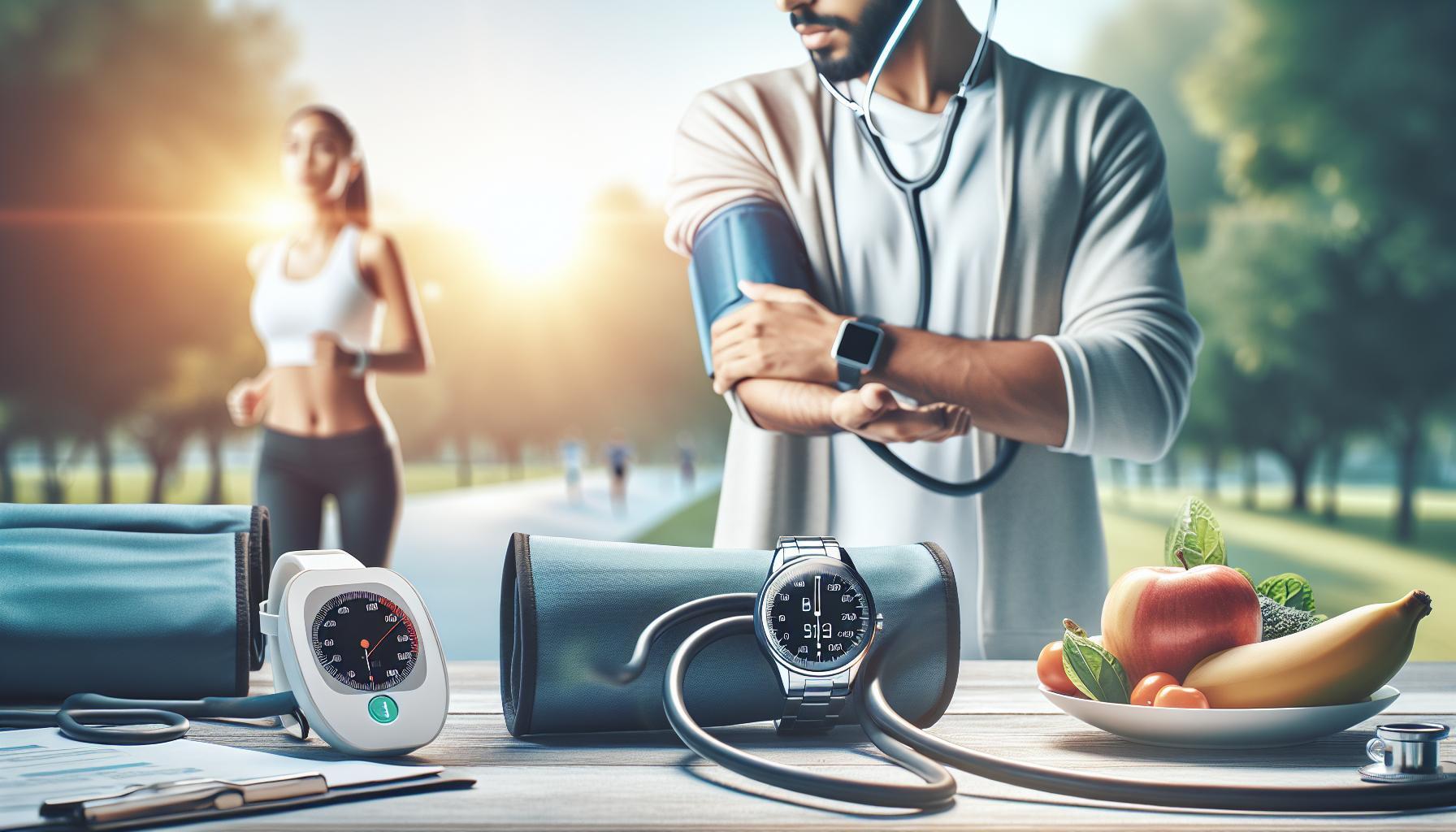

Every professional driver knows that maintaining a healthy blood pressure is crucial, not just for passing the DOT blood pressure test, but for ensuring safety on the road. Did you know that nearly one in three adults in the U.S. has high blood pressure? This statistic underscores the importance of understanding and managing your blood pressure levels effectively.
For drivers, the stakes are even higher. Not only does hypertension affect your health, but it can also impact your ability to drive and your job security. This article provides essential tips to help you navigate the DOT blood pressure requirements and achieve optimal health. Whether you’re preparing for your CDL medical exam or looking to improve your overall wellness, these practical strategies will empower you to take control of your health and drive safely. Continue reading to discover how you can pass the DOT blood pressure test with confidence and maintain a healthy lifestyle on the road.
Understanding the DOT Blood Pressure Test Requirements

Maintaining healthy blood pressure is crucial for drivers, especially those required to pass a Department of Transportation (DOT) blood pressure test. This test is designed to ensure that drivers do not have uncontrolled hypertension, which could impair their ability to operate a vehicle safely. Understanding the requirements of this test can help you adequately prepare and manage your health.
To pass the DOT blood pressure test, your reading must be at or below 140/90 mmHg. If your blood pressure exceeds this threshold, it may result in disqualification from receiving or renewing your commercial driver’s license. It’s important to note that many factors can influence your blood pressure at the time of the test, including anxiety, caffeine intake, and physical condition. Therefore, being aware of how these elements can impact your readings is essential for achieving desirable results.
Preparation is key. You should monitor your blood pressure regularly leading up to the test, ideally at the same time of day for consistency. Identify trends-if you notice higher readings, consult with your healthcare provider about strategies to lower your blood pressure. In the days leading up to the test, reduce sodium intake and engage in stress-reducing activities such as walking or mindfulness exercises. On the day of the test, it’s advisable to avoid caffeine beforehand and arrive early to allow yourself time to relax before the assessment.
Ultimately, passing the DOT blood pressure test is a matter of understanding your body and taking proactive steps. By incorporating healthy practices into your routine, you can enhance your chances of not only passing the test but also maintaining overall health and safety on the road.
Common Causes of High Blood Pressure in Drivers
High blood pressure, or hypertension, can sneak up on drivers, often stemming from lifestyle factors that may seem innocuous at first. It’s a condition increasingly recognized as a significant risk, particularly for those in the driving profession, where long hours and stressful situations are commonplace. Understanding the common causes of high blood pressure can help drivers take proactive steps to Maintain healthy levels and successfully pass their DOT blood pressure tests.
One major contributor to elevated blood pressure is stress. Long hours on the road, tight deadlines, and the pressure to meet regulations can create acute and chronic stress, leading to increased heart rates and blood pressure spikes. Additionally, poor diet practices, such as high sodium intake and low consumption of fruits and vegetables, can contribute significantly to hypertension. Drivers often eat on the go and may choose convenient fast-food options that are typically high in calories and sodium, further complicating blood pressure management.
Another factor is physical inactivity. Many drivers spend the majority of their days seated, which can lead to weight gain and decreased cardiovascular health. Even short, regular breaks for stretching or walking can help mitigate these effects. Furthermore, alcohol and tobacco use are known risk factors for hypertension. Regular consumption can damage blood vessels and increase heart rate, making these behaviors particularly harmful for those who drive for a living.
Finally, it’s essential to recognize genetic predispositions. Some individuals may be more prone to developing high blood pressure due to family history. This highlights the importance of regular health check-ups and monitoring. Drivers should engage in discussions with healthcare providers to assess their risks and develop tailored strategies to manage their blood pressure effectively.
By understanding these common causes, drivers can better navigate their health. With awareness, lifestyle alterations, and a commitment to monitoring their blood pressure, they can enhance their overall well-being and increase the likelihood of passing the DOT blood pressure test.
Effective Strategies to Lower Blood Pressure Naturally
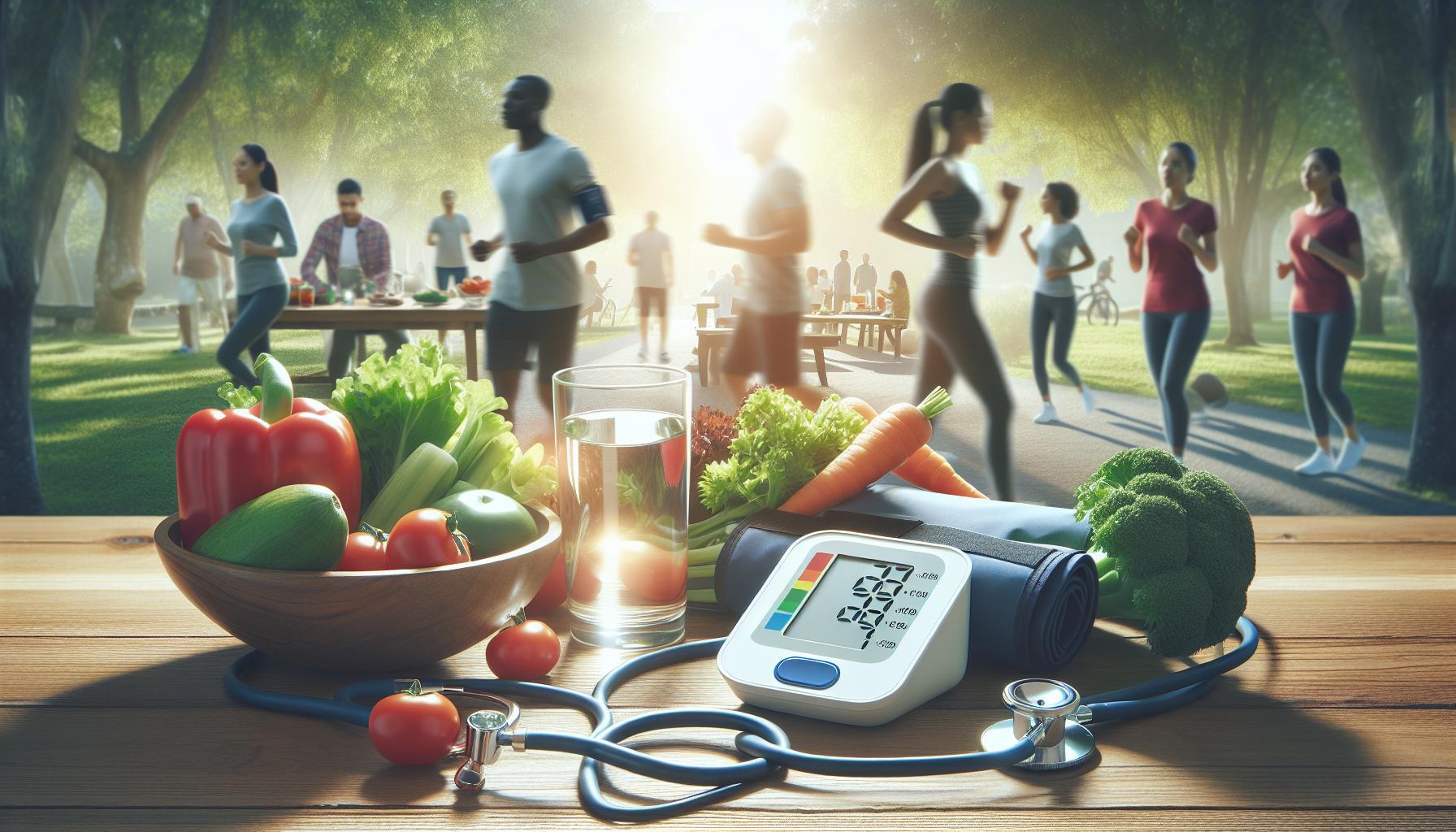
Hypertension is often labeled the “silent killer” due to its lack of symptoms until serious complications arise. However, drivers can take proactive steps to manage and lower blood pressure naturally, ensuring both their health and their capacity to pass the DOT blood pressure test. With a focus on lifestyle adjustments, individuals can effectively combat the stressors and habits that contribute to high blood pressure.
Emphasizing a balanced, heart-healthy diet is foundational. Incorporating foods rich in potassium, like bananas, spinach, and sweet potatoes, can help counteract the effects of sodium. Adopting the DASH (Dietary Approaches to Stop Hypertension) diet has shown significant benefits in lowering blood pressure. This diet is rich in fruits, vegetables, whole grains, and lean proteins while being low in saturated fats and cholesterol. Drivers can plan their meals ahead of time, opting for nutrient-dense snacks such as nuts, seeds, or yogurt to replace high-sodium fast food options while on the road.
Another effective strategy lies in regular physical activity. Even during long driving shifts, it’s essential to look for opportunities to engage in movement, such as taking walking breaks or doing stretches during rest stops. Incorporating aerobic exercises-like brisk walking, cycling, or swimming-into a weekly routine can significantly assist in reducing blood pressure over time. Aim for at least 150 minutes of moderate cardiovascular exercise each week, which can be broken up into manageable sessions.
Stress management plays a crucial role as well. Techniques such as mindfulness, deep breathing exercises, or simply taking a moment to pause during work can reduce acute stress levels that may lead to temporary spikes in blood pressure. Establishing a routine that includes relaxation activities, whether it’s practicing yoga, meditating, or enjoying a peaceful hobby, can offer long-term benefits for emotional and physical health.
By implementing these strategies, drivers not only improve their chances of passing the DOT blood pressure test but also foster a healthier lifestyle that can significantly impact their overall well-being. Regular monitoring, healthy dietary choices, physical activity, and stress management are all vital components in maintaining optimal blood pressure levels.
How to Prepare for Your DOT Blood Pressure Test
Preparing for a DOT blood pressure test can feel daunting, but with the right strategies, you can approach it with confidence. Understanding that blood pressure levels can fluctuate due to various factors makes it crucial to be well-prepared. A calm mind and good health practices will not only increase your chances of passing the test but also enhance your overall well-being.
Start by monitoring your blood pressure regularly in the weeks leading up to the test. This will help you understand your baseline readings and encourage you to make necessary adjustments to your routine. Invest in a reliable blood pressure monitor; knowing how to use it properly can help you gather consistent data. Aim to take readings at the same time each day-ideally in the morning and evening-and record them for review.
When it comes to lifestyle adjustments, make a plan to gradually reduce caffeine and sodium intake a few days before your test, as both can contribute to temporary spikes in blood pressure. Instead, hydrate adequately with water and focus on consuming foods rich in potassium, such as bananas and leafy greens, which can help balance your sodium levels. Here are some additional steps to consider:
- Get enough sleep: Ensure you have a good night’s sleep before the test day, as fatigue can affect your results.
- Avoid stress: Engage in relaxation techniques like meditation or deep breathing exercises leading up to the test to help keep your blood pressure in check.
- Plan your test day: Dress comfortably and allow yourself plenty of time to reach the testing location to avoid any unnecessary anxiety.
On the day of the test, try to arrive relaxed; take a few minutes to sit quietly before your test. When it’s time for your blood pressure to be measured, approach it as a routine check-up rather than a high-stakes situation. Remember, understanding how to control your environment-such as reducing noise and excess movement-can also play a role in achieving the best possible reading. Through consistent monitoring and mindful lifestyle choices, you’re actively working toward maintaining optimal blood pressure levels, leading to greater health and a successful outcome on your DOT test.
Monitoring Your Blood Pressure at Home: A Guide

Monitoring your blood pressure at home can be a game changer in understanding and managing your health, especially as you prepare for a DOT blood pressure test. By regularly tracking your readings, you gain valuable insights into what influences your blood pressure, empowering you to take consistent, proactive steps towards healthier levels. Surprisingly, incorporating just a few simple practices can greatly enhance the reliability of your measurements and your confidence in your health management.
To start, selecting a reliable blood pressure monitor is crucial. Look for one that fits comfortably and is validated for accuracy. There are many options available, including wrist and upper arm monitors. Ensure you follow the manufacturer’s instructions for optimal use. It’s best to take your readings at the same times each day to establish a routine. For example, aim for two readings in the morning before breakfast and two in the evening. This consistency helps you identify trends and fluctuations in your blood pressure.
When taking a reading, create a calm environment: sit quietly for a few minutes beforehand, keep your feet flat on the ground, and rest your arm at heart level. Avoid talking during the measurement. If your readings consistently exceed recommended levels, don’t panic. Instead, use this information to guide your lifestyle modifications, such as adjusting your diet, increasing physical activity, or consulting a healthcare professional for personalized advice.
Consider keeping a log of your readings:
| Date | Time | Systolic (top number) | Diastolic (bottom number) |
|---|---|---|---|
| MM/DD/YYYY | HH:MM AM/PM | ### | ### |
Recording your blood pressure along with any relevant notes on how you felt before measuring can reveal useful patterns. If you notice spikes during stressful times or after certain foods, you can make targeted adjustments. Ultimately, taking charge of your home monitoring routine not only strengthens your chances of a successful DOT test outcome but also leads to a healthier lifestyle overall – one that prioritizes both safety and well-being on the road.
Choosing the Right Diet for Healthy Blood Pressure
Eating the right foods is a powerful way to manage blood pressure and improve overall health, especially for those preparing for a DOT blood pressure test. The connection between diet and blood pressure is well-documented; what you choose to consume can have a significant impact on your readings. Emphasizing fresh, whole foods while minimizing processed options can help keep blood pressure levels in check and support your driving health.
A heart-healthy diet rich in fruits, vegetables, whole grains, lean proteins, and healthy fats can make a substantial difference. Foods high in potassium, such as bananas, sweet potatoes, avocados, and spinach, help balance sodium levels and alleviate pressure within your blood vessels. The DASH diet (Dietary Approaches to Stop Hypertension) is another effective eating plan designed to lower blood pressure. It emphasizes the intake of fruits, vegetables, whole grains, and limits salt, sugar, and red meat, making it easier to control hypertension naturally.
When preparing meals, aim for a colorful plate filled with nutrient-dense options. Incorporate a variety of foods from different food groups:
- Fruits and Vegetables: Aim for at least five servings a day. Berries, leafy greens, and citrus fruits are excellent choices.
- Whole Grains: Opt for brown rice, quinoa, barley, or whole-wheat products over refined grains.
- Lean Proteins: Include skinless poultry, fish, beans, and legumes, as they are lower in unhealthy fats.
- Healthy Fats: Choose sources like nuts, seeds, olive oil, and avocados, which support heart health.
When it comes to sodium, the key is moderation. Aim to limit your daily intake to under 2,300 milligrams, or even lower if possible, to help keep your blood pressure in a healthy range. This means being mindful of the salt you add during cooking and avoiding high-sodium processed foods like canned goods, fast food, and snack foods.
Incorporating these dietary changes not only helps you prepare for your DOT blood pressure test but can also improve your overall well-being. By making mindful choices and planning your meals, you can take significant strides towards reducing your blood pressure and enhancing your driving safety.
The Role of Exercise in Blood Pressure Management
Engaging in regular physical activity can serve as one of the most effective methods for managing blood pressure, particularly for those preparing for a DOT blood pressure test. Studies have shown that consistent exercise can help lower systolic and diastolic blood pressure by improving heart health and enhancing blood flow through the arteries. In fact, just 30 minutes of moderate exercise most days of the week can significantly contribute to lowered blood pressure levels, making it an essential practice for drivers concerned about their health.
To incorporate exercise into your routine effectively, consider a mix of aerobic and strength-training activities. Aerobic exercise, such as walking, cycling, swimming, or jogging, boosts cardiovascular fitness and aids in weight management, both of which are crucial for maintaining healthy blood pressure. Aim for at least 150 minutes of moderate aerobic activity, or 75 minutes of vigorous activity, each week. Additionally, resistance training-such as using weights or engaging in bodyweight exercises-improves overall muscle strength and can further assist in blood pressure regulation. Incorporating strength training at least two days a week can have added benefits.
#### Practical Steps for an Exercise Routine
Here are some practical steps to help you get started:
- Set Realistic Goals: If you’re new to exercising, start slowly with short sessions of 10-15 minutes, gradually increasing duration and intensity as your fitness improves.
- Find Activities You Enjoy: Engagement is key! Discover what workouts you look forward to, whether it’s dancing, hiking, or group classes.
- Incorporate Movement Into Your Day: Look for opportunities to be active throughout your day-take the stairs instead of the elevator, or park further away to walk more.
- Stay Consistent: Consistency is vital. Try to schedule your workouts like appointments, ensuring you dedicate time each week specifically for exercise.
#### Monitoring Your Progress
As you start to exercise, keep track of your blood pressure readings to observe the positive changes. Use a home blood pressure monitor to gauge how your levels respond to your increased activity. Remember to discuss your plans with a healthcare provider, especially if you have pre-existing health conditions or concerns. Regular check-ins can also provide motivation and keep you accountable on your fitness journey. Achieving control over your blood pressure not only enhances your health but also boosts your confidence when it’s time for your DOT blood pressure test.
Managing Stress to Maintain Optimal Blood Pressure
Managing high blood pressure effectively goes hand-in-hand with stress management, especially for drivers preparing for the DOT blood pressure test. Stress can lead to spikes in blood pressure, making it crucial to adopt strategies that foster a calm and stable emotional state. Engaging in regular relaxation techniques can significantly impact overall blood pressure levels, contributing to a successful test outcome.
Practicing mindfulness through meditation or deep-breathing exercises can create instant relief from stress. For instance, spending just a few minutes each day focusing on your breath can reduce anxiety and help regulate your body’s physiological responses to stress. Additionally, ensuring you take breaks throughout the day-whether it’s a short walk or simply stepping outside for fresh air-can provide a much-needed escape and help reset your mental state.
Another effective way to manage stress is through social support. Connecting with friends, family, or support groups can help absorb emotional burdens and offer practical advice. Engaging in hobbies or activities that bring joy can also act as a powerful counterbalance to daily pressures. Consider dedicating time to interests that recharge your spirit, such as reading, gardening, or crafting.
Lastly, it’s important to recognize the power of maintaining a routine. A structured daily schedule can limit uncertainty and reduce anxiety, enabling better control over emotional responses. Incorporating regular physical activity-whether it’s a brisk walk, yoga, or cycling-can release endorphins that naturally enhance mood and reduce stress, making it a key strategy in blood pressure management. By prioritizing stress management techniques, drivers can position themselves for success not only in passing the DOT blood pressure test but also in maintaining long-term health.
Medications for Controlling Blood Pressure: What to Know
High blood pressure, or hypertension, is a common condition that affects millions of individuals and can be particularly concerning for drivers preparing for the DOT blood pressure test. Understanding medications available for managing high blood pressure is crucial for drivers to ensure they can maintain optimal health and pass their assessments. From diuretics to ACE inhibitors, there is a diverse range of medications available, each with unique mechanisms and effects.
These medications generally fall into several categories, each targeting blood pressure reduction through different pathways:
Categories of Blood Pressure Medications
- Diuretics: Often referred to as “water pills,” these help eliminate excess sodium and water from the body, decreasing blood volume and pressure.
- ACE Inhibitors: These medications block the angiotensin-converting enzyme, which helps relax blood vessels, reducing blood pressure.
- Beta-blockers: By slowing the heart rate and reducing the force of each heartbeat, beta-blockers can effectively lower blood pressure.
- Calcium Channel Blockers: These prevent calcium from entering heart and blood vessel cells, leading to relaxed and widened blood vessels.
- Angiotensin II Receptor Blockers (ARBs): ARBs block the action of a natural substance that constricts blood vessels, helping to lower blood pressure.
When considering blood pressure management, it is essential for drivers to consult their healthcare provider to discuss which medication is most appropriate for their specific health needs. For those already on medication, it’s vital to adhere strictly to the prescribed regimen, as inconsistency can lead to fluctuations in blood pressure that may jeopardize the results of the DOT test. Regular monitoring of blood pressure at home can support this adherence, allowing individuals to track their readings and discuss any irregularities with their healthcare professional.
Additionally, understanding potential side effects of blood pressure medications is important. Some individuals may experience dizziness, fatigue, or mild headaches, which can affect driving ability. If such side effects occur, it’s crucial to communicate with a healthcare provider to assess whether a dosage adjustment or a change in medication is necessary. With the right guidance and practices in place, drivers can take control of their blood pressure management, ensuring that they not only pass the DOT blood pressure test but also maintain overall health and safety on the road.
The Importance of Regular Health Check-Ups
Regular health check-ups are essential for drivers, particularly those managing high blood pressure. A staggering number of individuals remain unaware they have hypertension, often until it manifests in serious health complications. Routine screenings can help detect elevated blood pressure levels early, enabling timely intervention. During these check-ups, healthcare providers can assess not only blood pressure but also other critical factors such as cholesterol levels, body weight, and overall heart health, providing a comprehensive picture of the driver’s wellbeing.
Monitoring blood pressure trends over time is crucial for effective management. During check-ups, drivers can discuss their readings, lifestyle changes, and medication efficacy with their healthcare providers. This dialogue is vital; adjustments may be needed based on findings. For instance, if a driver consistently shows elevated readings, the healthcare professional can recommend modifications to medication or lifestyle to help lower blood pressure. Moreover, these appointments offer an opportunity to educate drivers about the importance of stress management, diet, and exercise, equipping them with the tools they need to maintain optimal health.
Incorporating regular health check-ups into one’s routine fosters a proactive approach to health management. It is not just about passing the DOT blood pressure test; it’s about ensuring long-term health and safety on the road. Drivers should aim for at least annual visits, but more frequent check-ups may be beneficial if they have a history of hypertension or other cardiovascular issues. By taking this initiative, drivers can confidently manage their health while fulfilling their driving responsibilities, ultimately promoting safer roadways for everyone.
Debunking Myths About High Blood Pressure and Driving
Hypertension is often misunderstood, leading to misconceptions that can affect how drivers approach their health and responsibilities. One prevalent myth is that high blood pressure itself disqualifies a person from being a safe driver. In reality, many individuals with elevated blood pressure can and do drive safely-what’s crucial is effective management and regular monitoring. Understanding this can empower drivers to take charge of their health without undue fear of restrictions based solely on their condition.
Another common fallacy is that only medication can control high blood pressure. While medication plays a key role for many, lifestyle changes such as improved diet, regular exercise, and stress management are equally significant. Engaging in heart-healthy activities, such as walking, yoga, or a balanced diet rich in fruits and vegetables, not only supports blood pressure control but also enhances overall wellbeing. In fact, studies show that lifestyle modifications can have a profound impact, sometimes even reducing the need for medication.
Furthermore, some believe that blood pressure fluctuates only in stressful situations, like during a DOT test. While stress can indeed cause temporary spikes in blood pressure, ongoing hypertension is usually a result of a combination of factors, including genetics, weight, and diet. Regularly monitoring blood pressure at home allows drivers to become familiar with their baseline readings, helping them recognize the influence of stress and enabling them to take timely action when their numbers rise.
An empowering approach for drivers is to focus on proactive health management rather than simply hoping for a good reading during testing. Integrating daily practices like relaxation techniques and consistent health check-ups can significantly enhance control over blood pressure. By debunking these myths, drivers can foster better health management habits that not only help them pass the DOT blood pressure test but also support long-term health and safety on the road.
Resources for Drivers with High Blood Pressure
Staying informed and equipped is vital for drivers managing high blood pressure, especially when preparing for the Department of Transportation (DOT) blood pressure test. Knowing where to turn for reliable resources can make a significant difference in both understanding your condition and implementing effective management strategies. Explore the following resources that can guide you on your journey to better health and elevated confidence behind the wheel.
Online Health Portals and Communities
There are reputable health websites that offer extensive resources on hypertension management, including the American Heart Association (AHA) and the Centers for Disease Control and Prevention (CDC). These sites provide tools such as blood pressure trackers, educational articles on lifestyle changes, diet recommendations, and the latest research on hypertension. Moreover, online forums and support groups can connect you with others facing similar challenges, providing a platform for sharing experiences and strategies.
Printable Blood Pressure Log Sheets
Keeping track of your blood pressure readings is essential for recognizing patterns and triggers. Downloadable and printable blood pressure log sheets are available through health organization websites. These logs allow you to document your readings over time, giving both you and your healthcare provider a clearer picture of your blood pressure history. Regular logging can help you identify effective strategies and prompt timely consultations with your doctor.
Local Health Centers and Clinics
Many local health clinics and community health organizations offer free or low-cost blood pressure screenings. Regular check-ups can help maintain awareness and ensure you’re on track with your management plan. Some clinics also provide educational workshops or resources focused specifically on hypertension management, where you can learn about dietary changes, the role of exercise, and stress management techniques.
Mobile Apps for Blood Pressure Monitoring
In the era of smartphones, numerous mobile applications are designed to help users monitor and manage their blood pressure effectively. Apps like MyFitnessPal or Blood Pressure Companion allow for easy tracking of readings, medication scheduling, and lifestyle habits. These tools often come with reminders, guiding users to stay consistent in their health management efforts.
Utilizing these resources empowers drivers to take control of their health. Regular monitoring and informed, proactive management can reduce anxiety surrounding DOT tests and ensure that high blood pressure is kept in check, promoting overall well-being and safety on the road.
Frequently Asked Questions
Q: What is the acceptable blood pressure range for DOT drivers?
A: The acceptable blood pressure range for DOT drivers is typically below 140/90 mmHg. Maintaining this level is crucial for passing the DOT blood pressure test. Drivers should monitor their blood pressure regularly to ensure it remains within this limit for safe driving practices.
Q: How can stress affect my blood pressure before the DOT test?
A: Stress can significantly elevate blood pressure levels due to the body’s adrenaline response. To mitigate this, practice relaxation techniques such as deep breathing, meditation, or yoga prior to the test. Regular stress management can help maintain optimal blood pressure for the DOT examination.
Q: What should I eat before taking the DOT blood pressure test?
A: Consuming a balanced meal low in salt and saturated fat can help lower blood pressure before testing. Incorporate foods rich in potassium, such as bananas or leafy greens, and avoid caffeine or heavy meals right before the test to prevent spike readings.
Q: When should I start preparing for my DOT blood pressure test?
A: Begin preparing for your DOT blood pressure test at least a few weeks in advance. Focus on implementing dietary changes, regular exercise, and stress-reduction techniques, all of which can help stabilize your blood pressure leading up to the test date.
Q: Can I take medication before the DOT blood pressure test?
A: Yes, if you are prescribed medication for high blood pressure, take it as directed by your healthcare provider before the test. Ensure to follow your medication regimen closely to maintain your blood pressure within the acceptable range for the examination.
Q: What lifestyle changes can help me prepare for the DOT blood pressure test?
A: Adopting a healthy lifestyle, including regular physical activity, a balanced diet low in sodium, and stress management techniques, can effectively lower blood pressure. Aim for at least 150 minutes of moderate aerobic activity weekly to improve overall cardiovascular health.
Q: How does hydration affect blood pressure readings during DOT tests?
A: Dehydration can lead to higher blood pressure readings. Ensure you stay well-hydrated in the days leading up to your DOT test, but avoid excessive fluid intake right before testing, as this may also impact results. Balance is key.
Q: What should I know about the consequences of failing the DOT blood pressure test?
A: Failing the DOT blood pressure test can result in disqualification from driving commercial vehicles. It’s essential to address high blood pressure through lifestyle changes or medical treatment to meet the necessary standards and maintain your driving privileges.
Insights and Conclusions
Now that you have the essential tips to successfully pass the DOT blood pressure test, it’s time to take action! Regular monitoring and making strategic lifestyle changes can significantly impact your health and readiness for driving. Don’t hesitate to dive deeper into our extensive resources on blood pressure management and explore related articles like “Healthy Eating Tips for Drivers” and “The Importance of Regular Health Checks.”
Your journey to better health begins with informed choices-consider signing up for our newsletter for ongoing support or consult with our health professionals for tailored advice. Share your thoughts and experiences in the comments below, as your insights may help fellow drivers. Remember, managing your blood pressure isn’t just about passing a test; it’s a crucial step towards a healthier, safer life on the road. Stay empowered and keep pushing toward your health goals!