
Monitoring your dog’s blood pressure is crucial for their overall health, particularly as they age or if they have existing health issues. High blood pressure, or systemic hypertension, can lead to serious complications if left undetected and untreated. Did you know that even our furry friends can suffer from hypertension just like humans? Understanding how to accurately measure your dog’s blood pressure can empower you to take proactive steps in safeguarding their health.
This step-by-step guide will walk you through the process of measuring your dog’s blood pressure, making it easy and accessible for any pet owner. By learning this vital skill, you can better detect potential health concerns early on and work closely with your veterinarian to ensure your canine companion remains happy and healthy. Keep reading to discover the simple techniques and expert tips that will provide you with the confidence to monitor your dog’s blood pressure effectively.
How to Prepare for Taking Your Dog’s Blood Pressure
Preparing for the blood pressure measurement of your dog is crucial in ensuring accurate readings and a stress-free experience for both you and your pet. Did you know that even slight changes in how you prepare can significantly impact the results? The environment, temperature, and your dog’s emotional state all play vital roles in obtaining a reliable reading. Begin by creating a calm and quiet space where your dog feels secure. This reduces anxiety and helps to normalize their blood pressure prior to measurement.
Before you take the measurement, familiarize your dog with the equipment, if possible. Allow them to sniff the blood pressure cuff or device so that they associate it with positive experiences. Spend a few moments engaging your dog in gentle play or loving petting to alleviate any stress they might have. This not only puts your dog at ease but also strengthens the bond between you during this process. Additionally, ensure your dog is comfortable and positioned correctly, ideally resting calmly on their side or sitting quietly in a relaxed posture.
Consider the time of day for the measurement as well; consistency is key. Try to monitor their blood pressure when they are most relaxed, and avoid right after vigorous activity or stressful events. Keeping a leash handy can help keep them steady but do not restrain your dog tightly as this could cause unnecessary stress. For a more effective preparation, ensure that your dog is well-hydrated and has not eaten for a couple of hours prior to the measurement. This can help in normalizing their body’s functioning, setting a baseline for an accurate reading.
By following these steps, you ensure that both the environment and your dog are prepared for the process, leading to a smoother experience that yields reliable results. With a mindful approach, measuring your dog’s blood pressure can become a routine part of their health care.
Understanding the Importance of Dog Blood Pressure
Monitoring your dog’s blood pressure is an essential aspect of their overall health care, yet it’s often overlooked. Just as hypertension in humans can lead to severe health complications, dogs are equally susceptible to the detrimental effects of abnormal blood pressure levels. Regular blood pressure checks can detect issues early, allowing for timely intervention that can significantly improve your dog’s quality of life.
Understanding why blood pressure is significant involves recognizing the risks associated with high or low readings. A systolic pressure above 160 mmHg indicates hypertension, which can lead to organ damage, heart issues, and various other complications if not managed effectively. Conversely, hypotension, or low blood pressure, can compromise blood flow to vital organs, leading to fainting spells or shock. By becoming proactive in monitoring your dog’s blood pressure, you empower yourself to catch potential health problems before they escalate, ensuring a longer, healthier life for your furry companion.
Making this practice a part of your dog’s regular health routine can also enhance the bond between you and your pet. It demonstrates your commitment to their well-being and fosters an environment of trust and care. Regular assessments can provide insights into how your dog reacts to various situations, environments, and treatments, aiding not just in blood pressure management, but in comprehensive health monitoring as well.
Involving your veterinarian in this process is crucial, as they can provide guidance on setting a baseline for your dog’s normal blood pressure readings and alert you to any sudden changes that might require action. By taking these steps, you’ll not only help maintain your dog’s physical health but contribute to their emotional well-being as well, transforming the blood pressure measurement into a shared, supportive experience rather than a stressful obligation.
Essential Tools for Accurate Measurement
To ensure accurate measurement of your dog’s blood pressure, having the right tools is crucial. Just like in human healthcare, the tools you use can directly affect the reliability of the readings you obtain, meaning that a well-prepared environment and proper equipment can lead to healthier outcomes for your pet.
Start with a veterinary-grade blood pressure monitor designed specifically for dogs, as these devices account for the unique physiology of canine patients. Digital monitors often come equipped with oscillometric technology that detects and analyzes fluctuations in pressure, giving you precise readings. Look for monitors that come with varying cuff sizes to ensure a comfortable, snug fit around your dog’s leg or tail, as an ill-fitting cuff can lead to inaccuracies.
Essential tools include:
- Blood Pressure Monitor: A vetted device that fits your dog’s size.
- Dog Cuff or Band: To apply around your dog’s leg or tail, ensuring it fits snugly without being too tight.
- Stethoscope (if applicable): For manual blood pressure measurement, allowing for more in-depth understanding.
- Calm Environment: A quiet, comfortable space to minimize stress and ensure that your dog is relaxed during the measurement process.
In addition to the equipment, preparing your dog before the measurement is vital. Allow time for your pet to acclimate to the environment and the tools being used. Provide positive reinforcement through treats or praise, fostering a sense of calmness. Performing the measurement in a familiar, peaceful setting can significantly impact the accuracy of your readings.
Equipped with the right tools and a supportive approach, you can effectively monitor your dog’s blood pressure, taking a step towards better health management for your furry friend.
Step-by-Step Process for Measuring Blood Pressure
Measuring your dog’s blood pressure is a critical aspect of assessing their overall health, especially if they are at risk of hypertension or other cardiovascular issues. Following a systematic approach ensures accuracy and helps you feel more confident in the process. Here’s a step-by-step guide to successfully take your dog’s blood pressure.
Before you begin, make sure your dog is calm and relaxed. Choose a comfortable location away from distractions, ensuring a peaceful environment. It’s advisable to allow your dog to acclimatize to the space and equipment to reduce anxiety and yield more accurate readings.
Step 1: Position Your Dog
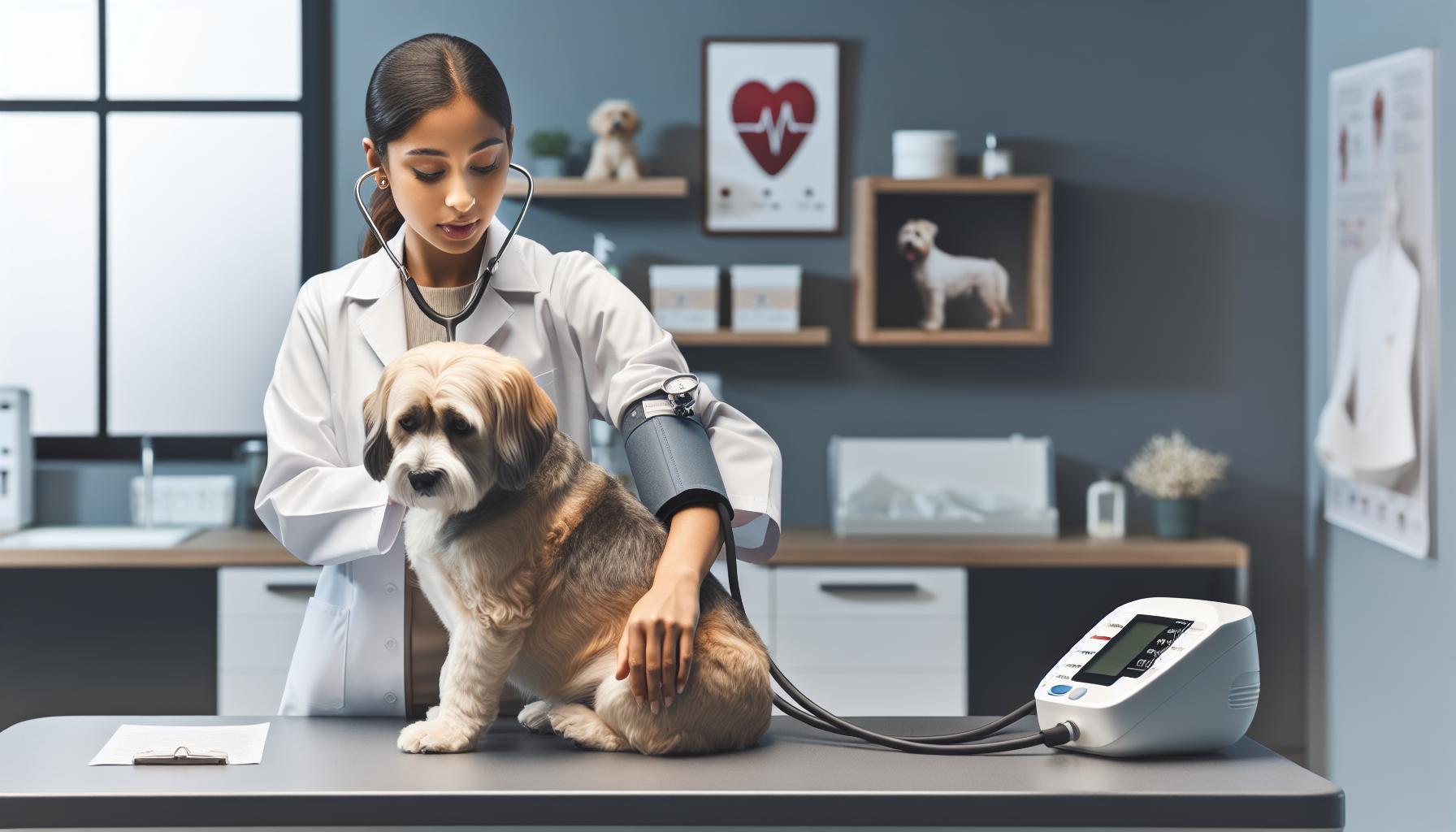
Start by gently placing your dog in a sitting or lying position. If your dog is large, you might need assistance to stabilize them during measurement. For smaller dogs, you can hold them in your lap or on a stable surface like a table. It’s important that your dog is calm and comfortable during this time.
Step 2: Choose the Correct Cuff Size
Select a cuff that fits your dog properly. The cuff should encircle the leg or tail without being too tight or too loose. Follow the manufacturer’s guidelines to ensure you have the right size based on your dog’s breed and size. If you have multiple cuffs, try different ones to find the best fit.
Step 3: Apply the Cuff
Wrap the cuff around the designated area (commonly the front leg) and secure it snugly. Make sure to position it just above the elbow or above the tail base. Always double-check the fitting; an ill-fitting cuff can lead to inaccurate readings.
Step 4: Begin Measurement
Turn on the blood pressure monitor and follow the manufacturer’s instructions. If using a digital monitor, it will initiate the measurement automatically. For manual systems, place the stethoscope under the cuff (if applicable) and inflate the cuff using a bulb until the pressure is sufficient to restrict blood flow, then gradually release the pressure while listening for the heartbeat.
Step 5: Record the Reading
Once the reading is displayed, take note of the systolic and diastolic values along with the heart rate, if available. Repeat the process two to three times for accuracy, and average the readings to get a reliable baseline.
The goal of measuring your dog’s blood pressure is not just about getting the numbers but understanding your pet’s health status. Regular monitoring can help identify trends over time and enable you to make informed decisions in coordination with your veterinarian.
Interpreting Your Dog’s Blood Pressure Readings
Understanding your dog’s blood pressure readings is crucial in evaluating their cardiovascular health. Just like in humans, blood pressure in dogs is measured by two values: systolic and diastolic. The systolic pressure indicates the force of the blood against the artery walls when the heart beats, while the diastolic pressure measures the same force between heartbeats. For healthy dogs, a normal blood pressure reading typically falls below 140 mmHg systolic and 90 mmHg diastolic. Readings consistently above these thresholds may indicate systemic hypertension, warranting further investigation and potential treatment.
In order to interpret the readings accurately, it’s essential to compare them against established benchmarks. For instance, a systolic reading above 160 mmHg suggests hypertension, while values in the range of 140-160 mmHg can be concerning but may not necessitate immediate intervention. Each dog’s normal range can vary based on factors like age, breed, and existing health conditions, making it important to consult with a veterinarian for personalized guidance. Collecting multiple readings in a calm atmosphere is recommended, as stress can artificially elevate blood pressure, leading to misleading conclusions.
Whenever you log your dog’s blood pressure, consider the context of their health and behavior. Regular monitoring will help establish a baseline, enabling you to detect changes over time. If your dog has been diagnosed with hypertension or exhibits symptoms such as lethargy, excessive thirst, or sudden changes in weight, consistent tracking can lead to more prompt and effective treatment. Partner closely with your veterinarian to analyze the patterns in your dog’s readings and adjust their management plan accordingly, ensuring that it aligns with their overall health goals.
By remaining proactive about monitoring and interpreting your dog’s blood pressure, you become an empowered advocate for their well-being. This ongoing engagement can lead to timely interventions and adjustments in lifestyle or medication, fostering a healthier, longer life for your furry friend.
Common Factors Affecting Dog Blood Pressure
Blood pressure in dogs can fluctuate widely due to various factors, making it imperative for pet owners to understand the underlying influences. Recognizing these factors can empower you to take proactive steps in managing your dog’s health. Age is one significant contributor; older dogs often experience higher blood pressure due to the natural aging process, which may lead to changes in blood vessel elasticity and cardiac function. Additionally, certain dog breeds have a predisposition to blood pressure irregularities. For instance, smaller breeds tend to display higher blood pressure compared to larger ones, establishing the importance of baseline readings for individual pets.
Medical conditions can also have a profound impact on blood pressure. Conditions such as chronic kidney disease, diabetes, and hyperadrenocorticism can lead to elevated measurements. Conversely, heart disease can cause hypotension (low blood pressure), complicating diagnosis and management. Medications can play a dual role, sometimes elevating blood pressure while at other times reducing it to safer levels. If your dog is on medication, always consult your veterinarian to understand its potential effects on blood pressure.
Stress and environmental factors are particularly noteworthy, as they can cause temporary spikes in readings. Factors such as a noisy environment, unfamiliar surroundings, or anxiety can significantly affect your dog’s comfort level, resulting in transient hypertension during measurement. To mitigate this, be sure to conduct blood pressure readings in a quiet, calm setting, allowing your pet to acclimate beforehand. It’s often beneficial to practice handling your dog gently to create a stress-free experience during measurement.
Diet plays a crucial role in managing blood pressure. A diet high in sodium can lead to elevated blood pressure, while a balanced diet tailored to your dog’s needs can help maintain healthy levels. Regular exercise is another important factor; physically active dogs tend to have healthier cardiovascular systems. By understanding these diverse influences, you can effectively advocate for your dog’s health and ensure that regular monitoring is both informative and supportive of their overall well-being.
How to Monitor Blood Pressure at Home
Monitoring your dog’s blood pressure at home can be a vital part of managing their overall health, especially for pets with preexisting conditions. Being equipped with the right knowledge and tools allows pet owners to track changes in blood pressure and respond effectively, contributing to preventative care and early detection of health issues.
To get started, you’ll need a suitable blood pressure monitor designed specifically for canines. These monitors can vary significantly in terms of accuracy and features, so it’s essential to select a reputable brand. Proper technique is crucial; consider investing in a digital device that measures blood pressure through the oscillometric method, which is generally easier to use for home monitoring.
Before taking a measurement, ensure your dog is calm and relaxed. Schedule the monitoring session when your dog is in a familiar environment, preferably after a rest period to minimize stress-induced spikes in readings. Here’s a simple process to follow:
Steps for Monitoring Blood Pressure at Home
- Prepare the Environment: Create a quiet space free from distractions where your dog feels comfortable.
- Positioning: Position your dog in a lying down or sitting position, ideally on their side. This position can help reduce anxiety and provide accurate readings.
- Apply the Cuff: Attach the cuff appropriately, usually around the forelimb or tail. Make sure it’s snug but not overly tight to avoid discomfort.
- Take the Measurement: Activate the monitor and allow it to complete the reading. Remember to stay still and keep your dog calm during the process.
- Record Results: Document the readings immediately, including the date and time for future reference. Regular monitoring will help you notice trends over time.
Monitoring should be done periodically as recommended by your veterinarian, or more frequently if your dog has a diagnosed condition that affects their blood pressure. A log of these readings can also be invaluable during veterinary check-ups, providing your vet with critical information about your pet’s health.
With consistent monitoring, you can help ensure your dog’s blood pressure remains within a healthy range, allowing for timely adjustments in lifestyle or medical interventions as necessary. Understanding the numbers is equally important; contact your veterinarian if you notice significant changes in your dog’s readings, as this could indicate a need for medical evaluation or adjustment of treatment plans. By taking an active role in monitoring your dog’s blood pressure, you not only empower yourself but also enhance your dog’s quality of life.
Managing High or Low Blood Pressure in Dogs
Managing your dog’s blood pressure effectively is crucial for ensuring their overall health and well-being. High or low blood pressure can lead to serious health issues, including heart disease and organ damage. As a pet owner, understanding how to respond to abnormal blood pressure readings empowers you to take proactive steps in managing your dog’s health.
When faced with high blood pressure, or hypertension, it’s essential to recognize that this condition can be asymptomatic in dogs. Regular monitoring helps you detect it early, but if readings consistently exceed 180 mmHg, it’s time to consult your veterinarian. Lifestyle changes can make a significant difference: consider adjusting your dog’s diet to include lower sodium options, maintaining a healthy weight through regular exercise, and minimizing stress in their environment. In some cases, your veterinarian may prescribe medications to help manage elevated blood pressure effectively.
Conversely, low blood pressure, or hypotension, can also pose risks, leading to inadequate blood flow to vital organs. If you notice symptoms like lethargy, weakness, or fainting, these may indicate dangerously low blood pressure. For mild cases, strategies such as increasing your dog’s fluid intake and ensuring they eat a balanced diet may help. If hypotension is severe, immediate veterinary attention is necessary to determine the underlying cause and initiate appropriate treatment.
In both scenarios, keeping detailed records of your pet’s blood pressure readings plays a critical role. Document the numbers along with any symptoms or changes you observe. This log can aid your veterinarian in diagnosing potential issues and adjusting treatment plans as needed. Your engagement in these health matters not only ensures timely interventions but also helps create a stronger bond with your pet by showing your commitment to their health.
When to Consult Your Veterinarian
Recognizing about your dog’s blood pressure is crucial for maintaining their health and preventing potential complications. If your measurements consistently indicate hypertension-systolic readings over 160 mmHg or any reading above 180 mmHg-acting promptly is essential. Dogs may not exhibit obvious symptoms, so regular monitoring is vital. Even slight changes in your dog’s behavior, such as increased lethargy, decreased appetite, or any unusual signs of distress, can suggest underlying health issues that merit further investigation.
When assessing your dog’s blood pressure, consider additional factors that could impact their overall condition. For instance, pets experiencing sudden weight changes, continual vomiting, or excessive drinking may indicate systemic changes necessitating immediate veterinary attention. If your dog has been diagnosed with a condition such as kidney disease, diabetes, or heart problems, ongoing supervision and follow-up visits may also be recommended to adjust treatment plans tailored to their specific needs.
It’s equally important to address hypotension, defined as low blood pressure. If your measurements reveal readings lower than 90 mmHg systolic or if your dog shows signs such as weakness, fainting, or persistent fatigue, contacting your veterinarian right away is critical. Low blood pressure can lead to inadequate blood flow to vital organs, and timely intervention may be necessary to diagnose and treat the underlying cause effectively.
In all cases, keeping a detailed record of your dog’s blood pressure readings alongside their overall health observations will aid your veterinarian in making informed decisions regarding your pet’s care. This data can be invaluable during consultations, forming a clearer picture of their health history and helping to decide the best course of action. Engaging actively in your pet’s health offers peace of mind, supporting their well-being and enhancing your relationship with your canine companion.
Lifestyle Changes for Healthy Blood Pressure
Maintaining a healthy blood pressure in dogs isn’t just about regular veterinary check-ups; it’s often influenced by lifestyle choices that can enhance your canine’s overall well-being. Did you know that simple adjustments in diet, exercise, and environment can make a significant difference? Here are some actionable changes you can implement to support your dog’s cardiovascular health.
Nutrition Matters
A balanced diet is crucial in managing your dog’s blood pressure. Focus on high-quality dog food that is low in sodium and rich in essential nutrients. Lean proteins, whole grains, and plenty of fruits and vegetables can help maintain a healthy weight, which directly impacts blood pressure. Additionally, consider consulting your veterinarian about omega-3 fatty acids, which may promote heart health and reduce inflammation.
Regular Exercise
Physical activity is another cornerstone of maintaining a stable blood pressure. Aim for daily exercise tailored to your dog’s age, breed, and physical condition. This can include brisk walks, play sessions, or even structured activities like agility training. Regular exercise helps strengthen the heart and improve circulation, keeping hypertension at bay while also providing mental stimulation.
Stress Reduction
Stress is a known factor that can elevate blood pressure in both humans and dogs. Creating a calm environment is vital. Implementing routines can reduce anxiety, making your dog feel more secure. Introduce calming practices such as gentle massage or aromatherapy, and ensure your dog has a quiet, comfortable space to retreat to when feeling overwhelmed.
Weight Management
Keeping your dog at a healthy weight is essential for blood pressure control. Obesity can lead to various health issues, including hypertension. Regularly monitor your dog’s weight and adjust food portions and treat quantities accordingly. Use measuring cups for precise servings, and consider healthy alternatives to high-calorie treats-like carrot sticks or apple slices (without seeds).
By integrating these lifestyle changes, you empower your dog to lead a healthier life while actively participating in their well-being journey. Regular monitoring of blood pressure, along with these proactive measures, can significantly improve your furry friend’s quality of life and reduce the risk of complications related to hypertension. Empowering yourself with knowledge and routine care forms the bedrock of effective blood pressure management in dogs.
Tips for Reducing Stress During Measurement
Reducing stress for your dog during blood pressure measurement is essential for obtaining accurate readings and ensuring a positive experience. Dogs can be sensitive to changes in their environment and the presence of medical equipment, which may lead to anxiety and elevated blood pressure levels. By employing a few thoughtful strategies, you can create a calming atmosphere that encourages your furry friend to relax during the process.
Establish a familiar routine when preparing for the measurement. Dogs thrive on consistency, so conducting the blood pressure check at the same time and place each time can help them feel more secure. Choose a quiet room free from distractions, and avoid loud noises or high-traffic areas that could startle your pet. Gently guide your dog to the designated area, using a favorite toy or treat to create a positive association with the process.
Utilizing calming techniques can greatly reduce anxiety. For instance, consider playing soft, soothing music in the background to create a serene environment. Deep, slow breaths from the handler can also help encourage calmness. If your dog enjoys being petted, taking a few moments to cuddle or gently massage them before the measurement can further ease tension. Another effective method is to use pheromone sprays or calming collars designed specifically for pets, which can help create a sense of tranquility.
Additionally, it’s essential to be mindful of your own demeanor during the blood pressure check. Dogs often pick up on their owner’s emotions; therefore, remaining calm and patient can influence your dog’s behavior. Speak softly and reassuringly, and avoid sudden movements that could cause anxiety. Reinforcing the experience with positive reinforcement-using treats or praise when your dog remains still-can also help create a future association with the procedure as something to be enjoyed rather than feared.
By integrating these approaches, you can help reduce your dog’s stress during blood pressure measurements, ultimately leading to more reliable readings and a better overall experience for both you and your pet.
Frequently Asked Questions About Dog Blood Pressure
Frequently monitoring your dog’s blood pressure is crucial, as fluctuations can indicate health issues that need immediate attention. Many pet owners may have questions about the best practices for measuring blood pressure in their dogs and understanding its implications for their overall health.
One common question is about the normal range for a dog’s blood pressure. In general, a reading under 150 mmHg is considered normal, while readings above 180 mmHg indicate hypertension. It’s important to remember that certain factors, such as stress or excitement, can temporarily elevate blood pressure. Therefore, obtaining multiple readings over time is essential to determine your dog’s baseline and accurately assess their health.
Another frequent concern involves the tools needed for effective measurement. A veterinary-specific blood pressure monitor designed for pets, preferably one that includes Doppler technology, ensures more accurate readings. Always ensure that the cuff size is appropriate for your dog’s breed and size; a cuff that is too large or too small will yield inaccurate results.
Pet owners often wonder when to seek veterinary assistance regarding blood pressure readings. Regular check-ups should include blood pressure assessments, particularly for senior dogs or those with pre-existing conditions like kidney disease or diabetes. If you notice persistent elevated readings, or if your dog shows symptoms such as lethargy, confusion, or excessive thirst, consult your veterinarian promptly.
Finally, many owners seek guidance on maintaining their dog’s blood pressure within healthy limits. Engage in regular exercise tailored to your dog’s abilities, promote a balanced diet, and monitor your pet’s weight. Providing consistent routines can also help reduce stress, which is crucial for maintaining normal blood pressure levels. By following these practices, you can better manage your dog’s health and provide them with a happier, healthier life.
Frequently Asked Questions
Q: How do I calm my dog before measuring its blood pressure?
A: To calm your dog before blood pressure measurement, ensure a quiet environment free from distractions. Engage in gentle petting, soothing talk, and offer treats to create a positive association. Establish a routine and use familiar toys or blankets to help your dog feel secure.
Q: What should I do if my dog’s blood pressure readings are inconsistent?
A: If your dog’s blood pressure readings are inconsistent, double-check your measurement technique and ensure you’re using the right equipment. Take multiple readings at different times and maintain a calm environment. If discrepancies persist, consult your veterinarian for further evaluation.
Q: How often should I check my dog’s blood pressure?
A: The frequency of checking your dog’s blood pressure depends on its health status. Generally, for dogs with diagnosed conditions, monthly checks may be needed. For dogs with normal readings, consider quarterly assessments. Always discuss a specific schedule with your veterinarian.
Q: Can my dog’s diet affect its blood pressure?
A: Yes, a dog’s diet can significantly affect blood pressure. High-sodium foods can lead to increased blood pressure, while a balanced diet rich in omega-3 fatty acids and low in salt can promote cardiovascular health. Consult your vet for tailored dietary advice.
Q: What are the signs of high blood pressure in dogs?
A: Signs of high blood pressure in dogs can include behavioral changes, excessive thirst, frequent urination, lethargy, and symptoms related to underlying health issues. Regular monitoring can help detect abnormalities early. If you notice any concerning symptoms, consult your veterinarian promptly.
Q: Is it safe to measure my dog’s blood pressure at home?
A: Yes, it is safe to measure your dog’s blood pressure at home if you use proper techniques and equipment. Follow the step-by-step guide for accurate readings, and consult your veterinarian on how to interpret results and adjust monitoring frequency based on your dog’s needs.
Q: What is a normal blood pressure range for dogs?
A: A normal blood pressure range for dogs typically falls between 110-160 mmHg systolic and 60-100 mmHg diastolic. However, individual factors such as age and breed can influence these values. Regular monitoring helps establish your dog’s baseline for better management.
Q: How does stress impact my dog’s blood pressure during measurement?
A: Stress can elevate your dog’s blood pressure readings significantly. Factors such as unfamiliar environments, loud noises, or even your anxiety can contribute to stress. Creating a calm environment and using positive reinforcement techniques can help mitigate stress during the measurement process.
The Way Forward
Now that you have learned how to take your dog’s blood pressure, remember that consistent monitoring is essential for maintaining their health and well-being. High blood pressure can lead to serious complications, so don’t hesitate to consult with your veterinarian about your findings or if you have any concerns. By taking proactive steps, you’re ensuring that your furry friend lives a longer, healthier life.
For more in-depth guidance on dog health, check out our articles on common health issues and preventative care strategies. Additionally, if you want personalized tips, consider signing up for our newsletter to stay informed about the best practices for your pet’s ongoing health management. We encourage you to share your experiences in the comments below and explore our resources to empower yourself further in your dog care journey. Your commitment to monitoring your dog’s health can make all the difference, and we’re here to support you every step of the way!