

Did you know that around one in three adults has high blood pressure, often without knowing it? Monitoring your blood pressure is crucial for managing your health and preventing serious complications. With the right techniques, taking your blood pressure from the lower arm offers an accessible method for tracking this vital sign effectively.
Understanding how to accurately measure your blood pressure at home can empower you to take charge of your health. Whether you’re managing a chronic condition or simply want to keep an eye on your well-being, knowing how to perform this simple task can lead to significant insights into your cardiovascular health.
In this guide, we will walk you through easy, step-by-step instructions on how to take your blood pressure on the lower arm. By following these guidelines, you will enhance your ability to monitor your health and have meaningful conversations with your healthcare provider. Let’s explore how to make blood pressure monitoring a straightforward part of your routine!
How Blood Pressure Works: Key Concepts
Understanding how blood pressure works is crucial for effective monitoring and management, especially when measuring it on the lower arm. Blood pressure is the force exerted by circulating blood on the walls of blood vessels. This force results from two main actions of the heart: the contraction phase (systole) and the relaxation phase (diastole). These phases generate two distinct pressures: systolic pressure, which is the higher number recorded when the heart beats, and diastolic pressure, the lower number noted when the heart rests between beats.
When taking blood pressure, particularly from the lower arm, it’s important to recognize that body position, muscle tension, and even emotional state can influence readings. For accurate monitoring, it’s essential to be seated comfortably with the arm supported at heart level. Blood vessels in the lower arm may exhibit different responses compared to those in the upper arm, but understanding these variations is key. Proper cuff placement and technique can mitigate issues related to anatomical differences and ensure readings are as accurate as possible.
Regularly monitoring blood pressure at home offers numerous benefits. It allows for ongoing assessment outside clinical settings, enabling individuals to detect irregularities and trends over time. Home monitoring can also empower patients by involving them in their health management, creating a sense of agency that is invaluable for lifestyle modifications. For those with pre-existing conditions or risk factors for hypertension, frequent monitoring helps track the effectiveness of dietary and lifestyle adjustments and provides critical information to healthcare professionals during consultations.
Benefits of Monitoring Blood Pressure at Home
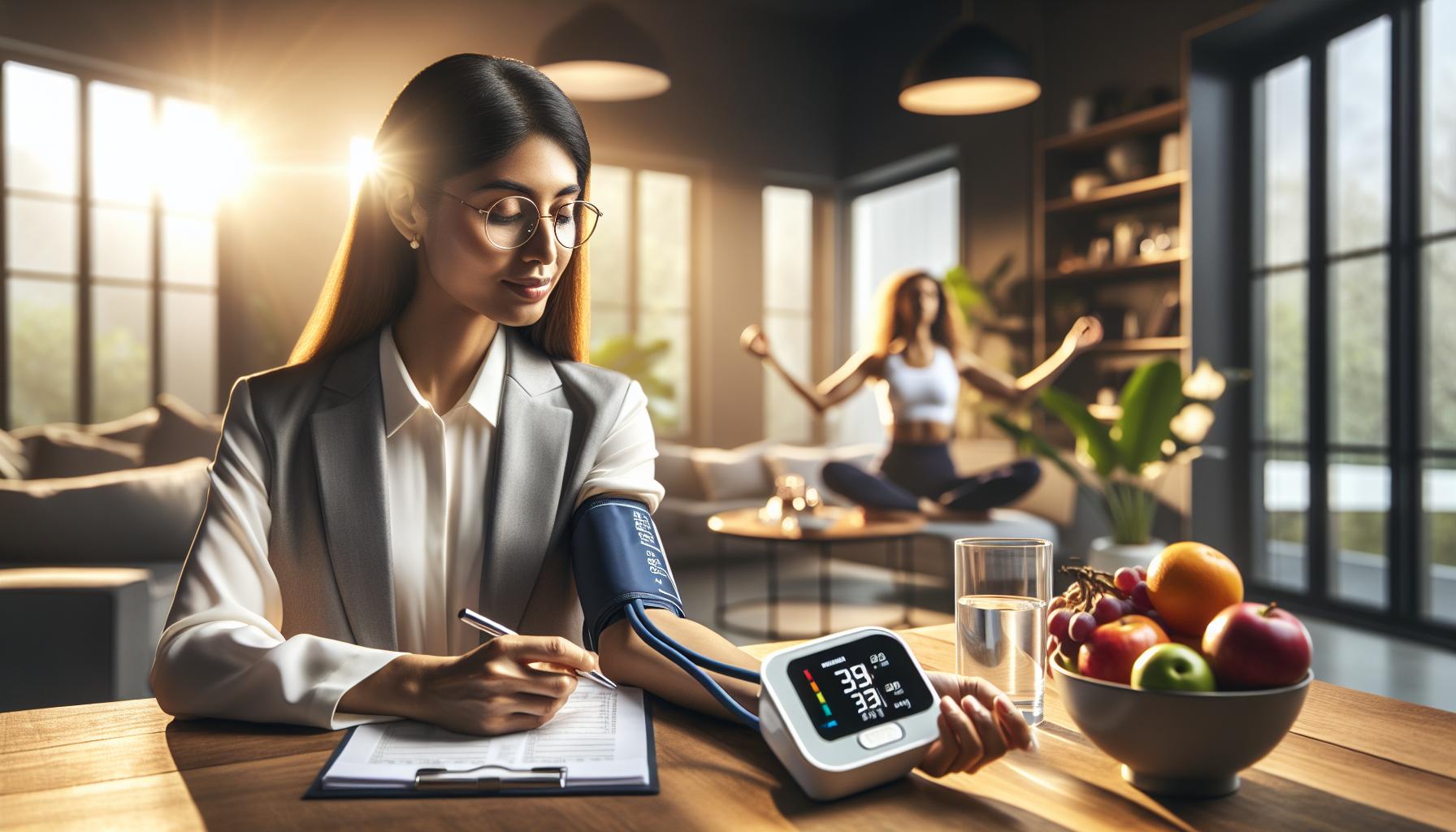
Consistently monitoring blood pressure at home can be a transformative practice for managing your health. It provides not only a means to track your cardiovascular status but also offers insights into your overall wellbeing. When you have the ability to measure your blood pressure regularly, you can recognize patterns and fluctuations, allowing for timely responses to any irregularities. This proactive approach helps you understand how factors such as diet, exercise, and stress levels can affect your readings, ultimately empowering you to make informed lifestyle choices.
One of the most significant advantages of home monitoring is the reduction of ‘white coat syndrome,’ a phenomenon where patients experience elevated blood pressure levels in clinical settings due to anxiety. At home, you can create a calm environment that helps you achieve more accurate readings. Moreover, regular measurements give you and your healthcare provider a clearer picture of your baseline blood pressure, aiding in the diagnosis and management of conditions like hypertension.
Additionally, engaging in regular tracking fosters a sense of ownership over your health. By taking control of your blood pressure monitoring, you can set specific goals, such as adopting healthier eating habits or increasing physical activity. These measurable changes can lead to significant improvements over time. Home monitoring can also serve as a valuable tool during healthcare visits, providing your doctor with more comprehensive data to tailor treatment plans effectively.
With modern devices designed for convenience and accuracy, maintaining a blood pressure log becomes simpler. Keeping a record of your readings can also help you identify trends, making it easier for discussions with your healthcare professional. Adopting this habit not only prepares you for consultations but also reinforces your commitment to maintaining a healthy lifestyle, ultimately supporting better cardiovascular health.
Necessary Equipment for Measuring Lower Arm Blood Pressure

To accurately measure blood pressure on the lower arm, having the right equipment is essential. Using an appropriate blood pressure monitor not only ensures the readings are reliable but also enhances your understanding of your cardiovascular health. The preferred choice for measuring blood pressure at home is an automatic digital blood pressure monitor, which can be modified for use on the lower arm. These devices can effectively provide clear and consistent readings with minimal user error, making them ideal for routine home monitoring.
When selecting a blood pressure monitor for the lower arm, consider the following essential components:
- Automatic Digital Monitor: These are user-friendly and typically come with a large display that shows the blood pressure reading along with the heart rate. It’s crucial to ensure that the cuff is appropriately sized for your lower arm to achieve accurate measurements.
- Cuff Size: The cuff should fit snugly around your lower arm without being too tight. Wrong-sized cuffs can lead to inaccurate readings. Most monitors include different cuff sizes; measure your arm circumference to select the correct size.
- Inflation Mechanism: Look for monitors that automatically inflate the cuff, as this relieves you of manual pumping and reduces the chances of human error.
- Data Logging Features: Some advanced models have the capability to store previous readings, allowing you to track blood pressure changes over time conveniently.
- Power Source: Consider whether you prefer a battery-operated model or a plug-in version, based on your usage habits and preferences.
Beyond the monitor itself, consider purchasing a small notebook or using a mobile app to log your readings. Recording your blood pressure can provide valuable context and show trends over time, which can be immensely helpful during medical appointments. Overall, investing in quality equipment tailored for lower arm measurement significantly empowers you to take charge of your health and manage your blood pressure effectively.
Step-by-Step Guide to Measuring Blood Pressure
To achieve accurate blood pressure readings from your lower arm, following a thoughtful and structured approach during measurement is crucial. Blood pressure can often fluctuate due to various factors, including stress, activity level, and even time of day. Thus, creating a calming and controlled environment for measurement is essential for obtaining reliable data.
First, ensure that you are in a quiet space and seated comfortably. Position your lower arm at heart level, resting it on a flat surface, such as a table. This positioning helps stabilize the arm and ensures that the readings are not affected by gravity. Before starting the measurement, take a moment to relax; ideally, you should sit quietly for about five minutes to allow your body to settle.
Once you’re in position, it’s time to prepare your blood pressure monitor. If using an automatic digital monitor, make sure the cuff is fitted properly around your lower arm-snug but not too tight (you should be able to fit one fingertip between the cuff and your arm). The cuff’s bottom edge should be about an inch above the elbow. If your monitor requires a manual inflation pump, ensure it’s set up correctly before you start measuring.
With the monitor ready, simply press the start button. The device will automatically inflate the cuff and take the reading. Remain as still as possible and refrain from speaking during this process; movement can alter the accuracy of the results. Once the measurement is complete, the display will show your systolic (the higher number) and diastolic (the lower number) blood pressure readings along with your heart rate. Take note of these numbers, as tracking your readings over time can be beneficial for your health management.
After measuring, it’s good practice to wait a few minutes before taking a second reading, particularly if you suspect the first may have been affected by external factors or anxiety. Drinking water, relaxing your arm, and allowing yourself to breathe deeply can help improve the consistency of your readings. Documenting these results in a log-be it a notebook or an app-can provide a clearer picture of your blood pressure trends, which is especially useful for discussions with your healthcare provider.
By following these steps with care and precision, you empower yourself to monitor your cardiovascular health more effectively. Regular measurements can help identify any concerning patterns, contributing to better health management overall.
Common Mistakes When Measuring Blood Pressure
To achieve reliable blood pressure readings from your lower arm, avoiding common pitfalls during measurement is essential. Many individuals inadvertently make mistakes that can lead to inaccurate readings, which may result in unnecessary worry or mismanagement of their health. Understanding and addressing these errors not only improves the accuracy of your measurements but also empowers you to take charge of your cardiovascular health.
One prevalent mistake is measuring blood pressure immediately after physical activity or consuming stimulants like caffeine. It’s vital to allow your body time to settle-ideally waiting at least 30 minutes-before taking a reading. This ensures that transient factors such as increased heart rate or blood flow do not skew your results. Moreover, ensure you are seated comfortably with your back supported and feet flat on the floor, as improper posture can affect the accuracy of the reading. Arms should be at heart level; otherwise, gravity can artificially raise or lower your blood pressure measurements.
Another common error comes from improper cuff placement. The cuff should fit snugly around the lower arm, with the bottom edge positioned about an inch above the elbow. If the cuff is too loose or positioned incorrectly, the readings may not accurately reflect your blood pressure. Additionally, remember to remain still and refrain from talking during the measurement, as movement can disrupt the reading process. If you suspect that anxiety or stress might affect your readings, consider taking a few deep breaths and allowing yourself a moment to relax before measuring.
Lastly, documenting your readings consistently is key. Many people take a measurement and forget to keep a record, which hampers the ability to track any trends over time. Using a notebook or a dedicated app not only helps in monitoring your blood pressure effectively but also provides valuable information to share with your healthcare provider during check-ups. By understanding these common mistakes and implementing corrective measures, you can significantly enhance the reliability of your blood pressure monitoring routine, supporting better health outcomes.
Understanding Blood Pressure Readings: What They Mean
Understanding blood pressure readings is pivotal in taking charge of your cardiovascular health. Blood pressure is measured in millimeters of mercury (mmHg) and is represented as two numbers: systolic and diastolic. The systolic pressure (the first number) measures the force of blood against the artery walls when the heart beats, while the diastolic pressure (the second number) measures the same force when the heart is at rest between beats. For instance, a reading of 120/80 mmHg indicates a systolic pressure of 120 and a diastolic pressure of 80.
What Blood Pressure Numbers Indicate
Interpreting these readings involves understanding what different ranges signify. According to the American Heart Association, the classifications of blood pressure levels are as follows:
- Normal: Systolic < 120 and Diastolic < 80
- Elevated: Systolic 120-129 and Diastolic < 80
- Hypertension Stage 1: Systolic 130-139 or Diastolic 80-89
- Hypertension Stage 2: Systolic ≥ 140 or Diastolic ≥ 90
- Hypertensive Crisis: Systolic > 180 and/or Diastolic > 120 (seek immediate medical attention)
Understanding these classifications helps you and your healthcare provider assess your risk for heart disease and other related conditions. It also aids in tailoring a management plan that could involve lifestyle changes, medication, or regular monitoring.
Documenting and Analyzing Readings
Keeping a thorough log of your blood pressure readings can provide valuable insights. When measuring at home, consider documenting the date, time, and any factors that might influence your reading, such as stress levels, recent physical activity, or dietary intake. This practice not only allows you to see trends over time but also equips you with vital information to discuss with your healthcare provider during appointments. By actively participating in your health management, you can stay informed and make empowered decisions about your treatment strategy.
Tips for Accurate Blood Pressure Measurements
Taking accurate blood pressure measurements at home is vital for effective cardiovascular health management. To achieve precise readings, it’s essential to follow specific guidelines designed to minimize error and enhance reliability. Studies show that proper technique can significantly influence the measurements, leading to more informed health decisions.
Firstly, choose an appropriate device. Automated blood pressure monitors are generally easier to use than manual ones, but make sure your device is validated and provides accurate readings. Before starting, ensure you’re in a calm environment; stress can temporarily elevate your readings. Sit quietly for at least five minutes in a chair with your feet flat on the ground and your back supported. Place your arm at heart level on a table, with the palm facing upward.
When measuring, wrap the cuff snugly but not too tight-there should be space for one finger between the cuff and your arm. If you’re measuring on the lower arm, consider positioning the cuff about 1 inch above the elbow. It’s advisable to avoid any exercise, caffeine, or smoking for at least 30 minutes before taking a reading. During measurement, don’t talk or move, as this could affect the result. For accuracy, it’s recommended to take two to three readings, one minute apart, and average the results for a clear indication of your blood pressure status.
After measuring, carefully log your readings, noting the date, time, and any potential influencing factors like stress or activity levels. Keeping a detailed record will not only help you track your health over time but will also be beneficial when discussing your blood pressure with healthcare professionals. By applying these techniques, you’ll build confidence in monitoring your blood pressure at home effectively, empowering you in your journey toward better health.
When to Consult a Healthcare Professional
Monitoring your blood pressure at home is an empowering step toward maintaining your cardiovascular health. However, knowing is just as crucial for ensuring that your health remains on track. If you notice significant fluctuations in your readings or if certain symptoms arise, these are clear indicators that professional advice is warranted.
It’s advisable to seek medical consultation under several circumstances. First, if your readings are consistently higher than 130/80 mmHg, or you observe frequent spikes in your blood pressure, it’s essential to discuss this with your healthcare provider. Moreover, if you start experiencing symptoms such as headaches, dizziness, shortness of breath, or chest pain, these can be signs of hypertension or other cardiovascular issues that need immediate attention.
Regular follow-ups with a healthcare professional are also recommended for anyone diagnosed with hypertension or at risk for cardiovascular diseases. Your doctor can help tailor a management plan that includes lifestyle changes, medications, or more intensive evaluations, ensuring you receive personalized care. Keeping a detailed log of your readings and any symptoms will not only aid in your consultations but also foster open communication about your health status.
In summary, being proactive about your blood pressure monitoring empowers you to take control of your health. Should you notice troubling symptoms or persistent high readings, don’t hesitate to consult your healthcare professional. This partnership can make a significant difference in your journey toward achieving optimal health and well-being.
Lifestyle Changes to Support Healthy Blood Pressure
Making small, intentional changes in your daily habits can have a profound impact on your blood pressure. In fact, adopting a heart-healthy lifestyle can significantly reduce your risk of hypertension and improve your overall cardiovascular health. There are several key areas to focus on that can help you maintain or lower your blood pressure effectively.
Dietary Adjustments
A balanced diet is one of the most crucial factors in managing blood pressure. Incorporating more fruits, vegetables, whole grains, and lean proteins can help, while reducing sodium intake is equally important. Aim for less than 2,300 mg of sodium per day, and ideally, try to limit yourself to 1,500 mg for optimal results. The DASH diet (Dietary Approaches to Stop Hypertension) is a great structured plan that emphasizes these food groups and has been shown to lower blood pressure.
Regular Physical Activity
Engaging in regular exercise can also play a significant role in controlling blood pressure. Aim for at least 150 minutes of moderate aerobic activity or 75 minutes of vigorous activity each week. Activities such as brisk walking, swimming, or cycling are excellent choices. Incorporating strength training exercises at least two days a week can further enhance your cardiovascular health.
Stress Management
Chronic stress is a contributing factor to high blood pressure. Techniques such as mindfulness, meditation, yoga, and deep breathing exercises can yield significant benefits. Take breaks during your day to practice these methods, and consider making time for hobbies that you enjoy.
Adequate Sleep
Never underestimate the power of a good night’s sleep. Poor sleep quality can elevate blood pressure levels. Aim for 7 to 9 hours of quality sleep each night. Establishing a regular sleep schedule and creating a relaxing bedtime routine can help improve your sleep quality.
Limiting Alcohol and Quitting Smoking
Limiting alcohol consumption to moderate levels-typically defined as one drink per day for women and two for men-can also positively influence blood pressure. Additionally, if you smoke, seek resources to help you quit. Smoking cessation is one of the best things you can do to improve your overall health and protect your blood vessels.
By integrating these lifestyle changes, you empower yourself to take control of your blood pressure in a proactive way. Staying informed, being consistent with your efforts, and working closely with your healthcare provider can lead to sustainable and meaningful health improvements. Each positive change, no matter how small, contributes to better blood pressure management and cardiovascular health.
Understanding Variations: Arm vs. Lower Arm Measurements
When measuring blood pressure, you might be surprised to learn that the location of the measurement can significantly affect the results. While many people are accustomed to measuring their blood pressure at the upper arm, measuring at the lower arm can yield different readings due to anatomical and physiological factors. Understanding these variations is vital for anyone looking to manage their blood pressure accurately and effectively.
One key difference between measurements taken from the upper arm and the lower arm is the influence of blood vessel structure. The brachial artery, which is typically used for upper arm measurements, is larger and closer to the heart, resulting in typically higher readings. In contrast, measurements taken from the lower arm might show lower values, as they arise farther from the heart’s pumping action. This difference may lead to potential underestimation of hypertension if only lower arm readings are used, making it essential to consider both measurement sites for a comprehensive blood pressure profile.
Additionally, factors such as body position, muscular tension, and even cuff placement can influence the accuracy of blood pressure readings at different sites. For example, if the lower arm is not positioned at heart level during measurement, the results can be misleading. Therefore, ensuring a consistent technique and proper positioning is crucial for reliable measurements, whether using the upper or lower arm.
To improve the accuracy of monitoring at either site, consider establishing a routine that includes both arm measurements. This approach not only aids in gaining a broader understanding of your blood pressure but also helps identify patterns that may require medical attention. By staying informed and consistent, you can empower yourself in your journey toward better blood pressure health.
Adjusting Your Technique for Individual Differences
To achieve accurate blood pressure readings, it’s essential to customize your technique based on individual differences. For instance, factors such as body type, age, and underlying health conditions can significantly influence the precision of your measurements. Understanding these nuances allows you to adjust your technique, ensuring you obtain the most reliable results possible.
For individuals with larger arms, using a standard cuff may lead to an underestimation of blood pressure. Instead, opt for a larger cuff designed to accommodate broader arms, which helps to ensure that the cuff wraps properly around the arm and provides accurate pressure readings. Conversely, those with smaller arms might benefit from using a smaller cuff to avoid overinflated readings. Always consult with a healthcare professional if you’re unsure about the appropriate cuff size for your measurements.
Maintaining proper body position and arm alignment can also affect your blood pressure results. When measuring blood pressure on the lower arm, ensure that the arm is supported at heart level. Utilizing a table or armrest can facilitate this positioning. Sit in a comfortable chair with your feet flat on the floor, and avoid crossing your legs, as this can elevate your blood pressure temporarily. Additionally, be mindful of your breathing; relax and breathe normally, as holding your breath or tensing can artificially raise your readings.
Finally, personal factors such as stress and medication should be considered. If you’re feeling anxious or have just completed strenuous exercise, wait a few minutes before taking your measurement to allow your body to return to a baseline state. Remember that consistency is key-try to measure your blood pressure at the same times each day under similar conditions to ensure comparability. Adjusting your technique based on these individual factors can empower you to monitor your blood pressure more effectively, enhancing your overall health management journey.
Addressing Concerns About Blood Pressure Readings
Monitoring blood pressure is not just about taking a measurement; it’s about understanding what those numbers signify for your health. If readings fluctuate or seem inconsistent, it’s natural to have concerns. Many individuals find themselves anxious about their readings, often worrying whether they are taking them correctly or interpreting them accurately. First and foremost, remember that occasional variations in blood pressure are entirely normal. Factors such as time of day, recent physical activity, and emotional stress can all influence your readings.
To address concerns effectively, it’s essential to recognize the importance of consistency in your measurement routine. Aim to take your readings at the same time each day, preferably when you are relaxed and in a comfortable position. This practice can help establish a reliable baseline that reflects your true blood pressure status rather than temporary fluctuations. Moreover, maintaining a detailed record of your measurements will aid discussions with your healthcare provider, allowing for better management and understanding of your condition.
If you notice readings outside the normal range, it’s imperative to assess your technique. Common pitfalls include using the wrong cuff size, measuring in an incorrect body position, or simply not allowing for adequate rest before taking a measurement. For those with specific concerns regarding lower arm measurements, be sure to support your arm at heart level. If discrepancies persist, consult with a healthcare professional to explore possible underlying issues or to verify that you are using the correct method.
Lastly, carrying forward a proactive approach towards managing and understanding your blood pressure can make a significant difference. Embrace a lifestyle that supports healthy blood pressure through balanced nutrition, regular physical activity, and stress management techniques. This holistic approach not only empowers you in your health journey but also contributes significantly to better overall outcomes, ensuring you are equipped to handle any challenges that arise in tracking your blood pressure effectively.
Q&A
Q: How do you prepare your arm for taking blood pressure?
A: To prepare your arm for blood pressure measurement, sit in a comfortable position with your back straight and your feet flat on the floor. Roll up your sleeve so that the cuff can fit snugly around your upper arm without restriction. This ensures accurate readings.
Q: What is the correct position for measuring blood pressure on the lower arm?
A: For accurate blood pressure readings on the lower arm, rest your arm on a flat surface at heart level, palm facing up. Ensure the cuff is wrapped snugly around your forearm, approximately one inch above the wrist.
Q: Can I take blood pressure on my lower arm if I have a cast?
A: If you have a cast on your upper arm, you can measure blood pressure on your lower arm as long as the cuff fits properly. However, it’s important to note that measurements might differ from those taken at the upper arm, so consult your healthcare provider for guidance.
Q: Why is it important to avoid talking while measuring blood pressure?
A: Talking during the blood pressure measurement can lead to inaccurate readings due to increased stress and movement. Remain still and silent for the duration of the measurement to ensure the most reliable results.
Q: How do you know if your blood pressure cuff is the right size?
A: To ensure your blood pressure cuff fits correctly, the bladder part of the cuff should cover about 80% of your upper arm’s circumference. A properly fitting cuff provides accurate measurements. For lower arm readings, a smaller cuff is appropriate.
Q: How often should you measure your blood pressure at home?
A: Measure your blood pressure at home as recommended by your healthcare provider, typically once or twice a day, at the same times daily. Consistent monitoring can help track trends and manage your blood pressure effectively.
Q: What should you do if you get different blood pressure readings?
A: If you receive different blood pressure readings, try measuring again after a few minutes of rest. Ensure you’re sitting properly with the correct technique as detailed in your guide. If disparities continue, consult a healthcare professional for advice.
Q: Are there lifestyle changes that can help improve blood pressure readings?
A: Yes, lifestyle changes such as a balanced diet, regular exercise, maintaining a healthy weight, and minimizing salt intake can significantly improve blood pressure readings. For more tips, refer to our sections on lifestyle changes and healthy blood pressure management.
Closing Remarks
Congratulations on taking a proactive step in managing your health by learning how to take blood pressure on your lower arm! Remember, regular monitoring can offer crucial insights into your cardiovascular health, allowing you to make informed lifestyle adjustments. If you have further questions or need guidance, explore our articles on Understanding Blood Pressure Readings and Healthy Lifestyle Strategies-they provide valuable resources to empower your journey.
Don’t wait-start monitoring today and gain greater control over your well-being! If you’re still unsure about any step in the process or have specific concerns, please feel free to leave a comment below for support. For those looking to deepen their knowledge, consider signing up for our newsletter to stay updated on the latest health tips and insights. Your health is your wealth, and we’re here to help you thrive!