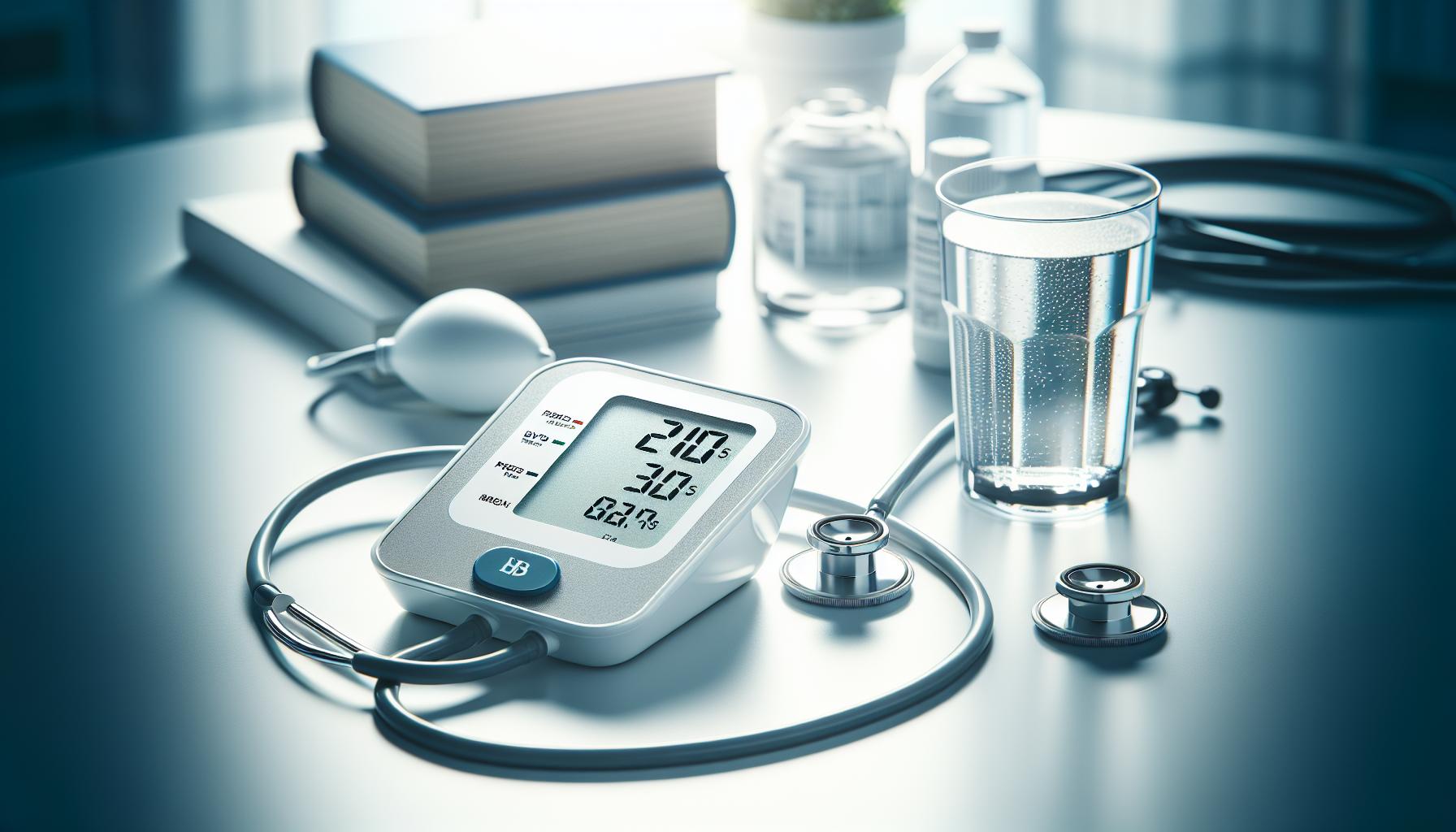

Monitoring your blood pressure is crucial for maintaining heart health, especially if you’re managing conditions like hypertension or heart disease. With the right tools, such as the Omron blood pressure cuff, you can easily track your readings from the comfort of your home. Proper usage not only ensures accurate measurements but also empowers you to engage proactively in your health journey.
In this guide, we’ll simplify the process of using the Omron blood pressure cuff with easy-to-follow instructions, helping you overcome any confusion or apprehension. Whether you’re a first-time user or looking to refine your technique, understanding how to properly use this tool can lead to better health insights and more informed discussions with your healthcare provider. Continue reading to discover how straightforward blood pressure monitoring can be.
How to Choose the Right Omron Blood Pressure Cuff for You
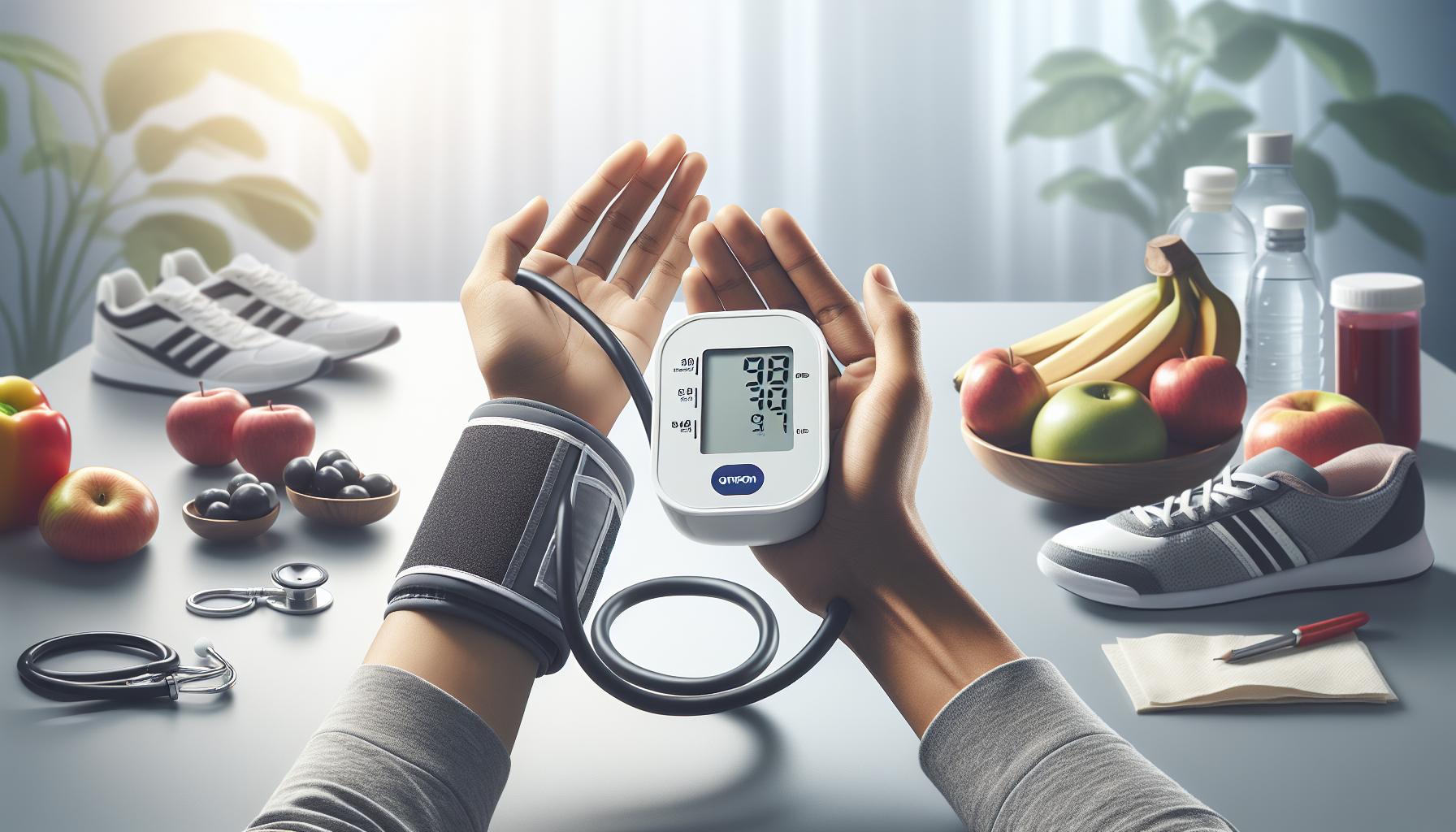
When it comes to monitoring your blood pressure at home, selecting the right cuff is crucial for obtaining accurate readings and ensuring comfort during the process. Omron offers a variety of blood pressure cuffs designed to suit different arm sizes and user preferences. A well-fitted cuff not only provides you with reliable results but also makes the entire monitoring experience more pleasant. Here’s how you can choose the appropriate Omron blood pressure cuff for your needs.
Understanding Size and Fit
The first step in selecting a blood pressure cuff is to measure the circumference of your upper arm. Most cuffs are designed for arm sizes ranging from around 9 to 17 inches. Omron typically provides several size options, including small, standard, and large cuffs. A cuff that is too small can lead to falsely elevated readings, while a cuff that is too large may provide inaccurately low readings. To ensure accuracy, refer to the sizing guide that comes with your device and select a cuff that properly fits your arm.
Types of Cuffs
Omron offers different types of cuffs that cater to various user preferences:
- Standard Cuffs: These are versatile and suited for most adults.
- Large Cuffs: Ideal for users with larger arms, ensuring comfort and accuracy.
- Wrist Monitors: Suitable for individuals who find upper-arm cuffs uncomfortable, though wrist monitors can be more sensitive to positioning.
Evaluate how you plan to use your monitor-whether for home use or if you require portability for travel. Omron cuffs are designed to be easy to put on and remove, so consider models that come with features like a flexible cuff or an easy-fit design.
Features to Consider
As technology in healthcare evolves, many Omron cuffs now come equipped with advanced features aimed at enhancing the monitoring process. For instance, if you’re particularly health-conscious or managing pre-existing conditions, you may want to look for models that include:
- Bluetooth Connectivity: For syncing data with apps on your smartphone for easier tracking.
- IntelliSense Technology: This ensures that the cuff inflates to the optimal level for an accurate reading while maintaining user comfort.
- AFib Detection: Some monitors come with algorithms capable of detecting atrial fibrillation during measurements, adding an extra layer of health monitoring.
By choosing the right Omron blood pressure cuff, you empower yourself to take charge of your cardiovascular health with confidence. With the proper fit and the latest technology, you can ensure that every reading is as accurate as possible, thereby allowing you and your healthcare provider to make informed decisions about your health.
Understanding Blood Pressure Readings: What They Mean
Blood pressure readings can seem confusing at first glance, but understanding what they mean is essential for effectively managing your health. When you measure your blood pressure using an Omron blood pressure cuff, the device gives you two key numbers: systolic and diastolic pressure. The systolic reading, which is the higher number, indicates the pressure in your arteries when your heart beats. Conversely, the diastolic reading, the lower number, measures the pressure in your arteries when the heart rests between beats. Together, these readings provide critical insights into your cardiovascular health.
Typically, normal blood pressure is defined as being less than 120/80 mmHg. A reading above this can indicate different stages of hypertension. For example, a systolic reading of 120-129 and a diastolic reading below 80 is considered elevated blood pressure. Hypertension is classified into various stages: Stage 1 hypertension occurs at 130-139 systolic or 80-89 diastolic, while Stage 2 hypertension is categorized as 140 or higher for systolic and 90 or higher for diastolic. Understanding these values enables you to recognize when your blood pressure is creeping into unhealthy ranges, prompting you to take action or consult a healthcare professional.
Monitoring your blood pressure regularly can help track changes over time, empowering you to engage proactively in your health care. If your readings are concerning, it may be useful to keep a log of your daily measurements, noting the time of day and any symptoms you experience, as this can aid your discussions with healthcare providers. Additionally, being aware of lifestyle factors that affect blood pressure, such as diet, stress, and physical activity, can help you manage your readings effectively.
When using your Omron blood pressure cuff, ensure you are seated comfortably with your arm supported and positioned correctly. Consistent measurement can provide you with a valuable understanding of your baseline blood pressure, allowing you to make informed decisions about your heart health and lifestyle. Always remember that these readings are a tool-not a definitive statement about your health-so collaboration with your healthcare provider is essential for comprehensive care.
Step-by-Step Guide to Using Your Omron Blood Pressure Cuff

To effectively monitor your blood pressure at home using an Omron blood pressure cuff, following a precise step-by-step process can ensure that your readings are accurate and reliable. First, it’s crucial to select a quiet environment to minimize distractions and allow for a more accurate measurement. Your body should be relaxed, so try to sit comfortably for at least five minutes before taking a reading.
Begin by preparing the cuff. Ensure it’s the right size for your arm, as an ill-fitting cuff can skew your results. If you’re using an upper arm cuff, it should be placed on your bare upper arm, roughly one inch above your elbow. Once the cuff is positioned correctly, make sure it’s snug but not too tight; you should be able to fit two fingers beneath it. If you’re using a wrist cuff, position it just above the wrist and align it with your heart for accurate readings.
Now, let’s delve into the measurement process. Using the device: power on the monitor and press the start button. The cuff will inflate automatically, and it is important to remain still and quiet during this phase. Once the measurement is complete, the screen will display your systolic and diastolic readings. Take note of these numbers, as well as your heart rate if indicated. Many Omron models also store this information for later review.
After taking your measurement, it’s wise to repeat the process after a short interval (around one or two minutes), as this can provide a more comprehensive view of your blood pressure. Always document your readings, noting the date and time, to share with your healthcare provider during your next appointment. Consistency is key; try to measure your blood pressure at the same times each day for the best tracking of trends.
By adhering to these detailed steps, you empower yourself to engage actively in your health management, understand your cardiovascular condition better, and take proactive measures towards maintaining optimal blood pressure levels.
Common Mistakes to Avoid When Taking Your Blood Pressure

Taking blood pressure measurements is a crucial step in managing your health, yet many individuals make mistakes that can lead to inaccurate readings. It’s important to be aware of these common pitfalls to ensure that each reading is as reliable as possible, empowering you to take control of your health.
The first significant error occurs during the preparation phase. Failing to select the correct cuff size can dramatically affect your results. An ill-fitting cuff-whether too loose or too tight-can produce false readings. Ensure you’re using the appropriate size for your arm, preferably the Omron Easy-Wrap ComFit cuff, which accommodates a variety of arm sizes by inflating evenly around the arm for more accurate results [[3]](https://omronhealthcare.com/products/comfit-cuff-hem-fl31-b). Remember to avoid measurement right after vigorous exercise or consuming stimulants like caffeine, as such activities can temporarily elevate blood pressure.
Another common mistake involves measurement technique. Users often talk, move, or even strain while the cuff inflates. It is crucial to remain still and quiet during the reading. This helps minimize fluctuations and ensures that the measurement reflects your resting blood pressure. Additionally, positioning mistakes, like having the arm at an improper height, can lead to errors. Your arm should be at heart level for the most accurate readings.
Documenting your blood pressure readings can also be overlooked. Without careful record-keeping, patterns may go unnoticed. Always track the date and time of each measurement in a consistent manner, which can be essential for discussions with your healthcare provider. Monitoring at the same time each day, preferably before meals or at the same time daily, can also help create a reliable routine, assisting in long-term health management.
By being mindful of these common mistakes and taking steps to rectify them, you will not only enhance the accuracy of your readings but also boost your confidence in managing your blood pressure effectively. Prioritize awareness and preparation; these elements empower you to take informed actions towards your health.
How Often Should You Monitor Your Blood Pressure?
Monitoring your blood pressure regularly is crucial for maintaining your overall health, especially if you have hypertension or other cardiovascular concerns. Research suggests that home monitoring can play a pivotal role in managing these conditions effectively. But how often should you take those measurements? The answer may vary based on your individual health status, but general recommendations can serve as a helpful guideline.
For those with diagnosed hypertension or fluctuating blood pressure, checking your blood pressure once or twice a day is often recommended. Aim for consistency by measuring at the same times each day, such as in the morning and evening. This routine allows you to capture trends and patterns over time, providing valuable insights for both you and your healthcare provider. It’s especially important to record your readings at times when you are relaxed and in a sedentary position, as stress and activity can artificially elevate your results.
If you’ve achieved stable blood pressure levels and your healthcare provider is satisfied with your management plan, you may reduce monitoring frequency to once a week or even biweekly. However, your physician will likely suggest continuing daily monitoring if there’s been a recent change in medication or your lifestyle, such as starting a new exercise routine or making significant dietary shifts. It’s essential to stay attuned to your body and any symptoms that could indicate changes in your condition.
Incorporating blood pressure monitoring into your daily routine can empower you to take charge of your health. Be sure to leverage technology-consider using an Omron blood pressure monitor equipped with user-friendly features that simplify recording and tracking your values. Ultimately, regular and accurate blood pressure monitoring can signal when to consult your healthcare provider, ensuring timely interventions and better health outcomes.
Maintaining and Caring for Your Blood Pressure Cuff
Taking good care of your blood pressure cuff is essential not only for its longevity but also for ensuring accurate readings. An improperly maintained cuff can lead to misleading measurements, ultimately affecting your health management plan. Start by routinely inspecting your cuff for any visible damage such as frays or leaks. If you notice any wear and tear, it’s time to replace it to ensure that your monitoring remains reliable.
When storing your blood pressure cuff, keep it in a cool, dry place away from direct sunlight and humidity. This will help prevent any material degradation that might interfere with its function. It’s advisable to store the cuff rolled up rather than folded to maintain its form and elasticity. Additionally, always refer to the manufacturer’s guidelines for cleaning. Many cuffs can be wiped down with a damp cloth, while others may require specific cleaning solutions. Ensure that the cuff is completely dry before storing it to avoid mildew growth.
Regularly calibrating your blood pressure monitor is equally important. While Omron monitors are designed for in-home use and often maintain accuracy over time, it’s helpful to cross-verify your readings with those taken at your doctor’s office periodically. Keeping track of your readings and any discrepancies can provide insight into how well your cuff is functioning.
By prioritizing these maintenance steps, you not only enhance the lifespan of your blood pressure cuff but also ensure that your readings remain a trustworthy reflection of your cardiovascular health. Proper attention to your equipment empowers you to take control of your health and better adhere to your management plan.
Understanding the Features of Omron Blood Pressure Monitors
can significantly enhance your home monitoring experience. These devices are designed not only for accuracy but also for convenience, making them ideal for anyone needing to manage their blood pressure effectively. One standout feature is the Advanced Averaging technology, which takes multiple readings and calculates the average to give a more accurate picture of your blood pressure over time. This is particularly useful for those who might experience “white coat syndrome” where anxiety can cause temporary spikes in readings.
Another important aspect is the Wide-Range D-Ring Cuff, which is designed to fit a variety of arm sizes, ranging from 9 inches to 17 inches in circumference. This flexibility ensures a snug fit for more accurate readings and user comfort. Some models come with the Easy-Wrap ComFit Cuff, which wraps around the entire upper arm, providing additional coverage and ease of use. A properly fitted cuff is crucial for trustworthy measurements, so choosing a model equipped with an accommodating cuff is important.
Additionally, many Omron monitors feature Connectivity Options, allowing you to track your readings on a smartphone app or synchronize with other health devices. This connectivity empowers you to monitor trends and share your data easily with healthcare professionals, reinforcing collaborative health management. You can easily keep track of your readings, which can be invaluable when discussing your blood pressure management progress with your doctor.
Omron blood pressure monitors also offer Intelligent Sensing Technology, which adjusts the cuff pressure during inflation based on the unique characteristics of the user. This system helps prevent discomfort while ensuring accurate readings. Understanding these features helps you use your Omron monitor to its fullest potential, promoting better management of your heart health at home.
How to Interpret Your Blood Pressure Results Accurately
Interpreting blood pressure results is crucial for understanding your heart health and making informed decisions about your well-being. Blood pressure readings are typically expressed as two numbers: systolic (the pressure in your arteries when your heart beats) and diastolic (the pressure in your arteries when your heart rests between beats). A typical reading is presented as systolic over diastolic, for example, 120/80 mmHg. Knowing how to analyze these numbers can help you recognize potential health issues early.
First, it is important to familiarize yourself with the classification of blood pressure readings. According to guidelines established by health organizations, blood pressure is categorized as follows:
- Normal: Less than 120/80 mmHg
- Elevated: 120-129/<80 mmHg
- Hypertension stage 1: 130-139/80-89 mmHg
- Hypertension stage 2: 140 or higher/90 or higher mmHg
- Hypertensive crisis: Higher than 180 and/or higher than 120 mmHg – seek immediate medical attention
When interpreting your results, it is essential to consider the context in which the measurement was taken. Factors such as stress, time of day, and physical activity can influence your readings. Repeat measurements, taken at the same time throughout the week, can provide a more accurate picture of your blood pressure trends. Use the average of several readings to account for daily fluctuations.
Additionally, understanding what your results mean in relation to your overall health is vital. For instance, persistent high readings may indicate hypertension, which can lead to serious health complications if left unmanaged. If your readings consistently fall into the hypertensive categories, it may be time to consult a healthcare professional for further evaluation and potential lifestyle modifications or treatment plans.
By becoming knowledgeable about your blood pressure readings and taking an active role in monitoring them, you can empower yourself to maintain a healthier lifestyle and improve your overall heart health. Remember, your blood pressure is a vital sign of your wellbeing, and taking the time to understand it is a step toward proactive health management.
Tips for Accurate Blood Pressure Measurement at Home
Monitoring your blood pressure at home is crucial for maintaining cardiovascular health, especially when using devices like Omron blood pressure cuffs, which are known for their accuracy and ease of use. To achieve the most reliable readings, it’s essential to adhere to a few best practices that ensure consistency and accuracy.
Start by creating a calm environment. Stress can significantly impact blood pressure readings, so it’s best to take your measurements in a quiet, comfortable space. Sit in a chair with your back supported and feet flat on the floor. Rest for about five minutes before taking a reading to allow your body to stabilize. Make sure your arm is supported at heart level, and avoid talking during the measurement, as this can artificially elevate your results.
Also, be mindful of how you use the cuff. Ensure it is appropriately sized and positioned correctly around your upper arm-about an inch above the elbow and snug but not too tight. Follow the specific instructions provided with your Omron device regarding the placement and adjustment of the cuff. If using a digital monitor, familiarize yourself with its functions. For instance, the Omron Gold Upper Arm Blood Pressure Monitor includes features like AFib screening technology, which can help you identify potential heart rhythm issues during each reading [1[1].
Lastly, keep a consistent schedule for monitoring your blood pressure. Ideally, take measurements at the same time each day, whether it’s in the morning before breakfast or in the evening before bed. This consistency helps account for daily fluctuations and provides you with a clearer picture of your blood pressure trends. Record your readings diligently so that you can share this information with your healthcare provider, which will help them understand your cardiovascular health better and guide any necessary adjustments to your treatment plan.
Lifestyle Changes to Support Healthy Blood Pressure Levels
Maintaining healthy blood pressure is integral to overall cardiovascular health, and making lifestyle changes can have a significant positive impact. Each small adjustment contributes to a bigger picture of well-being. Incorporating these changes into your routine not only helps lower blood pressure but also enhances your quality of life.
Dietary Adjustments
One of the most effective ways to manage blood pressure is through dietary choices. Focus on a heart-healthy diet rich in fruits, vegetables, whole grains, and lean proteins. The DASH (Dietary Approaches to Stop Hypertension) diet emphasizes reducing sodium intake while increasing potassium-rich foods, which can aid in blunting the effects of salt. Consider these tips:
- Limit processed foods, which often contain high levels of sodium.
- Include more potassium-rich foods like bananas, sweet potatoes, and spinach.
- Opt for low-fat dairy and lean meats.
A diet rich in omega-3 fatty acids, found in fish such as salmon and seeds, may also help lower blood pressure. Tracking what you eat can be empowering; keep a food diary to understand your intake better.
Physical Activity
Regular physical activity is another cornerstone of blood pressure management. Aim for at least 150 minutes of moderate-intensity exercise each week, which can include brisk walking, cycling, or swimming. Exercise strengthens your heart, allowing it to pump blood more efficiently and reducing the workload on your arteries.
Start with manageable goals, such as:
- Taking daily walks.
- Joining a local fitness class.
- Incorporating strength training exercises at least twice a week.
Even small bursts of activity throughout the day, like taking the stairs instead of the elevator, can contribute to your fitness goals.
Stress Management
Chronic stress significantly impacts blood pressure levels. Implementing stress-reducing techniques can be incredibly beneficial. Consider trying activities like yoga, meditation, or deep breathing exercises. Focus on finding activities that resonate with you, which can foster relaxation and improve your mindset.
Creating a calming routine at the end of your day-be it through reading, gentle stretching, or listening to music-can help alleviate stress that may otherwise contribute to elevated blood pressure.
These lifestyle changes, coupled with regular monitoring using your Omron blood pressure cuff, offer a proactive approach to managing your cardiovascular health. By fostering a positive mindset and making consistent, small changes, you can achieve and maintain healthy blood pressure levels over time.
When to Consult a Healthcare Professional About Readings
Recognizing the right time to consult a healthcare professional about your blood pressure readings is crucial for effective health management. Blood pressure is a vital sign that reflects how well your heart and blood vessels are functioning, and significant fluctuations may indicate underlying health issues. If you consistently monitor your blood pressure with your Omron cuff and observe unusually high or low readings, it’s important to seek medical advice promptly.
When evaluating whether to consult a healthcare professional, consider the following guidelines:
- High Readings: If your blood pressure consistently exceeds 130/80 mmHg, this could indicate hypertension. Consult your doctor if you observe this pattern over several days, especially if associated with symptoms like headaches, dizziness, or shortness of breath.
- Low Readings: Conversely, readings below 90/60 mmHg may signal hypotension, which can cause fainting or dizziness. If you experience lightheadedness or unusual fatigue along with these readings, a consultation is warranted.
- Sudden Changes: A sudden spike or drop in blood pressure could be a sign of an acute medical condition. If your readings fluctuate significantly within a short time frame, reach out for guidance.
- Pre-existing Conditions: If you have conditions like heart disease or diabetes, it’s essential to keep your healthcare provider informed of any concerning readings. They can adjust your treatment plan as necessary.
Make it a point to document your readings and note any symptoms or lifestyle changes that coincide with significant fluctuations. This information can be incredibly helpful for your healthcare provider to make informed decisions regarding your treatment and management plan.
Regular consultations not only keep your healthcare team informed but also empower you with knowledge and tools to maintain your cardiovascular health. Utilizing the Omron blood pressure cuff regularly, following the guidelines for use, and understanding when to seek professional input create a proactive approach to managing your blood pressure effectively. By being mindful and responsive to changes in your readings, you are taking a vital step towards better health and well-being.
Frequently Asked Questions
Q: How do I prepare for taking a blood pressure reading with an Omron cuff?
A: To prepare, sit quietly for at least five minutes before taking a reading. Ensure your arm is at heart level, with your feet flat on the floor and not crossed. Avoid caffeine, smoking, and exercise 30 minutes prior to measurement for the most accurate results.
Q: Why is the correct cuff size important for accurate readings?
A: Using the correct cuff size ensures accurate blood pressure readings. A cuff that is too small may yield falsely high readings, while one that is too large can produce falsely low results. Always refer to the manufacturer’s guidelines to select the right size for your arm circumference.
Q: How can I troubleshoot if my Omron blood pressure monitor isn’t working?
A: If your monitor isn’t working, first check the batteries or charging status. Ensure the cuff is properly secured on your arm. Review the user manual for specific error codes or indicators. If the issue persists, consider contacting customer support for assistance.
Q: What factors can affect blood pressure readings at home?
A: Several factors can affect readings, including body position, time of day, stress levels, and recent activity. Ensure a consistent environment and routine for measurements to achieve reliable results. Always refer to the “Tips for Accurate Blood Pressure Measurement” section in your guide for more details.
Q: How often should I take my blood pressure at home?
A: For most adults, it’s advisable to monitor your blood pressure daily or as directed by a healthcare provider. Consistent monitoring helps track your blood pressure trends and can assist your doctor in managing your health effectively.
Q: Can I use my Omron blood pressure cuff on different arms?
A: Yes, you can use an Omron blood pressure cuff on either arm. However, it’s best to consistently use the same arm for measurements to maintain consistency. If you switch arms, note any differences and consult a healthcare professional if discrepancies are significant.
Q: What should I do if my readings are consistently high?
A: If your blood pressure readings are consistently high, it’s crucial to consult a healthcare professional. They can help diagnose potential issues and suggest lifestyle changes or treatments that may include medication, dietary modifications, or exercise plans.
Q: How do I reset my Omron blood pressure monitor?
A: To reset your Omron blood pressure monitor, turn it off and remove the batteries, or unplug it if using a rechargeable model. Wait for a minute, then reinsert the batteries or plug it back in. This typically resets the device and clears error messages. Check your user manual for model-specific instructions.
Concluding Remarks
Congratulations on taking the first step towards better health by learning how to use your Omron Blood Pressure Cuff! Remember, regular monitoring is key to managing your blood pressure effectively and empowering your overall well-being. If you have any lingering questions or uncertainties, don’t hesitate to revisit our detailed guide or check out related articles on understanding blood pressure readings and tips for achieving optimal heart health.
To stay proactive, consider signing up for our newsletter, where you’ll find the latest health insights and tips directly in your inbox. Plus, explore our resources on healthy lifestyle changes that complement your monitoring efforts. Together, we can help you maintain your health journey with confidence.
Feel free to share your experiences or ask questions in the comments below; your feedback not only helps you but also supports our community. Let’s continue this journey toward better health together!