

Monitoring your blood pressure is essential for maintaining heart health, especially for those with risk factors like hypertension. A wrist cuff blood pressure monitor offers a convenient and user-friendly option for at-home measurement, allowing you to keep a close eye on your numbers with ease.
In this guide, we’ll explore the proper technique for using a wrist cuff monitor, ensuring you achieve accurate readings every time. Knowing how to use this device correctly not only empowers you to manage your health effectively but also helps in recognizing any potential issues early on.
Whether you’re new to blood pressure monitoring or looking to enhance your technique, understanding the right steps can lead to better health outcomes and peace of mind. Let’s dive into the essentials of using your wrist cuff monitor to take charge of your well-being.
How a Wrist Cuff Blood Pressure Monitor Works

Monitoring your blood pressure at home can be a straightforward and empowering process, especially with a wrist cuff blood pressure monitor. These devices utilize an oscillometric method to assess blood pressure by detecting tiny fluctuations in pressure within an inflatable cuff placed around the wrist. When you activate the monitor, the cuff inflates and then gradually deflates. This process takes place in two critical phases: the initial pressure measured when the blood flow starts to return, and the lower pressure when it stabilizes. The device interprets these values to provide your systolic and diastolic readings, which are displayed digitally for easy understanding.
The compact nature of wrist monitors makes them particularly user-friendly and portable, ideal for those who need to keep a close eye on their blood pressure regularly. To ensure accurate readings, it’s crucial to position your wrist at heart level during the measurement. This helps to negate any variations caused by gravity, which can skew results. The monitor’s ability to store multiple readings is another advantage, allowing you to track changes over time efficiently.
To achieve the most consistent and reliable results, it’s essential to familiarize yourself with your specific device’s features and follow the user manual closely. Regular calibration checks can further enhance measurement accuracy, ensuring that your monitor is functioning optimally. Taking your blood pressure in a calm environment and at the same time each day can also contribute to reliable measurements, providing you with a helpful understanding of your heart health trends.
Choosing the Right Wrist Cuff Blood Pressure Monitor
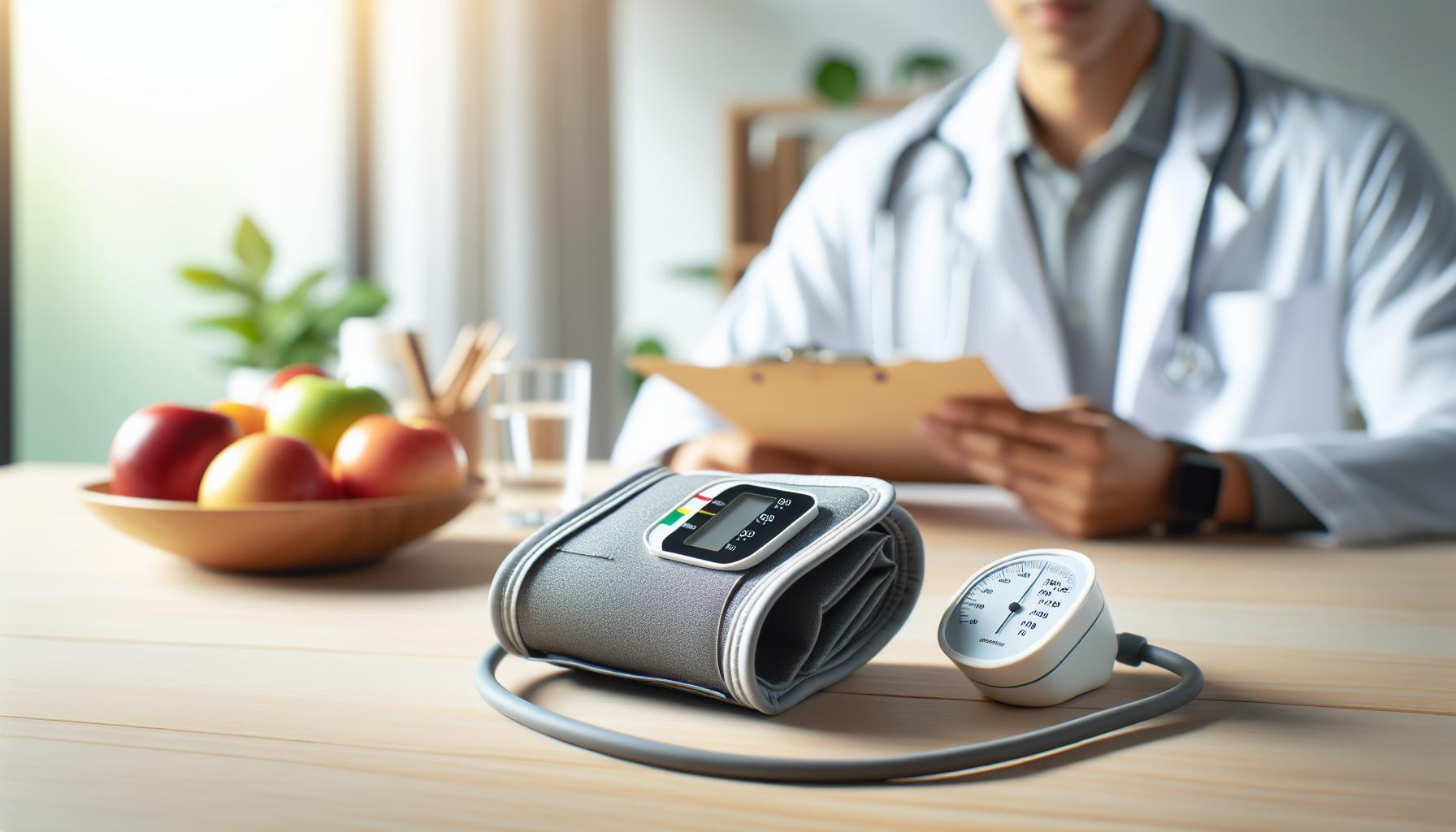
When it comes to monitoring blood pressure at home, selecting the right wrist cuff blood pressure monitor is crucial for obtaining accurate and reliable readings. Many people may not realize that wrist monitors can vary significantly in terms of features, accuracy, and user-friendliness. By understanding what to look for, you empower yourself to make an informed decision that aligns with your health management needs.
First, consider the accuracy of the device. Look for monitors that are clinically validated, ensuring they meet specific accuracy standards. Check for any certifications or endorsements from health organizations. User reviews can provide insights into the reliability of different models, so take the time to research them as well. Additionally, opt for a model that allows you to store multiple readings, helping you track changes over time and providing a comprehensive overview of your blood pressure trends.
Another critical factor is comfort and fit. Wrist monitors should accommodate various wrist sizes, as a poorly fitting cuff can lead to inaccurate readings. Many devices come with adjustable cuffs, so measure your wrist’s circumference before purchasing. It’s also helpful to read user experiences regarding wearable comfort, especially if you plan to use the monitor frequently.
Lastly, consider the ease of use and additional functionalities. Look for features such as backlit displays for better visibility, voice alerts, or smartphone connectivity that can enhance your experience. Some monitors even guide you on proper positioning and techniques for taking measurements, which can be particularly beneficial for beginners. Choose a model with a straightforward interface and clear instructions, enabling stress-free monitoring that fits seamlessly into your daily routine.
By focusing on accuracy, comfort, and user-friendly features, you can confidently select a wrist cuff blood pressure monitor that meets your requirements, supporting you in your journey toward better heart health.
Prepping for Accurate Blood Pressure Readings
To achieve the most accurate blood pressure readings with your wrist cuff monitor, proper preparation is essential. Start by ensuring that you are in a calm and relaxed environment. Stress and physical activity can elevate your heart rate, resulting in artificially high blood pressure readings. Aim to take your measurement at the same time each day, ideally a few moments after sitting quietly for five minutes, to provide consistency in your results.
Next, it’s important to have the right clothing. Remove any tight-fitting sleeves that might constrict the cuff’s placement on your wrist. Ideally, wear a short-sleeved shirt or roll up long sleeves to ensure direct contact with your skin, as this can help the cuff function optimally. Moreover, ensure your wrist is bare, as clothing interference may lead to imprecise readings.
Before applying the cuff, check your monitor’s manual for any specific guidelines on preparing for measurement. Some models might require you to calibrate or reset the device beforehand. Double-check the battery level or power source, as low battery can affect performance. If you’re not using the wrist monitor daily, practice loading the readings into a health app or writing them down to track your blood pressure over time. This will help foster a proactive approach to understanding your health data.
When you’re ready, position yourself comfortably, with your back supported and feet flat on the ground. Rest your wrist at heart level on a stable surface, as this helps ensure the most accurate reading. Following these preparation steps will significantly contribute to the precision and reliability of your blood pressure readings, empowering you to monitor your health effectively.
Guidelines for Properly Positioning the Cuff
To achieve accurate blood pressure readings with a wrist cuff monitor, proper positioning of the cuff is crucial. The placement of the cuff can significantly impact the precision of your measurements, leading to potentially misleading results if not positioned correctly. With that in mind, it’s important to follow a few essential guidelines.
First, ensure that the cuff is placed on the wrist according to the manufacturer’s instructions. Most wrist cuffs are designed to fit comfortably over the wrist bone, approximately one inch above the area where the wrist meets the hand. Make sure the bladder of the cuff (the part that inflates) is centered over the artery, which is typically located on the thumb side of the wrist. Proper positioning here ensures that the monitor can effectively gauge the blood flow and provide accurate readings.
Next, it’s vital to secure the cuff snugly but not too tight. An improperly fitted cuff can lead to inflated readings. A good rule of thumb is to ensure that you can slide one fingertip between the cuff and your skin. This balance will help maintain comfort during the reading while still allowing the cuff to function optimally.
Maintaining Stability
When taking your reading, rest your arm and wrist on a stable surface at heart level. Elevating your wrist above or letting it hang below heart level can distort the measurement. Consider using a table or the arm of a chair; make sure you’re comfortable and relaxed for at least five minutes prior to taking the reading to ensure your heart rate and blood pressure stabilize.
Following these guidelines will enhance your confidence in using a wrist cuff blood pressure monitor, empowering you to take control of your health. Consistent practice with accurate positioning will lead to reliable readings, enabling you to monitor your blood pressure effectively and make informed decisions about your wellness.
Step-by-Step Instructions for Monitoring Blood Pressure
Taking your blood pressure at home can be a straightforward process, and using a wrist cuff monitor is one of the easiest methods. Understanding the specific steps involved can help you get accurate readings, which are crucial for managing your health effectively. Here’s how to do it properly.
Start by preparing your environment and monitor. Find a quiet, comfortable space where you can sit and relax for a few minutes. Ensure that your wrist cuff monitor is functioning and that the batteries are charged if applicable. It’s advisable to take your blood pressure at the same time each day for consistency.
Next, position yourself appropriately. Sit with your back straight and feet flat on the floor, resting your arm on a stable surface at heart level. This is key for obtaining an accurate reading. Place the cuff on your wrist as per the instructions previously discussed, ensuring it is secure but not too tight.
When you’re ready, follow these steps:
- Press the Start Button: Once you are settled, press the start button on your monitor. The cuff will automatically inflate, and you may feel a tight sensation.
- Remain Still and Quiet: It’s important to remain still and avoid talking during the measurement process. Movement can distort the reading.
- Wait for the Reading: After a few moments, the cuff will deflate, and your blood pressure readings will be displayed on the monitor.
- Record Your Results: Write down the results, noting the time and date. This will be helpful for tracking changes and sharing with your healthcare provider.
Once you’ve completed the measurement, relax your wrist and remove the cuff. Aim to wait at least 1-2 minutes before taking a second reading if needed. Multiple readings may provide a clearer picture of your blood pressure trends. Consistent monitoring using these steps will help ensure you have reliable data, empowering you to make informed decisions about your health.
Common Mistakes and How to Avoid Them
Taking your blood pressure at home can empower you to manage your health effectively, but even with a user-friendly wrist cuff monitor, there are common pitfalls that can lead to inaccurate readings. Understanding these mistakes-and how to avoid them-can enhance the accuracy of your measurements and give you a clearer picture of your cardiovascular health.
One prevalent mistake is improper cuff positioning. Positioning the cuff too low on the wrist or failing to align it with the heart can significantly distort your readings. To prevent this, always place the cuff directly on your wrist, ensuring it sits just above the wrist bone and is snug but not overly tight. Moreover, aligning your arm at heart level is crucial; if your arm is too high or too low, it can lead to erroneous results.
Another common error is neglecting to prepare the body and environment for a reading. Physical activity, caffeine intake, or even emotional stress at the time of measurement can elevate blood pressure temporarily. For more reliable results, ensure you are relaxed, seated comfortably, and have avoided stimulants for at least 30 minutes prior to taking your blood pressure. It’s best to take readings at the same time every day for consistency.
Lastly, many people overlook the importance of following the manufacturer’s instructions for the device. Each wrist cuff monitor may have specific guidelines or features, and failing to adhere to them can lead to mistakes. For instance, some monitors require recalibration after a certain number of uses. If your device has an automatic feature, ensure it’s functioning correctly by checking the battery and settings before each use.
By being mindful of these common traps, you can optimize your blood pressure monitoring process, gaining confidence and clarity in managing your health effectively. Regular and accurate readings can play a crucial role in tracking your cardiovascular health, leading to informed decisions and better long-term outcomes.
Interpreting Your Blood Pressure Readings
Understanding your blood pressure readings is crucial for managing your health effectively. Blood pressure is measured in millimeters of mercury (mm Hg) and is expressed with two numbers: systolic (the top number) and diastolic (the bottom number). Systolic pressure represents the force of blood against the artery walls during heartbeats, while diastolic pressure measures the same force when the heart is at rest between beats. Typically, a reading is presented like this: 120/80 mm Hg, where 120 is the systolic and 80 is the diastolic pressure.
What Do the Numbers Mean?
Blood pressure readings fall into several categories, which can help you gauge your cardiovascular health:
- Normal: Systolic less than 120 and diastolic less than 80.
- Elevated: Systolic between 120-129 and diastolic less than 80.
- Hypertension Stage 1: Systolic between 130-139 or diastolic between 80-89.
- Hypertension Stage 2: Systolic 140 or higher or diastolic 90 or higher.
- Hypertensive crisis: Systolic over 180 and/or diastolic over 120. Immediate medical attention is recommended.
It’s essential to remember that individual variations exist. Factors such as time of day, stress levels, and physical activity can influence your readings. Therefore, it’s advisable to take multiple readings at different times to establish an accurate picture of your blood pressure trend over time.
What Actions to Take?
If you notice consistently high readings, it’s time to consult a healthcare professional. They can help determine if treatment is necessary and suggest lifestyle changes or medications as appropriate. In contrast, consistently low readings may not require action unless accompanied by symptoms like dizziness or fainting, which should prompt immediate medical advice.
Additionally, keeping a log of your readings can provide valuable insights when discussing your blood pressure with your healthcare provider. This practice not only empowers you to engage actively in your health management but also aids in tracking the effectiveness of any prescribed interventions or lifestyle modifications.
Regular monitoring of your blood pressure using a wrist cuff blood pressure monitor can play a pivotal role in maintaining your heart health. As you grow more familiar with interpreting your readings, you will feel more in control and ready to make informed decisions regarding your health.
Maintaining Your Blood Pressure Monitor
Maintaining a blood pressure monitor is crucial to ensuring accurate readings and prolonging the lifespan of your device. A well-maintained wrist cuff monitor not only protects your investment but also guarantees that you can track your health effectively. Regular care and thoughtful usage can lead to consistently reliable performance.
First, routinely check the battery status of your monitor. If you’re using a model that requires batteries, replace them as soon as you notice a decrease in performance or if the device indicates low battery levels. Opt for high-quality batteries to minimize the risk of leaks, which could damage the internal components of the monitor. For monitors that plug into the wall, ensure that the cords are undamaged and that the device is functioning correctly.
It’s also important to clean your wrist cuff gently but regularly. This prevents the buildup of germs and ensures a hygienic monitoring experience. Use a soft, damp cloth to wipe down the exterior of the cuff. Avoid harsh chemicals that could damage the fabric or sensitive electronic components. If your monitor has a screen, a microfiber cloth can safely clean it. Additionally, store your device in a cool, dry location when not in use, away from extreme temperatures or moisture, which can affect the electronics and accuracy of your readings.
Lastly, keep a record of your monitor’s calibration. It’s wise to have your blood pressure monitor checked periodically for accuracy, especially if you notice inconsistencies in your readings. Consult the manufacturer’s instructions for guidance on how to calibrate your device properly, or bring it to a healthcare professional for a checkup. Staying on top of these maintenance tasks ensures that your wrist cuff blood pressure monitor serves you well, helping you manage your heart health effectively.
When to Consult a Healthcare Professional
Monitoring blood pressure at home can empower individuals to take control of their heart health, but knowing when to seek guidance from a healthcare professional is just as crucial. It’s normal to feel uncertain about blood pressure readings, especially if they fluctuate or seem abnormal. If you find yourself consistently receiving readings that fall outside the normal range – typically considered to be around 120/80 mmHg – it’s essential to consult a healthcare provider.
There are specific symptoms and situations that warrant a prompt visit to your doctor. If you experience symptoms such as severe headaches, chest pain, shortness of breath, or visual changes, these could indicate a serious health issue, such as a hypertensive crisis. Moreover, if high blood pressure readings are accompanied by any of these symptoms, seeking immediate medical attention is critical.
Additionally, if you notice persistent irregularities in your blood pressure readings, such as significant variations from one measurement to another within a short period, it may indicate that your technique needs adjustment or that there are underlying health concerns. Keeping a log of your readings, along with noting the time of day and any relevant activities (like stress levels or exercise), can be a helpful resource for conversations with your healthcare provider.
It’s also important to consult with a healthcare professional when making any lifestyle changes or beginning new medications, especially if you have existing health conditions such as diabetes or heart disease. Regular check-ups are vital, as your doctor can ensure that your blood pressure management plan is tailored to your needs, and they can provide support and resources for a healthier lifestyle.
In summary, being proactive about your health involves knowing when to seek expert advice. Regular monitoring combined with professional consultation forms a strong defense against potential health complications, and your healthcare provider is your best ally in navigating this journey.
Lifestyle Tips for Managing Blood Pressure
Managing blood pressure is not just about monitoring with a cuff; it also involves adopting a lifestyle that promotes heart health and reduces hypertension risk. Simple yet effective changes can significantly impact your blood pressure, empowering you to take control of your cardiovascular health. Regular physical activity, nutritious food choices, and stress management techniques play vital roles in maintaining optimal blood pressure levels.
One effective lifestyle adjustment is incorporating a balanced diet that emphasizes whole foods. Focus on consuming plenty of fruits and vegetables, whole grains, lean proteins, and healthy fats. The DASH (Dietary Approaches to Stop Hypertension) diet is particularly beneficial, emphasizing potassium-rich foods like bananas, leafy greens, and avocados, which can help counteract sodium’s effects and stabilize blood pressure. Moreover, reducing processed foods high in sodium and added sugars contributes to better overall heart health.
Exercise is another cornerstone of blood pressure management. Striving for at least 150 minutes of moderate aerobic activity per week, such as brisk walking, cycling, or swimming, can help lower blood pressure and improve heart health. Additionally, integrating strength training exercises twice a week can enhance cardiovascular benefits. Remember, even incidental movement throughout your day-such as taking the stairs or engaging in household activities-adds up and can be beneficial.
Finally, don’t overlook the importance of stress management techniques. Chronic stress can contribute to elevated blood pressure, so implementing practices like mindfulness meditation, yoga, or deep-breathing exercises can make a significant difference. Find a strategy that resonates with you-whether it’s journaling, engaging in hobbies, or spending time in nature-and integrate it into your routine to contribute to emotional well-being alongside physical health.
Utilizing these lifestyle tips can be empowering. Regularly monitoring your blood pressure with a wrist cuff not only helps you gauge your efforts but also keeps you motivated as you witness the positive effects of your lifestyle changes over time. It’s essential to foster a proactive attitude toward both monitoring and overall health management.
Understanding the Impact of Cuff Size and Placement
Ensuring accurate blood pressure readings with a wrist cuff monitor hinges significantly on the size of the cuff and its placement. A key factor to consider is that blood pressure readings can vary based on cuff size; an ill-fitting cuff can lead to misleading results. This highlights the importance of using a cuff that is appropriate for your wrist circumference. Typically, wrist cuffs are available in various sizes, so it’s essential to check the manufacturer’s guidelines regarding which size is right for you. A cuff that’s too small can produce readings that are higher than your actual blood pressure, while a cuff that is too large may result in lower readings, potentially obscuring hypertension.
To establish the proper placement, position the monitor just above the wrist joint, ideally on the inside of the wrist. The cuff should fit snugly without being overly tight; you should be able to slide one fingertip under the cuff without difficulty. Moreover, keeping your arm at heart level is crucial during measurement. If your arm is too high or too low, this can skew your readings. Ensuring your wrist is relaxed and supported will provide the most accurate results. If necessary, rest your arm on a flat surface to maintain this position during the reading.
Common Guidelines for Size and Placement
- Measure your wrist circumference to determine the appropriate cuff size.
- Ensure the cuff is placed just above the wrist joint, on the inner wrist.
- Keep your arm at heart level for accurate readings.
- Make sure the cuff is snug but not too tight, allowing for one fingertip to fit underneath.
Regular checks of your cuff’s fit and placement should be part of your monitoring routine. If you’re ever uncertain about how to position your wrist cuff or if you’re noting discrepancies in your readings, consulting with a healthcare professional is a prudent step. By prioritizing the correct size and placement of your cuff, you can enhance the reliability of your home blood pressure monitoring and maintain better control over your blood pressure management.
The Benefits of Regular Blood Pressure Monitoring
Monitoring your blood pressure regularly is an empowering practice that can significantly impact your health outcomes. A staggering one in three adults in the United States has high blood pressure, often referred to as the “silent killer” because it frequently has no symptoms. Utilizing a wrist cuff blood pressure monitor allows for convenient and consistent tracking of this vital sign, helping you and your healthcare provider make informed decisions about your health.
Regular blood pressure monitoring offers several benefits. First and foremost, it allows for early detection of any hypertension or irregularities. By tracking fluctuations over time, you can notice patterns that may be indicative of developing health issues, enabling timely interventions that could prevent more serious conditions, such as heart disease or stroke. Additionally, maintaining a consistent record of your blood pressure readings helps in evaluating the effectiveness of any lifestyle changes or treatments prescribed by your healthcare provider, facilitating more personalized and effective management of your health.
Moreover, routine self-monitoring fosters a greater sense of engagement in your health journey. It empowers you to take charge and establishes a regular health routine that can lead to better adherence to prescribed medications and lifestyle changes. This proactive approach is crucial, as studies show that patient involvement in managing chronic conditions leads to improved health outcomes. You can also share these findings with your healthcare provider during consultations, ensuring they have the most up-to-date information about your condition.
Finally, utilizing a wrist cuff blood pressure monitor can highlight the importance of lifestyle modifications. By correlating your blood pressure readings with your daily habits, such as diet, exercise, and stress management, you can better understand how your lifestyle choices affect your overall well-being. This understanding not only encourages healthier decisions but also reinforces the importance of regular healthcare visits to monitor your progress. Regular monitoring thus becomes an integral part of both daily life and overall health management, helping you maintain a heart-healthy lifestyle with confidence.
Faq
Q: How do I choose the right wrist cuff size for my blood pressure monitor?
A: To choose the right wrist cuff size, measure the circumference of your wrist. Ensure the cuff fits snugly but comfortably without pinching. Most monitors have guidelines for size based on wrist measurements; always refer to the manufacturer’s specifications for accurate sizing.
Q: What should I do if my wrist blood pressure monitor gives inconsistent readings?
A: Inconsistent readings can result from improper cuff placement or body position. Ensure your wrist is at heart level and the cuff is correctly positioned. If issues persist, check the monitor’s battery, refer to the manual for troubleshooting tips, and consider recalibrating the device.
Q: When is the best time to measure blood pressure using a wrist cuff monitor?
A: The best time to measure blood pressure is in the morning after waking up or in the evening before bed. It’s essential to do so at the same time daily for consistent tracking. Ensure you are relaxed and in a quiet environment during the measurement.
Q: Can I use a wrist cuff blood pressure monitor for children?
A: Most wrist cuff monitors are designed for adult use, as children’s wrist sizes may be smaller and require a pediatric cuff. Always check the manufacturer’s recommendations, and consult a healthcare professional for accurate monitoring suitable for children.
Q: How does stress affect wrist blood pressure readings?
A: Stress can temporarily elevate blood pressure readings. It’s crucial to measure your blood pressure when calm and relaxed for accurate results. Consider practicing relaxation techniques before measuring, as this can lead to more consistent and representative readings.
Q: Why is it important to keep my wrist blood pressure monitor clean?
A: Keeping your wrist blood pressure monitor clean helps ensure its accuracy and prolongs its lifespan. Wipe the cuff and device with a soft cloth regularly and avoid using harsh chemicals to prevent damage. Refer to your monitor’s manual for specific cleaning instructions.
Q: What lifestyle changes can help improve my blood pressure readings?
A: Simple lifestyle changes like adopting a balanced diet, exercising regularly, reducing salt intake, and managing stress can significantly improve blood pressure readings. Monitor your progress with your wrist cuff blood pressure monitor to stay motivated.
Q: How can I verify the accuracy of my wrist cuff blood pressure monitor?
A: To verify accuracy, compare readings from your wrist cuff monitor to those taken at a healthcare provider’s office. If there’s a significant difference, consult the user manual for calibration instructions or replace the device if it proves consistently inaccurate.
Wrapping Up
Now that you know how to properly use a wrist cuff blood pressure monitor, it’s time to take control of your health with confidence. Regular monitoring can help you stay informed about your blood pressure and make necessary adjustments to your lifestyle. If you have any lingering questions, don’t hesitate to refer back to our guides on interpreting blood pressure readings or tips for managing hypertension effectively.
To further support your health journey, check out our article on essential lifestyle changes to maintain healthy blood pressure and join our newsletter for ongoing tips and resources. Remember, consistent monitoring fosters better health awareness, so make this practice a regular part of your routine. Share your experiences or ask questions in the comments below, and let’s help each other stay healthy!