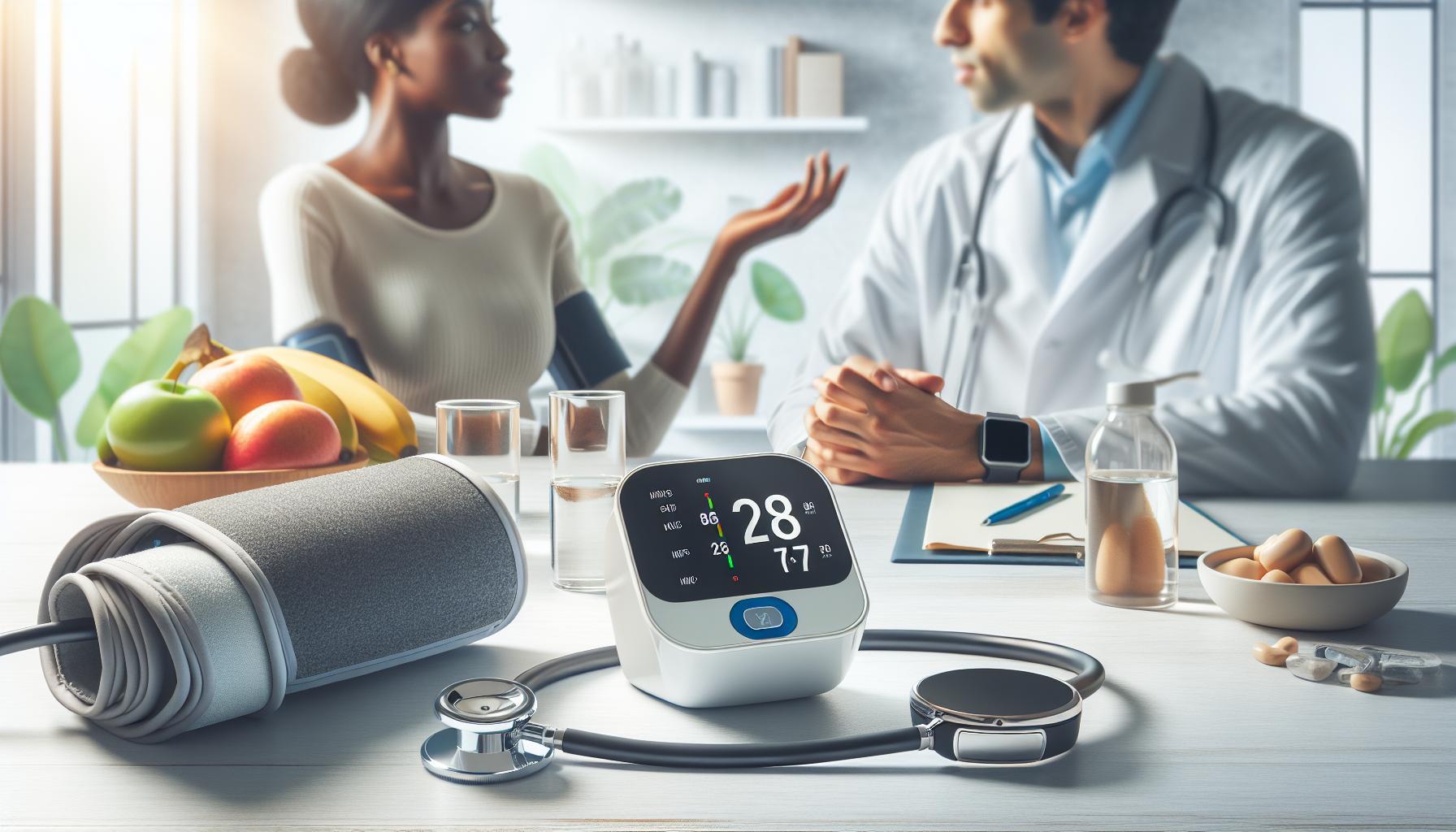

Understanding your blood pressure is crucial, as it plays a significant role in overall health. You might be curious if a reading of 100 over 70 is considered normal, particularly if you’re managing your health or monitoring your fitness goals. Blood pressure can vary widely among individuals, and knowing what’s healthy for you can help prevent complications associated with hypertension or hypotension.
Many people experience confusion when interpreting their blood pressure numbers, leading to unnecessary worry or mismanagement. In this article, we’ll dive into what it means to have a blood pressure reading of 100/70, its implications for your health, and how you can maintain optimal levels. With the right knowledge, you can be empowered to take proactive steps toward your well-being. Let’s explore this vital health indicator and ensure you’re informed and confident in monitoring your blood pressure.
Understanding Blood Pressure Readings: The Basics
Understanding blood pressure readings is crucial for maintaining cardiovascular health. Blood pressure is measured in millimeters of mercury (mm Hg) and consists of two numbers: systolic (the pressure in your arteries when your heart beats) over diastolic (the pressure in your arteries when your heart is resting between beats). For example, a reading of 100 over 70 indicates that the systolic pressure is 100 mm Hg and the diastolic pressure is 70 mm Hg. This essential metric helps gauge how well your heart is functioning and is a key indicator of overall health.
Blood pressure is not static; it fluctuates throughout the day influenced by a variety of factors. These can include physical activity, stress levels, diet, and even the time of day. Understanding these influences can empower you to manage your own blood pressure better. For instance, blood pressure might be lower in the morning after rest and gradually rise throughout the day due to activity and stressors, which is why monitoring it at different times can provide deeper insight into your health patterns.
When measuring blood pressure, it’s important to follow specific guidelines to ensure accuracy. Sit quietly for at least five minutes before the measurement, and ensure the cuff is the right size for your arm to avoid any discrepancies. If you are using a digital monitor, keep your arm at heart level and avoid talking during the reading. Regular monitoring can help you track changes over time and inform discussions with your healthcare provider.
If you are concerned about your readings, understanding the numbers is key. While 100/70 might be perfectly normal for some individuals, for others, it could indicate low blood pressure (hypotension). Symptoms such as dizziness, fatigue, or fainting should prompt further investigation. Remember to celebrate the management steps you take, whether it’s maintaining a healthy diet, exercising regularly, or monitoring your blood pressure at home. Each positive change contributes to better health outcomes and greater peace of mind.
What Does 100 Over 70 Mean?
A blood pressure reading of 100 over 70 (100/70 mm Hg) reflects the pressure in your arteries while the heart beats (systolic pressure) and while it rests between beats (diastolic pressure). In this case, a systolic pressure of 100 mm Hg indicates that, while your heart is actively pumping blood, the pressure is relatively low compared to the average range for adults, which is typically between 90 to 120 mm Hg. The diastolic pressure of 70 mm Hg falls within the normal range, suggesting adequate resting pressure in your arteries.
While these numbers can provide a general picture of your cardiovascular health, interpretation can vary based on individual factors. For instance, athletes or people with lower body mass may have naturally lower blood pressure readings. Additionally, this blood pressure level may not trigger any symptoms in some individuals, while for others, it might indicate hypotension, especially if accompanied by signs like dizziness, fatigue, or fainting. Therefore, understanding personal health history, including symptoms and lifestyle factors, is essential in evaluating whether 100/70 is normal for you.
Living a balanced lifestyle greatly influences blood pressure readings. To maintain healthy levels, consider incorporating cardiovascular exercise, staying hydrated, and managing stress levels effectively. Monitoring your blood pressure regularly can also be a proactive approach to ensuring your numbers remain in a healthy range. If you’re unsure about your blood pressure or experience concerning symptoms, consulting with a healthcare professional is a wise step to gain personalized guidance and support.
Is 100 70 Considered Normal?
A blood pressure reading of 100 over 70 mm Hg can raise questions about its significance in the context of overall health. The systolic measurement of 100 mm Hg suggests a pressure on the lower end of the average spectrum while the diastolic reading of 70 mm Hg is considered well within the normal range. This combination indicates that the heart is pumping effectively, but the systolic pressure is toward the lower limit, prompting consideration of individual health factors.
For many individuals, a reading of 100/70 mm Hg might be perfectly normal and even ideal, especially for those who lead an active lifestyle or are athletes. These individuals often have lower blood pressures due to enhanced cardiovascular fitness. However, it’s important to remember that normal blood pressure varies from person to person. Factors such as age, weight, and existing health conditions can significantly influence what is considered normal for you. If this reading is typical for you and is accompanied by no symptoms, it might not be a cause for concern.
Yet, lower blood pressure can cause symptoms such as dizziness, fainting, or fatigue in some individuals, especially if it represents a sudden drop from a higher baseline. It’s vital to stay attuned to your body’s signals and contextualize your blood pressure readings within your complete health profile. If you experience these symptoms, or if you are uncertain about your blood pressure, consulting with a healthcare provider can provide clarity and guidance tailored to your specific situation.
To maintain healthy blood pressure levels and ensure they remain within the appropriate range, consider adopting healthy lifestyle habits, such as regular aerobic exercise, a balanced diet rich in fruits and vegetables, adequate hydration, and effective stress management strategies. Monitoring blood pressure regularly will also enable you to notice any changes over time and respond proactively.
Factors Influencing Blood Pressure Levels
Certain factors can significantly influence blood pressure levels, affecting what is considered normal for individuals. Understanding these variables can empower you to take proactive steps in maintaining your overall cardiovascular health. Many people are surprised to learn how both physiological and lifestyle factors intertwine to impact blood pressure readings like 100/70 mm Hg.
Physiological Factors
Blood pressure is inherently linked to biological characteristics. Age plays a critical role, as arteries naturally stiffen over time, often leading to higher blood pressure readings. Weight is another pivotal factor; excess body weight can increase the strain on the heart, contributing to hypertension. Furthermore, underlying health conditions such as diabetes, cardiovascular diseases, or hormonal disorders can significantly affect blood pressure levels. Genetics also plays a role, as a family history of hypertension may predispose you to similar issues.
Lifestyle Choices
Lifestyle plays an undeniable role in managing blood pressure. Consider how the following factors can contribute positively or negatively:
- Diet: A diet high in salt, sugar, and unhealthy fats can elevate blood pressure, while a balanced diet rich in fruits, vegetables, whole grains, and lean proteins can help maintain healthy levels.
- Physical Activity: Regular exercise strengthens the heart, enabling it to pump blood more efficiently, which can lower blood pressure. Even moderate physical activities like walking can be beneficial.
- Stress Management: Chronic stress can lead to temporary spikes in blood pressure. Incorporating relaxation techniques such as yoga, meditation, or deep breathing can help manage stress levels.
- Alcohol and Tobacco Use: Excessive alcohol intake and smoking have been linked to elevated blood pressure, hence moderating or eliminating these habits is advisable.
Being mindful of these factors allows individuals to understand their readings better and take actionable steps toward a healthier lifestyle. Regular monitoring of blood pressure at home can provide insights into how these factors may be impacting your health. By integrating healthier habits, anyone can work towards achieving and maintaining optimal blood pressure levels.
How to Measure Your Blood Pressure Correctly
Measuring blood pressure accurately is crucial for monitoring your cardiovascular health, and understanding how to do it correctly can empower you to take control of your health. Did you know that improper technique can lead to readings that are higher or lower than your actual blood pressure? Ensuring precise measurements helps in making informed decisions about your health, especially when contemplating whether a reading like 100/70 mm Hg is normal for you.
To measure your blood pressure accurately, follow these essential steps:
Preparing for the Measurement
Before you start, it’s important to prepare your body and environment. Make sure you are relaxed and have been seated for at least five minutes. Refrain from consuming caffeine, exercising, or smoking 30 minutes prior to the measurement, as these factors can impact your readings. Additionally, find a quiet space to ensure minimal distractions, which can help maintain a steady heart rate.
Using a Blood Pressure Monitor
Choose whether you want to use a manual (sphygmomanometer) or an automatic blood pressure monitor. If using a manual device, you will need a stethoscope as well. Follow these steps:
- Position the Cuff: Wrap the blood pressure cuff around your upper arm at heart level. It should be snug but not too tight-there should be enough room to fit a fingertip beneath the cuff.
- Find Your Pulse: If using a manual device, palpate the brachial artery on the inside of your arm to locate your pulse.
- Inflate the Cuff: If using a manual device, pump the cuff until the gauge reads about 30 mm Hg above your estimated systolic pressure. For automatic devices, simply press the button to start the measurement.
- Deflate and Record: Slowly release the pressure (if manual, open the valve gradually), and listen for the first heartbeat-this is your systolic pressure. Continue to deflate until the sound disappears; this is your diastolic pressure. Automatic monitors typically display these numbers for you.
Taking Multiple Readings
To ensure accuracy, take two or three readings at intervals of one to two minutes and average the results. Blood pressure can fluctuate throughout the day, so consider measuring at the same time each day for consistency. Recording your readings can help track trends and assist in discussions with your healthcare provider.
Understanding how to monitor your blood pressure effectively can lead to better health outcomes. By being aware of your readings, especially metrics like 100/70 mm Hg, you can stay proactive about your cardiovascular health.
Signs of Abnormal Blood Pressure Readings
Abnormal blood pressure readings can manifest in ways that directly affect your daily life, making it essential to recognize the signs and take proactive measures. For those monitoring their blood pressure, a reading like 100/70 mm Hg might seem typical for some, but it can indicate different things depending on individual factors such as age, activity level, and overall health. When blood pressure falls too low, a condition known as hypotension, various symptoms may arise, including lightheadedness, dizziness, fainting, blurred vision, or fatigue. These signs signal that the body may not be receiving adequate blood flow, which can be concerning.
In contrast, elevated blood pressure (hypertension) often remains asymptomatic in the early stages. Many individuals may be unaware that their blood pressure is higher than normal until they experience complications. Regular monitoring is crucial, as it helps catch potential issues early. Symptoms associated with high blood pressure can include headaches, shortness of breath, and nosebleeds, though these often do not occur until blood pressure has reached dangerous levels. Awareness of your body and any unusual changes can serve as a vital marker for consultation with a healthcare provider.
Maintaining a log of blood pressure readings can also be beneficial. Tracking fluctuations and noting any accompanying symptoms can provide useful insights into your health status and help in discussions with your doctor. If readings consistently deviate from what is considered normal-for instance, consistently high readings above 130/80 mm Hg or low readings below 90/60 mm Hg-it’s crucial to seek medical advice. Managing abnormal blood pressure effectively involves not only understanding the numbers but also recognizing their impact on your wellbeing. Taking these readings seriously can empower you to make necessary lifestyle adjustments and engage in preventive healthcare.
Lifestyle Changes to Maintain Healthy Blood Pressure
Maintaining healthy blood pressure is a vital component of overall well-being, yet many individuals often overlook the powerful impact lifestyle choices can have on their readings. Simple adjustments can lead to significant improvements, empowering you to take control of your health and well-being effectively. A balanced approach that includes diet, exercise, stress management, and regular monitoring can make all the difference.
Making dietary changes can have a profound effect on blood pressure. Embracing a heart-healthy diet rich in fruits, vegetables, whole grains, and lean proteins while reducing sodium intake can help regulate levels. The DASH (Dietary Approaches to Stop Hypertension) diet, for example, is specifically designed to combat high blood pressure and has shown promising results. Aim to limit processed foods, which often contain high levels of salt and unhealthy fats, while opting for potassium-rich foods like bananas, spinach, and sweet potatoes, as potassium can help counteract sodium’s effects.
Incorporating regular physical activity into your routine is equally crucial. Aim for at least 150 minutes of moderate aerobic exercise each week, such as brisk walking, swimming, or cycling. Beyond aiding in weight management, exercise helps improve heart health and can lower blood pressure over time. Strength training is another beneficial component; it can be done twice a week to further enhance cardiovascular fitness and muscle tone.
Stress management also plays a vital role in blood pressure regulation. Chronic stress can lead to unhealthy coping mechanisms, such as overeating or neglecting physical activity, which can adversely affect blood pressure. Techniques like mindfulness, meditation, yoga, or even simple breathing exercises can help alleviate stress. Taking time out for hobbies and social interactions is equally important, as these can foster emotional well-being and mitigate stress levels.
Lastly, consistently monitoring your blood pressure is essential. Use a reliable home monitor to track your readings at different times of the day and under various conditions. Keeping a log of your readings allows you to see patterns and discuss any changes with your healthcare provider. This proactive approach not only reinforces a sense of accountability but also aids in early detection of potential issues, leading to timely interventions.
By adopting these lifestyle changes, you are making a significant investment in your health, which can lead to improved blood pressure readings and overall quality of life. Remember, small steps can lead to substantial results, and your journey toward healthier blood pressure begins today.
When to Consult a Healthcare Professional
Understanding blood pressure readings is crucial for maintaining overall health, and knowing when to reach out to a healthcare professional can be a game-changer in managing your well-being. If you notice that your blood pressure reading is consistently 100 over 70, which falls within the accepted normal range for many adults, it’s still important to evaluate how you feel and any symptoms that may arise. Symptoms of low blood pressure, such as dizziness, fainting, or unusual fatigue, should not be overlooked. When these occur, they might indicate that your blood circulation isn’t adequately supplying vital organs, signaling a need for medical advice.
It’s advisable to consult a healthcare professional if you experience any concerning signs or if you have underlying health conditions that could alter the significance of your readings. For instance, individuals with diabetes, heart disease, or those on blood pressure medication should monitor their levels more closely and seek guidance if they fall below their usual baseline. Regular consultations can also ensure that your management plan is appropriately tailored to your needs, whether that includes lifestyle changes or medications.
Furthermore, if you find that your readings frequently fluctuate or change from what is considered normal for you, maintain a record of these numbers using a blood pressure log. Share this log with your healthcare provider during visits, as it will help them understand your trends over time and make informed recommendations. They might order additional tests or encourage further lifestyle modifications based on your blood pressure history.
Overall, being proactive about your health by knowing when to seek help is empowering. Establishing a trustworthy relationship with your healthcare provider can ensure that you are equipped to address any blood pressure concerns effectively and continue to lead a healthier life. Always listen to your body, and when in doubt, don’t hesitate to reach out for professional advice.
Blood Pressure and Overall Health: Key Connections
Understanding the crucial link between blood pressure and overall health can truly empower individuals to take charge of their well-being. Blood pressure is not just a number; it reflects how effectively your heart and blood vessels are functioning together to circulate blood throughout your body. For instance, a reading of 100 over 70, though often considered normal, should be understood in the context of your overall health, lifestyle choices, and even your emotional state at the time of measurement.
Maintaining blood pressure within a healthy range is vital because high or low numbers can lead to serious health complications. Hypertension (high blood pressure) is often referred to as the “silent killer” due to its lack of obvious symptoms, which can result in heart disease, stroke, or kidney damage over time. Conversely, low blood pressure may lead to dizziness or fainting, which can be equally dangerous, especially in older adults or those with underlying health issues. This exemplifies why monitoring your readings is essential and why understanding what they mean is a proactive approach to health management.
To illustrate the key connections between blood pressure and health, consider factors that can influence your readings: diet, physical activity, stress levels, and sleep quality. For example, a diet rich in sodium may elevate blood pressure, while regular exercise and a balanced diet can help in maintaining a healthy number. Therefore, small lifestyle modifications can yield significant benefits. Incorporating potassium-rich foods, such as bananas and spinach, and reducing processed food intake can be practical steps toward achieving better blood pressure management.
Ultimately, being educated about blood pressure encourages individuals to develop a healthier lifestyle. Regular check-ups and readings at home can help detect any irregularities early and allow you to work with healthcare professionals on tailored health strategies, like dietary adjustments or an exercise plan. This proactive management can help you not only maintain normal blood pressure but also enhance your overall health and quality of life.
Monitoring Blood Pressure at Home: A Guide
Monitoring your blood pressure at home can be a vital aspect of maintaining your overall health. Accurate self-measurements not only help you stay informed about your cardiovascular status but also empower you to make proactive lifestyle choices. Regularly checking your blood pressure can enhance your understanding of what your individual readings, such as 100 over 70, mean in the context of your health.
To effectively monitor your blood pressure at home, follow these simple steps:
Choosing the Right Equipment
Selecting a good quality blood pressure monitor is crucial. Automatic digital monitors are user-friendly and recommended for home use. Ensure the device is validated for accuracy and fits appropriately on your arm. Most models offer readings in millimeters of mercury (mmHg) and display both systolic (the higher number) and diastolic (the lower number) pressures.
Preparing for Measurement
Before you take a measurement, it’s important to prepare your body and environment:
- Rest: Sit quietly for 5-10 minutes before measuring.
- Avoid stimulants: Refrain from caffeine, nicotine, and vigorous activity for at least 30 minutes beforehand.
- Posture: Sit with your back supported, feet flat on the floor, and arm supported at heart level.
Taking Your Blood Pressure
To ensure accurate readings, follow your monitor’s instructions closely:
- Position the cuff according to the instructions-usually on the upper arm, snug but not too tight.
- Start the device and remain still and quiet during the measurement process.
- Record your readings promptly. Note the date, time, and any relevant factors that might affect your blood pressure, like stress levels or recent physical activity.
Understanding Your Readings
An understanding of your blood pressure readings can inform necessary lifestyle adjustments. A reading of 100/70 mmHg is generally considered normal, but individual variations and ongoing monitoring can provide a clearer picture of your health trends.
Monitoring your blood pressure at home should not be viewed as a chore but as a proactive step toward sustainable health. Regular tracking can help identify patterns and trends, allowing you and your healthcare provider to make data-driven decisions about your health management strategies. By staying engaged with your readings and combining this practice with healthy lifestyle changes, you can significantly enhance your well-being and longevity.
Common Myths About Blood Pressure Explained
Many misconceptions about blood pressure can lead to confusion and anxiety around health management. One common myth is that low blood pressure readings, such as 100 over 70 mmHg, are always unhealthy. While this reading falls within the normal range for many individuals, low blood pressure can be perfectly acceptable for some people, especially athletes or those with smaller body frames. It’s essential to consider individual health profiles and consult with a healthcare provider to understand what’s normal for you personally.
Another frequent falsehood is that blood pressure issues are solely related to diet and exercise. While these factors play significant roles, blood pressure can also be influenced by genetics, stress levels, hormonal changes, and certain medications. Recognizing these diverse influences can empower individuals to take a more holistic approach to their health management. For example, practicing mindfulness and stress-reduction techniques can help maintain healthy blood pressure levels, complementing dietary and physical activity changes.
Moreover, some believe that fluctuating blood pressure is always a cause for concern. In reality, minor fluctuations throughout the day can be entirely normal due to various activities, emotional states, or even time of day. It’s the consistent pattern of readings over time that provides a clearer picture. Regular monitoring and recording your blood pressure can help you and your healthcare provider identify trends and, if necessary, initiate timely interventions.
Lastly, many people think that only individuals with high blood pressure need to monitor their levels. However, monitoring blood pressure is beneficial for everyone, as it helps to establish a baseline and detect any changes early on. Regular self-monitoring can lead to significant health improvements by encouraging awareness and motivating proactive lifestyle changes that support overall well-being.
Understanding the Risks of Low Blood Pressure
In the realm of cardiovascular health, understanding the implications of low blood pressure is crucial, particularly for those who may have readings like 100 over 70 mmHg. While this level can be entirely normal for some, it’s important to recognize that low blood pressure, known medically as hypotension, can lead to potentially serious health issues if not monitored appropriately. Symptoms of low blood pressure can include dizziness, fainting, fatigue, and blurry vision, especially when transitioning from sitting to standing, indicating that the body may not be receiving adequate blood flow to support everyday activities.
Potential Risks of Low Blood Pressure
Low blood pressure can manifest for various reasons, from dehydration to heart problems or hormonal imbalances. If blood pressure drops too low, it may hinder the delivery of oxygen and nutrients to vital organs, creating a scenario known as shock. This is particularly concerning for older adults who may be more sensitive to drops in blood pressure and are susceptible to falls and injuries as a result.
To mitigate the risks associated with low blood pressure, it’s essential to adopt proactive measures:
- Stay Hydrated: Ensure adequate fluid intake to maintain blood volume.
- Balance Meals: Avoid large meals that can lead to postprandial hypotension (a drop in blood pressure after eating).
- Monitor Regularly: Keep track of your blood pressure at different times and note any symptoms to share with your healthcare provider.
- Profile Your Physical Activities: Gradually change positions when standing up after sitting or lying down to prevent dizziness.
When to Seek Medical Advice
Understanding when to consult a healthcare professional is vital. If you frequently experience symptoms tied to low blood pressure readings or if your numbers consistently fall below your typical range, it’s essential to seek medical guidance. Personalized advice can help tailor strategies to stabilize your blood pressure and address any underlying health concerns. Regular check-ups and effective communication with your healthcare provider ensure that you’re equipped with the best approach for maintaining blood pressure within a healthy range and safeguarding your overall health.
Q&A
Q: Is a blood pressure reading of 100 over 70 good for my age?
A: A reading of 100/70 mmHg can be considered normal but may vary depending on your age, overall health, and fitness level. It’s essential to consult your healthcare provider to determine what is ideal for you as individual health factors play a significant role.
Q: How can low blood pressure affect my health?
A: Low blood pressure, such as 100/70 mmHg, can lead to symptoms like dizziness, fainting, or fatigue. Chronic low blood pressure can pose risks if it impairs blood flow to vital organs. Regular monitoring and lifestyle adjustments can help manage it effectively.
Q: What is considered low blood pressure?
A: Low blood pressure is typically defined as any reading below 90/60 mmHg. However, what constitutes low varies by individual, and some may feel fine at readings like 100/70 mmHg. Consider discussing your blood pressure with a healthcare provider for personalized insights.
Q: When should I worry about my blood pressure?
A: Worry about blood pressure readings when they consistently fall below 90/60 mmHg or if you experience symptoms like dizziness, confusion, or weakness. Consulting a healthcare professional is advisable for further evaluation and potential management options.
Q: Can anxiety affect blood pressure readings?
A: Yes, anxiety can temporarily raise blood pressure due to the body’s stress response. However, once the anxiety subsides, readings may normalize. Tracking your blood pressure during calm and stressful times can provide insights for managing your health.
Q: What lifestyle changes can help stabilize my blood pressure?
A: Maintaining a balanced diet, exercising regularly, managing stress, and staying hydrated can help stabilize blood pressure. It’s also important to limit salt and alcohol intake. Creating a consistent routine can significantly impact your overall blood pressure health.
Q: Should I monitor my blood pressure at home?
A: Yes, monitoring your blood pressure at home can help manage your health, especially if you have low blood pressure or a history of hypertension. Use a reliable home blood pressure monitor and track your readings to discuss during doctor visits for tailored advice.
Q: What are some common myths about blood pressure?
A: Common myths include the belief that low blood pressure doesn’t require attention or that only high blood pressure is a concern. Both extremes can impact health and should be monitored. Educating yourself on blood pressure can enhance your health management strategies.
To Wrap It Up
Understanding whether a blood pressure of 100 over 70 is within a normal range is crucial for your health. Remember, it’s not just the numbers that matter; it’s how you feel and the lifestyle choices you make. If you have concerns about your blood pressure or want to monitor it regularly, consider using a home blood pressure monitor or consulting with a healthcare provider for personalized advice.
For more insights, explore our articles on managing blood pressure and the impact of diet on cardiovascular health. If you found this information helpful, don’t forget to sign up for our newsletter for the latest health tips and practical strategies directly to your inbox. Share your thoughts or questions in the comments below and keep the conversation going-your health journey matters, and we’re here to support you every step of the way!