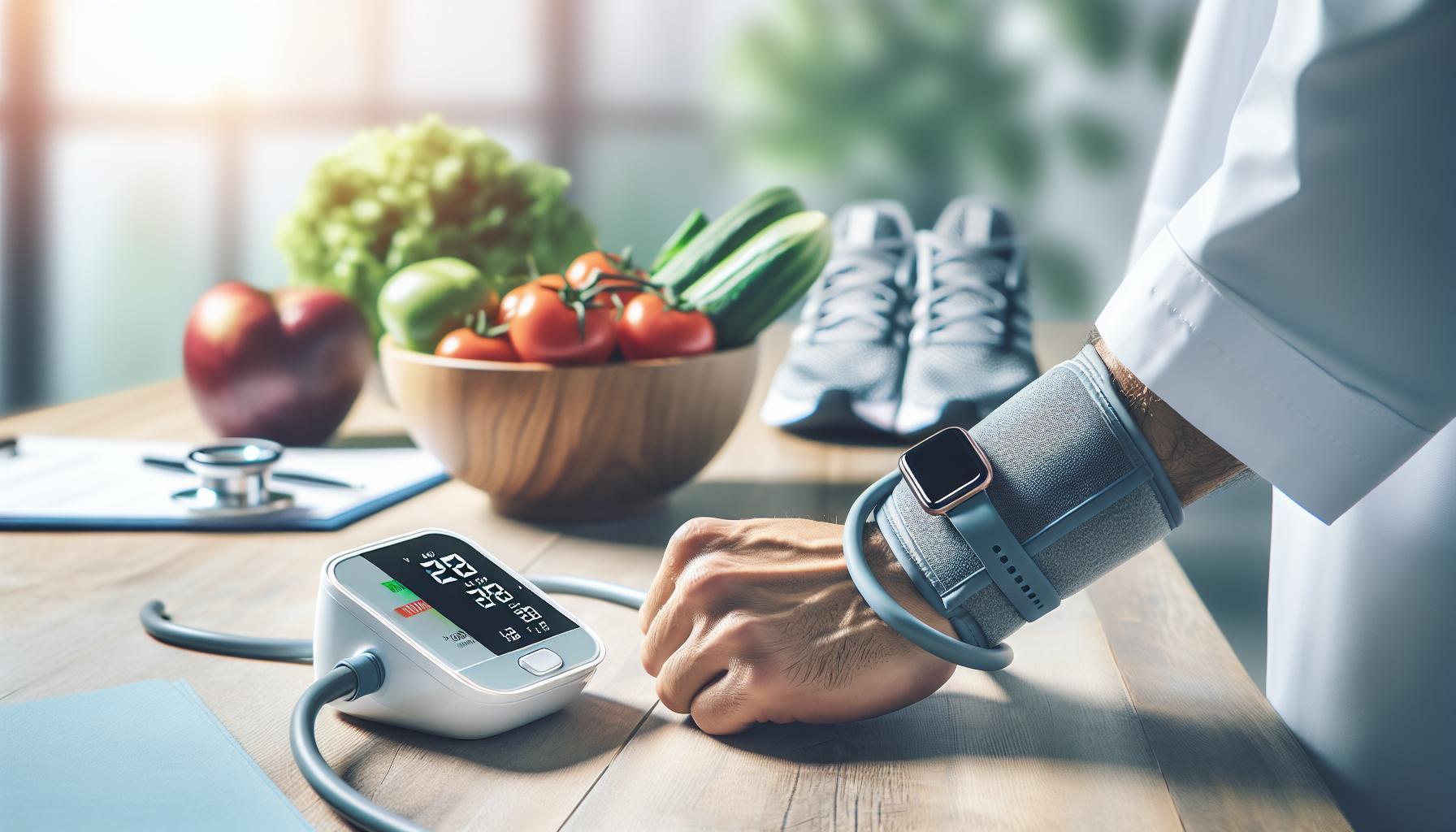

Did you know that blood pressure can significantly impact your overall health, influencing everything from heart function to energy levels? If you’ve recently checked your blood pressure and found it to be 114/70 mm Hg, you might be wondering whether this reading is good for you. Understanding blood pressure ranges is crucial for managing your health and preventing potential complications.
Blood pressure is a vital indicator of cardiovascular health, often reflecting how well your heart is working to supply blood throughout your body. While many aim for the ideal reading of around 120/80 mm Hg, individual factors such as age, lifestyle, and overall health come into play. In this article, we’ll explore whether a reading of 114/70 is considered healthy, what it means in context, and how you can manage your blood pressure effectively. Join us as we decode the nuances of blood pressure and guide you toward healthier living.
Understanding Blood Pressure Readings: The Basics
Understanding blood pressure readings is essential for managing your health. Blood pressure is measured in millimeters of mercury (mm Hg) and is expressed as two numbers: the systolic pressure (the upper number) measures the pressure in your arteries when your heart beats, while the diastolic pressure (the lower number) measures the pressure when your heart is at rest between beats. A reading of 114/70 mm Hg falls within the normal range, indicating that both components are functioning well. Understanding this balance helps you appreciate the significance of maintaining good cardiovascular health.
Monitoring blood pressure offers crucial insights into your overall health status. It’s essential to recognize that what constitutes “normal” can vary based on individual factors such as age, weight, and existing health conditions. Guidelines from health organizations typically define normal blood pressure as anything below 120/80 mm Hg. Therefore, a reading of 114/70 not only meets this criterion but also suggests a healthy vascular function and reduced strain on the heart. This level helps minimize the risk of heart disease, stroke, and other serious health conditions.
When measuring blood pressure, accuracy is vital for effective management. Various factors can influence readings, including body position, time of day, and even the size of the blood pressure cuff used. To ensure reliable measurements, always use a calibrated device, keep the cuff at heart level, and rest quietly for a few minutes before taking a reading. It’s also advisable to record your measurements at the same times each day to track any variations, which can provide valuable information for your healthcare provider in assessing your cardiovascular health.
By understanding and regularly monitoring your blood pressure, you empower yourself to make informed decisions about your health. This proactive approach aids in early detection of potential issues, allowing for timely intervention. Engaging in lifestyle changes, such as maintaining a balanced diet and incorporating regular physical activity, can further support cardiovascular wellness and enhance your overall quality of life.
What Does a Reading of 114/70 Mean?
A blood pressure reading of 114/70 mm Hg is a clear indicator of healthy cardiovascular function. This reading reveals that the systolic pressure (the top number, 114) is well below the 120 mm Hg threshold typically considered the upper limit of normal. The diastolic pressure (the bottom number, 70) is also within a favorable range, aligning with guidelines that define optimal blood pressure as anything below 80 mm Hg. Achieving a reading like this suggests that your heart is efficiently pumping blood, and your arteries are not under excessive strain, which is critical for long-term heart health.
Understanding the implications of a 114/70 reading can empower you to maintain or enhance your cardiovascular wellness. It signifies not only the absence of high blood pressure (hypertension) but also a state that minimizes the risk for serious health issues, such as heart disease and stroke. This favorable balance between systolic and diastolic pressures indicates an effective relationship within your cardiovascular system, which is essential for distributing oxygen and nutrients throughout your body efficiently.
To build on this positive state, consider regularly monitoring your blood pressure and incorporating lifestyle choices that support heart health. Engaging in physical activity, maintaining a balanced diet rich in fruits and vegetables, and managing stress effectively can contribute to sustaining these healthy numbers. Set a routine for checking your blood pressure under similar conditions each time-ideally in the morning before any meals or medications-keeping a record to share with your healthcare provider. This proactive approach not only fosters better health outcomes but also reinforces your commitment to personal wellness.
Ultimately, a reading of 114/70 is more than just numbers; it reflects a commitment to understanding and managing your health. By recognizing its significance, you can confidently take control of your cardiovascular fitness and enjoy the benefits of a healthy lifestyle.
Evaluating Healthy Blood Pressure Ranges
Understanding blood pressure ranges is essential for maintaining cardiovascular health and managing potential health risks. Healthy blood pressure is traditionally categorized as anything below 120/80 mm Hg. This classification is crucial because it helps individuals recognize whether their readings fall within a desirable range or if closer monitoring may be needed. A reading of 114/70 mm Hg, for instance, is well within the normal range, and understanding why this is the case can empower individuals to take proactive steps in health management.
According to the American Heart Association, blood pressure categories include:
- Normal: Less than 120/80 mm Hg
- Elevated: Systolic between 120-129 and diastolic less than 80
- Hypertension Stage 1: Systolic between 130-139 or diastolic between 80-89
- Hypertension Stage 2: Systolic 140 or higher or diastolic 90 or higher
- Hypertensive Crisis: Systolic higher than 180 and/or diastolic higher than 120
By knowing these categories, you can better assess your cardiovascular health and understand when to take action, whether that means monitoring more frequently or consulting with a healthcare provider.
Regular blood pressure monitoring plays a vital role in identifying trends in your health. For best practices in measuring your blood pressure, try the following:
Effective Monitoring Practices
- Use a validated blood pressure monitor: Ensure that your device is clinically validated for accuracy.
- Follow a consistent routine: Measure your blood pressure at the same times each day, ideally in the morning before eating or taking medications.
- Sit correctly during measurement: Sit in a relaxed position with your back supported and feet flat on the floor. Your arm should be at heart level.
- Record your results: Keep a log of your readings to discuss with your healthcare provider for tailored advice and to spot any concerning trends.
Cultivating an awareness of healthy blood pressure ranges not only enhances your understanding of your health but also fosters an environment where informed lifestyle choices can thrive. Awareness, coupled with consistent monitoring and healthy habits, can foster a proactive approach to cardiovascular health.
How to Measure Your Blood Pressure Accurately
To ensure accurate blood pressure measurements, it’s essential to follow a few straightforward yet crucial practices. These not only enhance the reliability of the readings but also empower you to monitor your cardiovascular health effectively. Remember, your blood pressure is influenced by many factors, including time of day and physical activity, making consistent and precise measurement fundamental.
Begin by selecting a validated blood pressure monitor, as the accuracy of your device significantly impacts your readings. Automatic digital monitors are user-friendly and ideal for home use, while manual monitors require a bit more expertise. Ensure your device is calibrated according to the manufacturer’s guidelines or checked against your doctor’s equipment regularly.
It is advisable to measure your blood pressure at the same times each day for consistency, ideally in the morning and evening. Before taking a reading, sit in a quiet, comfortable position for at least five minutes to relax. Keep your back supported, feet flat on the floor, and arm at heart level. This positioning helps provide a more accurate reading. When you are ready, wrap the cuff snugly around your upper arm, ensuring it’s positioned correctly about an inch above the elbow. Press the start button and keep still during the measurement, as movement can give inaccurate results.
Once you have your readings, it can be beneficial to maintain a log. Record not only the values but also the time of day, any recent activity, and how you felt during measurement. Over time, this log will help illustrate patterns or changes in your blood pressure, allowing for informed discussions with your healthcare provider if needed. Regular monitoring can help detect issues early, placing you firmly in control of your health outcomes.
Signs You May Have Low or High Blood Pressure
Experiencing fluctuations in blood pressure can often go unnoticed, yet being attuned to the signs of low or high readings is crucial for maintaining overall health. Both conditions can manifest subtly or overtly, and recognizing them is the first step toward effective management. A blood pressure reading of 114/70 is generally considered within a normal range, but understanding the symptoms associated with deviations is vital.
Identifying Low Blood Pressure Symptoms
Low blood pressure, or hypotension, can lead to inadequate blood flow to organs, which may cause symptoms such as:
- Dizziness or Lightheadedness: You might feel faint, especially when standing up quickly.
- Fatigue: Persistent tiredness without any clear reason can signal low blood pressure.
- Blurred Vision: Sudden changes in vision can occur, indicating insufficient blood flow.
- Nausea: An unexpected feeling of nausea may also be a sign of low blood pressure.
If you notice these symptoms, it is advisable to monitor your blood pressure more closely or consult a healthcare provider.
Detecting High Blood Pressure Symptoms
Conversely, high blood pressure, or hypertension, is often termed a “silent killer” because it typically does not present symptoms until it reaches dangerous levels. However, some individuals may experience:
- Severe Headaches: Uncharacteristically intense headaches could be linked to high blood pressure.
- Shortness of Breath: Difficulty breathing during routine activities might be a significant indicator.
- Nosebleeds: Frequent or unexplained nosebleeds can occur with heightened blood pressure levels.
- Chest Pain: Discomfort or pain in the chest area should always be taken seriously and evaluated immediately.
It is crucial to recognize these warning signs and take proactive steps to assess your blood pressure regularly. Whether you are experiencing symptoms of low or high blood pressure, don’t hesitate to seek medical guidance, as early intervention can lead to better health outcomes. Regular monitoring and lifestyle adjustments can also play a significant role in maintaining your blood pressure within a healthy range.
Factors Influencing Blood Pressure Levels
Understanding blood pressure can feel daunting, but various elements play a crucial role in determining your readings. Factors such as age, lifestyle, diet, and even genetics significantly influence blood pressure levels. By grasping how these components interact, individuals can take proactive steps toward maintaining a healthy cardiovascular profile.
Both stress and physical activity impact blood pressure remarkably. During stressful moments, your body releases adrenaline, resulting in a temporary spike in blood pressure. Conversely, regular exercise is known to strengthen the heart, enabling it to pump blood more efficiently, often leading to lower resting blood pressure levels. Aim for at least 150 minutes of moderate aerobic activity weekly to bolster your heart health effectively.
Diet also plays an instrumental role in blood pressure regulation. Consuming foods high in sodium can elevate blood pressure, while a diet rich in fruits, vegetables, and whole grains can contribute to healthier levels. Specifically, potassium-rich foods, such as bananas and spinach, help balance sodium levels in the body, thus lowering blood pressure. Tracking your food intake can provide valuable insights into how your dietary choices affect your readings.
Lastly, genetics can predispose individuals to varying blood pressure levels. If you have a family history of hypertension, it is crucial to monitor your blood pressure regularly and consult healthcare providers for personalized management strategies. Embracing a healthy lifestyle through balanced nutrition, regular exercise, and stress management can significantly influence your blood pressure, empowering you to take control of your health.
Lifestyle Changes for Optimal Blood Pressure
Understanding how lifestyle changes can optimize blood pressure is crucial for maintaining heart health. The heart is not just a pump; it is a powerhouse that thrives on good habits. A holistic approach, combining diet, exercise, stress management, and regular monitoring, can significantly enhance your cardiovascular well-being and keep your blood pressure in a healthy range.
Implementing a balanced diet is foundational for blood pressure control. Focus on incorporating more fruits and vegetables, which are rich in potassium, to help offset sodium’s negative effects. Consider following dietary patterns like the DASH (Dietary Approaches to Stop Hypertension) diet, which emphasizes whole grains, lean proteins, and low-fat dairy. Reducing sodium intake is equally vital; aim for no more than 2,300 mg per day, or ideally, 1,500 mg for those with hypertension. Additionally, staying hydrated can support optimal circulatory function, so drink plenty of water throughout the day.
Physical Activity: A Key Component
Regular physical activity can be a game changer for blood pressure management. Aim for at least 150 minutes of moderate aerobic activity each week, which can include brisk walking, swimming, or cycling. Incorporate muscle-strengthening activities on two or more days a week. Exercise not only helps to lower blood pressure directly by improving heart efficiency but also aids in weight management, reducing stress, and enhancing overall well-being. Remember, any movement is better than none-find activities you enjoy to make exercising a consistent habit.
Managing Stress Effectively
Stress management should also be a priority. Chronic stress is known to cause spikes in blood pressure and, when combined with unhealthy coping mechanisms like overeating or smoking, can lead to lasting health issues. Explore techniques such as meditation, deep breathing exercises, or yoga to cultivate a calmer mindset. Setting aside time for hobbies or relaxation also contributes to better stress management and can significantly affect your heart health.
Lastly, maintain regular blood pressure monitoring. This can be done at home with a digital monitor or during routine visits with your healthcare provider. Keeping track of your readings helps you notice patterns and make informed lifestyle choices. When lifestyle changes are made and readings improve, this positive feedback can motivate you to continue on the path to a healthier life.
Taking control of your lifestyle habits is empowering; with thoughtful choices, you can support your blood pressure in achieving its ideal range and enhance your overall health.
When to Seek Medical Advice About Blood Pressure
Understanding can be crucial for maintaining long-term health. If you’ve consistently measured your blood pressure and noticed readings that either exceed normal ranges or drop unexpectedly low, it’s essential to consult with your healthcare provider promptly. For instance, while a reading of 114/70 is generally considered healthy, fluctuations or sudden changes warrant attention. A single abnormal reading may not be alarming, but persistent issues can indicate underlying health concerns.
Be vigilant for symptoms such as dizziness, fainting, severe headaches, or chest pain, as these may signal complications related to blood pressure. If you experience any of these symptoms alongside changes in your readings, don’t hesitate to reach out to a healthcare professional. They can provide a thorough evaluation, potentially recommend further tests, and discuss tailored strategies for managing your blood pressure effectively.
Additionally, if you are diagnosed with conditions like hypertension or hypotension, regular follow-ups become even more critical. Your doctor may recommend lifestyle modifications, medications, or a combination of both to help stabilize your blood pressure. It’s also beneficial to regularly monitor your blood pressure at home, especially if you have a history of elevated readings. Keeping a log of your measurements will help your physician make informed decisions about your treatment plan.
In considering when to seek advice, remember that proactive management often yields the best outcomes. Stay informed about your body’s signals, maintain regular check-ins with your healthcare provider, and empower yourself with knowledge about blood pressure management. This approach not only aids in controlling blood pressure but also enhances overall well-being, building a path toward a healthier future.
Blood Pressure Monitoring: Best Practices
Keeping track of your blood pressure is essential for maintaining heart health and overall well-being. Regular monitoring allows you to detect potential issues early and empowers you to make informed decisions about your health. To get the most out of your monitoring routine, consider these best practices to ensure accuracy and consistency.
To achieve precise readings, choose the right equipment. Use a validated automatic blood pressure cuff that fits your arm comfortably; ill-fitting cuffs can lead to incorrect readings. Before measuring, ensure you’ve rested for at least five minutes, avoid caffeine or high-activity levels, and use the same arm each time for consistency. Sit in a relaxed position with your back supported, feet flat on the floor, and your arm at heart level. It’s beneficial to take two or three readings spaced one minute apart and record all of them to share with your healthcare provider.
Keeping a Blood Pressure Log
Maintaining a record of your blood pressure readings can provide invaluable insights. You can document your measurements in a notebook or use a digital app tailored for managing health records. Include details such as the date, time, and any relevant activities or symptoms you experienced before the measurement. This context can reveal patterns that may be helpful for your doctor in evaluating your blood pressure trends.
Establishing a Monitoring Routine
Consistency is vital in blood pressure monitoring. Aim to check your blood pressure at the same times each day-morning and evening are ideal. This regularity helps your healthcare provider assess any fluctuations effectively. If you notice significant changes or persistently high or low readings, reach out to your healthcare provider to further explore the underlying causes and necessary interventions.
In summary, accurate and consistent blood pressure monitoring is a cornerstone of effective health management. By following these best practices and maintaining a detailed log, you not only enhance your understanding of your cardiovascular health but also lay the groundwork for beneficial lifestyle adjustments and informed discussions with your healthcare provider.
Understanding Blood Pressure Medications
is crucial for anyone monitoring their cardiovascular health, especially if you’re navigating the complexities of managing conditions like hypertension. Blood pressure medications, often referred to as antihypertensives, play a vital role in controlling blood pressure levels to reduce the risk of heart disease and strokes. These medications can take various forms, each designed to target specific pathways in the body that regulate blood pressure.
One common class of these medications is diuretics, which help to remove excess fluid from the body. By reducing the volume of blood the heart has to pump, diuretics can effectively lower blood pressure. However, it’s essential to be aware of their potential side effects, such as dehydration and electrolyte imbalances, which your healthcare provider will monitor closely [[1]].
Other categories include ACE inhibitors, which help relax blood vessels; calcium channel blockers, which prevent calcium from entering heart and blood vessel cells; and beta-blockers, which reduce the heart’s workload. Your healthcare provider may prescribe a combination of these medications to achieve optimal blood pressure control. It’s important to take them exactly as directed and attend regular checkups to assess their effectiveness and make any necessary adjustments [[3]].
As you consider blood pressure medications, it’s advisable to engage in a dialogue with your healthcare provider. Discuss any concerns or side effects you may experience, and don’t hesitate to ask about lifestyle changes-such as dietary adjustments, exercise, and stress management-that can complement your medication regimen. Remember, managing blood pressure effectively requires a holistic approach that considers both medication and lifestyle, empowering you to take charge of your health and enhance your quality of life.
The Role of Diet in Blood Pressure Management
A balanced diet plays a pivotal role in managing blood pressure, and understanding how certain foods affect your cardiovascular health can empower you to make better choices. Studies show that individuals who adopt dietary patterns rich in fruits, vegetables, whole grains, lean proteins, and healthy fats often experience significant improvements in their blood pressure levels. This approach not only nourishes the body but also provides essential nutrients that help regulate blood pressure naturally.
One of the most effective dietary frameworks for blood pressure management is the DASH diet (Dietary Approaches to Stop Hypertension). This plan emphasizes the consumption of:
- Fruits and Vegetables: Aim for a variety-these are rich in potassium, magnesium, and antioxidants, which help lower blood pressure.
- Whole Grains: Foods like brown rice, quinoa, and oats are beneficial due to their fiber content, which supports healthy cholesterol levels and promotes heart health.
- Lean Proteins: Incorporate sources such as chicken, fish, beans, and nuts to provide the body with essential amino acids without contributing to cholesterol build-up.
- Healthy Fats: Focus on unsaturated fats found in olive oil, avocados, and fatty fish to support overall heart health.
In contrast, limiting sodium intake is crucial. High sodium levels can lead to water retention, which increases blood volume and consequently raises blood pressure. To keep your intake under control, opt for fresh or minimally processed foods, as they typically contain lower levels of sodium compared to pre-packaged items. Reading nutrition labels can also help you identify hidden salts in everyday products.
Additionally, maintaining a healthy weight through diet not only lowers the risk of developing high blood pressure but can also make a significant difference if you are already diagnosed with hypertension. Incorporating regular physical activity in combination with a nutritious diet amplifies the benefits, making lifestyle changes a powerful ally in blood pressure management. Culinary practices such as meal prepping and opting for plant-based recipes can further enhance your dietary efforts, offering flavorful and heart-healthy options that fit seamlessly into your lifestyle.
Debunking Common Blood Pressure Myths
Blood pressure is often misunderstood, leading to many myths that can cause unnecessary confusion and anxiety. One common misconception is that a single reading can accurately diagnose a person’s blood pressure health. In reality, blood pressure can fluctuate throughout the day due to various factors such as stress, physical activity, and even food intake. Thus, it’s important to consider multiple readings over time to get a true understanding of an individual’s blood pressure baseline.
Another prevalent myth is that only individuals with visibly high blood pressure experience health risks. However, both high and low blood pressure can pose significant health threats. Low blood pressure, or hypotension, may lead to dizziness, fainting, or shock in severe cases. Similarly, high blood pressure, or hypertension, can result in serious conditions like heart disease and stroke. Consequently, it’s crucial not to overlook blood pressure management, regardless of whether the readings appear “normal.”
Many people also believe that blood pressure is solely a problem for older adults. This is far from true, as hypertension can affect individuals at any age, particularly with lifestyle factors like diet, exercise, and weight. Young people, even those who feel healthy, should monitor their blood pressure as part of routine health check-ups.
Finally, some may assume that medication alone can manage blood pressure effectively. While prescribed medications can play a significant role, they work best in conjunction with lifestyle changes such as a balanced diet, regular exercise, and stress management practices. Making these adjustments not only supports long-term blood pressure control but also enhances overall health and wellness.
Understanding these myths is the first step toward effective blood pressure management, empowering you to make informed decisions about your health.
Frequently Asked Questions
Q: What is considered a normal blood pressure range for adults?
A: A normal blood pressure range for adults is generally between 90/60 mmHg and 120/80 mmHg. Maintaining blood pressure within this range is crucial for reducing the risk of heart disease and other health issues. Regular monitoring can help detect any deviations early.
Q: Can blood pressure of 114/70 be considered low?
A: A reading of 114/70 mmHg is typically not considered low; it falls within the normal range. However, individual factors such as overall health, symptoms, and context should be considered to assess if this reading is ideal for you.
Q: How does age affect blood pressure norms?
A: Age can influence blood pressure targets, as older adults may experience changes in arterial stiffness. Generally, the acceptable range may shift slightly, prompting adjustments in what is considered healthy for different age groups. Consulting a healthcare provider is advisable for tailored guidance.
Q: What are the signs of elevated blood pressure?
A: Elevated blood pressure may often have no clear symptoms, but some individuals might experience headaches, dizziness, or nosebleeds. Regular monitoring is essential to detect high blood pressure early, as it often requires lifestyle changes or medical intervention.
Q: How frequently should I check my blood pressure?
A: It’s recommended to check your blood pressure at least once a week if you are healthy and more often if you have concerns. Regular monitoring helps track trends and allows for timely interventions if levels deviate from healthy ranges.
Q: When should I consult a doctor about my blood pressure?
A: Consult a doctor if your readings consistently exceed 130/80 mmHg, if you notice sudden changes, or if you experience any concerning symptoms like severe headaches or chest pain. Early intervention can prevent complications associated with high blood pressure.
Q: How can diet influence blood pressure levels?
A: Diet plays a significant role in managing blood pressure. Consuming potassium-rich foods, reducing salt intake, and following a balanced diet such as the DASH (Dietary Approaches to Stop Hypertension) diet can effectively lower and stabilize blood pressure levels.
Q: What lifestyle changes can help maintain healthy blood pressure?
A: To maintain healthy blood pressure, incorporate regular physical activity, maintain a balanced diet, manage stress levels, limit alcohol consumption, and avoid tobacco. These changes can enhance cardiovascular health and help achieve desired blood pressure levels.
In Retrospect
Understanding blood pressure ranges, like the 114/70 reading, is vital for maintaining overall health. This level is typically considered within the healthy spectrum, but it’s essential to monitor it regularly to ensure it remains stable. If you have concerns about your blood pressure or wish to learn more about effective lifestyle changes, don’t hesitate to check out our in-depth articles on managing hypertension and heart health.
Take control of your health today! Explore our resources on blood pressure monitoring tools and dietary strategies that can support a balanced lifestyle. Join our newsletter for the latest updates and expert insights. Remember, staying informed and proactive can make a significant difference in your well-being. Share your thoughts or questions in the comments below-engaging with our community can empower your journey toward optimal health!