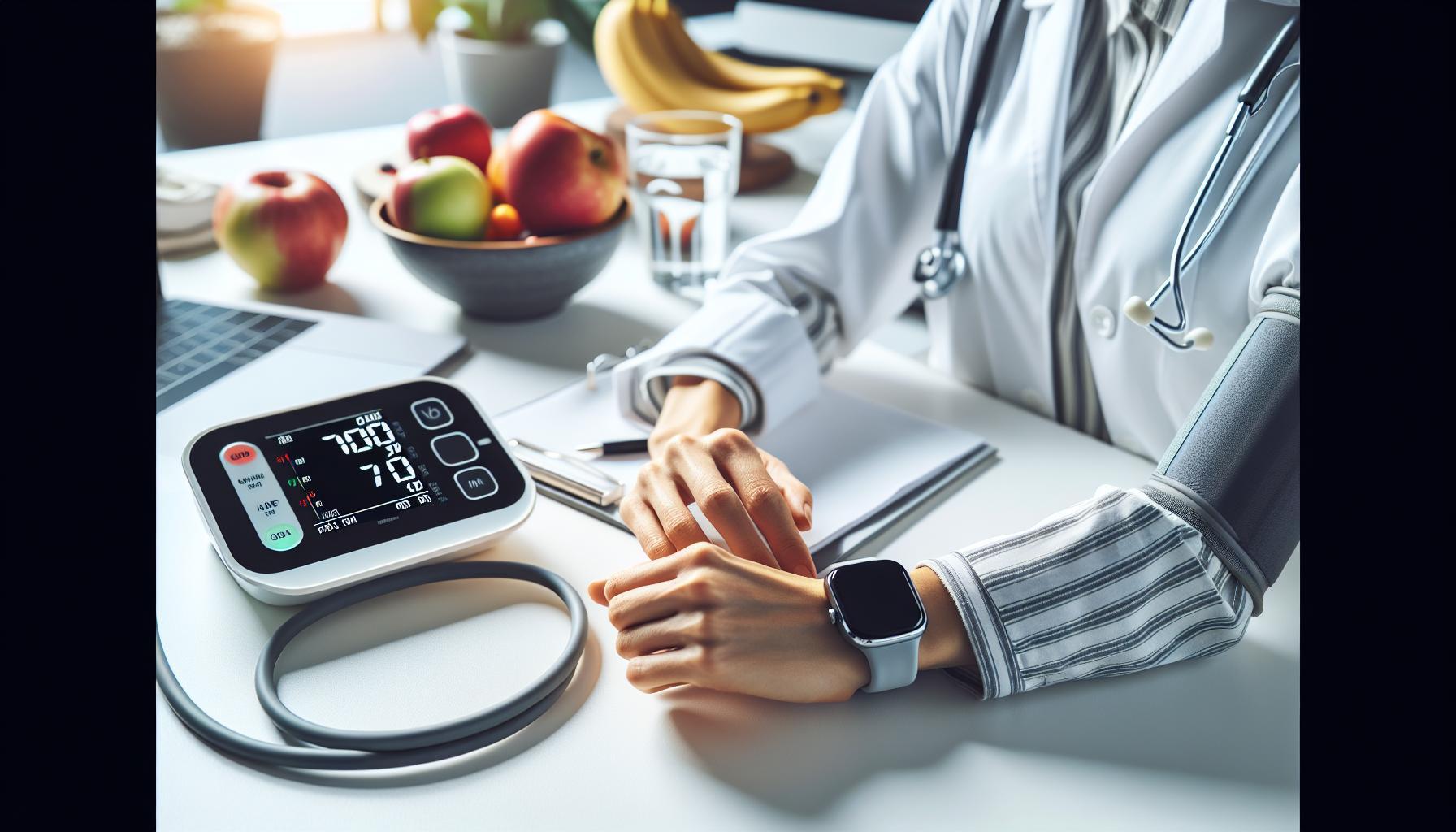

Understanding your blood pressure numbers is crucial for managing your health and well-being. With a reading of 117 over 70, you might be wondering if this is a sign of good health or an indicator of something you should monitor more closely. Blood pressure is a vital sign reflecting how well your heart and blood vessels are functioning, playing a significant role in your overall cardiovascular health.
Every reading can have implications for your lifestyle and health decisions, making it essential to interpret these results accurately. Many people feel puzzled by their numbers, especially with varying guidelines and recommendations. Is there a definitive “good” range? Should you be making immediate changes, or does this reading indicate that you’re on the right track?
In this article, we demystify what a blood pressure reading of 117/70 means for you, exploring important factors to consider and guiding you toward empowered health choices. Keep reading to discover insights that can help you take charge of your cardiovascular health effectively!
Is 117 70 a Healthy Blood Pressure Reading?
A blood pressure reading of 117/70 mm Hg is typically considered healthy and falls within the optimal range for adults. The two numbers in a blood pressure reading represent systolic and diastolic pressure, respectively. Systolic pressure (the first number, 117) measures the pressure in your arteries when your heart beats, while diastolic pressure (the second number, 70) measures the pressure in your arteries when your heart rests between beats. According to the American Heart Association, normal blood pressure is defined as being below 120/80 mm Hg, which places a reading of 117/70 in the healthy category.
Monitoring blood pressure is crucial for maintaining overall cardiovascular health, as consistent readings within a healthy range can help reduce the risk of heart disease and stroke. If you consistently have readings around 117/70, you’re in a good position, but it’s important to be aware of factors that can influence these numbers. Lifestyle choices, such as maintaining a balanced diet, engaging in regular physical activity, managing stress effectively, and avoiding smoking, can support healthy blood pressure levels.
Particularly, individuals with a reading of 117/70 should continue to engage in healthy practices. Staying hydrated, eating potassium-rich foods like bananas and spinach, and reducing sodium intake can enhance your efforts. Furthermore, measuring blood pressure at various times can provide a more comprehensive overview of your cardiovascular health, as blood pressure can fluctuate throughout the day. Incorporating regular monitoring into your routine not only helps keep you informed but also enables you to make proactive adjustments to your lifestyle as needed, ensuring long-term heart health.
Understanding Blood Pressure Ranges and Categories
Understanding blood pressure is essential for recognizing your cardiovascular health. Blood pressure readings are expressed as two numbers: the systolic pressure over diastolic pressure. The systolic number measures the pressure in your arteries when your heart beats, while the diastolic number indicates the pressure in your arteries when your heart rests between beats. A reading of 117/70 mm Hg is generally regarded as healthy, as it falls within the normal range established by health organizations.
According to the American Heart Association, blood pressure categories are defined as follows:
| Category | Systolic (mm Hg) | Diastolic (mm Hg) |
|---|---|---|
| Normal | Less than 120 | Less than 80 |
| Elevated | 120-129 | Less than 80 |
| Hypertension Stage 1 | 130-139 | 80-89 |
| Hypertension Stage 2 | 140 or higher | 90 or higher |
| Hypertensive Crisis | Higher than 180 | Higher than 120 |
Monitoring your blood pressure can empower you to manage your health effectively. Regular readings can provide insights into how lifestyle choices like diet, exercise, and stress management impact your blood pressure. To accurately measure your blood pressure at home, consider the following steps:
- Use a validated automatic blood pressure monitor.
- Rest for at least five minutes before taking a reading.
- Keep your arm at heart level while measuring.
- Take multiple readings at different times for a comprehensive understanding.
Recognizing where you stand within these categories not only aids in personal health management but also helps you communicate effectively with healthcare providers. Share your readings to collaboratively develop strategies for maintaining optimal cardiovascular health. Being informed and proactive can significantly reduce risks associated with high or fluctuating blood pressure, leading to a healthier, more vibrant life.
Signs and Symptoms of Abnormal Blood Pressure
Abnormal blood pressure levels can manifest in various ways, often silently affecting your health before any overt symptoms appear. This is particularly concerning because high blood pressure, or hypertension, lacks specific signs until it progresses to a severe stage. It’s crucial to understand how your body may signal issues with blood pressure readings outside the normal range.
Common symptoms associated with high blood pressure may include severe headaches, shortness of breath, and nosebleeds. For some, these signs can escalate if hypertension remains uncontrolled over time, leading to more severe complications such as heart disease or stroke. However, not everyone with high blood pressure will experience symptoms, which is why regular monitoring is essential.
Conversely, low blood pressure, or hypotension, can also present challenges. Symptoms of hypotension may include dizziness, fainting, fatigue, and inability to concentrate. Individuals may experience these symptoms most notably when standing up quickly, known as orthostatic hypotension. Recognizing these signs early can help you take action before more significant health issues arise.
Monitoring your blood pressure regularly and being aware of potential symptoms is key. If you notice any indicators of abnormal blood pressure, either high or low, it’s essential to consult a healthcare professional for a thorough evaluation. They can provide guidance and intervention strategies tailored to your individual health needs, ensuring you maintain optimal blood pressure and overall well-being.
How to Accurately Measure Your Blood Pressure
Accurate blood pressure measurement is fundamental for determining your cardiovascular health and requires careful attention to detail. Blood pressure readings can fluctuate based on various factors, so it’s essential to ensure that your measurements reflect your true baseline rather than temporary variations caused by external influences. To achieve precise results, follow these steps for at-home monitoring.
Preparing for Measurement
Prior to taking your blood pressure, prepare your body and environment. Avoid caffeine and nicotine for at least 30 minutes to minimize their effects on your measurements. It is also advisable to wait for at least 30 minutes after eating, as digestion can temporarily alter your readings. Choose a quiet space where you can relax for a few minutes before taking your measurement.
Steps for Taking an Accurate Reading
- Proper Positioning: Sit comfortably in a chair with your back supported and feet flat on the floor. Place your arm on a flat surface at heart level, ensuring the cuff is around your upper arm.
- Correct Cuff Placement: Use an automatic upper arm cuff, which is preferred for its accuracy. The cuff should be snug but not too tight; you should be able to slip one finger underneath without difficulty. Position the cuff about one inch above the elbow crease.
- Take the Measurement: Activate the device according to the manufacturer’s instructions. Remain still and refrain from speaking as the monitor inflates and deflates the cuff. Record the readings-both systolic (the top number) and diastolic (the bottom number)-after the reading is complete.
- Multiple Readings: It’s wise to take two or three measurements, about one minute apart, to confirm accuracy. Use the average of these readings as your final result, as this can help account for any irregularities.
- Regular Monitoring: For reliable trends, measure your blood pressure at the same times each day. This consistency will provide a clearer picture of your blood pressure changes over time.
By incorporating these practices into your routine, you can confidently track your blood pressure and gain valuable insights into your health. Remember, while a reading of 117/70 mmHg is typically considered healthy, it’s essential to consult with a healthcare professional for personalized advice and to understand what your specific numbers mean in the context of your overall health. Regular monitoring combined with informed discussions can empower you in managing your blood pressure effectively.
Factors Influencing Blood Pressure Readings
Many people may not realize how a variety of factors can significantly influence blood pressure readings, and understanding these can empower individuals to monitor their health more effectively. Blood pressure is not a static measurement; it can fluctuate based on physical, emotional, and environmental conditions. Recognizing what affects these numbers can help you achieve a more accurate assessment of your cardiovascular health.
Various physical factors can cause changes in blood pressure. For instance, activity level plays a crucial role; during exercise, the body requires more oxygen, leading to an increase in blood pressure, whereas rest and relaxation can lower it. Additionally, your body position at the time of measurement can also impact results. Blood pressure is generally lower when sitting compared to standing, and measuring it at heart level is essential for accuracy.
Emotional states must not be overlooked either. Stress and anxiety can cause temporary spikes due to the release of stress hormones, while calmer states can lead to lower readings. It’s also important to consider dietary choices; consuming high-salt foods can elevate blood pressure, while a diet rich in whole grains, fruits, and vegetables can help keep it in check. Moreover, factors such as adequate sleep, hydration levels, and even temperature can cause variations in your readings.
Incorporating lifestyle changes can mitigate some of these influences. Regular monitoring in a controlled environment, avoiding stimulants before measurements, and maintaining a consistent schedule can provide clearer insight into your blood pressure patterns. By understanding these factors, you can take proactive steps to manage your blood pressure effectively and maintain optimal health.
Lifestyle Changes for Optimal Blood Pressure Control
Making intentional lifestyle changes can profoundly impact your blood pressure, ensuring that readings like 117/70 mmHg remain in a healthy range. Regular physical activity is one of the most effective strategies for maintaining optimal blood pressure. Aim for at least 150 minutes of moderate aerobic exercise per week-this could include brisk walking, cycling, or swimming. Embrace activities that you enjoy; not only will this improve your cardiovascular health, but it will also make it easier to maintain your routine.
Additionally, incorporating a balanced diet rich in fruits, vegetables, whole grains, and lean proteins plays a critical role in blood pressure management. The DASH (Dietary Approaches to Stop Hypertension) diet, specifically designed to lower blood pressure, emphasizes a reduction in sodium intake and a focus on nutrient-rich foods. Aim to limit processed foods and those high in salt, as they can cause spikes in blood pressure.
Stress management is equally vital; chronic stress can contribute to elevated blood pressure. Techniques such as mindfulness, deep breathing exercises, yoga, and regular relaxation periods throughout the day can help mitigate stress levels. Consider setting aside time each day for activities that promote relaxation and mental well-being, such as reading, meditating, or enjoying nature.
Lastly, maintaining a healthy weight is essential for blood pressure control. Even a modest weight loss can help lower your blood pressure significantly. Monitor your blood pressure regularly in a consistent environment, such as at the same time each day, and avoid stimulants like caffeine or nicotine before measuring. By adopting these lifestyle changes, you can take proactive steps toward controlling your blood pressure and enhancing your overall health.
When to Consult a Healthcare Professional
Recognizing when to seek medical advice regarding blood pressure is crucial for maintaining optimal health. While a reading of 117/70 mmHg is generally considered healthy and within the normal range, there are specific scenarios where consulting a healthcare professional becomes necessary to ensure ongoing wellness. For instance, if you consistently notice your blood pressure fluctuating significantly or if you experience symptoms such as severe headaches, dizziness, unusual fatigue, or vision changes, it’s important to reach out to a healthcare provider. These could be indicators of underlying health issues that require attention.
When Symptoms Arise
If you experience concerning symptoms that persist despite a normal blood pressure reading, you should consider scheduling an appointment. Symptoms such as:
- Chest pain or discomfort
- Shortness of breath
- Rapid heartbeats or palpitations
- Persistent headaches or migraines
- Feeling faint or light-headed
These signals can sometimes indicate hypertension or other cardiovascular problems even when your readings appear normal. A healthcare professional can offer further evaluation and recommend next steps to address your concerns.
When Monitoring Regularly
For individuals diagnosed with hypertension, prehypertension, or other cardiovascular conditions, ongoing monitoring becomes essential. If your home readings frequently stray from the recommended range-despite adherence to lifestyle changes-the guidance of a healthcare professional can be invaluable. They might suggest a change in your medication, additional tests, or a more comprehensive lifestyle assessment tailored specifically to your needs. Regular check-ups also allow for adjusting management strategies to maintain blood pressure within safe limits.
Maintaining communication with your healthcare provider is key to managing your health proactively. Feel empowered to ask questions and seek clarification about your blood pressure readings and how they fit into your overall health picture. Being informed and engaged can significantly enhance your ability to manage your blood pressure effectively, ensuring that your readings remain in a healthy range.
The Role of Diet in Managing Blood Pressure
Adopting a heart-healthy diet is one of the most impactful strategies for managing blood pressure effectively. Research shows that certain dietary patterns can significantly lower blood pressure, while others can contribute to its increase. For instance, the DASH (Dietary Approaches to Stop Hypertension) diet, which emphasizes fruits, vegetables, whole grains, and lean proteins, has been proven to help individuals achieve and maintain optimal blood pressure levels. By focusing on nutrient-rich foods, you not only enhance your heart health but also improve your overall well-being.
A key aspect of any diet aimed at controlling blood pressure is reducing sodium intake. High sodium levels can cause the body to retain water, which may lead to increased blood pressure. Aim for less than 2,300 mg of sodium per day, and for those with hypertension, even reducing that to 1,500 mg can yield significant benefits. Instead of processed foods that are often high in sodium, incorporate fresh ingredients and herbs to flavor your meals. Foods such as leafy greens (like spinach and kale), berries, beets, and fatty fish (rich in omega-3 fatty acids) are particularly effective in lowering blood pressure.
It’s also important to consider other dietary factors, such as potassium and magnesium intake. Foods rich in potassium, such as bananas, oranges, and sweet potatoes, help balance the amount of sodium in your cells and may help lower blood pressure. Magnesium, found in nuts, seeds, and legumes, also plays a critical role in blood pressure regulation. Making these foods a staple in your diet can be a delicious and effective way to manage your blood pressure naturally.
When embarking on a dietary change, gradual adjustments are often more sustainable than drastic changes. Start by incorporating one new vegetable or whole grain into your meals each week and gradually reduce processed food intake. Keep in mind that hydration plays a role as well; drinking enough water throughout the day supports overall health. By making informed dietary choices and focusing on whole, nutritious foods, you can take proactive steps to support your blood pressure levels and enhance your health for the long term.
Impact of Stress on Blood Pressure Levels
Chronic stress can be a silent culprit behind rising blood pressure levels, often overlooked in discussions about heart health. When you encounter stress, your body releases hormones like adrenaline and cortisol, which prepare it for a “fight or flight” response. This immediate physiological reaction can lead to an increase in heart rate and blood pressure. Over time, if the stress persists, it can contribute to chronic hypertension, which requires vigilant management.
Understanding the connection between stress and blood pressure is crucial. During stressful moments, consider how your body reacts: your heart pumps faster, blood vessels constrict, and those temporary spikes in blood pressure can become habitual if stress is not managed effectively. Moreover, individuals under stress may resort to unhealthy coping mechanisms-such as overeating, consuming alcohol, or neglecting physical activity-that further exacerbate elevated blood pressure.
To combat the negative effects of stress, incorporate relaxation techniques into your daily routine. Practice mindfulness or meditation for just a few minutes each day, engage in regular physical activity such as walking or yoga, and ensure you prioritize sleep-these strategies help to lower stress levels and promote better overall health. Form a support system through friends, family, or counseling to share experiences and receive guidance.
Monitoring your blood pressure regularly can provide insights into how stress affects your levels. Aim to check your blood pressure at the same time each day, and consider keeping a journal to track any noticeable fluctuations alongside your stressors. Addressing the impact of stress on your blood pressure not only aids in maintaining a healthy reading of 117/70 but also empowers you to take control of your health proactively.
Common Myths About Blood Pressure Explained
Many misconceptions about blood pressure can lead to unnecessary anxiety and confusion. For instance, a prevalent belief is that only individuals with consistently high blood pressure need to be concerned about their cardiovascular health. In truth, maintaining any blood pressure reading within the normal range is crucial for overall health. Even seemingly normal measurements like 117/70 can be influenced by various factors, including lifestyle and stress management, making it essential to understand the nuances behind these numbers.
Another common myth suggests that blood pressure is solely influenced by diet. While nutrition plays a vital role, other factors such as genetics, exercise, age, and stress also significantly impact blood pressure levels. For example, even a person with a healthy diet may experience elevated blood pressure due to high stress or insufficient physical activity. Thus, adopting a holistic approach to health management that integrates diet, regular exercise, and stress-reduction techniques is key to maintaining optimal blood pressure readings.
Moreover, many assume that if they are not experiencing symptoms, their blood pressure must be fine. This is misleading since high blood pressure often develops without noticeable symptoms, earning it the nickname “the silent killer.” Regular monitoring is essential regardless of whether you feel unwell. Keeping track of your blood pressure readings over time can help identify trends that may warrant further evaluation or lifestyle adjustments.
Finally, a common misconception is that once blood pressure is controlled (like a reading of 117/70), no further action is needed. Continuous monitoring and commitment to a healthy lifestyle are essential to prevent future fluctuations. This includes routine check-ups, maintaining a balanced diet, regular physical activity, and effective stress management practices. By embracing these strategies, individuals can feel empowered to take charge of their cardiovascular health, ensuring they remain within the desired blood pressure range.
Long-Term Health Risks of Uncontrolled Blood Pressure
Ignoring high blood pressure can lead to serious, long-term health consequences. Often termed “the silent killer,” hypertension can exist without obvious symptoms, making it crucial for individuals to understand its risks. Uncontrolled blood pressure can wreak havoc on various organs and systems within the body, leading to a range of complications that can significantly impair quality of life.
Health Risks Associated with Uncontrolled Blood Pressure
Prolonged hypertension can damage blood vessels, which may result in atherosclerosis-a condition where arteries become narrowed and hardened due to plaque buildup. This increases the risk of heart attack and stroke dramatically. Additionally, high blood pressure can lead to left ventricular hypertrophy, a condition where the heart’s main pumping chamber becomes enlarged, setting the stage for heart failure. Other potential complications include:
- Kidney Damage: Hypertension can damage the blood vessels in the kidneys, impairing their ability to filter waste, which may lead to chronic kidney disease.
- Vision Loss: High blood pressure can cause retinopathy, which may result in blurred vision or even permanent vision loss.
- Metabolic Syndrome: This cluster of conditions increases the risk for heart disease, diabetes, and stroke, associated with higher blood pressure.
- Memory and Cognitive Impairment: High blood pressure has been linked to memory problems and cognitive decline, raising the risk of conditions like dementia.
Taking Action
Addressing high blood pressure involves a proactive approach that includes regular monitoring and lifestyle changes. It’s vital to measure your blood pressure at home and keep track of your readings, as continuous self-monitoring can help identify trends and inform your healthcare provider’s recommendations. Here are practical steps to manage blood pressure effectively:
- Maintain a Healthy Diet: Adopt a balanced diet rich in fruits, vegetables, whole grains, and lean proteins while reducing salt intake.
- Regular Exercise: Aim for at least 150 minutes of moderate aerobic activity each week to strengthen your heart.
- Manage Stress: Incorporate stress reduction techniques such as mindfulness, yoga, or deep-breathing exercises.
- Avoid Tobacco and Limit Alcohol: Both can negatively impact blood pressure; quitting smoking and moderating alcohol intake can offer significant health benefits.
Staying informed and actively engaged in your health can prevent the alarming progression of hypertension-related health issues. Regular visits to your healthcare professional for check-ups and lifestyle adjustments are essential in maintaining a healthy blood pressure reading and overall well-being.
FAQ
Q: What does a blood pressure reading of 117 over 70 indicate?
A: A blood pressure reading of 117/70 mmHg is generally considered normal and healthy. It indicates that your heart is functioning well, with good blood flow and low risk of heart disease. Monitoring your blood pressure regularly is still important for overall health.
Q: Is 117 70 a good blood pressure for everyone?
A: While 117/70 mmHg is typically seen as healthy, individual optimal blood pressure can vary based on age, weight, and health conditions. It’s essential to consult with a healthcare professional for personalized guidance regarding your specific situation.
Q: How can I maintain a healthy blood pressure reading?
A: To maintain a healthy blood pressure, incorporate regular exercise, a balanced diet rich in fruits and vegetables, reduce sodium intake, limit alcohol consumption, manage stress, and avoid tobacco. Regular monitoring can help track your progress.
Q: What lifestyle changes can improve my blood pressure if it’s higher than 117 70?
A: If your blood pressure is higher than 117/70 mmHg, consider increasing physical activity, adopting a heart-healthy diet (like the DASH diet), reducing salt and added sugars, maintaining a healthy weight, and managing stress levels effectively. Regular check-ups with a healthcare provider can guide your strategy.
Q: When should I check my blood pressure during the day?
A: It’s recommended to check your blood pressure at the same times each day, ideally in the morning and evening. This consistency can help you track your readings more accurately and identify any patterns. Refer to the “How to Accurately Measure Your Blood Pressure” section for detailed tips.
Q: What factors can cause fluctuations in my blood pressure readings?
A: Several factors can cause blood pressure fluctuations, including stress, physical activity, hydration levels, medication, and even the time of day. Monitoring under similar conditions can provide a clearer picture of your true blood pressure.
Q: Why is it important to consult a healthcare professional about blood pressure?
A: Consulting a healthcare professional is crucial because they can provide a thorough evaluation of your blood pressure readings, offer personalized health advice, and identify any underlying conditions that may need treatment. Early intervention can prevent serious health issues.
Q: How does stress impact blood pressure levels?
A: Stress can lead to temporary spikes in blood pressure due to the release of hormones that increase heart rate and constrict blood vessels. Managing stress through relaxation techniques, exercise, and healthy coping strategies is key to maintaining stable blood pressure.
Insights and Conclusions
Understanding your blood pressure, such as whether 117 over 70 is considered good, is crucial for maintaining your heart health. This reading typically indicates a healthy range, but it’s important to monitor consistently and not overlook lifestyle choices that affect your overall wellness. If you’re looking to dive deeper into blood pressure management, check out our articles on “Healthy Lifestyle Changes for Better Blood Pressure” and “Understanding Blood Pressure Readings” for practical tips and insights.
Taking proactive steps is vital-stay informed, track your readings regularly, and consult with healthcare professionals if any concerns arise. Don’t forget to sign up for our newsletter for the latest updates and expert advice on health management. Your health journey matters, and we’re here to support you every step of the way. Join our community by sharing your thoughts in the comments and exploring related topics that can enhance your understanding and empower you to take control of your health.