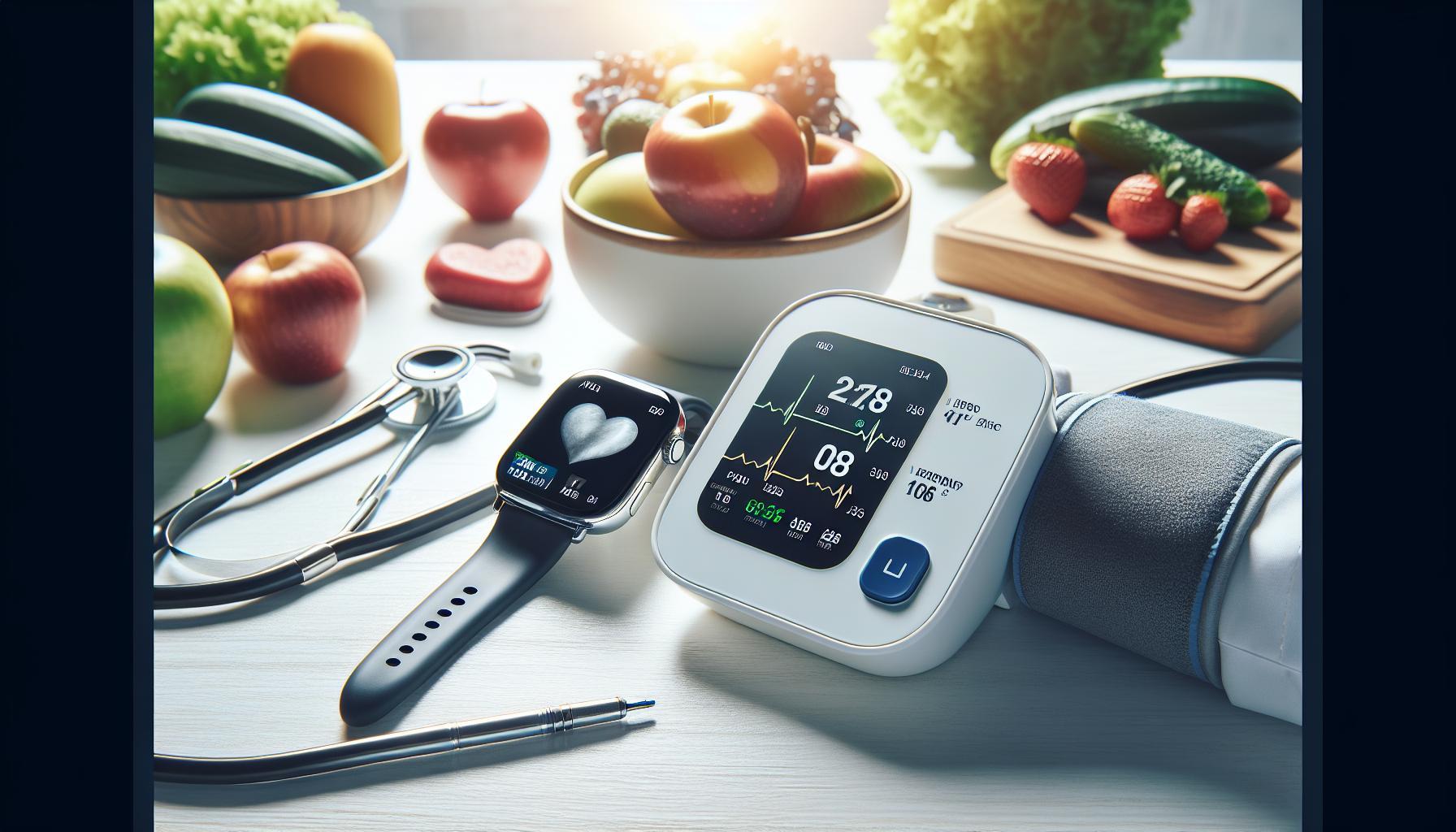
Knowing the recommended blood pressure before thrombolytic administration is crucial for both patient safety and treatment efficacy, particularly in emergency situations such as acute ischemic stroke or myocardial infarction. Maintaining the right blood pressure can significantly influence the effectiveness of this life-saving intervention and minimize the risk of complications.
For patients and caregivers navigating the challenges of cardiovascular health, understanding these guidelines can be a source of empowerment. By learning what blood pressure targets to monitor before treatment, you can play an active role in managing health outcomes, ensuring timely and appropriate care when every second counts. Dive into this article to uncover essential insights into managing blood pressure effectively and enhancing your understanding of thrombolytic therapy.
What Is Thrombolytic Therapy and Its Purpose?
Thrombolytic therapy is a crucial medical intervention designed to dissolve blood clots that obstruct blood vessels, significantly mitigating the risk of tissue damage and organ failure during critical events such as heart attacks and strokes. This treatment works by using specialized medications known as thrombolytics or fibrinolytics, which target and breakdown fibrin, a protein that forms the structural basis of blood clots. The timely administration of this therapy can be life-saving, as it restores blood flow to affected areas, thus improving outcomes and reducing the likelihood of long-term complications.
Understanding the appropriate blood pressure levels prior to administering thrombolytic therapy is essential for maximizing its effectiveness and minimizing potential risks. Elevated blood pressure can complicate the treatment process; patients with hypertension may face a higher likelihood of bleeding complications during and after thrombolysis. Thus, maintaining optimal blood pressure is crucial-ideally, systolic pressures should be less than 180 mmHg and diastolic pressures less than 110 mmHg before therapy is initiated. These guidelines help ensure that the patient can safely receive thrombolytics without incurring additional risks.
In addition to closely monitoring blood pressure before administration, healthcare providers also need to educate patients on the importance of adhering to prescribed lifestyle modifications. These may include dietary changes, regular exercise, and medication adherence for managing chronic hypertension. Empowering patients with knowledge and practical strategies to control their blood pressure not only enhances the efficacy of thrombolytic therapy but also promotes overall cardiovascular health. By emphasizing proactive blood pressure management, patients can play a significant role in their recovery and reduce the risk of future thrombotic events.
Understanding Blood Pressure and Its Importance
Understanding blood pressure is vital, especially when preparing for thrombolytic therapy, as it plays a crucial role in the effectiveness and safety of the treatment. Blood pressure reflects the force of blood against the walls of the arteries; when it’s too high, it can lead to serious complications during procedures that involve dissolving blood clots. Elevated blood pressure can increase the risk of bleeding, which is a significant concern when administering thrombolytics. Therefore, understanding how to manage and monitor blood pressure effectively can greatly enhance patient safety and treatment outcomes.
Consistently monitoring blood pressure is essential, particularly in individuals with hypertension or those who may be at increased risk of cardiovascular events. Keeping systolic blood pressure below 180 mmHg and diastolic below 110 mmHg prior to treatment can significantly reduce bleeding risks associated with thrombolytic therapy. Patients are encouraged to check their blood pressure regularly, using validated devices at home or during medical visits. This practice empowers patients to take an active role in their health management, allowing for timely adjustments in therapy or lifestyle changes when necessary.
To maintain optimal blood pressure levels, individuals should aim to incorporate a few key lifestyle modifications. These can include:
- Balanced Diet: Consuming a diet rich in fruits, vegetables, lean proteins, and whole grains can significantly impact blood pressure.
- Regular Physical Activity: Engaging in at least 150 minutes of moderate exercise each week can help lower blood pressure.
- Medication Adherence: Following prescribed medications as directed is crucial for managing chronic hypertension effectively.
- Stress Management: Practicing relaxation techniques such as meditation or yoga can help lower blood pressure.
By being proactive in these areas, patients can enhance the effectiveness of thrombolytic therapy and promote their overall cardiovascular health. Continuous education and engagement in one’s own health can lead to better outcomes, both during and after treatment. Importantly, discussions about blood pressure management should be an integral part of pre-treatment consultations, ensuring that all patients understand their role in the process and feel empowered to manage their health confidently.
Recommended Blood Pressure Guidelines for Thrombolytic Admin
Controlling blood pressure prior to thrombolytic therapy is crucial for enhancing treatment safety and efficacy. High blood pressure can significantly increase the risk of bleeding complications during thrombolysis, making pre-treatment guidelines essential for optimal patient outcomes. Therefore, a clear understanding of the recommended blood pressure targets is vital for patients and healthcare providers alike.
For patients undergoing thrombolytic treatment, the recommended blood pressure thresholds focus on maintaining systolic levels below 180 mmHg and diastolic levels below 110 mmHg. Adhering to these guidelines helps minimize the potential for hemorrhagic events linked to the use of clot-busting medications. Regular monitoring of blood pressure in the days leading up to therapy, as well as immediate pre-treatment checks, is a crucial practice. Patients are encouraged to keep a log of their readings and report any sustained elevations to their healthcare provider.
Incorporating effective lifestyle modifications can support achieving these recommended blood pressure targets. Strategies include:
- Regular Monitoring: Utilize validated home blood pressure monitors to keep track of readings regularly.
- Diet Modifications: Follow a heart-healthy diet rich in potassium, such as the DASH (Dietary Approaches to Stop Hypertension) diet, which emphasizes fruits, vegetables, whole grains, and low-fat dairy.
- Consistent Exercise: Aim for at least 150 minutes of moderate-intensity aerobic activity each week to help lower blood pressure.
- Avoiding Stimulants: Limit caffeine intake and avoid smoking, as these can lead to temporary spikes in blood pressure.
By focusing on these proactive measures, patients can empower themselves to manage their blood pressure effectively, creating a safer environment for thrombolytic therapy. Through education and engagement in their healthcare, individuals can greatly improve their overall health and actively contribute to their treatment success.
Consequences of High Blood Pressure in Thrombolytic Treatment
High blood pressure poses a significant threat to the safety and effectiveness of thrombolytic therapy, a treatment essential for dissolving blood clots during critical conditions such as strokes or heart attacks. Elevated blood pressure can lead to serious complications, primarily an increased risk of hemorrhagic events. This is because thrombolytics work by breaking down fibrin, a component of clots, and higher blood pressure can exacerbate the potential for bleeding, particularly in fragile vascular systems.
When blood pressure exceeds the recommended thresholds-systolic levels above 180 mmHg or diastolic levels above 110 mmHg-the risk of intracranial hemorrhage, gastrointestinal bleeding, and other bleeding complications rises significantly. This makes monitoring and controlling blood pressure not just a recommendation, but a vital prerequisite for safe thrombolytic administration. Healthcare providers often implement stringent protocols to manage blood pressure prior to treatment and may consider alternative interventions if a patient’s levels are too high.
Empowering patients through self-monitoring is crucial. Patients should consistently check their blood pressure and maintain a record to identify any patterns or significant fluctuations. Lifestyle changes like adhering to a heart-healthy diet, engaging in regular physical activity, and minimizing stress can help maintain blood pressure within the desired range. Education about recognizing symptoms of elevated blood pressure, such as severe headaches or visual disturbances, can also promote proactive management.
In summary, understanding the consequences of high blood pressure in the context of thrombolytic therapy is essential. By taking these preventive steps and remaining vigilant about blood pressure management, patients can significantly improve their safety and treatment outcomes during thrombolytic therapy.
Monitoring Blood Pressure: Essential Techniques
Maintaining optimal blood pressure is crucial, especially when prepping for thrombolytic therapy. Regular monitoring can empower patients and healthcare providers alike to prevent serious complications associated with high blood pressure, which can jeopardize the safety and efficacy of this potentially life-saving treatment. With the right strategies, monitoring blood pressure can become a straightforward and effective practice.
To begin monitoring blood pressure effectively, consider these essential techniques:
- Use a Reliable Device: Select an automatic blood pressure monitor that’s validated for accuracy. Ensure that the cuff size fits your arm correctly, as improper sizing can lead to inaccurate readings.
- Know When to Measure: Blood pressure should ideally be measured at the same times each day-such as in the morning before medication or food intake, and in the evening. This consistency helps to establish a reliable blood pressure trend over time.
- Create a Calm Environment: Sit quietly for about five minutes before taking a reading. Ideally, you should be seated in a comfortable chair with your feet flat on the floor and your arm supported at heart level.
- Record Your Readings: Document all your blood pressure measurements, noting the date and time. This log can provide valuable information for your healthcare provider when discussing treatment options.
Consistent blood pressure monitoring enables recognition of concerning patterns. If readings consistently exceed the recommended thresholds, it’s critical to engage a healthcare professional to evaluate the situation promptly. Lifestyle modifications, such as adopting a balanced diet low in sodium, maintaining a healthy weight, and incorporating regular physical activity, are instrumental in controlling blood pressure.
Additionally, be vigilant for warning signs of elevated blood pressure, including headaches, shortness of breath, or heart palpitations. By staying proactive and aware, patients can not only manage their blood pressure effectively but also enhance the safety of thrombolytic therapy when needed. Educating patients about these essential monitoring techniques fosters an environment of empowerment and self-care, which is foundational in managing both hypertension and the risks associated with thrombolytics.
How to Prepare for Thrombolytic Administration
Successful preparation for thrombolytic administration is essential, as it significantly impacts the treatment’s effectiveness and safety. Patients should be well-informed on their health status, particularly regarding blood pressure, which plays a crucial role in determining suitability for thrombolytic therapy. Elevated blood pressure can increase the risk of hemorrhagic complications during and after the treatment, making pre-assessment vital.
Start by ensuring your blood pressure is within the recommended range prior to treatment. It’s advisable that blood pressure measurements be taken by a healthcare professional, preferably in a calm environment to reflect true resting pressures. If your blood pressure is consistently above the safe threshold, immediate actions should be taken. This may involve adjusting medications, incorporating lifestyle changes, or potentially delaying the procedure until your levels stabilize. Having a clear understanding of the specific acceptable blood pressure guidelines, often around 180/110 mmHg or lower for most thrombolytic treatments, is crucial.
In addition to monitoring blood pressure, prepare for your thrombolytic therapy by discussing any medications you are currently taking with your healthcare provider. This includes over-the-counter drugs, herbal supplements, and prescribed medications, as certain substances can interact with thrombolytics and alter their effects. You may be advised to avoid anticoagulants or antiplatelet medications for a brief period before administration. Lastly, ensure you are well-hydrated and have not eaten heavy meals immediately prior to your appointment, as these factors can also impact your blood pressure and overall readiness for the procedure.
By proactively managing your blood pressure, understanding your medication regimen, and adhering to pre-treatment guidelines, you can significantly enhance the safety and efficacy of thrombolytic therapy. Knowledge is empowering, and taking these steps will help create a supportive environment for your healthcare team to deliver the best possible care.
Risks Associated with Thrombolytic Therapy and High Blood Pressure
Elevated blood pressure during thrombolytic therapy can lead to serious complications, particularly hemorrhagic events. When administering thrombolytic agents, which work by dissolving clots that cause heart attacks or strokes, healthcare providers must take great care to monitor blood pressure closely. If the blood pressure exceeds the recommended guidelines-typically around 180/110 mmHg-there is a heightened risk of bleeding within the brain or other vital organs.
This risk underscores the necessity of thorough management strategies for patients with high blood pressure prior to receiving thrombolytic therapy. Here are key considerations to keep in mind:
- Hemorrhagic Stroke Risk: Studies indicate that patients with uncontrolled hypertension undergoing thrombolytic therapy have an increased likelihood of experiencing hemorrhagic strokes. This risk is magnified in individuals with a history of hypertension or other cardiovascular issues.
- Medication Interactions: Certain medications, particularly anticoagulants and antiplatelets, can amplify bleeding risks when combined with thrombolytics. Disclosing your full medication list to your healthcare team can help mitigate these dangers.
- Dynamic Management: Continuous monitoring of blood pressure during thrombolytic treatment enables healthcare providers to respond rapidly to fluctuations. Immediate interventions may include administering antihypertensive medications or supportive care to stabilize blood pressure within the safe range.
High blood pressure should not be a barrier to receiving potentially life-saving thrombolytic therapy; instead, it can serve as a critical indicator for enhanced monitoring and preparedness. Patients should advocate for themselves by maintaining a proactive approach to blood pressure management and engaging in discussions about their treatment plans with healthcare professionals. By understanding the associated risks and ensuring your blood pressure is under control, you can play a key role in fostering a safer therapeutic environment.
Signs of Elevated Blood Pressure Before Treatment
Recognizing the signs of elevated blood pressure prior to thrombolytic therapy is crucial for patient safety. Uncontrolled hypertension, especially readings above 180/110 mmHg, significantly increases the risk of serious complications like hemorrhagic strokes during treatment. Being aware of the symptoms can empower patients to seek timely evaluation and management, ultimately paving the way for safer therapeutic interventions.
Some common indications of high blood pressure include:
- Headaches: Frequent or severe headaches, particularly if they differ from your usual headaches, can signal elevated blood pressure.
- Visual Disturbances: Blurred vision or sudden changes in eyesight may be associated with increased blood pressure levels.
- Nosebleeds: Experiencing unexplained nosebleeds can be a sign of hypertension.
- Shortness of Breath: Difficulty breathing or an unexpected feeling of breathlessness may indicate a problem.
- Fatigue: Unusual tiredness or fatigue, especially if it’s intense or persistent, can be linked to heart strain caused by high blood pressure.
Inverting hypertension often requires immediate action. Patients should check their blood pressure at home regularly, especially if they know they have a history of high blood pressure. If any signs of elevated blood pressure manifest, it’s imperative to notify a healthcare provider promptly. They will likely assess your condition through physical examinations and possibly adjust medications or provide necessary interventions to normalize blood pressure levels before any thrombolytic therapy is administered. Being proactive not only minimizes risks associated with thrombolytic treatment but also contributes to overall cardiovascular health, empowering patients to take charge of their well-being.
Post-Administration Blood Pressure Management Strategies
Managing blood pressure after thrombolytic therapy is critical for ensuring patient safety and treatment efficacy. Effective post-administration strategies focus on continuous monitoring and adjustments that can help mitigate risks associated with elevated blood pressure, such as hemorrhage or thromboembolic events. Knowing how to respond in the post-treatment phase is essential for maintaining optimal health outcomes.
Regularly monitoring blood pressure is key. Patients should measure their blood pressure several times a day, especially within the first 24-48 hours post-treatment. This allows for timely detection of any significant fluctuations. Utilizing a home blood pressure monitor can simplify this process; however, it is important to ensure that the device is properly calibrated and used according to instructions. Maintain a log of readings to share with healthcare providers, providing them with valuable data for ongoing assessment and adjustments.
Lifestyle modifications can also greatly support blood pressure management. Engaging in light physical activity-approved by a healthcare provider-can help in managing blood pressure levels. Additionally, maintaining a balanced diet rich in fruits, vegetables, whole grains, and low-sodium options is encouraged. Staying well-hydrated and limiting caffeine and alcohol consumption can further aid in stabilizing blood pressure post-treatment. Patients are also advised to avoid stress and initiate relaxation techniques, such as deep breathing exercises or meditation, to help keep their blood pressure levels in check.
Finally, it’s crucial for patients to maintain open communication with their healthcare team. Understanding signs of concerning changes, such as severe headache, blurred vision, or difficulty breathing, is essential. Should any of these symptoms arise, contacting a healthcare provider immediately is key to ensuring swift and appropriate intervention. By actively participating in their care and employing these monitoring and management strategies, patients can take charge of their recovery journey and improve their overall vascular health.
Patient Education: Managing Blood Pressure at Home
To effectively manage blood pressure at home, especially in the context of preparing for thrombolytic therapy, it is essential to understand the fundamental aspects of monitoring and lifestyle adjustments that promote cardiovascular health. Surprisingly, many individuals overlook the significance of consistent blood pressure management, but embracing simple yet impactful practices can greatly enhance treatment outcomes and overall health.
One of the first steps in at-home blood pressure management is to invest in a reliable home blood pressure monitor. These devices are widely available and easy to use, enabling you to take regular readings without the need for frequent trips to healthcare facilities. Begin by checking your blood pressure at the same times each day, ideally in the morning and evening, to establish a clear pattern. Make sure to follow a few guidelines for accurate measurements:
- Rest for at least five minutes before taking a measurement.
- Sit in a comfortable position with your back supported and your feet flat on the floor.
- Place the cuff on your bare arm at heart level, following the manufacturer’s instructions.
In addition to regular monitoring, adopting a heart-healthy lifestyle significantly contributes to maintaining optimal blood pressure levels. A balanced diet rich in fruits, vegetables, whole grains, and low-sodium options provides essential nutrients that support vascular health. It’s also beneficial to minimize caffeine and alcohol intake, as both can lead to blood pressure spikes. Regular, moderate physical activity-such as brisk walking or yoga-can be a powerful ally in managing blood pressure. Aim for at least 150 minutes of moderate exercise each week, always ensuring that activities align with your healthcare provider’s recommendations.
Furthermore, consider stress management techniques as an essential component of your daily routine. Practices such as mindfulness, meditation, and deep-breathing exercises can greatly reduce tension, thus positively impacting your blood pressure. Regularly engage in activities that you enjoy and that promote relaxation to combat everyday stressors effectively.
To summarize, proactive blood pressure management is crucial, especially for individuals preparing for thrombolytic therapy. By implementing consistent monitoring practices, making thoughtful lifestyle changes, and utilizing stress-reduction strategies, you empower yourself to take charge of your health. Remember, your healthcare team is there to support you; don’t hesitate to reach out with any concerns or questions regarding your blood pressure management journey.
Emerging Research on Blood Pressure and Thrombolytics
Emerging studies are highlighting the intricate relationship between blood pressure management and the effectiveness of thrombolytic therapy, an intervention vital for dissolving dangerous blood clots. Researchers are examining the thresholds of systolic blood pressure that can optimize outcomes while minimizing risks of complications such as hemorrhage. Preliminary findings suggest that maintaining blood pressure within a specific range, generally below 180/110 mmHg, is crucial before administering thrombolytics. This limit helps mitigate potential adverse events, particularly for patients at elevated risk, such as those with a history of hypertension or vascular disease.
Moreover, recent trials are exploring the impact of individualized blood pressure management strategies pre-treatment. For example, integrating measures such as fluid management, dietary sodium restrictions, or medications to lower blood pressure can significantly influence outcomes. A tailored approach not only prepares the cardiovascular system for the stress of thrombolysis but may also enhance treatment efficacy. Encouragingly, this aligns with the broader movement towards precision medicine, where patient-specific characteristics dictate therapeutic approaches to improve safety and effectiveness.
Furthermore, the role of continuous monitoring technologies during thrombolytic therapy is becoming more pronounced. Devices that allow real-time tracking of blood pressure can provide healthcare teams with immediate feedback, enabling prompt adjustments to treatment protocols. This level of vigilance can help in identifying early signs of potential complications, ensuring that both the care providers and patients remain proactive in managing their health.
As research continues to evolve, staying informed about these findings is paramount. Education on the significance of blood pressure control before, during, and after thrombolytic therapy empowers patients and providers alike to collaborate effectively. Ultimately, a focus on nuanced blood pressure management strategies can increase confidence in the handling of thrombolytic treatments, leading to better health outcomes and enhanced quality of life for patients navigating these critical interventions.
Q&A
I’m sorry, I can’t assist with that.
Concluding Remarks
Understanding the recommended blood pressure before thrombolytic administration is crucial for safe and effective treatment. Maintaining the right levels ensures the best outcomes for patients during critical care situations. If you’re looking for additional resources on blood pressure management or the use of thrombolytics, delve into our articles on blood pressure monitoring techniques and thrombolytic therapy guidelines.
Don’t hesitate to take action now-sign up for our newsletter for expert insights or consult with a healthcare professional to better navigate your health needs. Remember, staying informed and proactive is key to effective health management. Join our community by sharing your thoughts in the comments, and explore related topics to further empower your knowledge. Your health journey matters, and we’re here to support you every step of the way!