Did you know that nearly half of adults in the U.S. have high blood pressure, a silent condition that can lead to serious health complications? Regular monitoring is crucial, yet many people are unsure where to turn for affordable options. In this guide, we’ll explore where you can get your blood pressure checked for free, ensuring you stay informed about your heart health without added financial stress. Discover various accessible resources that empower you to take charge of your well-being and encourage you to make informed lifestyle choices. Your health journey begins with understanding, so let’s dive into the options available to you.
Where to Find Free Blood Pressure Checks Near You
Finding a free blood pressure check is easier than you might think, and taking that step can be crucial for your overall health. Regular monitoring of blood pressure is essential because high blood pressure often has no symptoms yet can lead to serious health issues, such as heart disease and stroke. Whether you’re proactive about your health or just need a routine check, there are several accessible options in your community.
Community Health Centers
Many community health centers offer free health screenings, including blood pressure checks. These centers are designed to provide essential health services, especially for underserved populations. Look for clinics in your area that offer these services, and call ahead to confirm the availability of free screenings.
Pharmacies
Local pharmacies often provide blood pressure checks at little to no cost. Major chains frequently have health clinics that conduct screenings, sometimes conducted by certified pharmacy staff. Taking advantage of these services can help you track your blood pressure regularly while you pick up your medications or shop for essentials.
Public Health Events
Keep an eye out for public health events in your community, which often include free blood pressure screenings. These events may be hosted by local health departments, non-profits, or hospitals and can offer a variety of health resources in addition to monitoring services.
Mobile Clinics
Certain organizations operate mobile clinics that travel to various neighborhoods, bringing healthcare services directly to you. These clinics typically provide free blood pressure checks among other health screenings. Research local mobile clinic schedules to find a convenient time to get your blood pressure checked without the hassle of travel.
By prioritizing regular blood pressure checks, you’re taking a significant step toward maintaining your health. Whether you choose a community health center, a local pharmacy, or a public health event, these resources empower you to stay informed about your health and catch potential issues early.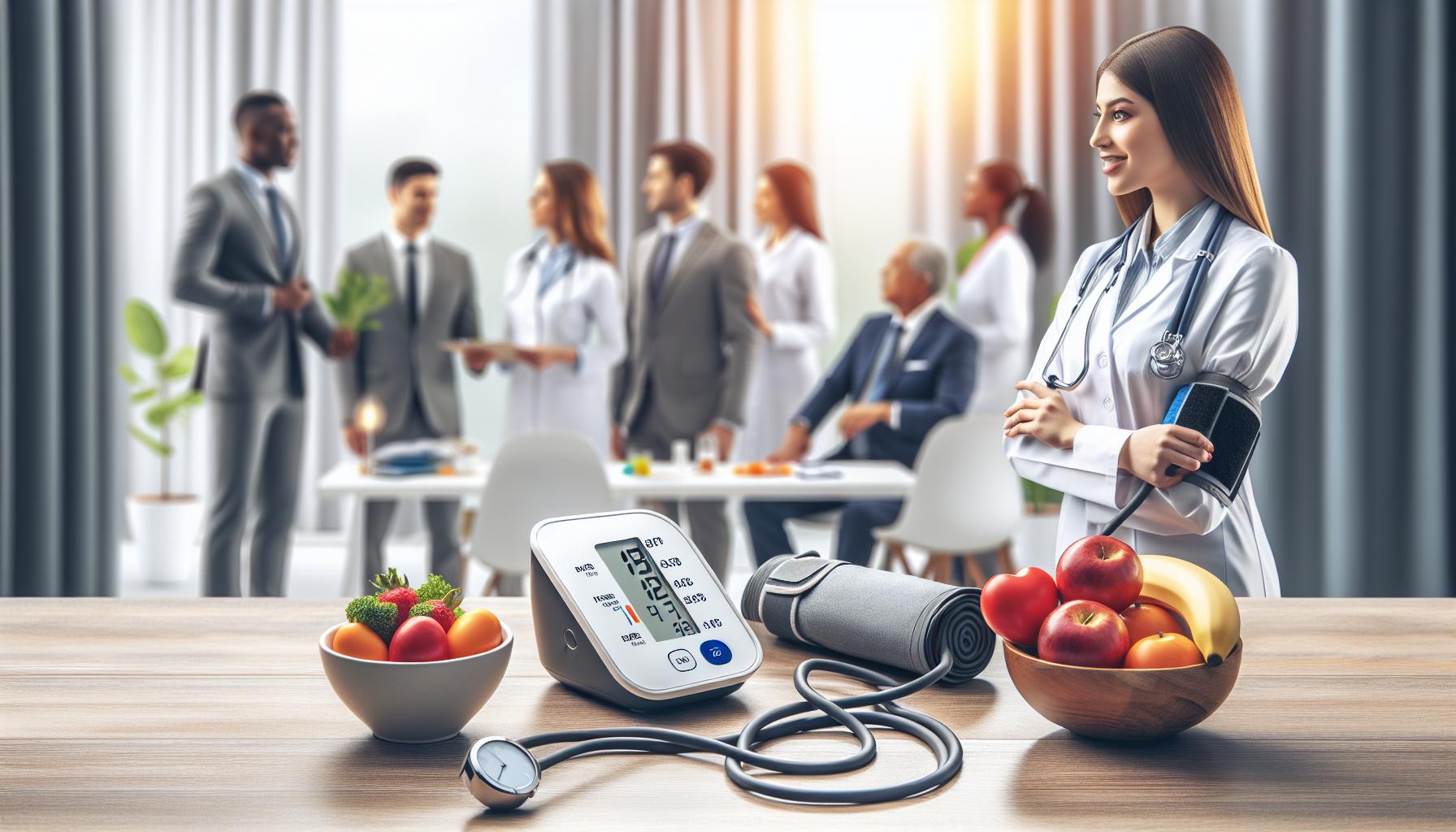
Community Health Centers Offering Free Screenings
Many individuals overlook the importance of regular blood pressure checks, yet they are a vital part of maintaining overall health. Community health centers play a critical role in making these screenings accessible, often providing them at no cost. These centers are committed to serving underserved populations, ensuring that everyone has an opportunity to monitor their health without financial barriers.
To locate your nearest community health center offering free blood pressure screenings, start by visiting the Health Resources and Services Administration (HRSA) website, which features a searchable database of health centers across the United States. It’s wise to call ahead to verify that free screenings are available, as some centers may have specific days or hours designated for these services. Many centers also provide additional health resources, including referrals for further testing or lifestyle counseling, making them a comprehensive stop for your health needs.
When you arrive for your appointment, expect to be greeted by trained professionals who will help ease any anxiety you may feel about getting your blood pressure checked. They will guide you through the process, explaining what to expect and how to understand your results. If necessary, they can also provide information on how to manage high blood pressure through lifestyle changes or by connecting you with additional health services.
Utilizing the services offered by community health centers not only empowers you to take control of your health but also helps to foster a sense of community. Participating in free screenings can lead to a healthier lifestyle and provides a supportive environment where you can learn from healthcare professionals as well as fellow community members. Your health is important, and making time for regular checks can ultimately lead to better long-term outcomes.
Local Pharmacies: Affordable Blood Pressure Checks
Many people may not realize that local pharmacies often provide affordable blood pressure checks, making them a convenient option for monitoring your heart health. These checks are typically quick, easy, and often performed by trained pharmacy staff, giving you the opportunity to check your levels without a lengthy appointment. Most pharmacies, including major chains and some independent ones, have either automated machines or trained professionals ready to assist.
When visiting a pharmacy for a blood pressure check, you can typically expect the following process:
- Walk-in Convenience: Many pharmacies allow for walk-in visits, meaning you don’t need to schedule an appointment. This can be particularly helpful for maintaining routine checks.
- Equipment and Technique: Pharmacies usually feature reliable automatic blood pressure monitors, which are easy to use and provide quick readings. If you prefer, ask a pharmacist to manually take your blood pressure using a standard cuff-this may offer more accurate results for some individuals.
- Interpretation and Advice: After taking your blood pressure, pharmacy staff can help you understand your numbers. If your reading indicates a concern, they can provide recommendations on lifestyle changes or direct you to healthcare resources.
Additionally, it might be beneficial to keep track of your readings over time. Many pharmacies have a way to record your measurements, allowing you to notice trends and share this information with your healthcare provider. This holistic approach ensures you take control of your health by actively monitoring your blood pressure regularly.
Utilizing pharmacy services not only enhances your awareness of heart health but also serves as a vital step in the prevention and management of hypertension. Don’t hesitate to take advantage of these affordable checks as part of a proactive strategy for your overall well-being. Remember, every small step leads toward a healthier future.
Public Health Events for Free Blood Pressure Monitoring
Public health events present an excellent opportunity for individuals to monitor their blood pressure for free while also increasing awareness about heart health. These events are often organized by local health departments, community organizations, or non-profits aiming to promote wellness and prevent chronic diseases. By participating, you not only gain insight into your current blood pressure status but also benefit from educational resources that can help you make informed lifestyle choices.
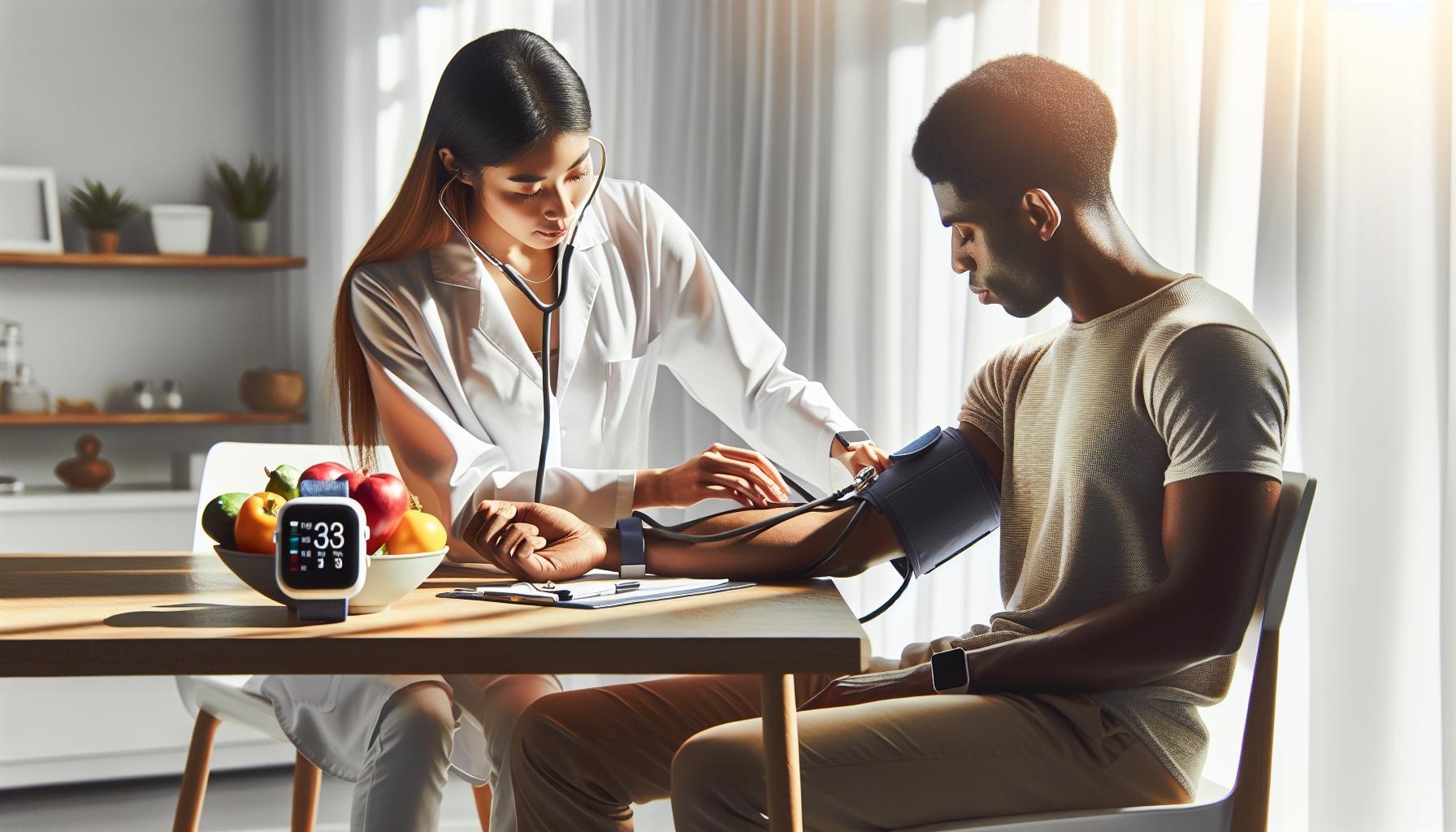
Many public health events feature professional healthcare providers who can conduct blood pressure screenings on-site. This process typically involves a quick, non-invasive measurement using an automatic blood pressure cuff. After the reading, healthcare professionals often provide immediate feedback and guidance on managing your blood pressure effectively. Additionally, these events may offer workshops or informational sessions on topics such as heart-healthy diets, physical activity, and stress management, helping to create a comprehensive approach to maintaining cardiovascular health.
To find upcoming public health events in your area, consider checking local community calendars, health department websites, or social media pages dedicated to community health initiatives. Many organizations also collaborate with gyms, schools, and health fairs to provide free screenings. Engaging in these community events not only supports your health journey but also fosters a supportive environment where individuals can learn and share experiences related to hypertension and overall wellness.
It’s essential to take proactive steps in monitoring your blood pressure. Participating in public health events is an empowering way to stay informed and involved in your health management, making a significant difference in your long-term well-being. Remember that awareness is the first step towards prevention and control of hypertension, so don’t miss out on these valuable resources in your community.
Mobile Clinics: Bringing Blood Pressure Checks to You
Mobile clinics are revolutionizing access to healthcare by bringing essential services, like blood pressure checks, directly to individuals where they live, work, or play. With transportation barriers often limiting people’s ability to attend regular healthcare appointments, these clinics serve as a vital resource, ensuring that everyone has the opportunity to monitor their cardiovascular health. Typically equipped with trained healthcare professionals and the necessary medical equipment, mobile clinics provide a convenient and efficient way for community members to receive quick and reliable blood pressure readings.
Participating in a mobile clinic event is simple and straightforward. Most clinics operate on a walk-in basis, meaning you can stop by without an appointment. Upon arrival, a healthcare provider will guide you through the process, which usually involves just a few minutes of your time. Here’s a brief overview of what to expect:
- Step 1: Check in with the clinic staff, who will typically gather some basic information about your health history.
- Step 2: Get your blood pressure measured using an automatic cuff, a quick and painless process.
- Step 3: After your reading, a healthcare professional will discuss your results and suggest any necessary follow-up actions or lifestyle adjustments.
These clinics not only promote awareness about blood pressure issues but also enhance understanding of how lifestyle choices can impact heart health. Many mobile clinics also offer educational materials, workshops, or demonstrations on heart-healthy living, including nutrition and exercise tips. This holistic approach empowers participants to take charge of their health and make informed decisions.
To locate mobile clinics in your area, keep an eye on local health department announcements, community boards, and social media pages. Additionally, some mobile clinics partner with community organizations, schools, or local businesses, so it can be beneficial to inquire about upcoming visits. By utilizing these resources, you can easily access vital health services and help maintain your well-being-all while fostering a culture of community health and support.
Understanding Blood Pressure Monitoring: A Guide
Monitoring your blood pressure is a crucial part of maintaining your overall health, especially for those at risk of hypertension or related cardiovascular issues. Understanding what blood pressure monitoring involves can empower you to take control of your health and make informed decisions about lifestyle changes. Blood pressure readings reflect the force of blood against your arterial walls, with two key numbers: systolic pressure (the first number, measuring pressure during a heartbeat) and diastolic pressure (the second number, indicating pressure between heartbeats). Regularly checking these numbers can help catch any abnormalities early and guide necessary interventions.
When preparing for a blood pressure check, it’s essential to follow certain guidelines to ensure accurate readings. Aim to rest for at least five minutes before your measurement, sit quietly without distractions, and keep your legs uncrossed while your arm is supported at heart level. Wearing loose clothing can help facilitate an unobstructed reading. If you have consumed caffeine or exercised within 30 minutes prior to the test, these factors can temporarily elevate your readings, so it’s best to wait before measuring.
After having your blood pressure checked, it’s important to comprehend what those numbers mean. Normal blood pressure is typically defined as being around 120/80 mmHg. Readings above this can indicate varying degrees of hypertension, which may prompt discussions with a healthcare provider about potential next steps, lifestyle modifications, or further testing. Keeping a log of your readings is beneficial for your overall health management; this can be done easily through a notebook or a digital health app. Over time, this record helps you and your healthcare provider identify patterns or fluctuations, providing valuable insights into your cardiovascular health.
In summary, understanding blood pressure monitoring is not just about checking numbers-it’s about recognizing their significance in your health journey. Regular monitoring, combined with knowledge and lifestyle choices, can greatly reduce the risk of serious health conditions, allowing you to live a healthier, more informed life.
The Importance of Regular Blood Pressure Checks
Regular blood pressure checks are vital for maintaining optimal health, particularly because hypertension, or high blood pressure, often goes unnoticed until serious health issues arise. With nearly half of adults in the United States living with high blood pressure, understanding the significance of regular monitoring cannot be overstated. Not only does regular checking help in the early identification of potential problems, but it also plays a crucial role in managing existing conditions effectively.
One of the primary benefits of consistent blood pressure monitoring is its role in prevention. By regularly recording blood pressure levels, you can establish a baseline and detect any significant changes over time. This creates an opportunity for healthcare providers to tailor individual treatment plans, including lifestyle adjustments or medication, to maintain or restore healthy blood pressure levels. Moreover, engaging in community health programs that offer free blood pressure screenings can enhance awareness and reduce the barriers to accessing necessary health checks.
It is equally important to understand how these readings align with your overall health. Regular blood pressure checks can help identify risk factors associated with cardiovascular diseases, such as heart attacks and strokes. By keeping track of your measurements, you empower yourself to make informed decisions about your health journey. It’s also advisable to adopt healthy lifestyle changes informed by your readings-such as increasing physical activity, improving dietary habits, and managing stress levels-which can all contribute to lowering blood pressure.
Equipped with the knowledge from regular checks, you can engage in constructive conversations with healthcare providers about your cardiovascular health, paving the way for preventative measures rather than reactive care. In turn, this proactive approach fosters a health-conscious mindset, underscoring the empowerment that comes from understanding and managing your blood pressure. Embracing this practice ultimately benefits not just your heart health, but your overall well-being as well.
How to Prepare for Your Blood Pressure Appointment
Preparing for a blood pressure appointment is a key step in managing your health effectively. With hypertension often termed the “silent killer,” it’s essential to arrive informed and ready to engage with your healthcare provider. Doing so not only enhances the accuracy of your readings but also sets the stage for comprehensive health discussions. Here are some practical steps to ensure you make the most out of your appointment.
Start by monitoring your blood pressure at home before your visit. If you have a blood pressure monitor, take readings at different times of the day over a few days. This will give you a clearer picture of your average blood pressure and help identify any potential issues. Bring this data to your appointment, as it can provide valuable insights for your healthcare provider.
Next, make sure to note any medications and supplements you are currently taking. It’s crucial to inform your doctor about all forms of treatment, including over-the-counter medications, vitamins, or herbal supplements, as they can affect your blood pressure. Compile a list to share during your visit, as this will help your provider make the best recommendations tailored to your specific health needs.
Additionally, consider your physical state on the day of your appointment. Aim to avoid certain factors that can artificially elevate your blood pressure readings. These include consuming caffeine or smoking at least 30 minutes before your check. Arrive on a full stomach and ensure you stay relaxed, as stress can also affect your results. Wearing loose clothing can facilitate easier cuff placement, ensuring a more accurate measurement.
Lastly, prepare questions or concerns to discuss during your appointment. Engaging in dialogue about your health not only demonstrates your commitment but also empowers you to take charge of your blood pressure management. Don’t hesitate to ask your provider for advice on lifestyle changes, potential risks, and tailored treatment plans based on your readings. This proactive approach not only fosters a sense of control over your health but also reinforces a partnership with your healthcare professional for ongoing support and guidance.
Tips for Accurate Blood Pressure Readings
Accurate blood pressure readings are essential for managing your health, especially if you’re monitoring for conditions like hypertension. Achieving precise measurements can be influenced by various factors, and being aware of these can empower you in your health journey. Follow these tips to ensure reliable results during each check.
Choose the Right Time
Select a consistent time for your blood pressure checks. Blood pressure fluctuates throughout the day, so try to measure it at the same time every time, ideally in the morning after a good night’s sleep or in the evening before dinner. This consistency helps account for natural variations due to daily activities.
Prepare Physically
Before having your blood pressure checked, it’s crucial to prepare your body. Relax for at least five minutes, sitting in a comfortable chair with your feet flat on the ground. Ensure your arm is supported at heart level and avoid crossing your legs, as these can impact readings. Furthermore, abstain from consuming caffeine or nicotine at least 30 minutes beforehand, as these stimulants can lead to temporarily elevated readings.
Use Equipment Correctly
If you’re using a home monitor, ensure it’s properly calibrated and appropriate for your arm size. An incorrectly sized cuff can result in inaccurate readings. Here’s a simple way to check:
- For a standard arm cuff, your arm’s circumference should fit comfortably within the cuff range.
- Always follow the manufacturer’s instructions for usage.
If you’re unsure about your device’s accuracy, consider cross-checking readings with those taken at a healthcare facility.
Maintain a Journal
Keeping a record of your blood pressure readings can help identify patterns or triggers for fluctuations. Document the time of day, your feelings, any activities prior to measurement, and dietary intakes. This information can be invaluable when discussing your health with a provider and can lead to tailored advice or adjustments to your management plan.
By following these steps, you enhance the reliability of your blood pressure readings, fostering informed conversations with your healthcare provider about your health status and potential lifestyle changes. Taking control of your blood pressure monitoring can be a significant step towards improving your overall health and well-being.
Tracking Your Blood Pressure: What You Need to Know
Keeping track of your blood pressure is crucial for maintaining your overall health, especially if you are at risk of hypertension or related conditions. Integrating regular blood pressure monitoring into your routine can significantly influence your health outcomes. By tracking your measurements consistently, you can spot trends over time, identify factors that may influence your readings, and better engage with your healthcare provider about your health management.
To get started effectively, you should establish a routine that coincides with your daily schedule. Measuring your blood pressure at the same time each day-ideally when you’re resting and in a comfortable setting-can help lend consistency to your readings. Consider keeping a dedicated journal or digital log to record your results, noting the date, time, and any relevant details such as dietary habits or physical activity levels prior to measurement. This will not only help you track changes but also provide valuable context for discussions with healthcare professionals.
Utilizing readily available resources for blood pressure checks is also an essential aspect of effective monitoring. Community health centers, local pharmacies, and public health events often provide free or low-cost blood pressure screenings. Additionally, some mobile clinics bring healthcare services directly to your neighborhood, ensuring that you have access to monitoring options that fit your lifestyle. By actively seeking out these resources, you empower yourself to take charge of your health and make informed decisions based on your blood pressure data.
Adopting a proactive approach to blood pressure management is paramount to your health journey. By tracking your readings, understanding what influences them, and using available community resources, you can enhance your ability to manage your blood pressure effectively. Remember, every small step toward awareness and action contributes to a healthier you.
Resources for Ongoing Blood Pressure Management
Monitoring blood pressure isn’t just a one-time event-it’s a continuous journey that requires dedicated resources and support. Regular access to accurate readings can significantly impact your ability to manage your overall health. Here are several strategies and resources to ensure you maintain effective blood pressure management throughout your wellness journey.
One of the most beneficial steps you can take is to utilize online platforms and apps designed for health management. These tools not only allow you to track your readings but also offer reminders for when to measure your blood pressure, making routine checks easier to integrate into your daily life. Look for features that enable you to set goals, analyze trends over time, and even share your data with healthcare providers during appointments. Apps like MySugr or Blood Pressure Companion can be valuable companions in your health management strategy.
Engagement with community health resources is another vital avenue. Many local health departments and nonprofit organizations offer free workshops and educational materials on effective hypertension management. These resources often include access to nutritional programs, exercise classes, and support groups, indispensable for lifestyle changes that can lower blood pressure. For example, programs promoting the DASH (Dietary Approaches to Stop Hypertension) diet provide members with practical cooking classes and meal planning tools to foster healthier eating habits.
It’s also essential to maintain an open line of communication with your healthcare provider. Regular check-ins, whether in-person or virtual, can provide personalized guidance tailored to your specific health needs. Be proactive in preparing questions related to your blood pressure readings, medications, or lifestyle changes you might be considering. Your provider can also recommend specialists, such as dietitians or exercise physiologists, for more tailored support.
Finally, consider participating in wellness challenges or community initiatives focused on health. These can provide motivation and encouragement to stick to your goals. Many local gyms, libraries, and community centers sponsor events that involve blood pressure monitoring and offer friendly competitions to foster a supportive atmosphere among participants striving for healthier lifestyles. Engaging with others can create a network of accountability, making it easier to maintain motivation and progress.
By appealing to a mix of digital, community, and professional resources, you’ll be better equipped for ongoing blood pressure management, ensuring that you stay informed, supported, and actively involved in your health journey.
Lifestyle Changes to Improve Your Blood Pressure
Adopting healthier lifestyle changes can significantly impact blood pressure management, often yielding results that can be observed in the numbers themselves. Simple adjustments to your daily routine can contribute to lower blood pressure and better overall cardiovascular health. Let’s explore practical and effective strategies that can empower you on your journey to optimal blood pressure levels.
Healthy Eating Habits
One of the most effective ways to improve blood pressure is through diet. Incorporating more fruits, vegetables, whole grains, and lean proteins while reducing sodium intake can lead to meaningful changes in your blood pressure readings. Follow these guidelines to enhance your diet:
- DASH Diet: Consider the Dietary Approaches to Stop Hypertension (DASH) diet, which emphasizes foods rich in potassium, magnesium, and fiber, helping to lower blood pressure.
- Limit Sodium: Aim for less than 2,300 mg of sodium per day (and ideally under 1,500 mg) to help reduce your blood pressure.
- Healthy Fats: Include sources of healthy fats such as avocados, olive oil, and nuts, which can support heart health.
Regular Physical Activity
Physical activity also plays a crucial role in managing blood pressure. Engaging in regular exercise, even for as little as 30 minutes a day, can help lower systolic blood pressure. Here are some activity ideas:
- Cardiovascular Exercises: Activities like walking, jogging, swimming, or cycling can greatly benefit heart health.
- Strength Training: Incorporating strength training into your routine at least twice a week can further enhance cardiovascular fitness.
- Flexibility and Balance: Practices like yoga and tai chi can not only help with flexibility but can also reduce stress, which positively affects blood pressure.
Stress Management Techniques
Chronic stress is known to contribute to higher blood pressure. Learning to manage stress is therefore essential:
- Meditation and Mindfulness: Techniques such as meditation and mindfulness can lower stress hormones and promote a sense of calm.
- Breath Control: Practicing deep breathing exercises can immediately lower tension and support heart health.
- Daily Routines: Establishing routines that include enjoyable activities can significantly reduce stress levels, ranging from hobbies to spending time with loved ones.
Implementing these lifestyle changes can take time and commitment, but the rewards are well worth the effort. Monitoring blood pressure regularly, alongside these healthful practices, empowers you to take control of your wellness and can lead to lasting results. Remember, every small step can contribute to a significant impact on your health.
Frequently Asked Questions
Q: Where can I find free blood pressure checks near me?
A: You can find free blood pressure checks at local community health centers, pharmacies, and public health events. Additionally, mobile clinics may offer free screenings in various neighborhoods. Check local health department websites for event schedules and specific locations.
Q: Are there any organizations that provide free blood pressure monitoring services?
A: Yes, organizations like the American Heart Association and local community health programs often provide free blood pressure monitoring services. Look for flyers or announcements in community centers, libraries, or your local healthcare providers’ offices.
Q: How often should I get my blood pressure checked?
A: It is recommended to have your blood pressure checked at least once a year if it’s normal. For those with high blood pressure or risk factors, more frequent checks may be necessary. Follow guidelines from your healthcare provider for personalized advice.
Q: What should I bring to a free blood pressure screening?
A: When attending a free blood pressure screening, bring a photo ID, your insurance card if applicable, and a list of medications you currently take. This information helps healthcare professionals provide you with accurate assessments and recommendations.
Q: Can I find free blood pressure checks at local pharmacies?
A: Yes, many local pharmacies offer free blood pressure checks as a community service. Some may even have dedicated health days or events where screenings are available at no cost. Call ahead to confirm availability.
Q: What are the qualifications of staff providing free blood pressure checks?
A: Staff providing free blood pressure checks typically include trained healthcare professionals, such as nurses or pharmacists. They are qualified to measure blood pressure accurately and provide guidance on what your readings mean.
Q: How can I prepare for a free blood pressure check?
A: To prepare for a blood pressure check, avoid caffeine, smoking, and strenuous exercise 30 minutes before your appointment. Wear a short-sleeve shirt for easy access to your arm, and try to relax to ensure an accurate reading.
Q: What are the potential risks of not monitoring my blood pressure regularly?
A: Not monitoring your blood pressure regularly can lead to undetected hypertension, which increases the risk of serious health issues such as heart disease, stroke, and kidney problems. Regular checks help you stay aware and manage your health effectively.
To Conclude
Taking control of your blood pressure is essential for your health, and finding a free checking option is a smart step forward. With the resources available to you, including community health centers and local pharmacies, there’s no excuse to skip this vital health check. Remember, monitoring your blood pressure regularly can lead to better management of your overall health, so don’t hesitate to take action today!
For further insights on managing your blood pressure and lifestyle strategies, check out our articles on “Healthy Eating for Heart Health” and “Understanding Hypertension.” And if you’re ready to take the next step, consider signing up for our newsletter for ongoing tips and the latest health updates. As you embark on this journey, know that your proactive approach makes a significant difference-you’re not alone in this, and every small action counts. Share your experience below and join our community dedicated to better health!