


Did you know that dehydration can significantly impact your blood pressure? As warm weather approaches or during periods of physical activity, many overlook the importance of hydration, potentially leading to elevated blood pressure levels. Understanding the connection between dehydration and high blood pressure is crucial, especially for those managing hypertension or looking to maintain heart health.
When your body lacks sufficient fluids, the heart has to work harder to pump blood, which can strain your cardiovascular system. This article will explore the relationship between dehydration and high blood pressure, offering practical tips to stay hydrated and maintain healthy blood pressure levels. By prioritizing hydration, you not only support your overall health but also take proactive steps toward managing your blood pressure effectively. Keep reading to learn how to safeguard your well-being and stay safe and hydrated!
Understanding the Link Between Dehydration and Blood Pressure
Dehydration is more than just a feeling of thirst; it can have significant impacts on your blood pressure, potentially leading to serious health complications. When your body loses fluids and electrolytes, its ability to regulate blood pressure is impaired. As a result, dehydration can lead to increased blood viscosity (thicker blood), which requires the heart to work harder, potentially leading to elevated blood pressure levels. This relationship is particularly crucial for individuals already managing hypertension, as inadequate hydration can exacerbate their condition.
Maintaining proper hydration is vital for ensuring that your blood volume remains sufficient. Blood volume is directly linked to blood pressure; when blood volume drops due to dehydration, blood pressure also tends to fall initially. However, the body compensates for low blood volume by constricting blood vessels and increasing heart rate, which can lead to a rise in blood pressure as a response to maintain adequate blood flow to vital organs. Therefore, understanding the nuances of this link can empower you to manage your hydration and blood pressure more effectively.
To stay well-hydrated, identifying common signs of dehydration, such as dry mouth, fatigue, or darker urine, can be key. Proactively monitoring your fluid intake, particularly during hot weather or intensive exercise, can help prevent dehydration from affecting your blood pressure. Simple strategies include carrying a water bottle, setting reminders for regular intake, and incorporating hydrating foods into your diet. Keeping track of your blood pressure readings will also provide valuable insights into how your hydration status influences your overall cardiovascular health.
In conclusion, hydration plays a crucial role in regulating blood pressure. By being mindful of your fluid intake and recognizing the signs of dehydration, you can take proactive steps to protect your blood pressure and overall health. Making informed hydration choices is an empowering way to mitigate risks associated with dehydration.
How Dehydration Affects Your Body
The human body relies heavily on water for nearly every biological process, and dehydration can lead to a cascade of detrimental effects that extend far beyond mere thirst. When you become dehydrated, your blood volume decreases, which subsequently affects your cardiovascular health. This reduction in blood volume results in thicker blood, forcing your heart to work harder to circulate it throughout your body. For those already managing blood pressure issues, this added strain can heighten the risk of experiencing hypertension, as your body compensates for the lack of fluid by constricting blood vessels and increasing heart rate.
In addition to elevated blood pressure, dehydration can also lead to other serious health complications, such as kidney stones, urinary tract infections, and heat-related illnesses. The body’s ability to regulate electrolytes, particularly sodium and potassium, is crucial for maintaining optimal blood pressure levels. When fluid intake is low, electrolyte balance can become disrupted, which may further complicate blood pressure regulation and could result in irregular heart rhythms. Recognizing those early signs of dehydration-like dry mouth, dizziness, or infrequent urination-can be essential for preventing these complications.
To mitigate the risk of dehydration and its impact on your body, it’s essential to adopt regular hydration practices. Keeping a water bottle on hand throughout the day and setting reminders to drink water can be effective strategies for maintaining adequate fluid levels. Consuming foods with high water content, such as fruits and vegetables, can also contribute to your daily hydration needs. It’s advisable to monitor your body’s response to hydration, particularly during physical exertion or in hot weather, and adjust your intake accordingly.
Ultimately, being proactive about hydration not only empowers you to manage your blood pressure more effectively but also supports your overall health. Incorporating these practices into your daily routine can help safeguard against the risks associated with dehydration, allowing you to thrive physically and mentally.
Signs and Symptoms of Dehydration
Dehydration can often be insidious, sneaking up on you when you least expect it. Your body has an impressive ability to signal when it needs more fluids, but recognizing these early warning signs is crucial, especially for those concerned about blood pressure. Ignoring dehydration can lead not only to uncomfortable symptoms but also to serious complications such as elevated blood pressure and cardiovascular strain.
Some common signs and symptoms that indicate you might be dehydrated include:
- Thirst: This is often the first signal your body sends when it needs more fluids. A persistent feeling of thirst should prompt you to drink water.
- Dry Mouth: A dry, sticky feeling in the mouth can indicate that your body is running low on fluids.
- Infrequent Urination: If you notice reduced urine output or dark-colored urine, this is a clear sign of dehydration.
- Dizziness or Lightheadedness: A common symptom when your blood volume decreases due to dehydration, potentially leading to unstable blood pressure.
- Fatigue or Weakness: Feeling unusually tired or weak can result from the body’s struggle to function without adequate hydration.
- Headaches: These can be triggered by dehydration, particularly when blood volume drops, affecting circulation and oxygen delivery to the brain.
Paying attention to these symptoms allows for timely action to rehydrate, which can help prevent complications such as increased blood pressure. Consider keeping a hydration log, especially during warmer months or if you’re physically active. Documenting your fluid intake and any changes in your body’s signals can help you better understand your hydration needs and prevent serious health risks.
Incorporating regular hydration practices into your daily routine is essential. Carrying a reusable water bottle can serve as a gentle reminder to drink more fluids throughout the day. Additionally, consuming fruits and vegetables high in water content can effectively contribute to your overall hydration. Remember, staying attuned to your body’s signals empowers you to maintain not just hydration but also a healthier blood pressure and overall well-being.
The Mechanism Behind Blood Pressure Changes
The relationship between dehydration and blood pressure is critical to understand, as even mild dehydration can lead to significant changes in your cardiovascular system. When the body loses fluids, the blood volume decreases. This reduction triggers the body to compensate by narrowing blood vessels to maintain blood pressure, which can lead to elevated levels and strain on the heart. Furthermore, the kidneys, sensing low blood volume, may retain sodium and water in an effort to restore balance, which can create a vicious cycle of heightened blood pressure.
Dehydration can also affect the balance of electrolytes, which are vital for muscle function, including that of the heart. An imbalance in electrolytes like sodium and potassium can disrupt the rhythmic contractions of the heart, potentially leading to higher blood pressure readings. For individuals who already have existing hypertension, managing hydration is especially important.
To monitor and manage your blood pressure effectively, consider implementing a few practical strategies:
- Check your hydration status: Observe the color of your urine. Light yellow indicates good hydration while dark yellow suggests the need for more fluids.
- Keep a consistent fluid intake: Aim for a regular daily intake of water, adapting it based on activity levels and environmental conditions, especially during hot weather.
- Incorporate electrolyte-rich foods: Including foods such as bananas, avocados, and leafy greens helps maintain electrolyte balance and supports overall hydration.
- Endurance activities: During exercise, particularly in hot environments, consider drinks with electrolytes to stave off dehydration and maintain stable blood pressure.
Adopting these habits empowers you to maintain a healthier blood pressure and supports better overall cardiovascular health. By being proactive about hydration, you can mitigate the risks associated with dehydration and ensure your body functions optimally.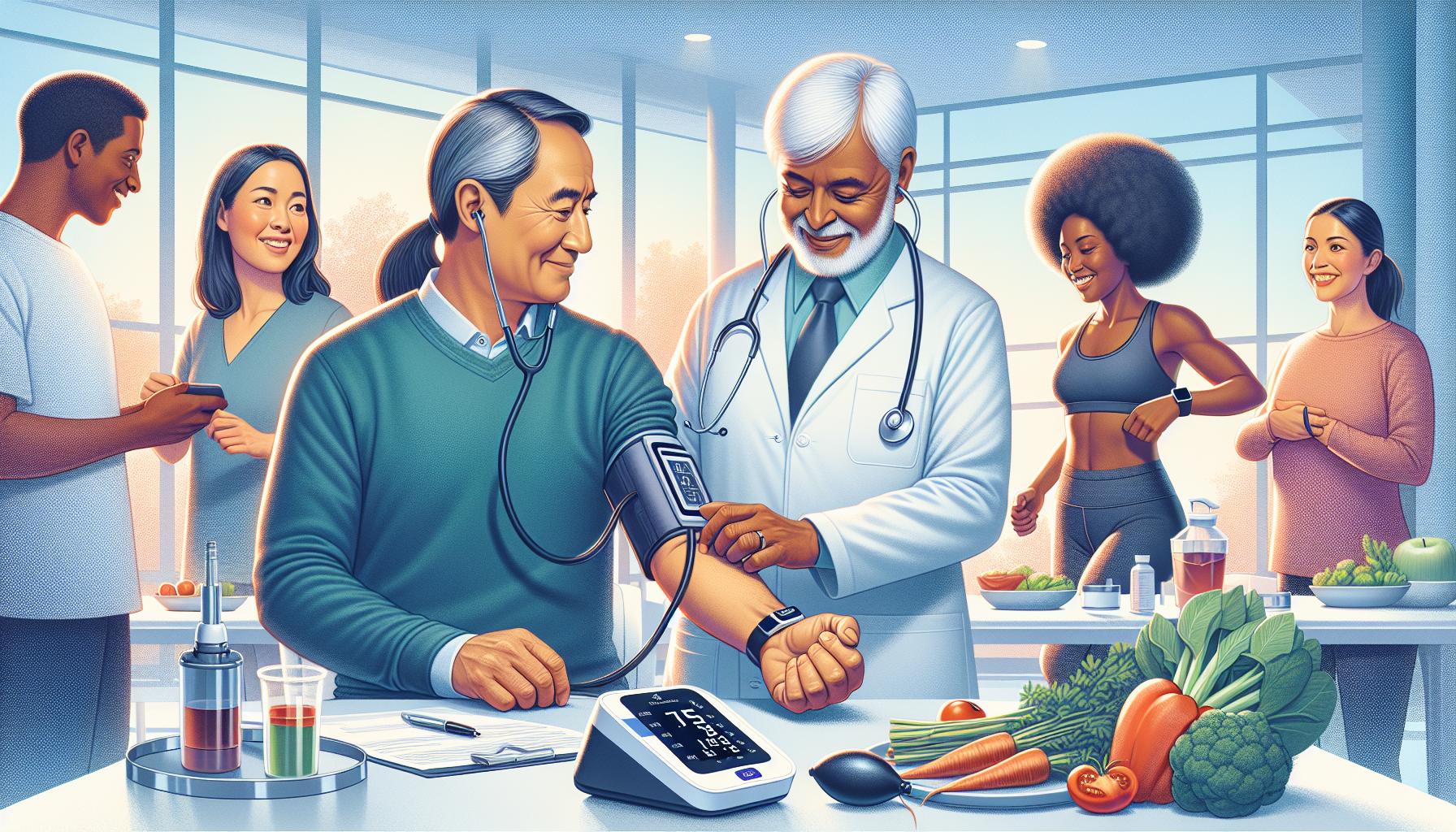
Who Is at Higher Risk for High Blood Pressure?
Many individuals may be surprised to learn that certain populations are at a significantly higher risk for developing high blood pressure, particularly when compounded by dehydration. High blood pressure, or hypertension, doesn’t discriminate; it can affect anyone, but some factors heighten the vulnerability. Age, lifestyle, existing health conditions, and environmental aspects all play critical roles in assessing risk levels.
Older adults are particularly susceptible due to natural physical changes that occur with age. The elasticity of blood vessels decreases over time, making it harder for the body to regulate blood pressure effectively. When coupled with dehydration, which reduces blood volume, older adults can face serious cardiovascular challenges. Ensuring adequate hydration is paramount in this demographic, as they may not feel thirst as acutely as younger individuals, leading to increased risks.
Individuals with chronic health conditions, such as diabetes or kidney disease, are also at heightened risk. The interplay between these conditions and hydration levels can exacerbate blood pressure issues. For example, diabetes can influence kidney function, which is crucial in regulating fluid balance and blood pressure. Furthermore, those taking certain medications, especially diuretics, need to be vigilant regarding their hydration to avoid exacerbating dehydration and hypertension.
Young athletes or those engaged in vigorous physical activity should not be overlooked. Intense exercise, particularly in hot or humid environments, can lead to significant fluid loss. In these situations, it’s essential to prioritize hydration before, during, and after physical exertion to maintain optimal blood pressure levels. Electrolyte-rich beverages can help replenish lost fluids and minerals, supporting both hydration and cardiovascular health.
By understanding these risk categories, individuals can take proactive steps in managing their hydration and blood pressure. Regular monitoring and adjustments in fluid intake, along with lifestyle changes, can significantly enhance cardiovascular health and well-being. Taking charge of hydration habits is a vital component in reducing the risk of high blood pressure, enabling individuals to live healthier, more active lives.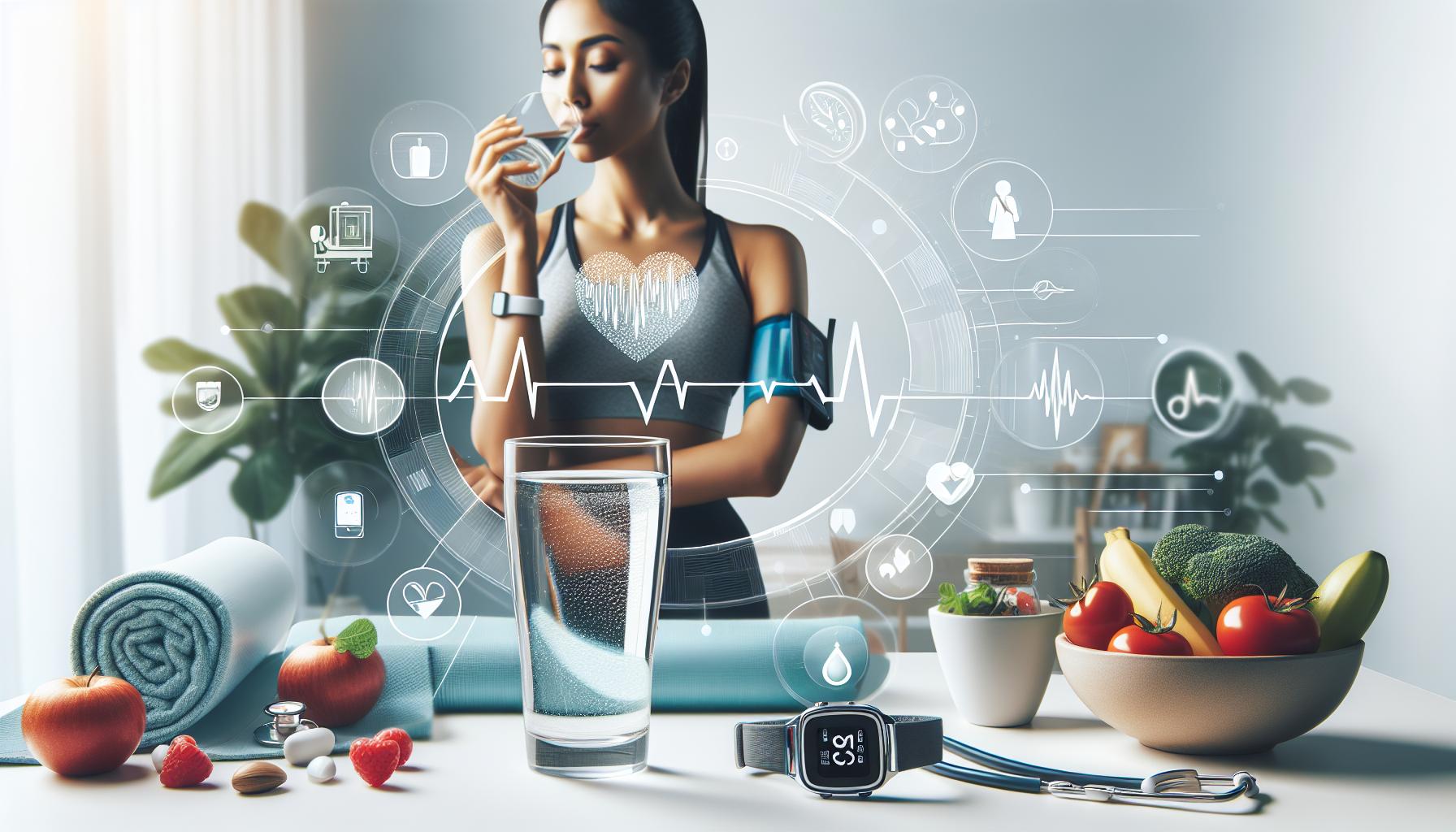
Strategies to Stay Hydrated Daily
Maintaining proper hydration daily is crucial not just for overall health but also for keeping blood pressure in check. When the body becomes dehydrated, it can lead to a decrease in blood volume, which forces the heart to work harder, potentially raising blood pressure. Incorporating simple yet effective strategies to stay hydrated can have profound benefits on your cardiovascular health.
One effective strategy involves setting a daily hydration goal tailored to your needs. A common recommendation is to aim for about 8 cups (64 ounces) of water each day, but individual needs may vary based on factors like age, activity level, and climate. To facilitate this, consider carrying a water bottle with you or using an app to track your intake.
Incorporating hydration-rich foods into your diet can also be a delicious way to increase your fluid intake. Foods such as cucumbers, watermelon, oranges, and celery have high water content and can supplement your daily hydration goals. Additionally, herbal teas and broths serve as excellent hydration options that contribute to fluid intake without added sugars or calories.
Another effective approach is to establish a routine that integrates hydration into your daily activities. For example, drink a glass of water when you wake up, before each meal, and when you finish certain tasks throughout the day. This not only ensures you’re consistently hydrating but also helps build a habit that can improve your long-term health outcomes.
Finally, being mindful of situational factors that can lead to increased fluid loss is essential. If you’re exercising, particularly in heat or humidity, ensure you are not only drinking water but also considering electrolyte-rich beverages to replenish lost minerals. Staying aware of your body’s needs and adjusting your fluid intake appropriately can help you maintain optimal hydration levels and support healthier blood pressure management.
Best Hydration Practices for Optimal Blood Pressure
To manage blood pressure effectively, staying adequately hydrated is essential. When the body lacks sufficient fluids, blood volume decreases, prompting the heart to pump harder and potentially raising blood pressure levels. To ensure optimal hydration, consider implementing a few practical practices into your daily routine.
One effective approach is to incorporate hydration breaks into your schedule. For instance, aim to drink a glass of water at specific intervals throughout the day-first thing in the morning, during lunch, and mid-afternoon. This simple habit not only helps you reach your hydration goals but also keeps your blood pressure in check. Here are additional hydration strategies to consider:
- Monitor Fluid Intake: Keep a daily log of how much water you consume. This can help you identify patterns in your hydration habits and adjust as necessary.
- Flavor Your Water: If plain water feels monotonous, enhance its taste with slices of lemon, cucumber, or berries. This can make drinking water more enjoyable and encourage you to drink more.
- Hydration-Rich Foods: Incorporate fruits and vegetables with high water content into your diet. Options like cucumbers, oranges, and strawberries not only hydrate but also provide essential vitamins and minerals.
- Choose the Right Beverages: While water should be your primary source of hydration, other options like herbal teas or coconut water can be beneficial. Avoid sugary drinks, as they can lead to dehydration and spikes in blood pressure.
Additionally, it’s crucial to recognize situations that might increase your fluid needs. On hot days or during intense workouts, aim for electrolyte-rich fluids to replenish what’s lost through sweat. Adjusting your intake based on your activity level and environmental conditions can make a significant difference in maintaining proper hydration.
Being aware of the signs of dehydration-such as dry mouth, fatigue, and dizziness-can empower you to take action before serious issues arise. Regularly monitoring your blood pressure and incorporating these hydration strategies into your daily routine can significantly enhance your overall health and well-being. Stay proactive about your hydration to support optimal blood pressure and cardiovascular health.
Dietary Changes for Better Hydration
Maintaining proper hydration through dietary choices plays a pivotal role in managing blood pressure and overall health. Many might not realize that food can significantly contribute to your daily fluid intake, making it easier to stay hydrated and support cardiovascular function. By integrating hydration-conscious foods into your meals, you can help stabilize blood pressure levels and enhance your body’s overall liquid balance.
Incorporating fruits and vegetables with high water content is a straightforward strategy to boost hydration. Consider adding hydrating options like cucumbers, which contain about 95% water, or watermelons, which are about 92% water. Other excellent choices include oranges, strawberries, and leafy greens such as lettuce and spinach. These foods not only provide hydration but also essential vitamins, minerals, and antioxidants that support cardiovascular health. Including these in salads, smoothies, or snacks can effortlessly enhance your water intake throughout the day.
Additionally, opting for soups and broths as meal choices contributes effectively to hydration levels. A hearty vegetable soup can be both nutritious and hydrating, especially if made with plenty of water-rich ingredients. Choosing beverages wisely is also critical; herbal teas or flavored water with herbs and fruits can make hydration enjoyable while avoiding excessive sugar found in sodas and other sweetened drinks, which may have a dehydrating effect.
Consider planning your meals around hydration by keeping a variety of high-water-content foods readily available. Meal prepping these items can serve as a reminder to incorporate them into your daily routine. Not only will this approach promote better hydration, but it can also lead to improved energy levels and potentially lower blood pressure due to a well-balanced diet. Stay proactive in your dietary choices to optimize hydration and support your health.
Avoiding Common Dehydration Triggers
In a world where dehydration can silently impact your health, understanding the common triggers that lead to fluid loss is key to maintaining optimal hydration and managing blood pressure effectively. Factors such as environmental conditions, dietary choices, and lifestyle habits can all play a significant role in your fluid balance. By recognizing and addressing these triggers, you can take proactive steps to protect your health and maintain stable blood pressure levels.
One of the most prevalent causes of dehydration is inadequate fluid intake, especially during hot weather or high levels of physical activity. Hot temperatures can increase your perspiration, leading to greater fluid loss. Similarly, intense exercise, particularly without proper hydration, can quickly deplete your body’s water reserves. To combat this, make conscious efforts to drink water before, during, and after exercise, and consider incorporating electrolyte-rich beverages if you are engaging in prolonged physical activity.
Another common trigger is the consumption of diuretic substances, which can increase urination and fluid loss. Caffeine and alcohol are two main culprits in this category. While moderate coffee or tea consumption typically does not lead to significant dehydration, excessive intake can have an adverse effect. Alcohol, on the other hand, is more clearly associated with dehydration, so moderation is essential. If you enjoy beverages like coffee or cocktails, balance these with plenty of water to help maintain hydration levels.
Diet also plays an essential role in hydration. Highly processed and salty foods can lead to dehydration by increasing your body’s demand for water to help process excess sodium. Instead, prioritize fresh fruits and vegetables, which not only provide hydration through their high water content but also supply essential nutrients that support overall health. Foods like cucumbers, oranges, and strawberries can be excellent additions to your meals or snacks.
Lastly, certain medical conditions and medications can increase your risk of dehydration. Diuretics, commonly prescribed for high blood pressure, can lead to increased fluid loss. If you are on such medications, discuss with your healthcare provider how best to maintain hydration while managing your condition. Regularly monitoring your fluid intake and staying aware of your body’s signals can help ensure that you remain hydrated and mitigate risks to your blood pressure and overall health. By identifying and avoiding these triggers, you will empower yourself to foster a healthier lifestyle that supports optimal hydration and well-being.
Monitoring Your Blood Pressure Effectively
is crucial for maintaining overall health, especially when considering the impact of hydration. Blood pressure readings can fluctuate based on various factors, including fluid intake, making regular monitoring vital. Establishing a routine for checking your blood pressure can empower you to stay informed about your cardiovascular health and make necessary adjustments in your daily habits.
Start by investing in a quality home blood pressure monitor. Choose one that is clinically validated for accuracy and easy to use. Make sure to familiarize yourself with the device’s instructions. Regularly check your blood pressure at the same time each day-this consistency helps track trends rather than occasional outliers. Before taking a reading, ensure you are in a relaxed position and refrain from consuming caffeine or engaging in strenuous activity for at least 30 minutes.
It is also beneficial to keep a log of your readings. This could be as simple as noting your results in a notebook or using a digital app designed for health monitoring. Recording the date, time, your activity level, and how you felt can provide valuable context to your readings. Share this information with your healthcare provider during check-ups; it can aid in assessing how your hydration levels and lifestyle choices may be affecting your blood pressure.
Additionally, consider timing your readings around your hydration practices. For instance, if you consume water before measuring your blood pressure, note how this impacts the readings over time. This insight can guide you to understand the direct effects of hydration on your blood pressure, helping you develop better habits. With diligent tracking and a proactive approach, you can take significant steps towards managing your blood pressure effectively and ensuring your long-term health.
When to Seek Medical Advice for Hydration Issues
Recognizing is essential, as dehydration can lead to serious health complications, including elevated blood pressure. It’s a common misconception that mild dehydration is harmless; however, even slight deficits in fluid can significantly affect cardiovascular health. If you find yourself feeling excessively thirsty, fatigued, or dizzy, these can be early warning signs that your body is sending out distress signals.
It’s crucial to reach out to a healthcare professional if you experience any of the following symptoms:
- Persistent thirst that does not improve with water intake
- Dark yellow urine or reduced urine output
- Rapid heartbeat or breathing
- Confusion or decreased alertness
- Signs of heat-related illness, such as headache, nausea, or vomiting
In particular, individuals with existing conditions that affect blood pressure, such as hypertension or heart disease, should be vigilant. Dehydration can exacerbate these conditions by increasing blood viscosity and constricting blood vessels, which may elevate blood pressure readings. If your blood pressure starts to spike without clear reasons, consider that poor hydration might be a contributing factor, and discuss this with your healthcare provider.
Taking proactive steps to monitor your hydration status is also beneficial. Keep a daily log of your fluid intake and any correlating symptoms. This data can aid your physician in determining whether hydration levels are impacting your health. Engaging in this routine not only empowers you with knowledge but also fosters a collaborative approach to managing health concerns related to hydration and blood pressure.
Understanding Fluid Balance and Electrolytes
Understanding how fluid balance and electrolytes interact is crucial for maintaining optimal blood pressure and overall health. The human body is approximately 60% water, and this fluid plays a significant role in physiological functions. When hydration levels drop, the body’s ability to maintain balance is compromised, potentially leading to increased blood pressure. This is because dehydration can cause blood to become thicker, which forces the heart to work harder to pump it through the circulatory system.
Electrolytes, such as sodium, potassium, and magnesium, are vital for maintaining fluid balance. They help regulate heart rhythm, muscle function, and nerve signals. An imbalance, often resulting from dehydration, can contribute to higher blood pressure. For example, insufficient potassium levels can lead to increased sodium retention, creating a situation where blood vessels constrict, raising blood pressure levels. It’s essential to not just focus on fluid intake but also to ensure that the body gets a balanced supply of these key electrolytes through diet or supplementation when needed.
To stay mindful of your body’s fluid balance and electrolyte levels, consider incorporating the following practices into your daily routine:
- Hydrate actively: Aim for at least 8-10 glasses of water daily, adjusting for activity level and climate.
- Include electrolyte-rich foods: Incorporate bananas, spinach, avocados, and yogurt into your meals to support electrolyte balance.
- Monitor your fluid intake: Keep a journal or use a mobile app to track your daily water and electrolyte consumption.
- Recognize warning signs: Be aware of fatigue, dizziness, or muscle cramps, as these can be indications of electrolyte imbalance.
By actively managing your hydration and maintaining a proper balance of electrolytes, you can significantly influence your blood pressure and overall cardiovascular health. Always consult a healthcare professional if you have concerns about your hydration status or blood pressure readings, especially if you have underlying health conditions.
Frequently Asked Questions
Q: Can dehydration lead to high blood pressure?
A: Yes, dehydration can lead to high blood pressure. When you are dehydrated, your body compensates by constricting blood vessels to maintain blood flow, resulting in elevated blood pressure. Staying adequately hydrated helps ensure optimal cardiovascular function and can prevent fluctuations in blood pressure.
Q: What are the symptoms of dehydration that could impact blood pressure?
A: Symptoms of dehydration include thirst, dry mouth, dizziness, and fatigue. These symptoms can lead to increased heart rate and blood pressure as your body attempts to maintain fluid balance. Monitoring your hydration status is crucial for managing blood pressure effectively.
Q: How much water should I drink to prevent high blood pressure?
A: To prevent high blood pressure, aim to drink at least 8-10 cups (64-80 ounces) of water daily, depending on activity levels and environment. Hydration needs can vary, so adjust intake based on thirst and physical exertion, especially in hot weather or during exercise.
Q: Can chronic dehydration cause long-term high blood pressure?
A: Yes, chronic dehydration can contribute to long-term high blood pressure. Over time, insufficient fluid intake may strain the cardiovascular system, causing persistent increases in blood pressure. Prioritize regular hydration to support long-term heart health.
Q: Are there foods that help with hydration and blood pressure management?
A: Incorporate hydrating foods such as cucumbers, watermelon, and oranges into your diet. These foods not only provide hydration but also contain potassium and other nutrients that help regulate blood pressure, supporting overall cardiovascular health.
Q: When should I seek medical advice regarding dehydration and blood pressure?
A: Seek medical advice if you experience severe dehydration symptoms like confusion, extreme thirst, or fainting, especially if you have high blood pressure. Early intervention is vital to prevent complications. Regular monitoring can also guide hydration strategies effectively.
Q: What is the best time to drink water to maintain blood pressure?
A: The best times to drink water include upon waking, before meals, and after physical activity. Consistent hydration throughout the day supports optimal blood pressure levels and overall bodily functions, making it essential to establish a routine.
Q: How does dehydration affect electrolyte balance and blood pressure?
A: Dehydration disrupts electrolyte balance, particularly sodium and potassium, which are critical for maintaining stable blood pressure. An imbalance can lead to hypertension or hypotension; hence, maintaining proper hydration and electrolyte levels is crucial for cardiovascular health.
Insights and Conclusions
Staying properly hydrated is crucial for maintaining healthy blood pressure levels and overall well-being. Remember, even mild dehydration can lead to fluctuations in your blood pressure, affecting your health in the long run. If you’re feeling any symptoms like fatigue or dizziness, it’s time to take action-ensure you’re drinking enough water throughout the day!
For additional insights on managing your hydration and blood pressure, check out our articles on “Top Hydration Tips for Heart Health” and “Understanding Blood Pressure Readings.” Don’t forget to subscribe to our newsletter for more expert advice tailored to your health journey! Your well-being is our priority, and together, we can empower you to take control of your health. Comment below with your thoughts or questions, and let’s continue this important conversation!


