


Hibiscus tea has garnered attention for its potential health benefits, particularly in managing high blood pressure. In fact, studies suggest that regular consumption of hibiscus tea may significantly lower systolic and diastolic blood pressure, making it a delicious and natural option for those looking to support their heart health. Many people are concerned about maintaining healthy blood pressure levels, and exploring natural remedies can be both empowering and beneficial.
Making hibiscus tea is not only simple but also an enjoyable ritual that can enhance your overall wellness journey. As you learn how to prepare this vibrant, tangy brew, you’ll discover not only a refreshing beverage but also a partner in your effort to regulate blood pressure naturally. Embrace this opportunity to improve your health while enjoying the delightful flavors of hibiscus, and continue reading to unlock the many ways this herbal tea can fit into your daily routine.
The Benefits of Hibiscus Tea for High Blood Pressure
Hibiscus tea has emerged as a natural ally for those managing high blood pressure. Research suggests that regular consumption of hibiscus tea can lead to notable reductions in blood pressure levels, making it an attractive option for individuals seeking to support their cardiovascular health. Numerous studies demonstrate that hibiscus tea, rich in anthocyanins and other antioxidants, not only lowers systolic and diastolic blood pressure but may also improve overall heart health by aiding in the reduction of arterial stiffness.
One of the mechanisms behind hibiscus tea’s effectiveness is its ability to relax blood vessels. The compounds found in hibiscus promote the dilation of blood vessels, which, in turn, lowers the resistance encountered by the heart. Additionally, hibiscus tea has been shown to reduce the absorption of certain fats and sugars from the diet, contributing to better overall metabolic health, which is essential for maintaining healthy blood pressure levels. Including hibiscus tea in your routine could be as simple as replacing your usual afternoon drink with a warm or iced cup of this vibrant tea, especially since it can be enjoyed with or without added sweeteners.
To maximize the benefits of hibiscus tea, it’s important to incorporate it thoughtfully into your diet. Aim to enjoy 1-2 cups daily, which aligns with studies suggesting significant blood pressure-lowering effects within this consumption range. It’s also beneficial to monitor your blood pressure regularly, noting any changes you experience after incorporating hibiscus tea into your lifestyle. This not only empowers you to take charge of your health but also allows for adjustments based on how your body responds. Adding hibiscus tea to a heart-healthy diet, rich in fruits, vegetables, and whole grains, can further bolster blood pressure management efforts.
In summary, the potential health benefits of hibiscus tea as a natural remedy for high blood pressure are well-supported by research. By embracing this delicious beverage and integrating it into a holistic approach to health, you can take proactive steps in managing your blood pressure and enjoying the flavorful journey along the way.
Understanding How Hibiscus Tea Works
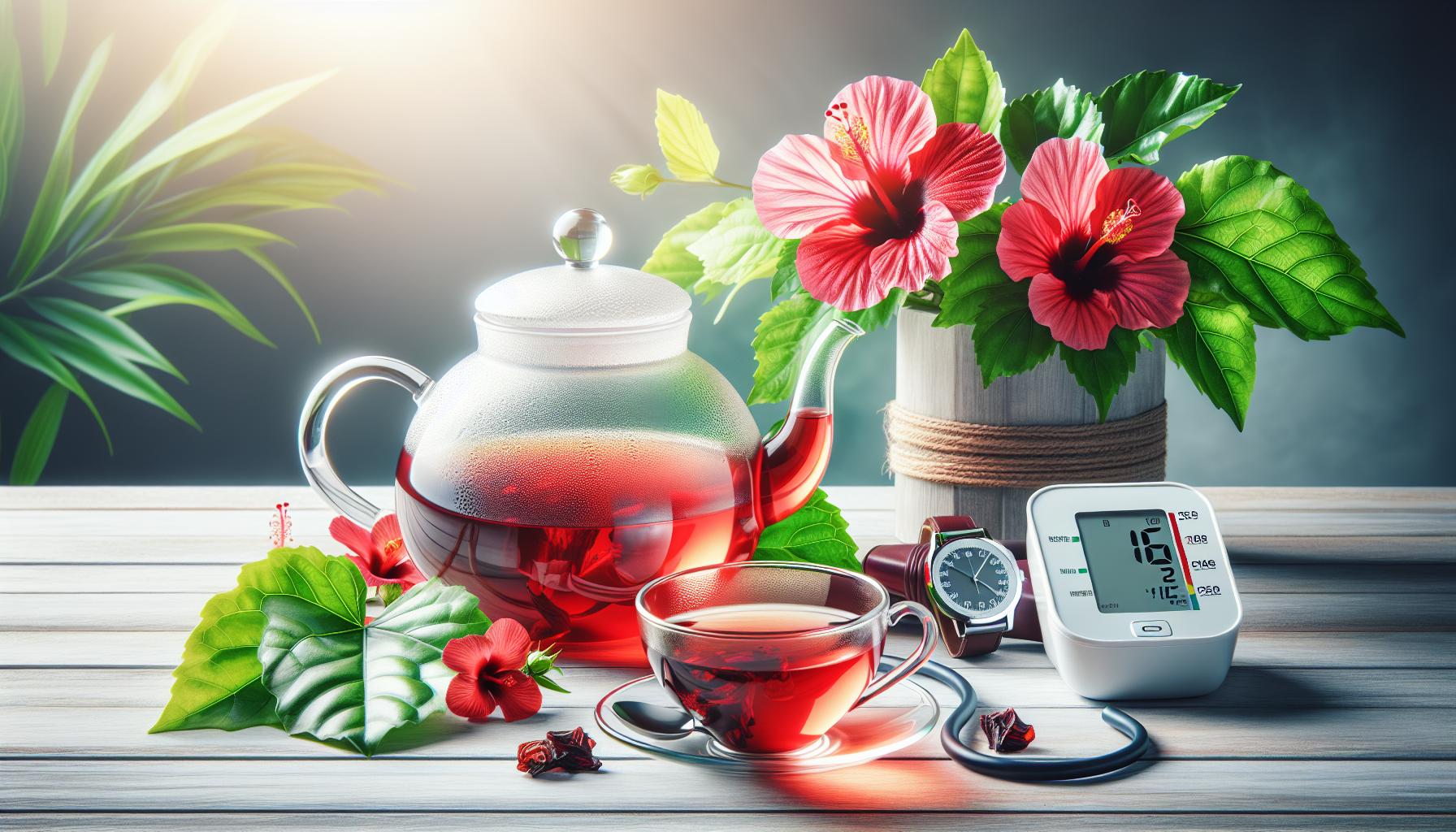
Hibiscus tea stands out not only for its vibrant color and delightful tartness but also for its profound impact on cardiovascular health, particularly in managing high blood pressure. The efficacy of hibiscus tea lies in its rich composition of beneficial compounds, including antioxidants known as anthocyanins. These powerful antioxidants combat oxidative stress and inflammation, which are often contributing factors to hypertension. By drinking hibiscus tea, you’re not just indulging in a flavorful beverage; you’re actively supporting your body in maintaining healthy blood pressure levels.
One of the key mechanisms through which hibiscus tea operates is by promoting vasodilation. The active compounds present in hibiscus, such as protocatechuic acid and quercetin, help relax and widen the blood vessels, enhancing blood flow and reducing the heart’s workload. This physiological change can lead to a significant reduction in both systolic and diastolic blood pressure. In fact, several studies have shown that individuals who regularly consume hibiscus tea experience more substantial declines in blood pressure compared to those who do not include it in their diets.
Furthermore, hibiscus tea also supports metabolic health. It is believed to inhibit the absorption of certain fats and sugars from the intestine, which can help maintain healthy body weight and reduce the risk of obesity-related hypertension. When you integrate hibiscus tea into a balanced diet, rich in other fruits, vegetables, and whole grains, the synergistic effects can significantly enhance your body’s ability to regulate blood pressure.
It’s essential to approach the incorporation of hibiscus tea into your routine mindfully. Be vigilant about monitoring your blood pressure before and after introducing hibiscus tea into your daily regimen, aiming for 1-2 cups each day. This practice not only helps you understand its effects on your body but also empowers you to make informed lifestyle changes. By embracing hibiscus tea as part of your health strategy, you are taking proactive steps to support your cardiovascular health while enjoying a delicious, refreshing beverage.
Step-by-Step Guide to Brewing Hibiscus Tea
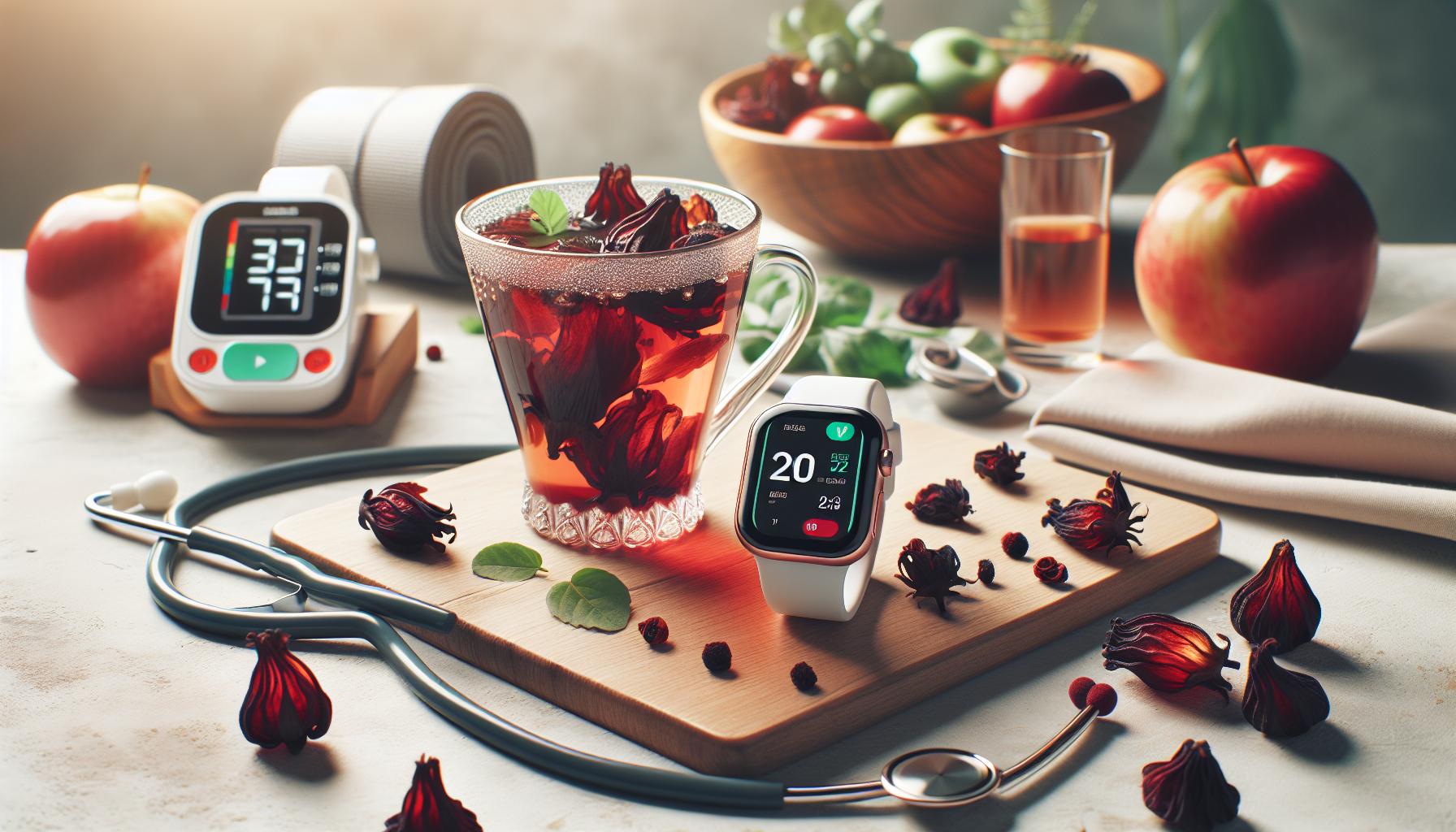
To enjoy the numerous benefits of hibiscus tea, especially for managing high blood pressure, it’s essential to prepare it correctly. Brewing hibiscus tea is a straightforward process that can be done at home with minimal ingredients and tools. The beautiful red hue and tart flavor of the tea may not only delight your senses but also help promote heart health.
Start by gathering your ingredients and equipment. You’ll need dried hibiscus flowers, which can typically be found at health food stores or online, water, and optionally, a sweetener like honey or agave syrup. For a caffeine-free, heart-healthy beverage, these floral petals will provide an excellent base.
Brewing Instructions
- Measure the Dried Hibiscus: Use about 1 tablespoon of dried hibiscus flowers for every cup of water you plan to brew. This measurement can be adjusted based on your taste preference; more flowers will yield a stronger flavor.
- Boil Water: In a saucepan, bring water to a rolling boil. The quantity of water should match your desired amount of tea. For a typical serving, approximately 2 cups of water will suffice.
- Absorb the Color: Once the water reaches boiling, remove it from the heat and add the dried hibiscus flowers. Cover the pot and let it steep for about 10-15 minutes. The longer you steep, the more intense the flavor and color will become. This is when the powerful antioxidants and beneficial compounds are released into the water.
- Strain and Sweeten: After steeping, strain the tea through a fine mesh sieve into a teapot or pitcher to remove the flower petals. If you prefer a sweeter taste, this is the time to add honey or your preferred sweetener, stirring until dissolved.
- Chill or Serve Hot: You can enjoy your hibiscus tea hot or allow it to cool and serve it over ice for a refreshing drink. Adding a slice of lemon or a few mint leaves can enhance the flavor profile even further.
- Storage: If you have any leftover tea, it can be stored in the refrigerator for up to a week. Reheat it gently or enjoy it cold over ice.
In addition to being a delightful drink, this infused beverage provides you with a daily ally in your quest for better blood pressure management. Remember to monitor your body’s response to hibiscus tea, particularly how it interacts with your blood pressure levels, to assess its role in your overall dietary strategy for health.
Choosing the Right Hibiscus Tea Varieties
When it comes to hibiscus tea, not all varieties are created equal, especially regarding their health benefits for managing high blood pressure. The most common types used in tea are Hibiscus sabdariffa and Hibiscus rosasinensis. While both have their merits, Hibiscus sabdariffa, in particular, has been the focus of most health-related studies due to its stronger evidence for lowering blood pressure and supporting cardiovascular health.
When selecting hibiscus tea, consider opting for the dried flowers rather than tea bags. Dried flowers generally retain more of the beneficial compounds, such as antioxidants and flavonoids, which are crucial for promoting heart health. Additionally, always check that the product is organic and free from additives to ensure you receive the purest infusion possible. You can typically find quality dried hibiscus flowers at health food stores or online retailers specializing in herbal products.
To enhance the potency of your hibiscus tea, you might also explore blends that combine hibiscus with other heart-healthy ingredients. For instance, teas that mix hibiscus with ginger or cinnamon not only enhance flavor but also contribute to better circulation and overall heart health. When trying different brands or blends, consider keeping a journal of your blood pressure readings to see how your body responds to each variety.
Ultimately, the key is to choose high-quality hibiscus flowers and blends that suit your taste while maximizing the health benefits. This thoughtful approach to selecting your tea can empower you in managing your blood pressure effectively, providing both a delicious experience and a healthful one.
Optimal Dosage: How Much to Drink Daily
Incorporating hibiscus tea into your daily routine can be a delightful and effective way to manage high blood pressure. Research has shown that consuming hibiscus tea may help lower blood pressure, often comparable to some medications. However, understanding the optimal dosage is crucial to maximizing its benefits while ensuring safety.
To reap the most significant benefits, it is generally recommended to drink 2 to 3 cups of hibiscus tea daily. Each cup typically contains approximately 1 to 2 teaspoons of dried hibiscus flowers steeped in hot water for about 5 to 10 minutes. This dosage aligns with various studies indicating that consistent intake can lead to measurable improvements in blood pressure for many individuals. For those new to hibiscus tea, starting with one cup per day and gradually increasing to the recommended amount can help gauge individual tolerance and effects.
Monitoring Your Response
As you introduce hibiscus tea into your regimen, monitoring your blood pressure is essential. Consider the following steps:
- Track Daily Readings: Keep a log of your blood pressure readings to observe any changes associated with increased hibiscus consumption.
- Consult Your Healthcare Provider: Discuss your hibiscus tea intake and blood pressure readings with your healthcare provider, especially if you are on blood pressure medications.
- Adjust as Needed: Based on your body’s response, you may need to adjust your intake or discuss options with your healthcare practitioner.
Potential Adjustments
Individual responses to hibiscus tea can vary based on factors such as the severity of hypertension, existing health conditions, and additional dietary habits. While 2 to 3 cups is a standard recommendation, some individuals may benefit from slightly higher or lower amounts. The key is to listen to your body and consult with a healthcare professional to personalize your approach.
In summary, enjoying hibiscus tea in moderation and keeping tabs on your blood pressure can enhance the remarkable health benefits this vibrant drink has to offer. Through careful observation and a few adjustments, hibiscus tea can become a flavorful ally in your journey toward better blood pressure management.
Incorporating Hibiscus Tea into Your Diet
Including hibiscus tea in your daily diet is a flavorful and therapeutic choice for those managing high blood pressure. This herbal infusion not only delights your taste buds with its tart, fruity essence but also brings a wealth of health benefits, especially in regulating blood pressure levels. To embrace hibiscus tea as part of your routine, consider incorporating it into various aspects of your day, making it both enjoyable and beneficial.
One effective method is to start your morning with a warm cup of hibiscus tea instead of your usual caffeinated beverage. This change not only provides hydration but also sets a positive tone for the day. You can enjoy it plain, or enhance its flavor and nutritional value by adding a slice of lemon or a touch of honey. As the day progresses, hibiscus tea can serve as a refreshing afternoon pick-me-up. Prepare it iced for those warmer months or simply keep a thermos of cooled hibiscus tea on your desk, replacing sugary sodas or juices with this vibrant option.
In terms of meal integration, consider using hibiscus tea as a base for smoothies or salad dressings. Blending it with fruits like berries and banana creates a nutrient-rich smoothie that supports heart health. Alternatively, use cooled hibiscus tea in vinaigrettes or marinades to add a unique tang and additional health benefits to your meals. Not only does this add a creative twist to your dishes, but it also ensures that you enjoy the qualities of hibiscus throughout your day.
To maximize the benefits of hibiscus tea, it’s essential to maintain a consistent intake. Try to establish a routine where you enjoy a couple of cups daily, and track how it complements your dietary habits. Using a log to monitor your blood pressure readings can help assess the positive effects of and indicate any needed adjustments. Remember, consistency is key; over time, your body may respond favorably, leading to improved blood pressure levels.
By making hibiscus tea a staple in your dietary regimen, you not only gain a delicious drink option but also embrace a potential ally in managing high blood pressure. This vibrant beverage can seamlessly fit into your lifestyle, helping you create a more heart-healthy routine. Enjoy the process, and don’t hesitate to experiment with different flavors and serving styles to discover your personal favorites.
Potential Side Effects and Safety Precautions
Hibiscus tea, while celebrated for its blood pressure-lowering effects, does require mindfulness regarding its consumption, especially for individuals with certain health considerations. Understanding the can empower you to enjoy this vibrant beverage while minimizing risks.
One prevalent concern is hibiscus tea’s ability to lower blood pressure significantly, which might pose a risk for those already on antihypertensive medications. If you are taking such medications, it’s essential to consult with your healthcare provider prior to incorporating hibiscus tea into your daily routine. This is particularly important for individuals with low blood pressure or those experiencing hypotensive symptoms, as combining hibiscus tea with these medications could lead to excessively low blood pressure.
Additionally, hibiscus tea may interact with certain other medications, such as those used for diabetes or cancer treatment. It’s advisable to monitor your blood sugar levels closely if you are diabetic, as hibiscus may also lower blood sugar. Other potential side effects include digestive upset, headaches, or allergic reactions in some individuals. These effects are relatively rare, but they warrant attention. If you experience any unusual symptoms after consuming hibiscus tea, it might be wise to reduce your intake or eliminate it altogether and consult a healthcare professional.
To safely enjoy hibiscus tea while reaping its health benefits, consider starting with a moderate intake, such as one cup per day, and gradually increasing it while observing how your body responds. Keeping a health journal can help track any changes in blood pressure, blood sugar levels, and overall well-being. If you have existing health conditions or are pregnant, it’s crucial to seek medical advice before adding hibiscus tea to your diet, as its effects might vary substantially among individuals. By approaching hibiscus tea with caution and awareness, you can enhance your wellness journey safely and effectively.
Combining Hibiscus Tea with Other Remedies
Combining hibiscus tea with other natural remedies can enhance its blood pressure-lowering effects while diversifying your nutrient intake. For example, when paired with other herbs known for their antihypertensive properties, such as garlic or ginger, hibiscus tea can create a synergistic effect that promotes overall cardiovascular health. Garlic, in particular, has been shown to improve blood flow and lower blood pressure, making it a perfect complement to hibiscus. You can incorporate minced garlic into your meals or take it as a supplement while enjoying a cup of hibiscus tea to experience these combined benefits.
Another effective combination is hibiscus tea with lemon or lime. The vitamin C found in citrus is beneficial for cardiovascular health, and the antioxidant properties can strengthen the beneficial effects of hibiscus. You can brew hibiscus tea and add freshly squeezed lemon juice to it after cooling, creating a refreshing drink that not only tastes great but also bolsters your health management strategy. This combination can be particularly soothing if consumed as an iced beverage during warmer months.
Consider also infusing hibiscus with other herbal teas such as green tea or chamomile. Green tea contains catechins that may boost metabolic rate and enhance cardiovascular benefits, while chamomile has calming properties that can help relax the body and reduce stress, a common contributor to high blood pressure. A blend of hibiscus and these teas can provide a multifaceted approach to health, targeting both physical and mental well-being.
It’s crucial to monitor how these combinations affect your blood pressure and overall health. Keeping a detailed record of your intake and the effects you experience can help you and your healthcare provider assess the efficacy of these remedies. Always consult a healthcare professional before making significant changes to your dietary regimen, especially if you are on medication for hypertension or other health conditions. By thoughtfully integrating hibiscus tea with other remedies, you can craft a holistic approach to managing high blood pressure while enjoying diverse flavors and health benefits.
Success Stories: Real-Life Blood Pressure Improvements
Studies and anecdotal evidence alike highlight the power of hibiscus tea in managing high blood pressure, offering hope and tangible results for those seeking natural remedies. For example, a middle-aged woman in her late fifties shared her transformative experience after incorporating hibiscus tea into her daily routine. Initially skeptical but motivated by her high blood pressure readings, she began drinking two cups of hibiscus tea daily. Within a few weeks, her blood pressure decreased significantly, prompting her healthcare provider to adjust her medication dosage. She found not only a reduction in numbers but also an overall improvement in her vitality and well-being, which reinvigorated her lifestyle.
Another inspiring success story comes from a man who struggled with hypertension for years. After extensive research, he decided to give hibiscus tea a try and was pleased to discover that it could potentially lower blood pressure without adverse effects. He began brewing hibiscus tea with fresh lemon juice for added benefits and found the flavor refreshing. Over the course of three months, he meticulously monitored his blood pressure levels, noting a steady decline. This encouraged him to adopt additional heart-healthy practices, such as regular exercise and a balanced diet, resulting in improved health markers across the board.
Such success stories underscore the potential for hibiscus tea to be a beneficial part of a broader lifestyle approach to managing hypertension. Whether you are newly diagnosed or have been managing high blood pressure for years, consider tracking your daily intake and noting any positive changes in your health. Documenting your journey can not only motivate you but also provide valuable insights to share with healthcare professionals who can tailor a more effective management strategy based on your experiences.
Incorporating hibiscus tea into your regimen is just one piece of the puzzle when it comes to regulating blood pressure. Balancing it with other healthy habits-like reducing stress, staying active, and maintaining a nutritious diet-can lead to lasting improvements. By sharing these practices and your experiences, you can inspire others on their wellness journey, creating a supportive community around lifestyle changes that promote better heart health.
Scientific Studies Supporting Hibiscus Tea Benefits
Scientific studies have increasingly recognized the potential of hibiscus tea as an effective natural remedy for managing high blood pressure. Research indicates that the anthocyanins and other antioxidants present in hibiscus may contribute significantly to its hypotensive effects. A landmark study published in the Journal of Nutrition revealed that participants consuming hibiscus tea experienced significant reductions in systolic and diastolic blood pressure, comparable to those achieved with certain antihypertensive medications. This suggests that incorporating hibiscus tea into a daily regimen could serve as a complementary approach alongside prescribed treatments.
Another pivotal trial conducted at the University of Mexico found that daily consumption of hibiscus tea reduced blood pressure in individuals with mild hypertension. Participants who consumed three cups of hibiscus tea daily showed an average reduction in systolic pressure of 7.2 mmHg and diastolic pressure of 3.5 mmHg over six weeks. Such compelling evidence highlights hibiscus tea not only as a flavorful beverage but also as a strategically beneficial part of a heart-healthy lifestyle.
It’s essential, however, to consider the broader context of these findings. While hibiscus tea serves as a supportive component of blood pressure management, it should ideally be part of an integrated approach that includes a balanced diet, regular physical activity, and routine medical check-ups. Consulting with a healthcare professional before making significant dietary changes, especially for those already on blood pressure medications, ensures safety and efficacy. Documenting blood pressure readings before and after incorporating hibiscus tea can provide valuable insights, helping to track progress and engage in informed discussions with healthcare providers regarding ongoing management strategies.
Harnessing the evidence from these studies can empower individuals to make informed choices while enjoying the refreshing taste of hibiscus tea. With a proactive approach to monitoring and lifestyle adjustments, those managing high blood pressure can work towards improved health outcomes.
Expert Tips for Monitoring Your Blood Pressure
Monitoring your blood pressure effectively can empower you to make informed health decisions and enhance your overall well-being, especially when incorporating natural remedies like hibiscus tea into your routine. Consistency in tracking your blood pressure allows you to gauge the effectiveness of lifestyle changes and treatments over time. Start by investing in a high-quality digital blood pressure monitor that fits your requirements, whether for home use or portability. Make sure to familiarize yourself with its operation to ensure accurate readings.
When measuring your blood pressure, aim for the following best practices to achieve reliable results:
- Choose the Right Time: Measure your blood pressure at the same time each day, ideally in the morning before breakfast and medication. This consistency helps in accurately tracking fluctuations and trends.
- Rest Before Measurements: Sit quietly for at least five minutes before taking a reading. This ensures your body is in a relaxed state, which is crucial for accurate results.
- Proper Positioning: Sit upright with your back supported and feet flat on the floor. Place the arm you’re measuring at heart level on a flat surface.
- Take Multiple Readings: To increase accuracy, take two or three readings one minute apart and average them. This practice can help you avoid the effects of transient spikes or drops in blood pressure.
Regularly recording these measurements will not only help you understand your blood pressure’s response to hibiscus tea but also serve as valuable data to share with your healthcare provider. Note any lifestyle changes you’ve made, including dietary adjustments or stress management techniques, alongside your readings. This level of detail can help your healthcare professional offer tailored advice and adjustments.
Establishing a blood pressure journal can also be beneficial. Write down the date, time, and readings, along with any corresponding notes about your hibiscus tea consumption and other factors (e.g., physical activity, stress levels, and any medications taken). This habitual recording aids in recognizing patterns over time and can be essential for evaluating the effectiveness of hibiscus tea in managing blood pressure.
Engaging in this comprehensive approach not only fosters better health management but also reinforces the confidence poised through regular monitoring and intentional lifestyle choices. As you refine your routine with hibiscus tea and mindful practices, you’ll bolster your ability to advocate for your health effectively.
Lifestyle Changes to Enhance Blood Pressure Management
Implementing certain lifestyle changes can significantly enhance your blood pressure management and complement the benefits of hibiscus tea. One of the most impactful adjustments you can make is to improve your diet. Incorporating more whole foods such as fruits, vegetables, lean proteins, and whole grains can provide essential nutrients that support heart health. The DASH (Dietary Approaches to Stop Hypertension) diet specifically emphasizes foods rich in potassium, magnesium, and fiber, all of which can help manage blood pressure levels more effectively. Consider foods like bananas, sweet potatoes, spinach, and oats while reducing sodium intake.
Next, regular physical activity is crucial for keeping blood pressure in check. Aim for at least 150 minutes of moderate aerobic exercise weekly, which can include brisk walking, swimming, or cycling. Strength-training exercises should also be included at least twice a week. Such activities not only improve cardiovascular health but can also enhance mood and promote overall well-being. Starting with smaller goals, like a 10-minute daily walk, can help you build a sustainable routine.
Stress management is another key factor in blood pressure control. Practices such as mindfulness meditation, deep-breathing exercises, and yoga can lower stress hormones and improve your overall state of relaxation. Spending time in nature or engaging in hobbies can also serve as effective stress relievers. Additionally, ensuring you get adequate sleep-around 7-9 hours a night-can have a positive impact on blood pressure levels.
Lastly, it’s essential to monitor your alcohol consumption and quit smoking, as both can contribute to elevated blood pressure. If you consume alcohol, do so in moderation, defined as up to one drink per day for women and two for men. For those who smoke, seeking support to quit is one of the best choices you can make for your heart health.
By embracing these lifestyle changes alongside your hibiscus tea consumption, you can empower yourself to achieve better blood pressure management, ultimately enhancing your quality of life. Engage in this holistic approach, and celebrate each small step towards a healthier you.
Frequently asked questions
Q: What type of hibiscus is best for making tea for blood pressure relief?
A: The best type of hibiscus for making tea is Hibiscus sabdariffa, commonly known as Roselle. This variety is known for its tart flavor and high levels of antioxidants, which can help lower blood pressure. Choosing dried calyces from this plant can enhance the health benefits of your tea.
Q: How often should I drink hibiscus tea for high blood pressure?
A: For optimal blood pressure benefits, it is recommended to drink hibiscus tea 1-3 times daily. Each serving can help manage blood pressure levels effectively. It’s essential to monitor your health and consult with a healthcare professional for personalized advice regarding frequency.
Q: Can I sweeten hibiscus tea for better taste while keeping its benefits?
A: Yes, you can sweeten hibiscus tea with honey or stevia, as these do not significantly affect its health benefits. However, avoid excessive sugar, as it may counteract the positive effects on blood pressure. Experiment with natural sweeteners to find a suitable taste without diminishing benefits.
Q: How long should I steep hibiscus tea for maximum benefits?
A: Steeping hibiscus tea for 5-10 minutes is recommended to maximize its health benefits. This duration allows the flavonoids and antioxidants to extract effectively. Taste the tea as you steep; longer steeping time can increase tartness.
Q: Can I combine hibiscus tea with other herbs for better blood pressure control?
A: Yes, combining hibiscus tea with herbs like ginger or cinnamon may enhance its blood pressure-lowering effects. Each of these herbs has unique health benefits that can complement and support overall cardiovascular health. Be sure to research or consult a professional for effective combinations.
Q: Are there any contraindications for drinking hibiscus tea?
A: Yes, individuals taking certain medications, especially those for high blood pressure, should consult their healthcare provider before drinking hibiscus tea, as it may interact with other medications. Pregnant women should also seek advice prior to consumption.
Q: How should I store hibiscus tea to preserve its freshness?
A: Store hibiscus tea in an airtight container in a cool, dark place to preserve its flavor and nutritional properties. Avoid exposure to moisture and direct sunlight, which can degrade its quality over time.
Q: What is the best time of day to drink hibiscus tea for high blood pressure benefits?
A: Drinking hibiscus tea in the morning or early afternoon may be most beneficial. Consuming it before meals can help enhance digestion and may contribute to lower blood pressure levels throughout the day. Adjust timing based on your lifestyle for best results.
Concluding Remarks
You’ve now learned how to make hibiscus tea for high blood pressure relief, harnessing its powerful health benefits. Remember, regularly sipping on this vibrant tea can complement your wellness journey and may lead to noticeable improvements in your blood pressure levels. Don’t wait-start brewing today, and take a proactive step towards better heart health!
For more tips on holistic health management, check out our articles on natural remedies for hypertension or lifestyle strategies for managing blood pressure. If you’re eager to stay informed, consider signing up for our newsletter for the latest research and insights in health and wellness.
Your journey towards better health is just beginning, and we’re here to support you every step of the way. Have questions or success stories to share? We invite you to comment below and connect with our community-your experiences can inspire others!


