Navigating the world of dietary supplements can be challenging, especially for those managing high blood pressure. Osteo Bi Flex, a popular joint health supplement, is often considered for its potential benefits, but concerns about its safety with high blood pressure persist. Understanding whether you can safely incorporate this supplement into your routine is crucial for maintaining both joint health and optimal blood pressure levels.
Many individuals living with high blood pressure are understandably cautious about any additional product they may take. Awareness of how certain ingredients might interact with medications or affect vascular health is vital. This guide will provide insight into the relationship between Osteo Bi Flex and high blood pressure, helping you make informed choices about your health and supplement regimen. Discover practical advice and safety measures that empower you to prioritize your joint wellness without compromising your cardiovascular health.
Possible Side Effects of Osteo Bi Flex on Blood Pressure
Osteo Bi-Flex is a popular dietary supplement designed to support joint health, particularly for individuals suffering from osteoarthritis. However, it is essential to consider potential side effects, especially when it comes to blood pressure. Some users may be concerned about the impact of ingredients like glucosamine and chondroitin on their cardiovascular health. Research has indicated that while Osteo Bi-Flex is generally safe for most people, there could be a slight increase in blood pressure associated with glucosamine, especially in sensitive individuals [2[2].
Monitoring your blood pressure while taking Osteo Bi-Flex is a prudent practice, particularly for those already diagnosed with hypertension. It is advisable to regularly check your blood pressure, ideally at the same time each day, and maintain a log to discuss with your healthcare provider. If you notice any significant changes or an upward trend, consult a healthcare professional for tailored advice. Additionally, being aware of the symptoms of elevated blood pressure, such as headaches, dizziness, or shortness of breath, can help you react quickly if issues arise.
For those managing high blood pressure, focusing on a well-rounded approach is crucial. Incorporating lifestyle changes such as a balanced diet low in sodium, regular physical activity, and stress management can significantly enhance blood pressure control. It’s also worth noting that while Osteo Bi-Flex could offer joint health benefits, there are alternative supplements available that may not contain glucosamine or have a lower risk profile concerning blood pressure. Always consult with your doctor before adding any new supplement to your regimen, especially when dealing with chronic health conditions.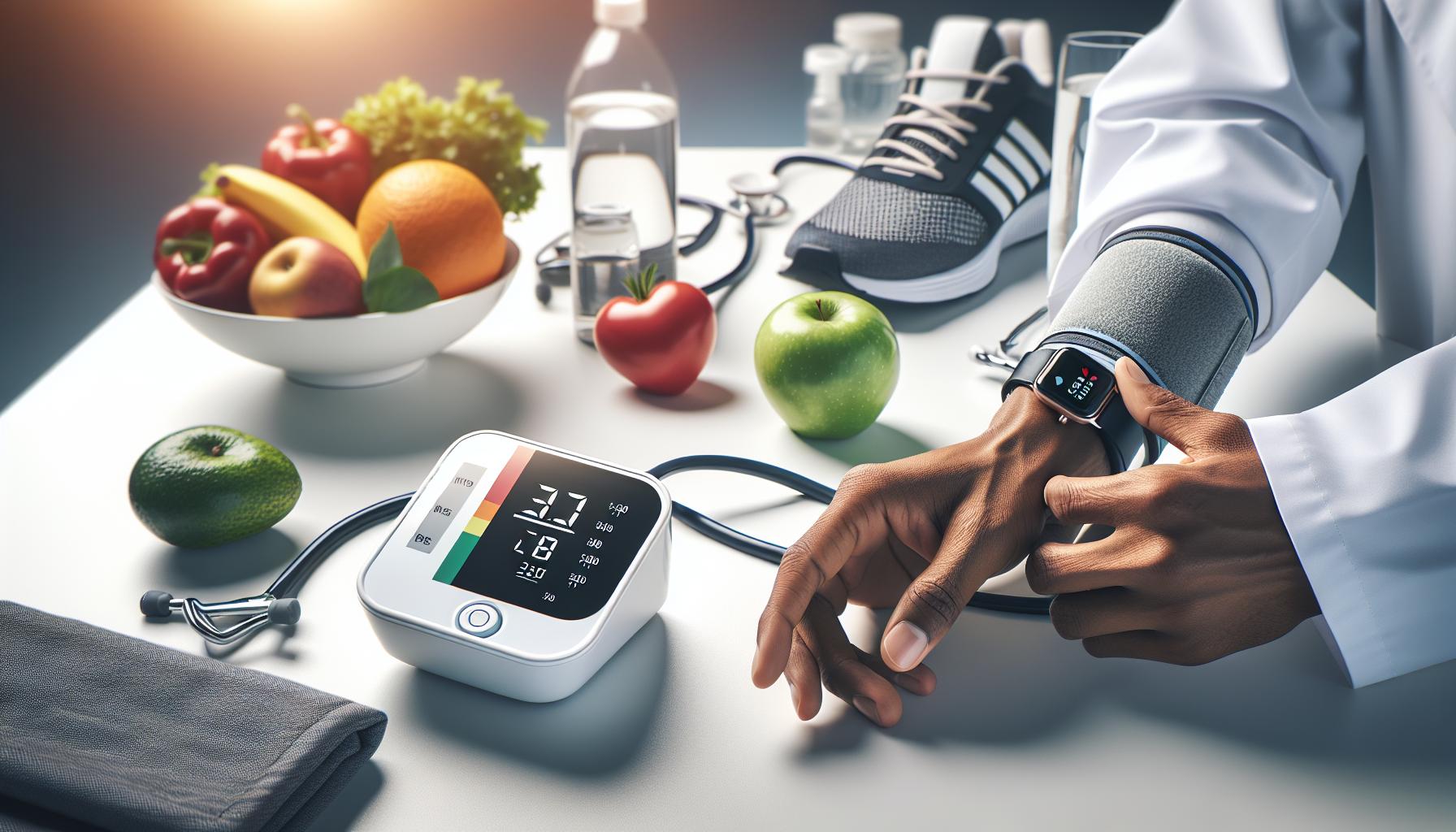
Understanding the Ingredients in Osteo Bi Flex
Osteo Bi-Flex is a widely used dietary supplement aimed at promoting joint health and alleviating pain related to conditions such as osteoarthritis. Its formulation typically includes key ingredients like glucosamine, chondroitin, and methylsulfonylmethane (MSM), each chosen for their potential benefits in supporting joint function and mobility. Understanding how these ingredients work can help users make informed decisions, particularly when managing blood pressure concerns.
Glucosamine is perhaps the most well-known component of Osteo Bi-Flex. It plays a crucial role in building cartilage, the tissue that cushions joints. Scientific studies suggest that glucosamine can have anti-inflammatory properties, which may help reduce joint pain. However, some research indicates that glucosamine could lead to a slight increase in blood pressure in sensitive individuals, making it crucial for those with hypertension to monitor their response to this ingredient [2].
Chondroitin, another primary ingredient, is often combined with glucosamine to enhance joint health. It is believed to assist in maintaining cartilage elasticity and absorbing shock in joints. Similar to glucosamine, it does not generally cause significant issues for most users. Nonetheless, those with pre-existing hypertension should be diligent in monitoring their blood pressure while using supplements containing chondroitin.
Methylsulfonylmethane (MSM) is included for its potential anti-inflammatory benefits and ability to alleviate pain. While less studied compared to glucosamine and chondroitin, MSM is generally considered safe and has not been linked to adverse effects on blood pressure.
When considering these ingredients, it’s essential to recognize that individual responses may vary. Anyone with high blood pressure should approach the use of Osteo Bi-Flex with caution and ideally under the guidance of a healthcare provider. This ensures that they can leverage the potential benefits for joint health while managing their cardiovascular health effectively.
Is Osteo Bi Flex Safe for Hypertensive Patients?
Hypertension, or high blood pressure, affects millions of people worldwide, and managing it effectively is crucial to maintaining overall health. When considering supplements like Osteo Bi-Flex, which generally aims to improve joint health, those with hypertension often wonder about their safety and any potential effects on blood pressure levels. It’s important to note that while Osteo Bi-Flex primarily contains glucosamine, chondroitin, and methylsulfonylmethane (MSM)-ingredients known for supporting joint function-individual responses can vary significantly.
Research suggests that glucosamine, in particular, may potentially lead to a slight increase in blood pressure in some sensitive individuals. This is why it’s essential for hypertensive patients to monitor their blood pressure closely when starting any new supplement regimen. Chondroitin, while typically safe, should also be approached with caution due to the lack of unanimous agreement regarding its effects on blood pressure; hence, regular monitoring is advisable. On the other hand, MSM has not been associated with adverse blood pressure effects, contributing positively to the overall safety of the supplement.
When planning to take Osteo Bi-Flex, it’s beneficial for individuals with high blood pressure to consult their healthcare provider first. Your doctor can help determine if the supplement is appropriate for you based on your medical history and current medications. Additionally, they may recommend starting with a low dose while regularly monitoring your blood pressure. By taking these proactive steps, patients can enjoy the potential benefits of improved joint health while effectively managing their cardiovascular health.
Incorporating lifestyle changes alongside the use of Osteo Bi-Flex can significantly enhance joint health and support blood pressure management. Simple habits such as maintaining a healthy diet, engaging in regular physical activity, and practicing stress-reduction techniques provide a holistic approach to health that can complement any supplementation strategy you choose to pursue.
Consulting Your Doctor: When and Why
Consulting a healthcare provider is an essential step for anyone considering supplements, especially those with chronic conditions like high blood pressure. It’s vital to understand that while Osteo Bi-Flex contains ingredients that may benefit joint health, such as glucosamine and chondroitin, individual reactions can vary. This variability underscores the importance of professional guidance. A healthcare provider can assess your overall health, review your current medications, and determine if Osteo Bi-Flex is suitable for you.
Before making any changes to your supplement routine, consider the following when discussing with your doctor:
- Personal Health History: Share any history of cardiovascular issues or medication interactions that may influence the safety of introducing a new supplement.
- Monitoring Plan: Ask about setting up a blood pressure monitoring schedule to detect any changes after starting Osteo Bi-Flex.
- Dosing Recommendations: Discuss starting with a lower dose to see how your body responds, gradually increasing it only with medical advice.
- Alternative Options: Explore other joint health supplements that might better suit your condition without affecting blood pressure.
Engaging openly with your healthcare provider empowers you to take control of your health while ensuring that your treatment plan aligns with your blood pressure management goals. Don’t hesitate to ask questions and express any concerns, as working collaboratively can lead to a better understanding of both joint health needs and managing high blood pressure effectively.
Lifestyle Changes to Manage Blood Pressure
Making smart lifestyle choices can have a significant impact on managing blood pressure effectively. Nutritional adjustments, regular physical activity, and stress management techniques all play a vital role in promoting cardiovascular health. For instance, incorporating a diet rich in fruits, vegetables, whole grains, and lean proteins can reduce sodium intake and help maintain optimal blood pressure levels. The DASH (Dietary Approaches to Stop Hypertension) diet, specifically designed to combat high blood pressure, emphasizes these food groups while recommending limited consumption of saturated fats and sugars.
Regular exercise is another cornerstone of blood pressure management. Engaging in at least 150 minutes of moderate-intensity aerobic activity per week can help lower blood pressure and improve overall heart health. Activities such as brisk walking, swimming, or cycling are excellent choices that not only strengthen the heart but also promote joint health-beneficial for those considering supplements like Osteo Bi Flex. Pairing aerobic exercises with strength training two days a week enhances muscle tone and metabolism, contributing to better blood pressure control.
Stress management cannot be overlooked, as chronic stress has been linked to increased blood pressure. Mindfulness practices such as yoga, meditation, and deep-breathing exercises can significantly reduce stress levels. Taking time for hobbies, socializing, or simply enjoying outdoor activities can also promote relaxation. These practices not only help in managing stress but can also lead to healthier lifestyles, creating a positive feedback loop for blood pressure regulation.
Lastly, maintaining regular monitoring of blood pressure at home can provide valuable insights into how lifestyle changes and any supplements, like Osteo Bi Flex, may be affecting your health. Keeping a record allows for better-informed discussions with healthcare providers about managing hypertension and making necessary adjustments to your regimen. By adopting these lifestyle changes, individuals can feel empowered to take control of their blood pressure and overall well-being, enhancing their health while supporting joint function.
Monitoring Your Blood Pressure While Taking Supplements
Maintaining a vigilant eye on your blood pressure while taking supplements like Osteo Bi Flex is crucial, especially if you have hypertension. Blood pressure can fluctuate due to a variety of factors, including diet, stress, lifestyle changes, and even certain supplements. Regular monitoring not only empowers you to manage your health effectively but also assists in identifying any potential interactions or side effects that may arise from combining these supplements with other medications.
To monitor your blood pressure accurately while using Osteo Bi Flex, follow these practical steps:
- Use a Reliable Blood Pressure Monitor: Invest in a validated automatic blood pressure monitor for home use. Digital monitors are generally easier to use and more accurate than manual ones.
- Monitor at Set Times: Consistency is key. Take your blood pressure readings at the same time each day, ideally in the morning and evening, to track fluctuations accurately over time.
- Record Your Readings: Keep a log of your blood pressure readings along with dates and times. This information is invaluable for discussions with your healthcare provider regarding any observed changes after starting Osteo Bi Flex.
- Observe for Symptoms: Pay attention to any symptoms such as headaches, dizziness, or shortness of breath, which could indicate blood pressure changes. If you experience any unusual symptoms, consult your doctor promptly.
- Consult Before Adjusting Dosage: If you notice significant changes in your blood pressure, don’t adjust the dosage of Osteo Bi Flex or any other medications without consulting your healthcare provider.
Moreover, maintain open communication with your healthcare provider about your use of Osteo Bi Flex. They can help interpret your blood pressure logs and make recommendations based on the cumulative picture of your health. Understanding how your blood pressure responds to supplements not only aids in personal management but can also enhance the effectiveness of your overall treatment plan for hypertension. By being proactive in monitoring your blood pressure, you create a solid foundation for safe supplement use while prioritizing your cardiovascular health.
Alternatives to Osteo Bi Flex for Joint Health
Exploring alternatives to Osteo Bi-Flex for joint health can open up a realm of opportunities for individuals who are managing both joint pain and high blood pressure. It’s crucial to consider options that support joint function while remaining mindful of cardiovascular health. Thankfully, several natural supplements and lifestyle changes can effectively address joint concerns without the potential risks that may be associated with Osteo Bi-Flex.
One highly regarded alternative is turmeric, particularly its active component, curcumin. This natural anti-inflammatory is not only beneficial for joint health but also supports cardiovascular function. Studies have shown that turmeric can help reduce joint pain and stiffness associated with osteoarthritis and rheumatoid arthritis. Incorporating turmeric into your diet can be as simple as adding it to meals or taking it in supplement form.
Another effective alternative is boswellia serrata, an herbal extract known for its anti-inflammatory properties. Research indicates that boswellia can improve joint function and reduce symptoms of arthritis. This herbal remedy has a good safety profile and does not raise blood pressure, making it a suitable choice for those with hypertension.
For individuals focusing on dietary sources, omega-3 fatty acids found in fish oil or flaxseed oil also serve as excellent joint health alternatives. They are known to reduce inflammation and may help alleviate joint pain. Incorporating fatty fish like salmon or mackerel into your diet, or opting for plant-based sources like walnuts and flaxseeds, can provide these beneficial fats without adversely affecting blood pressure levels.
Additionally, maintaining a healthy weight through proper nutrition and regular physical activity is paramount. Excess weight can exacerbate joint pain and negatively impact overall health, including blood pressure. Engaging in low-impact exercises, such as swimming or walking, can build strength and flexibility while easing pressure on joints. These lifestyle changes not only improve joint health but also contribute to regulated blood pressure, fostering a holistic approach to wellness.
Choosing the right alternative is essential, particularly for those managing high blood pressure. Always consult with a healthcare provider to tailor the best combination of joint health strategies that align with your individual health needs and goals.
Research Evidence: Osteo Bi Flex and Cardiovascular Health
Research into the connection between Osteo Bi-Flex and cardiovascular health reveals a nuanced picture that can guide those with high blood pressure in their decision-making process. While Osteo Bi-Flex is primarily designed to support joint health and alleviate symptoms of osteoarthritis, understanding its potential impact on cardiovascular function is crucial for hypertensive patients.
Osteo Bi-Flex typically contains ingredients such as glucosamine, chondroitin, and MSM (methylsulfonylmethane), which are beneficial for joint health but raise questions about their effects on blood pressure. Current studies suggest that glucosamine and chondroitin do not generally cause increases in blood pressure, making them potentially safe options for individuals managing hypertension. However, certain formulations may contain additional compounds or fillers that might affect blood pressure, underscoring the importance of reviewing product labels carefully.
In terms of cardiovascular health, some existing research has hinted at the anti-inflammatory benefits of the ingredients found in Osteo Bi-Flex. Chronic inflammation is a recognized contributor to cardiovascular disease, and reducing systemic inflammation can indirectly benefit heart health. Therefore, while Osteo Bi-Flex may not directly lower blood pressure, its anti-inflammatory properties could support overall cardiovascular wellness when combined with lifestyle changes conducive to heart health.
To incorporate Osteo Bi-Flex safely, monitoring your blood pressure consistently is essential. Here are some practical steps to consider:
- Regular Monitoring: Check your blood pressure at home using a reliable monitor, especially when starting any new supplement.
- Consultation with Healthcare Providers: Discuss with your doctor the use of Osteo Bi-Flex, ensuring it aligns with your overall health strategy, especially if you’re on medication for hypertension.
- Awareness of Side Effects: Pay attention to any changes in your symptoms or potential side effects when beginning the supplement and report these to your healthcare provider.
By understanding the interplay between the ingredients in Osteo Bi-Flex and their effects on cardiovascular health, hypertensive patients can make informed choices and confidently manage both joint pain and blood pressure levels, fostering a holistic approach to their wellness.
How to Incorporate Osteo Bi Flex Safely
To safely integrate Osteo Bi-Flex into your wellness regimen, especially when managing high blood pressure, it’s essential to follow a structured approach that prioritizes both joint health and cardiovascular safety. Osteo Bi-Flex, which includes ingredients such as glucosamine, chondroitin, and MSM, offers potential benefits for joint pain but requires careful consideration to ensure it does not adversely affect your blood pressure.
Begin by implementing a robust system for monitoring your blood pressure regularly. Keeping a detailed log can help identify any fluctuations that may coincide with starting the supplement. Consider using a reliable home blood pressure monitor, recording your readings at the same time each day to establish a baseline. This habit not only tracks your response to Osteo Bi-Flex but also fosters greater awareness of your overall heart health.
Next, open a dialogue with your healthcare provider about your decision to use Osteo Bi-Flex. Share your medical history, current medications, and any other supplements you may be taking to create a comprehensive health strategy. Your doctor can provide valuable insights into the safety of using this supplement in conjunction with any antihypertensive medications you are on. They can also guide you on any specific formulations to avoid and suggest dosage adjustments based on your unique health profile.
It’s equally important to remain alert to any side effects while using Osteo Bi-Flex. Common side effects such as nausea, gas, or bloating might emerge, but pay close attention if you notice unusual symptoms like swelling or increases in blood pressure. These could indicate a negative response to the supplement or a need for adjustments in your health management plan.
Incorporating lifestyle changes can further enhance the effectiveness of Osteo Bi-Flex while keeping your blood pressure in check. Engaging in regular physical activity, maintaining a heart-healthy diet rich in fruits and vegetables, managing stress through techniques such as yoga or meditation, and ensuring adequate hydration are all beneficial practices. Ultimately, by actively monitoring your health and working closely with your provider, you can confidently incorporate Osteo Bi-Flex into your routine while safeguarding your cardiovascular well-being.
Dosage Guidelines for Osteo Bi Flex with High Blood Pressure
To effectively manage joint pain while keeping blood pressure stable, understanding the appropriate dosage of Osteo Bi-Flex is crucial. Generally, the standard dosage for Osteo Bi-Flex is around 1500 mg of glucosamine and 1200 mg of chondroitin sulfate per day, which may be broken down into smaller doses taken throughout the day. However, for those with high blood pressure, it’s essential to adopt a cautious approach.
When starting Osteo Bi-Flex, consider the following guidelines:
- Consult Your Healthcare Provider: Discuss your intention to start Osteo Bi-Flex with your doctor, especially if you have hypertension or are taking medication for it. They can provide personalized advice based on your health needs.
- Start with a Lower Dose: It might be beneficial to begin with a lower dosage, such as 1000 mg of glucosamine and 800 mg of chondroitin, gradually increasing as tolerated and under medical guidance. This can help minimize any potential side effects on your blood pressure.
- Monitor Your Response: Keep a daily record of your blood pressure readings after starting the supplement. Observing any changes or trends can help you and your healthcare provider make informed decisions about continuing or adjusting your dosage.
- Timing of Doses: Taking Osteo Bi-Flex with meals may help reduce gastrointestinal discomfort and potentially influence how your body responds to the supplement.
Adhering to these guidelines can empower you to safely incorporate Osteo Bi-Flex into your health regimen. Remember, maintaining open communication with your healthcare team is vital for achieving optimal health outcomes while managing both joint pain and blood pressure effectively. Regular check-ins can also help you feel more secure and informed in your treatment choices.
Best Practices for Joint Health with Hypertension
Managing joint health can be particularly challenging for individuals with hypertension, as certain supplements and lifestyle choices can directly impact blood pressure levels. To maintain optimal joint function while keeping blood pressure in check, it’s essential to adopt a comprehensive approach that combines dietary strategies, mindful supplementation, and proactive health monitoring.
One of the most effective ways to support joint health is through a balanced diet rich in anti-inflammatory foods. Incorporate plenty of fruits, vegetables, whole grains, and omega-3 fatty acids found in fish or flaxseeds. These foods not only promote joint health but also have beneficial effects on blood pressure. Additionally, staying hydrated is crucial; it helps in reducing joint inflammation and maintaining overall body function.
When considering supplements like Osteo Bi-Flex, it’s vital to adopt practices that ensure safety and effectiveness. Always consult your healthcare provider before starting any new supplement, as they can help evaluate any potential interactions with existing medications, especially those for controlling blood pressure. If you decide to take Osteo Bi-Flex, start with a lower dose, and monitor your body’s response carefully. Keeping a log of your blood pressure readings can provide valuable insights into how the supplement may affect you.
Lastly, integrate regular physical activity into your routine, which can greatly improve both joint mobility and cardiovascular health. Aim for low-impact activities such as walking, swimming, or yoga, which are generally easier on the joints yet effective in managing weight and lowering blood pressure. Remember to listen to your body; if joint pain increases with activity, adjust the intensity or type of exercise accordingly. By combining these strategies, you can enhance your joint health while effectively managing hypertension.
Patients’ Experiences: Testimonials on Osteo Bi Flex Use
Many individuals managing high blood pressure are often concerned about how supplements like Osteo Bi-Flex might interact with their condition. Testimonials from users offer valuable insights into real-world experiences, shedding light on both the benefits and considerations to keep in mind.
A patient named Mary, diagnosed with hypertension and osteoarthritis, started taking Osteo Bi-Flex to alleviate joint pain that hindered her daily activities. After consulting with her doctor, she began with a lower dose, carefully monitoring her blood pressure daily. Mary reported a noticeable decrease in her joint pain within two weeks, which allowed her to engage more actively in her daily walks. Importantly, she noted that her blood pressure remained stable throughout this period, reinforcing the importance of vigilance and communication with healthcare providers when introducing new supplements.
Similarly, John, another hypertensive patient, shared his experience with Osteo Bi-Flex. He was initially hesitant due to concerns about potential side effects on his blood pressure. However, after receiving encouragement from his physician, he began incorporating the supplement into his routine. John emphasized the importance of lifestyle adjustments, such as maintaining a heart-healthy diet and regular exercise, alongside taking Osteo Bi-Flex. He was pleased to find that not only did his joint health improve, but he also felt more empowered in managing both his arthritis and blood pressure.
These experiences highlight the critical balance of monitoring and individualized care. They serve as a reminder that with proper guidance and a commitment to overall health management-including dietary modifications and regular physical activity-individuals with high blood pressure can potentially benefit from supplements like Osteo Bi-Flex. Each person’s journey is unique, and sharing these testimonials helps to foster a supportive community where individuals can learn from one another’s successes and challenges in managing joint health alongside hypertension.
Q&A
Q: Can Osteo Bi-Flex worsen high blood pressure?
A: Osteo Bi-Flex does not directly raise blood pressure; however, it may interact with medications for hypertension. Always consult your doctor before starting any new supplement if you have high blood pressure to ensure safe use [1[1].
Q: What should I do if I have high blood pressure and want to take Osteo Bi-Flex?
A: If you have high blood pressure and are considering Osteo Bi-Flex, consult your healthcare provider first. They can evaluate potential interactions with your current medications and provide personalized advice [2[2].
Q: Are there specific ingredients in Osteo Bi-Flex that affect blood pressure?
A: Ingredients like glucosamine and chondroitin in Osteo Bi-Flex are generally considered safe for most people, including those with high blood pressure. However, it’s crucial to discuss possible risks or interactions with your healthcare provider [3[3].
Q: How can I safely monitor my blood pressure while taking Osteo Bi-Flex?
A: Regularly monitor your blood pressure at home, especially during the first few weeks of taking Osteo Bi-Flex. Maintain a record and consult your healthcare provider to adjust your management plan as needed [2[2].
Q: What lifestyle changes can support my blood pressure while using Osteo Bi-Flex?
A: Incorporating regular exercise, a balanced diet low in sodium, managing stress, and maintaining a healthy weight can support blood pressure management. These lifestyle changes can enhance the benefits of Osteo Bi-Flex [1[1].
Q: Are there safer alternatives to Osteo Bi-Flex for people with hypertension?
A: Yes, alternatives like turmeric, ginger, or omega-3 fatty acids may provide joint support without the same risks as Osteo Bi-Flex for those with high blood pressure. Always consult with your healthcare provider before trying new supplements [3[3].
Q: How does Osteo Bi-Flex affect joint health in hypertensive patients?
A: Osteo Bi-Flex can alleviate joint pain and inflammation, which may improve mobility for hypertensive patients. However, ensure it does not interfere with hypertension medications by consulting your doctor [2[2].
Q: What are the common side effects of Osteo Bi-Flex in patients with high blood pressure?
A: Common side effects of Osteo Bi-Flex may include gastrointestinal issues like gas or bloating. These effects are generally mild, but those with high blood pressure should monitor their response closely and consult their doctor if any issues arise [3[3].
Future Outlook
In summary, understanding how Osteo Bi-Flex interacts with high blood pressure is crucial for making informed health decisions. If you’re considering this supplement, be proactive-consult with your healthcare provider to ensure it aligns with your health goals. You can enhance your wellness journey by exploring our related guides on managing high blood pressure and supplements that can support joint health.
Ready to take charge of your health? Check out our comprehensive resources on monitoring blood pressure and lifestyle adjustments for better heart health. Don’t hesitate to share your experiences below; your insights could help others in similar situations. By staying informed and engaged, you’re not only improving your own health but also contributing to a community dedicated to better well-being. Explore more, ask questions, and embrace a healthier future today!