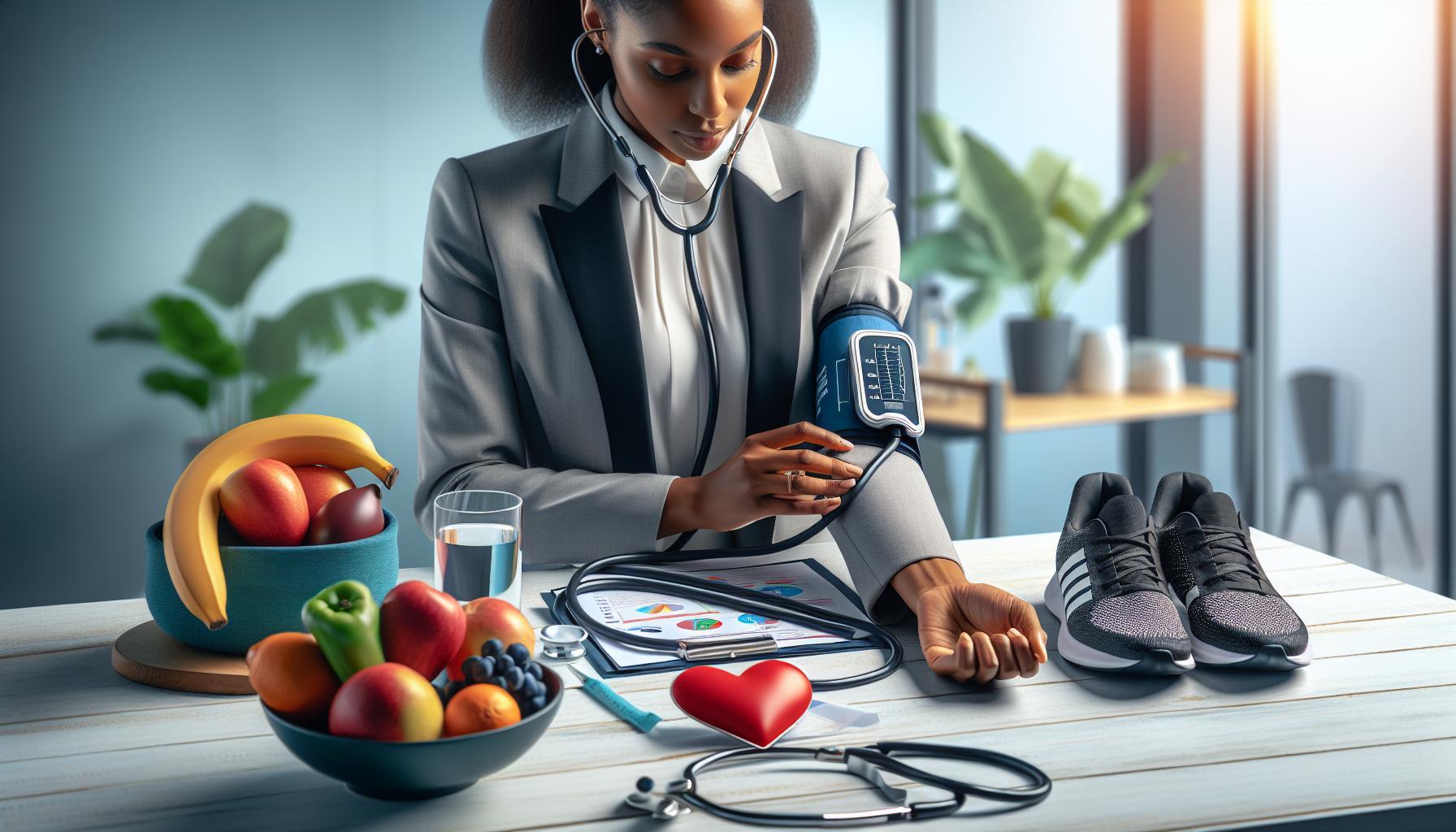
Did you know that high blood pressure is not just a heart health issue but can also significantly impact your eyesight? Many individuals overlook this connection, potentially risking their vision as a result of untreated hypertension. High blood pressure can damage the delicate blood vessels in your eyes, leading to serious conditions like hypertensive retinopathy that can blur or even threaten your sight.
Understanding the profound link between high blood pressure and vision health is crucial for anyone looking to maintain their overall well-being. As we delve into this topic, we will explore the risks involved and the ways you can protect your eyesight while managing your blood pressure. Your vision is invaluable, and being informed about the risks associated with hypertension could empower you to take proactive steps toward preserving both your cardiovascular and eye health. Stay with us as we uncover the vital information you need to know.
Understanding High Blood Pressure and Eye Health
High blood pressure, often labeled the “silent killer,” plays a hazardous role in eye health that many people overlook. The intricate network of blood vessels in the eyes is particularly vulnerable to the damaging effects of hypertension. Over time, elevated blood pressure can lead to serious conditions such as hypertensive retinopathy, which occurs when high blood pressure causes the blood vessels in the retina to narrow, leak, or bleed. This damage can severely impair your vision and, if left unchecked, can lead to permanent vision loss.
Understanding the relationship between high blood pressure and eye health is crucial for proactive health management. Hypertension can alter the structure and function of the small blood vessels in the retina, leading to complications not only in vision but also affecting overall eye health. It’s important to monitor blood pressure regularly, maintain a healthy lifestyle, and be aware of the signs and symptoms that might indicate changes in your eyesight. Regular check-ups with health professionals can ensure any potential problems are identified early, allowing for timely intervention.
Taking steps toward managing blood pressure can have a significant positive impact on eye health. This involves adopting a balanced diet, engaging in regular physical activity, reducing salt intake, and avoiding tobacco and excessive alcohol consumption. Awareness and education around how high blood pressure influences eye diseases empower individuals to make informed choices that protect their vision as well as their overall health.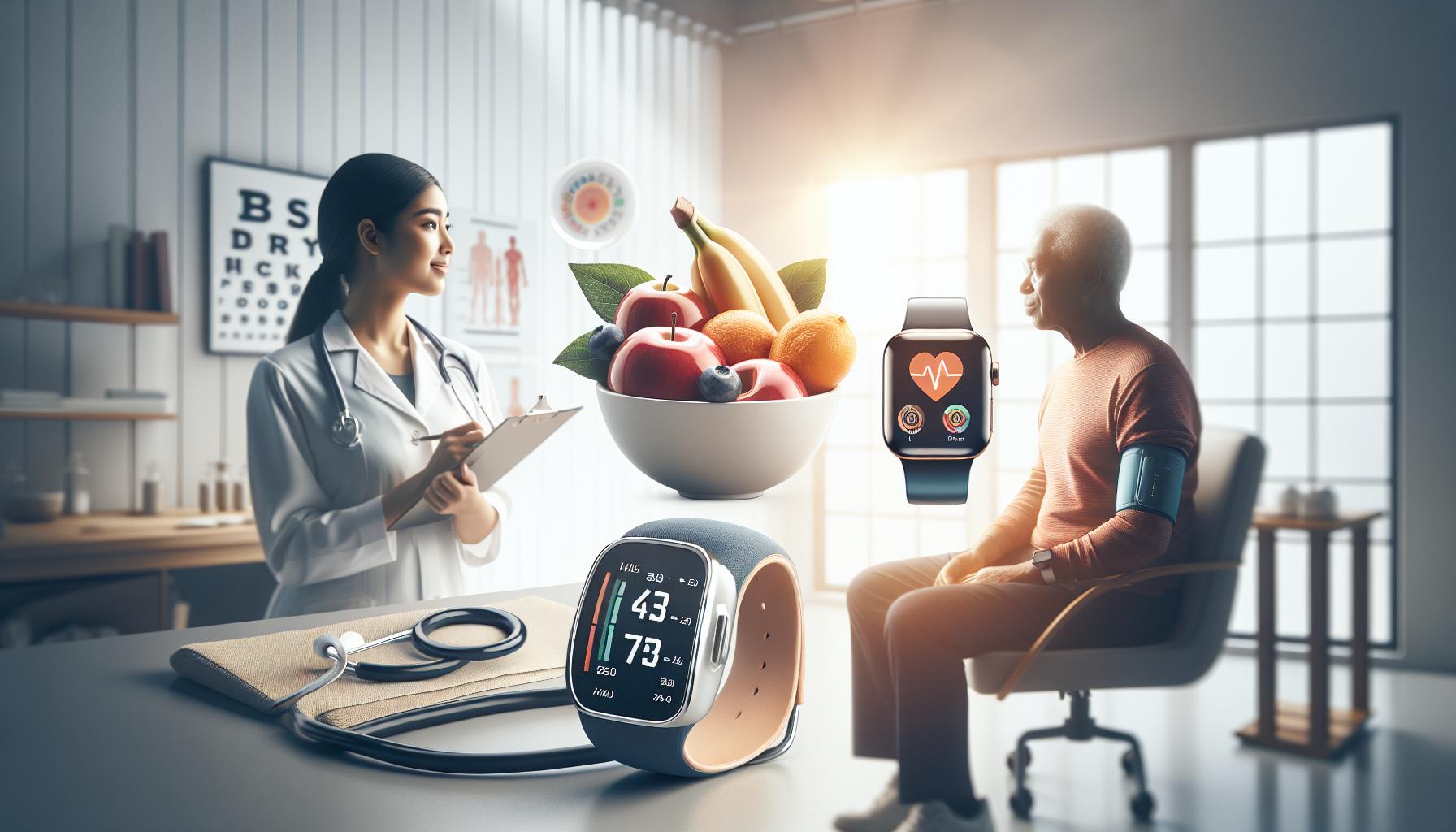
How High Blood Pressure Impacts Vision
High blood pressure can stealthily damage not just your heart but also your vision. One of the most significant ways hypertension affects eyesight is through a condition known as hypertensive retinopathy. This occurs when the blood vessels in the retina become narrowed, leaky, or obstructed due to elevated blood pressure, impeding the proper flow of blood and nutrients essential for optimal eye function. Over time, this may lead to blurred vision, vision loss, and even complete blindness if left untreated. The delicate balance and structure of retinal blood vessels are compromised, making them particularly susceptible to damage from sustained high pressure.
Monitoring your blood pressure is vital to safeguarding your vision. Regular check-ups can help detect hypertension early, allowing for preventative measures before severe damage occurs. For those already diagnosed with high blood pressure, maintaining a consistent monitoring routine at home can empower individuals to manage their condition effectively. Invest in a reliable blood pressure monitor and make it a habit to check your levels regularly. Keeping a record can help you and your healthcare provider observe trends and adjust treatment plans as necessary.
Effective management strategies include:
- Dietary adjustments: Adopt a heart-healthy diet, rich in fruits, vegetables, whole grains, and low-fat dairy, while reducing sodium intake.
- Regular exercise: Aim for at least 150 minutes of moderate aerobic activity each week to help lower blood pressure.
- Avoiding tobacco and excessive alcohol: These substances can exacerbate high blood pressure and lead to additional health complications.
- Stress management: Practices like meditation, yoga, or deep breathing exercises can effectively lower stress levels, contributing to healthier blood pressure.
Ultimately, taking proactive measures in managing hypertension can have a profound impact on preserving eye health and maintaining clear vision as you age. By becoming informed and engaged in your health management, you can take confident steps toward protecting not just your eyesight but your overall well-being.
Common Eye Conditions Linked to Hypertension
High blood pressure can have significant implications for eye health, leading to various conditions that can impair your vision. One of the most serious conditions associated with hypertension is hypertensive retinopathy, which arises when the blood vessels in the retina are damaged due to sustained high blood pressure. As this condition progresses, it often manifests in several ways that can compromise vision.
Another common issue is central serous chorioretinopathy, where fluid builds up under the retina, potentially leading to distorted or blurred vision. Often observed in individuals experiencing high-stress levels, this condition illustrates how hypertension not only affects physical health but can also exacerbate psychological stressors, further impacting eye health.
Additionally, optic neuropathy can occur as a direct result of high blood pressure. This condition, which involves damage to the optic nerve, can lead to sudden vision loss. The increased pressure compromises the blood supply to this vital nerve, emphasizing the need for consistent hypertension management.
To combat these conditions, it is vital to be proactive about your eye health. Regular comprehensive eye exams can help detect early signs of hypertensive damage. Eye care professionals typically utilize retinal imaging to assess the condition of your blood vessels and overall retinal health. If hypertension is present, maintaining regular communication with both your primary care physician and your eye doctor will create a comprehensive health plan that includes both blood pressure management and eye health surveillance.
By understanding the link between high blood pressure and these common eye conditions, you empower yourself to take necessary preventive measures. From lifestyle changes to consistent medical follow-ups, maintaining eyesight alongside managing hypertension can greatly enhance your overall quality of life.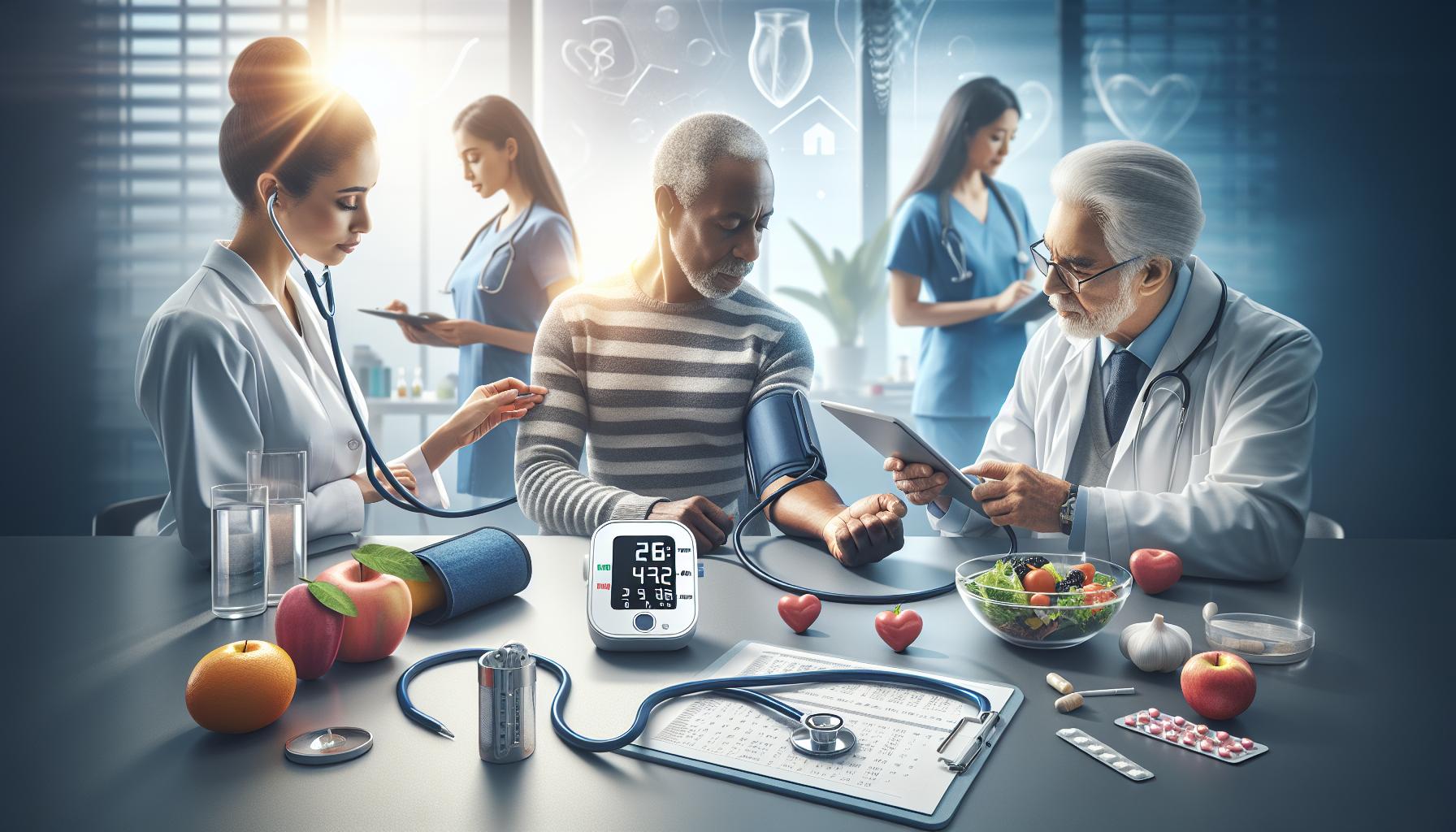
Recognizing Symptoms of Vision Problems
Recognizing the early signs of vision problems is crucial for individuals with high blood pressure, as timely intervention can prevent more severe complications. Vision changes can manifest in various ways, often reflecting underlying issues related to hypertension. Being alert to these symptoms empowers individuals to seek medical advice promptly, potentially safeguarding their sight.
Common indicators of vision problems include:
- Blurred or Distorted Vision: Inconsistent clarity or the presence of wavy lines in your field of vision can suggest damage to the retinal blood vessels, often a sign of hypertensive retinopathy.
- Sudden Vision Loss: Experiencing sudden dark spots or loss of vision can be linked to optic neuropathy, which results from reduced blood flow to the optic nerve.
- Difficulty Seeing Colors: Changes in color perception may indicate damage to the retinal cells. If colors appear muted or washed out, it’s essential to discuss this with a specialist.
- Floaters or Flashing Lights: The presence of floating spots or flashes of light can signify changes in the vitreous gel within the eye, frequently associated with elevated blood pressure.
Understanding these symptoms and their significance can help individuals act proactively. If you experience any of these changes, it’s vital to schedule an eye exam and communicate your blood pressure status to your eye care professional. They can perform detailed assessments such as retinal imaging to evaluate your eye health comprehensively.
Regular self-monitoring of blood pressure can aid in tracking your overall health. Utilize a home blood pressure monitor to check your readings frequently, noting any variations or spikes, which can signal the need for adjustments in your management plan. Bringing this information to your healthcare provider can enhance their ability to develop a tailored approach to address both your blood pressure and eye health concerns effectively.
Awareness, vigilance, and proactive health management are keys to preserving your vision while managing high blood pressure. By recognizing symptoms early, you not only enhance your chances of maintaining clear and healthy eyesight but also contribute to your overall well-being.
The Role of Regular Eye Exams in Detection
Regular eye exams are an essential component in safeguarding your vision, particularly for individuals with high blood pressure. During these visits, eye care professionals utilize specialized equipment to conduct comprehensive assessments that can reveal early signs of damage caused by hypertension. Amazingly, the eyes can serve as an important window into overall health; changes in the retina can indicate issues that may not be detectable through routine blood pressure monitoring. This connection highlights the significance of prioritizing eye health alongside cardiovascular wellness.
During a comprehensive eye exam, your optometrist or ophthalmologist may perform several critical evaluations, including retinal imaging and visual acuity tests. These assessments can help identify conditions associated with high blood pressure, like hypertensive retinopathy, which occurs when elevated pressure affects the blood vessels in the retina. By discovering these conditions early, proactive measures can be implemented to prevent further complications, such as vision loss.
Importance of Regular Visits
Aiming for annual eye exams is particularly crucial for individuals living with hypertension or those at risk. Regular visits allow for the monitoring of any changes in the blood vessels of the eyes, providing vital information about the effectiveness of your blood pressure management plan. If pressure readings fluctuate or you begin experiencing new symptoms, bringing this information to your eye care professional can enhance their ability to tailor your treatment strategy effectively.
In addition to assessing your eye health, these exams offer the opportunity to discuss lifestyle modifications that can contribute to better blood pressure management. For instance, your eye care provider can provide valuable advice on nutrition, exercise, and stress-reducing techniques that ultimately enhance both visual and overall health. Engaging in open dialogue during these appointments empowers you to take charge of your health and aids in building a comprehensive approach to managing hypertension and protecting your vision.
Preventive Measures for Eye Health with High Blood Pressure
Taking proactive steps to protect your eyesight is essential, especially for those dealing with high blood pressure. The delicate blood vessels in your eyes can be severely impacted by hypertension, making preventive measures crucial in maintaining visual health. Here are some effective strategies you can adopt to safeguard your eyes:
- Monitor Your Blood Pressure Regularly: Keeping track of your blood pressure readings at home can help you manage hypertension more effectively. Use a reliable sphygmomanometer and record your measurements to provide your healthcare professional with accurate information during visits.
- Prioritize Eye Exams: Annual comprehensive eye examinations are essential for detecting early signs of hypertension-related eye conditions, such as hypertensive retinopathy. These assessments can reveal changes in the retina that might not be evident otherwise.
- Maintain a Healthy Diet: A balanced diet rich in fruits, vegetables, whole grains, and omega-3 fatty acids can lower blood pressure and promote eye health. Foods high in antioxidants, like leafy greens and colorful fruits, help protect the retina from damage.
- Stay Active: Regular physical activity can help reduce blood pressure and improve circulation to the eyes. Aim for at least 150 minutes of moderate exercise each week, such as walking, swimming, or cycling.
- Limit Alcohol and Avoid Smoking: Reducing alcohol intake and quitting smoking can significantly lower your risk of developing hypertension-related eye diseases. Both habits can exacerbate blood pressure issues and negatively impact vascular health.
- Manage Stress: Chronic stress can elevate blood pressure levels. Techniques such as meditation, yoga, or deep-breathing exercises can be effective in lowering stress and, consequently, blood pressure.
Engaging in these preventive measures not only contributes to better blood pressure management but also plays a vital role in maintaining eye health. The connection between hypertension and vision loss is significant, making it essential to be proactive about your lifestyle choices. Understanding that your eye health directly ties back to systemic health encourages you to take a thoughtful approach to both conditions, empowering you to make informed decisions for a healthier future.
Treatment Options for Hypertension-Related Vision Issues
High blood pressure, often termed the “silent killer,” can lead to serious vision problems if left unaddressed. Understanding the treatment options available for hypertension-related vision issues is crucial in preserving and protecting your eyesight. A proactive approach not only tackles the underlying hypertension but also mitigates the risk of complications such as hypertensive retinopathy and vision loss.
One foundational treatment option is managing blood pressure effectively through lifestyle changes and medication. Healthcare providers typically recommend a combination of dietary modifications, such as adopting the DASH (Dietary Approaches to Stop Hypertension) diet, which emphasizes fruits, vegetables, whole grains, and low-fat dairy, along with regular physical activity. For many individuals, antihypertensive medications, such as diuretics, ACE inhibitors, or calcium channel blockers, may be necessary. Regular follow-ups with a healthcare professional are essential to monitor responses to treatment and make adjustments as needed.
In cases where vision issues have already developed, more specialized interventions may be necessary. For conditions like hypertensive retinopathy, where damage to the blood vessels in the retina has occurred, treatments may focus on managing symptoms and preventing further damage. Laser therapy can sometimes be employed to treat retinal bleeding, while anti-VEGF (vascular endothelial growth factor) injections may help in cases of macular edema due to hypertension. It’s crucial for patients to have open communication with their eye care specialists about any changes in vision, which can guide timely interventions.
Ultimately, a comprehensive management plan that includes regular eye examinations cannot be overstated. These exams can catch early signs of hypertension-related damage before they escalate. Consulting with both primary care and eye care providers ensures a holistic approach to health management. By prioritizing your overall health and staying informed about treatment options, you can significantly impact both your blood pressure management and visual acuity. Empower yourself with knowledge and take the necessary steps to keep both your heart and eyes healthy.
Lifestyle Changes to Protect Your Vision
Making specific lifestyle changes can significantly improve your overall health and protect your vision, especially if you’re dealing with high blood pressure. Engaging in healthier habits not only helps maintain optimal blood pressure levels but also mitigates the risks associated with hypertension, such as vision loss and other eye-related complications. Empowering yourself with knowledge and committing to a proactive approach can yield remarkable benefits for both your cardiovascular and visual health.
A balanced diet plays a crucial role in managing blood pressure. Emphasizing fruits, vegetables, whole grains, and lean proteins while reducing sodium intake can have a profound impact. The DASH diet, specifically designed to combat hypertension, encourages foods rich in potassium, magnesium, and calcium, which help lower blood pressure. Ensure to incorporate foods like bananas, spinach, and low-fat dairy products into your meals. Staying hydrated is also vital – drinking plenty of water aids in maintaining blood volume and may reduce blood pressure levels.
Regular physical activity can further enhance your health. Aim for at least 150 minutes of moderate aerobic exercise each week, such as brisk walking, cycling, or swimming. Exercise not only helps lower blood pressure but also fosters better eye health by improving circulation, promoting oxygen and nutrient delivery to the eyes. Moreover, reducing sedentary behavior, like prolonged screen time, can alleviate strain on your eyes, which is particularly important for those at risk of hypertensive retinopathy.
Another essential aspect is managing stress effectively, as elevated stress levels can contribute to increased blood pressure. Techniques such as mindfulness meditation, yoga, and deep-breathing exercises can significantly enhance your mental well-being. In addition, maintaining a healthy weight through these lifestyle changes is critical since excess weight can exacerbate hypertension. Consider setting realistic, incremental goals for weight loss, which not only benefits your blood pressure but can improve your overall quality of life.
Lastly, avoiding tobacco and limiting alcohol consumption can vastly improve both your heart and eye health. Smoking is particularly harmful to blood vessels and can lead to retinal damage, so seeking cessation programs can be invaluable. If you drink alcohol, ensure moderation, typically defined as one drink per day for women and two for men.
By integrating these lifestyle modifications, you can take meaningful steps toward safeguarding your vision and managing blood pressure effectively. Remember, these changes require patience and persistence, but the long-term benefits for your eyes and overall health are well worth the effort.
The Connection Between Diabetes and Eye Health
High blood pressure and diabetes often share a complex relationship that significantly impacts eye health. When these two conditions converge, they can lead to serious complications such as diabetic retinopathy, a condition that damages the retina due to impaired blood flow. Hypertension exacerbates the effects of diabetes on the eyes by causing damage to the delicate blood vessels, making them more susceptible to leakage and obstructing normal blood circulation. This can lead to vision problems ranging from blurred vision to complete vision loss, emphasizing the necessity of regular monitoring and management of both conditions.
To safeguard your eyes, understanding how to effectively manage both high blood pressure and diabetes is crucial. Key strategies include:
- Regular Eye Exams: Schedule comprehensive eye exams at least once a year, especially if you have diabetes or high blood pressure. Early detection of changes can lead to timely intervention.
- Blood Sugar Control: Maintain stable blood sugar levels through a balanced diet and appropriate medication. Consistently high blood glucose can damage blood vessels, increasing the risk of diabetic retinopathy.
- Blood Pressure Management: Aim to keep your blood pressure within recommended ranges. Regular monitoring and adherence to prescribed treatment plans, including dietary adjustments and medication, are essential.
- Healthy Lifestyle Choices: Incorporate regular physical activity and a nutritious diet rich in fruits, vegetables, and whole grains. These changes support both blood pressure and blood sugar control.
By focusing on these proactive measures, individuals can significantly reduce the risk of eye complications associated with diabetes and hypertension. Empower yourself with knowledge and practical steps, such as keeping a log of your blood pressure and blood sugar readings, to better manage your health outcomes. Understanding this connection reinforces the importance of integrated health management, ensuring your vision remains protected as you navigate living with diabetes and high blood pressure.
Debunking Myths About Vision and Blood Pressure
Many people believe that high blood pressure only affects the heart, but the truth is that it can have significant repercussions on your eyesight as well. This misconception can lead to neglecting regular eye health check-ups, increasing the risk of severe vision problems. As hypertension progresses, it can damage the tiny blood vessels in the retina, leading to a condition known as hypertensive retinopathy. This condition can restrict blood flow and cause serious visual impairments if not managed properly.
Myths and Facts Surrounding Hypertension and Vision
- Myth: High blood pressure does not affect vision until it’s too late.
- Fact: Damage can occur gradually, often without noticeable symptoms until significant harm is done. Regular monitoring can catch these changes early.
Another common myth is that only individuals with severe hypertension should worry about their eyesight. However, even mildly elevated blood pressure can have damaging effects on eye health. Maintaining optimal blood pressure levels is essential for everyone, not just those with a recorded diagnosis of hypertension.
- Myth: Vision problems from high blood pressure are reversible.
- Fact: While some effects may improve with better blood pressure management, certain types of damage, such as that from prolonged hypertensive retinopathy, can lead to lasting vision impairment.
Lastly, many people may hold the belief that managing blood pressure doesn’t require a lifestyle overhaul. In reality, effective management often entails substantial changes, including dietary adjustments, regular exercise, and stress reduction techniques. Taking ownership of these lifestyle changes, such as incorporating a heart-healthy diet rich in fruits and vegetables while limiting processed foods, can greatly benefit both blood pressure and eye health.
By dispelling these myths, individuals can better understand the profound connection between blood pressure and vision, empowering themselves to prioritize their eye health through proactive monitoring and lifestyle choices. Emphasizing regular check-ups and education on both blood pressure and ocular health can significantly mitigate the risks associated with hypertension.
When to Seek Professional Help for Eye Concerns
Ignoring changes in your vision may seem harmless initially, but when high blood pressure is involved, this can lead to serious long-term consequences. Hypertensive retinopathy is a prime example of how elevated blood pressure can cause damage to your eyes. It’s essential to know related to hypertension, as timely intervention can preserve your vision and overall eye health.
Symptoms such as persistent blurred vision, sudden vision loss, or changes in your visual field should prompt immediate attention. Mild visual disturbances might seem manageable, but these can signal the onset of more severe issues related to high blood pressure. Regular monitoring of your blood pressure is essential, but so is an awareness of how it might manifest in your eyesight. If you notice any sudden changes in your vision or experience headaches accompanied by visual disturbances, schedule an eye exam as soon as possible.
Another key aspect is the role of routine eye exams, especially for those with a history of hypertension or other health conditions that affect blood pressure. These examinations can help detect early signs of hypertensive retinopathy before they lead to significant damage. The American Academy of Ophthalmology recommends that individuals with high blood pressure have eye exams at least once a year. This proactive approach allows for early intervention and helps you stay on top of potential complications.
In addition to monitoring your vision, maintaining regular communication with your healthcare provider about your blood pressure levels plays a crucial role. If you’re newly diagnosed with hypertension or have noticed a change in your readings, don’t hesitate to consult your eye care professional. They can offer tailored advice based on your unique health situation and inform you of the appropriate steps to take to safeguard your vision. Empowering yourself with the knowledge of when and how to seek help will go a long way in protecting your eyesight against the silent but serious effects of high blood pressure.
FAQ
Q: How does high blood pressure damage the eyes?
A: High blood pressure can damage the delicate blood vessels in the eyes, leading to conditions like hypertensive retinopathy and optic neuropathy. This damage reduces blood flow and oxygen supply, which can impair vision. Regular eye exams can help detect these issues early.
Q: What are the early signs of vision problems due to high blood pressure?
A: Early signs of vision problems from high blood pressure may include blurred vision, reduced peripheral vision, or sudden vision changes. It’s essential to consult a healthcare professional if you notice these symptoms, as early intervention can prevent further damage.
Q: Can controlling blood pressure improve eyesight?
A: Yes, controlling blood pressure can stabilize or even improve eyesight by reducing damage to the blood vessels in the eyes. Lifestyle changes, such as a balanced diet and regular exercise, can support healthy blood pressure levels, benefiting overall eye health.
Q: What specific eye diseases are linked to high blood pressure?
A: High blood pressure is linked to several eye diseases, including hypertensive retinopathy, which affects the retina, and glaucoma, which can damage the optic nerve. Regular screenings are crucial for early detection and management.
Q: Do I need to see an eye doctor if my blood pressure is high?
A: Yes, if you have high blood pressure, it’s important to see an eye doctor regularly. They can perform tests to detect high blood pressure effects on your eyes and recommend appropriate management strategies. Regular eye exams are an essential part of monitoring your overall health.
Q: How often should I have eye exams if I have high blood pressure?
A: Individuals with high blood pressure should have eye exams at least once a year or as recommended by their eye care professional. These exams help monitor eye health and detect any complications early.
Q: What lifestyle changes can help protect my eyesight from high blood pressure?
A: To protect your eyesight, maintain a healthy diet rich in fruits and vegetables, reduce sodium intake, engage in regular physical activity, and avoid smoking. Managing stress and keeping regular check-ups with your healthcare provider also help control blood pressure.
Q: Is there a connection between diabetes and high blood pressure affecting eyesight?
A: Yes, both diabetes and high blood pressure can lead to serious eye conditions, including diabetic retinopathy and hypertension-related eye diseases. Managing both conditions is crucial to preserving vision, so regular check-ups and a healthy lifestyle are essential.
For more detailed information, refer to sections like “Common Eye Conditions Linked to Hypertension” in the main article. Stay proactive in managing your health, as early detection can prevent serious vision problems.
In Retrospect
Understanding the connection between high blood pressure and your eyesight is crucial. By managing your blood pressure effectively, you not only protect your heart but also safeguard your vision from potential damage. It’s vital to monitor your blood pressure regularly and consult with healthcare professionals about effective strategies for managing hypertension. Explore our articles on preventative eye care and the dangers of untreated hypertension for more valuable insights.
Take action today-your vision is too important to ignore! Consider signing up for our newsletter for the latest updates on eye health and hypertension management, or reach out for a consultation to discuss personal strategies that work for you. Staying informed and proactive can empower you to maintain both your health and your eyesight. Share your thoughts or questions in the comments, and let’s continue this important conversation!