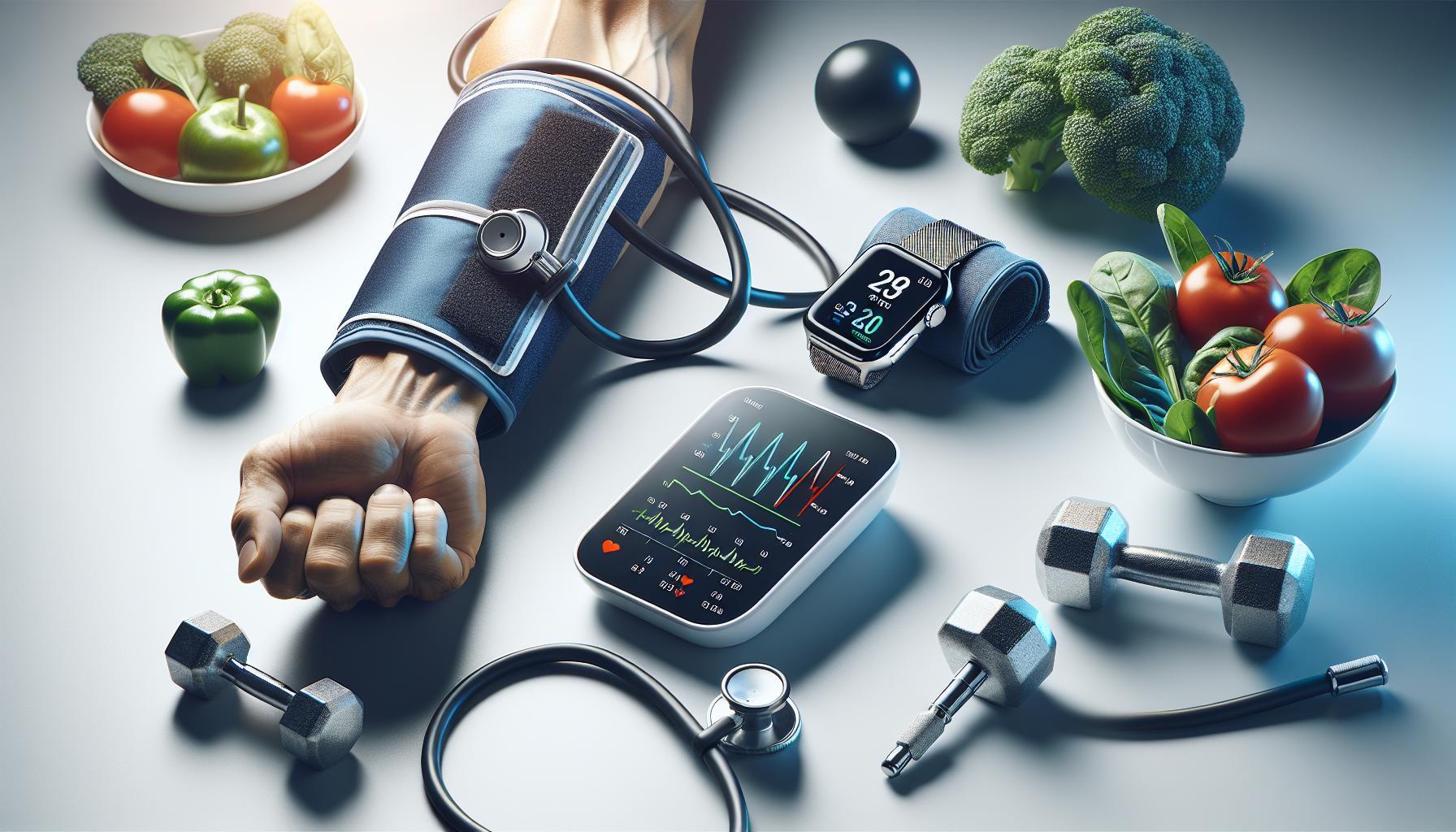
High blood pressure, or hypertension, is often dubbed the “silent killer,” as it can quietly wreak havoc on your body without obvious symptoms. But did you know that feelings of warmth or unusual heat could actually be linked to elevated blood pressure? Understanding this connection is crucial for those managing hypertension, as recognizing surprising symptoms can lead to early intervention and better overall health outcomes.
If you’ve ever experienced bouts of unexplained heat or flushes, you may be wondering if high blood pressure is the culprit. This article delves into the unexpected ways hypertension can manifest, providing insight into your body’s signals. Stay with us as we explore how to monitor blood pressure effectively and tips for managing symptoms, empowering you to take control of your health and well-being.
Can High Blood Pressure Cause Hot Flashes?
Experiencing sudden waves of heat, often referred to as hot flashes, can be alarming, especially when they coincide with symptoms of high blood pressure. While hot flashes are traditionally associated with hormonal changes, particularly in women during menopause, individuals with high blood pressure (hypertension) may also report feeling unusually warm or flushed. This connection prompts valuable discussion regarding the underlying mechanisms and management strategies.
High blood pressure can lead to changes in blood circulation, which might trigger sensations resembling hot flashes. When blood pressure rises, the heart pumps harder and faster, sometimes causing an increase in skin temperature and a flush in the face and neck. Alongside this, hypertension can elevate stress hormones in the body, contributing to feelings of warmth or anxiety. Thus, it’s not uncommon for someone with high blood pressure to experience episodes reminiscent of hot flashes, even if they are not related to hormonal changes.
To help manage these symptoms effectively, it’s crucial to prioritize lifestyle changes that support overall vascular health. Here are some practical strategies:
- Regular Monitoring: Keeping track of your blood pressure at home can help identify patterns related to episodes of warmth.
- Physical Activity: Engage in regular aerobic exercises, which can enhance blood flow and potentially lower blood pressure over time.
- Stress Reduction Techniques: Practices such as yoga, meditation, or deep breathing exercises can aid in managing stress and lowering blood pressure.
- Healthy Diet: Adopt a diet rich in fruits, vegetables, whole grains, and lean proteins while reducing salt intake, which is beneficial for blood pressure.
- Stay Hydrated: Maintaining hydration is essential as dehydration can exacerbate the sensation of heat.
Understanding the interplay between high blood pressure and sensations of warmth can empower individuals to take proactive steps in managing their health. By implementing these strategies, not only can they alleviate uncomfortable symptoms, but they can also contribute to overall cardiovascular health, making it important to consult with a healthcare provider about symptoms and potential adjustments to treatment plans.
Understanding Blood Pressure and Body Temperature
High blood pressure is a common health issue that can have a profound impact on the body, influencing not just cardiovascular well-being but also how we perceive temperature. As blood pressure increases, the heart has to work harder to pump blood throughout the body, which can result in heightened blood flow to the skin and extremities. This often leads individuals to feel warm or flushed, particularly in the face and neck, similar to sensations experienced during hot flashes. Understanding this connection can be crucial for managing symptoms effectively.
The body’s response to elevated blood pressure is complex. As blood vessels constrict to maintain circulation under higher pressure, there’s a subsequent increase in metabolic activity, generating more heat. This physiological reaction can easily be misinterpreted as a symptom of anxiety or hormonal imbalance, particularly when the episodes occur frequently. Many may not realize that the feeling of warmth is linked to the cardiovascular system’s response rather than solely a hormonal effect associated with menopause or other conditions.
Monitoring blood pressure regularly is essential to understand how it relates to your body temperature sensations. Consider keeping a journal where you log your blood pressure readings alongside notes on when you feel warm, anxious, or other symptoms. This can reveal patterns and help you manage your health more proactively. To further mitigate discomfort, embracing lifestyle modifications plays a critical role. These may include stress management techniques like meditation or gentle yoga, consistent physical activity, and a balanced diet rich in whole foods while minimizing sodium, all of which can contribute to effective blood pressure management while enhancing overall well-being.
Incorporating these strategies not only aids in controlling blood pressure but can also significantly enhance quality of life by reducing uncomfortable symptoms associated with hypertension. If feelings of warmth continue or worsen, discussing these changes with a healthcare provider can lead to further adjustments or interventions tailored to your needs, empowering you in your health journey.
Common Symptoms of High Blood Pressure
High blood pressure, often referred to as hypertension, can manifest in various ways that may come as a surprise to many. While typically dubbed the “silent killer” due to its subtle nature, it can produce a range of symptoms that should not be overlooked. People with high blood pressure may experience sensations that mimic heat or flushing, particularly around the face and neck. This response may be caused by an increase in blood flow to the skin as the body works harder to pump blood, creating feelings of warmth.
Recognizing Common Symptoms
Understanding the signs of high blood pressure is vital for early detection and management. Common symptoms include:
- Headaches: Persistent headaches, especially in the morning, can indicate elevated blood pressure levels.
- Dizziness: Feelings of lightheadedness or dizziness can occur due to sudden changes in blood pressure.
- Nosebleeds: Frequent nosebleeds may be an unusual symptom of severely high blood pressure.
- Flushing or Warmth: As mentioned, this sensation can mimic hot flashes due to increased blood flow.
- Shortness of Breath: Difficulty breathing, especially during physical exertion, could signal hypertension-related complications.
Being aware of these symptoms not only helps in recognizing potential high blood pressure but also encourages individuals to seek regular monitoring and medical advice.
Practical Steps for Self-Monitoring
To maintain awareness of your blood pressure status, regular monitoring is essential. Here are some effective steps to incorporate into your routine:
- Home Blood Pressure Monitoring: Invest in a reliable home blood pressure monitor. Taking readings at consistent times can build a clear picture of your levels.
- Keep a Health Journal: Document your readings alongside any symptoms you notice, such as feelings of warmth, headaches, or other indicators.
- Communication with Healthcare Providers: Share your findings with your doctor during check-ups. This information can help them recommend dietary changes, lifestyle modifications, or necessary treatments tailored to your situation.
By recognizing and responding to the symptoms of high blood pressure, individuals can significantly enhance their health and well-being. Taking proactive steps and engaging in lifestyle changes can empower you to manage your blood pressure effectively and possibly reduce the discomfort associated with its symptoms.
Why Does High Blood Pressure Make You Feel Warm?
Experiencing unusual warmth or flushing can be disconcerting, especially if it coincides with high blood pressure. When blood pressure rises, often due to the heart’s increased effort to flow blood through narrowed arteries, this can lead to heightened blood circulation near the skin’s surface. As a result, individuals may feel warmer than usual, which can resemble the hot flashes commonly reported during hormonal changes.
The sensation of warmth often felt around the neck and face can also be attributed to elevated adrenaline levels during periods of stress or anxiety, conditions that frequently accompany hypertension. The body responds to stress by triggering the “fight or flight” response, which causes blood vessels to constrict and then dilate, potentially leading to a flushing effect. This physiological response increases heart rate and blood flow, contributing to a feeling of warmth. Understanding this connection can help individuals recognize that these sensations are not just a normal reaction to external factors but may also signal underlying health issues that need addressing.
Effective management of high blood pressure can alleviate some of the discomfort associated with these symptoms. Simple lifestyle changes, such as regular exercise and a balanced diet rich in fruits and vegetables, can significantly impact blood pressure levels and improve overall circulatory health. Additionally, practicing stress-relief techniques, such as deep breathing exercises, meditation, or yoga, can help lower adrenaline levels and promote a more stable blood pressure, ultimately reducing the likelihood of experiencing warm sensations.
Regular self-monitoring of blood pressure is crucial for understanding personal health patterns and addressing concerns early. Using a home blood pressure monitor and keeping a health journal can empower individuals to track their readings and associated symptoms, fostering constructive communication with healthcare providers about any changes in their condition.
Exploring the Connection Between Stress and Blood Pressure
Understanding the intricate relationship between stress and blood pressure is essential, especially for individuals experiencing concerning symptoms such as unusual warmth or flushing. Stress triggers a cascade of physiological responses in the body, including the release of hormones like adrenaline, which can lead to increased heart rate and blood pressure. This heightened state prepares the body for a ‘fight or flight’ response, but when persistent, it can contribute to chronic hypertension. Recognizing this connection is crucial for managing overall health and preventing potential complications associated with high blood pressure.
One effective way to mitigate the impact of stress on blood pressure is through the incorporation of relaxation techniques into daily routines. Here are some practical strategies to consider:
- Deep Breathing Exercises: Practice inhaling deeply for a count of four, holding the breath for four, and exhaling for a count of four. This method helps calm the nervous system and can lower blood pressure in stressful situations.
- Mindfulness and Meditation: Regular meditation can reduce stress levels significantly. Aim for at least 10-15 minutes daily to help clear the mind and promote relaxation.
- Physical Activity: Engaging in regular exercise, even moderate activities like walking or yoga, not only helps lower blood pressure but also releases feel-good endorphins that counteract stress.
- Connect with Others: Sharing your feelings with friends, family, or a therapist can provide emotional support and relieve stress.
Monitoring your blood pressure regularly can empower you to recognize patterns and triggers related to stress and blood levels. Consider using a home blood pressure monitor to track readings, especially during stressful periods, which will allow for a better understanding of how stress affects individual health. Keeping a journal of blood pressure readings alongside stress levels can provide invaluable insights for discussions with healthcare providers. By proactively managing stress and its effects on blood pressure, individuals can take crucial steps toward better health and wellbeing, paving the way for a more balanced lifestyle.
Lifestyle Changes to Manage Blood Pressure
Making lifestyle changes can significantly impact blood pressure management and overall well-being. Adopting heart-healthy habits not only helps lower blood pressure but also reduces the risk of symptoms such as unusual warmth or hot flashes, often associated with increased blood pressure levels. As you navigate these changes, it’s empowering to know that small adjustments in daily routines can lead to substantial health benefits.
- Healthy Diet: Focus on a diet rich in fruits, vegetables, whole grains, and lean proteins. The DASH (Dietary Approaches to Stop Hypertension) eating plan is particularly effective for managing blood pressure. Reducing sodium intake is crucial; aim for no more than 2,300 mg per day, or ideally 1,500 mg for adults with hypertension.
- Regular Physical Activity: Incorporate at least 150 minutes of moderate aerobic activity per week-such as brisk walking, cycling, or swimming. Exercise strengthens the heart and improves blood circulation, helping to lower blood pressure and mitigate stress.
- Avoid Tobacco and Limit Alcohol: Smoking and excessive alcohol intake can elevate blood pressure. Quitting smoking and moderating alcohol consumption can lead to significant improvements in heart health.
- Weight Management: Maintaining a healthy weight is essential for blood pressure control. Even a small amount of weight loss can help reduce blood pressure in those who are overweight. Aim to achieve and maintain a body mass index (BMI) within the normal range.
In addition to these dietary and physical strategies, managing stress levels is critical. Techniques such as yoga, meditation, and consistent sleep patterns can help lower stress hormones that adversely affect blood pressure. Keeping stress at bay minimizes the risk of experiencing feelings of warmth or flushing, which can often accompany high blood pressure episodes.
Finally, self-monitoring is a powerful tool in managing blood pressure effectively. Use a home blood pressure monitor to track your readings regularly, and consider maintaining a log of your measurements alongside notes about your diet, exercise, and any stressors. This practice provides valuable insights that can help you and your healthcare provider tailor your management plan for optimal health outcomes. By understanding how lifestyle changes impact your blood pressure, you can take proactive steps toward a healthier and more balanced life.
When to Seek Medical Attention for Hot Symptoms
Feeling unusually hot or experiencing hot flashes can be disconcerting, especially if you have a history of high blood pressure. It’s important to understand when these sensations might warrant medical attention. If your episodes of warmth are accompanied by other troubling symptoms, such as severe headaches, visual disturbances, chest pain, or difficulty breathing, it is crucial to seek help immediately. These symptoms could indicate a hypertension crisis or other serious conditions that require prompt medical intervention.
When assessing whether to visit a healthcare professional, consider the duration and intensity of your hot symptoms. If they persist for an extended period or worsen, it’s wise to consult your doctor. Tracking your blood pressure readings and correlating them with the episodes can provide your healthcare provider with valuable information, ensuring you receive appropriate care. High blood pressure can result in a variety of symptoms that may seem unrelated at first, making it essential to maintain open communication with your healthcare team.
In addition to acute symptoms, regular evaluations are important for anyone with chronic hypertension. Schedule routine check-ups, especially if you’ve noticed any changes in how your body reacts in different situations. Being proactive about your health not only empowers you but also aids in managing your condition effectively. If you feel uncertain about your symptoms or their potential implications, don’t hesitate to reach out to your healthcare provider for guidance. Being informed and involved in your health management fosters a more confident approach to navigating the complexities of hypertension.
Natural Remedies to Lower Blood Pressure
Managing high blood pressure doesn’t always require medication; in fact, several natural remedies can effectively assist in lowering blood pressure while contributing to overall well-being. By integrating certain lifestyle changes and holistic practices, individuals can often regain control over their health and potentially reduce the incidence of those uncomfortable hot flashes associated with hypertension.
Start by focusing on a heart-healthy diet as it plays a crucial role in blood pressure management. Emphasize fruits, vegetables, whole grains, and lean proteins, while limiting processed foods high in sodium and sugar. The DASH (Dietary Approaches to Stop Hypertension) diet is particularly beneficial, encouraging foods rich in potassium, calcium, and magnesium, which are essential for maintaining proper blood pressure levels.
Incorporating regular physical activity into your routine can also have transformative effects. Aim for at least 150 minutes of moderate aerobic exercise each week. Activities such as brisk walking, cycling, or swimming not only help lower blood pressure but can also improve mood and reduce stress-common triggers for those hot sensations. Don’t underestimate the power of relaxation techniques as well. Practices such as yoga, meditation, and deep-breathing exercises can effectively lower stress levels, contributing to lower blood pressure.
Hydration is another critical factor. Dehydration can lead to increased heart rate and elevated blood pressure. Ensure you drink plenty of water throughout the day. Herbal teas, such as hibiscus or green tea, may also offer additional benefits; studies have shown that they can help reduce blood pressure levels over time.
Remember that tracking your blood pressure at home provides valuable insights into the effectiveness of these natural remedies. Aim to monitor it regularly, noting any changes as you adopt new habits. This proactive approach not only empowers you but also fosters informed conversations with your healthcare provider about what strategies are working best for you. By focusing on natural remedies and consistent monitoring, you can take substantial steps toward managing your blood pressure effectively.
The Role of Hydration in Blood Pressure Control
Staying properly hydrated is essential not just for overall health, but also for maintaining optimal blood pressure levels. Water plays a critical role in regulating blood circulation and can impact heart function significantly. When the body is dehydrated, it tends to compensate by narrowing blood vessels, which can lead to an increase in blood pressure. This not only creates stress on the cardiovascular system but can also heighten feelings of warmth and discomfort, frequently reported by those with high blood pressure.
To maximize hydration, aim for at least 8 glasses (about 2 liters) of water daily, adjusting for factors such as activity level, climate, and any health concerns. Including hydrating foods in your diet can also contribute to your fluid intake. Foods such as cucumbers, watermelon, oranges, and celery are excellent choices, providing both hydration and essential nutrients. Additionally, herbal teas like hibiscus and green tea have been shown to have potential blood pressure-lowering effects, making them a beneficial alternative for hydration.
Incorporating a few simple strategies can enhance your hydration efforts:
- Carry a water bottle: Keeping a reusable water bottle handy encourages regular sipping throughout the day.
- Infuse flavors: If plain water isn’t appealing, infusing it with fruits or herbs can make hydration more enjoyable.
- Set reminders: Use phone alerts or apps designed to remind you to drink water regularly, especially if you tend to forget.
- Make hydration a routine: Pair drinking water with daily activities, like meals or breaks, to build a consistent habit.
Monitoring your hydration level can also be beneficial. Pay attention to signs your body gives you, such as dry mouth, fatigue, or darker urine, signaling that it’s time to refill. By prioritizing hydration, you can aid in the management of blood pressure, potentially alleviating symptoms like hot flashes that accompany hypertension. Empower yourself with knowledge about your hydration needs, and take proactive steps to ensure your body is fueled and functioning optimally.
Medications and Their Impact on Body Temperature
Certain medications used to manage high blood pressure can significantly influence body temperature, potentially leading to sensations of warmth or hot flashes. For instance, diuretics, which help eliminate excess fluid from the body, can result in electrolyte imbalances. These imbalances may disrupt normal thermoregulation, leading to feelings of increased heat or discomfort. Similarly, some beta-blockers, commonly prescribed for hypertension, have been associated with changes in blood flow, which may also contribute to a warm sensation in the body.
Medications and Body Heat Regulation
Medications affecting the vascular system can alter the body’s normal response to heat. Calcium channel blockers, while effective for lowering blood pressure, can lead to peripheral vasodilation. This widening of blood vessels, particularly in the skin, can increase blood flow to the surface and create feelings of warmth. Patients may notice this warming effect, especially in warmer environments or during physical activity.
Moreover, it’s essential to consider how other medications used for co-existing conditions might compound these symptoms. For instance, certain antidepressants and hormone replacement therapies can produce hot flashes or sweating, potentially masking or amplifying the sensations caused by blood pressure medications. Keeping an open dialogue with healthcare providers about all medications being taken can ensure a holistic approach to managing side effects related to body temperature.
Practical Steps for Managing Warm Sensations
To help manage overheating sensations due to hypertension medications, consider the following strategies:
- Cooling measures: Use fans, air conditioning, or cool compresses to help regulate body temperature.
- Adjust clothing: Wear lightweight, breathable fabrics that promote airflow and moisture control.
- Stay hydrated: Adequate hydration supports thermoregulation and may help reduce feelings of heat.
- Track symptoms: Keep a diary of symptoms related to medication side effects, which can be helpful in discussions with healthcare providers.
Understanding the impact of medications on body temperature is crucial for effectively managing high blood pressure while minimizing uncomfortable sensations. Regular monitoring and proactive management can significantly improve overall comfort and quality of life. Always consult with healthcare professionals before making any changes to medication or treatment plans.
Monitoring Blood Pressure: Best Practices
Monitoring blood pressure effectively is crucial for managing hypertension and understanding its potential symptoms, including unexpected sensations of warmth or hot flashes. Regular monitoring empowers individuals to take charge of their health and recognize patterns that may indicate changes in their condition. Here’s how to ensure you’re getting the most accurate readings and understanding what they mean.
To start, investing in a quality automatic blood pressure monitor for home use is key. Ensure it’s fitted correctly to your arm; the cuff should be snug but not too tight. Sit quietly for at least five minutes before taking your reading, with your back supported and feet flat on the floor. It’s advisable to take readings at the same time each day, as blood pressure can fluctuate throughout the day. For best results, record at least two or three readings each time you check, and calculate the average to get a clearer picture of your blood pressure trends.
Understanding the context of your readings is essential. Normal blood pressure is generally considered to be around 120/80 mmHg. Readings consistently above this range may indicate hypertension, which requires attentive management. Keep a log of your readings, noting the time, date, and any relevant factors, such as recent activities or stress levels, which might affect your results. This information can be invaluable during visits to your healthcare provider, helping them make informed decisions about treatment adjustments or lifestyle recommendations.
In addition to regular monitoring, it’s vital to adopt a supportive lifestyle that promotes healthy blood pressure control. Incorporating physical activity, such as brisk walking or swimming, can lower blood pressure significantly. A diet rich in whole grains, fruits, and vegetables, while reducing salt intake, can also positively impact your readings. Remember, open communication with your healthcare team is integral. Discuss any concerns about symptoms, including feelings of warmth, as they can provide tailored advice suited to your health needs. By actively participating in your health management, you can gain a sense of empowerment and improve your overall well-being.
Empowering Yourself with Blood Pressure Knowledge
Empowering yourself with knowledge about blood pressure can transform your approach to health and wellness. Understanding how high blood pressure can impact your body, including sensations like warmth or hot flashes, enhances your ability to recognize changes in your condition and take proactive steps.
To harness this knowledge effectively, begin by familiarizing yourself with the terminology and measurements. Normal blood pressure is generally around 120/80 mmHg, but consistently elevated readings require attention and management. Equip yourself with a quality blood pressure monitor, and make it a habit to check your levels regularly. Not only does this create a benchmark for your health, but it also allows you to observe trends that may highlight the effects of stress, dietary habits, or physical activity on your blood pressure.
Practicing self-advocacy is equally important; educate yourself about lifestyle factors that influence blood pressure. For instance, incorporating a balanced diet rich in fruits, vegetables, and whole grains can aid in maintaining healthy levels. Emphasize physical activity, aiming for at least 150 minutes of moderate exercise weekly, which can significantly impact blood pressure management. Additionally, staying hydrated plays a pivotal role in overall vascular health and aids in regulating body temperature.
Lastly, don’t hesitate to engage in open conversations with your healthcare provider. By sharing your experiences and any concerning symptoms, such as feelings of warmth, you foster a collaborative environment that can lead to better management strategies tailored to your unique needs. Keep in mind that understanding your blood pressure empowers you, providing confidence in your health management journey while promoting a proactive lifestyle that embraces wellness.
Faq
Q: Can high blood pressure cause sweating?
A: Yes, high blood pressure can sometimes lead to excessive sweating. The body may react to elevated levels of stress or hypertension by increasing sweat production. If you experience unusual sweating, consider monitoring your blood pressure regularly and discussing it with your healthcare provider.
Q: What other unusual symptoms can high blood pressure cause?
A: Besides feeling hot, high blood pressure can lead to symptoms such as headaches, dizziness, and shortness of breath. Regular monitoring is crucial as many people with hypertension are asymptomatic. For detailed symptoms, refer to the “Common Symptoms of High Blood Pressure” section of the article.
Q: How does stress affect blood pressure and body temperature?
A: Stress can elevate blood pressure and cause an increase in body temperature by activating the fight-or-flight response. This can result in feelings of warmth and even flushing. Incorporating stress management techniques can help control both blood pressure and associated symptoms.
Q: When should I be concerned about feeling hot due to high blood pressure?
A: If you frequently feel hot or experience associated symptoms like chest pain or severe headaches, you should seek medical attention. Evaluating your blood pressure is crucial, especially if these symptoms are new or worsening.
Q: What lifestyle changes can help manage high blood pressure and regulate body temperature?
A: Adopting a balanced diet, exercising regularly, staying hydrated, and managing stress are effective lifestyle changes. Implementing these can help lower blood pressure and mitigate related symptoms, including feelings of warmth.
Q: Could medications for high blood pressure cause increased body temperature?
A: Certain antihypertensive medications may affect body temperature regulation. If you notice persistent changes in your temperature after starting medication, consult your healthcare provider for potential adjustments to your treatment plan.
Q: How does dehydration relate to high blood pressure and feeling hot?
A: Dehydration can lead to an increase in blood pressure as the body conserves fluids. This conservation can also make you feel warmer. To manage blood pressure effectively, ensure you are drinking adequate water throughout the day.
Q: Can people with high blood pressure experience hot flashes?
A: Yes, some individuals with high blood pressure may experience hot flashes, often linked to hormonal changes or stress. It’s essential to differentiate these occurrences from severe symptoms of hypertension, so regular monitoring and dialogue with a healthcare professional are advised.
To Wrap It Up
Managing high blood pressure is crucial for your overall health, especially if you’re experiencing unexpected symptoms like feeling hot. Recognizing these signs can empower you to make informed decisions about your well-being. If you suspect your blood pressure might be a factor, don’t hesitate to monitor it regularly and consult with your healthcare provider.
For those looking to deepen their understanding, check out our guides on blood pressure management strategies and discover how lifestyle changes can positively impact your heart health. Stay informed about the dangers of hypertension as the “silent killer” by visiting our resource on hypertension awareness.
By taking action now, you’re not just safeguarding your health-you’re taking the first steps towards a healthier, more vibrant life. Join our community by signing up for our newsletter, where you’ll receive the latest insights and tips directly to your inbox. Don’t let high blood pressure control your life; take charge today! Your heart will thank you.