


Did you know that high blood pressure can impact not just your heart but also your eyesight? The connection between hypertension and vision health is an emerging concern that affects many. Elevated blood pressure can lead to various eye problems, including hypertensive retinopathy, which can threaten your vision over time.
Understanding how blood pressure affects your eyes is crucial for maintaining overall health. Are you aware of the signs that might indicate a problem? By recognizing the links between hypertension and vision loss, you can take proactive steps to safeguard both your heart and your eyesight. This article will delve into the important relationship between blood pressure and vision health, offering you valuable insights and tips for managing your condition effectively. Keep reading to discover how to protect your precious sight while monitoring your health!
How High Blood Pressure Impacts Eye Health
High blood pressure, also known as hypertension, is often referred to as a “silent killer” because it typically has no obvious symptoms but can lead to serious health problems, including significant issues related to eye health. Increased pressure within the blood vessels can affect the delicate structures of the eyes, leading to both immediate and long-term vision problems. Understanding how hypertension impacts eyesight is crucial for maintaining overall ocular health.
One of the most direct effects of high blood pressure on vision is the development of hypertensive retinopathy, a condition characterized by damage to the retina due to prolonged high blood pressure. As the pressure rises, the blood vessels in the retina can narrow or leak, leading to changes in vision that may not be immediately noticeable. Over time, this condition can cause more severe issues, including the risk of vision loss. Regular eye examinations are essential for early detection, as these assessments can reveal changes in the retina well before significant vision loss occurs.
In addition to hypertensive retinopathy, individuals with high blood pressure may experience other eye disorders, such as choroidopathy, where fluid builds up beneath the retina, and optic neuropathy, leading to potential blindness. These conditions underscore the importance of monitoring blood pressure not just for cardiovascular health, but specifically for preserving vision. Individuals diagnosed with hypertension should be proactive about their eye health by scheduling regular visits with an eye care professional, who can provide screenings and guidance tailored to their specific risks.
The good news is that there are numerous strategies to mitigate the risks of hypertension-related eye issues. Controlling blood pressure through lifestyle changes-such as adhering to a heart-healthy diet, engaging in regular physical activity, and managing stress-can protect against the negative impacts on vision. By taking action to monitor blood pressure and maintain healthy habits, individuals can empower themselves to preserve not only their cardiovascular health but also their vision, ensuring a better quality of life as they age.
The Connection Between Blood Pressure and Vision
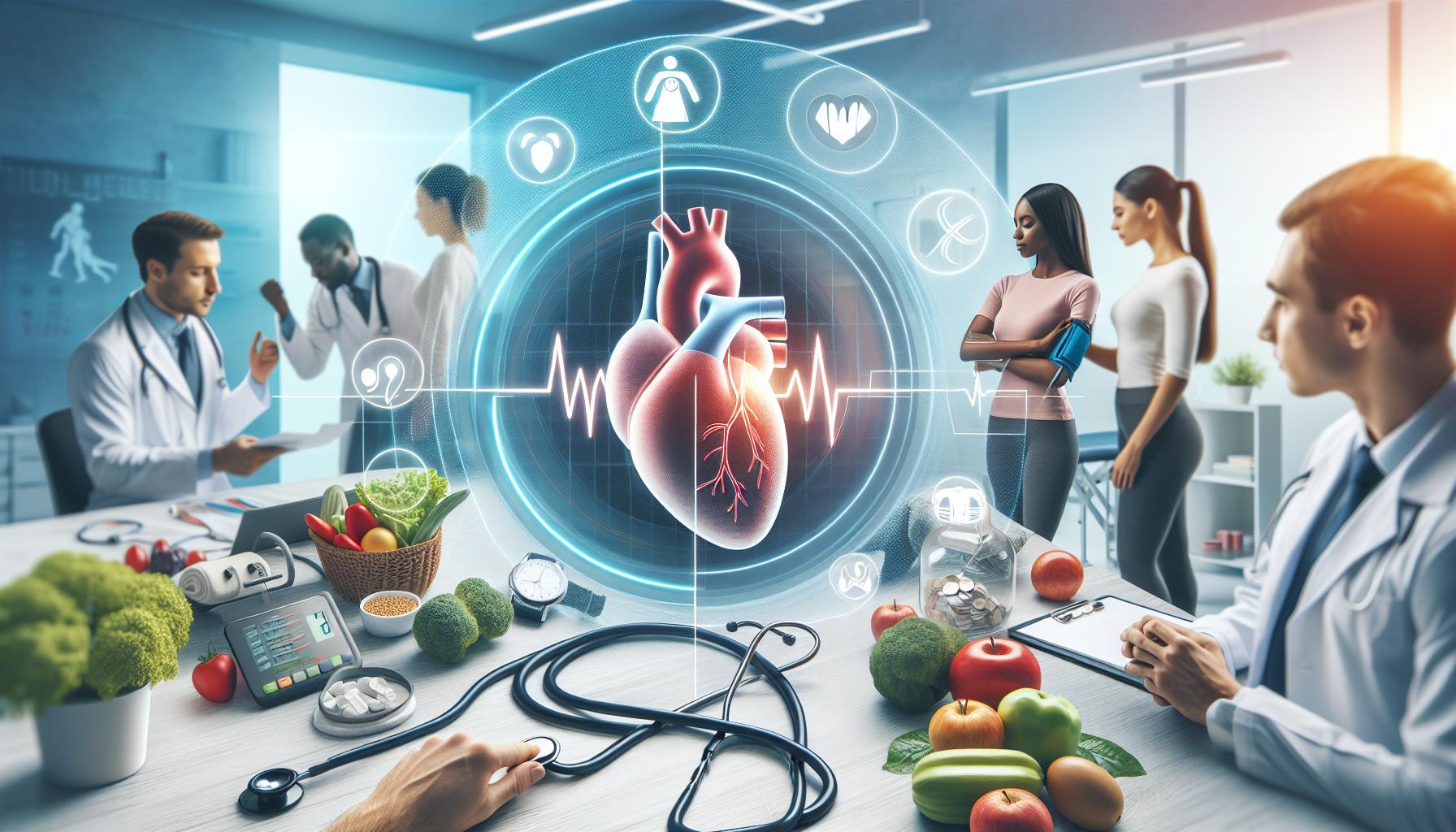
High blood pressure can take a silent toll on your vision, often without noticeable symptoms until significant damage has occurred. The intricate network of blood vessels in the eyes is particularly vulnerable to the effects of hypertension. Increased pressure can lead to constricted or leaking vessels, particularly in the retina, which is essential for clear vision. As these changes progress, they can provoke serious complications, making understanding the relationship between blood pressure and vision health crucial for proactive management and preservation of sight.
The connection between blood pressure and eye health is exemplified in the condition known as hypertensive retinopathy. This occurs when prolonged elevated blood pressure damages the retina’s blood vessels, leading to progressive vision issues. In the early stages, symptoms may be imperceptible; however, as damage accumulates, users might experience visual distortions or even loss of vision. Regular eye examinations are vital for detecting these initial changes. Eye care professionals can identify subtle manifestations of hypertensive retinopathy, often guaranteeing intervention before significant vision impairment occurs.
In addition to hypertensive retinopathy, high blood pressure is associated with other serious ocular conditions, such as choroidopathy, a condition where fluid accumulates under the retina, and optic neuropathy, which can potentially lead to blindness. Monitoring and managing blood pressure is essential not only for cardiovascular health but also as a preventive measure against these eye disorders. Individuals diagnosed with hypertension should incorporate routine eye care into their health management plan, emphasizing the importance of regular checks with an eye care specialist who can tailor screening and treatment based on individual risks and conditions.
Achieving and maintaining healthy blood pressure requires an active approach involving lifestyle modifications. Engaging in regular physical activity, adhering to a heart-healthy diet, and managing stress can significantly mitigate the risks associated with high blood pressure. Empower yourself by keeping track of your blood pressure readings, and work collaboratively with healthcare providers to ensure that you’re not only safeguarding your heart but also preserving your eyesight for years to come. By making these adjustments and prioritizing health, individuals can significantly enhance their quality of life and vision longevity.
Common Eye Disorders Linked to Hypertension
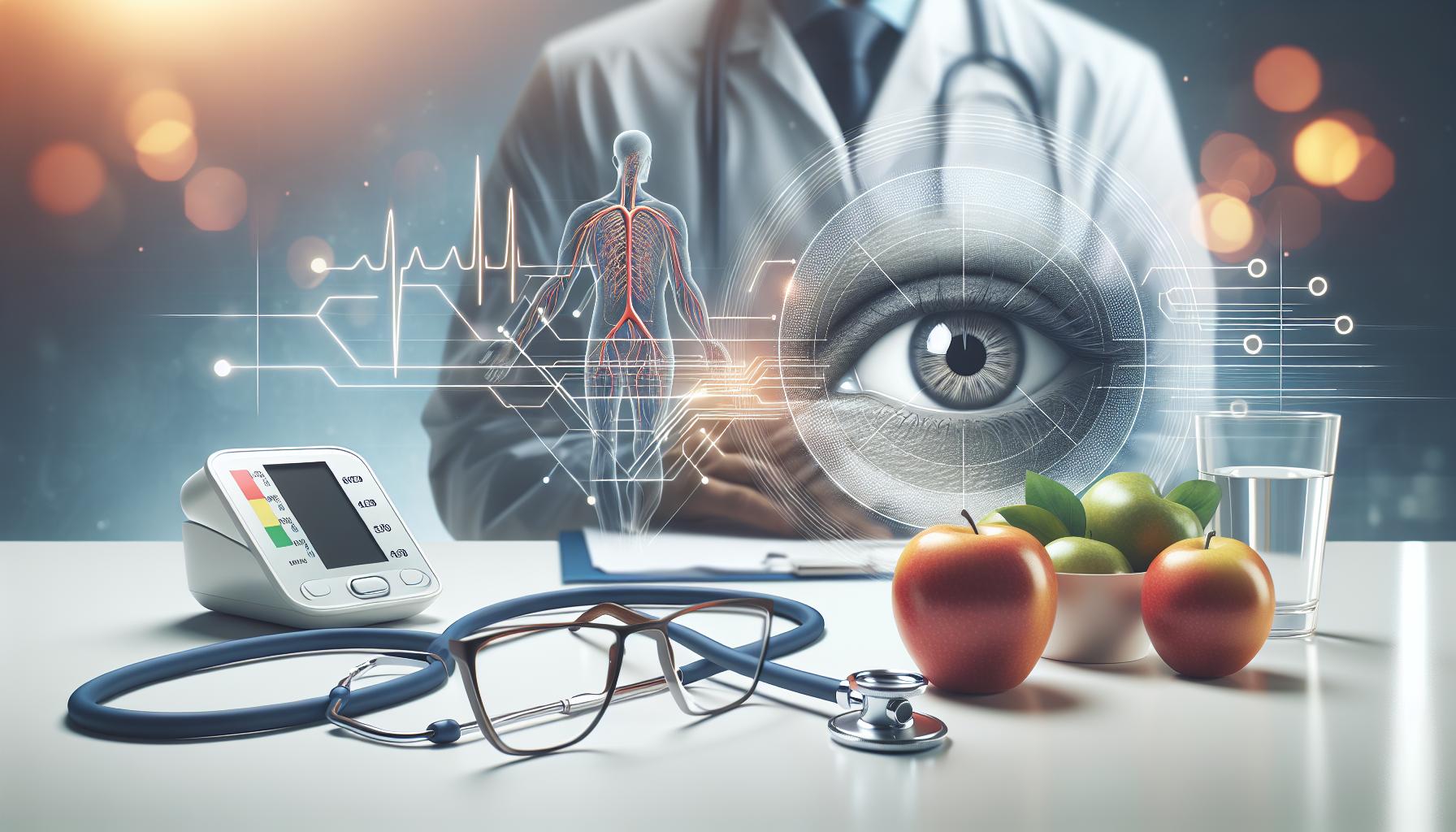
Prolonged high blood pressure not only impacts your heart but also poses significant risks to your eye health. One of the primary eye disorders linked to hypertension is hypertensive retinopathy, a condition characterized by damage to the retina’s blood vessels due to elevated blood pressure. Over time, sustained high blood pressure can lead to changes in the retinal blood vessels, which may appear as narrowing or leakage-changes that can cause visual disturbances or even blindness if not monitored and managed effectively.
In addition to hypertensive retinopathy, individuals with high blood pressure may experience other serious eye conditions. Choroidopathy occurs when fluid leaks under the retina, potentially leading to distorted vision. This condition stems from the same vascular damage caused by persistent hypertension. Similarly, optic neuropathy involves damage to the optic nerve, which can result in vision loss. Both conditions highlight the urgency of keeping blood pressure within a healthy range to preserve proper ocular function.
To actively reduce the risk of developing these eye disorders, it is essential to maintain regular monitoring of your blood pressure. Aim for regular check-ups and communicate openly with your healthcare providers about your numbers and any vision changes you may notice. Incorporating a heart-healthy diet, regular exercise, and stress management techniques can significantly mitigate the effects of hypertension and protect your eyesight. By prioritizing these practices, you empower yourself to take charge of your overall well-being, promoting both cardiovascular and vision health for a better quality of life.
Symptoms of Vision Problems Due to Blood Pressure
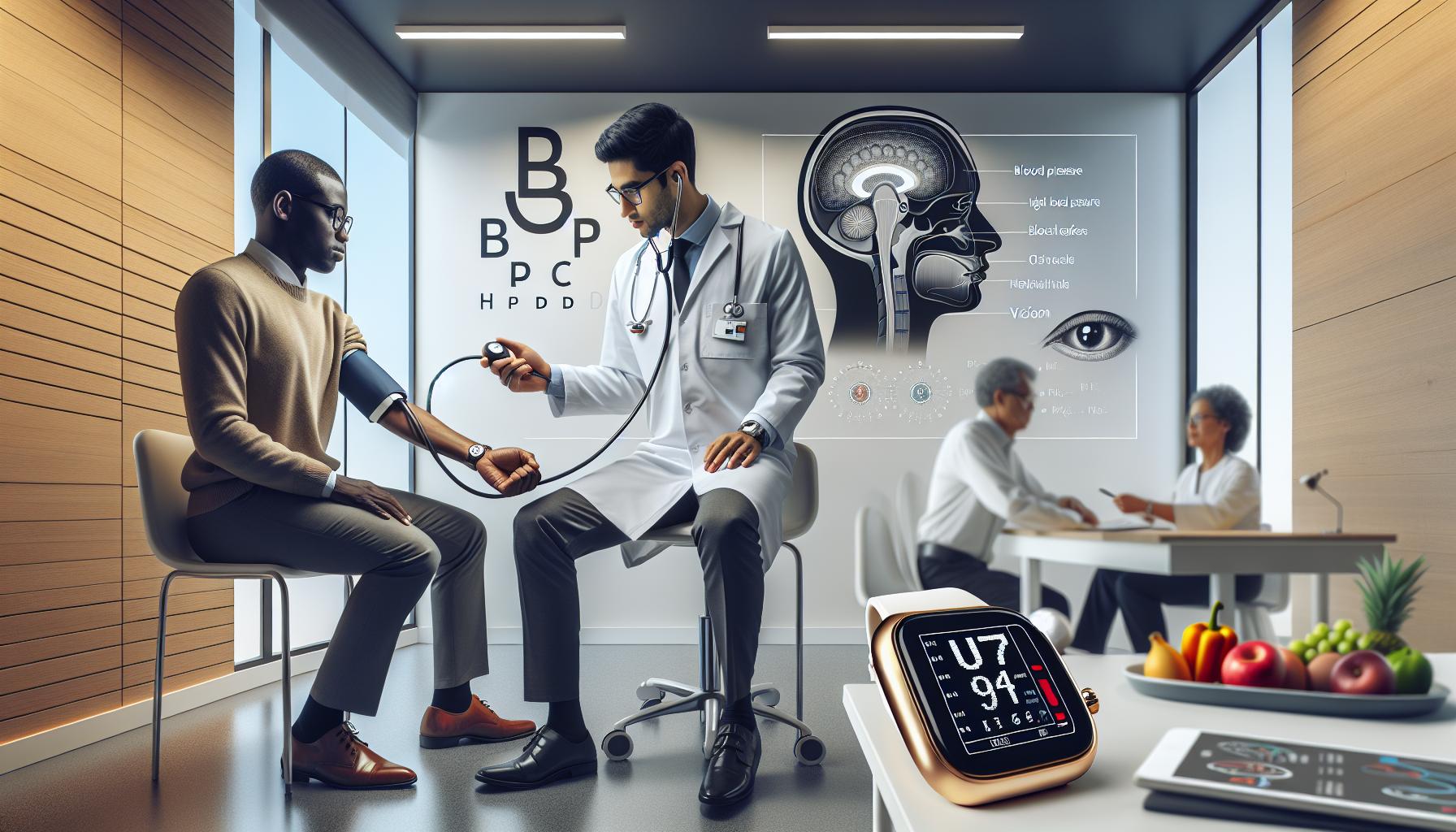
Prolonged high blood pressure can quietly wreak havoc on your vision, often before noticeable symptoms arise. Many individuals may not realize that the eyes can be affected by hypertension until they experience significant vision problems. Early detection of these symptoms is crucial for preserving eye health and preventing irreversible damage. Understanding the signs to watch for can empower individuals to take proactive steps in managing their blood pressure and overall eye health.
Common symptoms associated with vision issues stemming from high blood pressure include:
- Blurred or Distorted Vision: Sudden blurriness or distortion can indicate retinal damage. Patients may describe seeing wavy lines or misshapen objects.
- Visual Field Loss: Some individuals may experience a reduction in their field of vision, missing parts of what they see. This can be alarming and is often related to optic nerve damage.
- Floaters and Flashes: Detecting more floaters (small spots or strings that float across the field of vision) or flashes of light may suggest changes in the retina caused by high blood pressure.
- Difficulty Focusing: Struggling to focus on objects can signal blurry vision and may indicate vascular stress in the retinal tissue.
- Changes in Color Vision: Some may notice differences in the vibrancy or perception of colors, suggesting that the blood vessels in the eyes are not functioning properly.
It’s crucial for those with high blood pressure to monitor their ocular symptoms closely. If one notices any of these signs, it’s important to consult an eye care professional promptly. Regular eye examinations play a pivotal role in early detection and intervention, potentially alleviating serious long-term consequences. Adopting a vigilant approach towards monitoring both blood pressure and vision can significantly enhance your quality of life, keeping your eyesight clear and healthy.
Monitoring Your Blood Pressure for Eye Health
Monitoring your blood pressure regularly is a crucial step towards protecting your vision. High blood pressure often develops silently, meaning many individuals may not be aware they have it until they begin to experience associated health issues, including eye complications. The relationship between hypertension and vision health underscores the importance of proactive blood pressure management. By keeping tabs on your blood pressure, you can identify potential problems early and seek timely medical intervention.
To effectively monitor your blood pressure at home, consider investing in a reliable, automatic blood pressure cuff. These devices are user-friendly and can provide quick readings. Measure your blood pressure at varying times of the day, ideally at the same times each week, to establish a baseline. Aim for at least two readings spaced apart by a few minutes; this can help you identify any fluctuations. Keep a log of your readings, noting the date and time, to share with your healthcare provider during check-ups.
Here are some tips to help maintain an accurate monitoring routine:
- Follow the Guidelines: Sit quietly for a few minutes before taking your measurement. Ensure the cuff is snugly wrapped around your upper arm and that you are seated with your feet flat on the floor.
- Stay Consistent: Take readings at the same times and under similar conditions to enhance accuracy. Consistency allows you to observe trends over time.
- Record Your Results: Document your readings along with any notes regarding lifestyle changes, medication adjustments, or symptoms. This record can provide valuable insights for you and your doctor.
- Seek Professional Guidance: Share any concerns or patterns you observe with your doctor, who can help tailor a management plan suited to your specific needs.
By integrating blood pressure monitoring into your routine, you empower yourself to take charge of your health. Understanding the potential impact of hypertension on your eyes encourages responsible healthier living. Regular monitoring not only helps detect hypertension but also serves as an early warning system for any visual disturbances that may arise. Each reading brings you one step closer to safeguarding your eyesight and overall well-being.
Preventative Tips for Healthy Vision
Maintaining healthy vision while managing blood pressure involves proactive lifestyle choices and regular health screenings. Small changes can significantly impact both your eye health and overall well-being. For instance, adopting a balanced diet rich in fruits, vegetables, whole grains, and lean proteins can support healthy blood pressure levels, which in turn benefits your eyesight. Foods high in omega-3 fatty acids, such as salmon and flaxseeds, are particularly essential for eye health, helping to reduce the risk of conditions linked to hypertension.
Regular physical activity is another key component. Engaging in at least 150 minutes of moderate aerobic exercise each week can lower blood pressure and reduce stress, both of which are beneficial for your eyes. Activities such as walking, swimming, or cycling not only help to maintain a healthy weight but also improve circulation, ensuring that your eyes receive an adequate supply of oxygen and nutrients.
Additionally, managing stress through practices like yoga, meditation, or deep-breathing exercises can significantly affect your blood pressure levels and overall eye health. Finding effective stress management techniques is essential because high stress can lead to spikes in blood pressure, which may worsen eye-related issues.
Lastly, don’t underestimate the importance of regular eye exams. They provide a comprehensive insight into your eye health and can help detect early signs of conditions such as hypertensive retinopathy. These exams can also serve as an opportunity to discuss your blood pressure management with your healthcare provider, ensuring you receive tailored advice to support both your vision and overall health. By prioritizing these preventative measures, you empower yourself to protect your eyesight and enjoy a healthier lifestyle.
Treatment Options for Eye Issues Related to Hypertension
Experiencing changes in vision can be alarming, especially when linked to high blood pressure. Fortunately, understanding treatment options can empower those affected to take proactive steps toward safeguarding their eye health. Whether you are dealing with hypertensive retinopathy or other vision issues related to elevated blood pressure, various interventions can help mitigate damage and improve outcomes.
Medications play a crucial role in managing eye health impacted by hypertension. Antihypertensive medications aim to control blood pressure levels, thereby reducing the risk of eye damage. Your healthcare provider might prescribe classes of drugs such as ACE inhibitors, diuretics, or calcium channel blockers, each tailored to your specific health profile. These medications not only help manage your blood pressure but may also have protective effects on the tiny blood vessels in the eyes.
Lifestyle Adjustments
Alongside medical treatments, making lifestyle adjustments is vital in managing hypertension and its effects on vision. Implementing a healthy diet is one of the most effective changes you can make. Focus on incorporating foods rich in antioxidants, such as leafy greens, carrots, and berries, which can support ocular health. Additionally, maintaining a regular exercise regimen can have a profound impact-both in lowering blood pressure and enhancing blood circulation to the eyes.
Stress management techniques can also help. Methods like yoga, meditation, or even simple breathing exercises can lower stress-induced blood pressure spikes, ultimately benefiting your vision. If applicable, consider working with a nutritionist or physical trainer to create a personalized plan that balances your dietary needs with your physical abilities, making lifestyle changes more manageable and effective.
Regular Eye Exams
Finally, regular comprehensive eye examinations are critical in preventing and treating eye issues linked to hypertension. These exams can detect early signs of damage, such as changes in retinal blood vessels, allowing for timely intervention. If vision changes are noted, your eye care professional may recommend treatments such as laser therapy or anti-VEGF injections for conditions like diabetic retinopathy that may arise from prolonged hypertension. Always seek guidance from your healthcare provider to ensure that you are taking the right steps tailored to your personal health situation.
By proactively engaging with healthcare providers and making informed lifestyle choices, you can significantly influence your eye health. Embracing these treatment options fosters a strong connection between managing blood pressure and maintaining vision clarity, encouraging a healthier-lived experience overall.
The Role of Diet and Lifestyle in Blood Pressure and Eye Health
Maintaining a healthy diet and lifestyle plays a pivotal role in managing blood pressure and, consequently, supporting eye health. Research has shown that dietary choices can significantly influence blood pressure levels; hence, making informed nutritional decisions is essential for anyone concerned about their vision. Foods rich in potassium, magnesium, and dietary fiber can help regulate blood pressure. For instance, incorporating fresh fruits, vegetables, whole grains, and legumes into your meals can effectively contribute to this goal. In particular, the DASH (Dietary Approaches to Stop Hypertension) diet focuses on these foods, emphasizing low sodium intake and promoting healthier eating habits that can benefit both blood pressure and eye health.
Regular physical activity is another critical component in this equation. Exercise improves cardiovascular health, aids in maintaining a healthy weight, and helps reduce stress-all factors that contribute to lower blood pressure. Aim for at least 150 minutes of moderate aerobic activity each week, which can include walking, cycling, or swimming. These activities also enhance circulation, ensuring that essential nutrients reach the eyes more effectively. Pairing exercise with adequate hydration is crucial; staying well-hydrated helps maintain optimal blood volume and pressure.
Stress management techniques are equally vital, as chronic stress can lead to hypertension and negatively impact ocular health. Finding ways to incorporate relaxation into your daily life-through practices such as yoga, meditation, or deep-breathing exercises-can lower stress levels and support overall well-being. Establishing a consistent routine that includes time for self-care can help protect your eye health by mitigating stress-induced fluctuations in blood pressure.
By prioritizing a holistic approach that includes a balanced diet, regular exercise, and effective stress management, individuals can take proactive steps in lowering blood pressure and preserving their vision. Always consult with healthcare professionals to tailor these lifestyle changes to your specific health needs and to explore any preventive measures that may further enhance your eye health.
Understanding Hypertensive Retinopathy
Hypertensive retinopathy is a serious eye condition that arises from uncontrolled high blood pressure, potentially leading to significant vision problems. As blood pressure rises, it can cause damage to the blood vessels in the retina, the light-sensitive layer at the back of the eye. This damage may lead to vision impairment and, in severe cases, can even result in blindness if not managed effectively. Understanding how hypertensive retinopathy develops, its symptoms, and the necessary preventive measures is crucial for safeguarding your eye health.
The condition typically progresses through stages, beginning with mild changes in the retinal blood vessels. These changes can include narrow or constricted arteries, which may be noticed during a routine eye examination. As hypertension worsens, more severe symptoms, such as bleeding or swelling in the retina, can occur-ultimately impacting your vision. Common symptoms may not manifest until the condition has reached an advanced stage, highlighting the importance of regular eye examinations, especially for individuals with known hypertension.
- Monitor Your Blood Pressure: Keeping your blood pressure within a healthy range through regular monitoring can greatly reduce the risk of developing hypertensive retinopathy. Aim for regular check-ups with your healthcare provider.
- Recognize Warning Signs: If you experience sudden changes in your vision, such as blurriness or loss of vision, it’s crucial to seek medical attention immediately.
- Adopt a Heart-Healthy Lifestyle: Engage in regular physical activity, maintain a balanced diet rich in fruits and vegetables, and manage stress effectively to control blood pressure levels.
Maintaining an overall healthy lifestyle can play a pivotal role in mitigating the risks associated with hypertensive retinopathy. Lifestyle changes, such as incorporating the DASH diet-high in fruits, vegetables, and whole grains while low in sodium-can effectively lower blood pressure. Consistent exercise and stress-relief practices like mindfulness and yoga can also contribute to better management of blood pressure levels. Always ensure that your healthcare team is aware of your eye health and hypertension management, as this collaborative approach can help safeguard your vision for the long term.
When to Seek Eye Care for Blood Pressure Concerns
High blood pressure is often dubbed the “silent killer” due to its a myriad of health consequences, including its impact on vision. It’s essential to recognize when it’s time to consult an eye care specialist, as ignoring symptoms can lead to serious complications like hypertensive retinopathy. If you are living with high blood pressure, staying vigilant about changes in your eyesight is crucial for maintaining your overall health.
One of the first signs that your blood pressure may be affecting your vision can be sudden changes in clarity or field of vision. If you experience symptoms such as blurriness, double vision, or partial vision loss, it is vital to seek eye care immediately. These symptoms could indicate damage to the retinal blood vessels, which necessitates prompt medical attention. Regular eye exams provide an opportunity for early detection and intervention before conditions worsen.
In addition to acute symptoms, regular eye examinations play a significant role in proactive eye care for individuals with hypertension. These check-ups can help detect any subtle changes in the retina that might not be apparent to you but are critical for preventing vision loss. Aim to discuss your blood pressure management with your eye care provider, as they can offer tailored advice on maintaining your vision while managing hypertension.
Furthermore, be proactive about monitoring your blood pressure at home. Keeping a log of your readings and any accompanying symptoms can facilitate more productive discussions with both your healthcare provider and eye specialist. Should you notice persistent high readings or related vision issues, do not hesitate to seek immediate care. Early intervention is key to ensuring a healthier future for your eyes and overall wellbeing. Remember, empowered awareness is your first line of defense against the eye health complications associated with high blood pressure.
The Importance of Regular Eye Examinations
Regular eye examinations are a critical component of maintaining vision health, particularly for individuals managing high blood pressure. What many may not realize is that these check-ups can reveal more than just the need for updated prescriptions; they can also serve as a crucial window into one’s overall health, highlighting potential issues such as hypertensive retinopathy before they escalate into severe complications. Early detection of changes in the retina-indicative of blood vessel damage due to elevated blood pressure-can be pivotal in preserving eyesight.
During a comprehensive eye exam, optometrists and ophthalmologists employ various techniques to assess retinal health, including fundus photography and optical coherence tomography. These sophisticated methods allow eye care professionals to detect changes in the blood vessels of the retina. Such changes may be subtle and unnoticeable to the patient, making regular visits essential. For those living with hypertension, these exams provide an opportunity for eye care providers to establish a baseline and monitor any progression or changes over time, ensuring that any necessary interventions can be initiated early.
In addition, these appointments are an excellent time to discuss blood pressure management strategies with your eye care provider. Integrating eye health into your overall health management plan fosters a more holistic approach, enabling you to tackle prevention with a multifaceted strategy. For instance, keeping a log of blood pressure readings, diet, and any visual symptoms can provide valuable insights during consultations, enhancing the collaborative effort between you and your healthcare teams.
By prioritizing regular eye exams-typically recommended annually for individuals with hypertension-you equip yourself with the tools needed to safeguard your vision. As you invest in your eye health, remember that early detection is not just a safeguard against vision loss; it’s a crucial measure in your overall health and quality of life. Empower yourself with knowledge and proactive care routines, and don’t hesitate to reach out to eye care professionals, especially when experiencing changes in your vision or health status. Your eyes are not just windows to the world; they are mirrors reflecting your overall well-being.
Future Research Directions: Blood Pressure and Vision Health
The intricate relationship between blood pressure and vision health is an area ripe for further research, highlighting the need for ongoing investigation into how hypertension impacts ocular conditions and overall eye functionality. As an estimated 1.28 billion people live with hypertension globally, understanding its long-term effects on vision is not just important; it is essential for developing comprehensive strategies aimed at preserving eye health.
Emerging Areas of Research
Future studies are likely to explore the biological mechanisms linking elevated blood pressure to specific eye disorders, such as hypertensive retinopathy, glaucoma, and age-related macular degeneration. Researchers are particularly interested in how chronic hypertension contributes to vascular damage within the retina, potentially leading to irreversible vision loss. Investigating genetic predispositions to these alterations may also shed light on why certain individuals experience more severe symptoms than others despite similar blood pressure levels.
Innovative Monitoring Techniques
As technology evolves, innovative non-invasive imaging techniques, like advanced optical coherence tomography, might become more prevalent in clinical settings. These techniques could enable ophthalmologists to detect vascular changes in ocular structures much earlier than traditional methods. Additionally, wearable technology that continuously monitors blood pressure and its fluctuations may revolutionize how patients manage their hypertension while also providing real-time data to eye care specialists, allowing for timely interventions.
The Role of Lifestyle and Prevention
Research is also expected to increasingly focus on lifestyle factors that contribute to both hypertension and eye health. This includes examining the impact of diet, physical activity, and stress management techniques on reducing blood pressure levels and mitigating their harmful effects on vision. Community-based studies could provide valuable insights into how public health initiatives aimed at education and awareness can effectively lower the incidence of hypertension and its subsequent vision-related complications.
In conclusion, as we look to the future, a multidisciplinary approach that combines insights from cardiology, ophthalmology, and lifestyle medicine will be essential in unraveling the complex interplay between blood pressure and vision health. By fostering collaboration across these fields, we can enhance our understanding and develop more effective preventive measures and treatment strategies, ultimately fostering a healthier and clearer future.
FAQ
Q: How does high blood pressure lead to vision problems?
A: High blood pressure can damage the blood vessels in the retina, leading to hypertensive retinopathy. This condition disrupts blood flow and can result in vision changes such as blurred vision, double vision, or even permanent vision loss. Regular eye exams are essential for early detection and management.
Q: What are the early signs of vision damage from high blood pressure?
A: Early signs include blurred vision, seeing spots or floaters, and difficulty focusing. If you experience these symptoms, it’s crucial to consult with an eye care professional promptly to assess any potential damage related to blood pressure issues.
Q: Can lowering blood pressure improve eyesight?
A: Yes, lowering high blood pressure can help improve eye health. By managing hypertension, you reduce the risk of complications like retinal damage. Regular monitoring and lifestyle changes, such as a healthy diet and exercise, can contribute to both eye health and blood pressure management.
Q: What lifestyle changes can help prevent vision problems associated with high blood pressure?
A: Adopting a healthy diet rich in fruits, vegetables, and whole grains, reducing salt intake, exercising regularly, and avoiding tobacco use can significantly lower blood pressure and protect your vision. Additionally, maintaining a healthy weight plays a vital role in both blood pressure and eye health.
Q: When should I see a doctor for blood pressure-related vision concerns?
A: If you notice sudden changes in your vision, such as a decrease in quality or visual field loss, seek medical attention immediately. Regular check-ups are also important if you have a history of high blood pressure to monitor for potential vision-related complications.
Q: Are there specific eye disorders linked to high blood pressure?
A: Yes, several eye disorders are associated with high blood pressure, including hypertensive retinopathy, choroidopathy, and optic neuropathy. Identifying and addressing these conditions early can prevent significant vision loss. Regular eye examinations are critical.
Q: Why is it important to monitor blood pressure for eye health?
A: Monitoring blood pressure is crucial for eye health because uncontrolled hypertension can lead to severe eye conditions like retinal damage and glaucoma, potentially resulting in vision loss. Keeping blood pressure within a healthy range protects not just your heart, but your eyes as well.
Q: How often should I have my eyes examined if I have high blood pressure?
A: Individuals with high blood pressure should have their eyes examined at least once a year, or more frequently if advised by a healthcare provider. This frequency allows for early detection of any changes that may affect vision, ensuring timely intervention and management.
The Conclusion
Understanding the connection between blood pressure and eyesight is crucial for maintaining your vision health. By monitoring your blood pressure and taking proactive steps toward a healthier lifestyle, you can significantly reduce your risk of vision-related issues. If you have concerns, consider consulting an eye care specialist or a healthcare professional for personalized guidance.
For more insights on managing your health, explore our articles on “The Impact of Hypertension on Overall Health” and “Best Practices for Eye Care” to enhance your knowledge further. Don’t miss out on valuable tips-sign up for our newsletter to stay updated on the latest in vision health and wellness. Join the conversation in the comments below or share your thoughts on social media! Your health journey is important, and we’re here to support you every step of the way.


