


High blood pressure, often termed the “silent killer,” can go unnoticed until it leads to serious health issues. Understanding how high blood pressure feels is crucial for early detection and management. Many people may experience subtle symptoms, such as headaches, fatigue, or shortness of breath, without realizing that these could indicate elevated blood pressure levels.
Recognizing these signs is vital for safeguarding your cardiovascular health and preventing complications. If you’ve felt unwell but couldn’t pinpoint a cause, understanding the symptoms of high blood pressure could provide the clarity you need. In this article, we will dive deeper into what high blood pressure feels like, equipping you with the knowledge to monitor your health effectively and take proactive steps toward a healthier life. So, let’s explore the often-overlooked signs of high blood pressure and empower you to take charge of your health.
Understanding High Blood Pressure Symptoms
High blood pressure, often referred to as hypertension, is a prevalent health issue that can quietly escalate without clear symptoms, earning its reputation as a “silent killer.” Many individuals may not realize they have high blood pressure until it results in more serious health problems. Understanding the common signs associated with high blood pressure can empower individuals to take proactive steps in managing their health.
While hypertension can occur without noticeable symptoms, some individuals may experience a few indicators that can signal rising blood pressure levels. These can include persistent headaches, shortness of breath, or nosebleeds. However, these signs are not definitive, and most people with high blood pressure do not exhibit any symptoms at all. Regular monitoring of blood pressure is critical for detection, as untreated hypertension can lead to significant health complications such as heart disease, stroke, and kidney failure.
Recognizing the often subtle nature of high blood pressure is essential. For many, the first sign may only appear during a routine medical examination or blood pressure screening. This is why the World Health Organization emphasizes the importance of regular check-ups and awareness of blood pressure levels, particularly since lifestyle choices and genetics play a significant role in hypertension risk.
To effectively manage blood pressure, individuals should develop a consistent monitoring routine. This can involve using a home blood pressure monitor or maintaining regular visits to a healthcare provider. Knowing one’s numbers not only helps identify potential issues early but also serves as motivation for making necessary lifestyle changes, such as improving diet and increasing physical activity, both of which can positively influence blood pressure management.
Common Signs of High Blood Pressure
High blood pressure, often referred to as hypertension, can develop without obvious symptoms, making it a stealthy and potentially dangerous health condition. Many people remain blissfully unaware of their elevated blood pressure until it shows up in serious health issues, highlighting the importance of awareness and regular monitoring. While some may experience symptoms, they are generally mild and can easily be attributed to other causes. Being able to recognize the signs can empower individuals to take charge of their health.
Common indicators of high blood pressure can include:
- Headaches: Recurring or severe headaches can occasionally signal high blood pressure, particularly when they are throbbing.
- Shortness of Breath: Feeling out of breath during normal activities may indicate increased strain on the heart.
- Nosebleeds: Frequent nosebleeds can sometimes be a sign of elevated blood pressure.
- Face Flushing: Redness in the face or feeling flushed could be indicative of rising blood pressure levels.
- Chest Pain: While a more serious symptom, any chest discomfort should be taken seriously and evaluated by a healthcare professional.
However, these symptoms are not definitive indicators of hypertension, as many individuals with high blood pressure may not experience any symptoms at all. This highlights the critical importance of routine monitoring; regular blood pressure checks can detect issues early, facilitating timely lifestyle adjustments or medical interventions.
To maintain optimal blood pressure levels, proactive management-including lifestyle changes like enhancing diet, increasing physical activity, and managing stress-can be immensely beneficial. Simple habits, such as checking blood pressure at home or during doctor visits, empower individuals by providing a clear picture of their health status. Staying informed and taking action is key to preventing complications associated with high blood pressure, underscoring the motto: knowledge is power.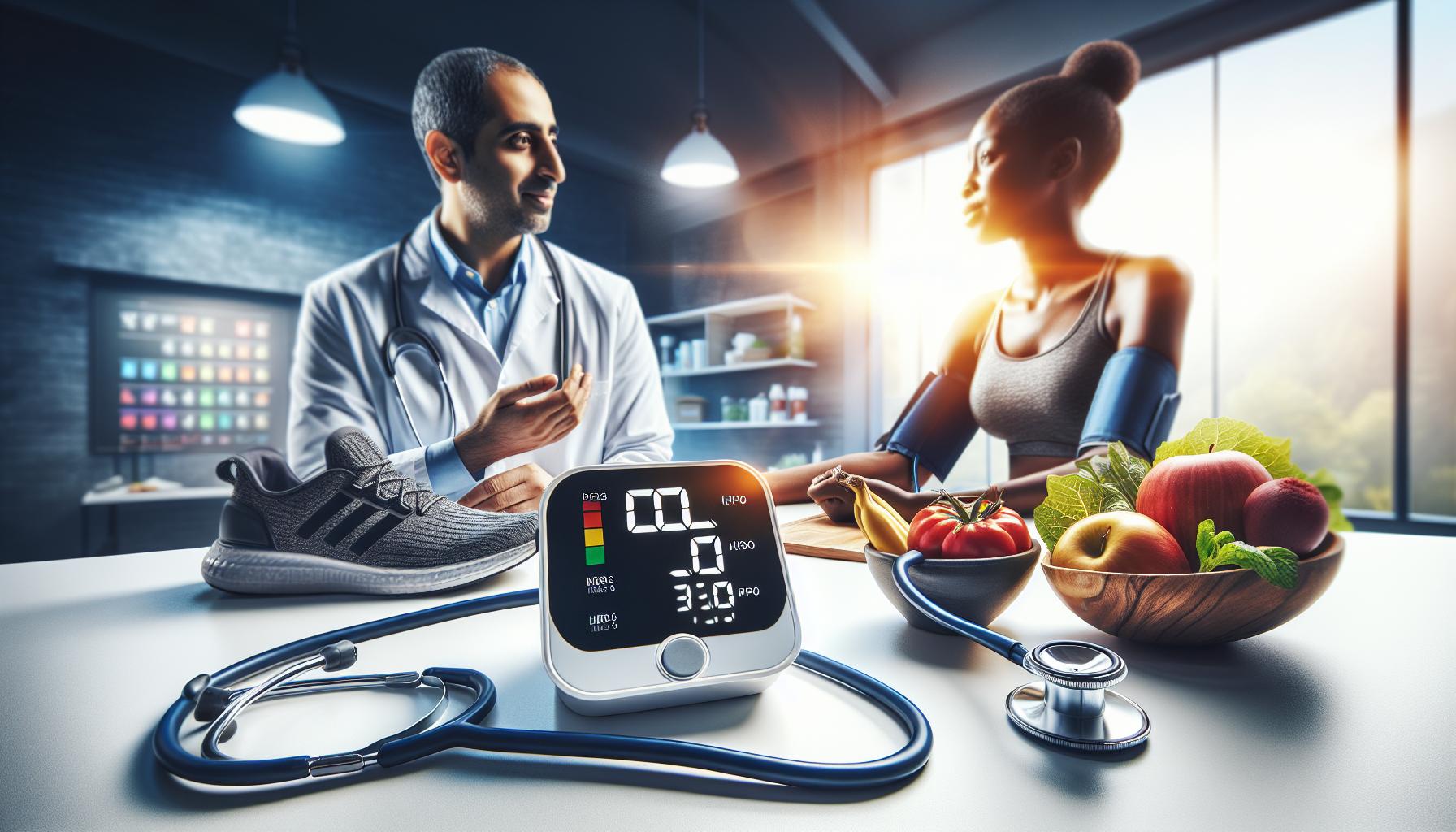
How High Blood Pressure Affects Your Body
High blood pressure, or hypertension, can have profound effects on various systems within your body, often paving the way for serious health complications. As blood vessels tighten and resist the flow of blood, it forces the heart to work harder. This increased workload can lead to significant conditions such as heart disease, stroke, and kidney damage. Even if you feel fine, the internal damage may be silently accumulating, underscoring the need for vigilant monitoring and management.
In detail, high blood pressure can lead to the following issues:
Heart Complications
The heart can suffer structurally and functionally from sustained high blood pressure. Over time, the heart’s chambers may become enlarged (left ventricular hypertrophy), making it less efficient at pumping blood. Eventually, this can lead to heart failure, where the heart can no longer meet the body’s demands.
Brain and Stroke Risks
Hypertension significantly increases the risk of stroke. Chronic high blood pressure can contribute to the rupture of blood vessels in the brain or cause clots to form, disrupting blood flow. Even mild elevations in blood pressure can raise this risk, reinforcing the importance of maintaining healthy levels.
Kidney Damage
The kidneys filter waste from your blood, and high blood pressure can damage the blood vessels within these organs. This damage can impair their function, eventually leading to chronic kidney disease or even kidney failure. Regular check-ups can help track kidney health, especially for those with a history of hypertension.
Vision Problems
High blood pressure can also affect vision. It can damage the blood vessels in the retina (hypertensive retinopathy), potentially leading to vision loss or other eye problems. Regular eye examinations can help catch these changes early.
Taking proactive steps can drastically reduce these risks. Regularly monitor your blood pressure at home using an automatic sphygmomanometer. Consider documenting your readings to share with your healthcare provider. Engage in lifestyle modifications, such as maintaining a balanced diet rich in vegetables, fruits, whole grains, and low-fat dairy, along with regular physical activity and proper management of stress. These strategies not only empower you to manage your blood pressure but also promote overall well-being, ultimately crafting a healthier future. Knowledge and action can change the trajectory of your health, making vigilance against hypertension a powerful ally.
Recognizing the Silent Nature of Hypertension
Hypertension often goes unnoticed, making it a silent but formidable health threat. Many individuals may not experience any symptoms, leading them to underestimate the serious nature of their condition. In fact, about one in three adults in the United States has high blood pressure, yet many are unaware due to the lack of warning signs. This emphasizes the importance of regular monitoring; countless people may live with elevated blood pressure for years, silently damaging their organs and increasing the risk of heart disease, stroke, and kidney failure.
Understanding the nature of hypertension entails recognizing that it can only be diagnosed through proper blood pressure readings. It’s defined as consistently having readings above 130/80 mm Hg, and many people may only learn about their high blood pressure during routine check-ups or when they begin to experience complications. A habitual approach to monitoring your blood pressure, even when feeling healthy, plays a critical role in catching hypertension early.
To enhance awareness and engagement in health management, consider incorporating the following steps:
- Regular Check-Ups: Schedule routine visits with your healthcare provider to measure your blood pressure and discuss any changes in your health.
- Home Monitoring: Invest in a reliable automatic blood pressure cuff for home use, allowing you to track your readings regularly. Make it a part of your daily routine, perhaps checking it at the same time each day.
- Document Readings: Keep a log of your blood pressure readings along with any lifestyle changes or medications. This can help you identify patterns and discuss them with your healthcare provider for better management.
Adopting these practices not only empowers individuals to take charge of their health but also mitigates the risks associated with untreated hypertension. Being proactive in recognizing the silent nature of this condition is key to long-term wellbeing and can ultimately lead to a healthier and more vibrant life.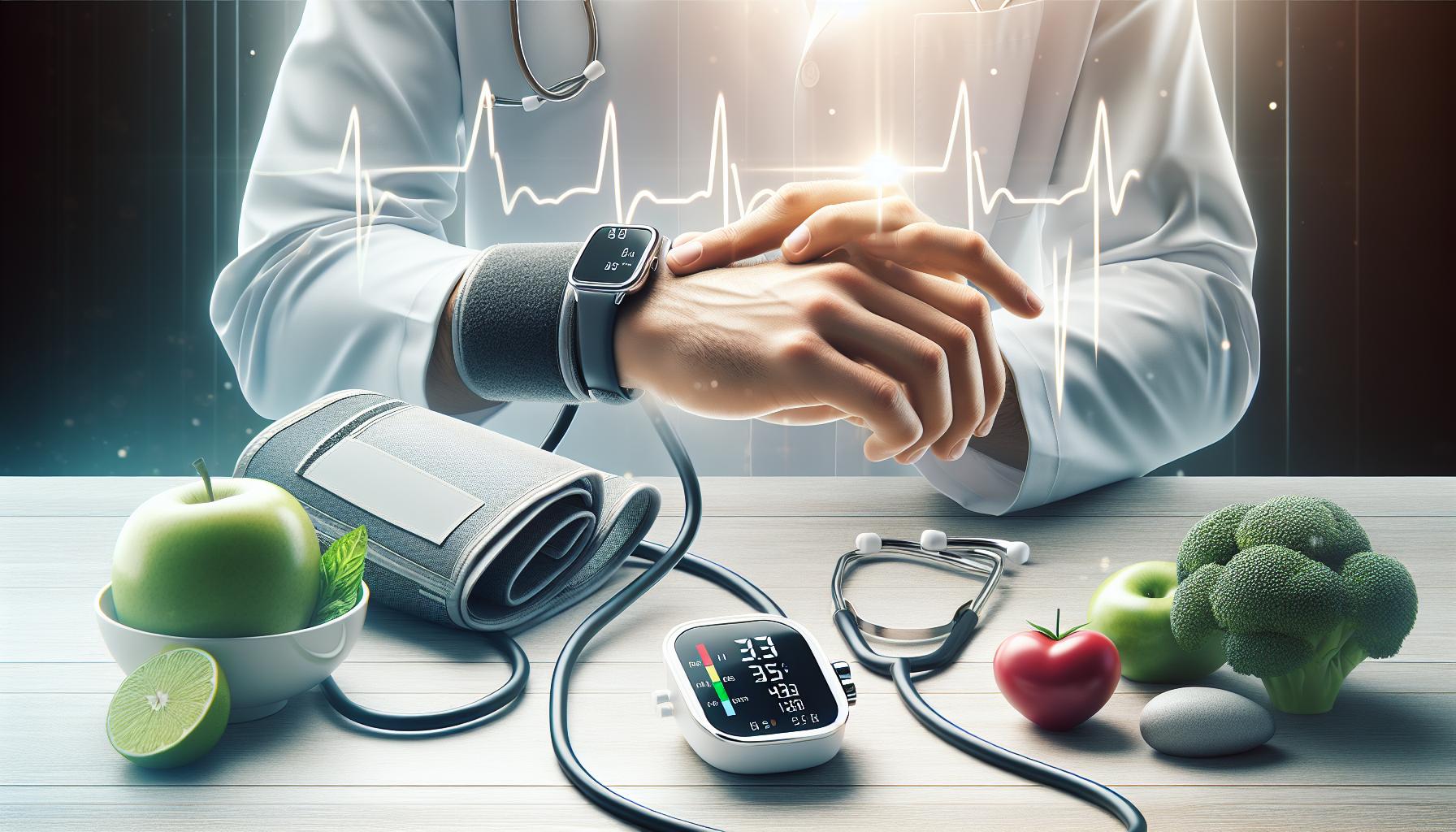
Differences Between High Blood Pressure and Other Conditions
Understanding high blood pressure requires recognizing how it differs from other cardiovascular and health conditions. For instance, high blood pressure, or hypertension, is often termed a “silent killer” because it typically does not present clear symptoms. This distinguishes it from other conditions such as heart disease or chronic kidney disease, where symptoms can be more apparent, like chest pain or fatigue. In contrast, hypertension can lead to these very illnesses without patients realizing they have a problem until significant damage has occurred.
Another crucial difference is in the nature of diagnosis. While conditions like diabetes or high cholesterol may be identified through specific blood tests or visible symptoms (like frequent urination in diabetes), hypertension necessitates regular blood pressure measurements. A reading consistently over 130/80 mm Hg indicates hypertension, whereas lower readings do not automatically indicate health issues, even if they fluctuate throughout the day. This reality underscores the importance of routine blood pressure monitoring, even for those who feel perfectly healthy.
It’s essential to differentiate between primary (essential) hypertension, which develops gradually and has no identifiable cause, and secondary hypertension, which is linked to underlying conditions such as kidney disease or hormonal disorders. Treatment approaches differ significantly: managing secondary hypertension often requires addressing its root cause, while primary hypertension typically focuses on lifestyle modifications and medication to control blood pressure levels.
Finally, understanding the emotional and mental health impacts associated with hypertension is vital. Anxiety and stress can aggravate high blood pressure, creating a cycle of worsening health if not addressed. By differentiating hypertension from other medical conditions and recognizing its unique aspects-such as silent progression and links to emotional health-individuals can better engage in proactive health management. Taking steps like maintaining a healthy lifestyle, monitoring blood pressure, and consulting healthcare providers regularly can contribute to long-term well-being and reduced risk of complications.
Emotional and Mental Health Impacts of Hypertension
High blood pressure, often labeled a “silent killer,” can quietly affect emotional and mental health, leading to a complex interplay of stress, anxiety, and overall well-being. For many individuals, simply knowing that they have hypertension can evoke feelings of fear and uncertainty about their future health. This emotional burden can increase anxiety levels, and in turn, this heightened stress may further elevate blood pressure, creating a troubling cycle that can feel overwhelming.
Addressing the emotional impacts of hypertension begins with acknowledging its effects. Individuals might find themselves experiencing heightened stress responses when thinking about their condition, leading to frustration or feelings of helplessness. It’s crucial for those living with high blood pressure to engage in healthy stress-reducing strategies. Activities such as mindfulness meditation, yoga, or simply taking time for hobbies can provide significant relief. These practices not only help in managing stress but can also contribute to better blood pressure control.
Empowerment Through Knowledge
Educating oneself about hypertension can be a powerful antidote to feelings of anxiety. Understanding the condition, including its causes, symptoms, and management strategies, provides individuals with a sense of control. Frequent dialogue with healthcare providers about one’s condition can pave the way for personalized management plans, alleviating concerns over the unknown. Additionally, joining support groups where individuals can share experiences and coping strategies can foster a sense of community and support, further easing emotional distress.
Practical Strategies for Managing Stress
Consider incorporating the following strategies to mitigate the emotional effects of high blood pressure:
- Regular Exercise: Engaging in physical activity has profound benefits for mental health and can help lower blood pressure.
- Mindfulness Meditation: Practicing mindfulness or engaging in breathing exercises can reduce anxiety and improve focus.
- Connect with Others: Foster relationships with supportive friends or family who understand your health journey.
- Create a Routine: Establishing a daily routine can provide structure and a sense of normalcy, which can alleviate anxiety symptoms.
Recognizing the is essential to effective management. By taking proactive steps to understand and address these psychological aspects, individuals can move towards a path of empowerment, enhance their overall well-being, and find steadiness amid the challenges posed by high blood pressure. Maintaining open lines of communication with healthcare providers and loved ones can significantly alleviate feelings of isolation and promote a more balanced approach to health.
Lifestyle Changes to Manage Blood Pressure
Making lifestyle changes is a crucial step towards managing high blood pressure effectively. Even small adjustments can make a significant difference in both your health and overall quality of life. Regular physical activity is one of the most powerful tools you can harness. Engaging in at least 150 minutes of moderate aerobic exercise per week, such as brisk walking, cycling, or swimming, can help lower blood pressure by improving heart health and promoting better circulation.
Diet plays a pivotal role in blood pressure management. The DASH (Dietary Approaches to Stop Hypertension) diet is particularly effective. This plan emphasizes fruits, vegetables, whole grains, and lean proteins while minimizing sodium, sugars, and saturated fats. Reducing salt intake to no more than 2,300 milligrams a day-and preferably under 1,500 milligrams-can greatly help lower blood pressure levels. Additionally, consider incorporating foods rich in potassium, such as bananas, sweet potatoes, and spinach, as potassium helps balance sodium levels in the body.
Stress management techniques also contribute significantly to lowering high blood pressure. Practicing mindfulness, meditation, and deep-breathing exercises can effectively reduce stress, which is known to exacerbate hypertension. Finding hobbies that you enjoy or reconnecting with friends and loved ones can provide a social support system that promotes emotional well-being.
Another important factor is maintaining a healthy weight. Even a modest reduction in weight can contribute to lowering your blood pressure. Aim for a body mass index (BMI) within the healthy range, and consider working with a healthcare provider or a nutritionist to create a tailored plan that suits your lifestyle.
Lastly, reducing alcohol consumption and quitting smoking are essential steps in managing blood pressure. Alcohol can raise blood pressure if consumed in excess, while smoking damages blood vessels and increases the risk of hypertension and heart disease.
By actively embracing these lifestyle changes, you’re not just managing high blood pressure-you’re investing in a healthier future. Empower yourself with knowledge, make gradual changes that fit your life, and monitor your progress. Each positive step, no matter how small, can lead to significant health benefits over time.
When to See a Doctor for Blood Pressure Concerns
Recognizing when to seek medical attention for blood pressure concerns can be crucial in managing your overall health. High blood pressure, often referred to as a “silent killer,” can exist without noticeable symptoms, making regular monitoring vital. If you experience episodes such as severe headaches, shortness of breath, or nosebleeds, these could be signs of hypertension that require immediate evaluation by a healthcare provider. Monitoring your blood pressure regularly at home or during routine check-ups can help you identify any unusual patterns or significant increases, prompting timely intervention.
It’s particularly important to consult a doctor if your readings consistently exceed 130/80 mmHg, which is the American Heart Association’s threshold for hypertension. Should you notice sudden spikes higher than your usual levels, or if you are managing existing hypertension and observe changes, don’t hesitate to reach out for professional advice. Your healthcare team can assess your situation from various angles, considering factors such as family history, lifestyle, and the presence of other conditions like diabetes or high cholesterol.
Steps to Take When Concerned About Blood Pressure:
- Monitor Regularly: Keep a log of your blood pressure readings to discuss with your doctor.
- Identify Lifestyle Factors: Reflect on any recent changes in diet, exercise, or stress levels that might be affecting your blood pressure.
- Prepare for Your Appointment: Write down any symptoms, questions, or concerns to ensure a comprehensive evaluation during your consultation.
Do not underestimate the importance of early detection and management. Taking proactive steps can significantly reduce the risk of complications such as heart disease or stroke. Remember, establishing a relationship with your healthcare provider is key in navigating these concerns effectively and safely. Embrace the knowledge that monitoring and managing your blood pressure is a powerful tool in maintaining your health and well-being.
How to Monitor Your Blood Pressure at Home
Monitoring your blood pressure at home is a crucial and empowering step in managing your health. With high blood pressure often labeled a “silent killer,” regular checks can help identify potential issues before they escalate, enabling timely interventions. Over the years, home monitoring has become increasingly accessible, thanks to advancements in technology. Digital blood pressure monitors are now available, offering convenience and accuracy, making it easier for individuals to keep track of their readings.
To begin monitoring your blood pressure at home effectively, follow these steps:
- Choose the Right Monitor: Select an automatic, cuff-style monitor that fits your arm properly. A cuff that is too small or too large can yield inaccurate readings. Consult your healthcare provider for recommendations on specific models that fit your needs.
- Prepare for the Measurement: Before taking a reading, ensure you are in a calm environment. Avoid caffeine, nicotine, and strenuous exercise for at least 30 minutes prior. Sit down in a comfortable chair with your back supported and feet flat on the floor. Rest for about 5 minutes before measuring.
- Take the Measurement:
– Place the cuff on your bare arm, about an inch above your elbow.
– Keep your arm at heart level and press the start button on your monitor.
– Remain still and quiet while the machine inflates the cuff. It will automatically deflate and provide a reading.
- Record Your Readings: After taking your measurement, note the date, time, and results in a log or on a mobile app. This will help track patterns over time. Ideally, take two or three readings each time, a minute apart, and average the results for accuracy.
- Understand Your Results: Normal blood pressure is considered to be less than 120/80 mmHg. If your readings consistently exceed 130/80 mmHg, consult your healthcare provider. Understanding the numbers can empower you to make lifestyle adjustments or seek medical advice when necessary.
- Share with Your Healthcare Provider: Bring your recorded readings to your next appointment. This history can help your doctor assess your condition and make informed decisions regarding treatment.
By integrating home monitoring into your routine, you can play an active role in managing your blood pressure. Empower yourself with the knowledge of your numbers and collaborate with your healthcare provider on effective strategies to maintain your health. Every step taken towards monitoring and managing your blood pressure can lead to a healthier, more vibrant life.
Diet and Nutrition for Healthy Blood Pressure
A balanced diet is a cornerstone of effective blood pressure management, serving not only to lower readings but also to enhance overall health. Incorporating specific nutrients can empower individuals to take control of their blood pressure while enjoying delicious meals. Research indicates that certain dietary patterns can significantly reduce hypertension risks and help maintain healthy blood pressure levels.
One of the most influential dietary approaches is the Dietary Approaches to Stop Hypertension (DASH) diet, known for its emphasis on fruits, vegetables, whole grains, and lean proteins. This diet is rich in potassium, magnesium, and fiber, all of which contribute to lowering blood pressure. Particularly, potassium helps balance sodium levels in the body, which is crucial in managing hypertension.
### Key Foods to Include
- Fruits and Vegetables: Aim for a variety of colors and types. Leafy greens, berries, banana, and beets are particular powerhouses for heart health.
- Whole Grains: Choose whole-grain bread, brown rice, quinoa, and oats to provide essential nutrients without the unhealthy fats found in refined grains.
- Lean Proteins: Incorporate fish, skinless poultry, legumes, and nuts. Fatty fish like salmon and mackerel are rich in omega-3 fatty acids, known for their heart-protective effects.
- Healthy Fats: Select sources of unsaturated fats such as avocados, olive oil, and fatty fish to promote vascular health.
### What to Avoid
Pay attention to your intake of sodium, added sugars, and saturated fats, which can all contribute to elevated blood pressure. Reducing processed foods and restaurant meals can greatly limit unnecessary sodium consumption. Aim for less than 2,300 mg of sodium per day, or ideally, 1,500 mg for those looking to optimize heart health.
Making gradual dietary changes and focusing on enjoyable food preparation can have a profound impact on your health journey. Experimenting with new recipes and flavors will not only enhance your meals but will also set the foundation for a long-term healthy eating pattern that supports blood pressure management. Sharing these meal choices with family or friends can turn healthy eating into a supportive community effort, further enhancing your commitment to well-being.
Medications and Treatments for High Blood Pressure
Managing high blood pressure often requires a comprehensive approach that combines lifestyle modifications with medication. It’s important to understand that while some individuals can control their blood pressure through diet and exercise alone, many may need pharmacological treatment to effectively bring their blood pressure to safer levels. In fact, medications can be a vital part of therapy for hypertensive patients with a history of cardiovascular disease or those who fail to achieve desired blood pressure reductions by lifestyle changes alone.
There are several classes of medications available, each with unique mechanisms of action. Common categories include:
1. Diuretics
These are often the first line of treatment. They work by helping the kidneys remove excess sodium and water from the body, which reduces blood volume and, consequently, blood pressure. Examples include hydrochlorothiazide and furosemide.
2. ACE Inhibitors
Angiotensin-converting enzyme (ACE) inhibitors relax blood vessels by preventing the conversion of angiotensin I to angiotensin II-a hormone that narrows blood vessels. These drugs, such as lisinopril and enalapril, help improve blood flow and lower pressure.
3. Calcium Channel Blockers
This class of medications, including amlodipine and diltiazem, prevents calcium from entering the heart and blood vessel cells, leading to relaxed blood vessels and lowered blood pressure.
4. Beta-Blockers
Beta-blockers, like metoprolol and atenolol, decrease the heart rate and the heart’s workload, contributing to lower blood pressure. They are often prescribed for patients with cardiovascular conditions in addition to hypertension.
It’s crucial for individuals on these medications to regularly monitor their blood pressure to evaluate treatment effectiveness and minimize side effects. Keeping a log that tracks readings can help identify patterns and is also beneficial during healthcare visits.
For those managing high blood pressure, open communication with healthcare providers is key. Discussions about medication side effects, required dosage adjustments, or changes in lifestyle can optimize treatment. Remember that managing hypertension is a marathon, not a sprint; patience and consistency are vital. While medication plays an essential role, coupling it with a heart-healthy lifestyle can enhance overall effectiveness and improve quality of life. Regular check-ins with a healthcare professional ensure adjustments can be made when necessary, promoting ongoing well-being.
Preventive Strategies to Lower Blood Pressure Risks
Taking proactive steps to prevent high blood pressure can significantly improve your health outcomes and overall well-being. Studies have shown that lifestyle modifications can lead to substantial reductions in blood pressure levels, helping you avoid the complications associated with hypertension. Here are effective strategies to lower blood pressure risks and support a healthy cardiovascular system.
Adopt a Heart-Healthy Diet
Eating a balanced diet is fundamental in managing blood pressure. The Dietary Approaches to Stop Hypertension (DASH) diet, which emphasizes fruits, vegetables, whole grains, and lean proteins, has been proven effective in reducing hypertension. Key dietary changes include:
- Reduce sodium intake: Aim for less than 2,300 mg per day, or even lower if recommended by your healthcare provider.
- Increase potassium-rich foods: Foods such as bananas, oranges, potatoes, and spinach can help counterbalance sodium’s effects.
- Limit alcohol consumption: If you drink, do so in moderation-up to one drink per day for women and two for men.
Regular Physical Activity
Incorporating regular exercise into your routine is a great way to manage blood pressure. Aim for at least 150 minutes of moderate-intensity aerobic exercise each week, such as brisk walking, cycling, or swimming. Not only does physical activity help maintain a healthy weight, but it also strengthens the heart, improving its efficiency in pumping blood.
Maintain a Healthy Weight
Being overweight or obese significantly elevates the risk of developing high blood pressure. Losing even a small amount of weight can help lower your blood pressure. Focus on sustainable weight loss methods, including a balanced diet and regular exercise, rather than drastic dieting.
Manage Stress Effectively
Chronic stress may contribute to high blood pressure, so finding ways to manage stress is essential. Techniques such as meditation, deep breathing exercises, yoga, or even spending time outdoors can help. Engaging in hobbies or spending quality time with family and friends can also provide relaxation and improve mood.
By making these lifestyle changes and regularly monitoring your blood pressure at home, you can gain control over your health and significantly reduce your risk of hypertension. Remember, small changes can lead to significant improvements, so start with one or two adjustments that resonate with you and gradually expand upon them.
Frequently Asked Questions
Q: What does high blood pressure feel like?
A: High blood pressure often has no symptoms, making it a “silent killer.” However, some people may experience headaches, shortness of breath, or nosebleeds. Regular monitoring is crucial, as symptoms might not appear until blood pressure is dangerously high. Learn more about recognizing symptoms in Understanding High Blood Pressure Symptoms.
Q: Can high blood pressure cause anxiety or stress?
A: Yes, high blood pressure can contribute to feelings of anxiety and stress. Elevated blood pressure may lead to worry about health, creating a cycle that affects mental wellness. Managing stress through relaxation techniques can help regulate blood pressure levels. Explore more in the section on Emotional and Mental Health Impacts of Hypertension.
Q: What are some subtle signs of high blood pressure?
A: Subtle signs of high blood pressure may include fatigue, dizziness, or palpitations. These symptoms often overlap with other conditions, making regular blood pressure checks essential for early detection. For monitoring tips, visit How to Monitor Your Blood Pressure at Home.
Q: How can I tell the difference between high blood pressure symptoms and other health issues?
A: Differentiating high blood pressure symptoms from other health issues involves awareness of context. For example, while headaches may indicate hypertension, they can also arise from stress or migraines. Consult a healthcare provider for accurate diagnosis and management strategies.
Q: Why is high blood pressure considered a “silent killer”?
A: High blood pressure is termed a “silent killer” because it often presents without noticeable symptoms. Many individuals remain unaware of their condition until serious complications arise, emphasizing the importance of regular monitoring. Learn more about the risks in Recognizing the Silent Nature of Hypertension.
Q: What lifestyle changes can help reduce the feeling of high blood pressure symptoms?
A: Incorporating regular exercise, a balanced diet low in sodium, reducing alcohol intake, and managing stress can significantly reduce the feelings associated with high blood pressure. These changes improve overall heart health and regulate blood pressure levels.
Q: When should I see a doctor about my blood pressure?
A: It’s advisable to see a doctor if you experience persistent symptoms like headaches or dizziness, or if your blood pressure readings are consistently high. Early intervention can prevent serious health issues. Refer to the section on When to See a Doctor for Blood Pressure Concerns for guidance.
Q: What are common misconceptions about high blood pressure symptoms?
A: A common misconception is that high blood pressure always manifests through pain or discomfort. Many individuals may be asymptomatic even at dangerous levels. Regular check-ups are vital for detection and management.
Closing Remarks
Understanding what high blood pressure feels like is crucial for your health and well-being. Remember, symptoms such as headaches, dizziness, and shortness of breath can signal that it’s time to take action. If you recognize these signs in yourself or someone close to you, don’t hesitate to consult a healthcare professional. Early detection and management can prevent serious complications.
For more insights, explore our articles on lifestyle changes for managing blood pressure and how to monitor it effectively at home. Don’t forget to sign up for our newsletter for ongoing tips and support tailored to your health journey. Your proactive engagement today can pave the way for a healthier tomorrow-let’s take those steps together!


