


High blood pressure, often referred to as a silent killer, can lead to alarming health complications, yet many don’t realize it can manifest in unexpected ways, including feelings of warmth or flushing. Understanding these unusual symptoms not only empowers you to monitor your health closely but also highlights the importance of recognizing these subtle signs before they escalate.
In this article, we will explore how high blood pressure might contribute to these sensations and why being aware of such symptoms is crucial for your overall well-being. By connecting the dots between hypertension and various physical responses, you can take proactive steps towards managing your health effectively. So, let’s delve into the intricacies of high blood pressure and its surprising effects, ensuring you stay informed and empowered on your health journey.
Potential Signs of High Blood Pressure
High blood pressure, often termed hypertension, can silently impact many individuals without displaying noticeable signs. This condition is frequently referred to as a “silent killer” because the vast majority of those affected may be unaware of their elevated blood pressure readings until a significant health issue arises. However, some people do experience potential signs that may indicate they are dealing with hypertension. Understanding these signs can empower you to take charge of your health and seek medical intervention when necessary.
Common indicators of high blood pressure can include headaches, particularly in severe cases; shortness of breath; and nosebleeds. While these symptoms are not definitive and often do not occur until blood pressure has reached dangerously high levels, they can serve as crucial signals that warrant further investigation by a healthcare professional. It’s essential to recognize that most people with high blood pressure experience no symptoms at all. This lack of symptoms often leads individuals to overlook the importance of regular check-ups, potentially allowing hypertension to progress unnoticed.
For effective management of high blood pressure, it’s vital to incorporate routine monitoring practices. Regularly checking your blood pressure at home or during medical visits can help you stay informed about your cardiovascular health. Additionally, lifestyle choices such as maintaining a balanced diet, staying physically active, and managing stress levels play significant roles in controlling blood pressure. If you’re experiencing any of the potential signs mentioned or if you have risk factors for hypertension, it’s advisable to seek medical advice early, fostering a proactive approach to your health and well-being.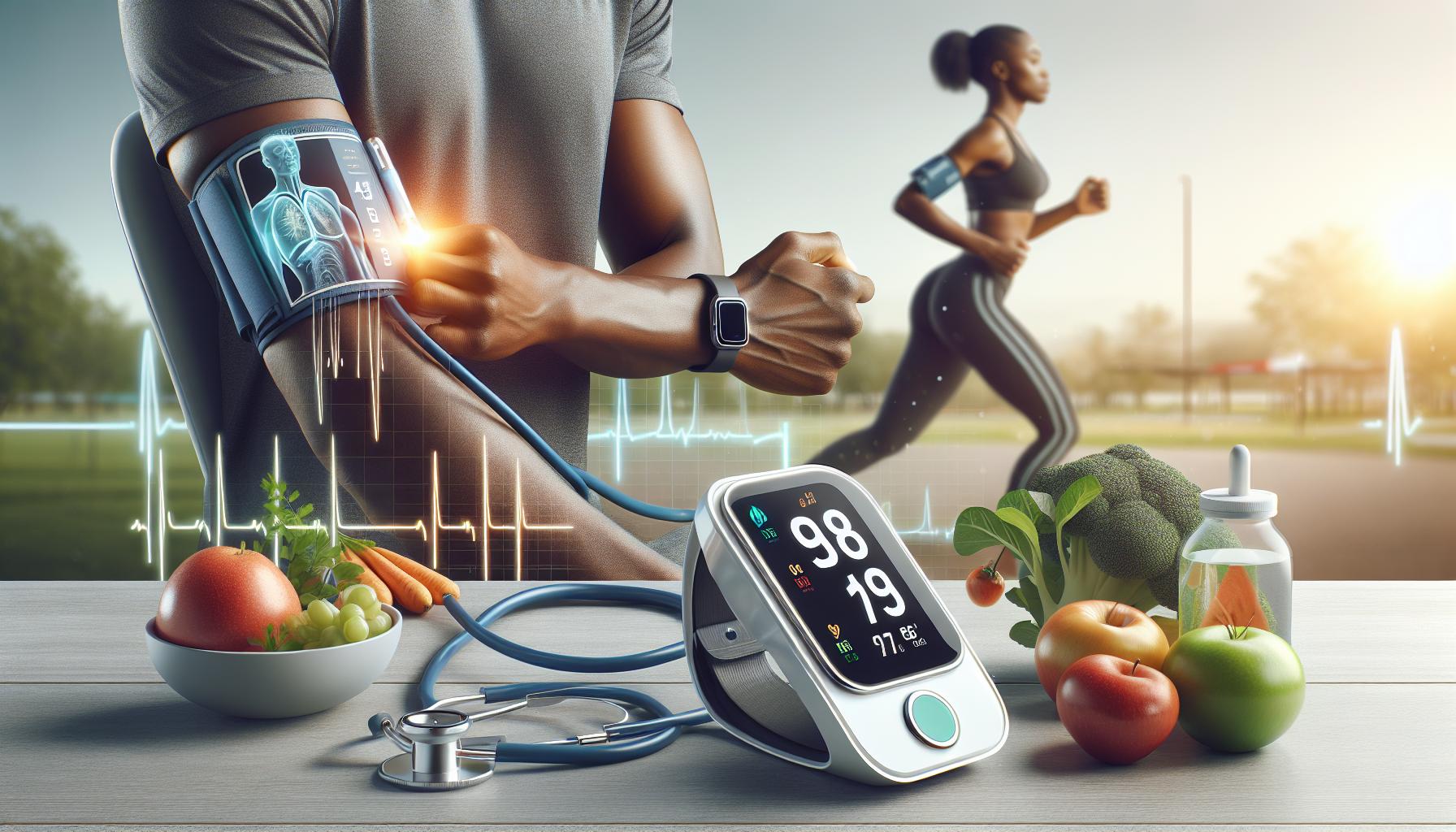
How High Blood Pressure Affects Body Temperature
The relationship between high blood pressure and body temperature is a fascinating one, as it reveals how the cardiovascular system adapts to various stressors. When blood pressure elevates, your body can undergo changes that may lead you to feel warmer than usual. This warmth isn’t solely from the increase in blood pressure itself but rather the body’s reaction to that stress. Elevated blood pressure can cause your blood vessels to constrict, which initially might not result in any noticeable temperature changes. Yet, as the body seeks to cool itself or balance pressure, it will engage mechanisms like vasodilation. This process widens blood vessels, especially at the skin’s surface, to dissipate heat, which can paradoxically make you feel warmer.
In hot weather, the body attempts to cool itself by enhancing blood flow to the skin through a process called vasodilation. While this physiological response can lower blood pressure, it may also create the sensation of being overheated, particularly for individuals suffering from hypertension. Furthermore, factors such as medication or lifestyle choices can exacerbate this effect. For example, certain blood pressure medications may influence how your body regulates temperature, making you feel flushed or hotter.
Managing blood pressure effectively can be crucial not just for your cardiovascular health but also for maintaining a comfortable body temperature. Some practical approaches to keep your blood pressure in check include:
- Stay Hydrated: Drink plenty of water, especially in hot conditions, to support overall blood volume and promote effective circulation.
- Regulate Environment: Keeping your living space cool can help mitigate any discomfort associated with elevated temperatures due to high blood pressure.
- Modify Diet: Incorporating fruits and vegetables with high water content can aid hydration and support healthy blood pressure levels.
Being aware of how high blood pressure affects your body’s temperature regulation can empower you to take proactive steps in managing your health. If you notice significant changes in how your body feels temperature-wise, especially in conjunction with recognizable signs of high blood pressure like headaches or shortness of breath, consult your healthcare provider to explore further. Understanding these dynamics is essential not just for comfort but for a comprehensive approach to your health management.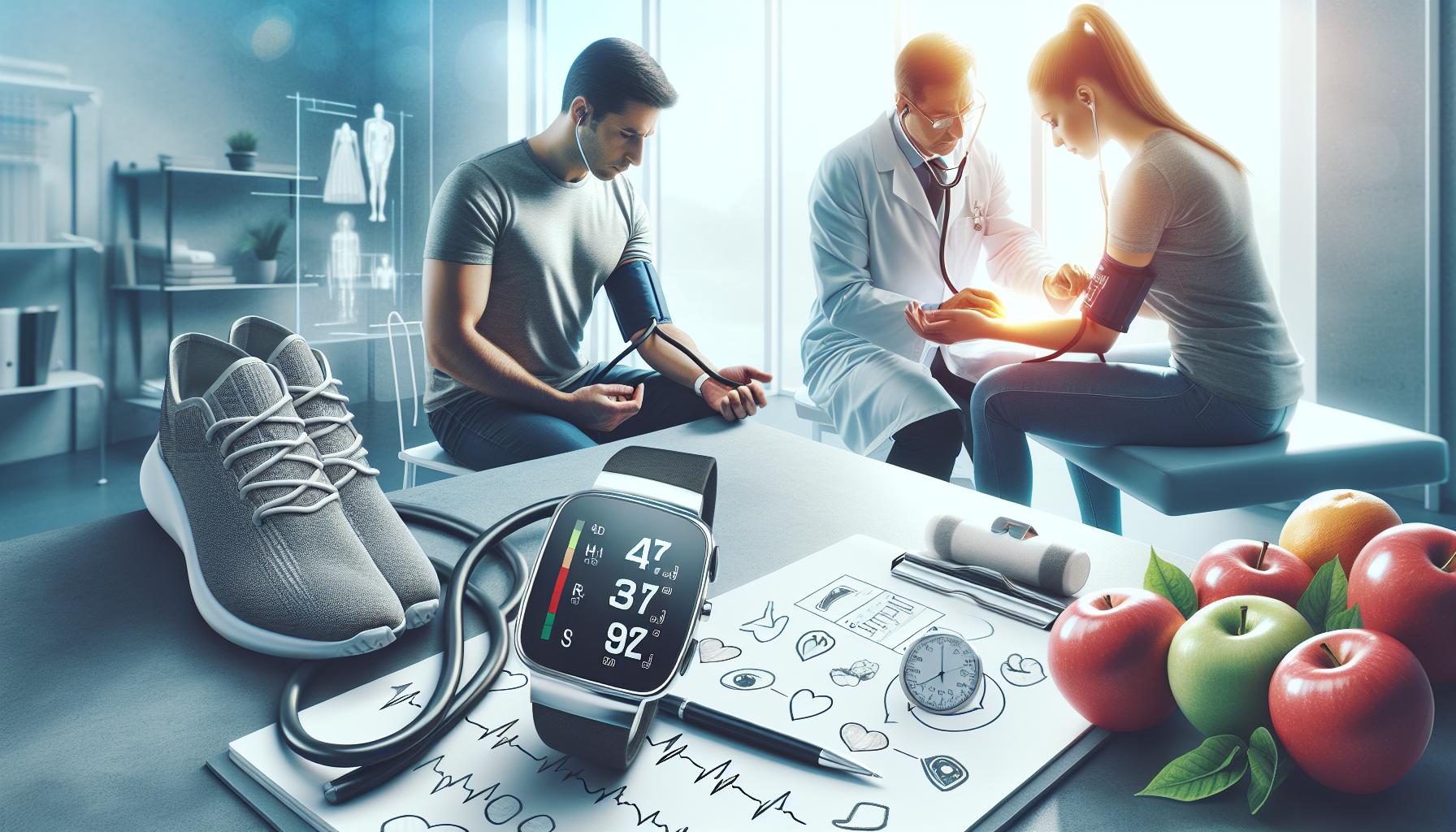
Exploring Uncommon Symptoms of Hypertension
High blood pressure, often referred to as “the silent killer,” can present with some unexpected symptoms that might easily be overlooked. Beyond the common signs like headaches and dizziness, there are several less recognized effects that could indicate hypertension. For instance, individuals may experience unusual sensations such as tingling or numbness in their extremities, which can be the body’s way of reacting to increased vascular pressure or altered blood flow. Additionally, some people report experiencing sudden episodes of sweating or flushing, particularly in stressful situations or during exercise, which can also stem from elevated blood pressure.
Another uncommon symptom to watch for is changes in vision, particularly blurriness or visual disturbances. This can happen when hypertension affects the blood vessels in the eyes, leading to a condition known as hypertensive retinopathy. Such symptoms highlight the importance of regular eye examinations as part of blood pressure management. Moreover, individuals may experience sleep disturbances or increased fatigue, as the body works harder to manage elevated pressure, leading to a feeling of exhaustion even after a full night’s sleep.
If you notice any of these unusual symptoms, it’s essential to take them seriously and consult with a healthcare provider. Regular monitoring of blood pressure can help track any significant changes before they escalate into more serious health issues. Engage in self-care practices, such as stress management techniques and maintaining a healthy diet, to support overall well-being. Understanding these atypical signs can empower individuals to seek timely medical advice and promote a proactive approach to managing hypertension, improving quality of life while minimizing health risks.
Link Between Stress and Blood Pressure
The intricate relationship between stress and blood pressure is a significant area of focus for understanding hypertension’s many influences. Stress can trigger short-term spikes in blood pressure due to the body’s natural fight-or-flight response, which releases hormones like adrenaline and cortisol. These hormones cause the heart to beat faster and blood vessels to constrict, increasing blood flow and pressure temporarily. However, while short-term stress can be a clear contributor to elevated blood pressure levels, the long-term effects of chronic stress are less straightforward and remain an area of ongoing research.
Individuals with existing high blood pressure often find that managing their stress levels can be a crucial part of their overall health strategy. Activities and practices that reduce stress-such as mindfulness, meditation, regular physical exercise, and deep-breathing techniques-can promote relaxation and help lower blood pressure over time. Engaging in these stress-reducing activities not only assists in managing hypertension but can also lead to healthier lifestyle choices, such as improved diet and better sleep patterns, which further support blood pressure control.
It’s essential to recognize that while managing stress is beneficial, it doesn’t replace the need for regular monitoring and medical interventions when necessary. By adopting a holistic approach that accounts for both stress management and medical treatment, individuals can make significant progress in controlling their blood pressure. Developing awareness of stress triggers and implementing coping strategies can empower individuals to take charge of their health, ultimately leading to improved well-being and lower blood pressure readings in the long run.
Lifestyle Changes for Blood Pressure Management
Making lifestyle changes can significantly impact your ability to manage high blood pressure while contributing to your overall well-being. Many individuals underestimate the profound effect that daily habits have on hypertension, yet adopting healthier practices can lead to substantial improvements in blood pressure readings. From dietary adjustments to physical activity, these changes empower you to take control of your health and reduce the risk associated with hypertension.
Dietary Adjustments
A critical pillar of managing high blood pressure is your diet. Embracing a nutrient-rich diet, such as the DASH (Dietary Approaches to Stop Hypertension) plan, can lead to remarkable results. This dietary approach emphasizes fruits, vegetables, whole grains, and low-fat dairy, while minimizing saturated fat and cholesterol. By reducing sodium intake, even by a small amount, individuals can notice a significant improvement in their blood pressure levels. Incorporating potassium-rich foods (like bananas and spinach) can also help counterbalance the effects of sodium.
Regular Physical Activity
Engaging in regular physical activity is another effective strategy for controlling high blood pressure. Aim for at least 150 minutes of moderate aerobic exercise each week, such as brisk walking, swimming, or cycling. Not only does physical activity help lower blood pressure, but it also promotes weight loss and improves overall cardiovascular health. If you’re starting a new exercise regimen, consider consulting a healthcare professional to create a plan tailored to your fitness level.
Weight Management
Maintaining a healthy weight can significantly affect your blood pressure. Even a modest weight reduction of 5-10% can lead to noteworthy improvements in blood pressure. Strategies include monitoring portion sizes, choosing nutrient-dense foods, and staying hydrated. Keeping a food diary may also assist in recognizing eating patterns that may contribute to overweight status.
Stress Management Techniques
Incorporating stress management techniques into your routine can further aid in lowering blood pressure. Consider practices such as yoga, meditation, or deep-breathing exercises. Committing time to relaxation helps to mitigate the physiological responses associated with stress, which, in turn, can prevent spikes in blood pressure.
By adopting these lifestyle changes, you not only enhance your body’s ability to manage hypertension but also promote a healthier, more fulfilling life. Empowering yourself through these actionable steps can reduce your reliance on medications and foster essential habits that create lasting well-being.
Effective Monitoring Techniques for Hypertension
Maintaining awareness of your blood pressure is essential, especially when considering its subtle yet impactful effects on overall health, including symptoms like increased body temperature. Effective monitoring techniques not only help you understand your blood pressure patterns but also empower you to take proactive steps in managing your health. Regularly measuring your blood pressure at home can enhance your ability to identify trends and respond appropriately, contributing to better outcomes.
To begin effectively monitoring your blood pressure, consider investing in a reliable automatic blood pressure monitor. Select a device that is validated for accuracy, as this ensures you receive trustworthy readings. It’s crucial to take your readings at consistent times, ideally at the same time each day, to gauge your blood pressure accurately over time. Follow these simple steps for optimal measurement:
Steps for Accurate Blood Pressure Monitoring
- Preparation: Sit quietly for at least five minutes before taking your reading. Ensure you are calm and relaxed, as high stress can temporarily elevate your blood pressure.
- Positioning: Sit upright with your back supported and feet flat on the floor. Your arm should be at heart level, resting on a table or your lap.
- Measurement: Apply the cuff according to the device’s instructions, ensuring it is snug but not too tight. Begin the measurement and remain still as the monitor checks your blood pressure.
After completing your readings, record the results along with notes on your mood, activity level, or any symptoms experienced at the time, such as feeling warm or anxious. This additional context can prove invaluable for healthcare providers in understanding your blood pressure behavior. Aim to take multiple readings over several days, recording the average for a more accurate picture of your blood pressure levels.
Recognizing variations in your blood pressure readings is critical. For instance, elevated readings during stressful moments can be common, but consistently high readings may indicate hypertension needing attention. In such cases, it is advisable to consult a healthcare professional to discuss your findings and potential lifestyle changes or interventions that may help manage your blood pressure effectively.
Incorporating these monitoring techniques into your routine not only aids in managing high blood pressure but also fosters a sense of control over your health, encouraging informed conversations with your healthcare providers. Establishing a monitoring regimen empowers you to take an active role in your well-being and helps identify any unusual symptoms, such as increased body temperature, that may be linked to your hypertension.
The Role of Diet in Blood Pressure Control
Managing blood pressure effectively can significantly mitigate some of the unusual symptoms associated with hypertension, including feelings of increased warmth or body temperature. A pivotal factor in blood pressure control is diet. Research consistently highlights that certain foods can help lower blood pressure and may contribute to overall cardiovascular health. For instance, incorporating potassium-rich foods such as bananas, avocados, leafy greens, and potatoes can help counteract the effects of sodium, promoting better blood vessel function and lower blood pressure levels.
Another crucial element is the DASH (Dietary Approaches to Stop Hypertension) diet, which emphasizes fruits, vegetables, whole grains, and low-fat dairy while reducing saturated fats and cholesterol. This diet not only aids in lowering blood pressure but also improves heart health over time. Items such as fatty fish, which are rich in omega-3 fatty acids, also play a protective role by reducing inflammation and improving vessel elasticity.
To maximize diet-related blood pressure management, consider these actionable steps:
- Increase potassium intake: Aim for foods like sweet potatoes, spinach, and yogurt which are high in potassium.
- Limit sodium: Cut back on processed foods and read labels to choose lower sodium options.
- Focus on whole foods: Incorporate more fruits, vegetables, and whole grains into meals, while minimizing sugary and fatty foods.
- Stay hydrated: Drink plenty of water as dehydration can sometimes affect blood pressure readings.
By consciously adjusting your dietary habits, you can take powerful steps toward controlling your blood pressure and alleviating some of the discomforting symptoms that may arise from hypertension, including unusual feelings of warmth or overheating. Collaborating with healthcare providers or nutritionists can further refine your dietary choices, ensuring that they are tailored to your individual health needs. Empowerment through proper nutrition can foster a proactive approach to managing hypertension effectively, potentially leading to more stable blood pressure readings and a better quality of life.
When to Seek Medical Help for Symptoms
Understanding when to seek medical help regarding symptoms related to high blood pressure is critical for maintaining health and preventing complications. While many people with hypertension may live without noticeable symptoms, recognizing warning signs is essential. If you experience severe headaches, significant changes in vision, abnormal heart rhythms, or chest pain, these may be indications of dangerously high blood pressure or hypertensive crisis-a situation that demands immediate medical attention.
Maintaining awareness of your body and its signals enables you to act proactively. For example, if you feel an unusual warmth or flushing, and especially if this is accompanied by dizziness or shortness of breath, it is advisable to check your blood pressure. Re-check any elevated readings in a calm setting, as anxiety can significantly affect measurements. If readings remain high-above 180/120 mm Hg-seek emergency care as this may indicate a hypertensive crisis, which could lead to serious health risks like stroke or heart attack.
Regular communication with healthcare providers about changes in your condition is essential. Be sure to discuss any new or concerning symptoms during routine check-ups. If you’re taking blood pressure medication and notice side effects or insufficient control, your doctor can help adjust your treatment plan. Empower yourself by keeping a log of your blood pressure readings and symptoms; this can provide your healthcare provider with valuable information to tailor your management plan effectively.
Finally, if you find that anxiety about your blood pressure is affecting your daily life or causing significant distress, do not hesitate to express these feelings to a healthcare professional. Managing both the physical and psychological aspects of hypertension is an integral part of treatment, ensuring that you lead a healthier and more balanced life.
Understanding Blood Pressure Medication Effects
Understanding the effects of blood pressure medications is crucial for anyone managing hypertension. While these medications can be life-saving by lowering blood pressure and reducing the risk of complications like stroke and heart disease, they may also produce side effects that can affect daily life and overall wellness. Many individuals describe a sense of increased warmth or flushing, which can raise questions about its link to medication use and the underlying condition.
Different classes of antihypertensive drugs, such as ACE inhibitors, beta-blockers, and diuretics, may produce varying effects. For instance, diuretics can lead to dehydration, potentially causing overheating. Moreover, beta-blockers can alter blood flow, sometimes resulting in sensations of warmth as they affect how the body responds to stress. Understanding these side effects is vital for both effective management and open communication with healthcare providers. Keeping a symptom diary that notes when symptoms arise and any associated medication adjustments can help identify patterns and inform your healthcare provider during check-ups.
It is equally important to focus on proper monitoring methods. Regularly checking blood pressure at home allows individuals to observe how medications influence their readings over time. Consider using a reliable digital monitor to track your blood pressure consistently-ideally at the same times each day. This practice not only helps identify how well the medication is working but also reassures individuals about their blood pressure control and can mitigate anxiety linked to hypertension.
In addition to medication, lifestyle changes play a significant role in managing blood pressure. Emphasizing a balanced diet rich in fruits, vegetables, whole grains, and low in salt can support medication efficacy and overall cardiovascular health. Incorporating physical activity into daily routines and developing relaxation techniques can also help alleviate stress, which, as research shows, can further exacerbate blood pressure levels. Always consult a healthcare provider before making any significant lifestyle changes or adjusting medications.
The Importance of Regular Health Check-ups
Regular health check-ups are the cornerstone of effective blood pressure management and overall cardiovascular health. These appointments provide an opportunity to monitor changes, identify potential complications, and discuss any unusual symptoms, such as feelings of warmth or flushing that may arise due to high blood pressure or its treatment. It’s essential not only to check blood pressure readings but also to review overall health, medication adherence, and lifestyle factors that may impact blood pressure levels.
Visiting your healthcare provider regularly allows for personalized adjustments to your treatment plan based on real-time data collected during these check-ups. During these visits, it’s beneficial to:
- Discuss symptoms: Bring up any new or worsening symptoms, including unusual sensations that might relate to your hypertension or medications.
- Review medication: Ensure that your medication regimen is causing the desired effects while minimizing side effects.
- Evaluate lifestyle: Share updates on physical activity, diet, and stress management strategies, as these are critical components of hypertension management.
- Set goals: Collaborate with your healthcare provider to set realistic health goals, such as target blood pressure ranges or weight management objectives.
Understanding that high blood pressure often presents no symptoms allows you to empower yourself by actively participating in your health management. By maintaining a proactive approach, including documenting your symptoms and blood pressure readings, you can enhance communication with your healthcare provider, leading to more effective and tailored interventions. Regular health check-ups are not just a routine task but a proactive measure to safeguard your heart health and overall well-being, ensuring you stay on top of any potential issues before they escalate.
Dealing with High Blood Pressure Anxiety
Experiencing high blood pressure can often lead to feelings of anxiety, creating a cyclical relationship that can be difficult to manage. Understanding how to effectively deal with this anxiety is essential for both mental and physical health. Many individuals find that stress and anxiety can significantly elevate their blood pressure in the short term, compounding the health issues they face. This is commonly related to the body’s natural “fight or flight” response, which is triggered by anxiety and stress, causing an immediate rise in heart rate and blood pressure.
To manage anxiety related to high blood pressure, consider implementing a variety of stress-reduction techniques that can lead to better overall health. Here are a few practical strategies:
- Mindfulness and Meditation: Practicing mindfulness can help center your thoughts and reduce anxiety. Start with just a few minutes a day, gradually increasing as you become more comfortable.
- Physical Activity: Engaging in regular physical activity, whether it’s a brisk walk, yoga, or even dancing, can lower stress levels and improve mood, which beneficially influences blood pressure.
- Deep Breathing Exercises: Incorporating deep breathing into your daily routine can calm your nervous system and reduce anxiety. Try inhaling deeply through your nose, holding for a few seconds, and exhaling slowly through your mouth.
- Talk About It: Open communication with friends, family, or a healthcare professional can help alleviate feelings of anxiety. Sometimes just sharing your thoughts can lessen the weight of worry.
Additionally, it is important to establish a routine that includes monitoring your blood pressure regularly. Keeping track of your readings can empower you and provide clarity on how your body reacts to different stressors or lifestyle changes. Investing in a reliable home blood pressure monitor is a practical first step. By recording your levels and any accompanying emotions or activities, you create a clearer picture of your health trends, enhancing your ability to discuss this effectively during healthcare visits.
Lastly, focusing on a balanced diet rich in fruits, vegetables, whole grains, and lean proteins can also promote better health and lower anxiety levels. Remember, lifestyle changes take time, and providing yourself with patience and understanding goes a long way in managing both anxiety and high blood pressure. Engage in self-care activities, prioritize your mental well-being, and recognize the control you have over managing your health conditions.
Strategies for a Healthy Lifestyle Without Medication
Integrating healthy lifestyle strategies into your daily routine can significantly impact your blood pressure management, especially without the reliance on medication. A substantial factor in maintaining heart health is recognizing how your choices affect your overall well-being and blood pressure. Research indicates that even small changes can lead to significant improvements, empowering you to take control of your health.
One of the most effective ways to promote a healthy lifestyle is through consistent physical activity. Aim for at least 150 minutes of moderate aerobic exercise weekly, such as brisk walking, swimming, or cycling. This not only helps lower blood pressure but also relieves stress and enhances mood. Combine aerobic exercise with strength training exercises twice a week for well-rounded fitness.
Your diet plays a critical role as well. Adopting a heart-healthy eating pattern, like the Mediterranean or DASH (Dietary Approaches to Stop Hypertension) diet, can effectively control blood pressure. Focus on increasing your intake of fruits, vegetables, whole grains, and healthy fats, while limiting sodium and processed foods. Not only does this regulate blood pressure, but it also supports overall health, helping to reduce anxiety levels that may further exacerbate hypertension.
Moreover, establishing a monitoring routine empowers you to understand how lifestyle changes affect your blood pressure. Use a home monitor to track your readings at different times of the day, recording them in a journal. Note lifestyle factors such as diet, stress levels, and physical activity corresponding to your blood pressure readings. This valuable insight allows for better discussion with your healthcare provider and helps identify patterns or triggers that may require additional focus.
Lastly, prioritize mental well-being through activities that reduce stress and improve mood. Incorporate mindfulness practices, such as yoga or meditation, into your daily schedule to foster relaxation. Building a supportive community through relationships with friends, family, or support groups can also provide encouragement and decrease feelings of anxiety, ultimately contributing to lower blood pressure levels. By taking proactive steps towards a healthier lifestyle, you not only manage hypertension effectively but also enhance your quality of life.
Frequently Asked Questions
Q: Can high blood pressure cause heat sensations in the body?
A: Yes, some individuals may experience unusual heat sensations due to high blood pressure. This feeling can result from increased blood flow or stress on the body. If you notice persistent heat sensations, consult a healthcare professional for evaluation.
Q: What unusual symptoms can be linked to high blood pressure?
A: In addition to common symptoms, high blood pressure can lead to unusual signs such as headaches, dizziness, and a flushed face. It’s crucial to monitor these symptoms and seek medical advice to manage your blood pressure effectively.
Q: How does hypertension affect body temperature?
A: Hypertension can lead to increased blood flow, which may cause slight elevations in body temperature. However, significant temperature changes are not typically caused by hypertension alone, and it’s essential to assess other potential factors if this occurs.
Q: Can emotional stress lead to sensations of warmth and high blood pressure?
A: Yes, emotional stress can trigger both elevated blood pressure and sensations of warmth or flushing. Engaging in relaxation techniques and stress management can help regulate blood pressure and mitigate these sensations.
Q: Why might high blood pressure cause swelling or warmth in the face?
A: High blood pressure can lead to facial swelling and warmth due to increased blood circulation. It is advisable to monitor such symptoms and discuss them with a healthcare provider for proper evaluation and guidance.
Q: How can lifestyle changes help with unusual symptoms of high blood pressure?
A: Lifestyle changes like regular exercise, a balanced diet, and stress management can alleviate symptoms associated with high blood pressure. These adjustments can also contribute to better overall cardiovascular health.
Q: What immediate actions should I take if I feel hot and have high blood pressure?
A: If you experience feelings of heat alongside high blood pressure, take deep breaths to calm yourself, hydrate, and seek a cooler environment. If symptoms persist or worsen, reach out to a healthcare provider promptly.
Q: When should I seek medical help for unusual symptoms related to high blood pressure?
A: Seek medical help if you experience persistent unusual symptoms such as severe headaches, dizziness, or any significant changes in how you feel. Regular check-ups can also help in managing hypertension effectively.
The Conclusion
Understanding the complex relationship between high blood pressure and its unusual symptoms is essential for proactive health management. While feeling “hot” might seem benign, it can be a signal of underlying issues deserving attention. Don’t wait to take control-monitor your blood pressure regularly and talk to your healthcare provider about any unusual changes. For more insights, check out our articles on lifestyle changes for hypertension and the best blood pressure management strategies.
Ready to empower your health journey? Sign up for our newsletter for the latest tips and research, or explore our resources on blood pressure monitoring tools. Your health is too important to leave to chance-take the first step today and join a community dedicated to wellness. Don’t forget to share your thoughts in the comments below or explore related topics to deepen your understanding!


