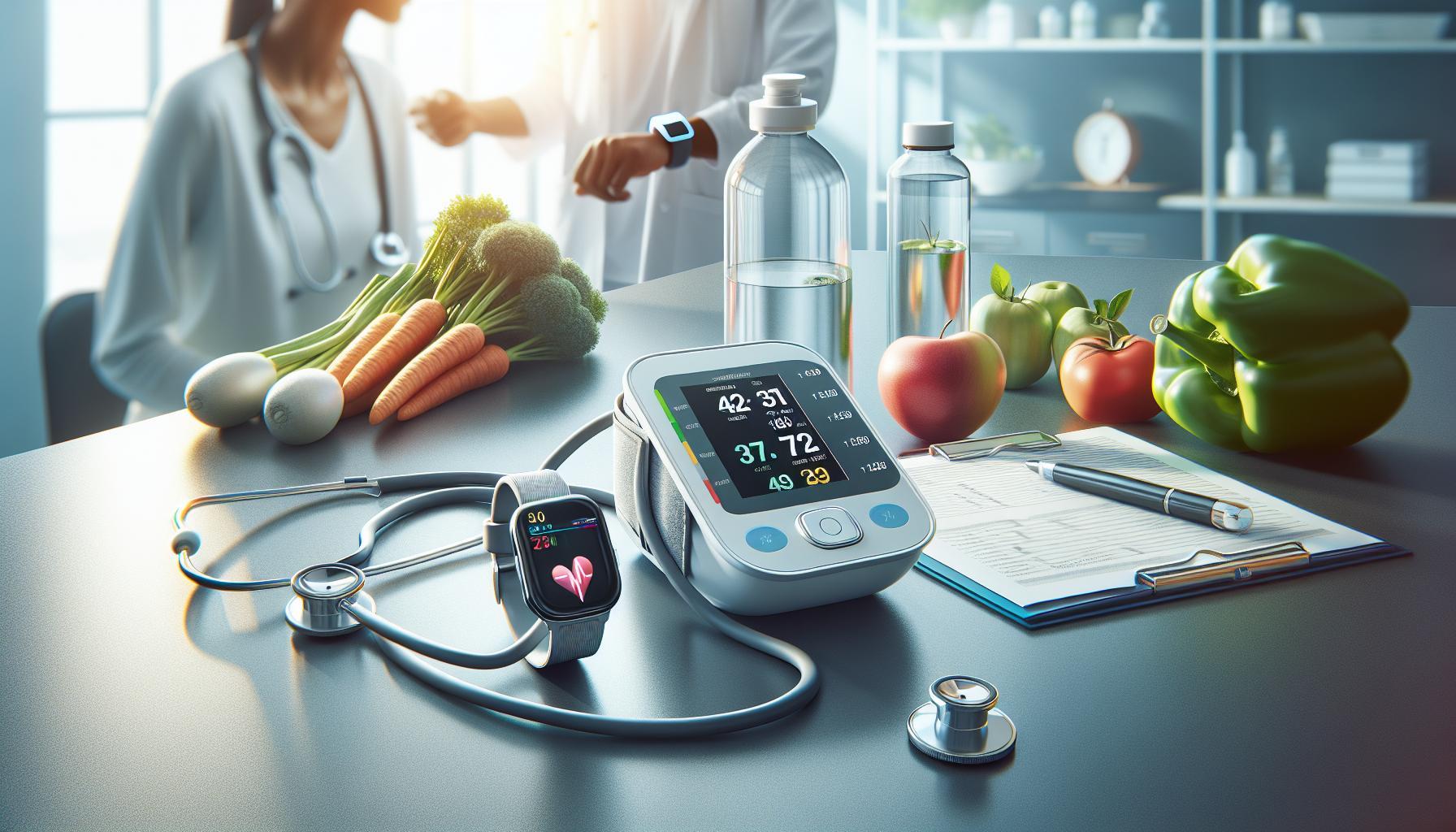
Did you know that nearly half of adults with high blood pressure are unaware of their condition? Aside from its silent nature, hypertension can lead to unexpected symptoms, such as flashing lights in the eyes. This phenomenon may signify a warning sign linked to your cardiovascular health that shouldn’t be overlooked.
Understanding the connection between high blood pressure and visual disturbances is crucial. If you’re experiencing these symptoms, it could indicate an underlying issue that requires your attention. Exploring the relationship between hypertension and eye health is vital for anyone looking to manage their well-being effectively. Stay with us as we delve into the signs to watch for and the steps you can take to protect your vision and overall health.
Understanding High Blood Pressure and Its Effects
High blood pressure, often dubbed the “silent killer,” can seriously impact various aspects of your health, including your vision. Many individuals are unaware that elevated blood pressure can lead to significant eye-related complications, including hypertensive retinopathy, which arises when high blood pressure damages the blood vessels in the retina. This condition is a stark reminder of how unchecked hypertension can manifest in ways that aren’t immediately obvious but ultimately threaten your quality of life.
The effects of high blood pressure extend beyond mere numbers on a chart; they can alter how we perceive the world around us. For instance, when blood pressure spikes, it may cause changes in blood flow to the eyes, leading to symptoms such as flashing lights or blurred vision. These visual disturbances can be alarming but knowing their connection to your blood pressure can empower you to take action. Regular monitoring of blood pressure is essential-aim for a daily check if possible, and observe any patterns that correlate with visual symptoms.
Taking control of your blood pressure through lifestyle modifications can dramatically improve your overall health. Consider adopting a heart-healthy diet rich in fruits, vegetables, and whole grains, and maintain a regular exercise routine to enhance cardiovascular health. The role of stress management practices such as meditation or yoga also cannot be understated in providing a holistic approach to stabilizing blood pressure, which in turn safeguards your eyesight. Taking these proactive steps not only helps manage blood pressure effectively but also contributes to long-term eye health, ensuring that your vision remains clear and vibrant as you age.
Link Between High Blood Pressure and Vision Problems
High blood pressure is not just a silent threat to your heart; it can also have profound effects on your vision. When blood pressure rises, it places excessive force on the blood vessels throughout the body, including those in your eyes. This can lead to conditions such as hypertensive retinopathy, where the delicate blood vessels in the retina become damaged. This damage can result in various visual disturbances, including flashing lights, blurred vision, and even permanent vision loss if left untreated.
The lies in the changes that occur in the blood vessels due to chronic hypertension. When pressure builds, it can cause the retinal blood vessels to constrict or leak, altering the flow of oxygen and nutrients to the retina. For many individuals, this manifests as flashes of light or other visual anomalies. These symptoms can be distressing and may indicate that your blood pressure is not adequately controlled, urging immediate attention.
To proactively manage blood pressure and protect your vision, regular monitoring is essential. Aim to check your blood pressure daily, preferably at the same time each day, to identify any patterns or fluctuations that could relate to your visual symptoms. If you observe an increase in blood pressure coinciding with visual changes, it’s crucial to consult a healthcare provider. As you work to control your blood pressure, consider implementing lifestyle changes such as incorporating a balanced diet rich in fruits, vegetables, and whole grains, engaging in regular physical activity, and practicing stress-reduction techniques like meditation or yoga. These approaches not only support heart health but also play a vital role in preserving your vision and overall well-being.
By understanding the intricate relationship between hypertension and vision health, you can take powerful steps towards ensuring both remain under control, enhancing your quality of life. Recognizing the warning signs and seeking timely medical intervention can safeguard your eyesight and mitigate the risks associated with high blood pressure.
Flashing Lights in Eyes: What They Indicate
Experiencing flashing lights in your vision can be an unsettling phenomenon. These flashes, often described as bright spots or streaks of light, typically indicate that something unusual is happening within your eyes or your body. For individuals with high blood pressure, such symptoms may be linked to hypertensive retinopathy, where the delicate blood vessels in the retina become damaged due to elevated blood pressure. This condition can alter the flow of blood and oxygen to the retina, leading to visual disturbances like flashing lights.
Understanding the potential causes of these flashes is crucial. They can occur when the retina is stimulated or irritated due to pressure fluctuations, which may accompany hypertension. In some instances, the flashes can signify retinal detachment, where the retina pulls away from its normal position at the back of the eye. This can lead to serious eye conditions, including permanent vision loss, making timely evaluation important. If you experience persistent or recurrent flashes, it’s essential to schedule an eye examination promptly.
To identify the significance of flashing lights in your vision, consider several factors:
- Duration: Are the flashes temporary, or do they persist for longer periods?
- Frequency: Do they occur sporadically, or have they become a regular occurrence?
- Associated symptoms: Are there other symptoms present, such as blurred vision, headaches, or floaters?
Initiating conversations with your healthcare provider about these symptoms is a vital step in managing your health. Regular blood pressure monitoring and a proactive approach to lifestyle changes can significantly enhance your overall well-being and potentially reduce the risk of visual disturbances. Maintaining a healthy weight, engaging in regular physical activity, and following a balanced diet are foundational strategies to control blood pressure and protect your vision. Understanding the connection between your blood pressure and your eye health empowers you to take control and seek the appropriate care when needed.
Common Causes of Visual Disturbances
Experiencing visual disturbances can be alarming, particularly when they manifest as flashing lights. These phenomena often serve as a signal that something is amiss in the body, especially for individuals with high blood pressure. Common causes of these visual anomalies include a range of conditions that can affect the eyes and their blood supply, notably hypertension itself. A deeper understanding of these potential triggers is essential for proactive health management.
High blood pressure can lead to damage in the delicate blood vessels of the retina, a condition known as hypertensive retinopathy. This damage may disrupt normal blood flow, resulting in visual disturbances such as flashes of light or blurred vision. Pressure fluctuations associated with hypertension can irritate the retina, causing it to send abnormal signals to the brain that are perceived as light flashes (2). Moreover, serious conditions like retinal detachment may present similarly, further underscoring the importance of timely doctor evaluations when such symptoms arise.
Other include posterior vitreous detachment, which occurs as the vitreous gel within the eye shrinks and pulls away from the retina. This degeneration can create the appearance of flashes or floaters in one’s vision. Migraines are another contributor; ocular migraines can lead to temporary visual disturbances, including flickering lights or temporary loss of vision.
To mitigate the risks associated with visual disturbances, it is vital for individuals to monitor their blood pressure regularly and engage in lifestyle changes that promote overall eye health. Maintaining a healthy diet, exercising regularly, and managing stress are all beneficial strategies that can help stabilize blood pressure levels and minimize the risk of visual issues. If visual disturbances do occur, keeping a log of the symptoms-such as their frequency and duration-can provide useful information for healthcare providers, facilitating early diagnosis and intervention.
Identifying the Warning Signs of High Blood Pressure
High blood pressure often develops silently, without noticeable symptoms, which is why it is commonly referred to as a “silent killer.” However, there are various warning signs that can hint at rising blood pressure levels, especially related to eye health. Being aware of these indications can empower individuals to take proactive measures. Those with high blood pressure may experience visual disturbances, such as flashing lights or blurriness, indicating that blood flow to the eyes has been compromised due to damaged blood vessels.
Recognizing the symptoms associated with high blood pressure is crucial for timely intervention. Key symptoms to monitor include:
- Flashing lights or floaters: These visual occurrences may signal underlying retinal issues linked to hypertension.
- Blurred or distorted vision: Sudden changes in vision clarity can indicate increased pressure on the optic nerve.
- Headaches: Frequent headaches, particularly in the morning, may also be a sign of dangerously high blood pressure.
- Nosebleeds: Although less common, recurrent nosebleeds can indicate elevated blood pressure levels.
- Chest pain or palpitations: While these are more general signs, they can be linked to fluctuations in blood pressure.
If experiencing any combination of these symptoms, it’s crucial to seek medical advice promptly. Regular blood pressure monitoring is an effective way to track changes and maintain awareness of your health status. Home blood pressure monitors provide a convenient means to check levels at your discretion, and doctors recommend doing this regularly, particularly if a family history of hypertension exists.
Incorporating lifestyle changes can also substantially mitigate risks. Eating a heart-healthy diet rich in fruits, vegetables, and whole grains while minimizing salt intake, engaging in regular physical activity, managing stress levels, and avoiding tobacco can collectively help maintain optimal blood pressure. By being vigilant and proactive in monitoring both blood pressure and visual health, individuals can significantly reduce the risk of severe complications associated with hypertension.
The Role of Blood Pressure in Eye Health
Elevated blood pressure is not just a systemic concern; it can significantly impact the delicate structures of the eye. The health of your blood vessels plays a pivotal role in maintaining normal vision. When hypertension goes unmanaged, it can lead to various eye-related complications, primarily due to the strain it puts on the retina’s blood vessels. If these vessels become damaged, individuals may experience visual disturbances, such as flashing lights, blurred vision, or even potential vision loss.
Hypertensive retinopathy is one of the most notable conditions linked to high blood pressure. This condition occurs as the high pressure affects the retina’s small blood vessels, causing them to narrow, leak, or become blocked. Regular eye examinations are crucial, as many people do not notice the gradual changes that indicate the onset of this condition until significant damage has occurred. The initial stages may present few noticeable symptoms, making prevention and monitoring all the more critical.
To safeguard your eye health, it is essential to adopt a comprehensive approach that includes regular blood pressure checks and maintaining healthy lifestyle choices. Simple steps such as reducing salt intake, engaging in regular aerobic exercise, and managing stress can help keep your blood pressure in check. For individuals already experiencing vision-related symptoms, consulting an eye care professional is vital. They can provide tailored advice and treatment options to mitigate the risks associated with high blood pressure and maintain optimal eye health.
In summary, recognizing the relationship between blood pressure and eye health can empower individuals to take proactive measures. Keeping hypertension under control not only supports cardiovascular health but also protects the intricate network of the eyes, ensuring better vision and overall quality of life. Regular monitoring and healthy lifestyle choices are practical steps everyone can take to uphold their visual health in the face of hypertension.
When to Seek Medical Attention for Symptoms
Experiencing visual disturbances such as flashing lights can be alarming and warrants careful consideration, especially for individuals with high blood pressure. These symptoms can sometimes be a sign of significant underlying issues, including hypertensive retinopathy, which is characterized by changes in the blood vessels of the eye due to prolonged high blood pressure. If you notice sudden flashes of light, it might point to an impending problem such as retinal detachment or other serious eye conditions.
It’s crucial to know when to seek medical attention. If the flashing lights persist or are accompanied by any of the following signs, you should consult a healthcare professional immediately:
- Blurred or loss of vision: Any sudden or severe change in vision can indicate a serious issue.
- Dark spots or shadows: These can signify a retina problem, necessitating urgent evaluation.
- Persistent headaches: Severe or unusual headaches, especially alongside visual disturbances, should be assessed.
- Dizziness or confusion: These symptoms may suggest neurological involvement and require immediate attention.
Monitoring your blood pressure regularly can help identify potential risk factors for such visual disturbances. Aim to check your blood pressure at least once a week, or more frequently if prescribed by your physician. Record your readings to discuss trends and any alarming spikes with your healthcare provider. Additionally, managing overall stress, adhering to prescribed medications, and maintaining a healthy lifestyle can greatly contribute to better blood pressure control and, subsequently, eye health.
In situations where you are unsure whether your symptoms warrant a visit to the doctor, it is always better to err on the side of caution. An eye care professional or general physician can provide an accurate diagnosis and appropriate interventions. Taking these steps not only empowers you to manage your health effectively but also plays a critical role in preserving your vision for the future. Regular eye exams are especially important for individuals with high blood pressure, as they provide a proactive way of monitoring ocular health and catching potential issues early.
Monitoring High Blood Pressure: Essential Practices
Monitoring your blood pressure can dramatically influence your overall health, especially if you are experiencing visual disturbances like flashing lights. These symptoms can stem from high blood pressure, and vigilant tracking can help prevent serious complications. According to cardiovascular health experts, maintaining tight control over your blood pressure is essential for preventing further issues, including those affecting your vision.
To effectively monitor your blood pressure, start by investing in a reliable home blood pressure monitor. Choose a model that is validated for accuracy, and familiarize yourself with the instructions. It’s crucial to measure your blood pressure at the same time each day for consistency. Here’s a straightforward guide to help you monitor effectively:
Steps for Accurate Blood Pressure Monitoring
- Prepare Yourself: Rest for at least five minutes before taking a reading. Ensure you’re seated comfortably with your back supported and legs uncrossed.
- Location: Position the sleeve of the monitor on your bare arm, just above the elbow, making sure it fits snugly but not too tightly.
- Take Multiple Readings: For a more accurate assessment, take two or three readings one minute apart and average them.
- Record Results: Maintain a log of your readings, noting the dates and times. This information is vital for your healthcare provider to identify trends.
Making these practices part of your routine can empower you against the risks associated with high blood pressure, including the potential for hypertensive retinopathy, where changes to your eye’s blood vessels can occur. By being proactive, you are not only safeguarding your vision but also promoting your overall health.
Managing it doesn’t stop at monitoring; proactive lifestyle adjustments can significantly contribute to lowering and maintaining healthy blood pressure levels. Engage in regular physical activity, adopt a balanced diet that is low in salt, and maintain a healthy weight. Stress management techniques, such as mindfulness or yoga, can also enhance your overall well-being and support your blood pressure management efforts.
In summary, taking control of your blood pressure requires consistent monitoring and thoughtful lifestyle choices. By integrating these essential practices, you equip yourself with the tools needed to maintain good health and possibly prevent symptoms like visual disturbances from escalating into more serious health issues.
Lifestyle Changes to Lower Blood Pressure
Making fundamental lifestyle changes can be a powerful approach to lowering blood pressure, which is crucial for preventing vision problems, including symptoms like flashing lights. Engaging in regular physical activity is one of the most effective strategies. Aim for at least 150 minutes of moderate aerobic exercise per week, such as brisk walking, cycling, or swimming. Physical activity helps strengthen the heart, improving circulation and reducing pressure on blood vessels. Not only does exercise lower blood pressure, but it also promotes overall cardiovascular health.
Diet plays a pivotal role in managing blood pressure as well. The DASH (Dietary Approaches to Stop Hypertension) diet is recommended for those looking to lower their blood pressure. This diet emphasizes eating fruits, vegetables, whole grains, and lean proteins while limiting processed foods, saturated fats, and sugars. You can enhance your diet by incorporating foods rich in potassium, such as bananas, avocados, and sweet potatoes, which help balance sodium levels in the body. Additionally, reducing sodium intake to less than 2,300 mg per day can have a significant impact on lowering blood pressure.
Practicing stress management techniques is another vital component. Chronic stress can contribute to high blood pressure, so integrating practices such as meditation, yoga, or deep-breathing exercises can be beneficial. These activities promote relaxation and can improve both mental and physical well-being. Furthermore, maintaining a healthy weight through a balanced diet and regular exercise is essential, as excess weight puts additional strain on the heart.
Lastly, it’s critical to limit alcohol consumption and avoid tobacco products. Drinking in moderation-up to one drink per day for women and two for men-can help maintain healthy blood pressure levels. Reducing or quitting tobacco use not only helps lower blood pressure but significantly improves overall cardiovascular health. By adopting these lifestyle changes, individuals can empower themselves to manage their blood pressure effectively, leading to healthier vision and reduced risk of hypertensive-related eye issues.
Medical Treatments for High Blood Pressure
Managing high blood pressure effectively is crucial not only for overall health but also for preserving your vision. When blood pressure remains elevated, it can lead to serious conditions that affect the eyes, including hypertensive retinopathy, which can cause symptoms like flashing lights. Fortunately, a variety of medical treatments and interventions are available to control high blood pressure, empowering individuals to mitigate these risks effectively.
Types of Medical Treatments
There are several categories of medications prescribed to manage high blood pressure. These include:
- Diuretics: Often referred to as water pills, diuretics help the body eliminate excess sodium and water, reducing blood volume and pressure.
- ACE Inhibitors: These block a substance in the body that narrows blood vessels, leading to improved blood flow and lower blood pressure.
- Angiotensin II Receptor Blockers (ARBs): Similar to ACE inhibitors, ARBs relax blood vessels to lower blood pressure by blocking the action of angiotensin II.
- Calcium Channel Blockers: These medications prevent calcium from entering heart and blood vessel cells, relaxing blood vessels and reducing pressure.
- Beta Blockers: By decreasing the heart’s workload and helping it beat more slowly, beta blockers reduce blood pressure and the potential strain on blood vessels.
Getting the right medication often requires a tailored approach, as responses to these treatments can vary significantly among individuals. This means that working closely with a healthcare provider to monitor blood pressure regularly is essential, allowing adjustments in medication types or doses as necessary to achieve optimal outcomes.
Monitoring and Lifestyle Integration
In addition to medications, consistent monitoring of blood pressure is paramount. This can be done through regular visits to a healthcare professional, as well as home monitoring. Individuals are encouraged to keep a log of their blood pressure readings, noting times, dates, and any symptoms such as visual disturbances. This information can be invaluable in assessing the effectiveness of a treatment plan.
Moreover, integrating these treatments with lifestyle changes-such as improving diet, increasing physical activity, and managing stress-can result in synergistic effects that significantly lower blood pressure. These complementary approaches are essential for long-term health and can enhance the efficacy of medical treatments.
Adopting a proactive approach to managing high blood pressure helps reduce the risk of complications, including vision issues like flashing lights. By utilizing a combination of medications, diligent monitoring, and healthful lifestyle practices, individuals can take significant strides toward maintaining both their cardiovascular and ocular health.
Eye Exams: Importance for Overall Health
Many people underestimate the importance of regular eye exams, particularly when underlying health conditions such as high blood pressure can significantly impact vision. Since the eyes are often the first to show signs of systemic diseases, comprehensive eye exams play a vital role in early detection and effective management of conditions like hypertensive retinopathy. This condition arises when high blood pressure damages the blood vessels in the retina, which can lead to symptoms such as flashing lights, blurred vision, or even vision loss if left untreated.
During an eye exam, an eye care professional will not only assess your vision but also examine the health of your eyes using various techniques. For example, a dilated eye exam allows doctors to view the retina and its blood vessels in detail, helping them identify any signs of damage related to hypertension. It’s recommended that adults have their eyes examined every one to two years, but those with risk factors for high blood pressure, including family history or lifestyle factors, should consult with their doctor about more frequent check-ups.
Maintaining regular eye appointments also empowers individuals to take charge of their health. Being proactive about eye and blood pressure screenings can facilitate timely intervention and lifestyle adjustments, which may reduce the risk of further complications. If flashing lights or any other visual disturbances occur, seeking immediate medical attention is crucial. Don’t wait for symptoms to worsen; instead, make eye exams a vital part of your health routine to safeguard both your vision and overall well-being.
Preventive Measures for Healthy Vision and Blood Pressure
Maintaining optimal vision and healthy blood pressure is intricately linked, and proactive measures can significantly reduce the risk of complications such as visual disturbances, including flashing lights in the eyes. Understanding that lifestyle choices directly influence blood pressure is the first step towards effective prevention. For instance, integrating a heart-healthy diet rich in fruits, vegetables, whole grains, and lean proteins can help regulate blood pressure levels. Additionally, including potassium-rich foods like bananas and spinach can counteract the effects of sodium, further stabilizing blood pressure.
Regular physical activity is another cornerstone of managing blood pressure effectively. Aim for at least 150 minutes of moderate aerobic exercise each week. Activities such as brisk walking, biking, or swimming not only contribute to overall cardiovascular health but also support good eye health. Maintaining a healthy weight through these activities helps alleviate the additional strain on your body’s blood vessels, thereby mitigating the risk of hypertension and related vision issues.
Equally important is the need for regular medical check-ups. Monitoring blood pressure at home can empower individuals to take charge of their health. Invest in an at-home blood pressure monitor, and check your readings at consistent times each week. Keep a log of your numbers and share them with your healthcare provider during visits. This practice not only promotes accountability but also allows for timely adjustments in treatment plans if necessary.
Another key preventive measure is to reduce stress, which is known to contribute to elevated blood pressure. Incorporating stress-reducing practices such as mindfulness, meditation, yoga, or engaging in hobbies can significantly help manage both blood pressure and overall well-being. Moreover, avoiding tobacco products and limiting alcohol intake can further enhance your health outcomes, paving the way for better vision and blood pressure control.
In summary, a combination of dietary modifications, regular exercise, consistent monitoring, and stress management can reinforce your efforts towards maintaining both healthy blood pressure and eyesight. Prioritizing these preventive measures not only helps mitigate the risks associated with high blood pressure but also supports a more fulfilling, healthier life.
FAQ
Q: Can high blood pressure cause eye floaters?
A: High blood pressure itself doesn’t directly cause eye floaters, but it can contribute to retinal issues that result in floaters. Maintaining healthy blood pressure levels is important for overall eye health to prevent such disturbances. Regular eye exams can help monitor any related issues.
Q: What should I do if I see flashing lights in my vision?
A: If you experience flashing lights, it’s crucial to seek medical attention promptly, as it can indicate retinal detachment or other serious conditions. A comprehensive eye exam will help determine the cause and necessary treatment, especially if accompanied by vision changes.
Q: How does high blood pressure affect vision?
A: High blood pressure can lead to various vision problems, including hypertensive retinopathy. This condition harms the retina’s blood vessels and can cause vision changes like flashing lights and blurriness. Early detection through regular screenings is essential for prevention.
Q: Are flashing lights in the eyes a sign of stroke?
A: Flashing lights can be a warning sign of stroke, especially if accompanied by other symptoms like confusion or weakness. It’s essential to act fast by seeking emergency care, as timely intervention can significantly impact outcomes. Understanding the signs is critical.
Q: What lifestyle changes can help manage high blood pressure?
A: To manage high blood pressure effectively, adopt lifestyle changes such as a balanced diet low in salt, regular exercise, maintaining a healthy weight, and avoiding tobacco and excessive alcohol. These strategies not only improve blood pressure but also aid in preserving eye health.
Q: Can stress contribute to high blood pressure and vision problems?
A: Yes, stress can elevate blood pressure, potentially leading to vision issues over time. Incorporating stress management techniques like yoga, meditation, or deep breathing exercises can help maintain healthy blood pressure and support overall eye health.
Q: What are other causes of flashing lights in the eyes apart from high blood pressure?
A: Other than high blood pressure, flashing lights can be caused by migraines, retinal detachment, or posterior vitreous detachment. Understanding these causes can help in managing symptoms effectively and determining when to seek further evaluation.
Q: When should I have an eye exam if I see flashing lights?
A: You should have an eye exam immediately if you see flashing lights, particularly if these symptoms occur suddenly or are accompanied by other vision changes. Early evaluation can prevent serious complications related to retinal health or other conditions.
The Way Forward
Understanding the potential link between high blood pressure and visual disturbances like flashing lights in your eyes is crucial for your health. If you’re experiencing these symptoms, don’t delay-consult a healthcare professional to ensure your blood pressure is managed effectively. For more insight on how to monitor your health, explore our article on essential hypertension management techniques and consider reading about lifestyle changes that can support blood pressure control.
Remember, taking proactive steps today can lead to a healthier tomorrow. Sign up for our newsletter to stay informed about vital health updates, and feel free to share your experiences or questions in the comments below. Your journey to better health is just a click away, so let’s ensure you have the resources you need for effective blood pressure management.