Did you know that high blood pressure affects not just your heart but can also show signs in unexpected places like your eyes? Many people experience red or bloodshot eyes, which can be alarming and often lead to concerns about overall health. Understanding the connection between high blood pressure and these eye symptoms is crucial for effective health management.
As you navigate your health, recognizing the signs linked to hypertension can empower you to take control of your well-being. By keeping an eye on your blood pressure levels and being vigilant about potential symptoms, you can make informed decisions that enhance your quality of life. In this article, we’ll explore whether high blood pressure truly causes red eyes and what signs to watch for, guiding you towards a healthier future.
Understanding the Link Between High Blood Pressure and Red Eyes
High blood pressure, or hypertension, is often referred to as a silent killer due to its asymptomatic nature, but it can manifest in unexpected ways, including physical changes in the eyes. Red eyes can occur for various reasons, and understanding the connection with high blood pressure is crucial for effective health management. When blood pressure rises, it can lead to increased pressure in the blood vessels, resulting in the dilation of these vessels in the eyes, causing redness and irritation.
Seeking to connect the dots between high blood pressure and red eyes begins with understanding the underlying mechanisms. Chronic hypertension may lead to damage in the blood vessels of the retina, prompting conditions such as hypertensive retinopathy. This condition can alter the appearance of the eyes and may provoke symptoms such as redness, blurry vision, or even vision loss. Additionally, hypertension can exacerbate existing eye conditions, making it vital to monitor fluctuations in blood pressure closely.
Adopting regular monitoring and effective home management strategies can significantly mitigate these risks. Engaging in self-care techniques, such as maintaining a healthy diet, regular exercise, and stress management, plays a pivotal role in controlling blood pressure levels. For those more susceptible to severe changes in blood pressure, using a blood pressure monitor at home can provide critical insights into their health status, allowing for timely interventions.
To keep hypertension-related eye issues at bay, it is advisable to maintain routine eye exams. These check-ups not only assess the overall health of your eyes but also help to detect any early signs of hypertension-induced changes, ensuring that any potential health impacts are addressed promptly. Being proactive about eye health can empower individuals living with hypertension and foster a more comprehensive approach to their overall well-being.
Common Signs of High Blood Pressure to Observe
High blood pressure, often termed a silent killer, can present with various signs that may go unnoticed until they become serious. While many individuals may not exhibit obvious symptoms, there are subtle and sometimes alarming indicators to watch for. Frequent headaches, particularly those occurring in the morning, can signal elevated blood pressure. Additionally, unexpected nosebleeds and shortness of breath during routine activities warrant attention, as they may indicate hypertension. Another critical sign is the presence of flushed skin or red eyes; both can be external manifestations of the internal pressure on blood vessels.
To keep track of these potential signs, consider implementing a daily health check routine. This could include monitoring your blood pressure regularly with a home monitor, which is both simple and essential. Understanding the normal range-typically around 120/80 mmHg-can empower you to recognize changes in your health status. Keep an eye out for symptoms such as fatigue or visual disturbances, which can also indicate complications arising from hypertension.
Being proactive about recognizing these signs equips you with the knowledge to make timely decisions regarding your health. Lifestyle choices play an instrumental role in managing blood pressure; a balanced diet, rich in fruits and vegetables, can significantly impact overall vascular health. Engaging in regular physical activity and avoiding excessive alcohol or tobacco use are equally important in mitigating risks associated with high blood pressure. By staying informed and observant, you can initiate conversations with your healthcare provider and take meaningful steps toward better health.
What Causes Red Eyes Beyond High Blood Pressure?
Experiencing red or bloodshot eyes can be concerning, especially when considering its potential links to high blood pressure. However, many factors, aside from hypertension, can lead to this condition. Understanding these causes can help you discern whether your red eyes may warrant further medical attention or represent a more benign issue.
Among the common culprits of red eyes are allergic reactions. Pollen, pet dander, dust mites, and even certain foods can trigger allergies, resulting in inflammation and increased blood flow to the eyes. This response typically presents with itching and excessive tearing, in addition to the redness. Environmental irritants, such as smoke, air pollution, and chlorine in swimming pools, can also irritate the eyes, leading to redness and discomfort.
Infections are another significant factor. Conjunctivitis, commonly known as pink eye, is an infection that can cause redness, discharge, and irritation. Both viral and bacterial conjunctivitis are highly contagious and often require medical evaluation and treatment. Dry eyes, caused by insufficient tear production or environmental conditions, can also lead to redness, as the eyes become irritated and inflamed.
Other systemic conditions, such as autoimmune diseases or thyroid issues, may contribute to redness in the eyes. For example, conditions like rheumatoid arthritis or Graves’ disease can cause inflammation and lead to various ocular symptoms. Recognizing that red eyes can result from multiple factors emphasizes the importance of seeking professional advice for thorough evaluation and appropriate treatment, especially if redness persists or is accompanied by other symptoms.
To manage these conditions, consider implementing a few practical strategies. Regular use of lubricating eye drops can alleviate symptoms of dryness, while protecting your eyes from irritants can diminish redness. Additionally, allergy testing may identify specific triggers, allowing you to avoid exposures that lead to symptoms. Always consult a healthcare provider for persistent symptoms to ensure appropriate care.
The Physiological Mechanisms Behind Red Eyes
Experiencing red eyes can often be a sign of underlying physiological changes, particularly in the context of high blood pressure. When blood pressure rises, it strains blood vessels throughout the body, including those in the eyes. This increased pressure can lead to various changes in the ocular environment, making the eyes appear red or bloodshot due to engorged blood vessels on the surface of the sclera (the white part of the eye).
One primary mechanism involves the body’s response to elevated blood pressure. The blood vessels in the eyes can dilate as they try to manage the increased flow of blood. This dilation raises blood volume in these vessels temporarily, resulting in a flushed appearance. Furthermore, chronic high blood pressure can lead to damage and changes in the fine blood vessels, causing them to become more prone to rupture, which can further contribute to redness.
Additionally, high blood pressure can trigger the release of certain chemicals in the body that affect inflammation. When inflammation occurs, it can lead to the swelling of tissues around the eyes, further compounding the appearance of redness. This physiological process is often coupled with other systemic effects of hypertension, such as fluid retention, which can exacerbate symptoms in the eyes by causing discomfort and irritation.
To manage these effects effectively, regular monitoring of blood pressure is crucial. Keeping blood pressure within recommended ranges can help mitigate the risk of experiencing red eyes as a symptom. Practical steps include maintaining a heart-healthy diet, engaging in regular physical activity, and reducing stress. These lifestyle modifications not only promote better cardiovascular health but also support eye health, reducing the likelihood of experiencing redness associated with high blood pressure.
How to Monitor Your Blood Pressure Effectively
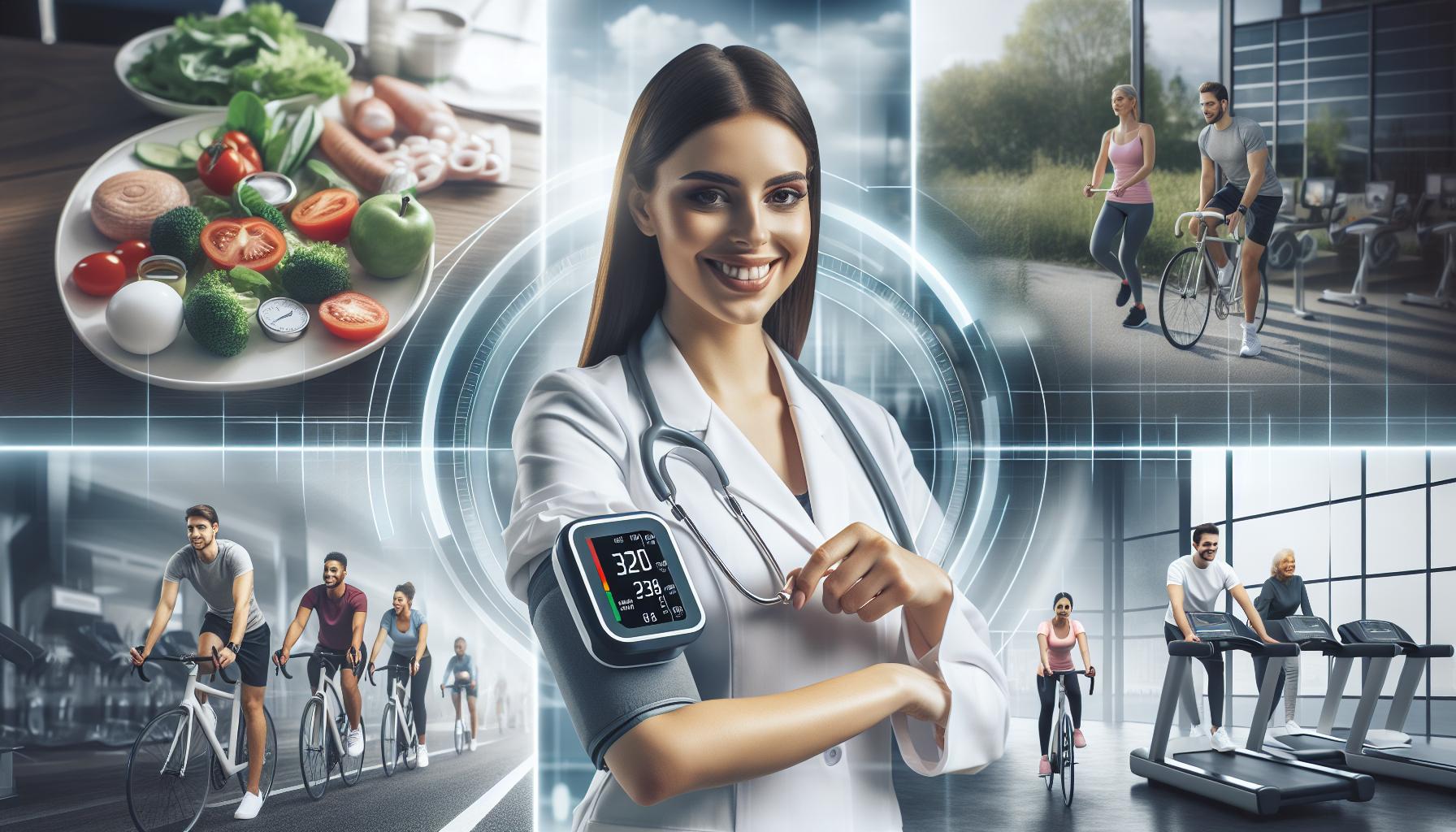
Monitoring your blood pressure effectively is essential for recognizing changes that could lead to serious health issues, including the development of symptoms like red eyes. Keeping a close eye on your numbers can empower you to take proactive steps in managing your health. According to the American Heart Association, regular blood pressure checks can help detect hypertension early, enabling timely intervention to prevent more significant problems.
Start by investing in a reliable home blood pressure monitor. Look for an automatic, digital version that is easy to use and has good reviews. Before taking a reading, ensure that you’re sitting comfortably in a quiet environment for at least five minutes, with your back supported and your arm at heart level. Avoid caffeine, exercise, or smoking in the 30 minutes prior to measuring, as these can temporarily raise your blood pressure. When you’ve settled, wrap the cuff snugly around your upper arm and follow the device’s instructions carefully to obtain an accurate reading.
It’s important to establish a routine for checking your blood pressure. Make it a habit to measure your blood pressure at the same time each day-ideally in the morning and evening. Document each reading in a notebook or use a mobile app designed for tracking health metrics. This will help you notice any patterns over time and provide valuable information to your healthcare provider during check-ups. Aim to take at least two to three readings, each separated by a minute, and average them for a more accurate assessment.
Here are some key practices to enhance your monitoring routine:
- Know your target range: Work with your healthcare provider to determine your ideal blood pressure range. Most adults should aim for less than 120/80 mm Hg.
- Stay consistent: Regular monitoring will help you recognize both highs and lows, making management more straightforward and effective.
- Engage in lifestyle modifications: Besides medication if necessary, adopting a heart-healthy diet, regular exercise, and stress-reduction techniques can enhance your readings and overall well-being.
Incorporating these steps into your routine will not only strengthen your ability to monitor your blood pressure but also support overall health, potentially decreasing the incidence of red eyes linked to hypertension. If you notice consistent high readings or experience symptoms such as bloodshot eyes, be sure to consult a healthcare professional for further evaluation and personalized advice.
Practical Tips for Lowering Blood Pressure at Home
Managing high blood pressure at home can significantly enhance your overall health and potentially alleviate symptoms like red eyes. Simple lifestyle changes can lead to notable improvements in your blood pressure readings and overall well-being. In fact, research shows that even modest reductions in blood pressure can greatly reduce the risk of heart disease and significantly improve eye health.
One effective approach is to adopt a heart-healthy diet, commonly known as the DASH (Dietary Approaches to Stop Hypertension) diet. This plan emphasizes the consumption of fruits, vegetables, whole grains, and lean proteins while reducing sodium intake. Aim to limit your sodium to less than 2,300 mg per day, or even lower if you have specific health risks. Consider incorporating potassium-rich foods, such as bananas and spinach, which can help balance sodium levels and reduce pressure on blood vessels.
Regular physical activity is another cornerstone of managing blood pressure. Aim for at least 150 minutes of moderate aerobic activity, such as brisk walking or cycling, each week. Engaging in activities you enjoy not only makes it easier to maintain this routine but also can reduce stress, a significant contributor to high blood pressure. Remember, even small changes-like opting for stairs instead of the elevator or walking during breaks-can accumulate and make a difference.
Stress management techniques also play a crucial role in lowering blood pressure. Techniques such as deep breathing exercises, yoga, and meditation can effectively reduce stress levels and promote relaxation. These practices not only help manage blood pressure but also contribute positively to eye health by decreasing the likelihood of conditions related to hypertension, like red eyes.
Incorporating these practical tips into your daily routine can create a powerful strategy for reducing blood pressure at home. Empower yourself by taking control of your health through diet, exercise, and stress management, and consult with your healthcare provider to tailor a plan that works best for you. Small, consistent changes can lead to significant health benefits, helping you to maintain not only a healthy blood pressure but also clear, vibrant eyes.
When to Seek Medical Attention for Red Eyes
If your eyes are looking unusually red, it might just be a minor irritation or lack of sleep. However, when such symptoms are coupled with high blood pressure, they could signal something more serious. Understanding when red eyes warrant medical attention is crucial, particularly for individuals managing hypertension. Ignoring persistent or severe symptoms can lead to complications that affect both eye health and overall well-being.
It’s important to seek medical advice in the following situations:
- Persistent Redness: If your red eyes do not improve after several days, this could indicate an underlying issue that requires professional evaluation.
- Accompanying Symptoms: Watch for additional symptoms such as vision changes, pain in or around the eyes, or sensitivity to light, which may suggest a more serious condition.
- Severe Pain or Discomfort: Sudden or severe eye pain should never be ignored, as it may point to acute conditions like glaucoma or uveitis.
- History of Eye Conditions: If you have a history of eye diseases or have had eye surgery, any changes in appearance or sensation warrant immediate consultation with an eye care professional.
- Increased Blood Pressure Symptoms: If you experience headaches, dizziness, or nosebleeds along with red eyes, these could be signs of a hypertensive crisis, necessitating urgent medical attention.
Timely intervention can help prevent short- and long-term complications related to both eye health and hypertension. If you find yourself in any of these situations, consult with your healthcare provider for a comprehensive evaluation. Early detection and management can lead to better health outcomes and peace of mind, reinforcing the importance of regular monitoring and adapting your lifestyle to maintain optimal blood pressure and eye health.
Long-Term Health Effects of Untreated High Blood Pressure
Untreated high blood pressure, or hypertension, can lead to a cascade of long-term health complications that extend beyond the immediate cardiovascular risks. Research highlights that persistent hypertension can damage the body’s organs, including the eyes, heart, and kidneys, often without noticeable symptoms until severe damage has occurred. When blood pressure levels remain high, they exert stress on blood vessel walls, promoting conditions like atherosclerosis, where arteries narrow and harden, setting the stage for life-threatening events such as heart attacks and strokes.
The potential impact on eye health is particularly alarming. Chronic hypertension can lead to hypertensive retinopathy, a condition where the blood vessels in the retina become damaged, leading to vision problems or even blindness if left untreated. Symptoms might not appear until significant damage has already taken place, which is why regular eye examinations are crucial for individuals with high blood pressure. These screenings can help detect changes in the eye early, allowing for timely interventions that could prevent more severe outcomes.
It’s also essential to recognize the broader implications of sustained high blood pressure. The heart must work harder to pump blood against the increased resistance in the blood vessels, which can lead to heart failure over time. In addition, the kidneys can suffer damage due to compromised blood flow and filtering capacity, resulting in chronic kidney disease. Managing blood pressure effectively not only protects these vital organs but also significantly enhances overall quality of life.
To mitigate these long-term effects, it’s crucial to adopt a proactive approach to health management. This includes regular monitoring of blood pressure, following prescribed treatments, and making lifestyle changes such as healthy eating, regular physical activity, and reducing stress. Engaging in these practices empowers individuals to take charge of their health, minimizes risks associated with high blood pressure, and fosters a sustainable path toward better overall well-being. Regular check-ups and maintaining open communication with healthcare providers can facilitate early detection and intervention, ensuring that hypertension does not undermine your health in the long run.
Living with High Blood Pressure: Lifestyle Adjustments
Living with high blood pressure often means making significant lifestyle changes that can improve not only blood pressure readings but also overall health and well-being. One essential adjustment is adopting a heart-healthy diet. Studies suggest that a diet rich in fruits, vegetables, whole grains, and lean proteins can effectively lower blood pressure. The DASH (Dietary Approaches to Stop Hypertension) eating plan is specifically designed to combat hypertension and emphasizes potassium-rich foods such as bananas and spinach, which help balance sodium levels in the body.
In addition to dietary changes, engaging in regular physical activity is imperative. Aim for at least 150 minutes of moderate-intensity exercise each week, such as brisk walking, swimming, or cycling. Regular exercise strengthens the heart, aids in weight management, and helps reduce stress, all of which are beneficial for keeping blood pressure in check. Even simple changes like taking the stairs instead of the elevator or incorporating short walks throughout the day can contribute positively.
Another critical factor is stress management. Chronic stress can elevate blood pressure and lead to unhealthy habits like overeating or excessive drinking. Practicing techniques like mindfulness, meditation, or yoga can significantly lower stress levels. Finding activities that you enjoy and that relax you, whether it’s gardening, reading, or engaging with friends, can be effective stress relievers and contribute to better health.
To enhance the effectiveness of these lifestyle changes, monitoring blood pressure regularly is essential. Keeping a journal of readings can provide insight into patterns and triggers, allowing for more informed discussions with healthcare professionals. If blood pressure readings remain high despite lifestyle adjustments, it may be necessary to consult a healthcare provider for further evaluation and, if needed, medication to control hypertension.
In summary, embracing a combination of dietary improvements, physical activity, stress management, and regular monitoring can empower individuals to take control of their blood pressure. These proactive steps not only help mitigate the risks associated with hypertension but also cultivate a more fulfilling and healthier life.
The Importance of Regular Eye Exams for Hypertension Patients
Regular eye exams are a critical component of health management for individuals with high blood pressure. While high blood pressure, or hypertension, is often referred to as the “silent killer” because it rarely presents symptoms until serious damage has occurred, it can have profound effects on your eyes. Hypertension can lead to changes in the blood vessels of the retina, known as hypertensive retinopathy, which can impair vision and signal other serious complications in the body.
During an eye exam, an optometrist or ophthalmologist can spot changes in the blood vessels of the eyes-these changes may include narrowing, damage, or bleeding. Recognizing these changes can lead to early interventions that not only preserve vision but also prompt further evaluation of overall health. This is especially important since symptoms related to high blood pressure may not be immediately apparent, making regular eye exams an essential part of comprehensive health care. In fact, eye exams can serve not only to detect eye conditions but also underlying health issues, including diabetes and cardiovascular problems, that may not yet be diagnosed.
It is generally recommended that individuals with high blood pressure have their eyes checked at least once a year, or more frequently if advised by a healthcare provider. During these examinations, a variety of tests may be conducted, including visual acuity tests, dilated eye exams to assess the retina, and checks for signs of fluid buildup or hemorrhaging. Maintaining an open line of communication with your eye care professional about your blood pressure status can enhance the effectiveness of these exams.
Incorporating regular eye examinations into your health routine empowers you to take charge of not just your eye health, but your overall well-being. If you notice any new symptoms, such as sudden changes in vision or the appearance of red eyes, it’s crucial to consult a healthcare professional immediately. Early detection and management of vision-related issues caused by hypertension can lead to better health outcomes and an improved quality of life.
Success Stories: Managing High Blood Pressure and Healthy Eyes
Creating a life where high blood pressure is managed effectively not only benefits overall health but also ensures the well-being of your eyes. For many individuals, the journey to controlling hypertension is filled with challenges, but inspiring success stories emphasize the power of lifestyle changes and proactive care. One such story is that of Mark, a 58-year-old man diagnosed with high blood pressure. Initially overwhelmed, he developed a daily routine that included regular exercise, healthier eating, and consistent monitoring of his blood pressure. With support from health professionals, Mark’s commitment not only stabilized his blood pressure but also reduced the noticeable redness in his eyes caused by hypertension. Today, he enjoys better vision and a sense of accomplishment in his health journey.
Many individuals like Mark benefit from understanding the importance of integrating eye health into their hypertension management plans. When Jane, a 45-year-old teacher, noticed recurring red eyes and frequent headaches, she took action. After a thorough eye exam revealed changes related to her elevated blood pressure, Jane began to follow a multifaceted approach. She collaborated with her healthcare team to set realistic blood pressure goals and took small yet impactful steps: swapping out processed foods for fresh fruits and vegetables, dedicating time to stress-reducing activities like yoga, and scheduling regular eye exams. As her blood pressure decreased, Jane observed the vibrant return of her eye health and an uplifted sense of vitality.
To share these successes more broadly, it’s crucial to adopt strategies that empower individuals managing high blood pressure. Here are actionable steps anyone can take:
- Monitor your blood pressure regularly: Use a home monitor and log readings to discuss with your healthcare provider.
- Schedule annual eye exams: Prioritize eye health; these exams can detect issues early, even before symptoms arise.
- Embrace a balanced diet: Focus on whole foods rich in potassium, like bananas and spinach, which help manage blood pressure levels.
- Incorporate physical activity: Aim for at least 150 minutes of moderate exercise each week to enhance cardiovascular health.
- Manage stress: Engage in relaxation techniques such as deep breathing, meditation, or hobbies that bring joy.
The stories of individuals successfully managing high blood pressure serve as a testament to the profound impact of dedication and vigilance. With the right support and lifestyle changes, it’s entirely possible to protect your eyes from the adverse effects of hypertension, ensuring a clearer and healthier vision for years to come. Each step taken towards managing blood pressure not only fosters confidence but enhances quality of life, proving that making informed health choices can lead to empowering outcomes.
Expert Insights on Hypertension and Eye Health
Red eyes can be an alarming symptom, often signaling underlying issues such as fatigue, allergies, or high blood pressure. In fact, elevated blood pressure, while often symptomless, may lead to visible changes in eye health. Experts emphasize the importance of understanding the connection between hypertension and ocular health, as managing blood pressure can ultimately preserve not just cardiovascular health but also your vision.
When blood pressure rises, it may cause the blood vessels in the eyes to stretch, leading to conditions such as hypertensive retinopathy. This condition manifests through symptoms such as red or bloodshot eyes, which can prompt concern over the eyes’ condition. Regular eye exams are crucial, as they can catch these changes early, allowing timely intervention that may prevent serious complications. Health professionals often stress that the sooner conditions related to hypertension are addressed, the better the outcomes in both eye health and overall well-being will be.
To effectively monitor your blood pressure, the following steps are recommended:
- Use home monitoring devices: Regular readings help you stay aware of your blood pressure trends.
- Keep a log: Document your readings to discuss with your healthcare provider during appointments.
- Incorporate lifestyle changes: Manage factors such as diet, exercise, and stress levels that contribute to blood pressure.
Educating yourself about hypertension and how it can affect eye health empowers you to advocate for your well-being. Remember, consistent and proactive self-care is key in managing high blood pressure and its associated risks, ensuring both your overall health and your vision remain intact. By prioritizing regular health check-ups and staying informed, you can take actionable steps to avoid the earthen effects of hypertension on your eyes.
Faq
Q: Can high blood pressure lead to permanent eye damage?
A: Yes, high blood pressure can result in permanent eye damage if left untreated. Conditions such as hypertensive retinopathy can occur, harming the blood vessels in the retina and potentially leading to vision loss. Regular eye exams can help monitor your eye health, as discussed in our section on the importance of regular eye exams for hypertension patients.
Q: How does high blood pressure affect vision?
A: High blood pressure affects vision primarily by damaging the blood vessels in the eyes, leading to conditions like retinopathy and choroidopathy. Symptoms may include blurred vision or sudden vision loss. It’s crucial to manage blood pressure effectively to minimize these risks; refer to our practical tips for lowering blood pressure at home for strategies.
Q: What are the symptoms of eye problems due to hypertension?
A: Symptoms of eye problems related to hypertension may include blurred vision, visual disturbances, or red eyes. If these symptoms arise, it’s essential to consult a healthcare professional immediately. For more details on when to seek medical attention, please check our related section.
Q: Can stress contribute to high blood pressure and red eyes?
A: Yes, stress can increase blood pressure, potentially leading to red eyes due to blood vessel dilation. Managing stress through relaxation techniques may help stabilize blood pressure and reduce eye redness. For more information, see our section on lifestyle adjustments for managing hypertension.
Q: Is it possible to lower blood pressure naturally to improve eye health?
A: Absolutely, adopting healthier lifestyle choices can lower blood pressure naturally, benefitting eye health. Regular exercise, a balanced diet, and stress management are key strategies. Explore our practical tips for lowering blood pressure at home for more effective methods.
Q: How often should I have my eyes examined if I have high blood pressure?
A: Individuals with high blood pressure should have their eyes examined at least once a year. Regular screenings help detect changes early and protect against potential vision loss related to hypertension. More on this can be found in our importance of regular eye exams section.
Q: Can high blood pressure cause dry eyes?
A: High blood pressure itself isn’t typically a direct cause of dry eyes, but certain hypertension medications can have side effects that lead to dryness. If you experience dry eyes, consult your doctor about potential adjustments to your treatment plan.
Q: What should I do if I notice changes in my vision related to hypertension?
A: If you notice any changes in your vision, such as blurred vision or sudden redness, seek medical attention promptly. Early intervention is crucial for preserving your eye health. For monitoring blood pressure effectively, check out our guidelines on effective management strategies.
Insights and Conclusions
Understanding the link between high blood pressure and red eyes is crucial for your health. While elevated blood pressure may contribute to eye redness, recognizing the signs early can lead to effective management. If you’re experiencing symptoms like persistent redness or discomfort, don’t hesitate to consult a healthcare professional. Monitoring your blood pressure regularly is essential-learn how with our comprehensive guide on managing high blood pressure effectively.
For more insights, explore our articles on high blood pressure management and common eye conditions that you might face. Stay proactive about your health-consider signing up for our newsletter to receive tips right in your inbox! Your journey to better eye health and blood pressure management starts now; let’s take the next steps together.